Secret silk labyrinths The Savers of Lyon in Ancient Times and the Modern Icons (15 photos + 1 video)
Several streets in Lyon, France, run parallel to the water, but there are almost no cross-streets connecting them. 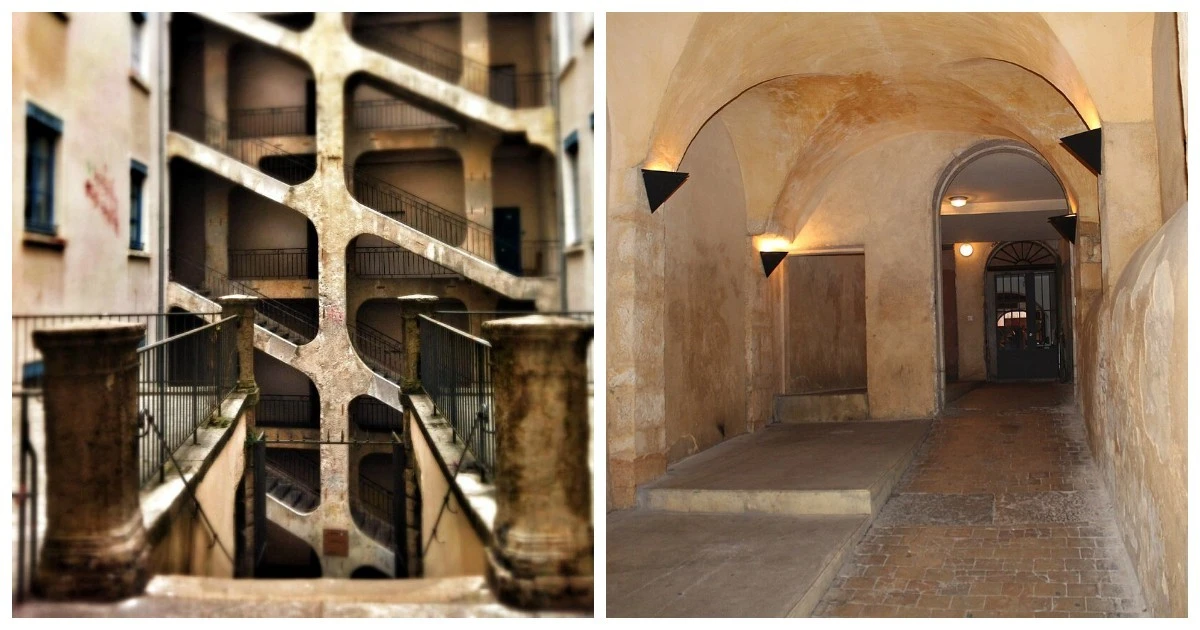
The distance between these cross-streets is about two hundred meters. For a leisurely tourist, it's a pleasant stroll of a couple of minutes, no more. 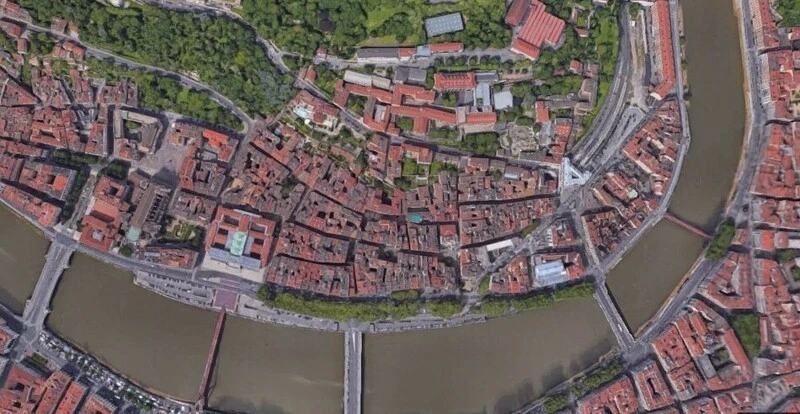
But if you're a 15th-century silk merchant, lugging tight bales of precious fabric weighing tens of kilograms, every extra step becomes a challenge. 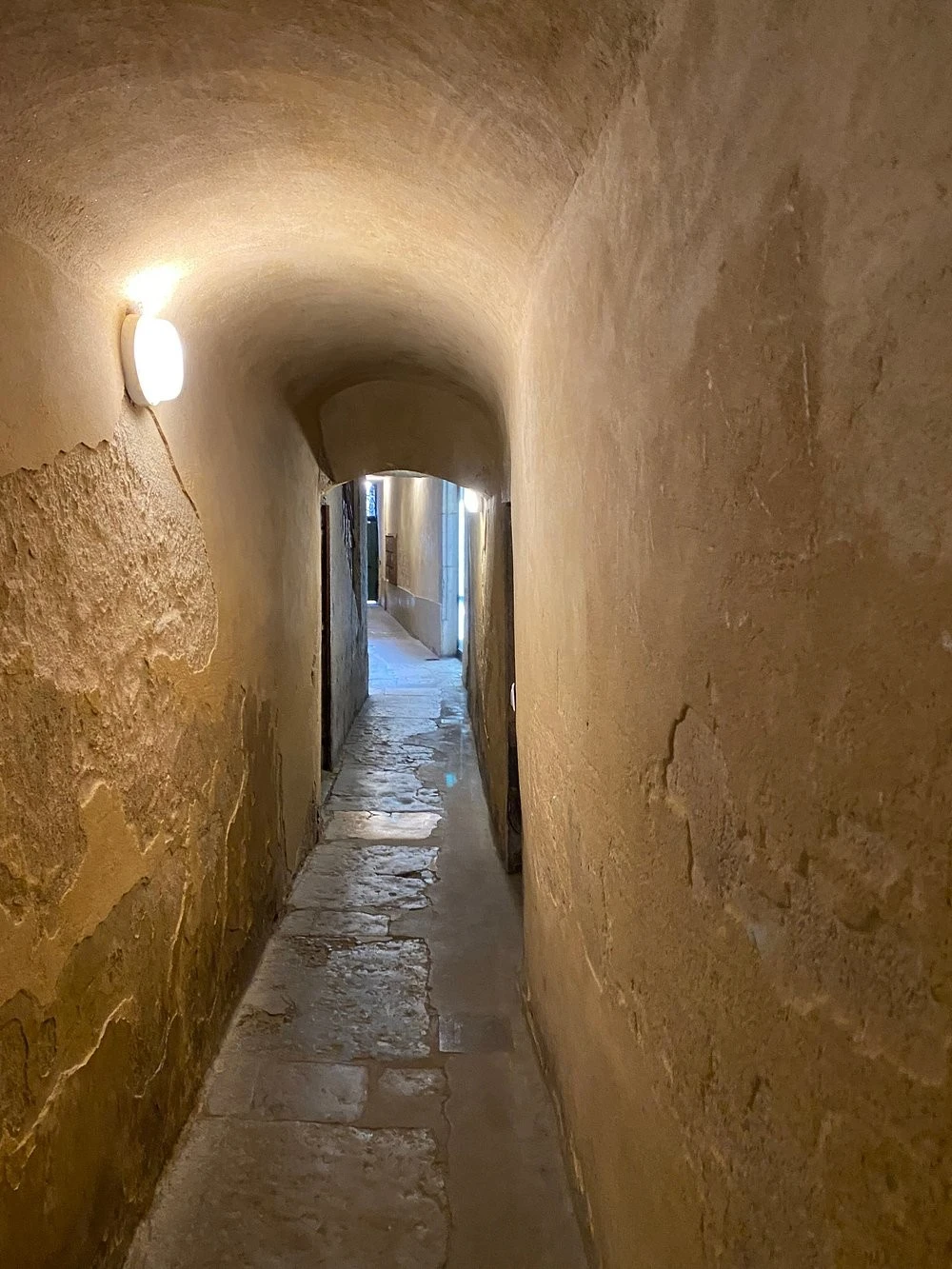
And so, artisans began to look for loopholes, passing through other people's houses and private courtyards to instantly find themselves on the next street. 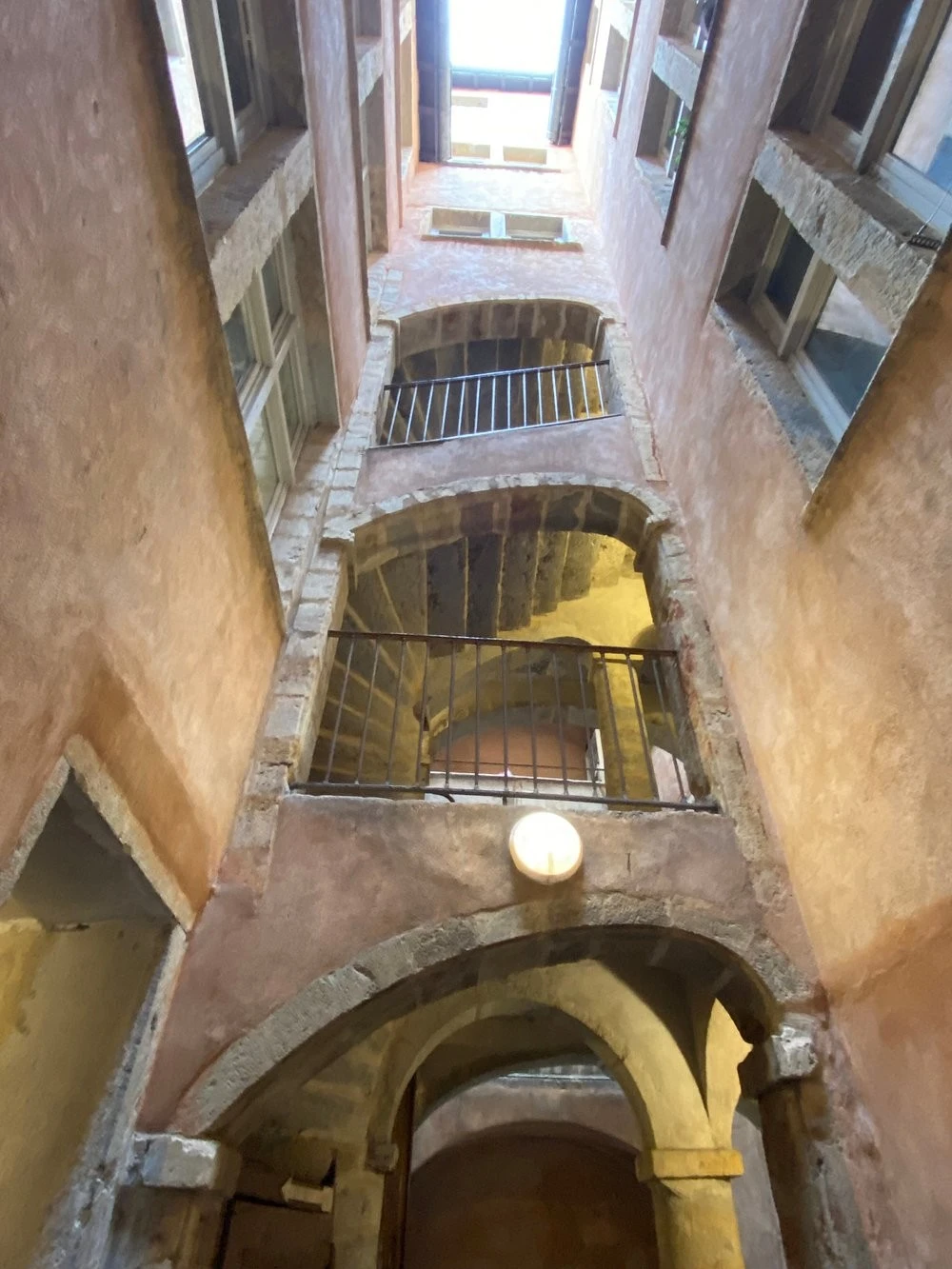
Over time, these shortcuts intertwined into a network of secret corridors, which were called traboules. The word comes from the Latin trans ambulare, meaning "to cross." 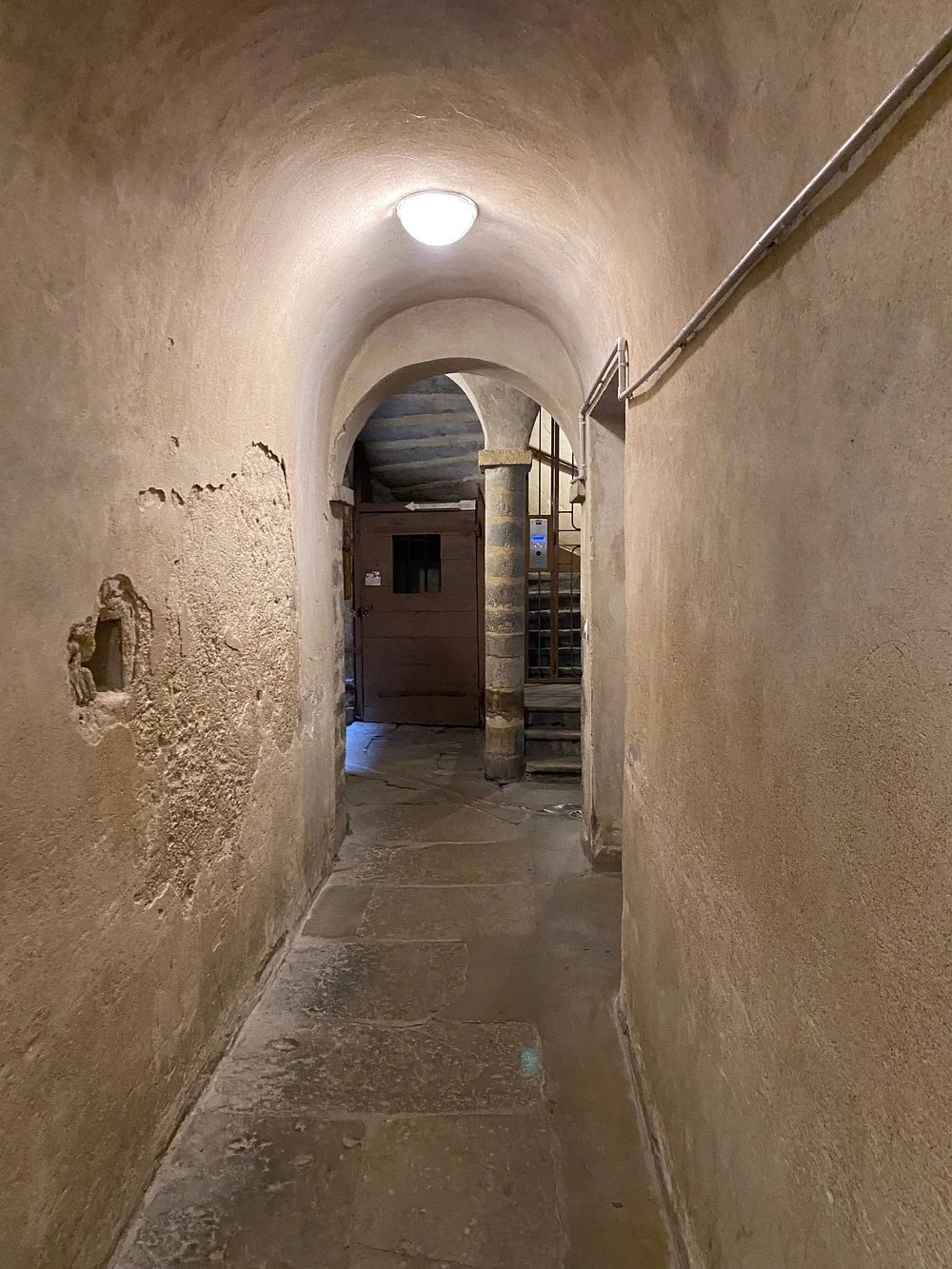
While the history of traboules is inextricably linked with silk manufactories, their roots go back to the 4th century. When the Roman Empire fell, the aqueducts that supplied the city, then called Lugdunum, fell into disrepair. 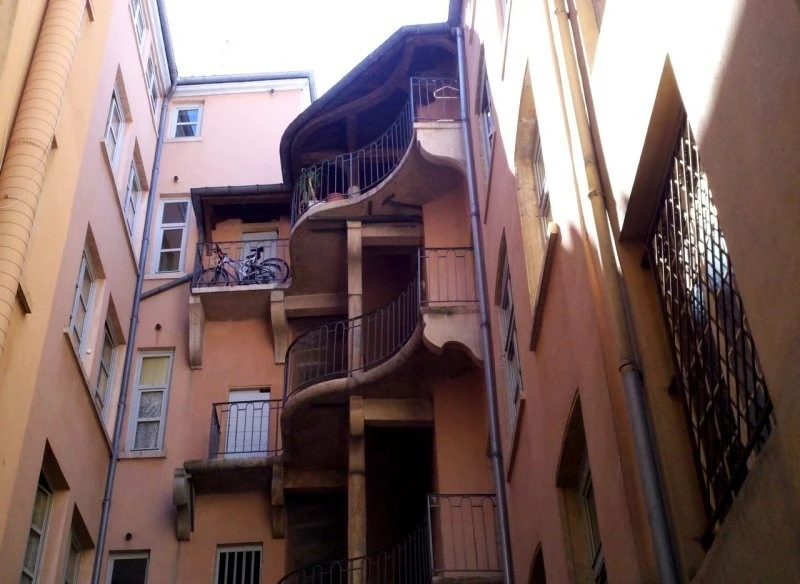
Residents were forced to move closer to the water, to the banks of the Saône. The first traboules were built during this era to provide residents with the shortest route from their homes to the river. 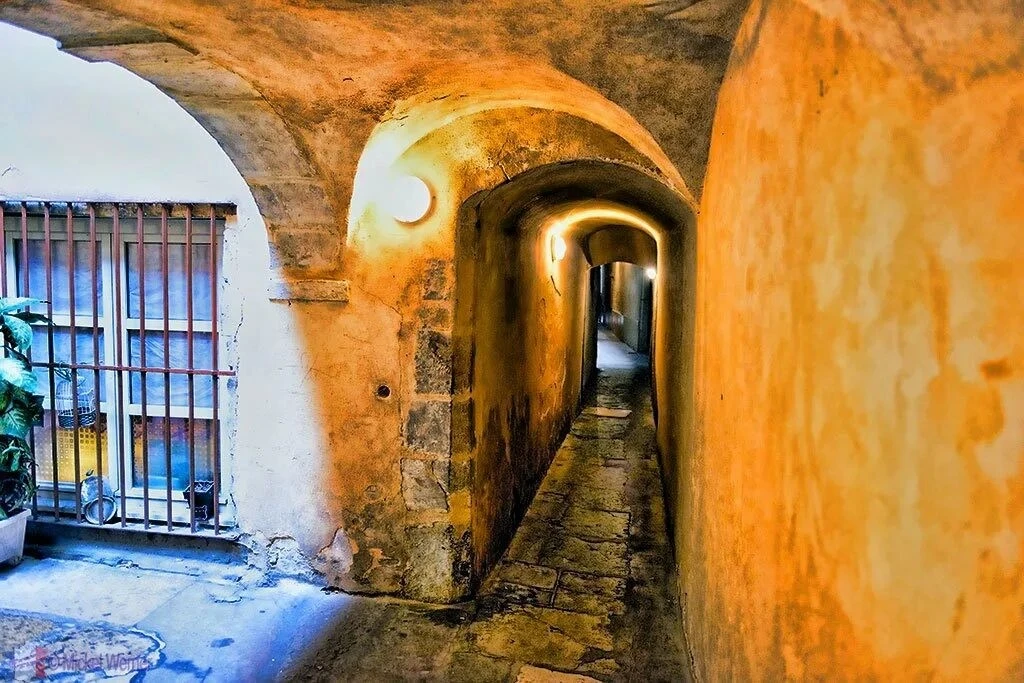
Centuries later, when Lyon became the capital of the silk trade, these passages became a lifeline for canuts (as local weavers were called). They could quickly transport goods from the docks to the city markets, and covered galleries protected the precious bolts from the rain, allowing them to work even in inclement weather. 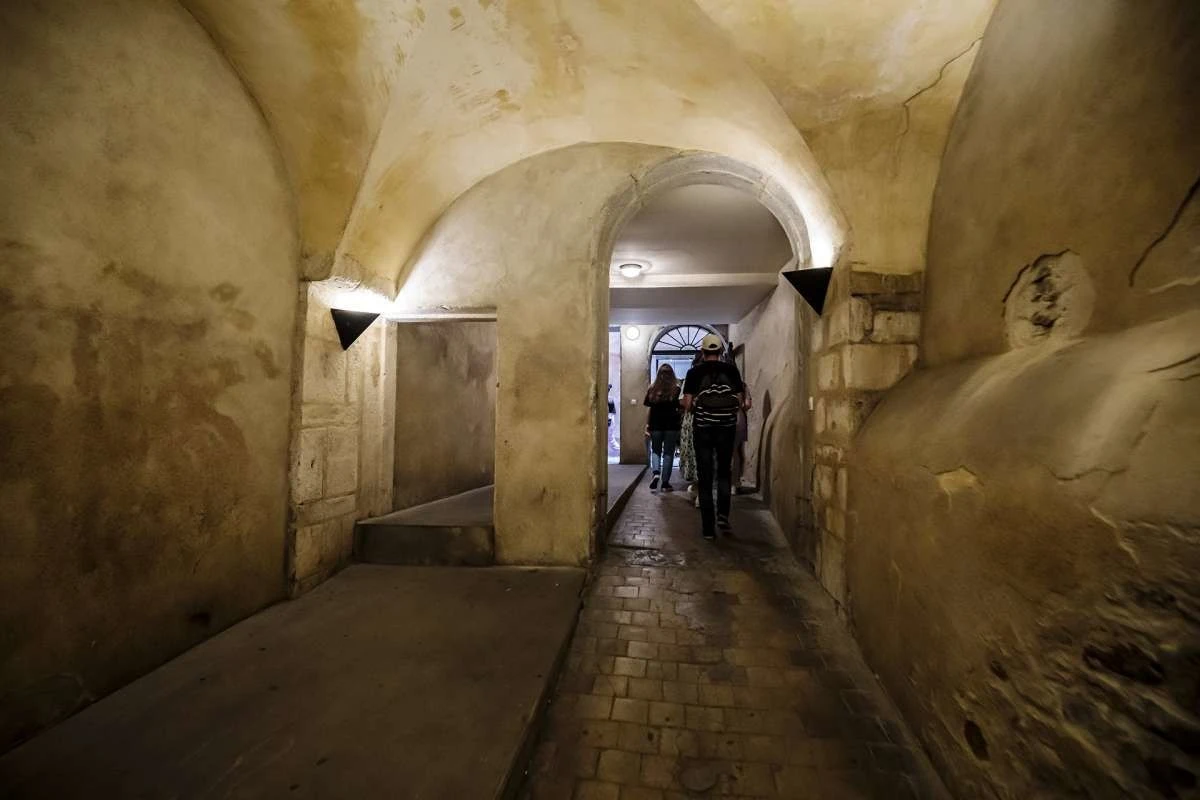
Today, Lyon boasts over 500 of these secret arteries. The largest number of them are found in the Vieux Lyon (Old Town) district, on the Croix-Rousse hill, where weavers settled, and on the Presqu'île peninsula. 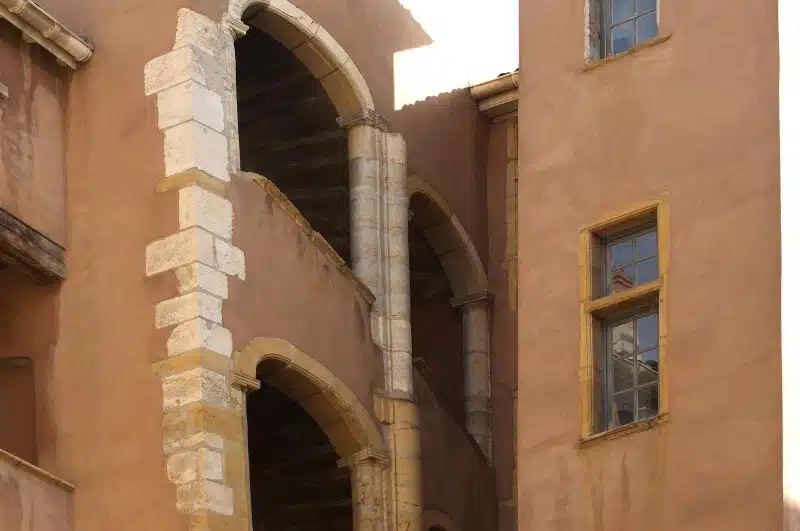
Most of the traboules are privately owned and therefore closed to the public. Some are even walled up and converted into storage spaces. 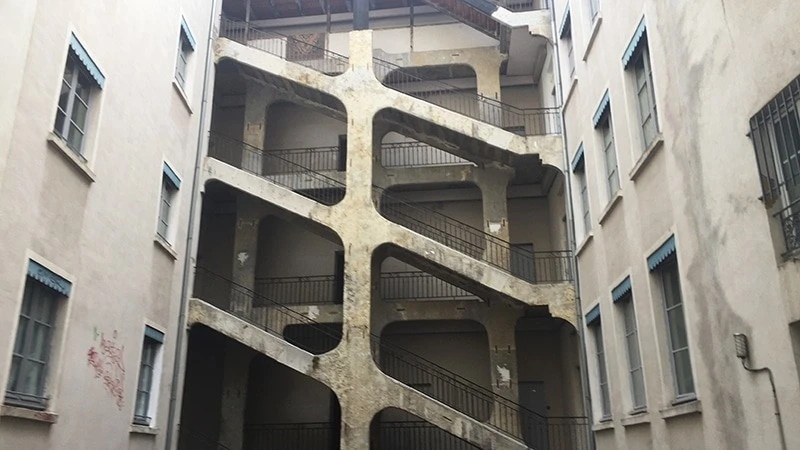
Only about 40 passages are open to tourists. Several years ago, city authorities entered into a special agreement with residents of buildings where traboules are located. 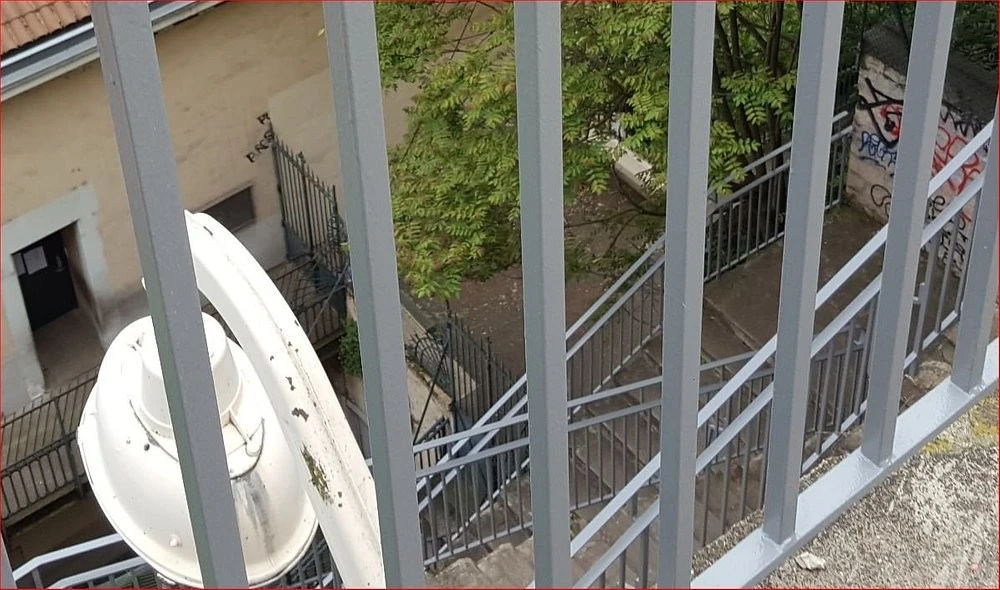
The municipality took on the maintenance, cleaning, and lighting of these corridors, and in exchange, the owners agreed to open them to the public from morning until evening. Unfortunately, the agreement isn't always honored, and some traboules, which should be accessible to everyone, are only open to insiders. 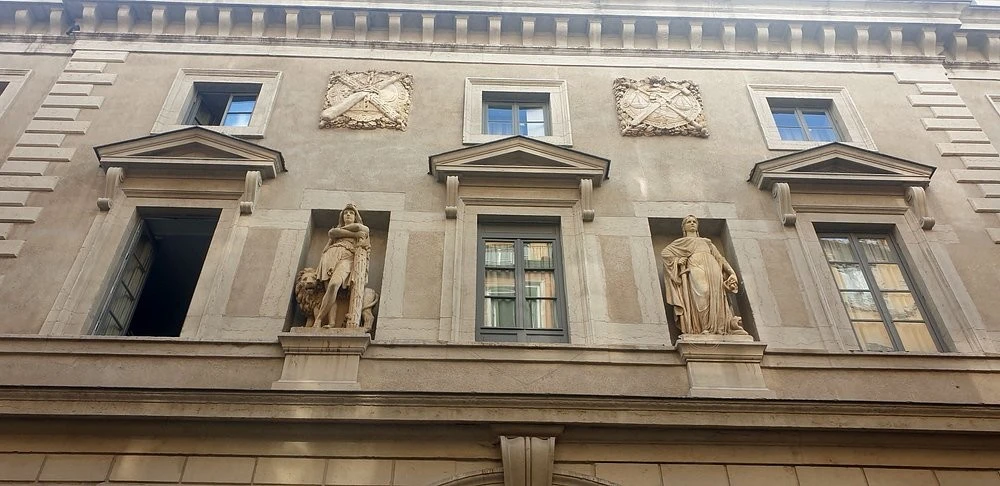
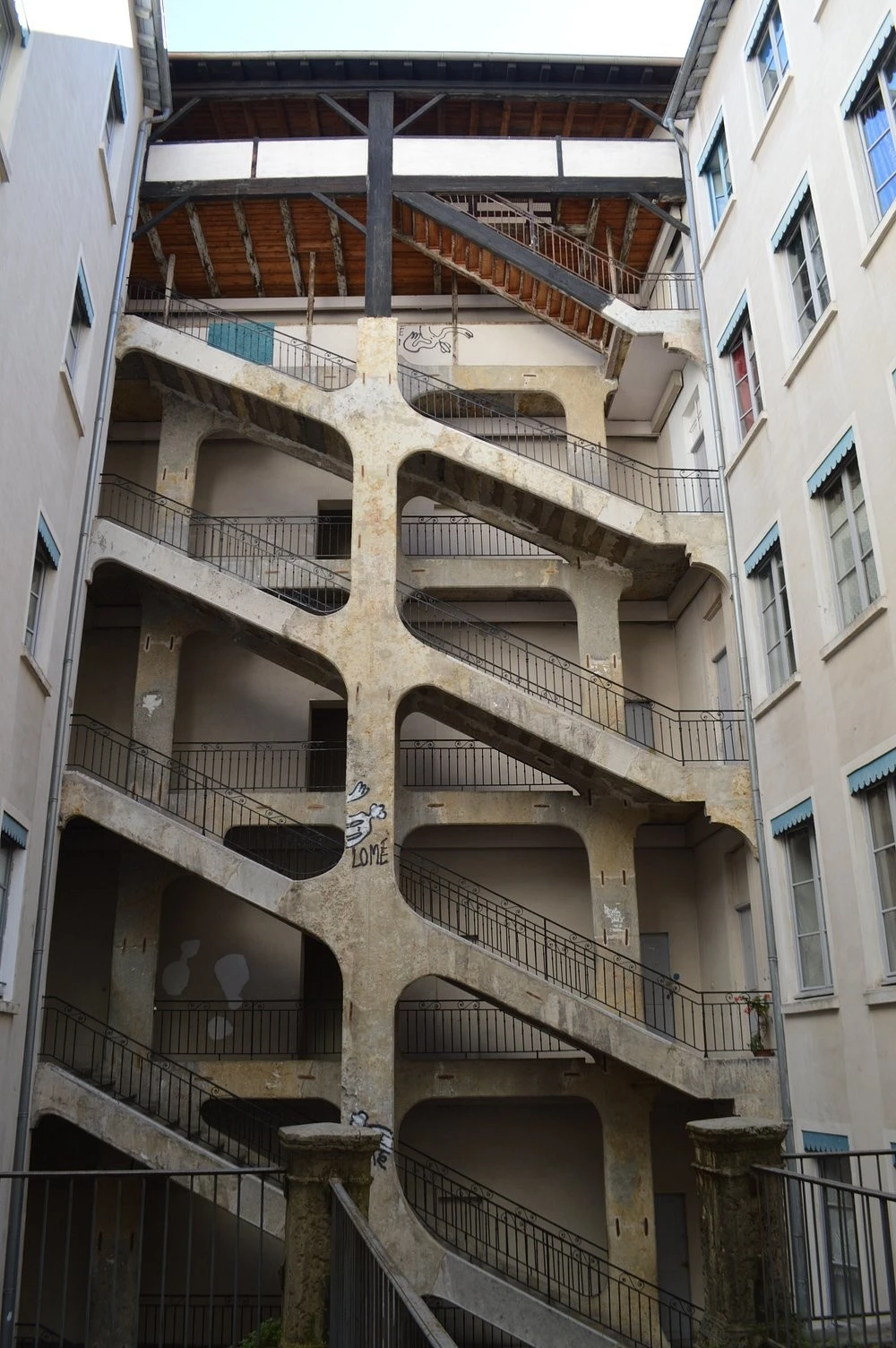
The most famous of these is the "Court of the Gluttons" in the Croix-Rousse quarter. It is a living monument to the canut rebellions of the 19th century. Once, this courtyard was a hub of anger: hundreds of angry weavers passed through this courtyard on their way to the city center. During World War II, traboules also served the Resistance. 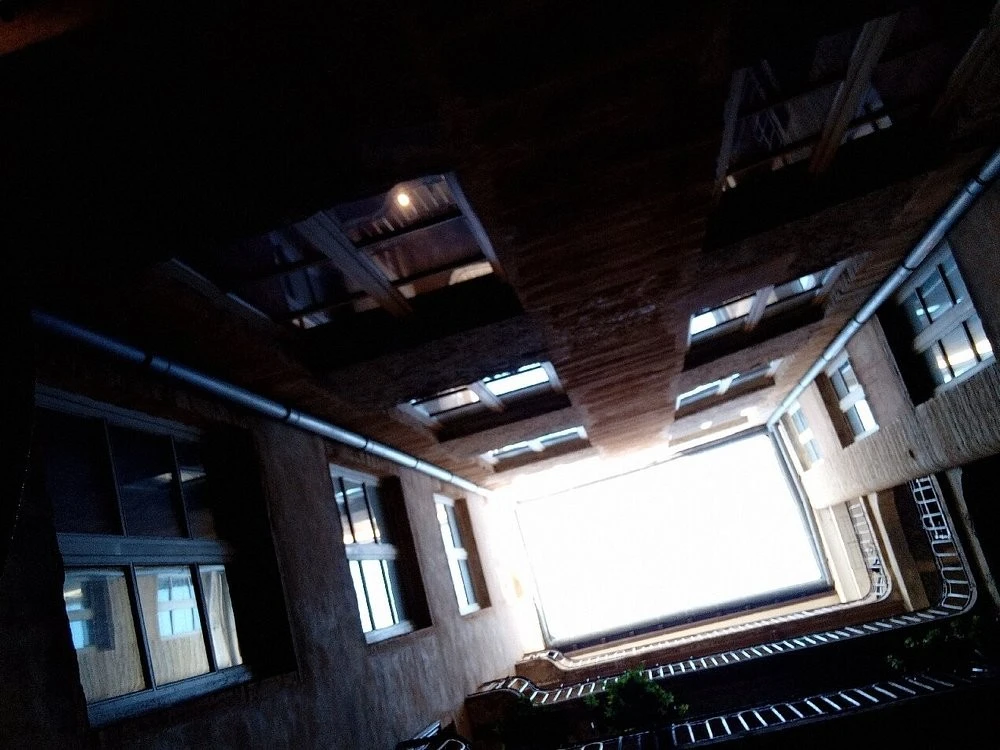
In these dark, shadow-filled labyrinths, it was easy to evade pursuit, especially during the early years of the occupation, when only native Lyonnais knew about the secret passages. 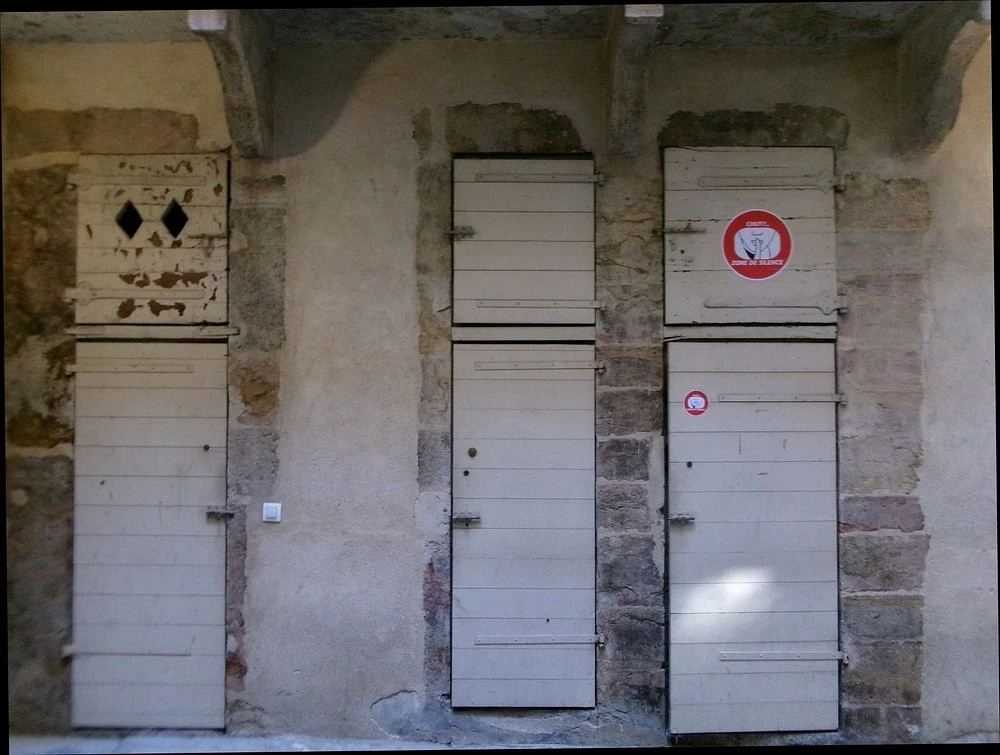
They say that a true Lyonnais is one who knows the traboules as well as the lines on his own palm.