The Australian echidna is the strangest and most alien mammal on the planet. Our evolutionary paths diverged between 150 and 210 million years ago. This means that at that time, dinosaurs weren't just roaming the planet—they themselves weren't yet fully in full swing. That's why echidnas have evolved into one vast collection of incredibly ancient and/or unique traits that's too weird to even talk about. 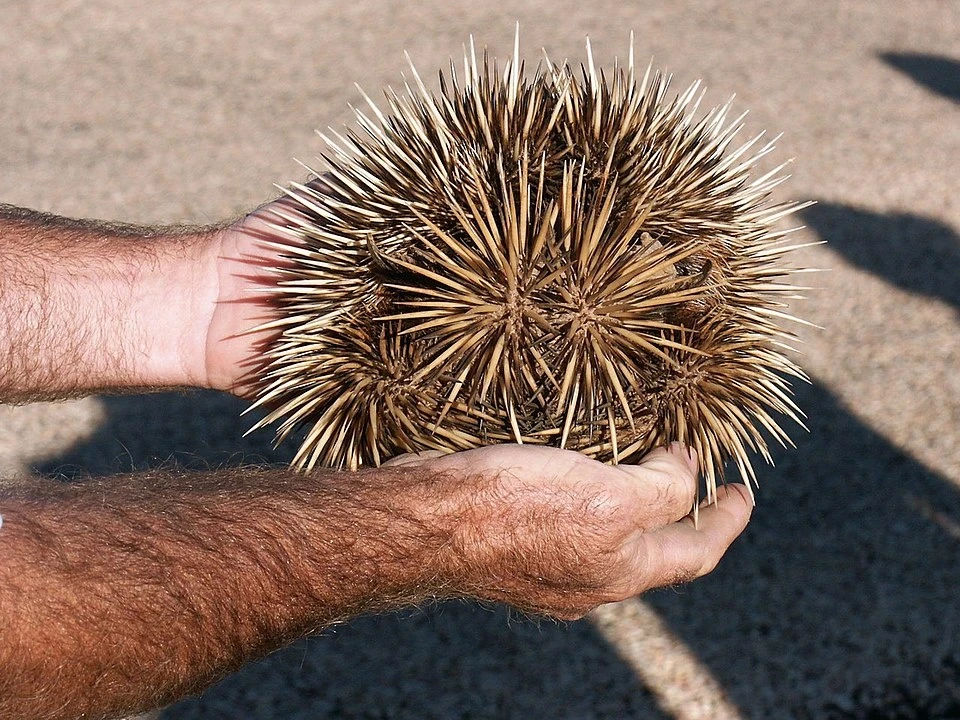
Meet the echidna ball!
Oddity One: A Single Entryway for All Waste
Let's address the elephant in the room right away. Echidnas and platypuses are both monotremes, meaning that instead of three natural openings designed for the exit of solid and liquid waste, as well as their young, they have a single cloaca. This makes them very similar to reptiles and birds, which use a similar system. Is it convenient? Is it hygienic? The answer to both questions is no. But it's a damn ancient design feature that more or less serves its purpose. 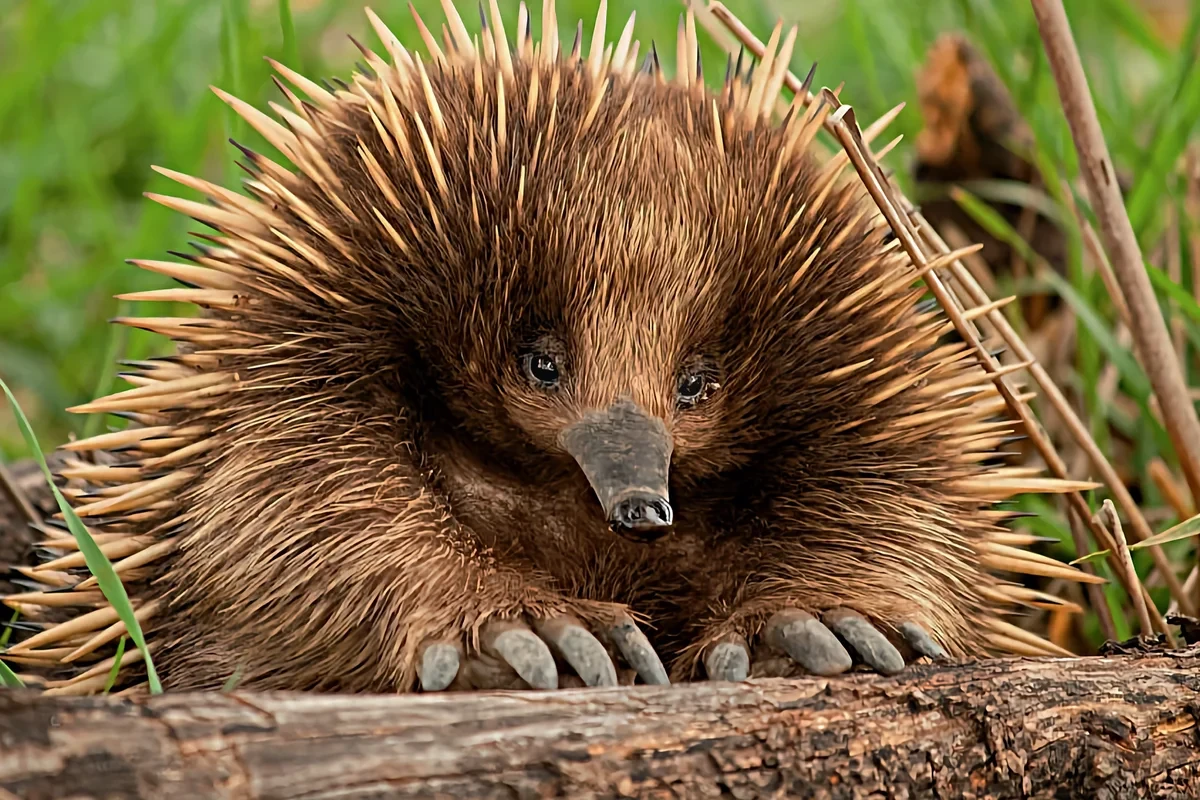
Even echidnas dream of playing the piano...
But what's far more interesting is that echidnas don't give birth to fully formed babies, but lay eggs, like all normal mammals. Yes, you read that correctly. Egg-laying was the basic trait for all mammals, and only our branch of evolution—the branch of mammals—invented the placenta and viviparity. Other groups of mammals always laid eggs and didn't consider other ways to raise their offspring. It's just a shame they went extinct. All except echidnas and platypuses. 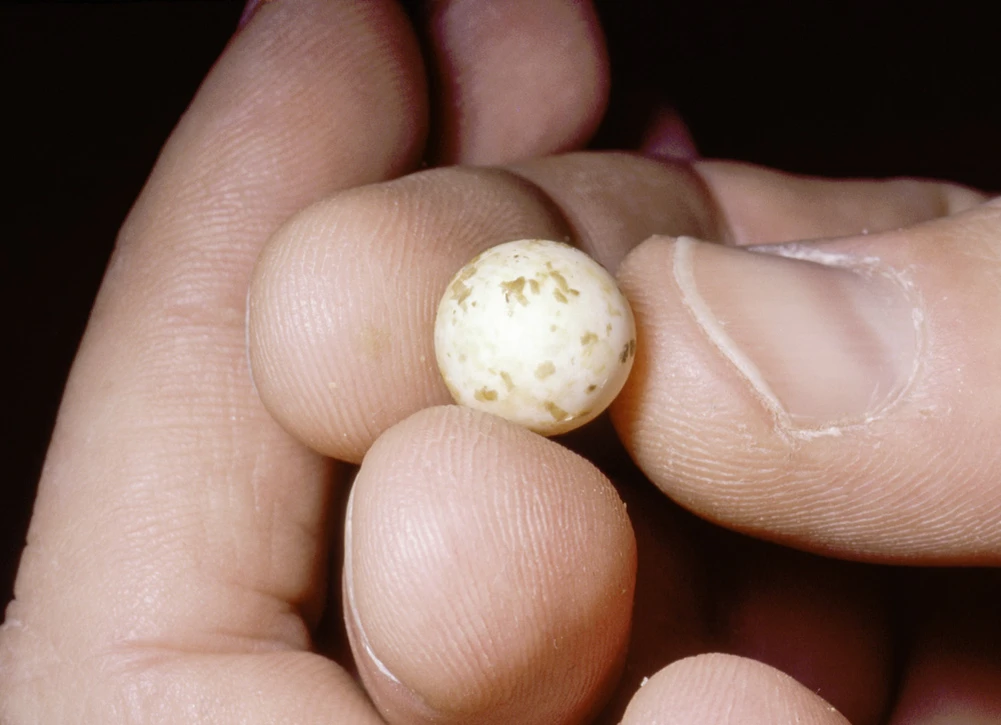
A newborn echidna is smaller than a grape! 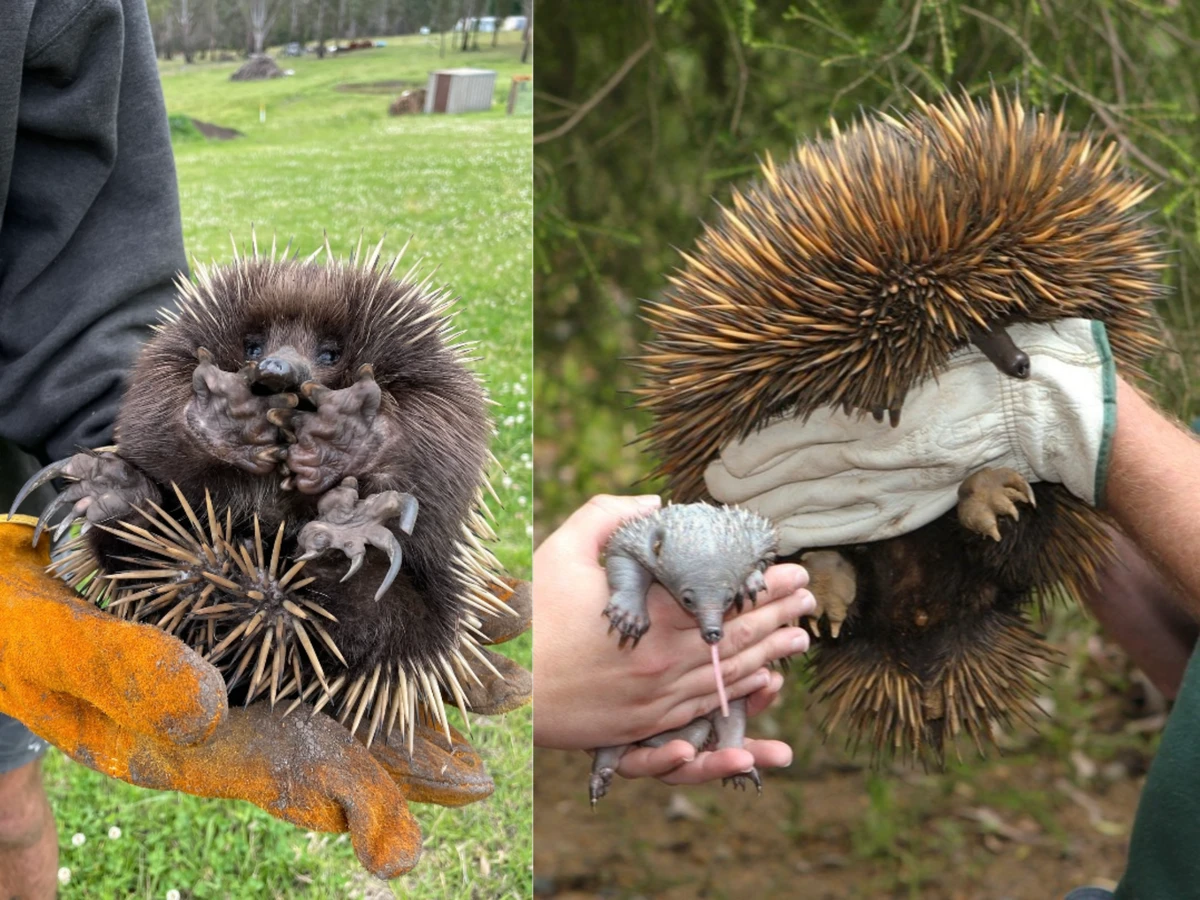
But they eventually grow up to be three times the size of hedgehogs.
Oddity Two: They Stink of Poison
Another trait monotremes borrowed from reptiles is the ability to produce venom, a trait most placental mammals have lost. Platypuses, for example, have poisonous spurs, which they use for self-defense and in fights with other males. For such small mammals, this is a reliable and effective weapon. 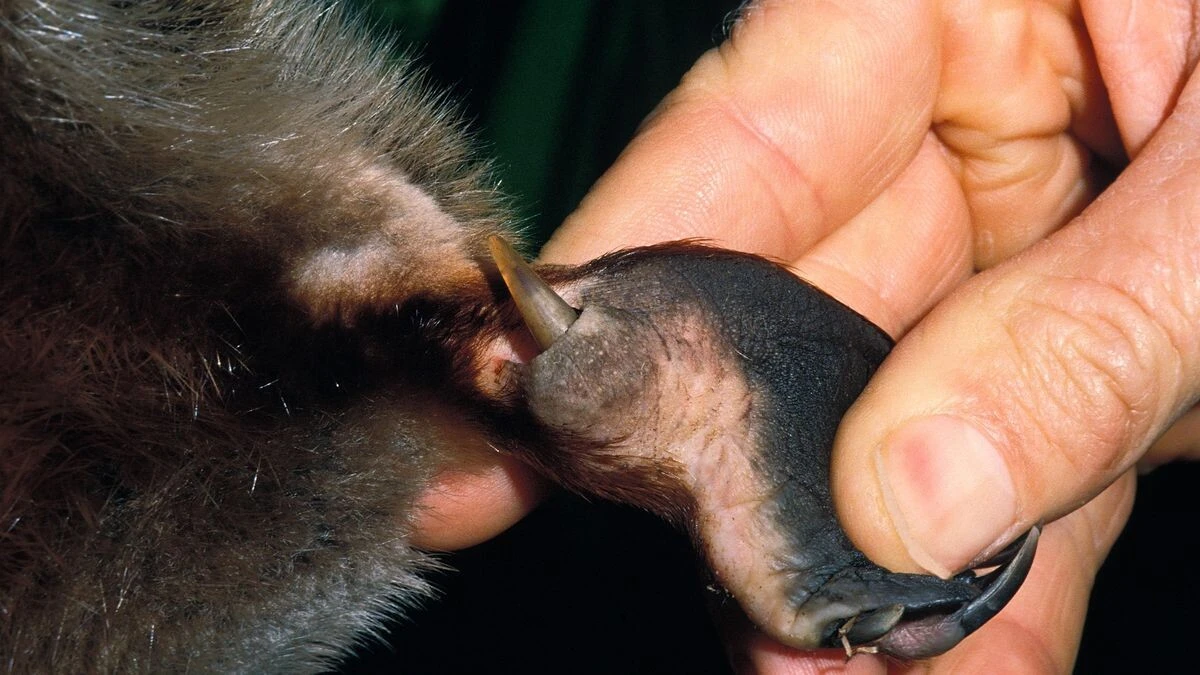
This is the platypus's poisonous spine. It's literally a concealed weapon!
Only echidnas have abandoned their poisonous venom and repurposed their venom glands into pheromone glands, allowing them to spread their scent throughout the area during mating season. The goal remains the same: to secure a mate. But there's no need to dart paralyzing toxins at their opponents anymore. Progress, indeed! 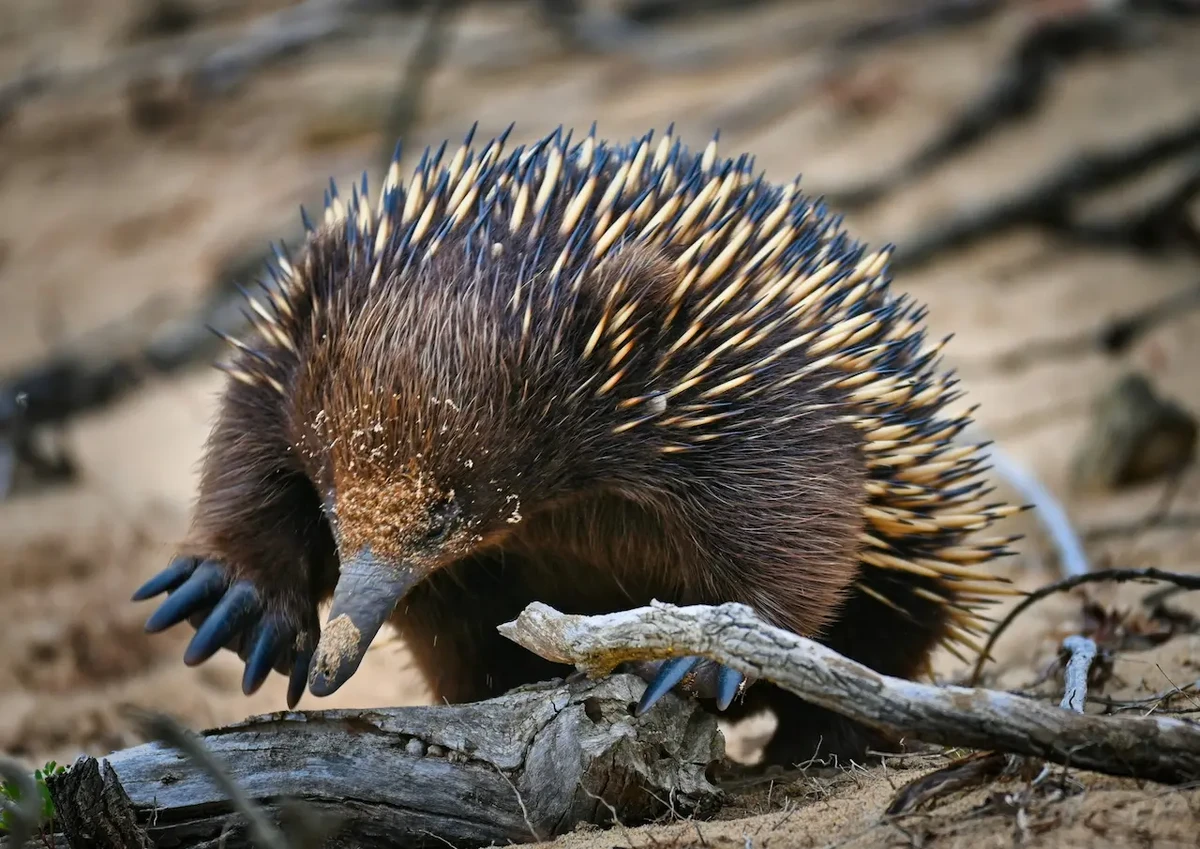
Maybe clumsy, but at least they're humane! 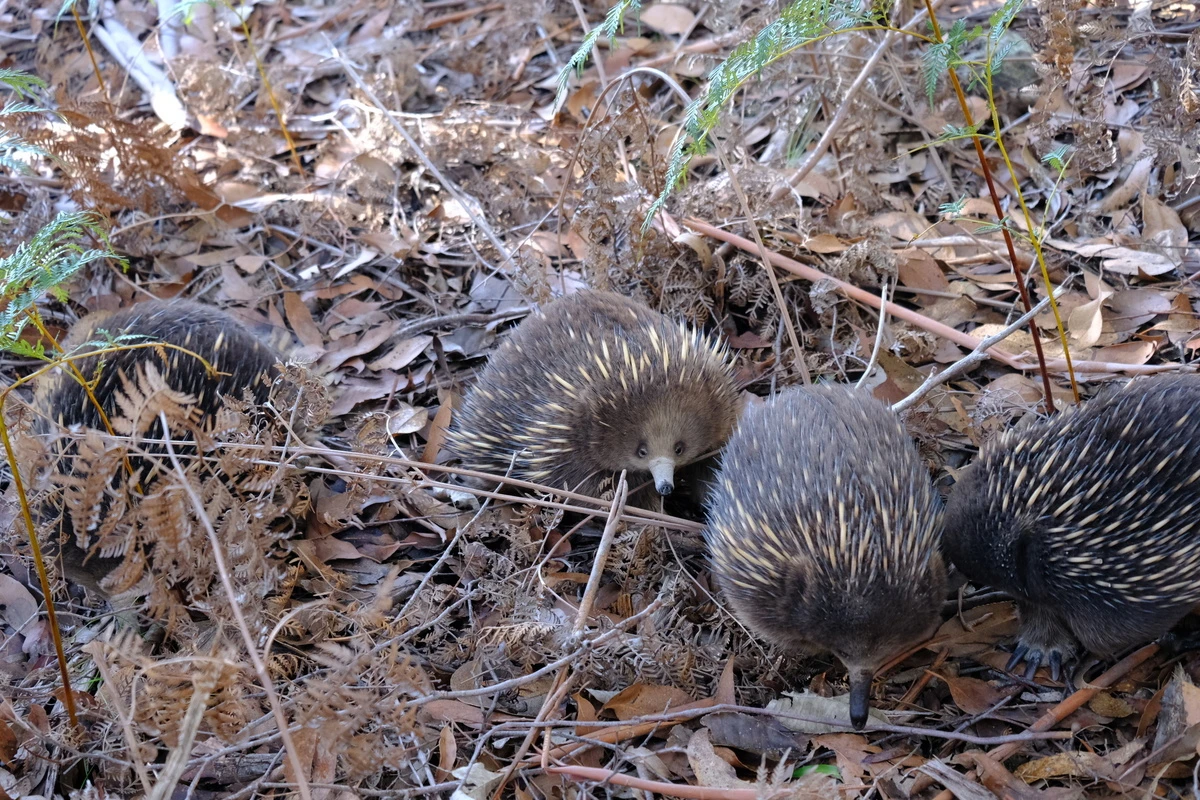
During breeding season, female echidnas are followed by a whole train of males. These chains can consist of up to ten individuals, which looks pretty cool.
Oddity three: Echidnas can't sweat
With such a clever reorganization of their venom glands, you might think that egg-laying mammals would be adept at solving all gland-related problems. But that's not true: they converted venom into fragrances only because they had nothing else to create pheromones from. After all, echidnas don't have sweat glands. 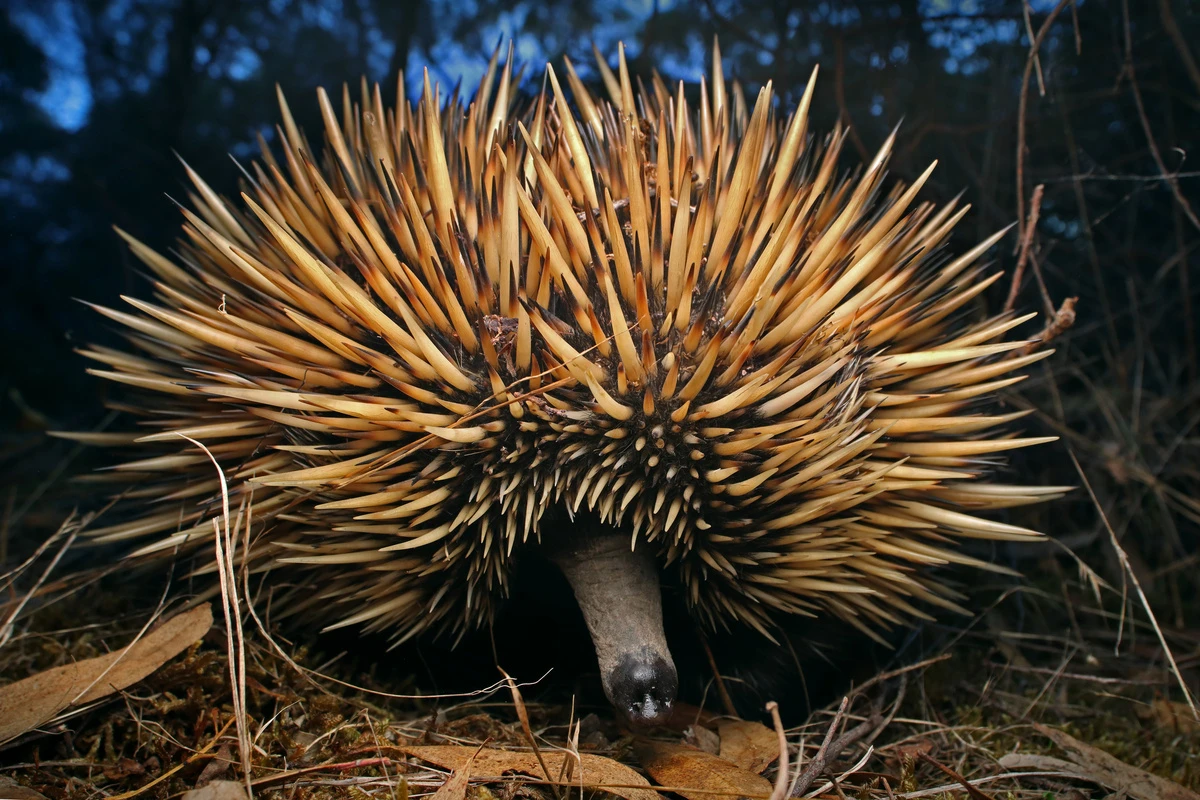
The echidna's quills are similar in structure to those of a porcupine. They are also hollow and easily break off, becoming lodged in an enemy's body.
How do they avoid overheating? It's all thanks to their very low body temperature (30-32°C), their love of swimming, and their unique ability to cool themselves down. When an echidna gets too hot, they blow bubbles from their nose! The bubbles, exposed to air, cool and draw heat from the echidna's body. 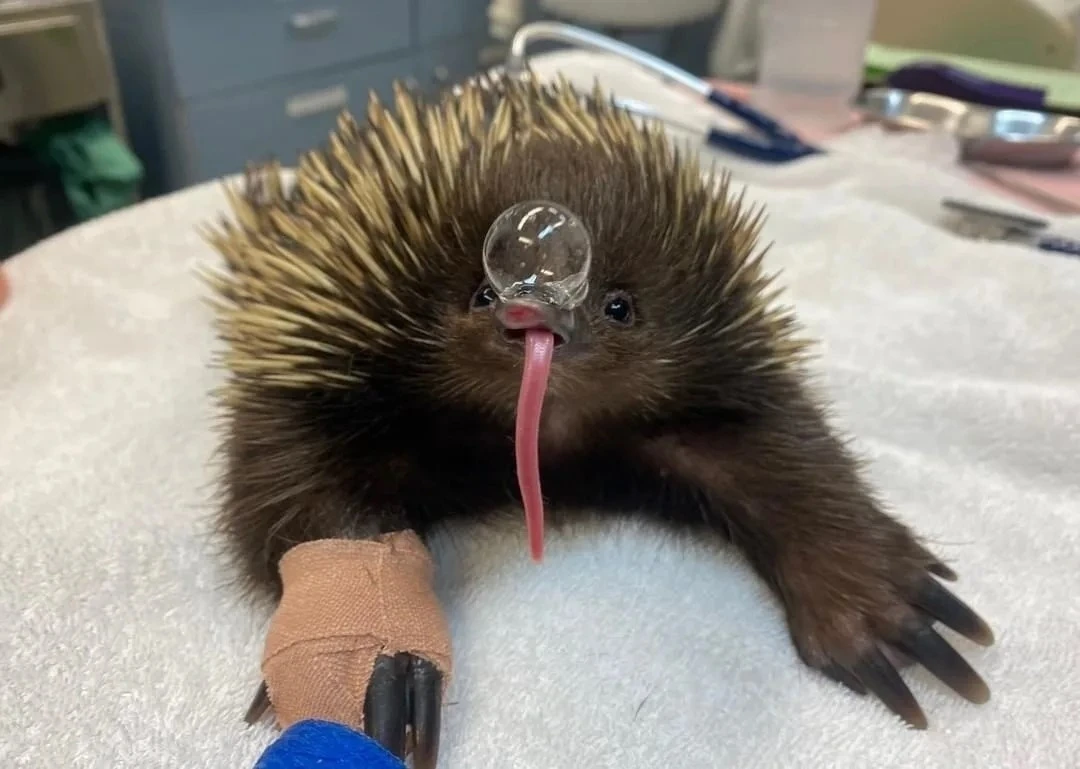
It makes me want to burst... 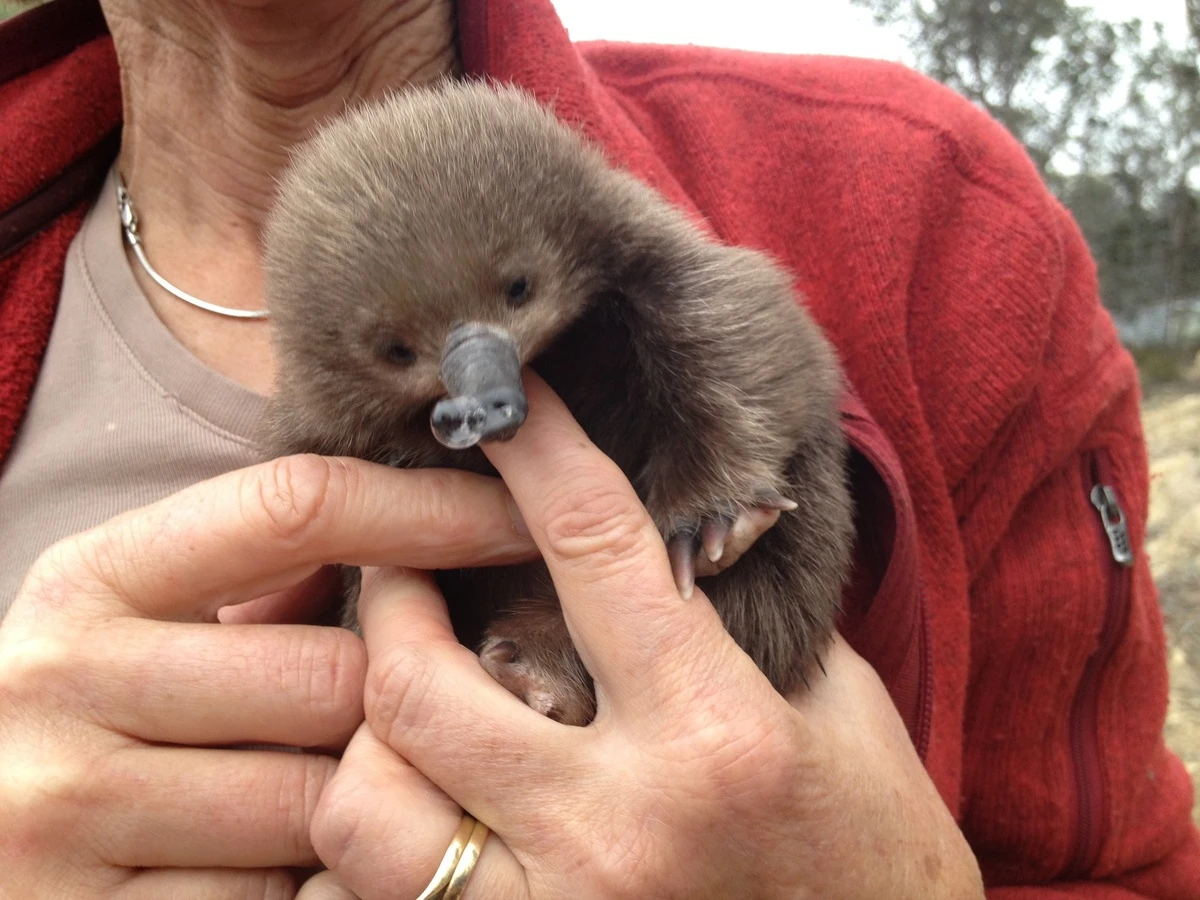
Even a very young specimen, one that hasn't yet grown spines, bubbles.
Curiously, despite the lack of sweat glands, echidnas do have mammary glands—which, according to one scientific hypothesis, are evolutionarily related to sweat glands. Echidnas don't secrete milk through nipples, but rather through the skin in specialized areas of their abdomen. It would seem that echidnas already have enough quirks to evoke several alien creatures. But no—they have one more trick up their sleeve. On the tip of their elongated snout, echidnas have placed around 2,000 electroreceptors. Tiny sensors that detect the weakest electrical fields generated by the muscles of living creatures. Did an ant move its leg underground? Did a worm contract a muscle in a pile of leaves? The echidna felt it. Literally. 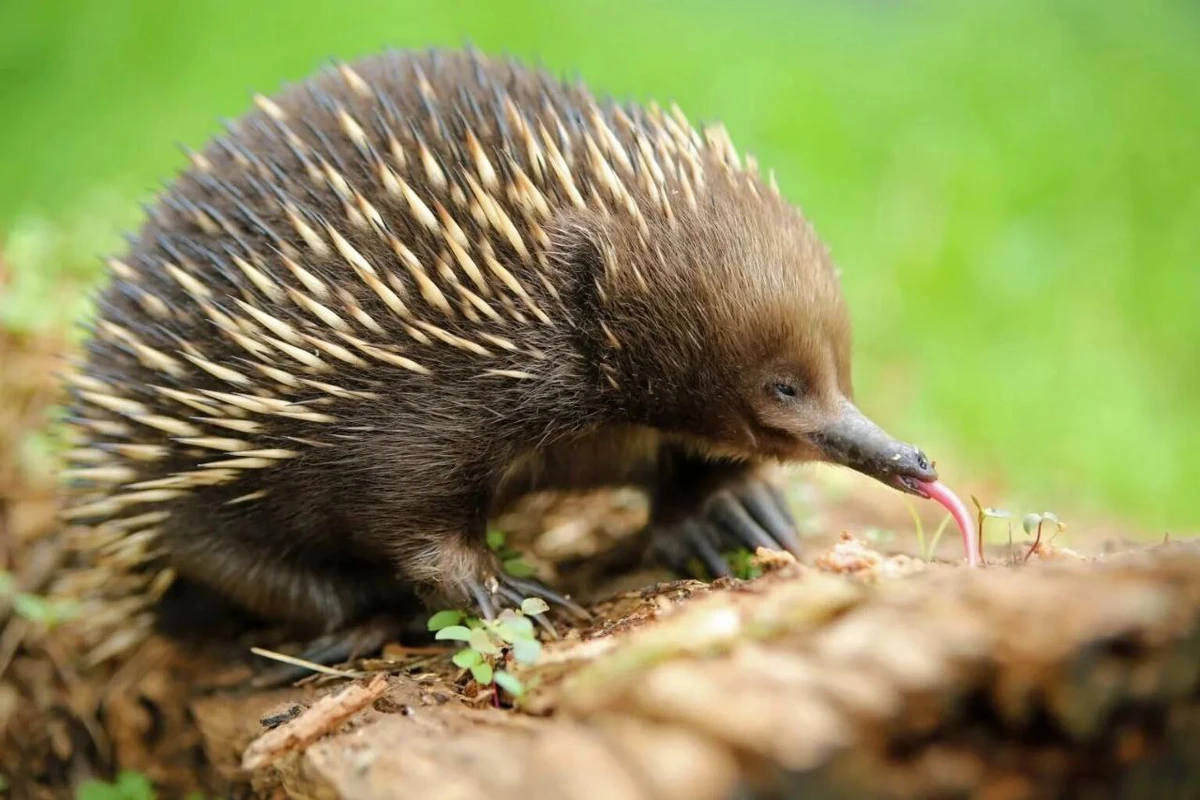
The echidna feeds like some kind of anteater. Its long, sticky tongue collects beetles and worms, sending them straight to the stomach, where it's ground into a nutritious mush.
The funniest thing is that electroreception is a distinctly aquatic thing. Water conducts electricity well, so this ability is understandable and logical in fish and other aquatic creatures. But the echidna is a land animal! It simply stuck its nose in the moist soil and decided the rules didn't apply to it. Scientists believe the echidna inherited this ability from its common semi-aquatic ancestor with the platypus. The platypus, by the way, has about 40,000 electroreceptors—it took its family legacy seriously. The echidna, on the other hand, adapted to land and retained only a modest 2,000. But even this is enough to hunt without sight, hearing, or smell—just with its nose-detector. 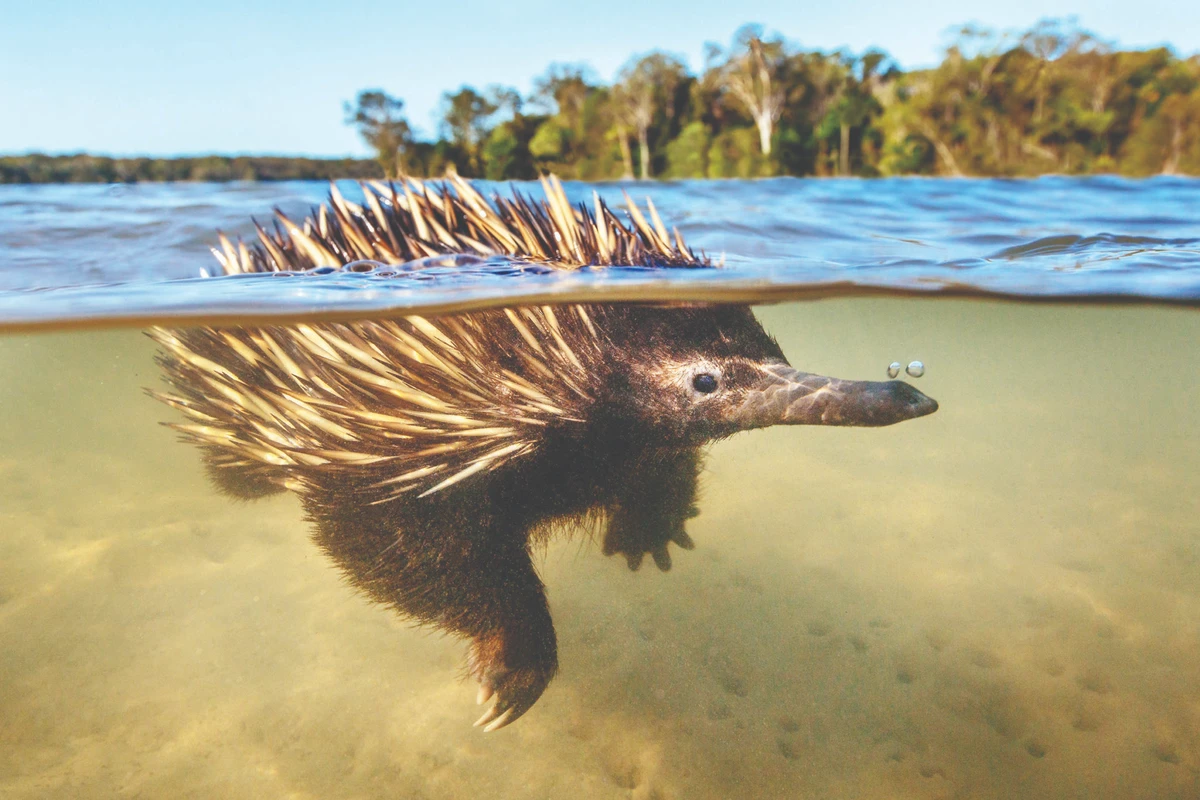
By the way, echidnas are good swimmers and generally enjoy it. This, too, is apparently a legacy of the past.
Add your comment
You might be interested in:










Liquid Death - leather diapers for real rockers (2 photos +

$1 million dress

Housewife Irina Brovkina sang the composition of the

System of an India

Cats sing System of a Down songs

Spice Girls in the style of System Of A Down
A British city was attacked by hordes of huge rats (5

Dad can do anything. A loving father danced with his

Enthusiasts have invented a catapult reminiscent of Angry

Protective film Removing it with a power screwdriver

Precision carpentry

Looks like it's time to buy WinRAR
When a child plays hide-and-seek at a professional level

Super dads who swoop in to save the day

Athlete in Bavarian dress flies over a lake on a hydrofoil
How to hang wallpaper neatly

Man sets up bedroom camera and discovers the reason for his
The Terminator's tears: Figure decides to scrap its old
