7 Ancient Artifacts Revealing the Faces of Civilizations (8 photos + 7) (Video)
Category: Archeology, PEGI 0+
6 February 2026
History has left us not only written records, but also silent stone guardians, mysterious clay faces, and games whose rules have been almost completely destroyed by all-powerful time. 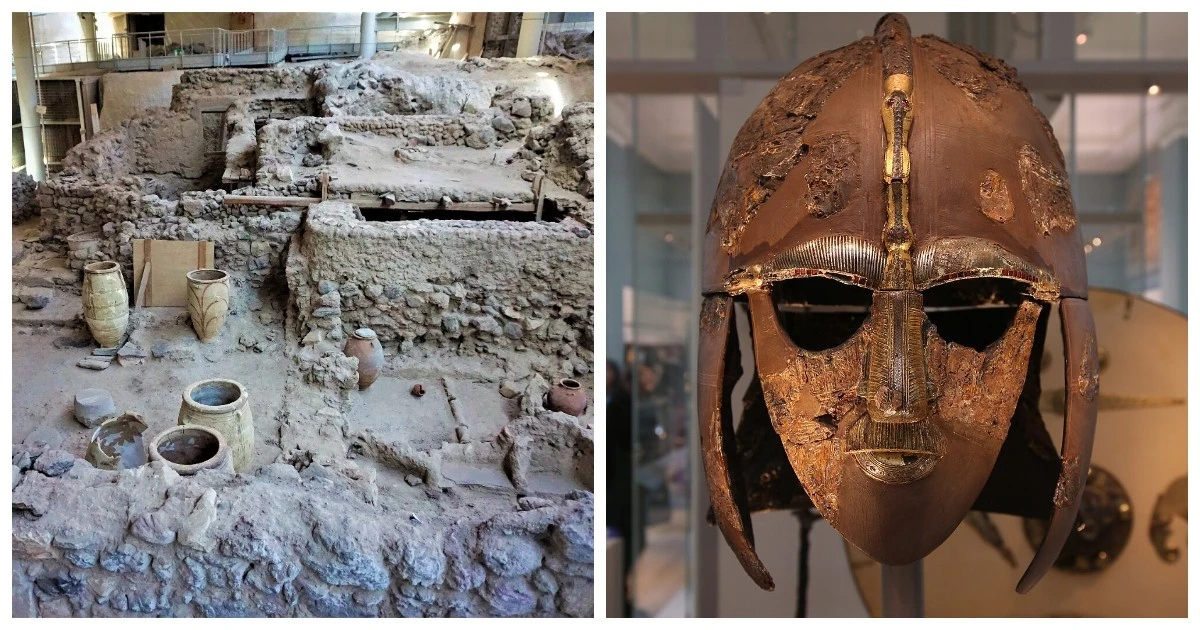
These fascinating archaeological finds are not just museum exhibits, but windows into worlds that disappeared thousands of years ago.
1. Olmec Heads (1500–400 BC) 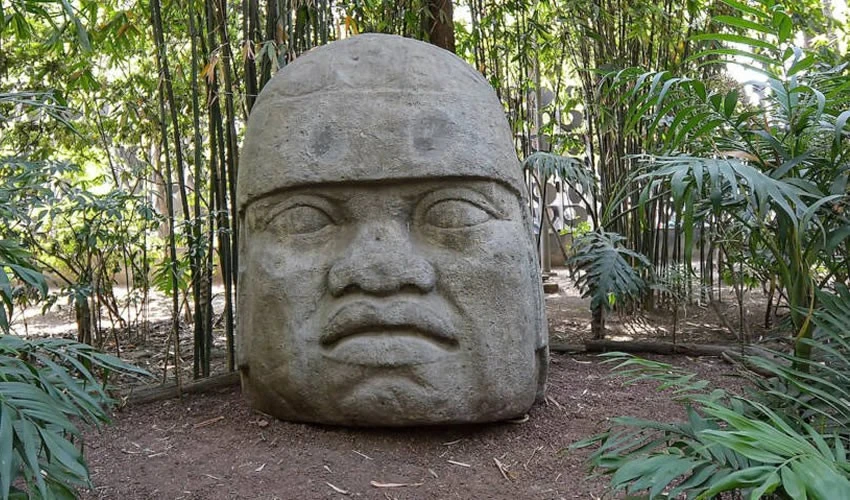
17 monumental stone faces were carved by representatives of the first sedentary civilization of Mesoamerica—the Olmecs. These basalt sculptures reach 3.5 meters in height and depict men whose faces are frozen in various, but always serenely powerful, expressions.
2. Nok Terracotta Sculptures (1500 BC – 500 AD)
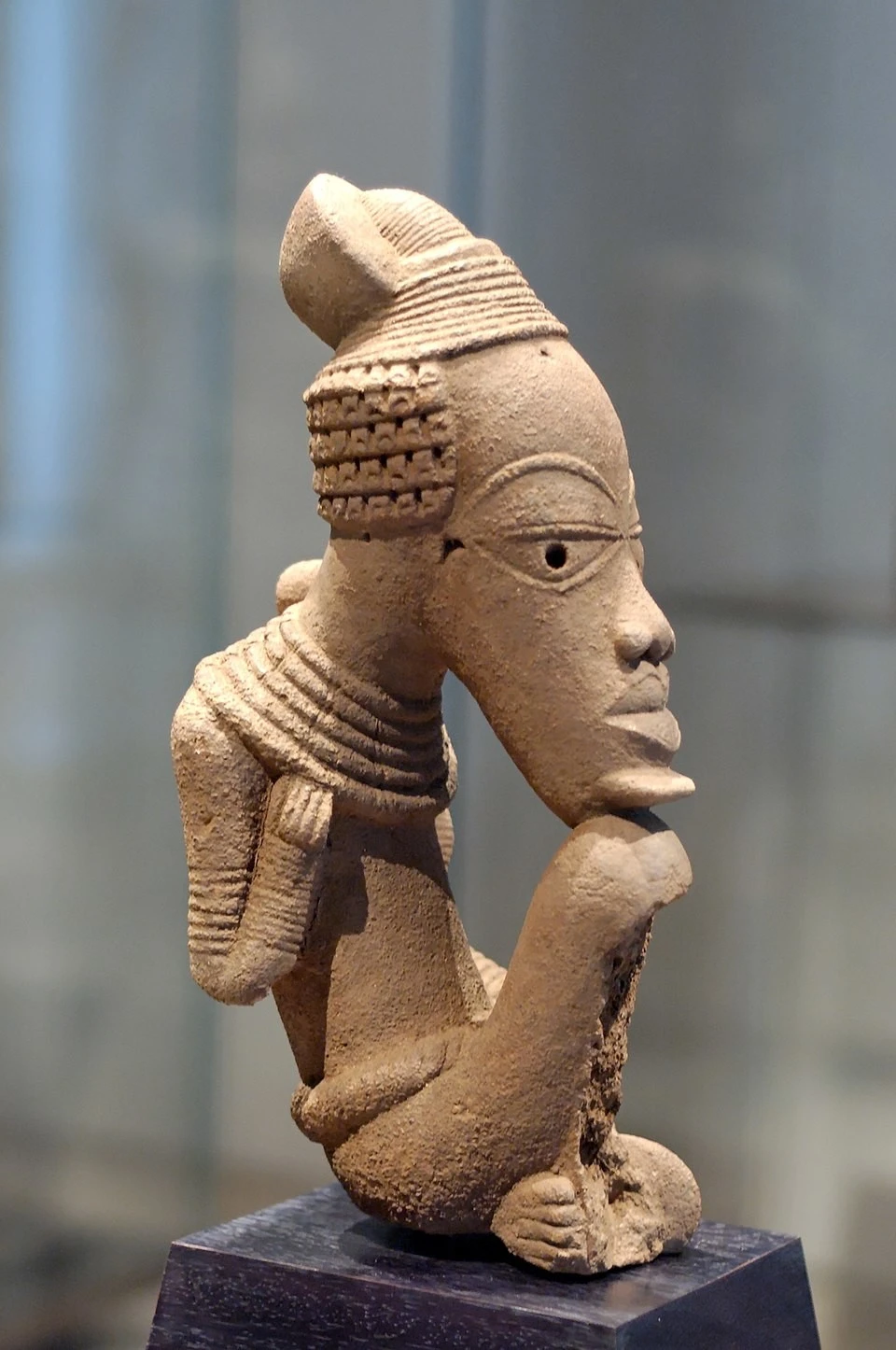
These enigmatic creations are scattered across the vast expanses of the Sahara. Only a few of the famous terracotta figures have survived intact, and their true purpose remains hidden. However, the craftsmanship with which they were created is truly exquisite.
3. Sydney Rock Art (3000 BC)
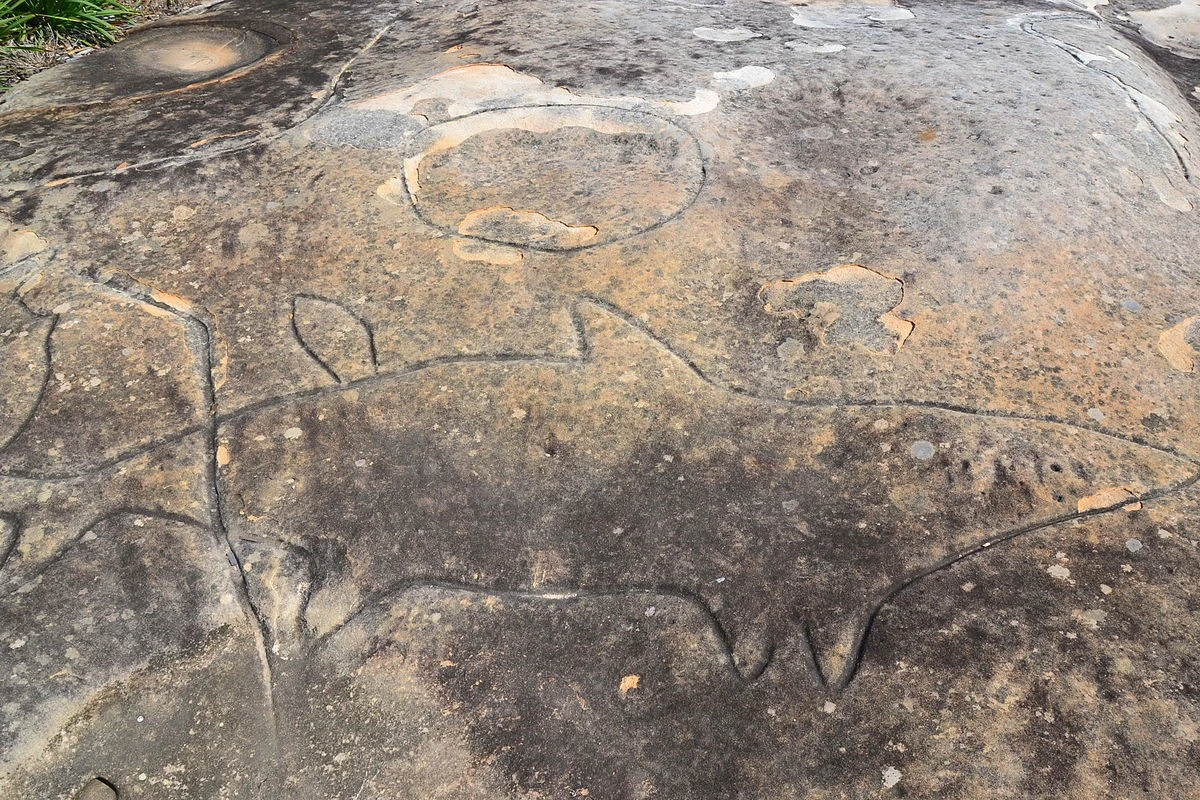
Some of the oldest creations on this list are the Neolithic petroglyphs of the Australian Aboriginal people. Similar detailed images are found on rocks across the continent.
4. Tomb of Tutankhamun (1332 BC)
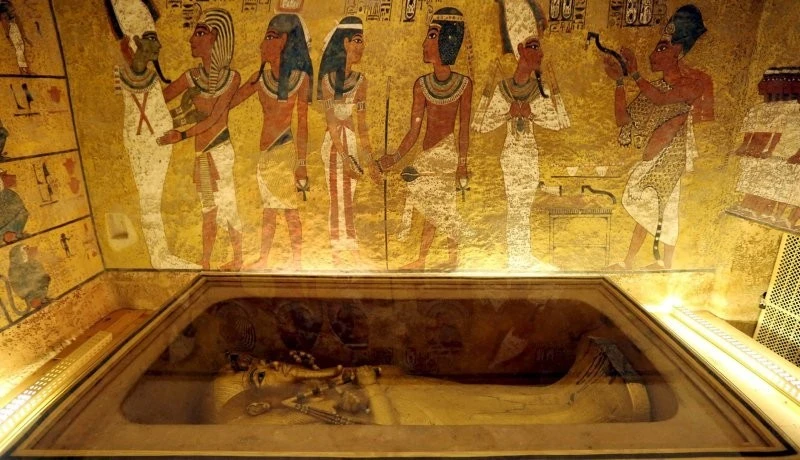
It would seem that everything is known about the world's most famous mummy. However, only recently was it discovered that the pharaoh's burial was prepared in a hurry. Microscopic analysis of microorganisms on the walls of the tomb revealed that the paint on them had not had time to dry properly before the tomb was sealed.
5. The Royal Game of Ur (2600–2400 BC)
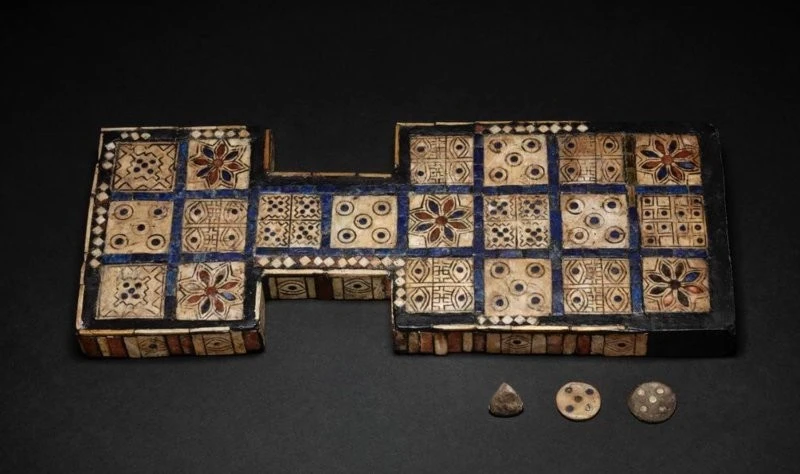
People have been playing board games for literally thousands of years. The Royal Game of Ur was popular in the Mediterranean and Middle East around 4,600 years ago.
6. Akrotiri on Thera (1500 BC)
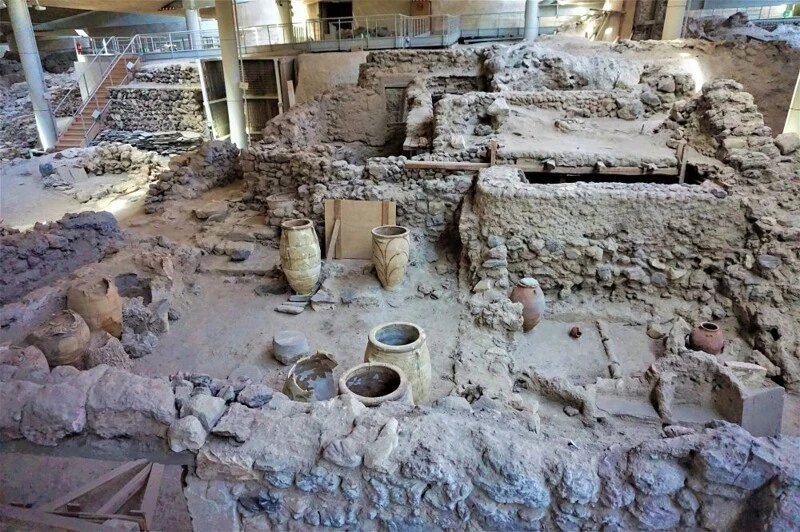
In the 15th century BC, the Greek island of Thera (present-day Santorini) suffered the same fate as Pompeii. A volcanic eruption wiped out all signs of life and civilization, completely destroying the Bronze Age settlement. This city, Akrotiri, lay buried until 1967, when it was excavated by Greek archaeologist Spyridon Marinatos.
7. Sutton Hoo (6th-7th centuries AD)
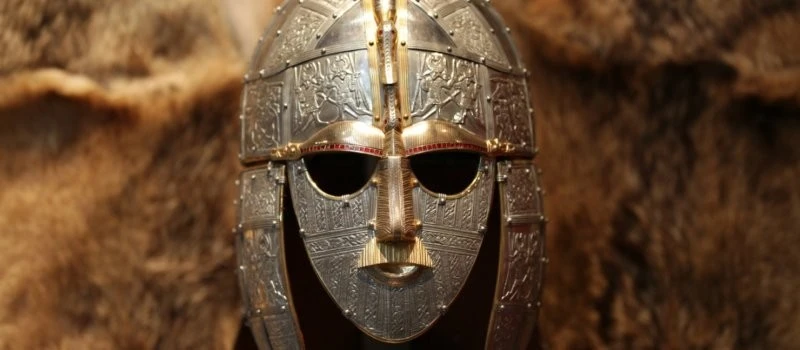
This area in eastern England is home to several famous medieval necropolises. The largest discovery was an Anglo-Saxon ship burial. The twenty-seven-meter-long ship served as a tomb for a chieftain, who was sent on his final journey with all his treasures. Discovered by archaeologist Basil Brown, this find is considered one of the greatest in the history of world archaeology.