Wardrobe Check: 8 Big-Budget Historical Films Whose Makers Overdid Their Costumes, Accessories, and Looks (9 photos)
The creators of historical epics spend millions on costumes, striving for perfect authenticity. But even a huge budget is useless if the costume designers only skim through history books. 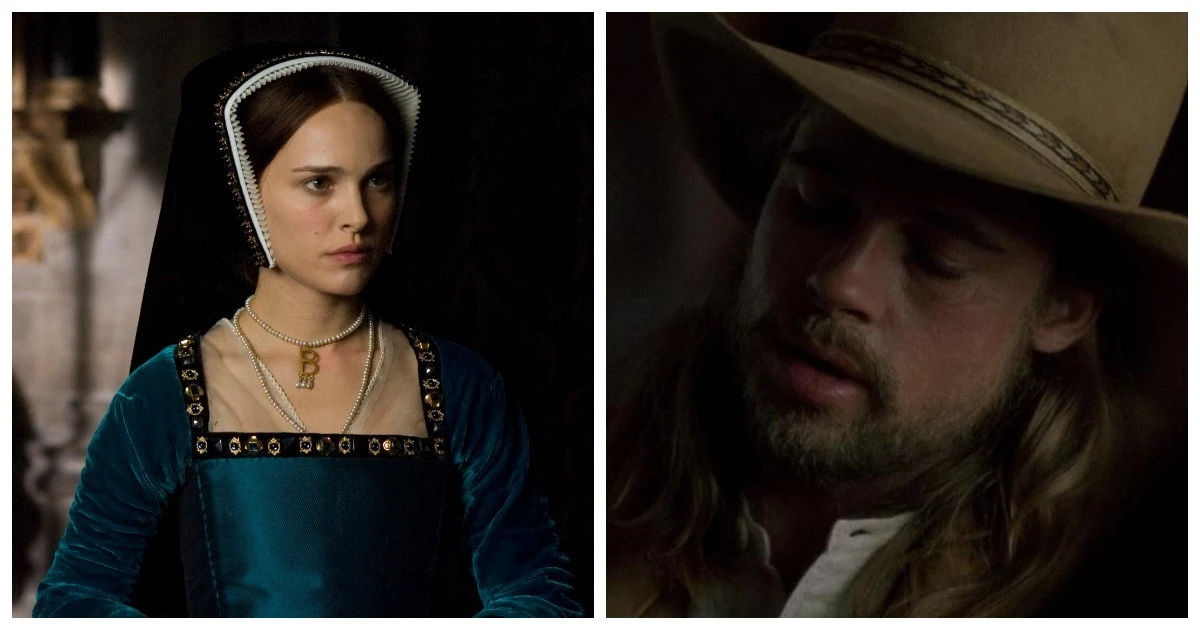
In these high-profile films, the characters' outfits literally scream fake, but audiences don't notice.
1. "The Ten Commandments" (1956) and the Color Blue in Ancient Egypt 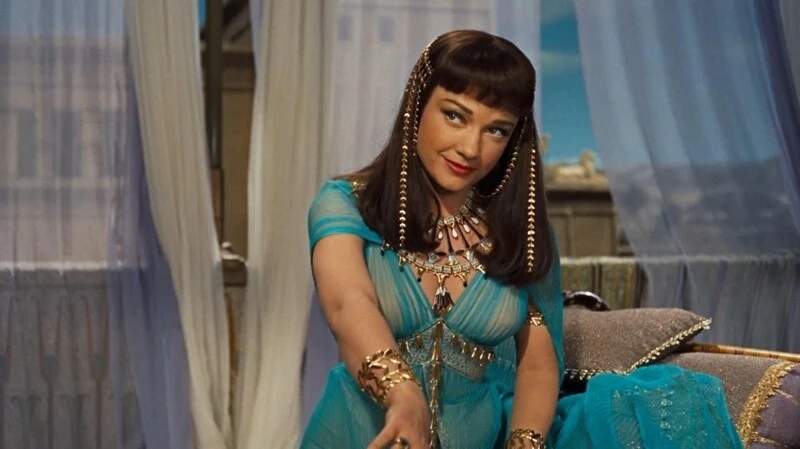
In the film "The Ten Commandments" (1956), actress Anne Baxter portrays the Egyptian queen Nefertiti. She wears a luxurious blue dress that matches her jewelry. The problem is that during Nefertiti's reign, blue dye, if available, was reserved only for the pharaohs. And secondly, the Egyptians used more muted azure or turquoise tones, or a dark, deep blue (made from indigo, for fabrics dyed much later).
2. "Legends of the Fall" (1994) and Brad Pitt's Hairstyle 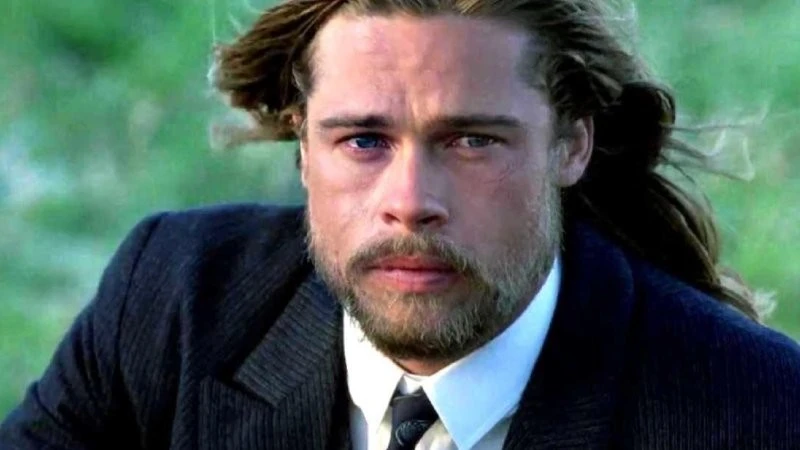
Brad Pitt in "Legends of the Fall" sports long hair and a scruffy stubble. It looks striking, but it's out of place in the early 20th century. In the 1910s, men preferred short haircuts and clean-shaven faces. With this hairstyle, Pitt looks more like a 1960s rock musician than a farmer from the early 20th century.
3. "Captain America: The First Avenger" (2011) and Peggy Carter's Hair 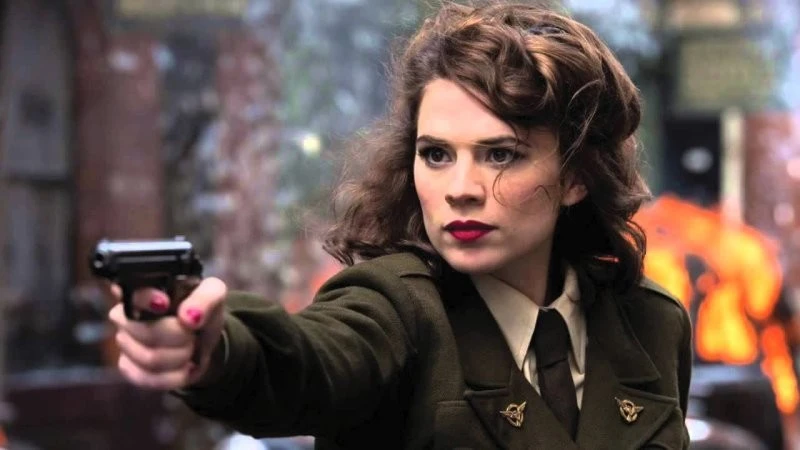
In "Captain America: The First Avenger," Peggy Carter (Hayley Atwell) wears her hair loose. In reality, women serving in the military during World War II were required to tie back their long hair to keep it from touching their uniform collars and interfering with combat missions.
4. "The Other Boleyn Girl" (2008) and French hoods 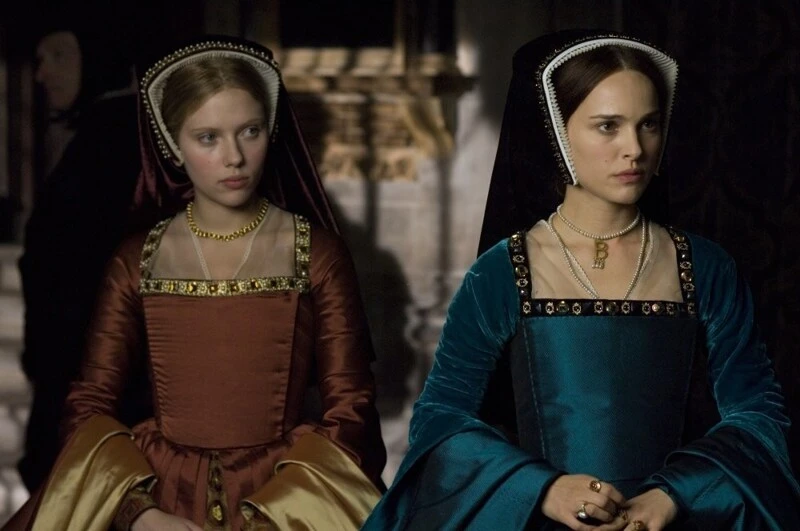
In "The Other Boleyn Girl," Anne and Mary wear French hoods—a popular headdress of the 16th century. However, there's a catch: such a hood should completely cover the hair, not leave it in flirty strands, as Portman and Johansson wear. Perhaps this was a deliberate decision by the director to avoid confusing the sisters, but historical accuracy was clearly sacrificed.
5. "Troy" (2004) and the Pink Umbrella 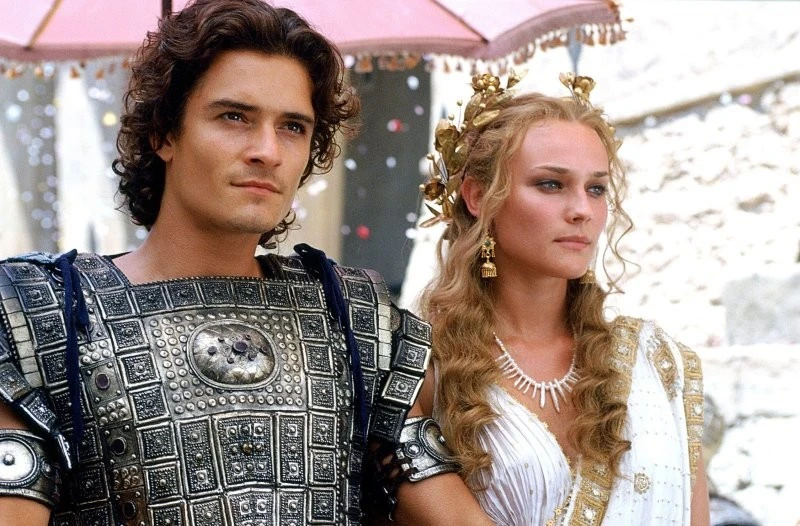
Strictly speaking, this isn't a costume, but a prop. In "Troy," Paris and Helen return to Troy under a luxurious pink umbrella. Sun protection is necessary, but such bright artificial colors weren't available in ancient times; the dyes were natural, producing duller tones.
6. "Titanic" (1997) and the Tight Victorian Corset 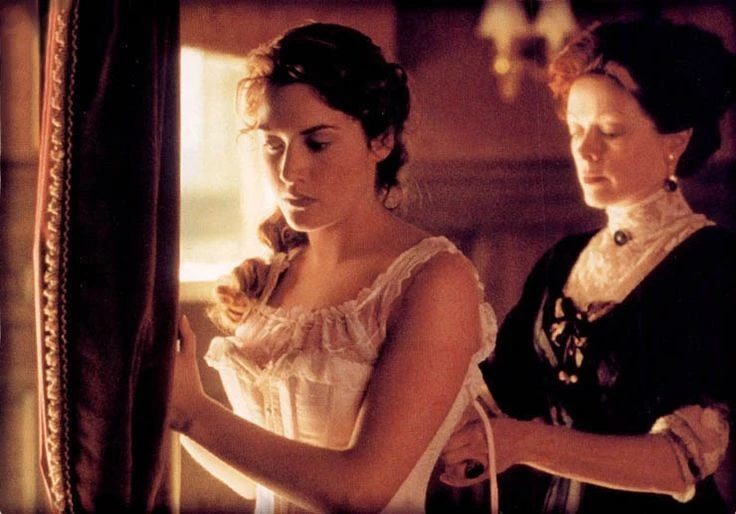
Everyone remembers the scene in "Titanic" where Rose's mother tightens her daughter's corset so tightly that she can barely breathe. The symbolism is clear: Rose is suffocating in the conventions of high society. However, by the 19th century, corsets had long since evolved. Doctors even then warned against tight lacing, and most corsets were quite comfortable, flexible, and didn't turn women into statues. So this moment is more of an artistic metaphor than reality.
7. Pirates of the Caribbean (2006) and the Pirate's Eyepatch 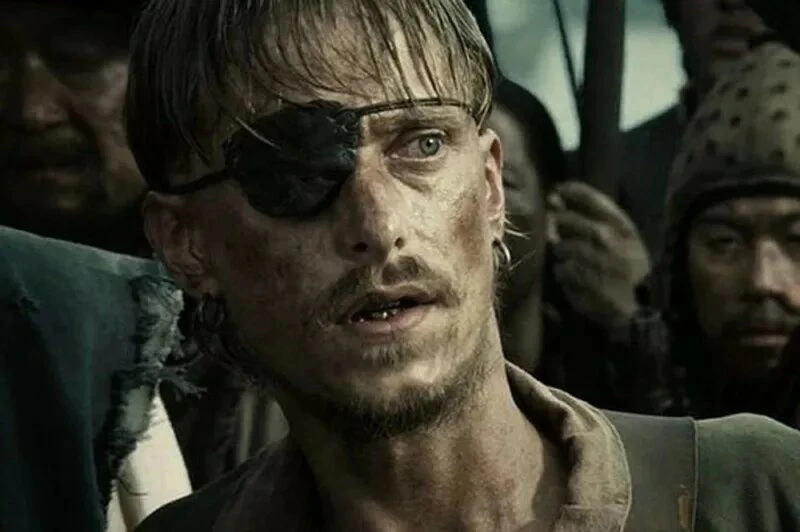
In Pirates of the Caribbean: Dead Man's Chest, Regetti's eyepatch is part of his look. But pirates had a practical reason for wearing it, even if both eyes were intact. They had to constantly move from the brightly lit deck to the dark hold. To avoid waiting for their eyes to adjust to the darkness, pirates wore the eyepatch on one eye while on deck, and when going below, they simply moved it to the other eye, preserving their night vision.
8. "Saving Private Ryan" (1998) and Black Boots 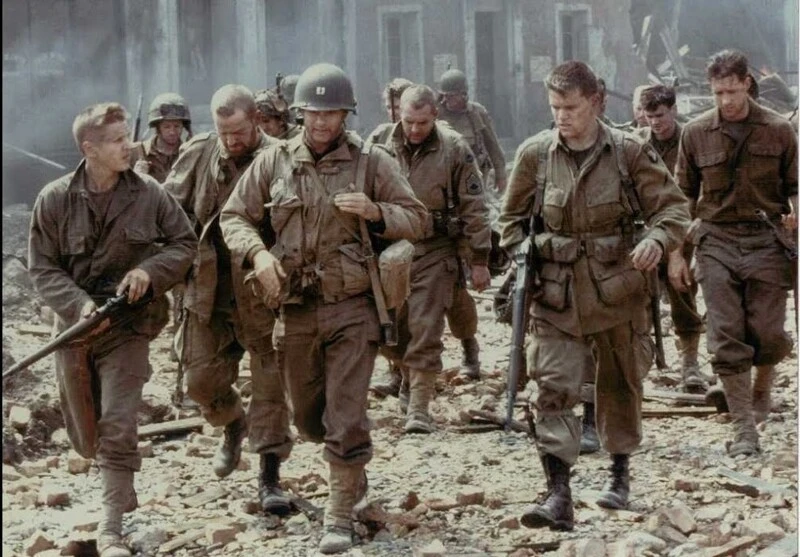
"Saving Private Ryan" is considered the gold standard for war cinema, but Steven Spielberg overlooked an important detail: the boots. American soldiers wore brown boots during World War II. In the film, you can also see black boots, which only appeared in the US Army in the 1950s.