Interesting and rare retro photographs of Europe (21 photos)
This new collection of colorized historical photographs from European countries offers a unique illustration of the everyday life, customs, and customs of Europeans in past decades. Enjoy! 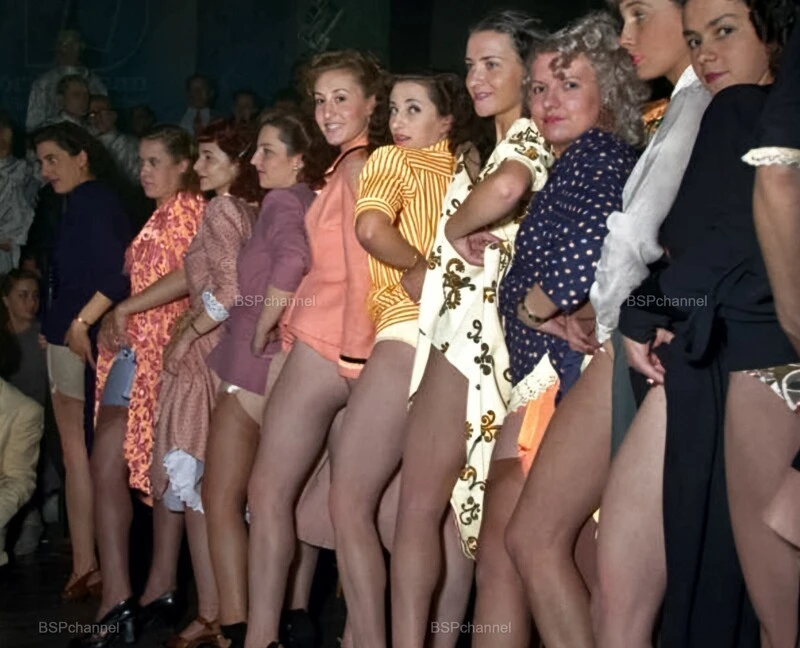
Sunbathing, Eindhoven, Netherlands, 1959. 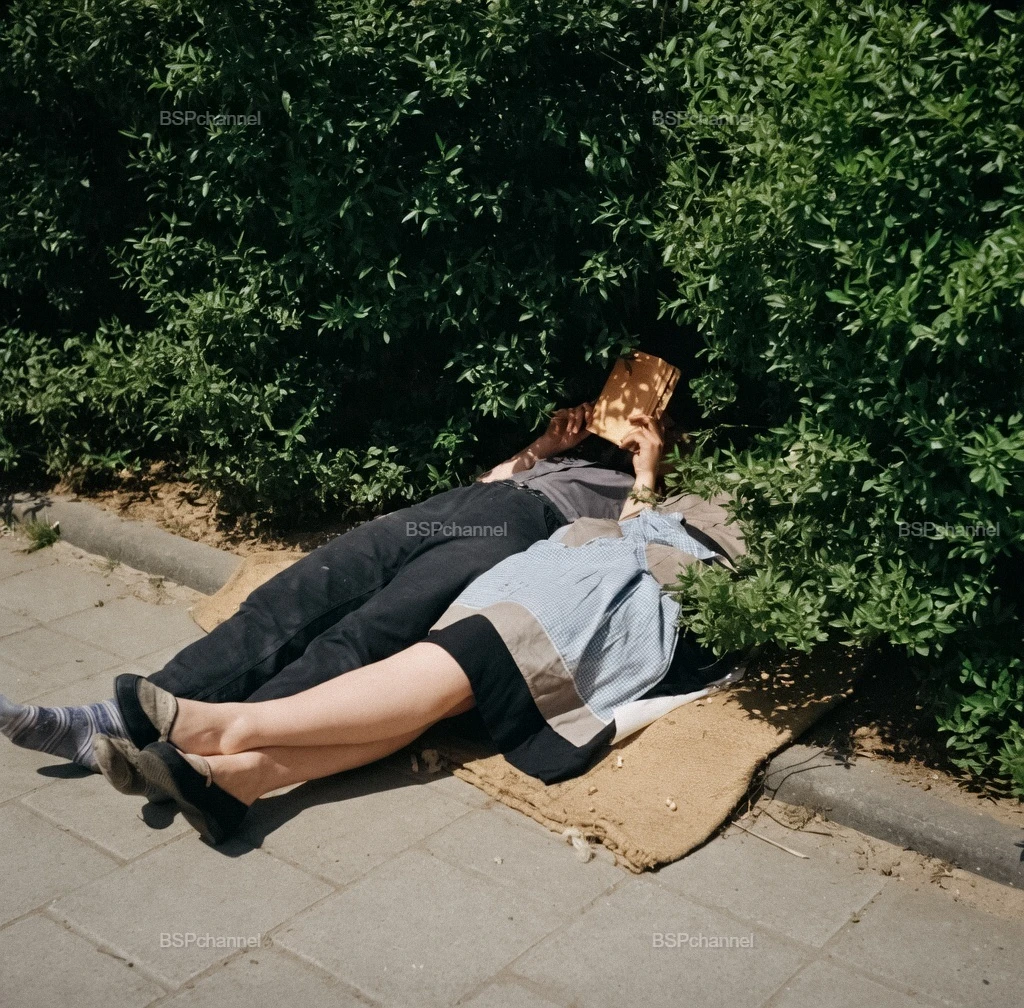
Photographer: Martin Coppens
Peaceful demonstration with portraits of communist leaders. Amsterdam, 1951. 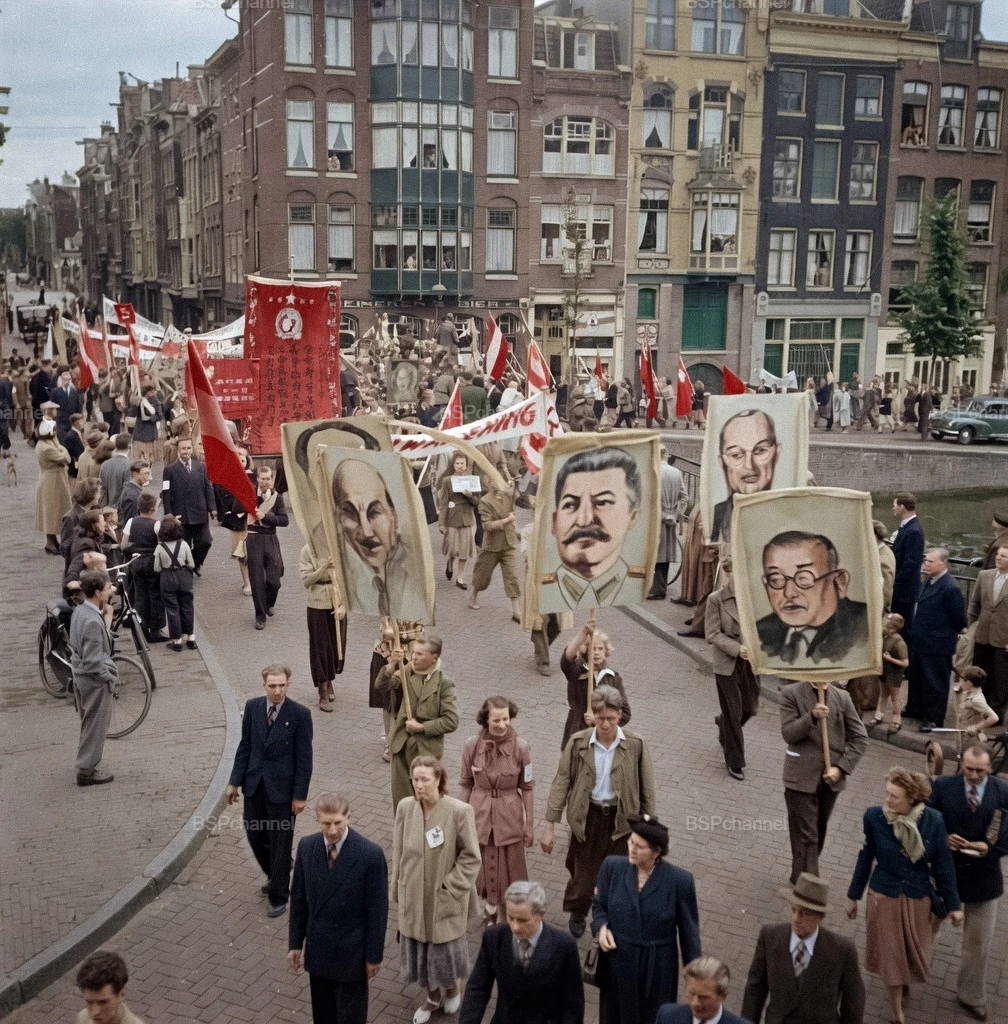
Photographer: Dolph Kruger
A demonstration of supporters of the Communist Party of the Netherlands (CPN) through the streets of Amsterdam in 1951. In the 1950s, the Communist Party of the Netherlands was a fairly influential force in Amsterdam, receiving significant support from workers in the port and industrial enterprises of the city.
A woman herding cattle in the Alps, canton of Valais, 1942. 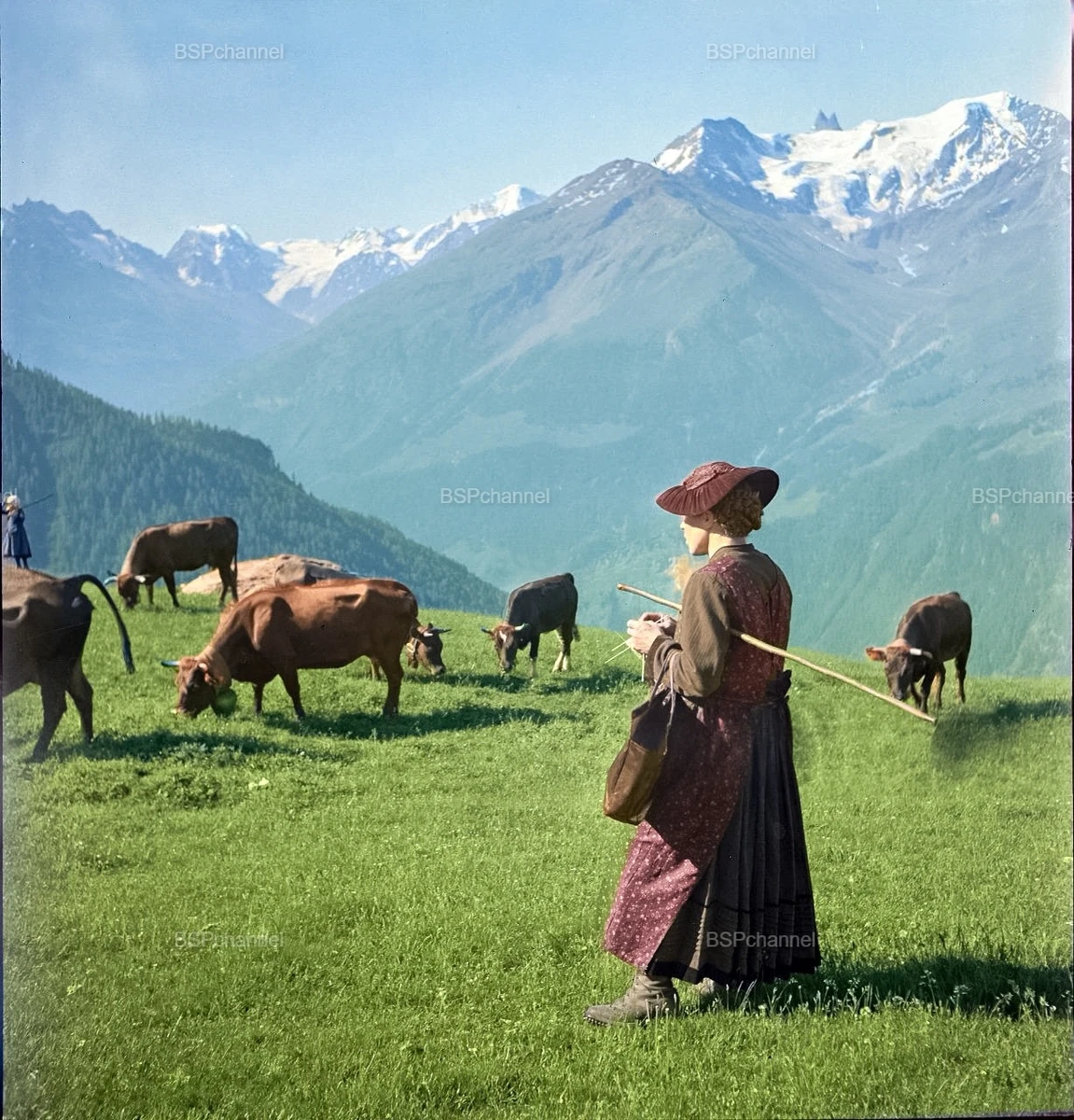
Photo essay "Between Two Worlds," shot in French psychiatric hospitals. 1954. 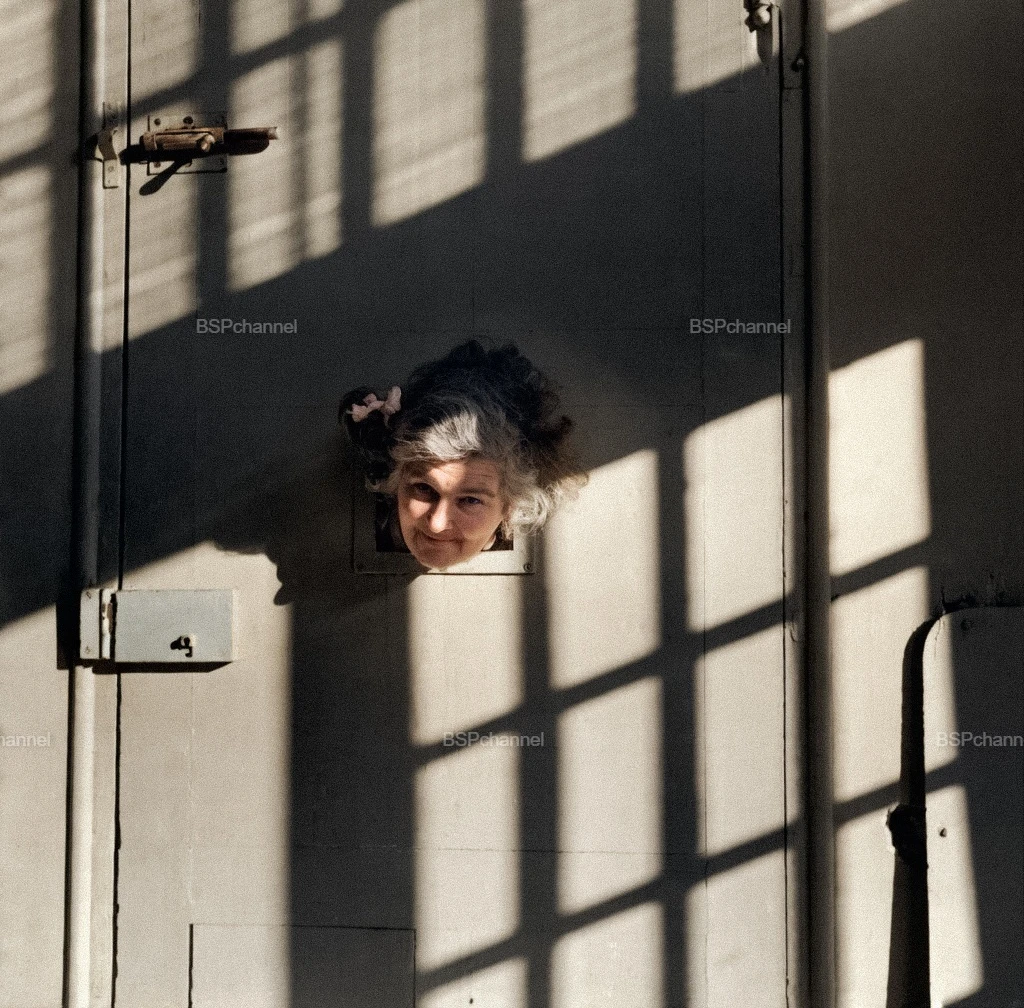
Photographer: Jean-Philippe Charbonnier.
In 1954, French photographer Jean-Philippe Charbonnier picked up his camera and spent six weeks immersed in a world society preferred to forget—French psychiatric hospitals. The result was a photo series later titled "Between Two Worlds." Charbonnier worked in places where the camera usually doesn't penetrate: in wards for the violent and in wards for the "senile." He was accompanied by security guards like Al Capone's—orderlies stood in front, behind, and to either side as he descended into the ward for "dangerous criminals" who had murdered their fathers, mothers, and wives. He found it particularly difficult to visit the "ward for retarded children," who were tied to toilets. These children, the photographer explains, move from the children's ward to the adult ward, then to the elderly—and so on until they die.
A model on the banks of the Seine in Paris, with the Eiffel Tower in the background. Paris, 1950s. 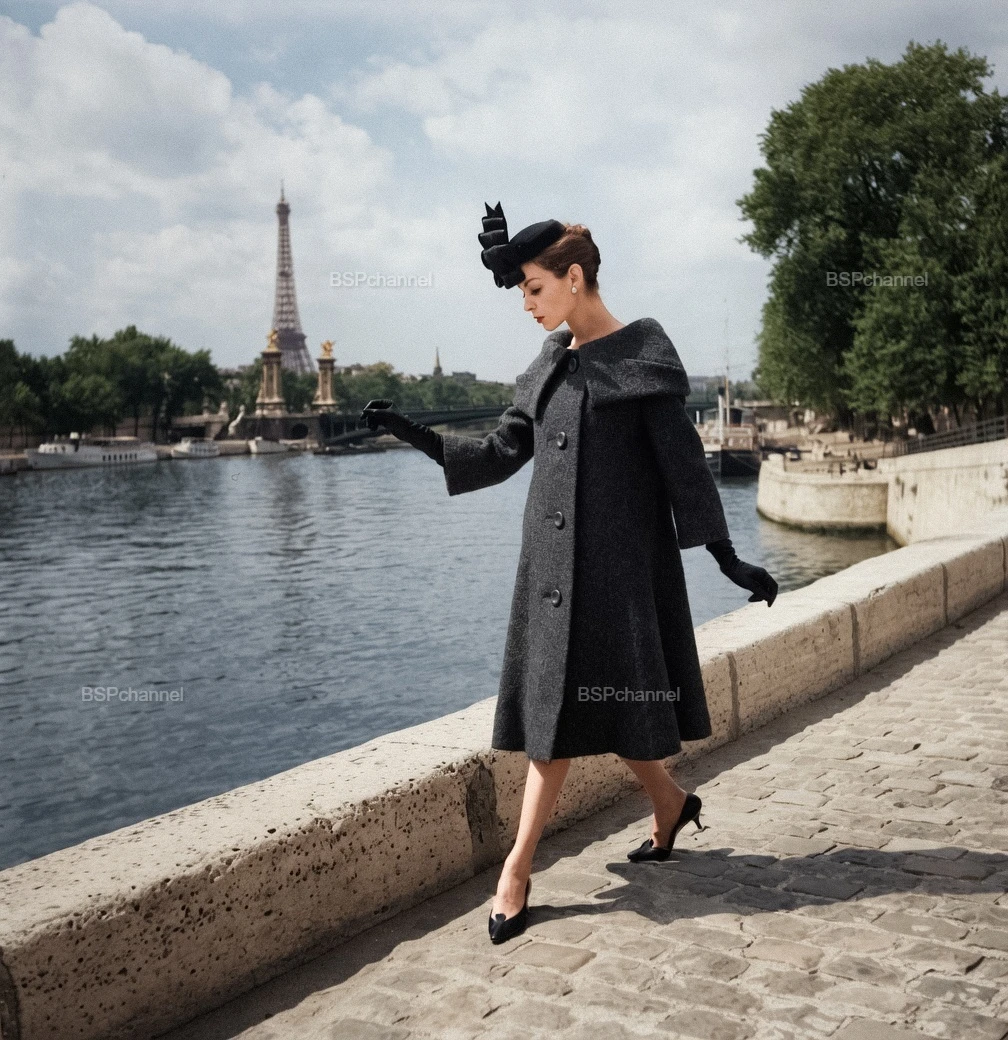
When people say "fashion capital," the first thing that comes to mind is Paris. The city has held this status for over three centuries—starting with the era of the "Sun King" Louis XIV, when French court dress set the tone for all of Europe. Paris is home to legendary fashion houses (Chanel, Dior, Louis Vuitton, Hermès), and hosts major Fashion Weeks, where they decide what the world will wear six months from now. This is a city where streets have become catwalks, and elegance is a national trait.
Bullfight. Spain, 1936. 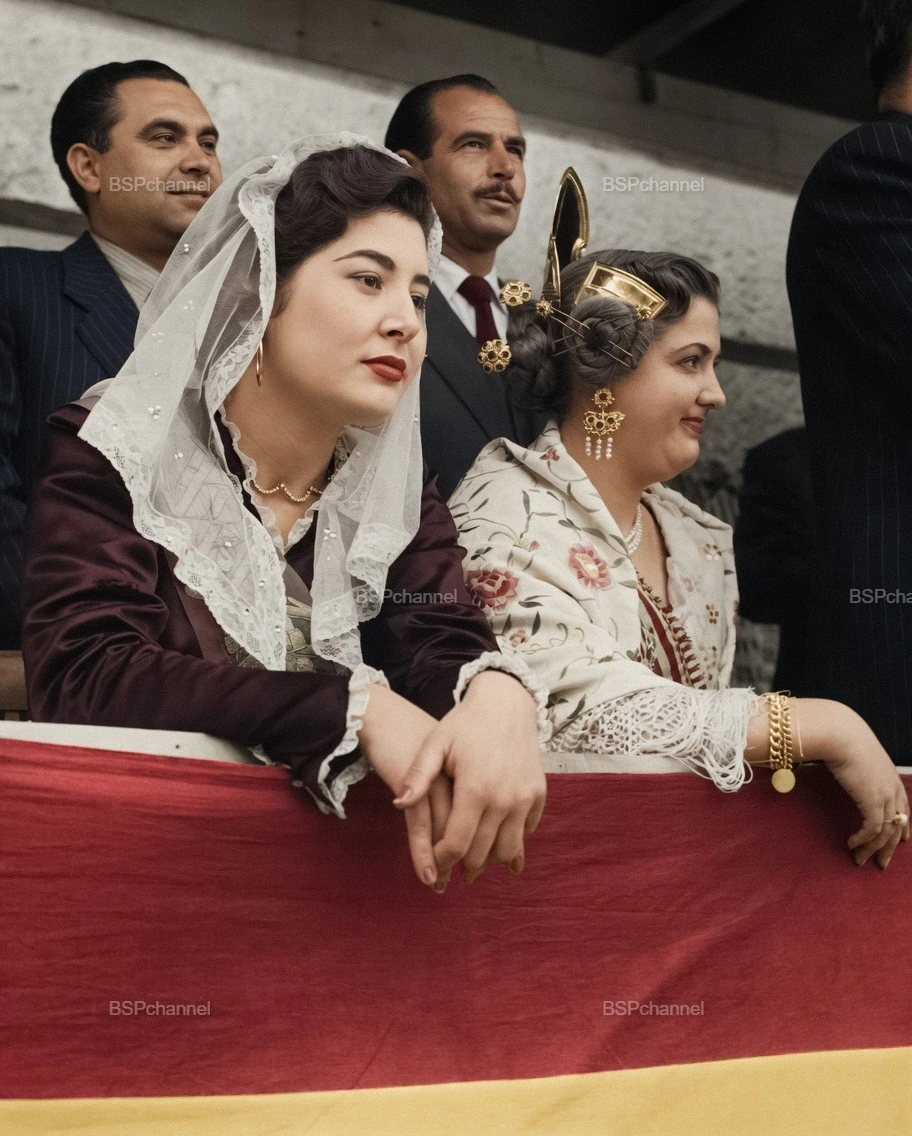
Photographer: Robert Capa
The women in the photo are dressed in festive attire typical of different regions of Spain. On the left is a girl wearing a classic lace mantilla—a traditional Spanish headdress. On the right is a girl wearing a fallera costume, traditionally worn in Valencia, with distinctive gold combs in her hair. For Spain, bullfighting is more than just a bullfight; it is a centuries-old passion, clothed in ritual. A national fiesta, which some call high art, while others call a barbaric spectacle. Originating from ancient cults and knightly tournaments, modern bullfighting acquired its canons in the 18th century. Here, everything is subject to a strict dramatic law: three tercios (stages), where the torero, wearing a muleta (red cape), engages the bull not simply in combat, but in a tragic dance of death. The central figure is the matador, who must demonstrate not only agility but also grace, composure, and the ability to withstand the blows of fate. Today, bullfighting is divisive: it is banned in Catalonia, while the Plaza de Las Ventas in Madrid is sold out. For some, it is the brutal slaughter of an animal. For others, it is a sacred act where man, bull, and death converge in a duel, which for a Spaniard means "living on the edge."
Antwerp, Belgium, 1949. 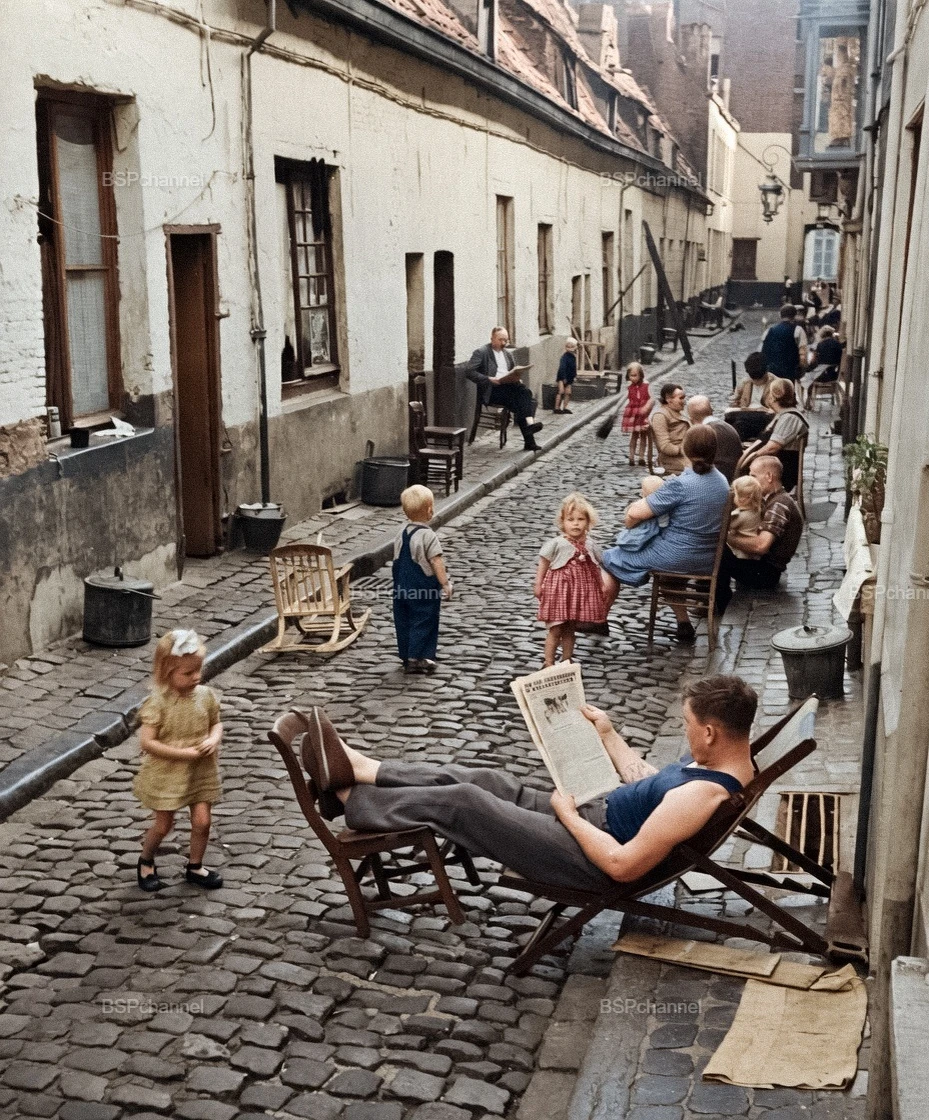
Photographer: Aart Klein
This is a typical Belgian gated community or narrow alley built in the 19th century for working-class families. Such spaces were isolated from the noise of the main streets and formed small, close-knit communities.
Elsa and a gun on the wall, Vilhelmina, Sweden, 1961. 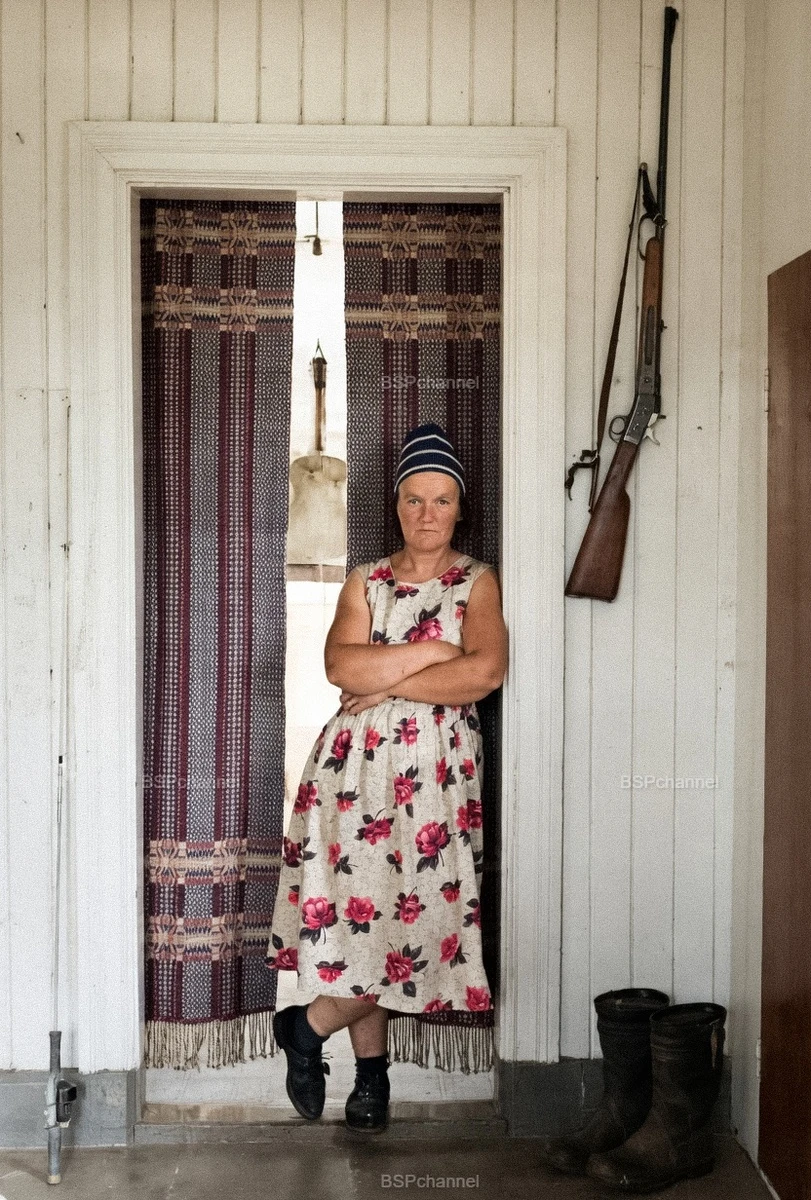
Photographer: Sune Jonsson
Königsberg. At the Kreutz Hotel, 1937. 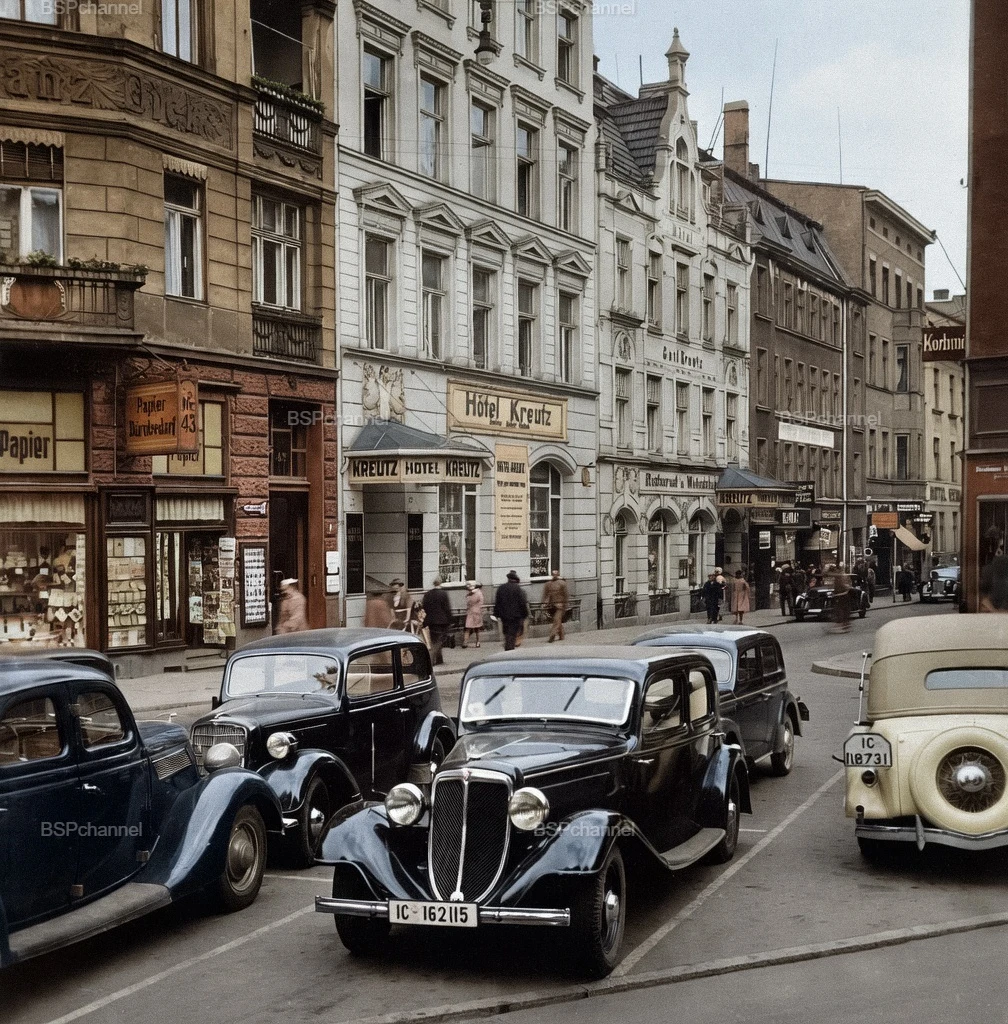
The establishment was known as the Hotel Carl Kreutz. The building no longer exists; the Tragheim district was almost completely destroyed during British bombing raids. Eight years later, the city would change its name to Kaliningrad and become part of the Soviet Union.
A woman putting on makeup in a girls' changing room. Lido, Paris, 1960. 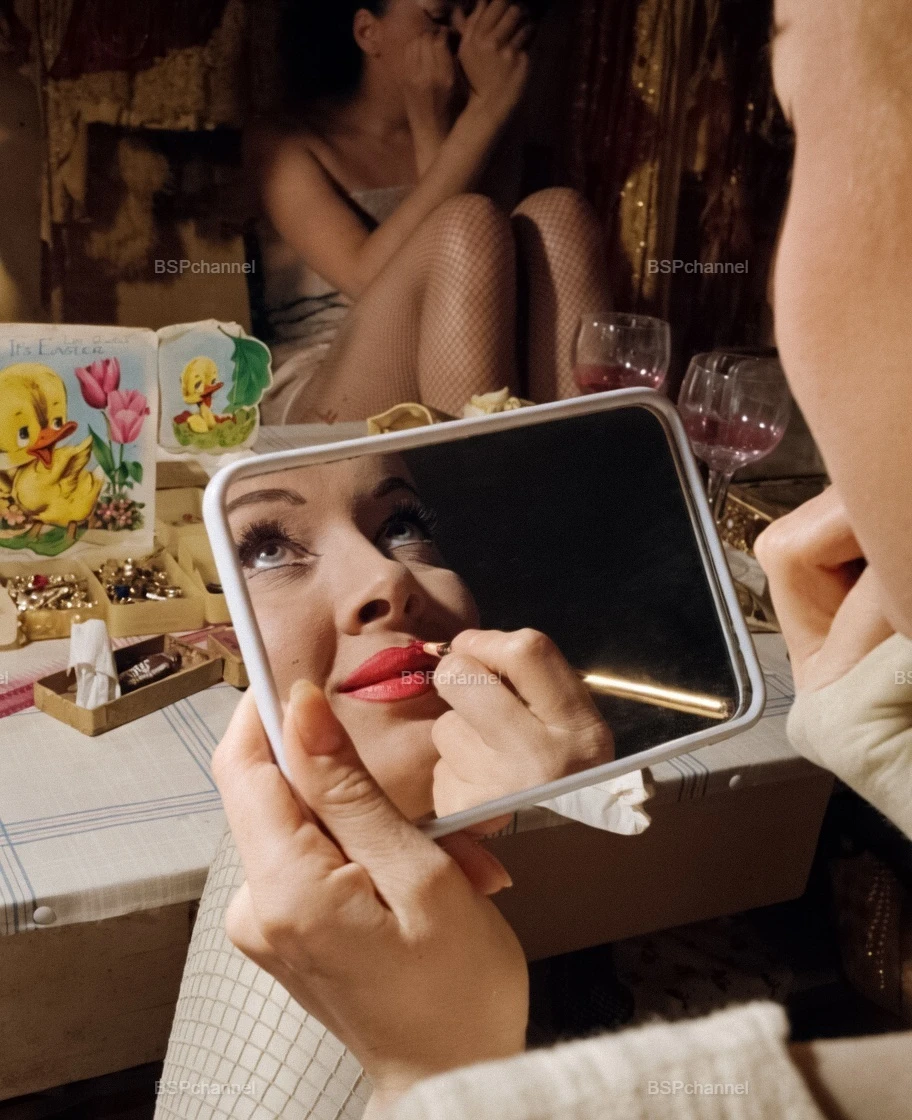
Photographer: Nico Jessie
Flower seller, Paris, 1954. 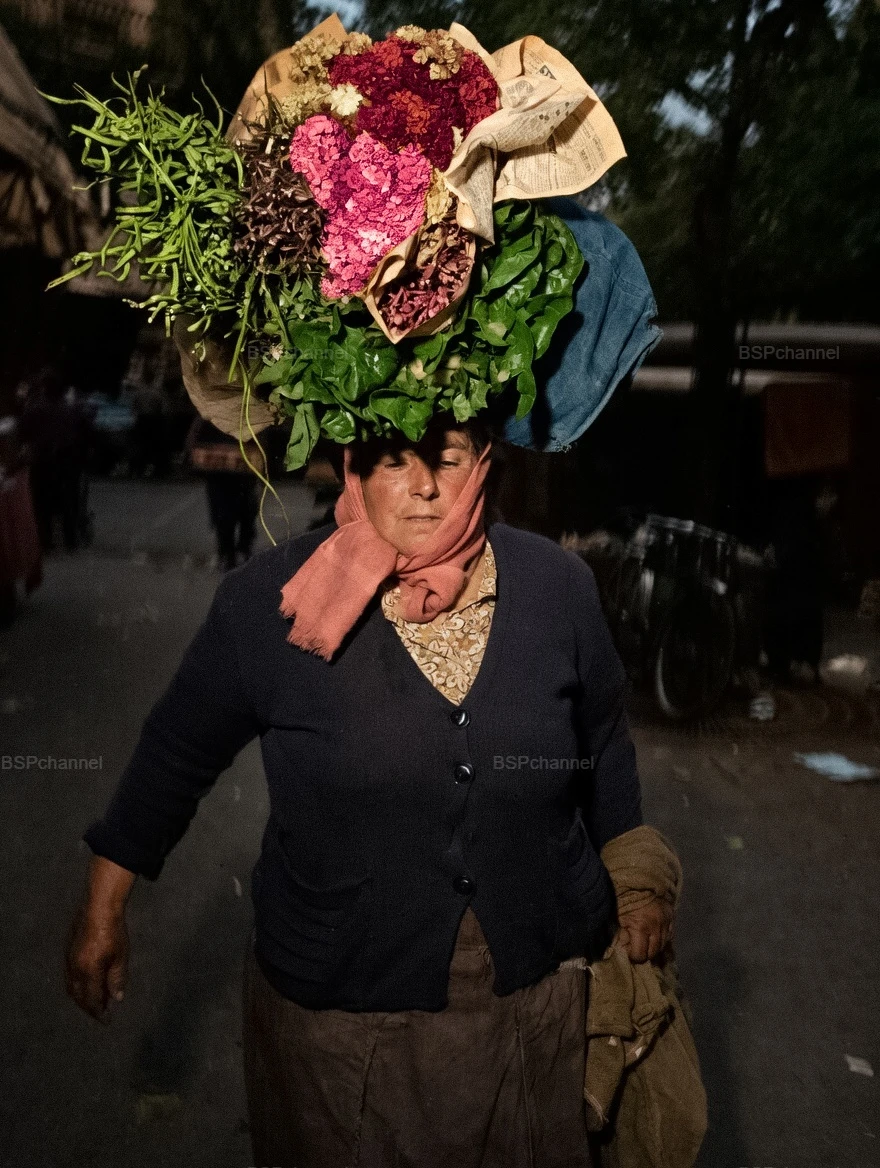
Photographer: Nico Jessie
Weekend, Lens, France, 1954. 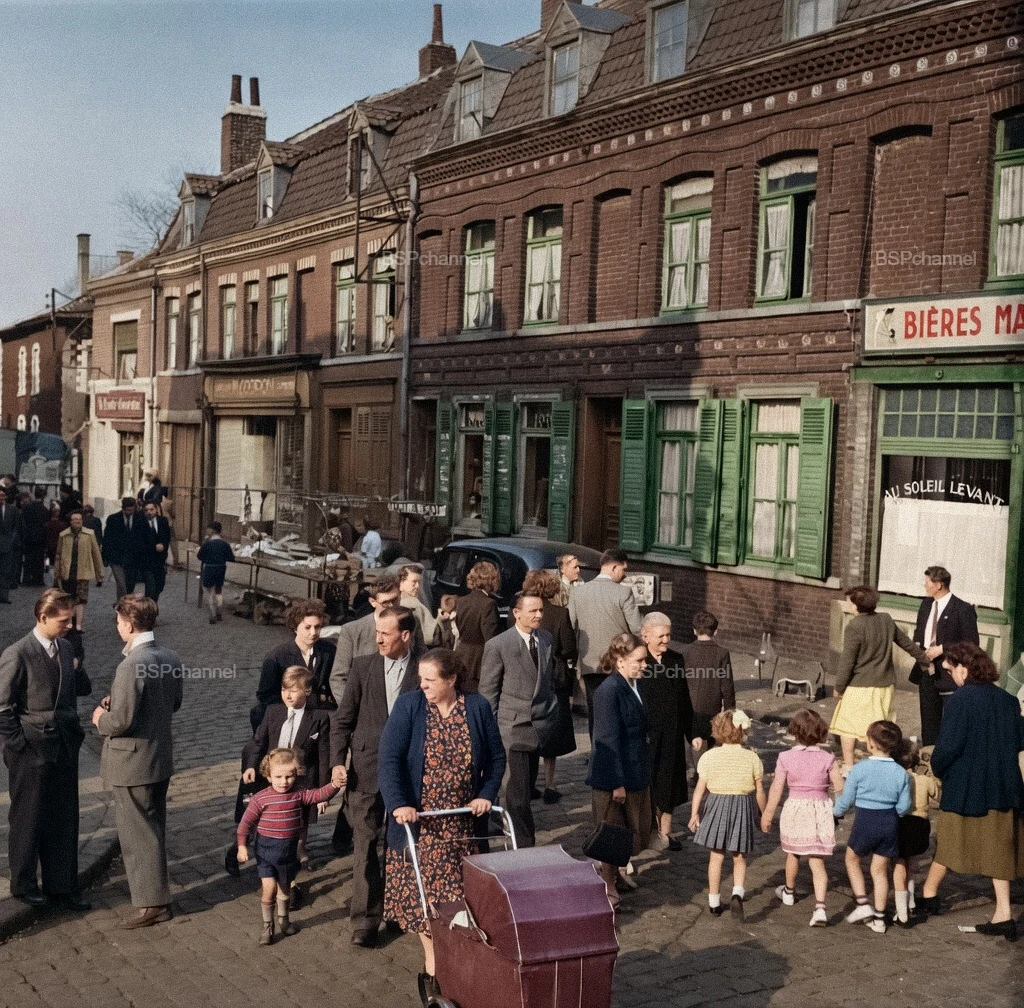
Photographer: Jean-Philippe Charbonnier
Milan, 1950s. 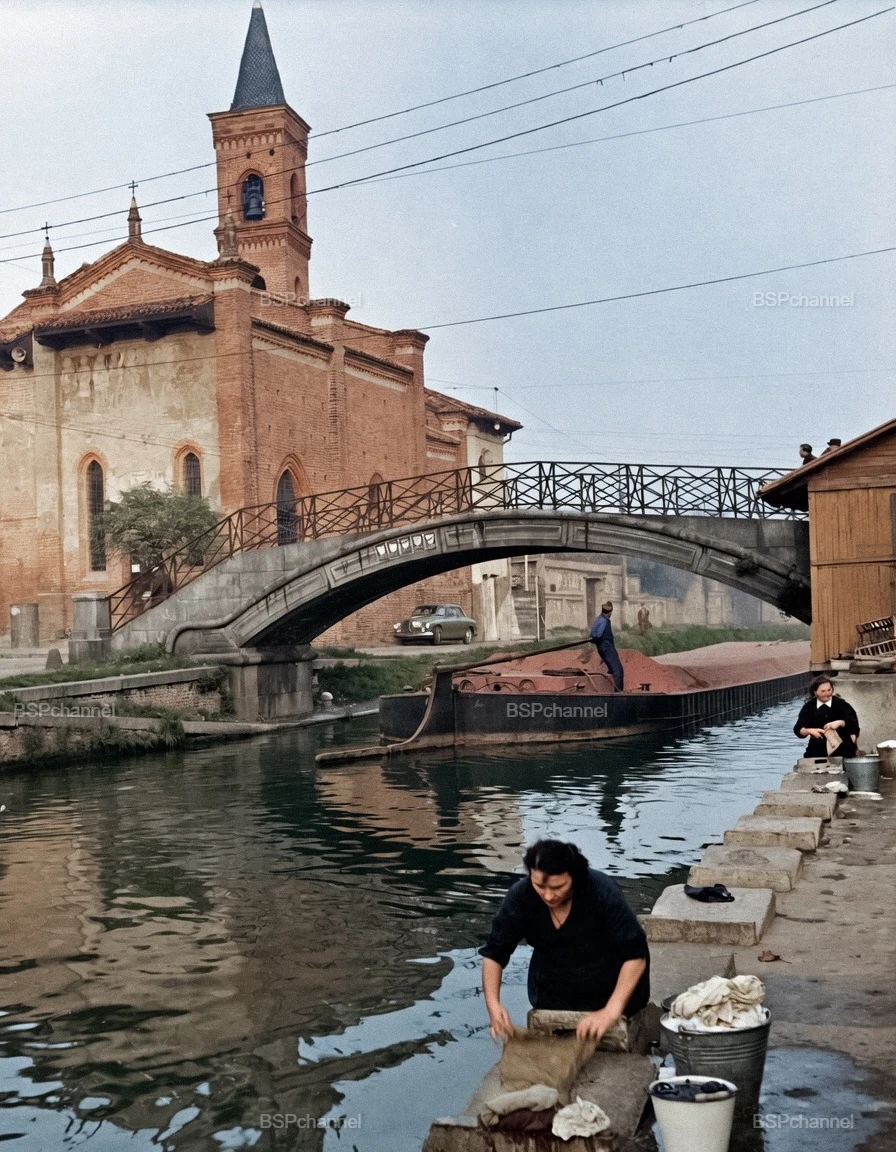
Photographer: Mario De Biasi
In the mid-20th century, washing clothes in Milan's canals was still common, although this ancient trade was already becoming a thing of the past. The most famous place for doing laundry was the Vicolo dei Lavandai (Washerwomen's Alley) on the Naviglio Grande—a narrow canal with stone slabs and wooden platforms. This method of washing clothes remained popular until almost the 1970s.
After the storm, Ravenna, 1958. 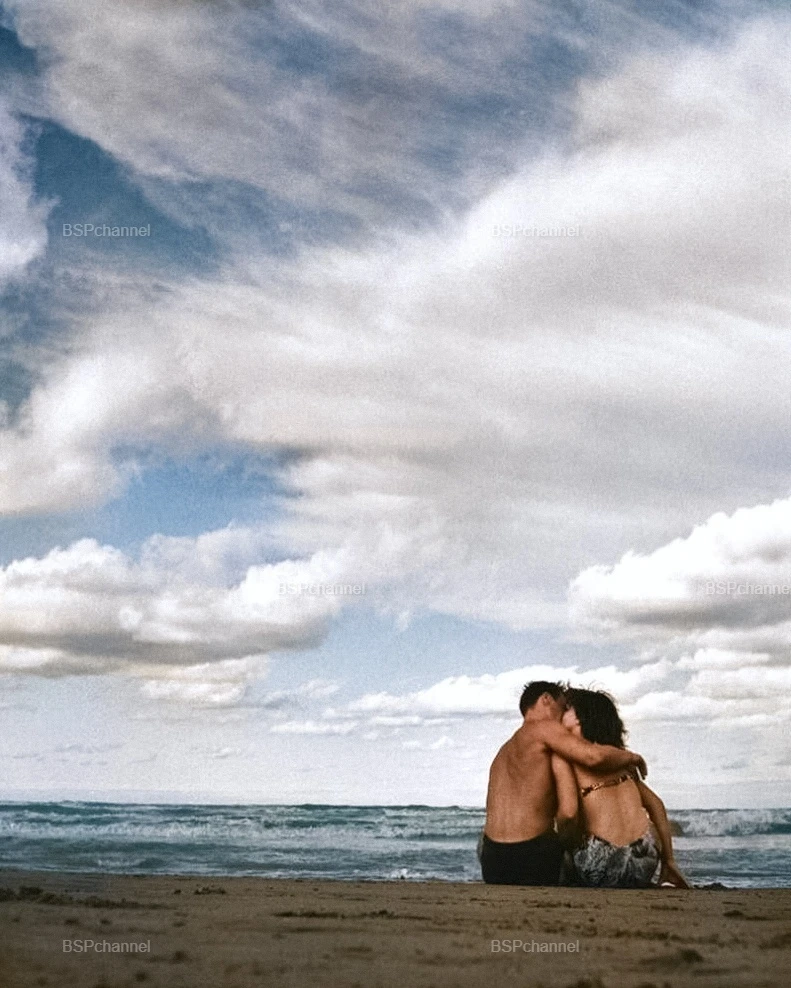
Photographer: Mario De Biasi
Graduation exam at the Academy of Physical Education. Paris, France, 1960. 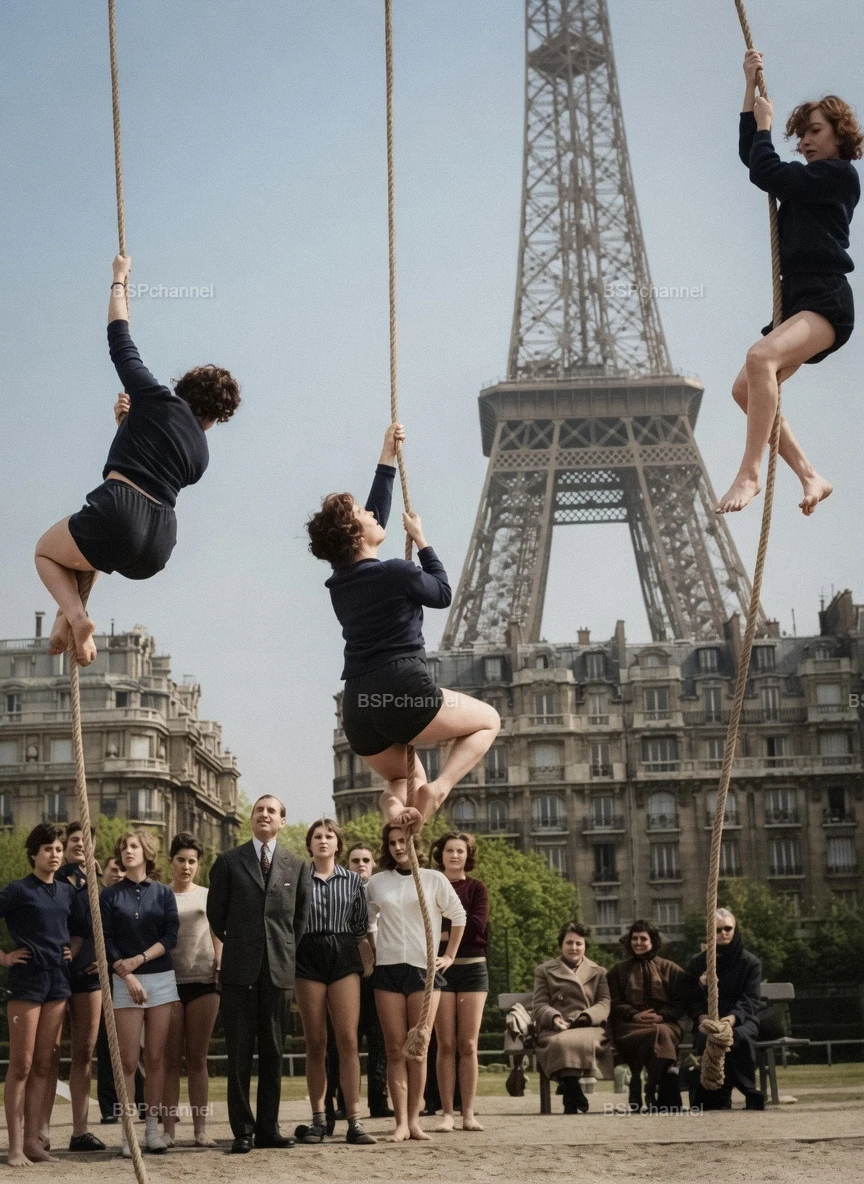
Givenchy hat. Paris, 1958. 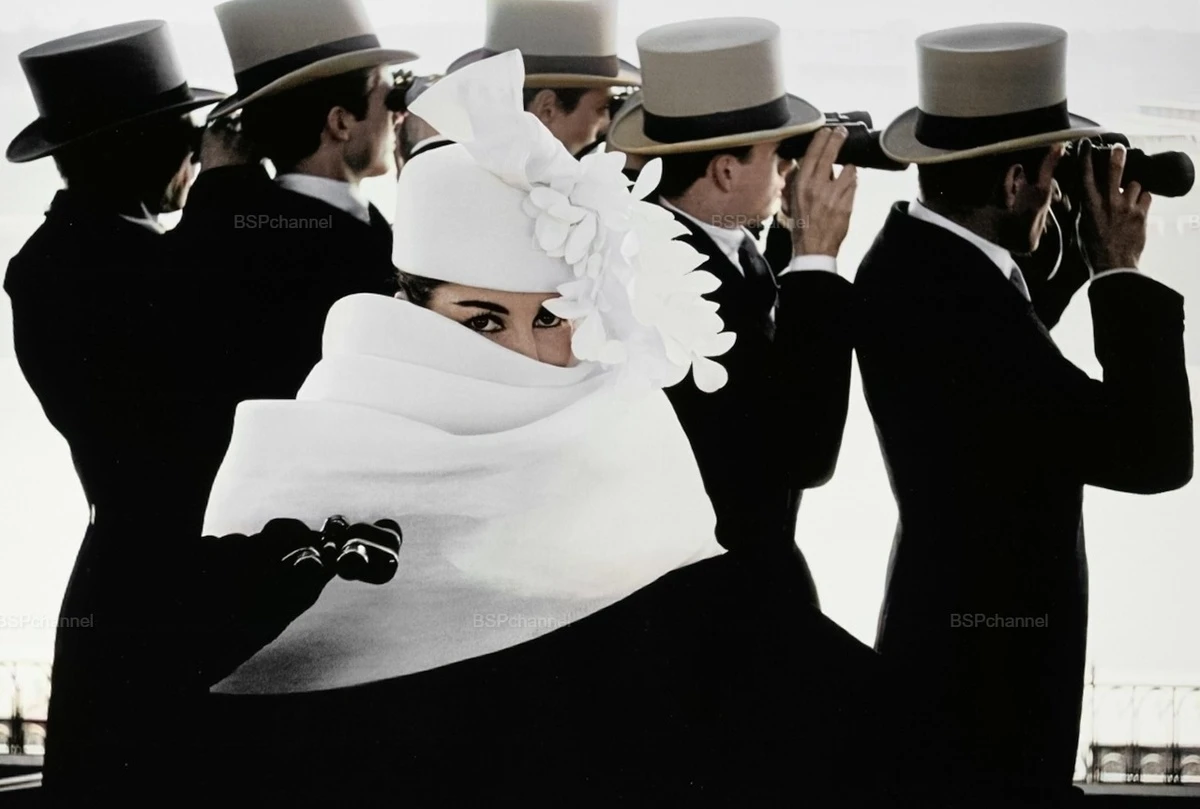
Photographer: Frank Horvat
In the studio. France, 1953. 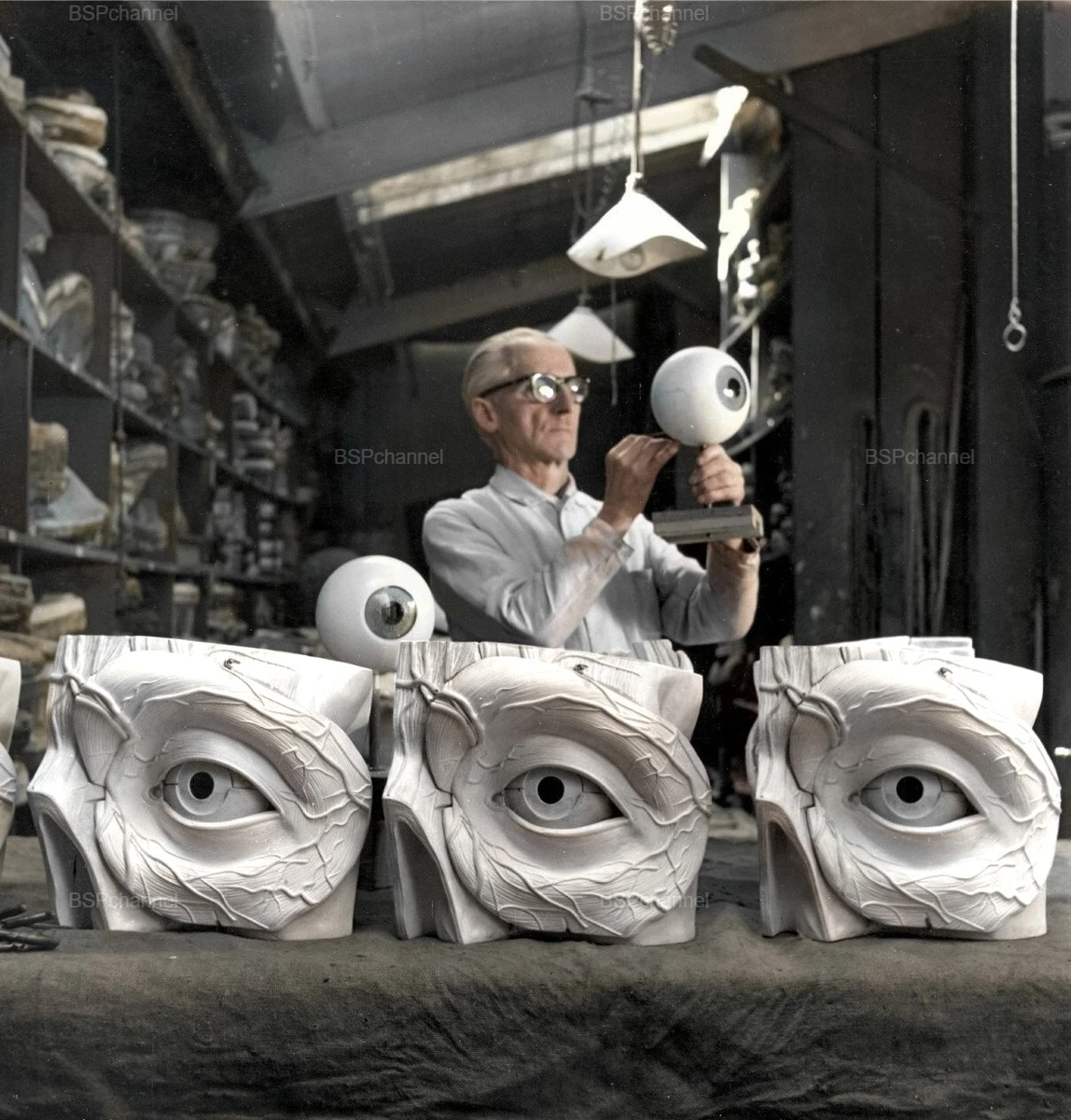
Photographer: Robert Doisneau.
Nidwalden, Switzerland, 1940s. 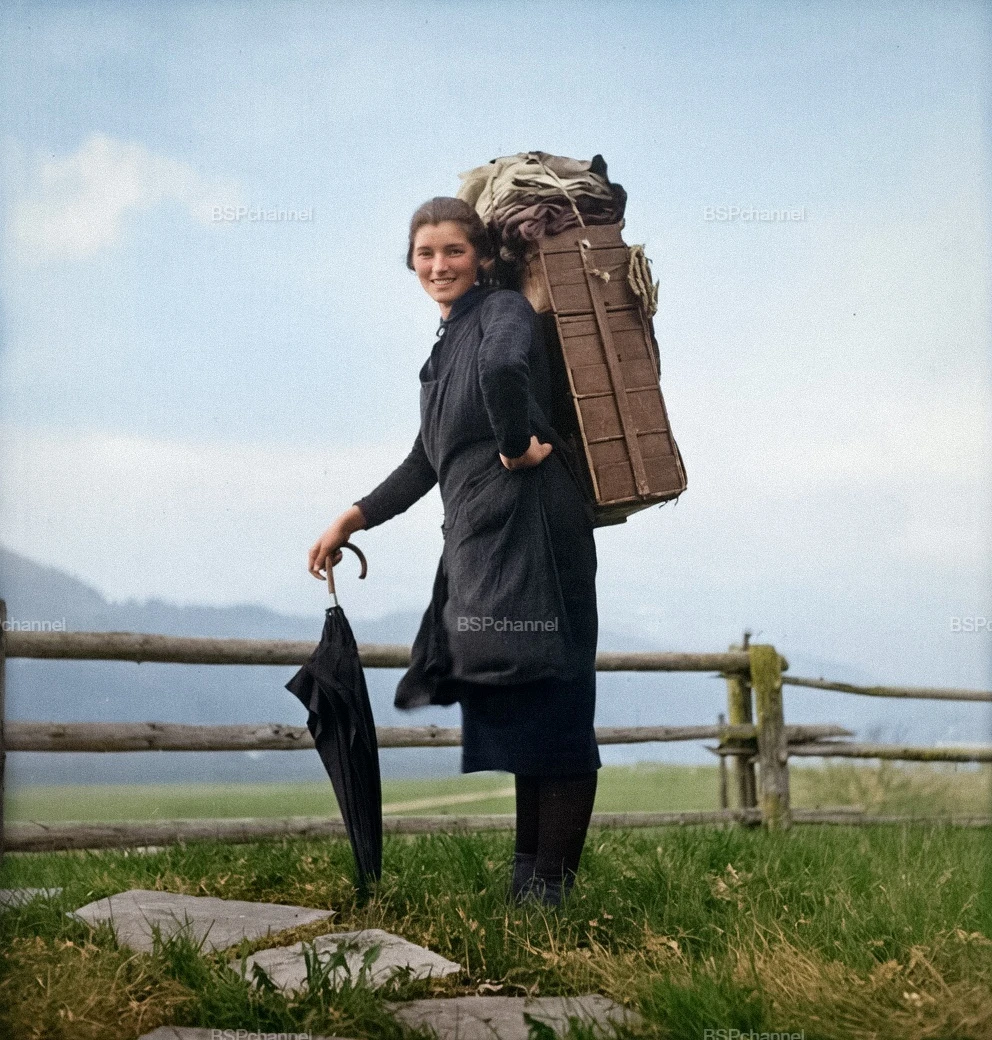
Photographer: Leonard von Matt
Architecture students. Milan, 1950s. 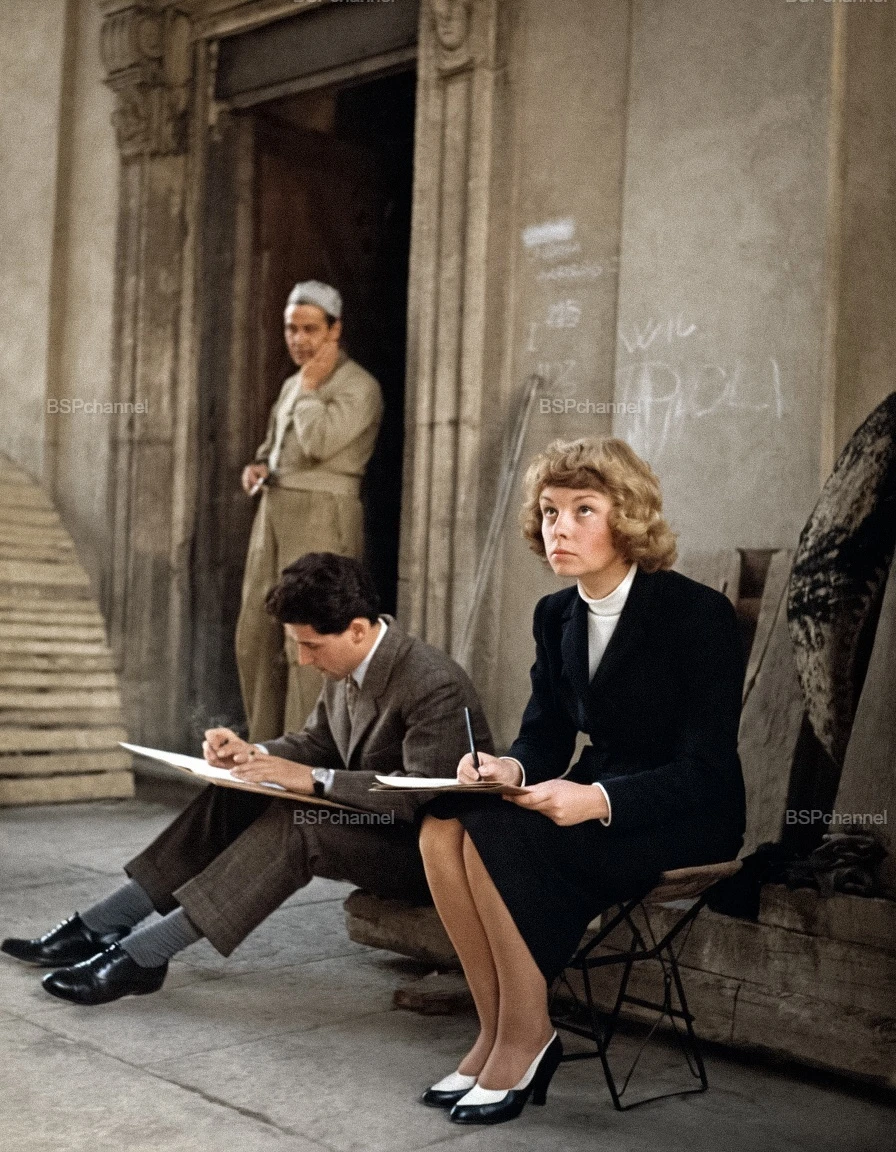
Photographer: Mario De Biasi
Most Beautiful Legs Competition, Paris, France, 1948. 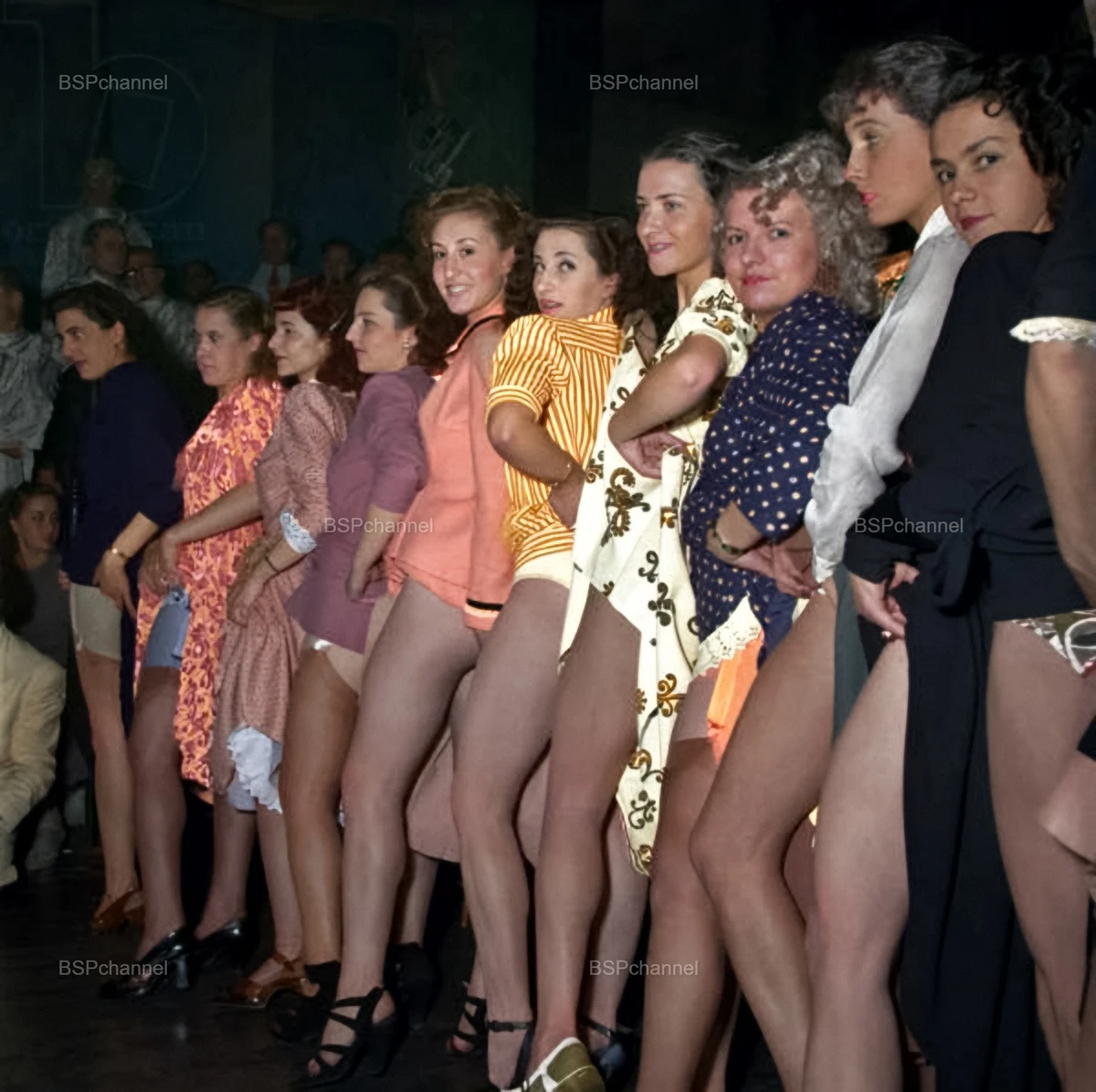
In the mid-20th century, such events were popular entertainment and often served as advertising for hosiery manufacturers. Sometimes, to prevent judges from being distracted by the girls' faces and judge objectively, the contestants stood behind a curtain or had bags placed over their heads. At that time, beauty pageants often focused on specific body parts. For example, there were competitions for the most beautiful ankles or perfect posture.