Grimes-Graves: a necropolis that turned out to be a factory (14 photos + 1 video)
If you suddenly found yourself in this area of Norfolk, England, and didn't know where you were, you might think these were battlefields from World War I. 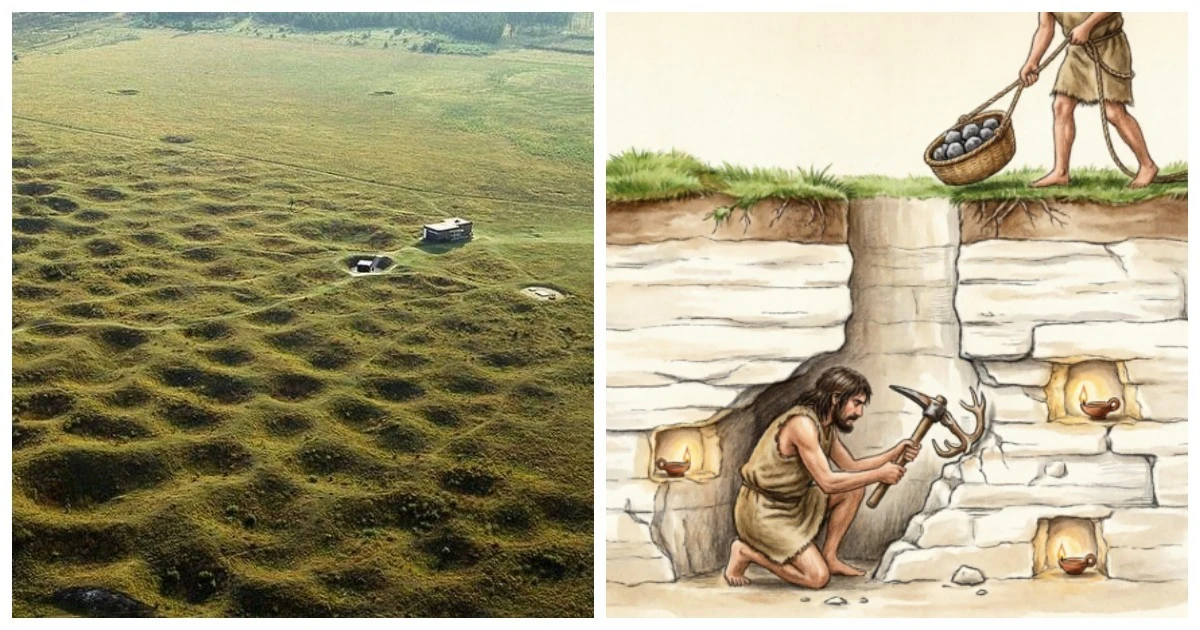
But these pits weren't left by battle. And despite the name "Grim's Graves," they're not a cemetery at all. 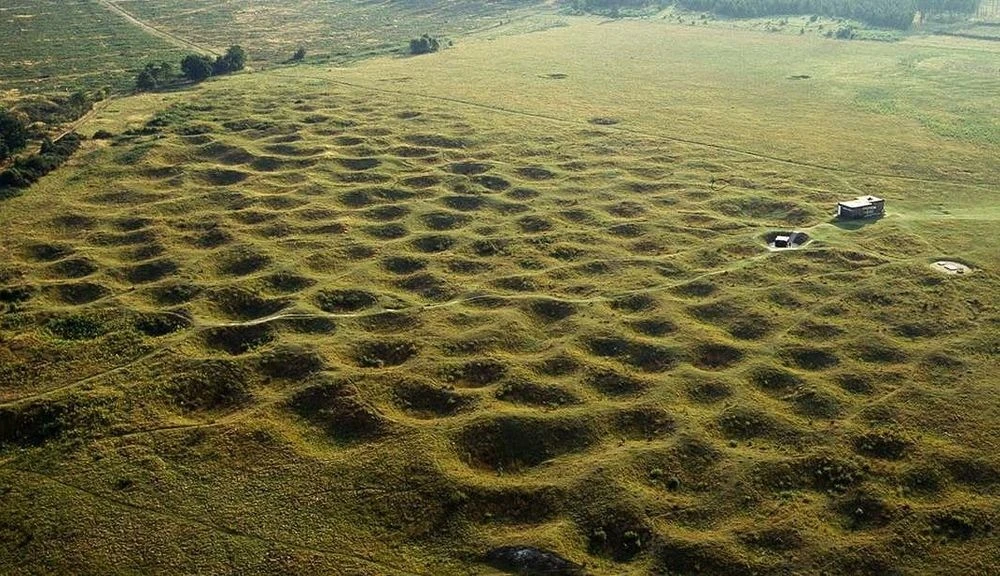
So what is this? This is a gigantic Neolithic flint mine. It's at least 4,500 years old. In the Stone Age, flint was black gold. 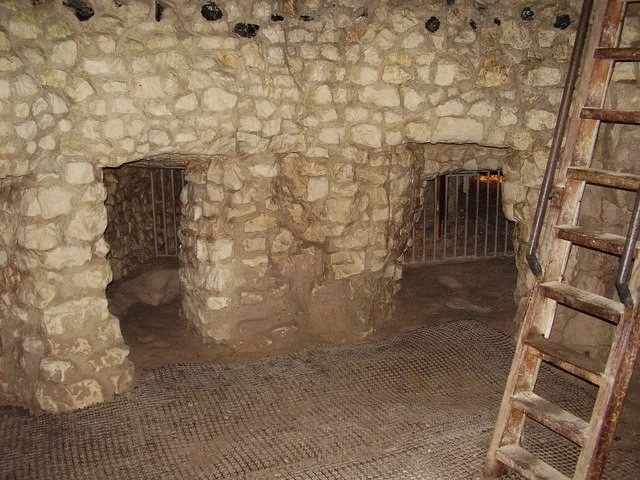
It splits into thin sheets with razor-sharp edges and was ideal for knives, scrapers, and arrowheads. It continued to be used even centuries after humans mastered metals. 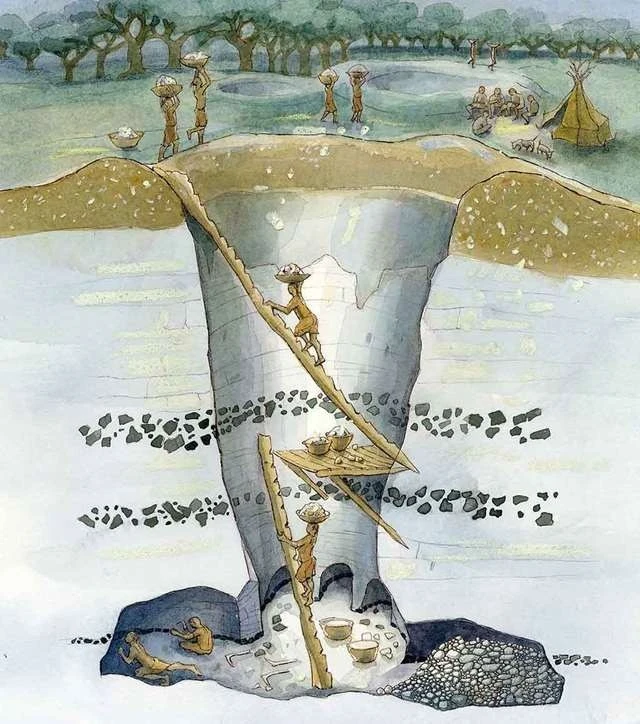
More than 400 vertical shafts have been discovered within the Grimes-Graves complex. They penetrate the chalk layer and reach the flint layers beneath. 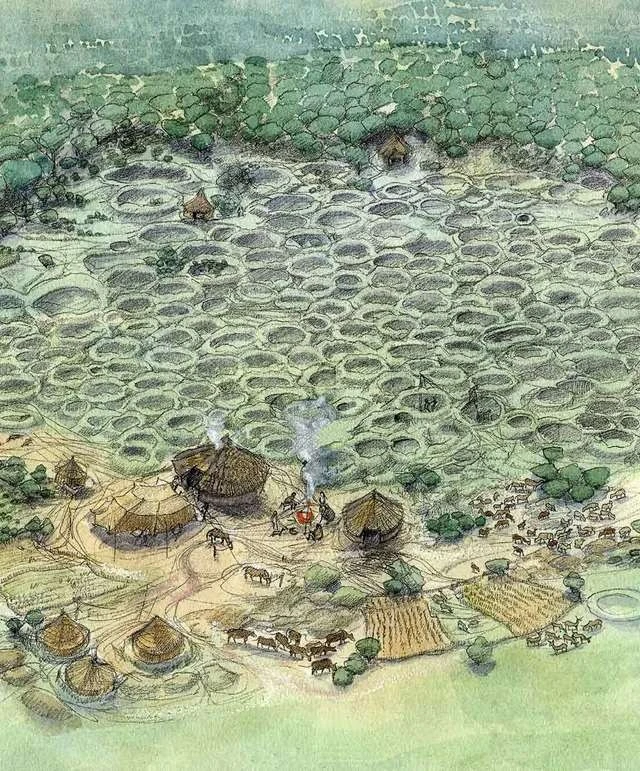
The deepest shafts descend to 14 meters and reach 12 meters in diameter at the surface. These are impressive figures, considering that Neolithic miners used deer antlers instead of picks and wooden shovels. 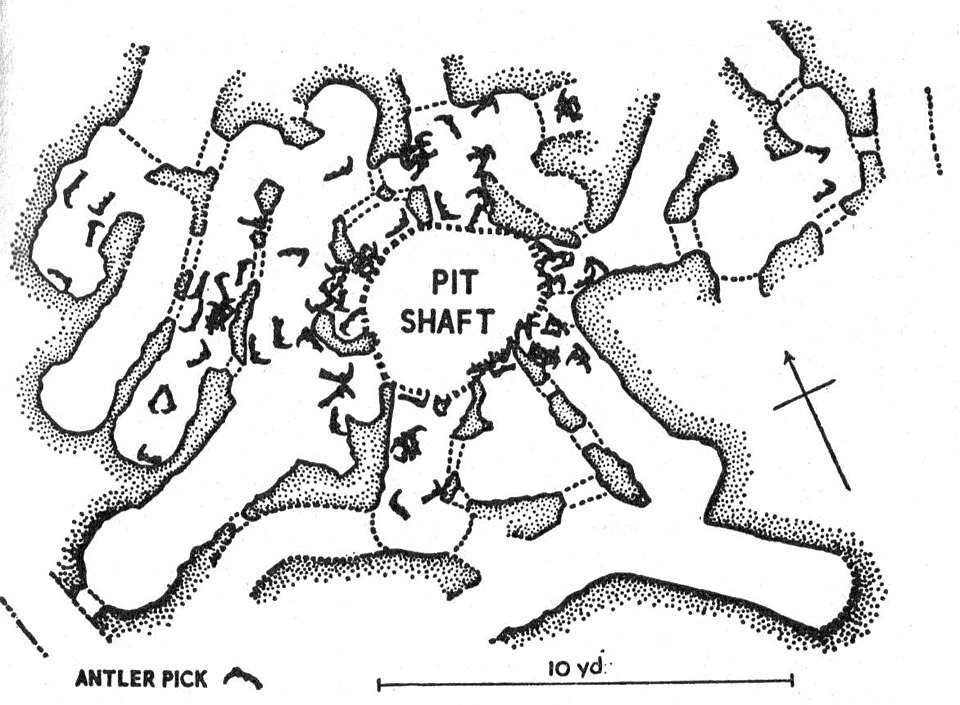
Plan of the old mine and galleries
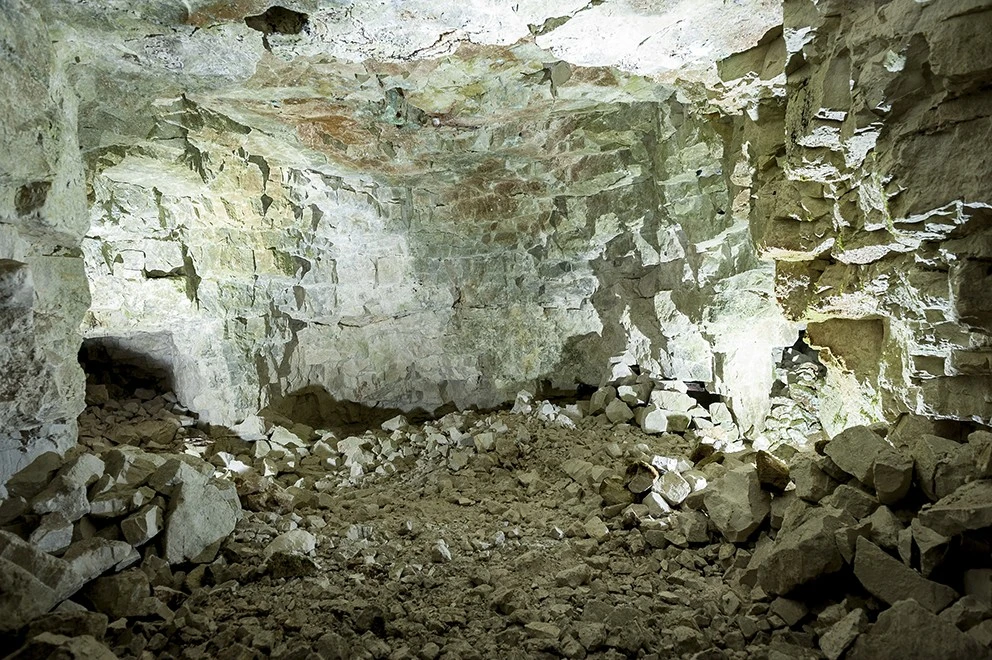
Horizontal galleries radiate from the bottom of the mines along the flint seam. This was done to extract as much rock as possible. Galleries from adjacent mines often connected, forming a network of tunnels. 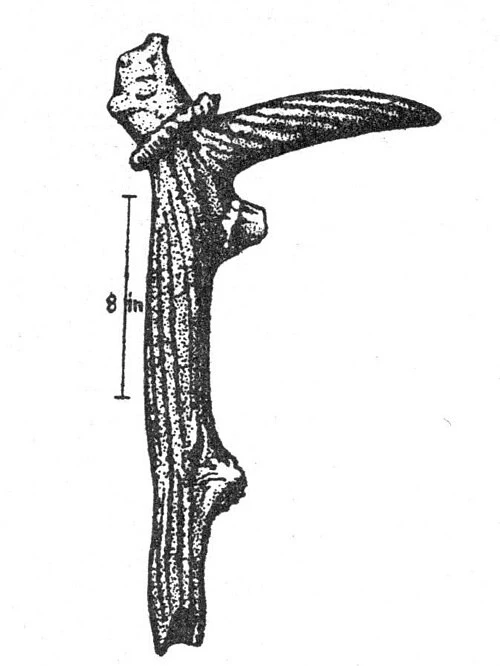
Antlers' pick
The mines were dug every 1-2 years. Waste rock was dumped into already-worked shafts. 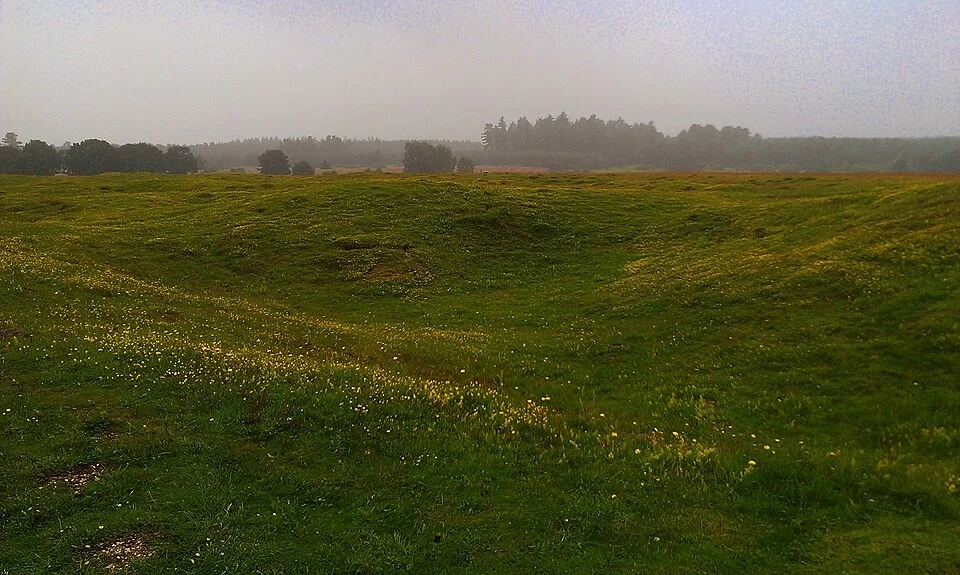
One of the many pits at the "Grim Graves"
The wide shafts were lit by daylight. But the horizontal shafts were dark. They worked there by lamp. They chiseled depressions in the chalk walls, filled them with animal fat, and used floating wicks. The soot on the gallery ceilings is still visible. 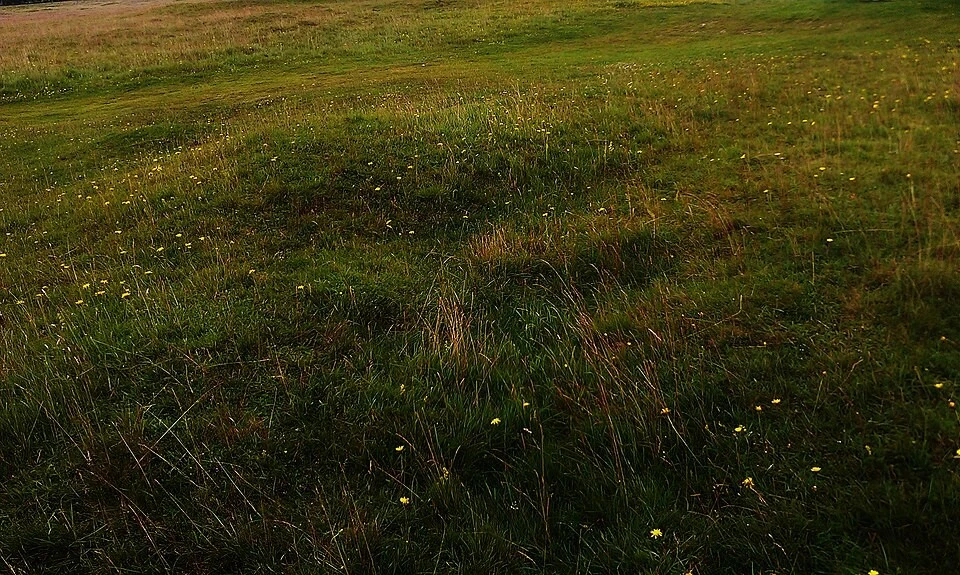
Figures that are impressive even today:
60 tons of flint (approximately what one average-depth mine produced).
This amount could have produced almost 10,000 polished stone axes.
433 mines (found to date).
16,000 – 18,000 tons of flint (approximate total production of the deposit). 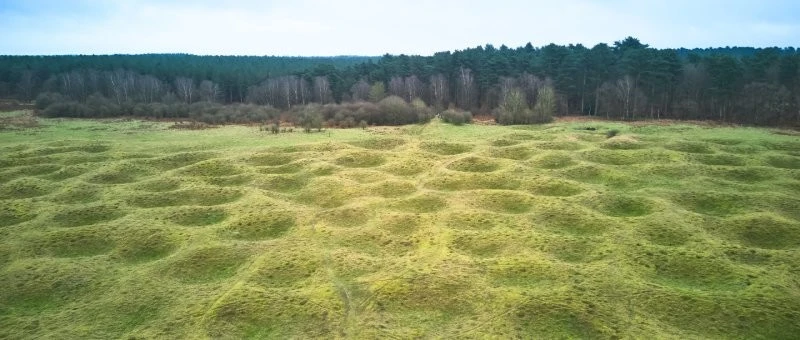
Flint mining in Grimes Graves began around the same time the Druids were building Stonehenge and Avebury. Trade networks were already widespread, and local flint was a popular commodity. The mine operated until approximately 1400 BC. 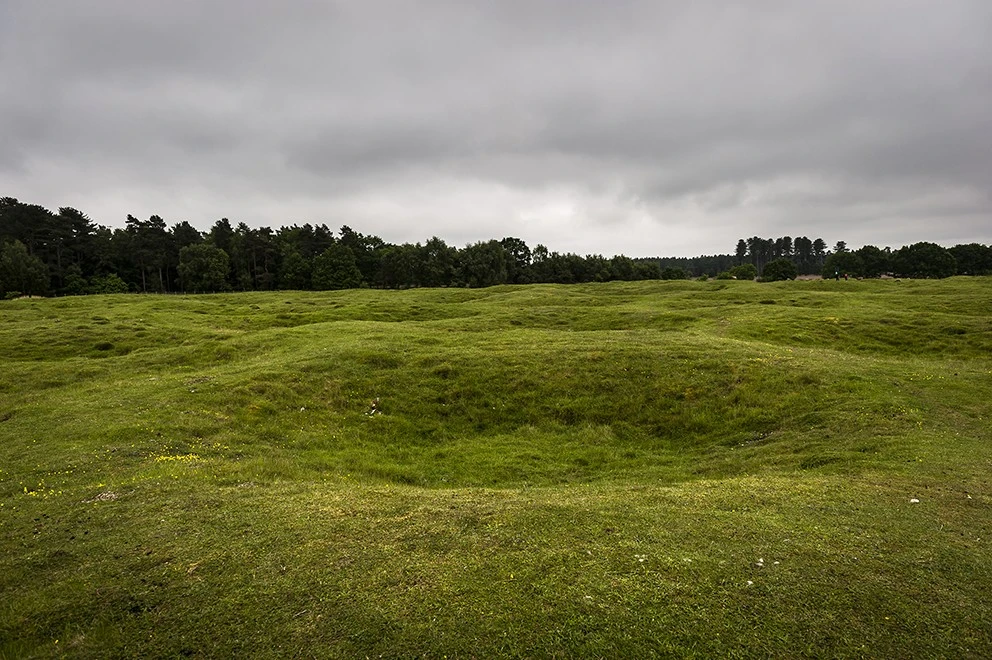
But then bronze entered the picture. Bronze tools became status symbols and gradually replaced traditional flint tools. Demand fell, and the mines shut down. 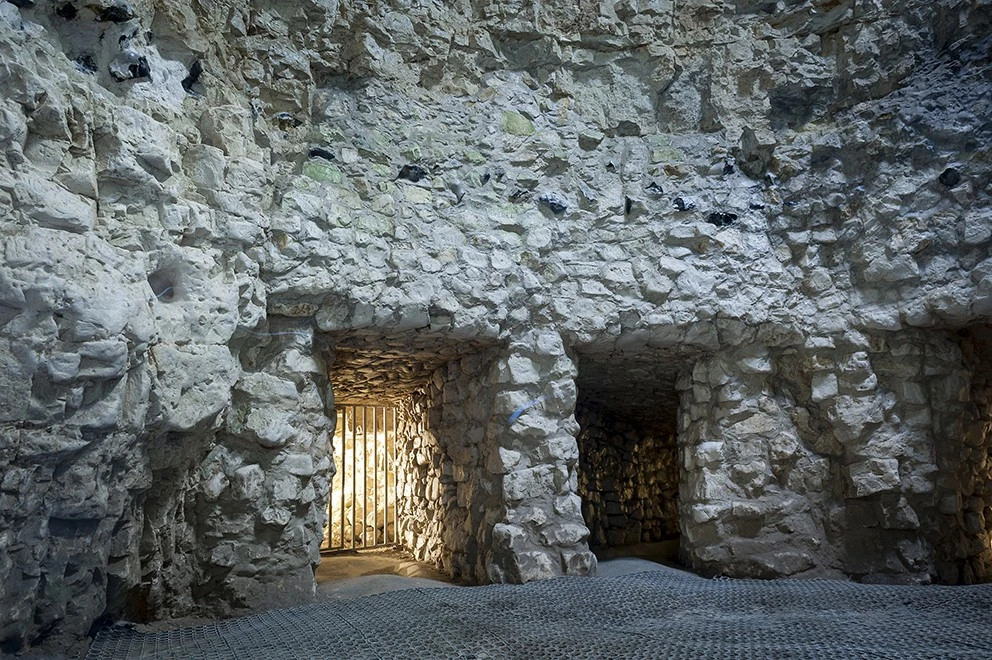
Then a second life began. The mines were used as garbage dumps. Iron Age and later civilizations used the old shafts as dumps. Archaeologists find everything from ceramics and textiles to leather, wood, and animal bones there. During the Iron Age, some of the mines were converted into burial chambers. 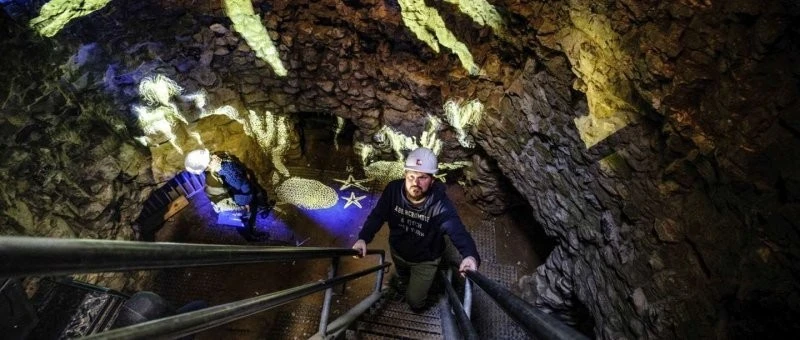
Today, Grimes Graves is one of the few surviving Neolithic flint mines in the world. It is protected and open to the public, and you can descend into one of the shafts via a 9-meter staircase and explore the radial galleries in person.