Interesting and rare retro photographs of Europe (21 photos)
These photographs offer a fresh look at everyday life in European countries of the last century. 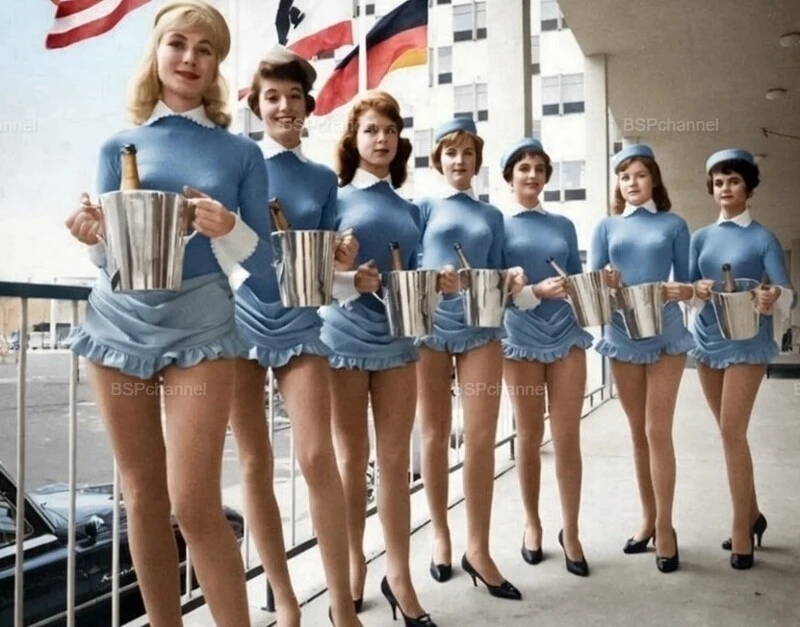
Italian circus queen Moira Orfei, 1954. 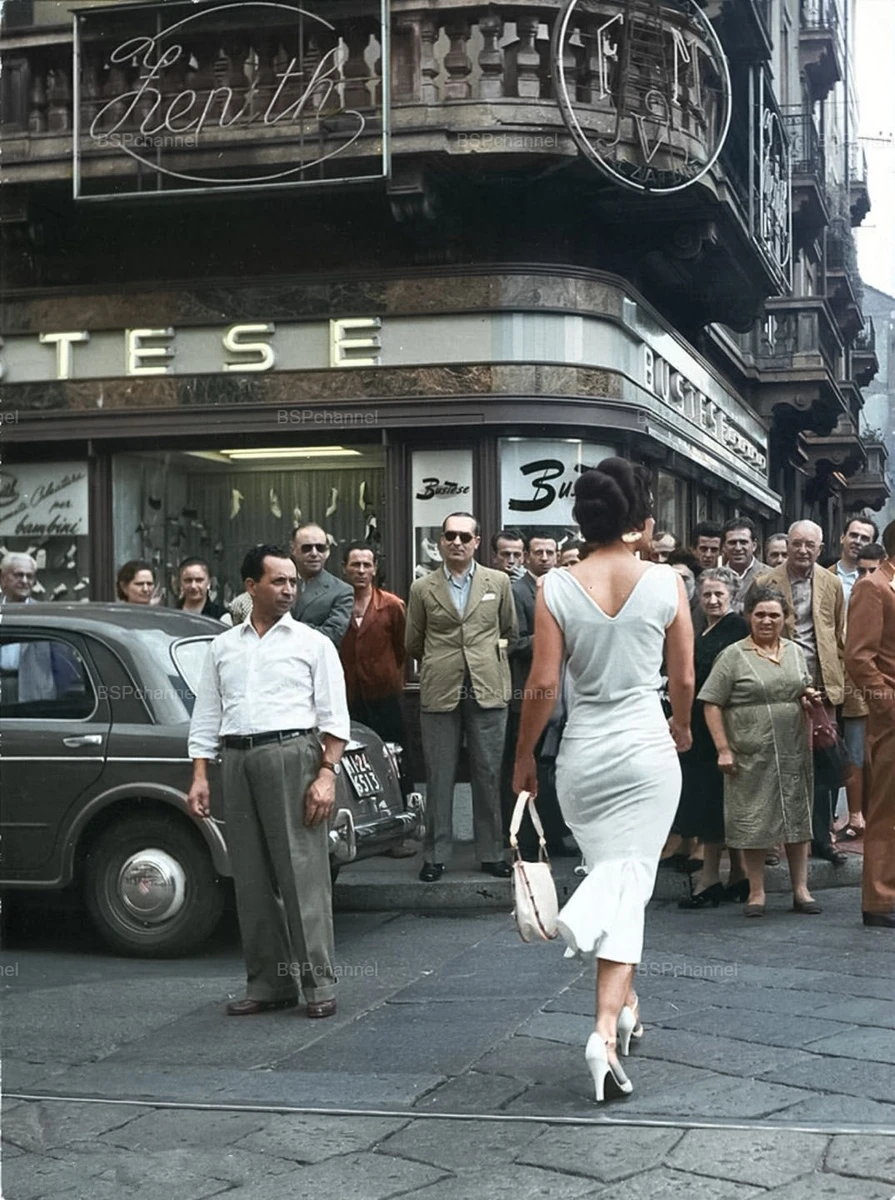
Photographer: Mario De Biasi
Moira Orfei is a legendary Italian circus performer, actress, and television presenter, known as the "Queen of the Italian Circus." Miranda Orfei was born on December 21, 1931, in the town of Codroipo in northeastern Italy, in the Friuli-Venezia Giulia region. She came from Italy's most famous circus family and had distant Roma roots. Her parents were circus performers, and from childhood, Moira was surrounded by the circus atmosphere. From an early age, she began working in the circus, mastering many disciplines: she was a rider, trapeze artist, and acrobat. In 1960, Moira founded her own circus, Circus Moira Orfei, becoming the most famous Italian rider, trapeze artist, acrobat, and elephant and pigeon trainer. Beginning in the 1960s, Moira Orfei began acting in films while also continuing to perform in the circus. In total, she appeared in nearly forty films, including popular Italian comedies and historical films. Moira Orfei remained active until the last years of her life. Her circus continued to tour Italy, preserving the family circus traditions. She passed away in 2015.
Grundtvik Protestant Cathedral near Copenhagen. Kingdom of Denmark, 1969. 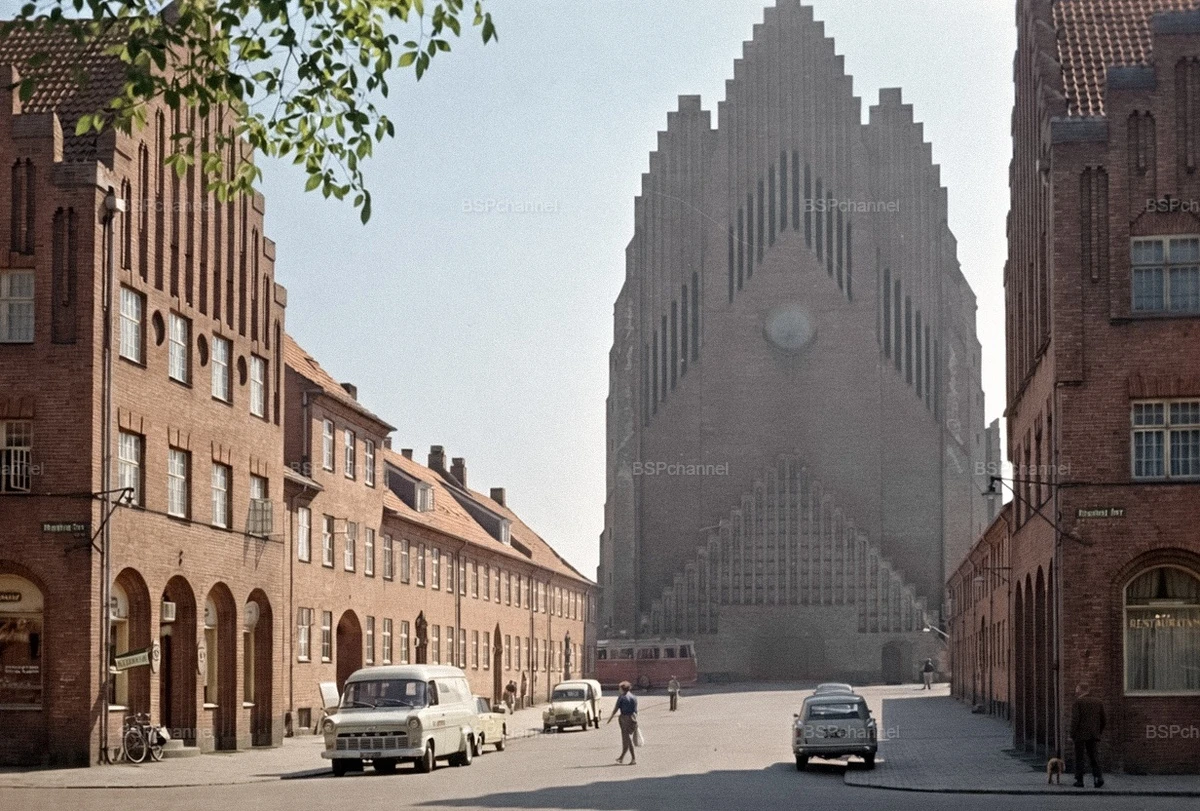
Photographer: L. Nosov
This is a rare example of expressionist church architecture. Its originality makes it one of the most famous churches in the city. The church was built as a memorial to the great Danish priest, poet, philosopher, and reformer Nikolai Frederik Severin Grundtvig. Construction began on September 8, 1921—Grundtvig's birthday—and was not completed until 1940.
Sifnos Island, Cyclades, Greece, 1961. 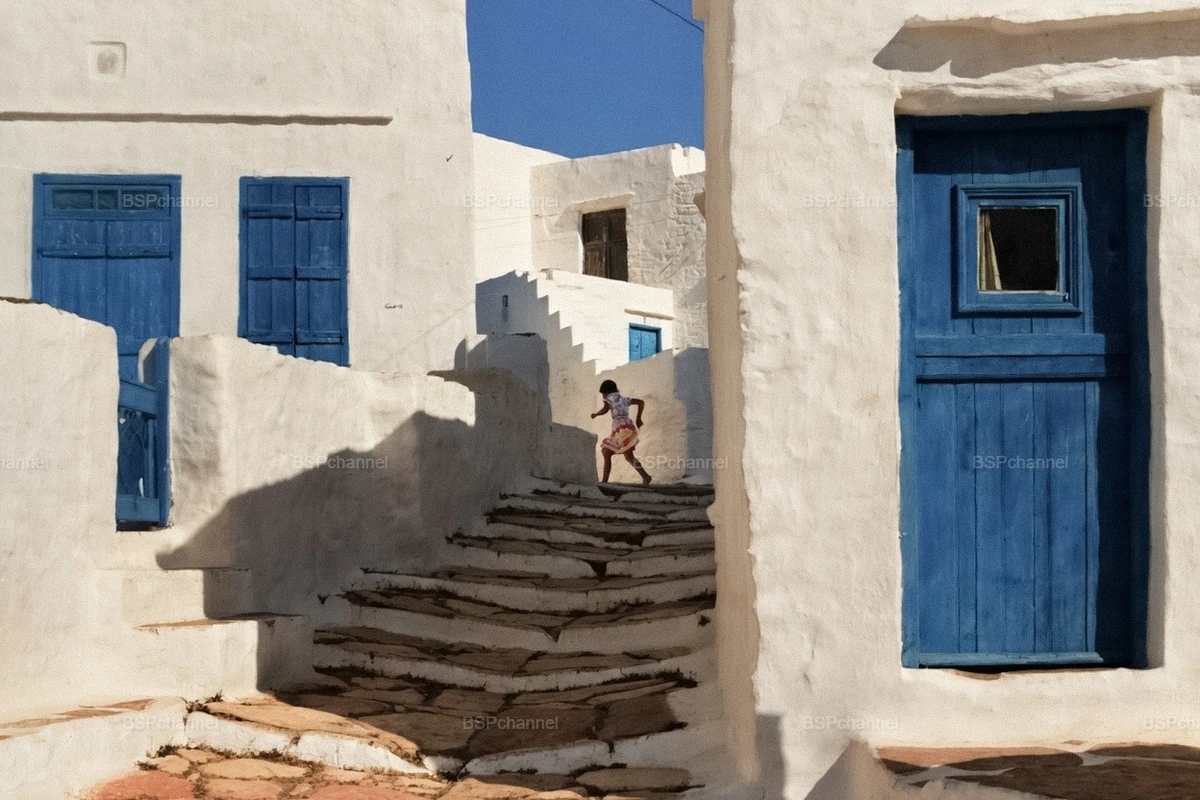
Photographer: Henri Cartier-Bresson
Sifnos is a small Greek island in the southern Aegean Sea, part of the Cyclades archipelago. Sifnos is considered one of Greece's most popular tourist destinations, known for its elegant simplicity and Cycladic architecture with whitewashed villages and blue-domed chapels.
Viaduct at Maddaloni, Campania, Italy, 1955. 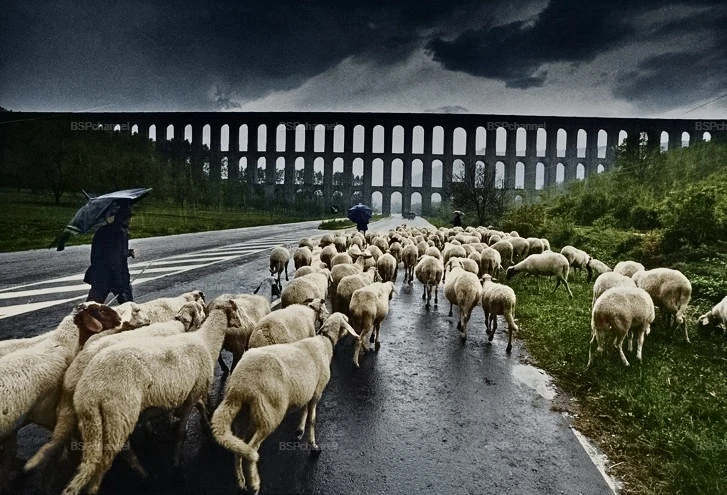
Photographer: Mario De Biasi
The sheep's tails can be seen in the photograph. The vast majority of European breeds (Merino, Romanov, Texel, Suffolk, Shropshire, etc.) have medium-length tails covered with wool.
Paris, 1922. 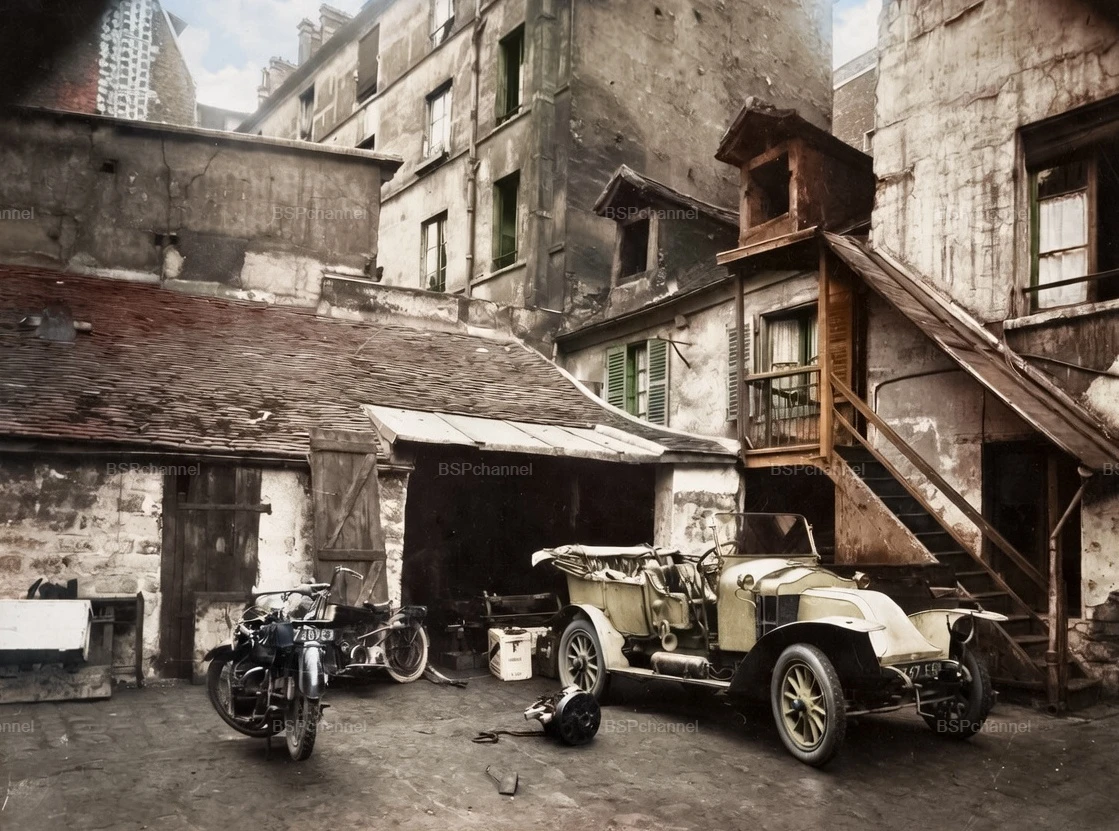
Photographer: Eugène Atget
Children. Amsterdam, 1952. 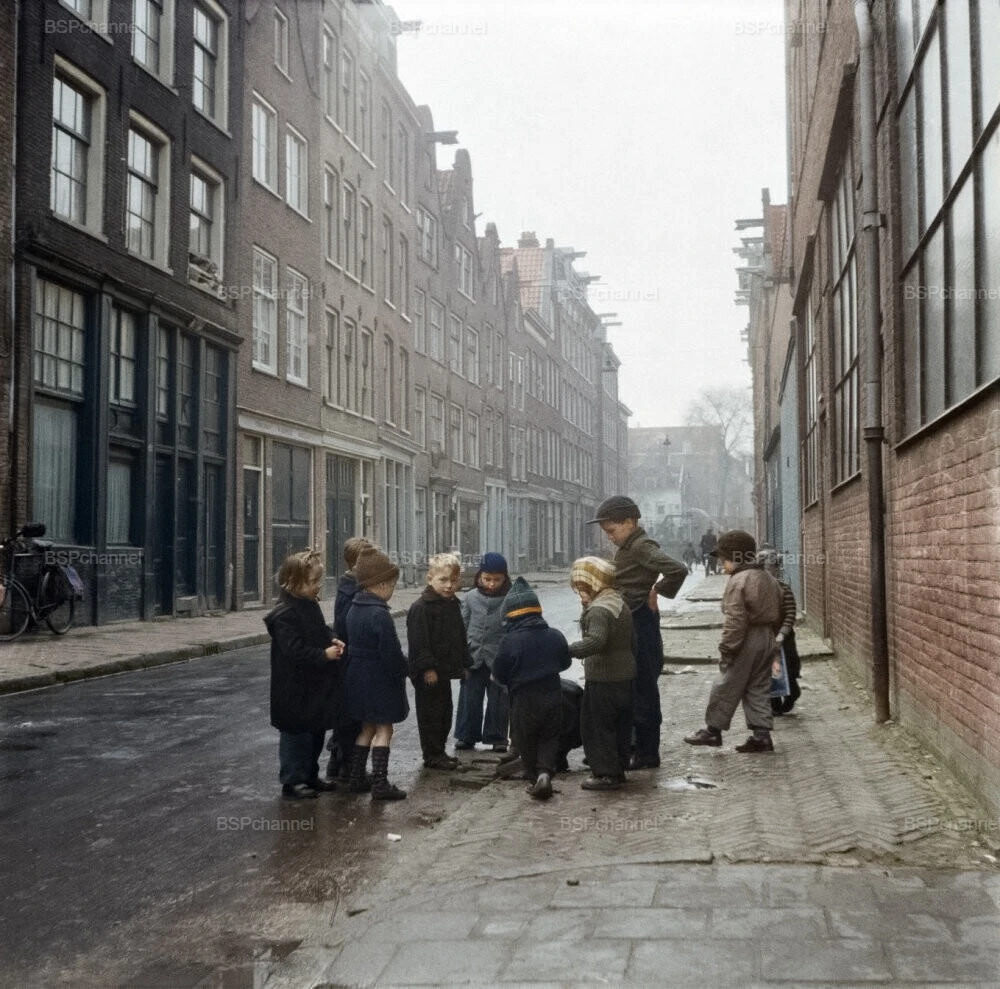
Photographer: Aal Freek
Factory girls during a break, Eindhoven, circa 1960. 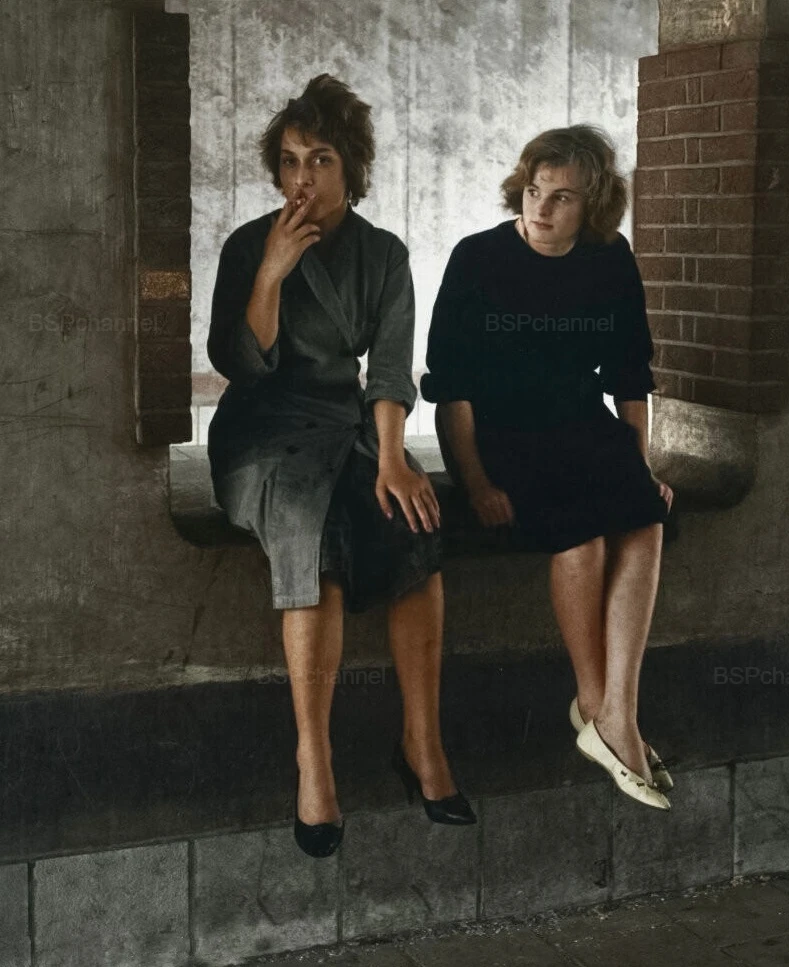
Photographer: Martin Coppens
Since the late 19th century, the city had textile and tobacco factories, which fueled Eindhoven's rapid growth in the early 20th century. However, many textile factories were forced to close in the early 1970s due to competition from cheap textiles from low-wage countries.
Elsa Martinelli on a motorcycle in Paris, 1964. 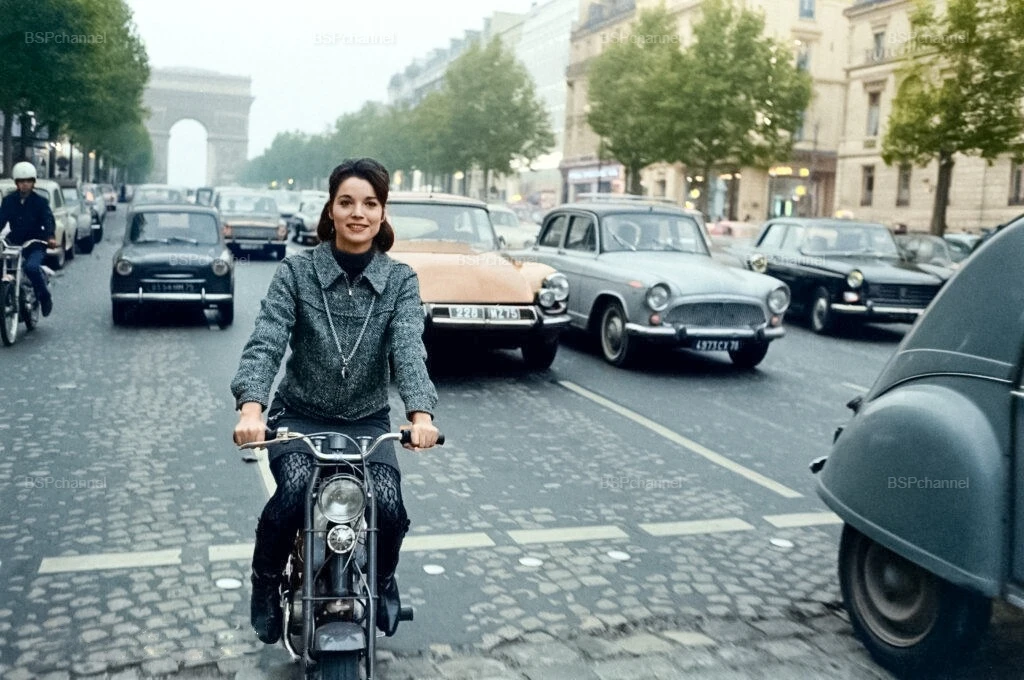
Photographer: Carlo Bavagnoli
Elsa Martinelli was an Italian actress and model, one of the brightest stars of European cinema of the 1950s and 1960s.
Irish Customs House. Dublin, 1910. 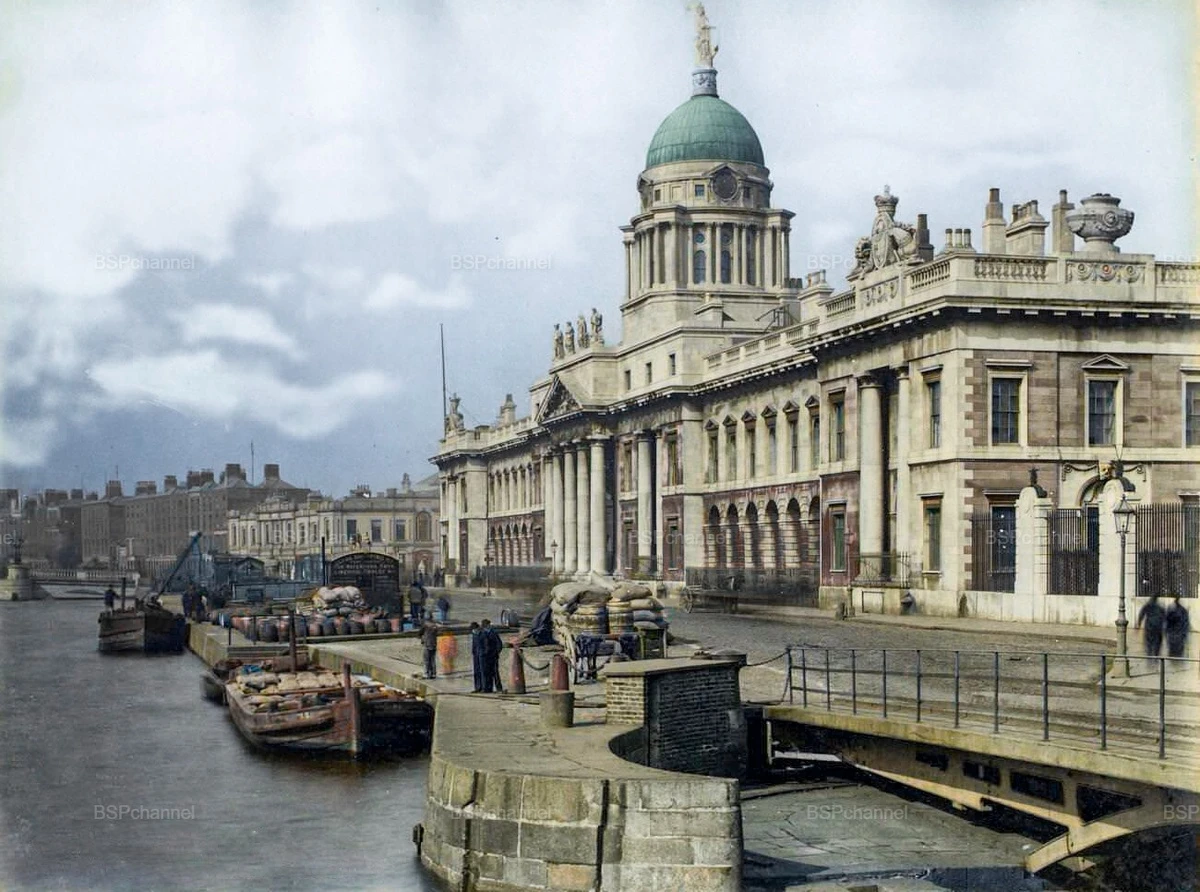
Constructed between 1781 and 1791, the building remained one of Dublin's key architectural landmarks for over a century. By the early 1900s, its function as a customs house had ceased: the port had shifted downstream along the Liffey, and the former customs house became the headquarters of the Irish Local Government Authority. In 1910, the façade and interiors still retained their original appearance, but on May 25, 1921, during the War of Independence, IRA militants set fire to the building in an attempt to destroy the tax archives. The fire destroyed the original decoration, the dome collapsed, and numerous historical documents were destroyed in the flames. After restoration, the structure found new life and continues to grace the city to this day.
Diving in Dubrovnik. Yugoslavia, 1953.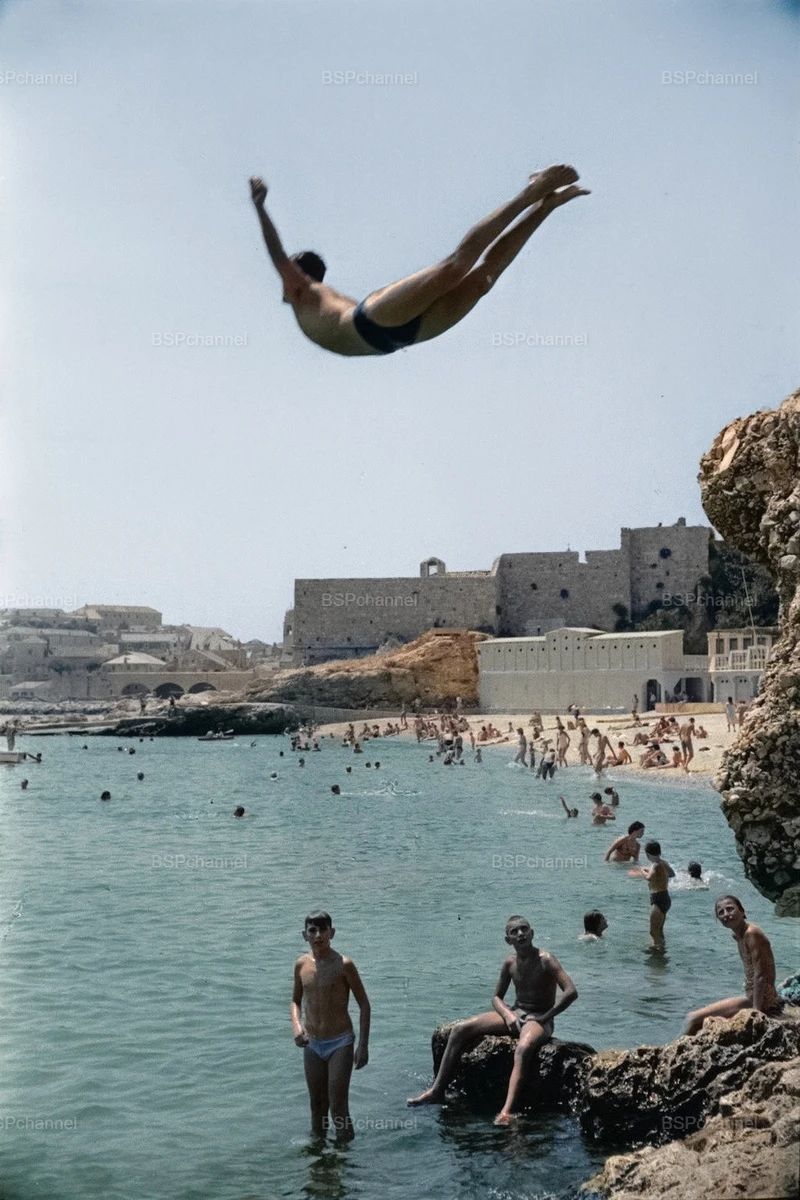
Amsterdam, 1957. 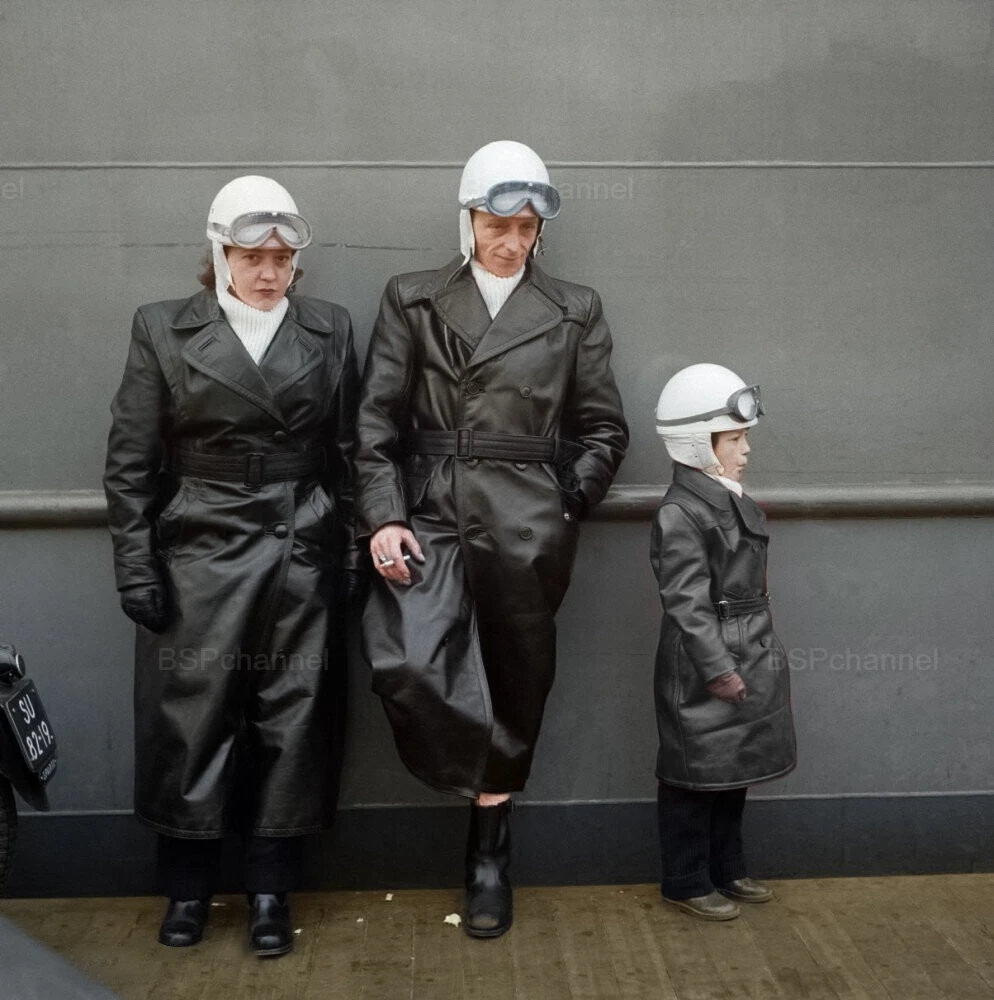
Photographer: Dolph Kruger
Netherlands, 1904. 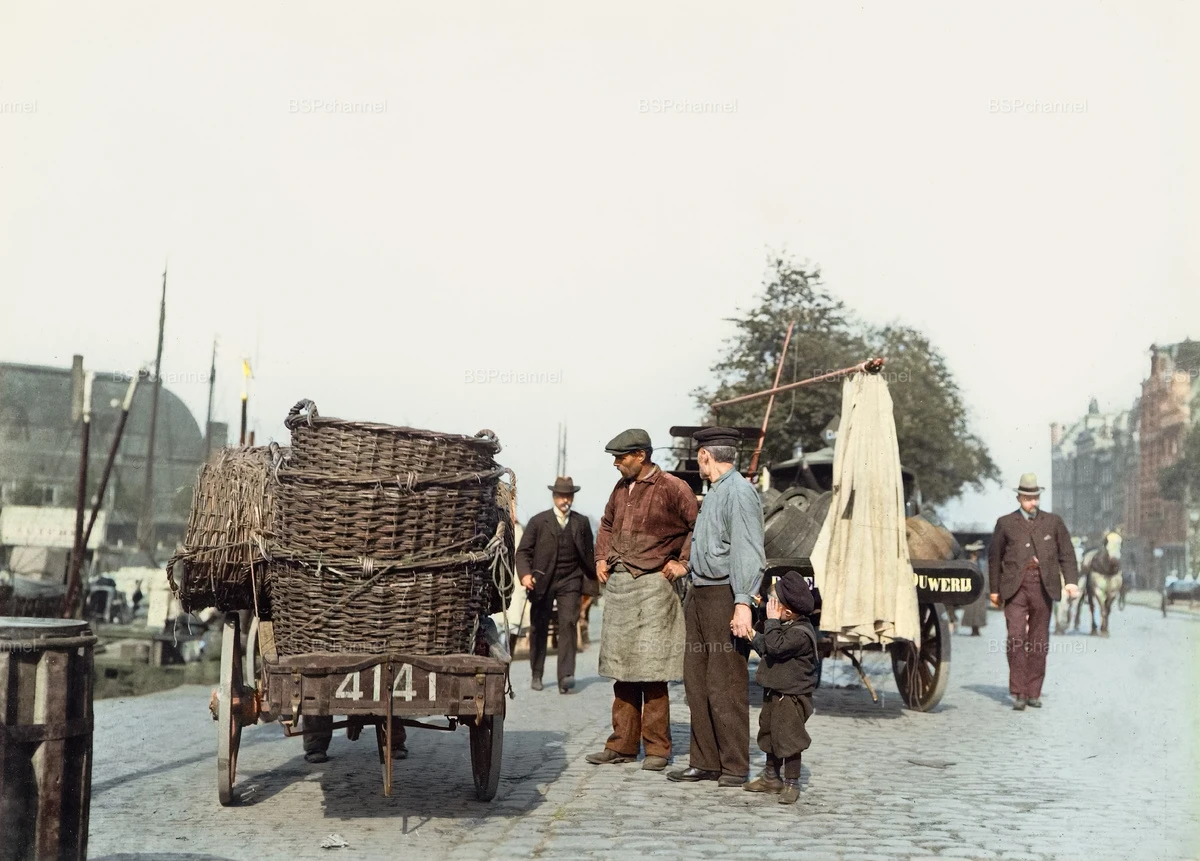
Photograph: James Higson
Elias Svande. Vilhelmina, Sweden, 1961. 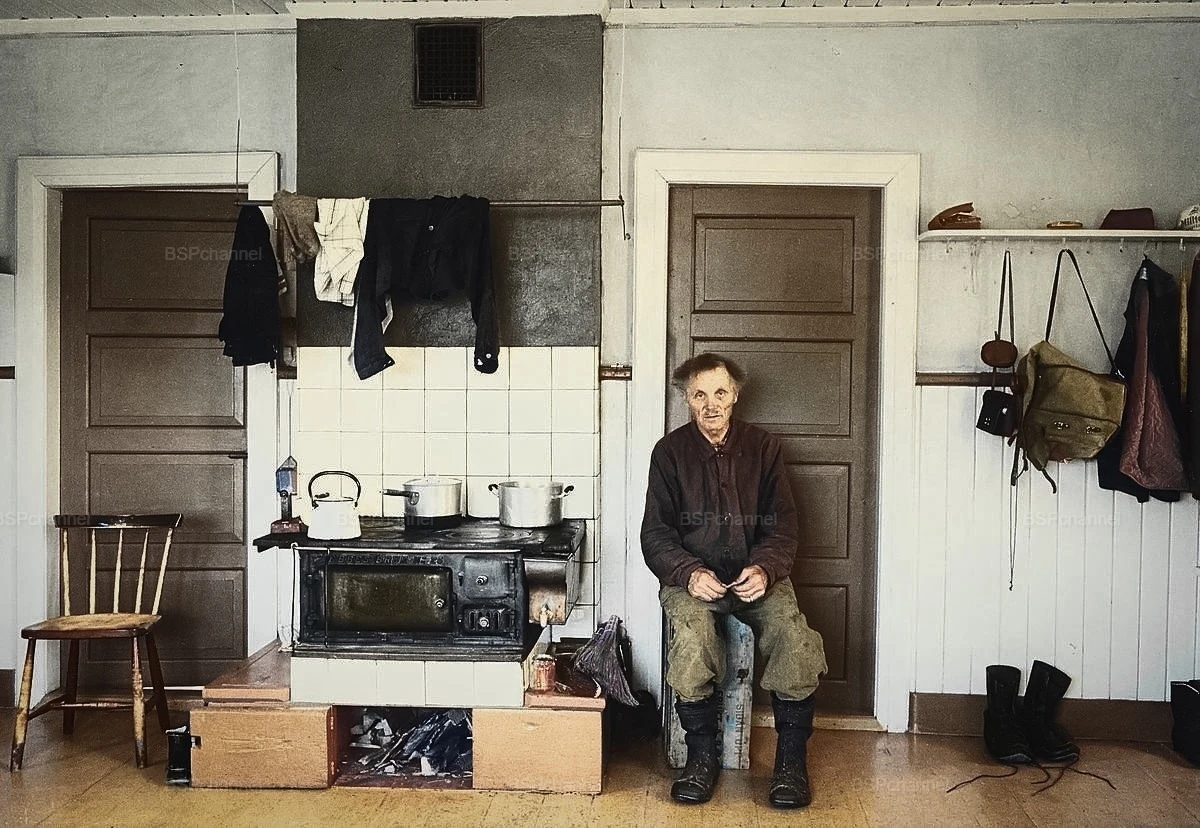
Photographer: Sune Jonsson
Fairground, Amsterdam, 1963. 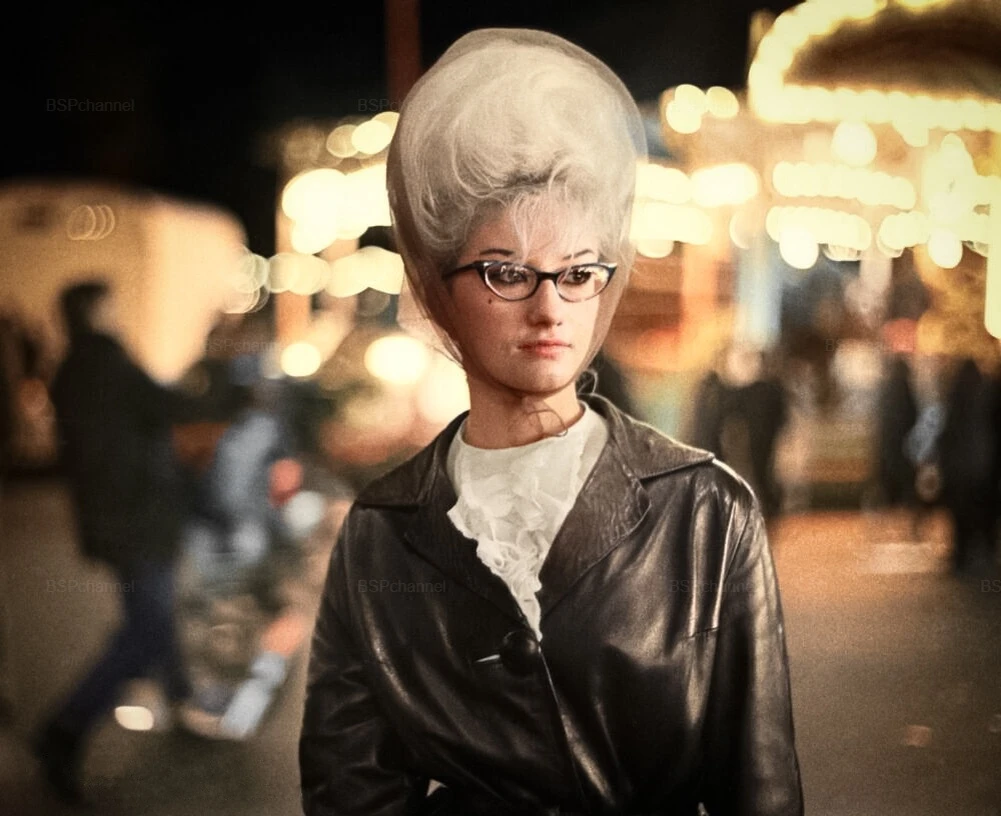
Photographer: Ed van der Elksen
Yugoslavia, 1965. 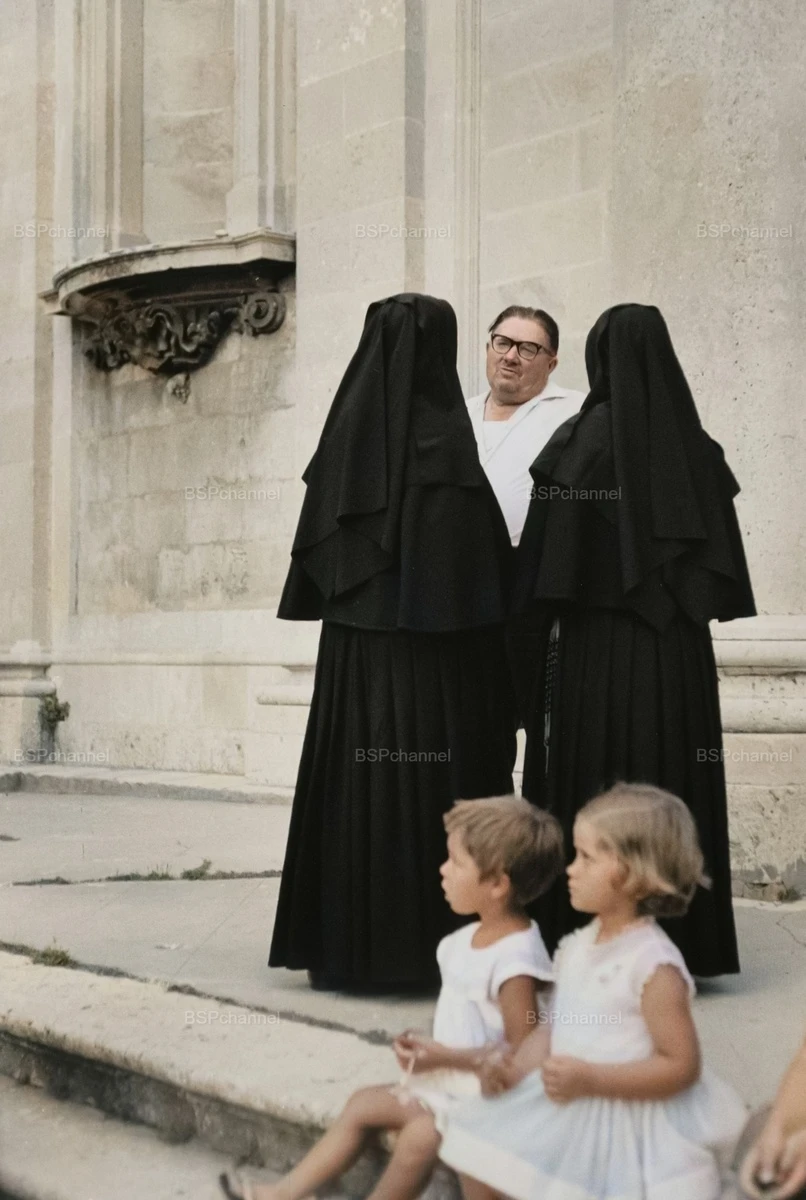
Photographer: Henri Cartier-Bresson
Marseille, France, 1952. 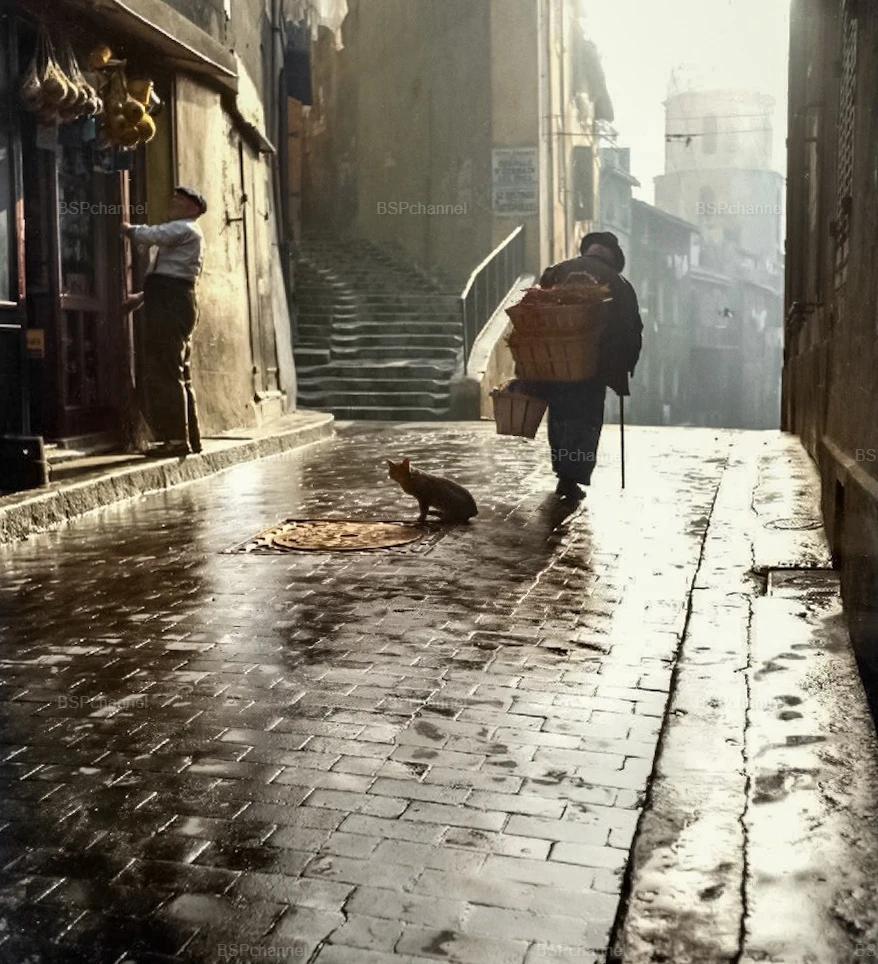
Photographer: Henri Cartier-Bresson
In a visiting room on Place Pigalle, Paris, 1938. 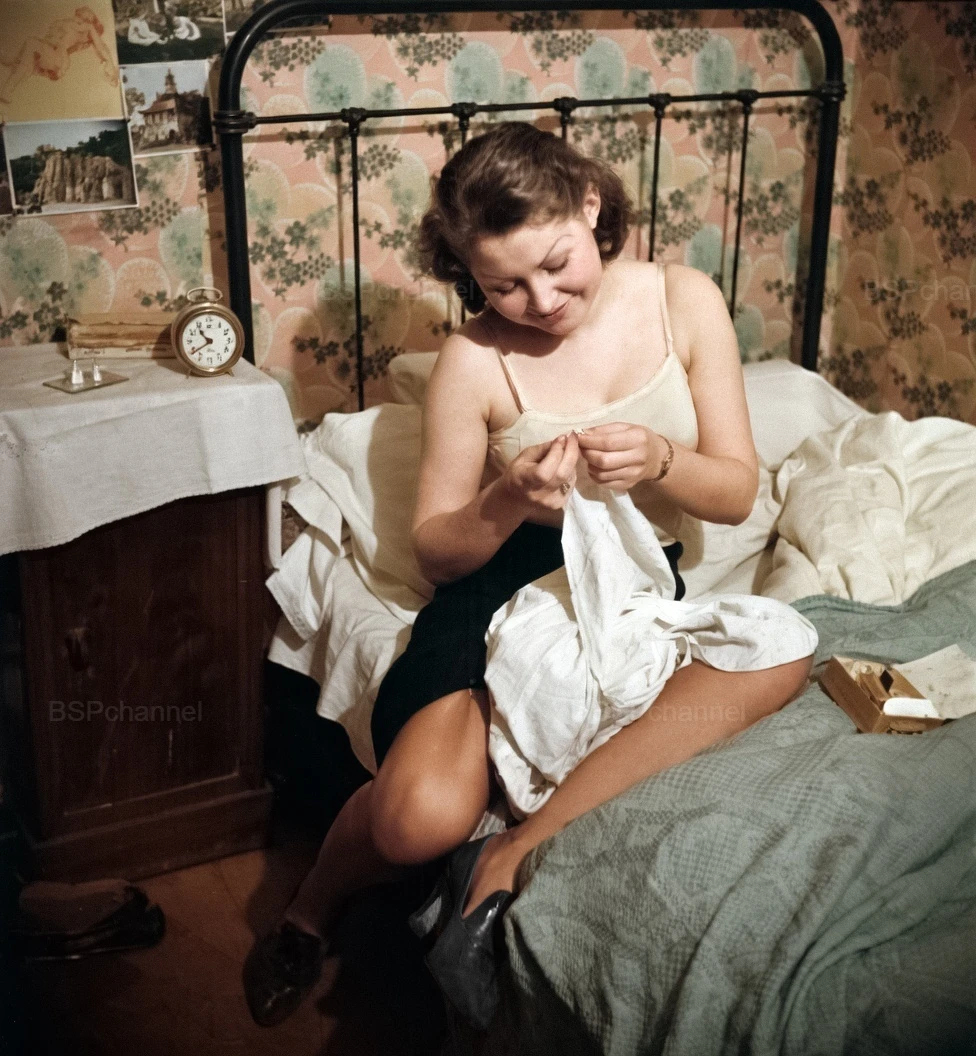
Photographer: Emile Savitri
The Pigalle district was a renowned Parisian nightlife district with a distinctive atmosphere in the first half of the 20th century. In the 1930s, there were approximately 200 brothels operating in the Pigalle district. The area was known for prostitution, gambling, and gang warfare. In 1932, it even saw a full-scale war between the French and Corsican mafias.
Roubaix, France, 1954. 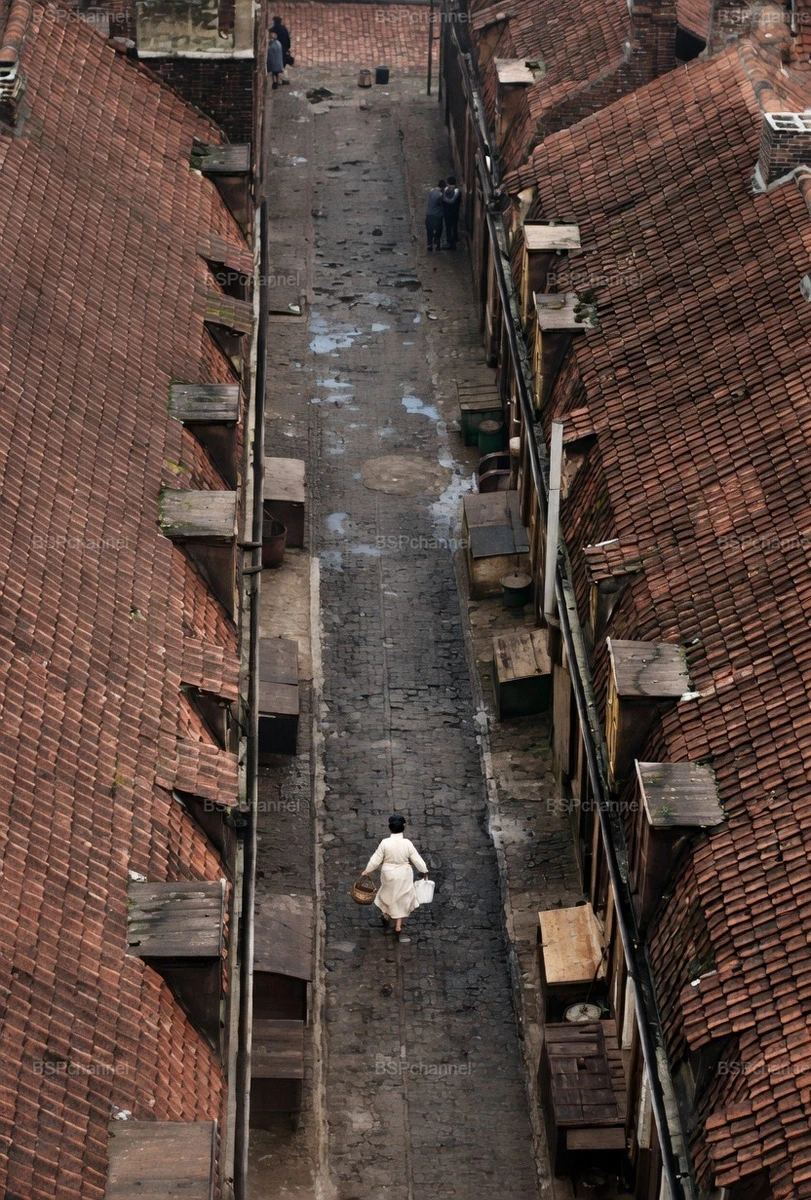
Photographer: Jean-Philippe Charbonnier
Old fishermen's houses. Poland, 1930-1935. 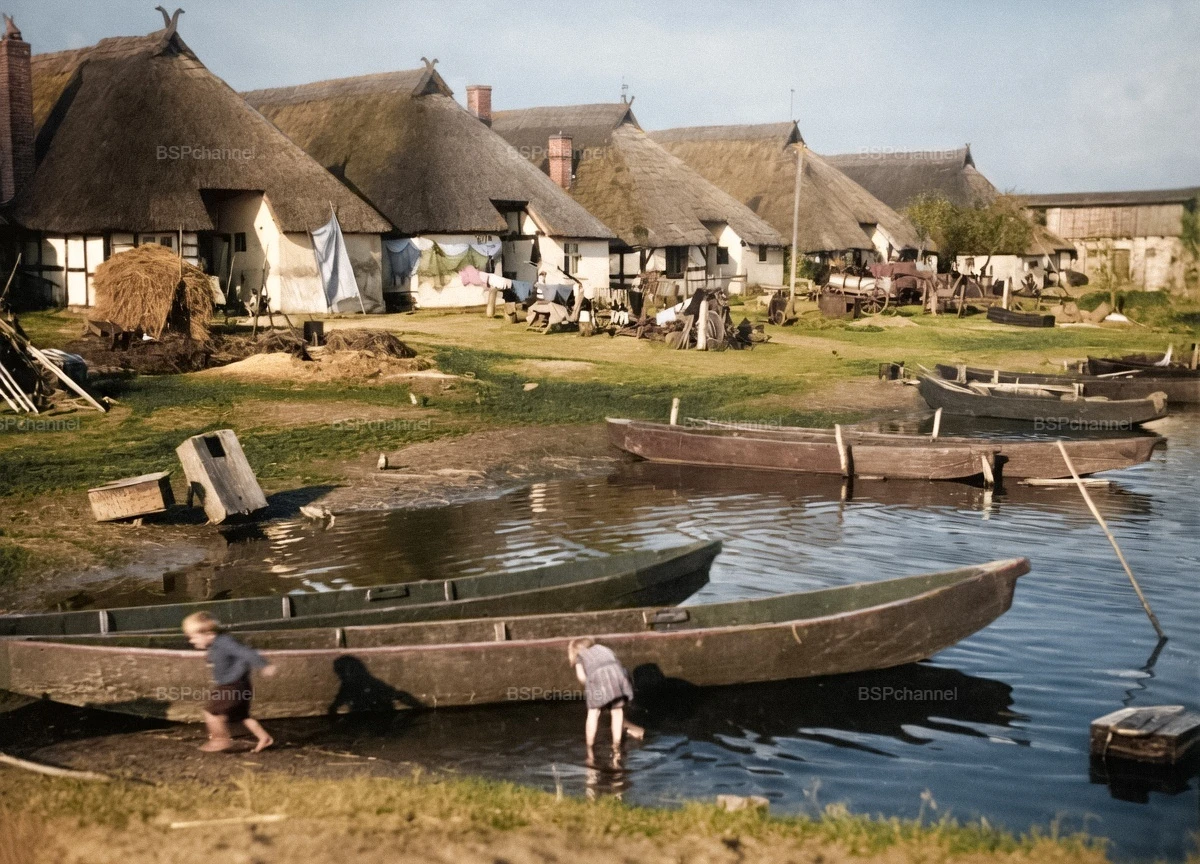
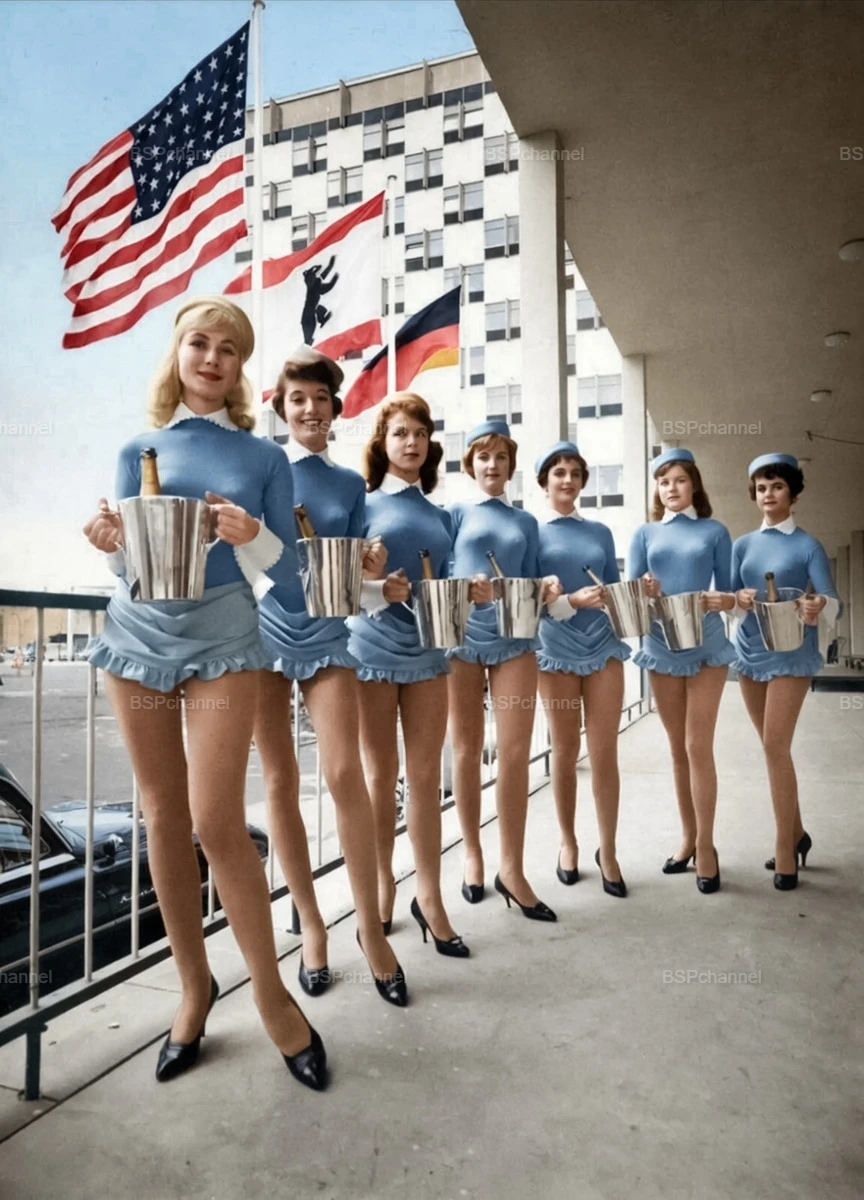
Waitresses at the Berlin Hilton Hotel, 1958.