We present a selection of rare and expressive photographs capturing everyday life, key events, and the unique atmosphere of Great Britain in the first half and mid-20th century. 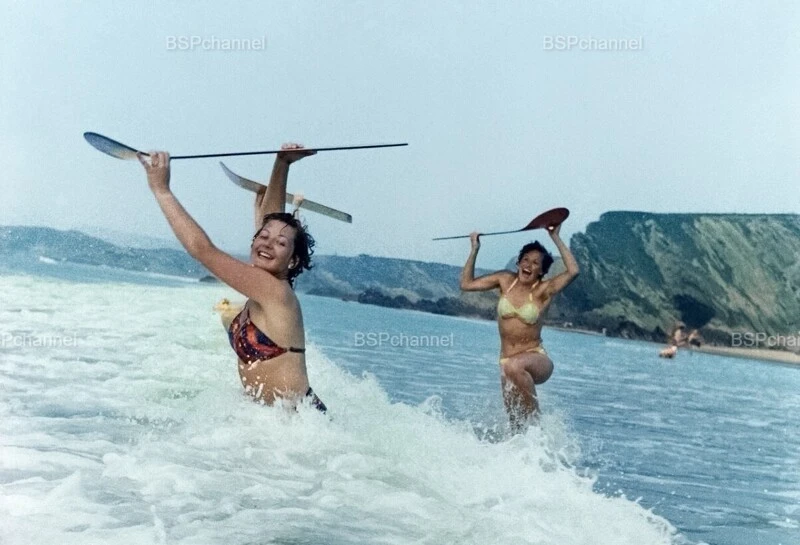
Shepherdess. Selkirk, Scotland, 1971. 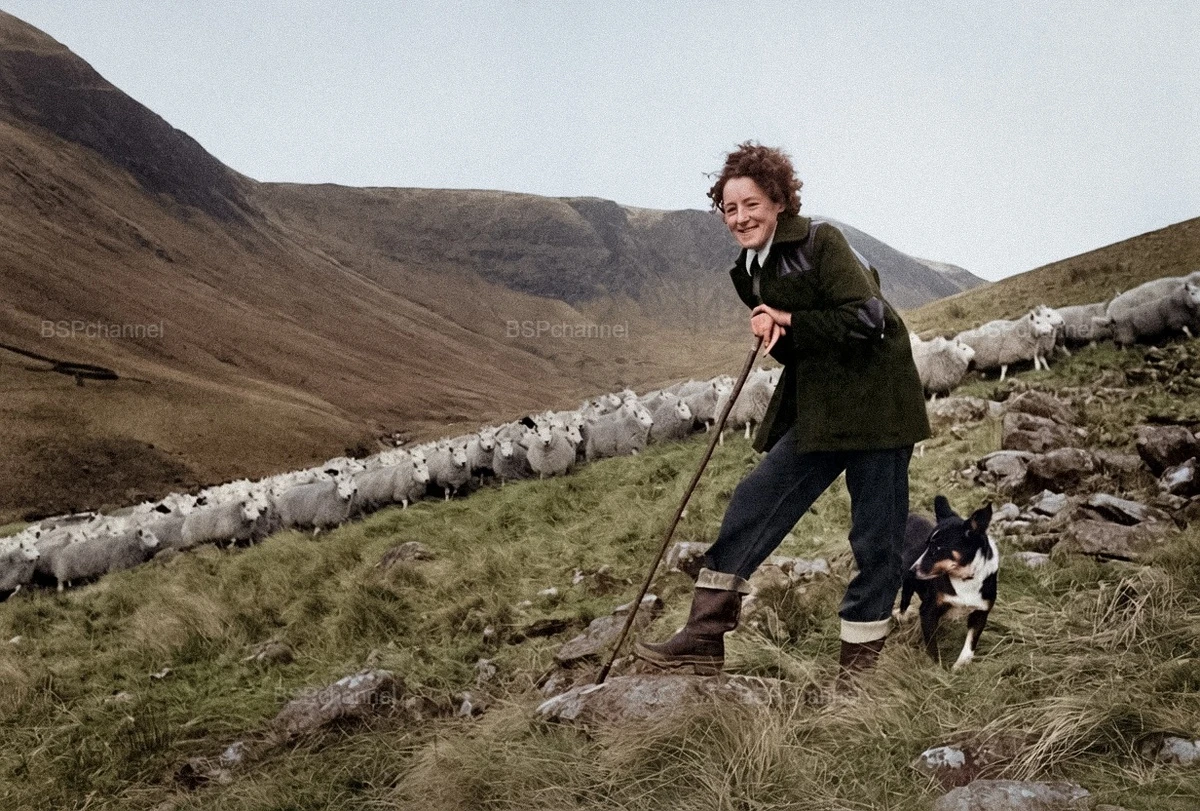
A female bus driver, Mrs. Gladys Green, climbs into the driver's compartment of a London Passenger Transport Board (LPTB) AEC Regent I bus at Watford Garage in north London during World War II in July 1941. 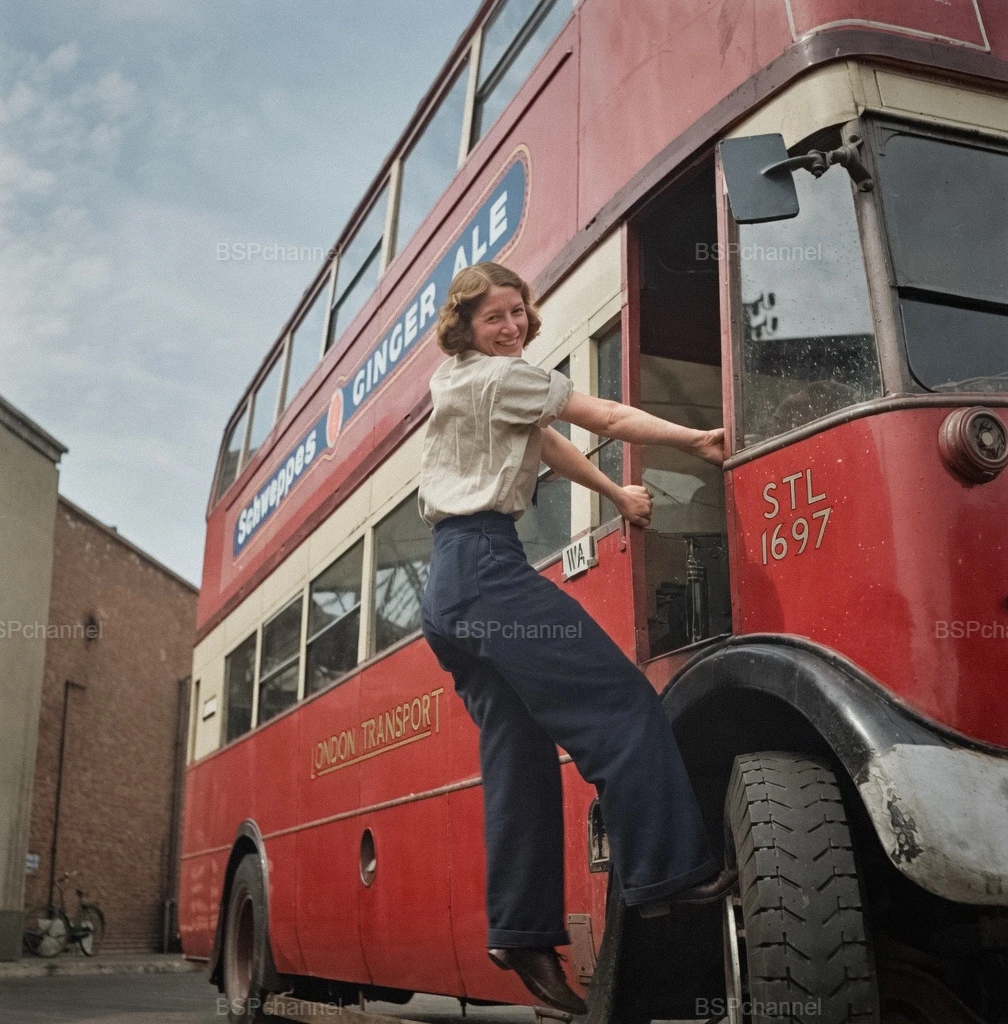
Before becoming a bus driver, Gladys Green worked as a laundress. Before the war, women were not hired as bus drivers in London. The advent of "clippies" (female conductors) and female drivers was a significant social change of the time, largely due to the lack of men.
View of the City, London's business district, 1970. 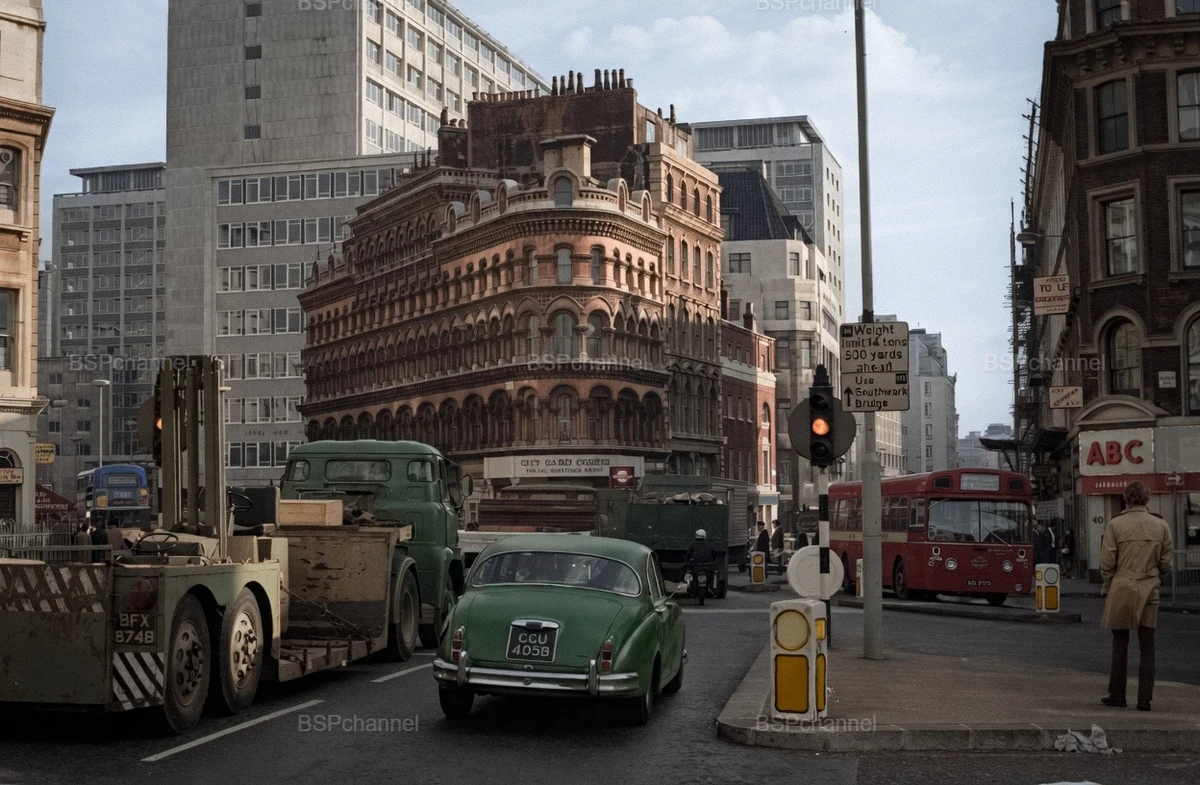
Photographer: Vasily Malyshev
The iconic intersection of Queen Victoria Street and Cannon Street in the City of London. In the center of the frame is the Albert Buildings, a remarkable Victorian Italianate Gothic building built in 1871 to the designs of architect F.J. Ward.
Joyce Davis pours himself a pint of Wilson's Draught Bitter from a vending machine, UK, October 12, 1962. 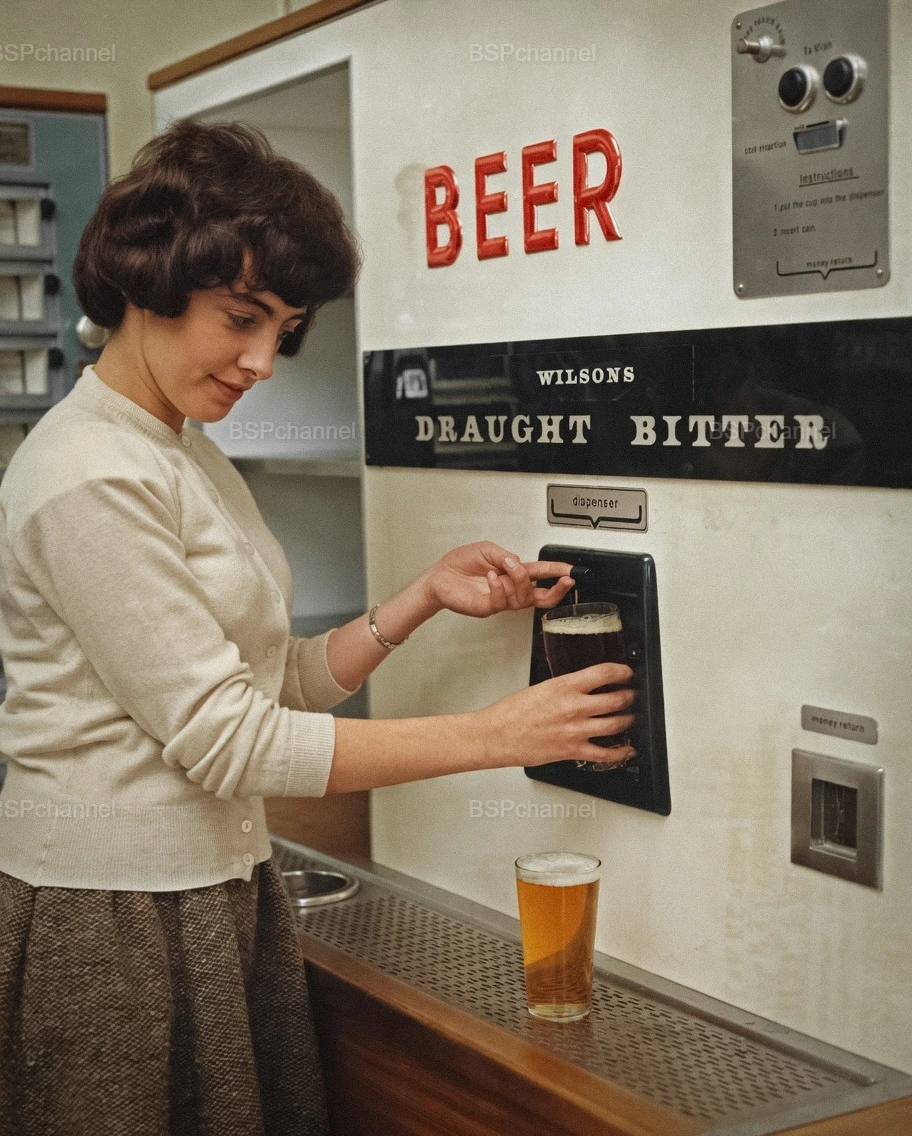
Similar beer vending machines were common in British office canteens and some public places until the mid-1970s.
This photo shows Swiss women diving into the foaming waves to reach deeper surf spots. Tolcarne Beach, Newquay, Cornwall, England, June 5, 1954. 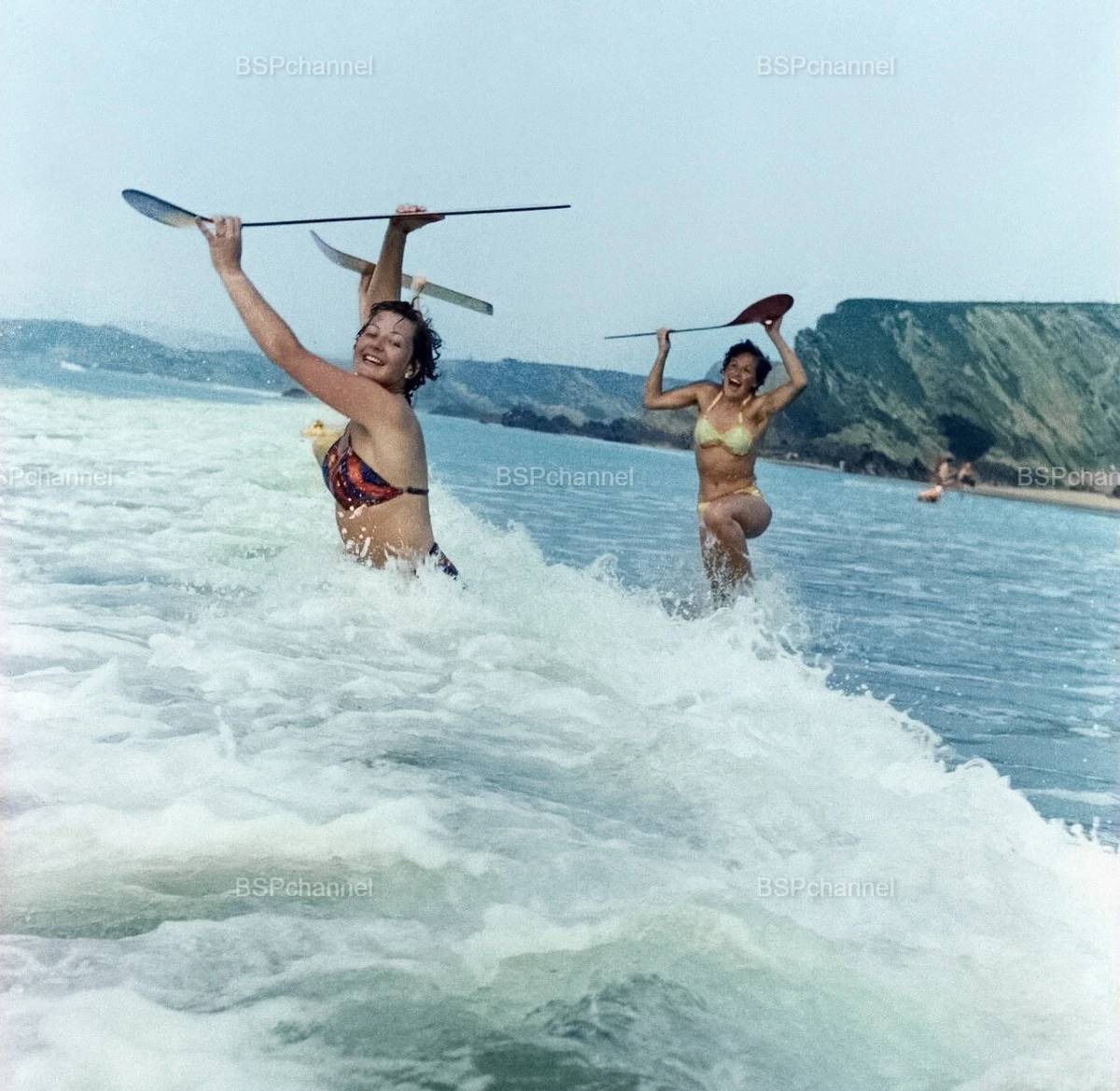
Tolcarne Beach is one of the most famous and picturesque beaches in Newquay, Cornwall. It is located in a deep bay surrounded by high cliffs, creating natural protection from the wind. The beach is popular with surfers due to its crescent shape, which creates excellent waves, especially suitable for beginners.
English film and television actress Diana Dors holds tight to her friends while riding the Ridewall at Bertram Mills' Circus in Olympia, London, 1950. 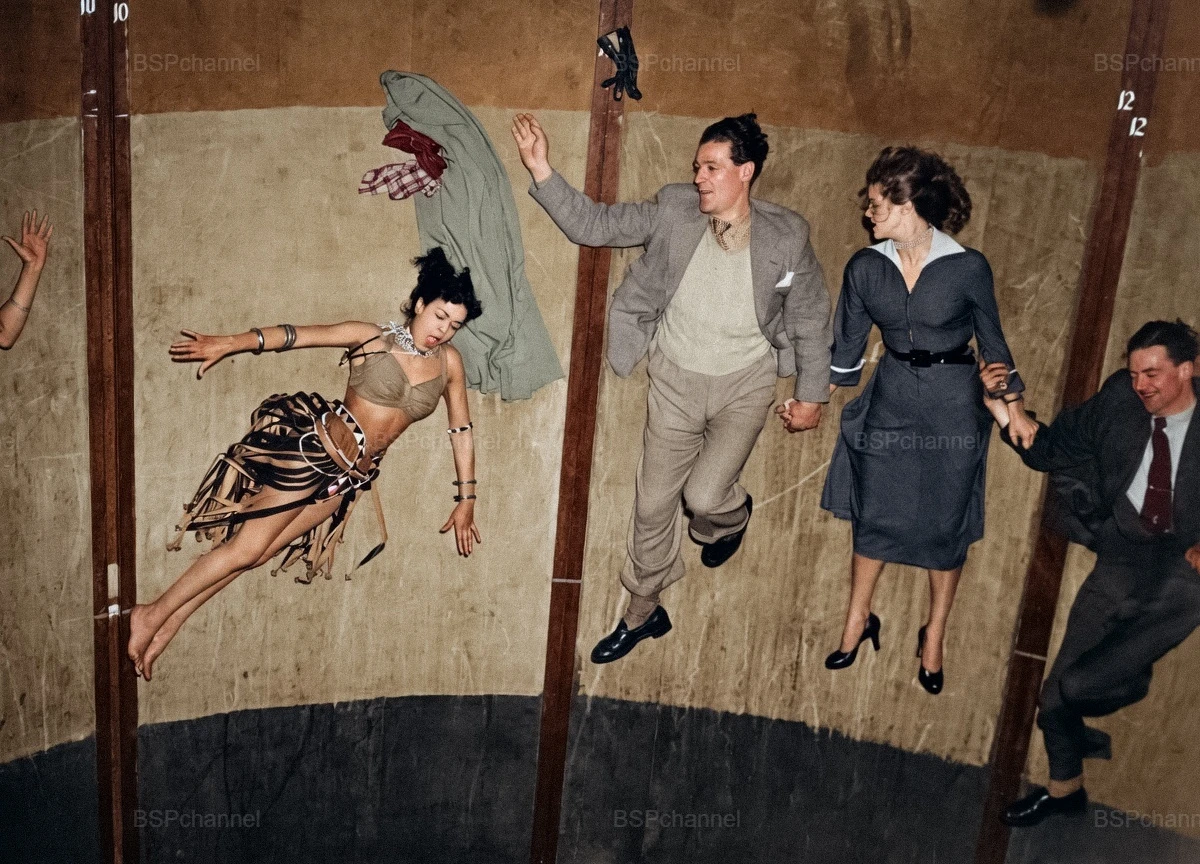
Photographer: George Konig
These rides were incredibly popular in post-war England. The principle is simple, yet thrillingly spectacular. Visitors enter a huge vertical drum, lean against the wall, and the rotation begins. At a speed of about 30 revolutions per minute, centrifugal force literally pushes them against the wall. At the most exciting moment, when the barrel reaches its maximum speed, the floor beneath their feet collapses. However, visitors don't fall—they seem glued to the wall. At the end of the cycle, the drum slows, and visitors slowly slide down.
Employees of the London sawmill company A. Bridgman & Co. During a company outing. London, 1904. 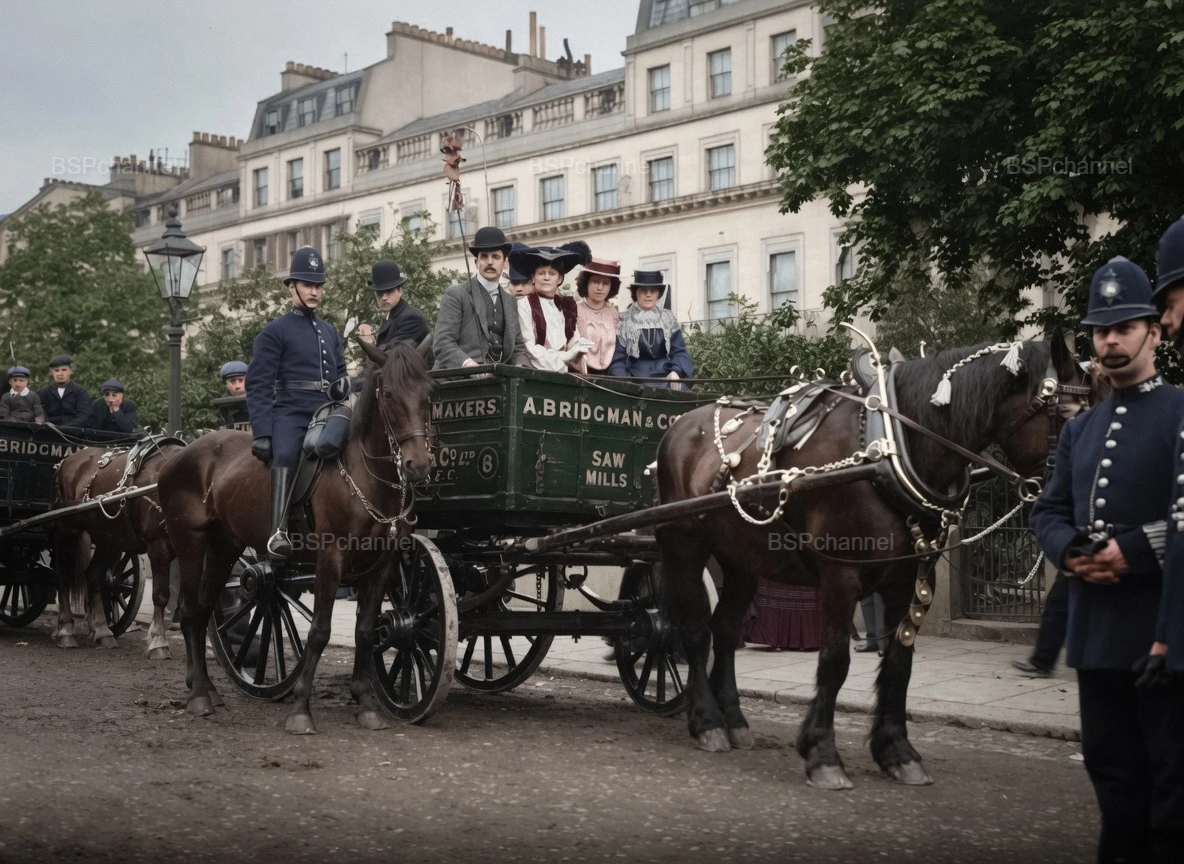
A disabled woman types on a typewriter using a device attached to her head at an exhibition of assistive devices for people with disabilities. UK, London, Goldsmiths' Hall, 1951. 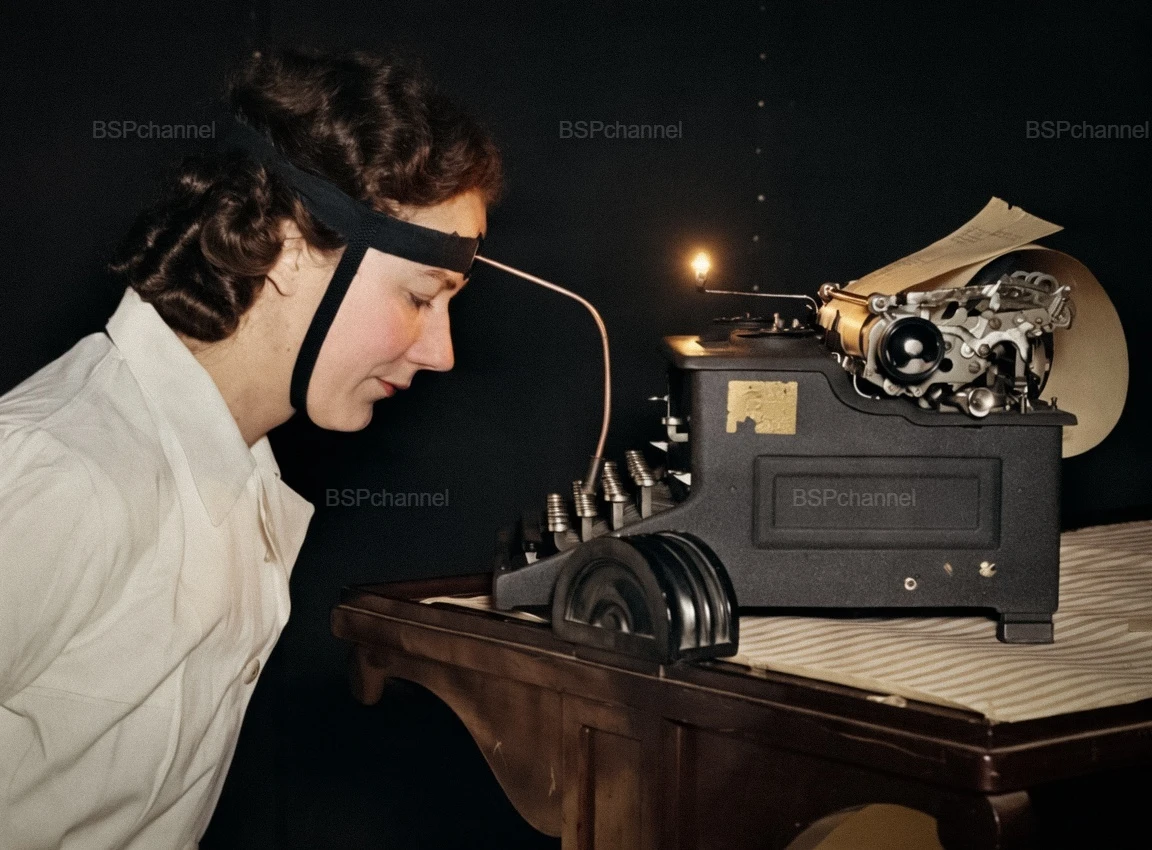
A woman uses a special headgear with a long rod ("pointer") to press keys on a typewriter. This device was designed for people with paralysis or hand injuries, allowing them to type using only neck and head movements.
The RMS Olympic, the older sister ship of the famous Titanic. Thompson Dry Dock in Belfast, early March 1912. 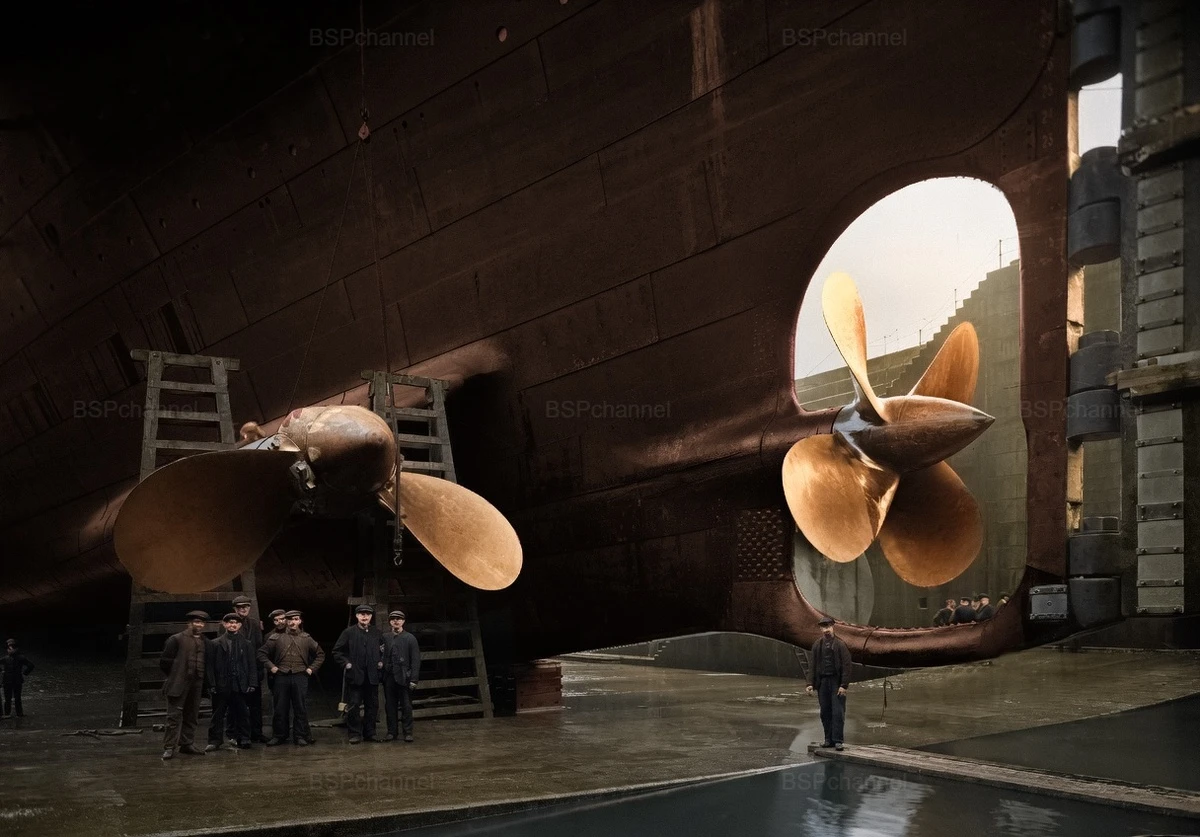
A British transatlantic liner, the older brother of the infamous Titanic and Britannic. Unlike her sisters, she lived a long and eventful life. It was the Olympic, not the Titanic, that was the first of the three giants to be launched in 1910. She completed 257 transatlantic voyages, carried over 430,000 passengers, and remained in service for 24 years. On February 24, 1912, while returning from New York to Southampton, the transatlantic giant Olympic suddenly lost a propeller blade. The accident occurred approximately 750 km from Newfoundland, forcing the liner to travel at reduced speed. The incident threatened White Star Line with serious losses, as the ship needed urgent docking. The nearest suitable Thomson dry dock was in Belfast, the same place where the Titanic waited on the fitting-out quay for its maiden voyage. This photograph shows the liner undergoing repairs to a torn propeller blade.
London, 1954. 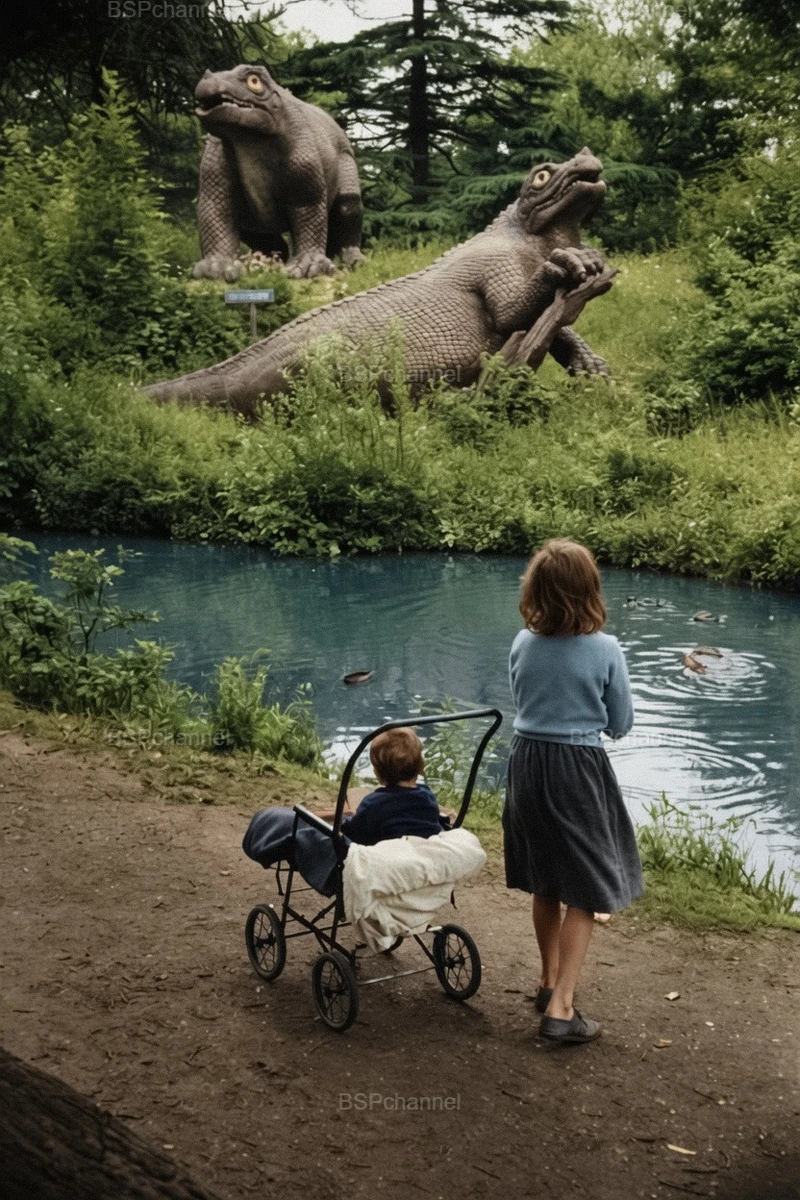
Photographer: Marc Riboud
This photograph depicts the famous dinosaurs of Crystal Palace Park in south London. Created in the mid-1850s, these sculptures were the world's first attempt to recreate life-size dinosaurs.
Leeds, 1954. 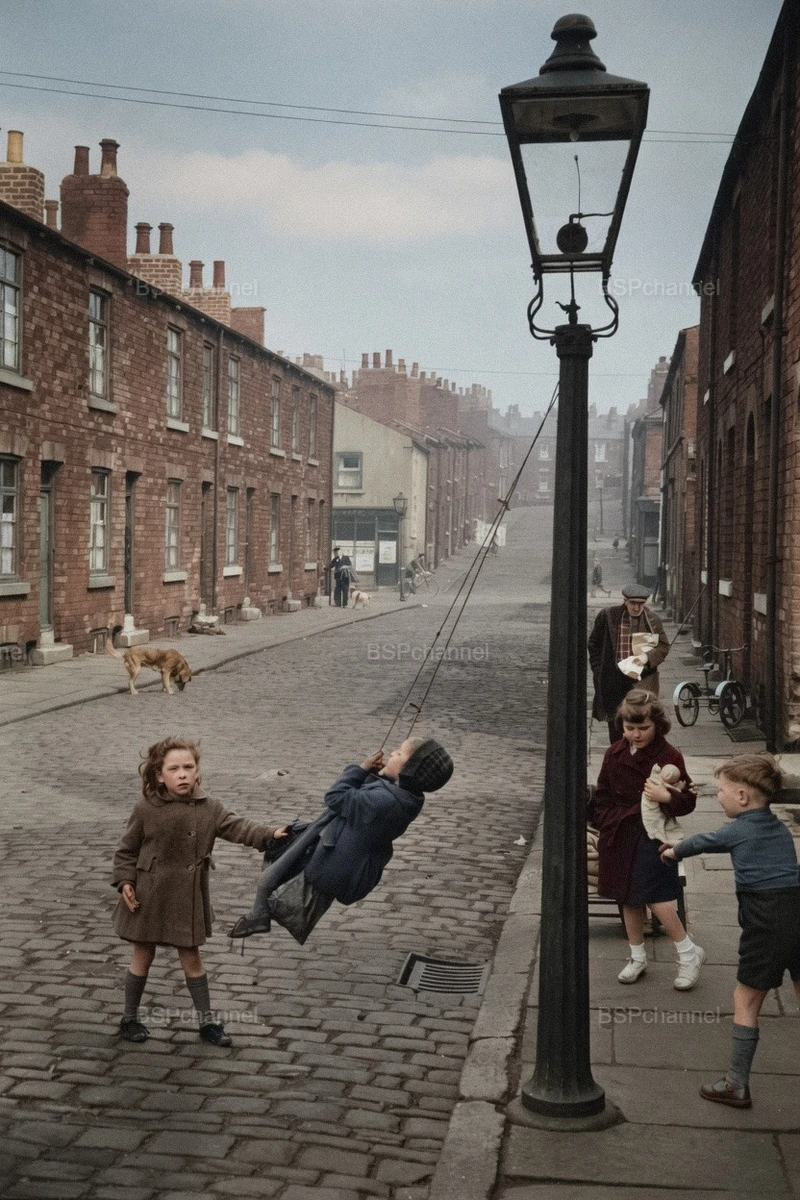
Photographer: Marc Riboud
Wembley, London, 1954. 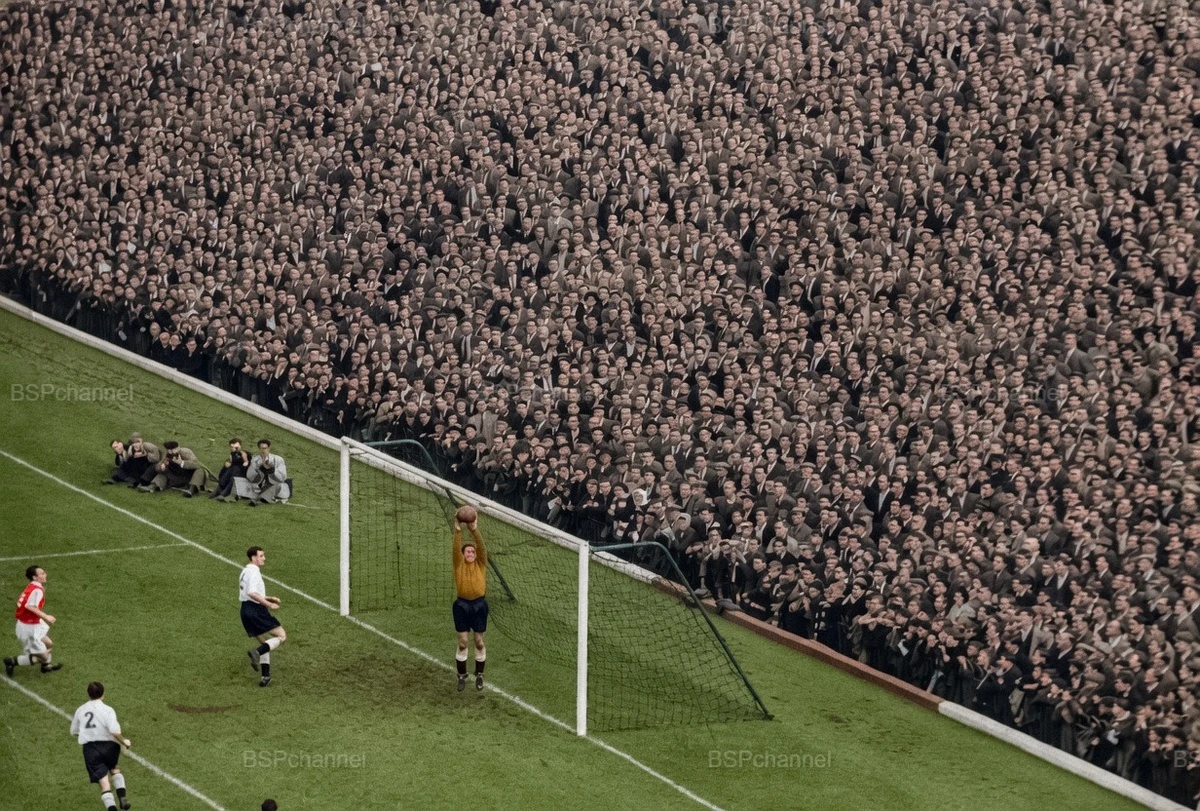
Photographer: Marc Riboud
For a resident of Foggy Albion, football is more than just a sport. It's a national religion, a cultural code, and a social lift all rolled into one. In the British Isles, where the game acquired its first written rules in 1863, football permeates everything from the pub to the Houses of Parliament. Here, fans pass on their love for their club like a family crest. For an Englishman, a Saturday without a match of their favorite team is like a morning without a cup of tea.
Oxford University students celebrate the end of their exams, 1976. 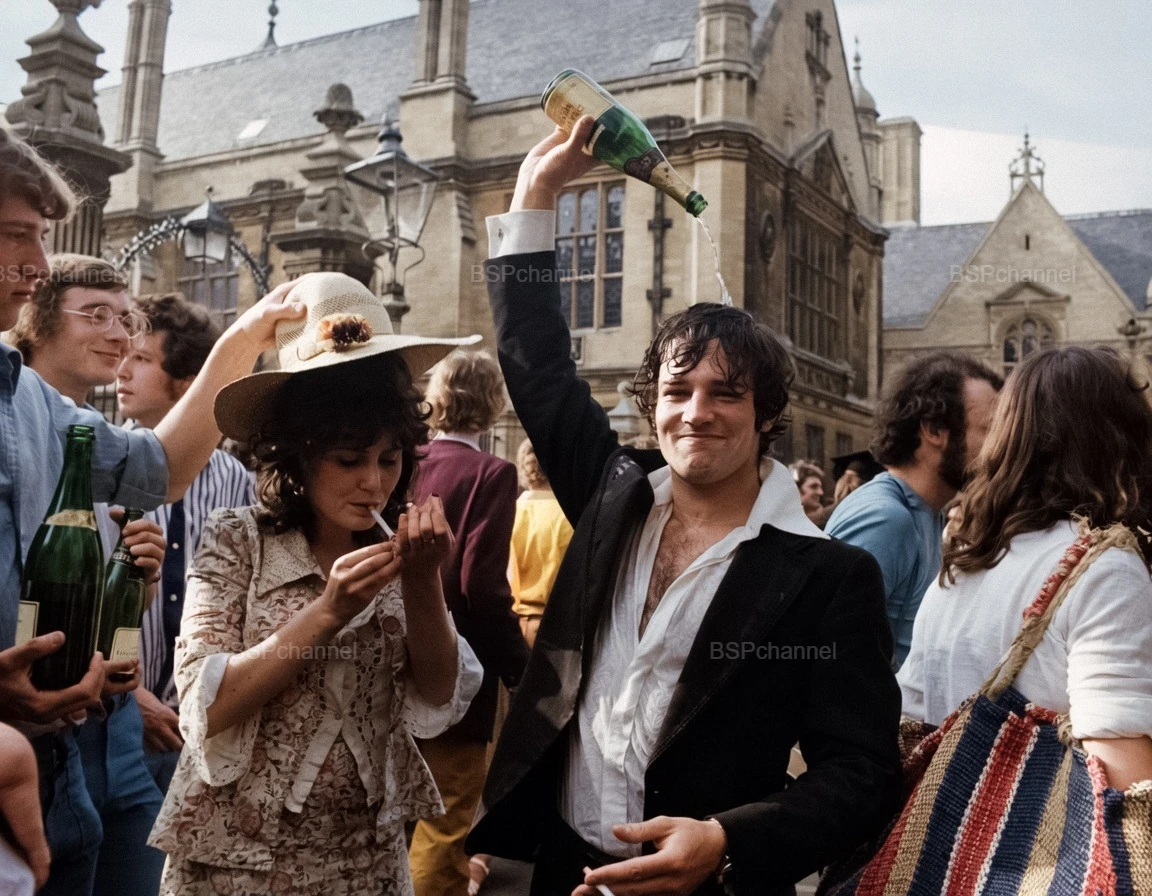
Queen Elizabeth's wedding cake, 1947. 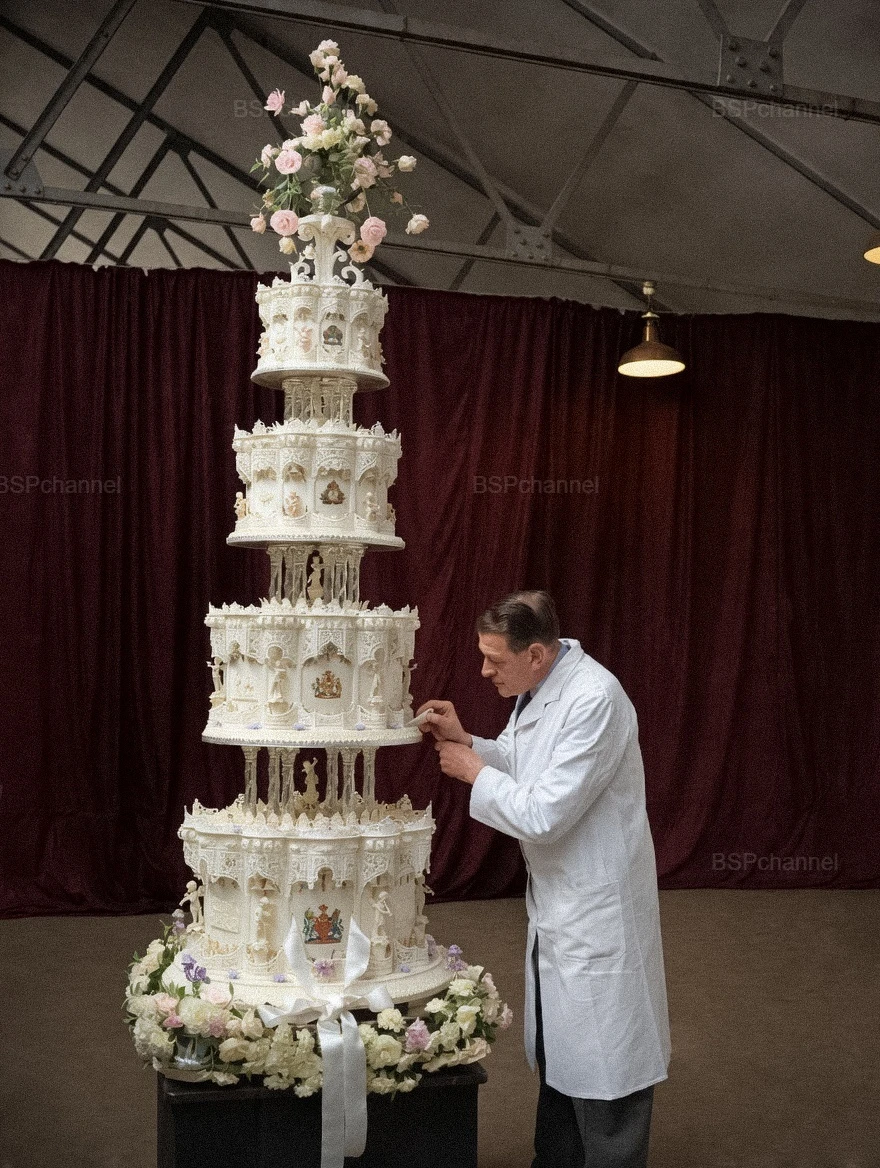
On November 20, 1947, Princess Elizabeth (the future Queen) married Lieutenant Philip Mountbatten at Westminster Abbey. But just as much attention was paid to the wedding cake as to the dress and tiara. This masterpiece of confectionery was created by McVitie & Price. The cake stood 2.5 meters tall and weighed a whopping 227 kilograms. It was made in the classic four-tiered "illustrated cake" style (with removable panels featuring bas-reliefs)—this allowed guests to receive a piece as a souvenir. The cake wasn't just eaten. In keeping with British tradition, some of the royal treat was cut into tiny squares, packaged in silver boxes, and distributed to 2,000 guests, as well as to schools, hospitals, and charities. A curious incident has been recorded: one of the unopened pieces was sold at auction in 2015 for £1,750!
The first flying cinema. Loading a projector on board an airplane, 1925. 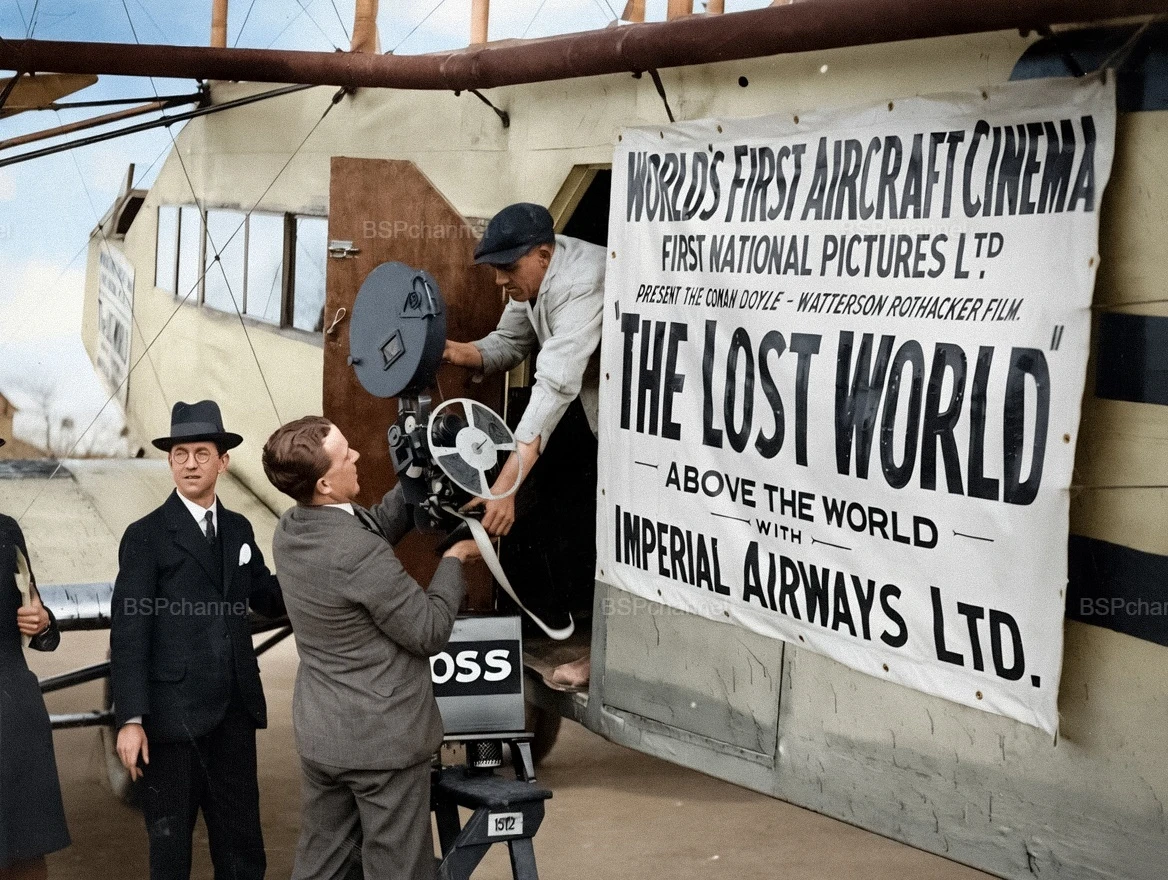
The event took place in April 1925 at Croydon Airport, London. British airline Imperial Airways organized the world's first in-flight cinema screening. The screening took place aboard a converted World War I bomber, the Handley Page W.8b. It's fitting that the silent film "The Lost World," an adaptation of Arthur Conan Doyle's dinosaur novel, was chosen for the first showing. The flight lasted only about 30 minutes, so passengers only saw part of the film, but the event has forever gone down in aviation history.
View north along Albert Embankment, Lambeth, London, 1902. 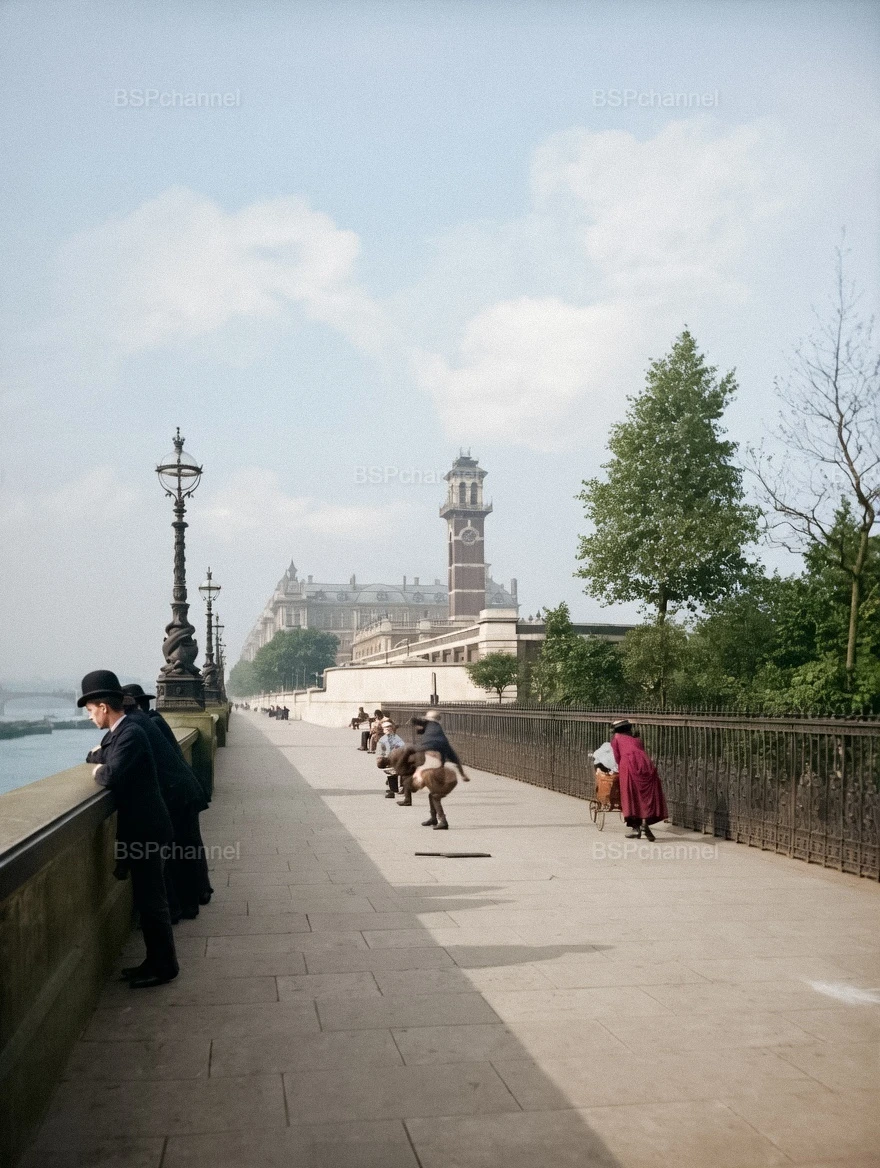
On the coast. England, 1982. 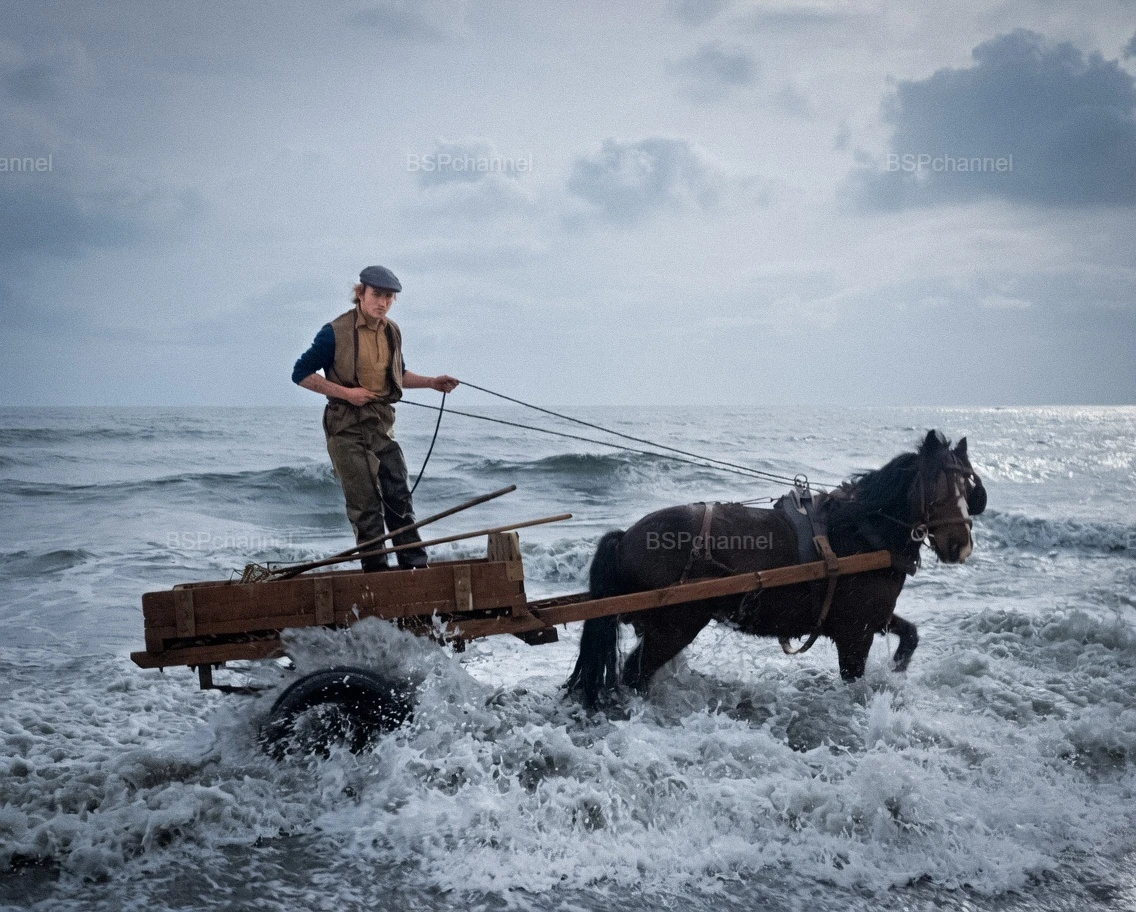
Photographer: Chris Killip
Model Hazel in a crepe suit at Ossie Clark's Quorum fashion show in London, 1973. 
Photographer: Frank Barratt
A boy with two life-size dolls in Hyde Park, London, 1938. 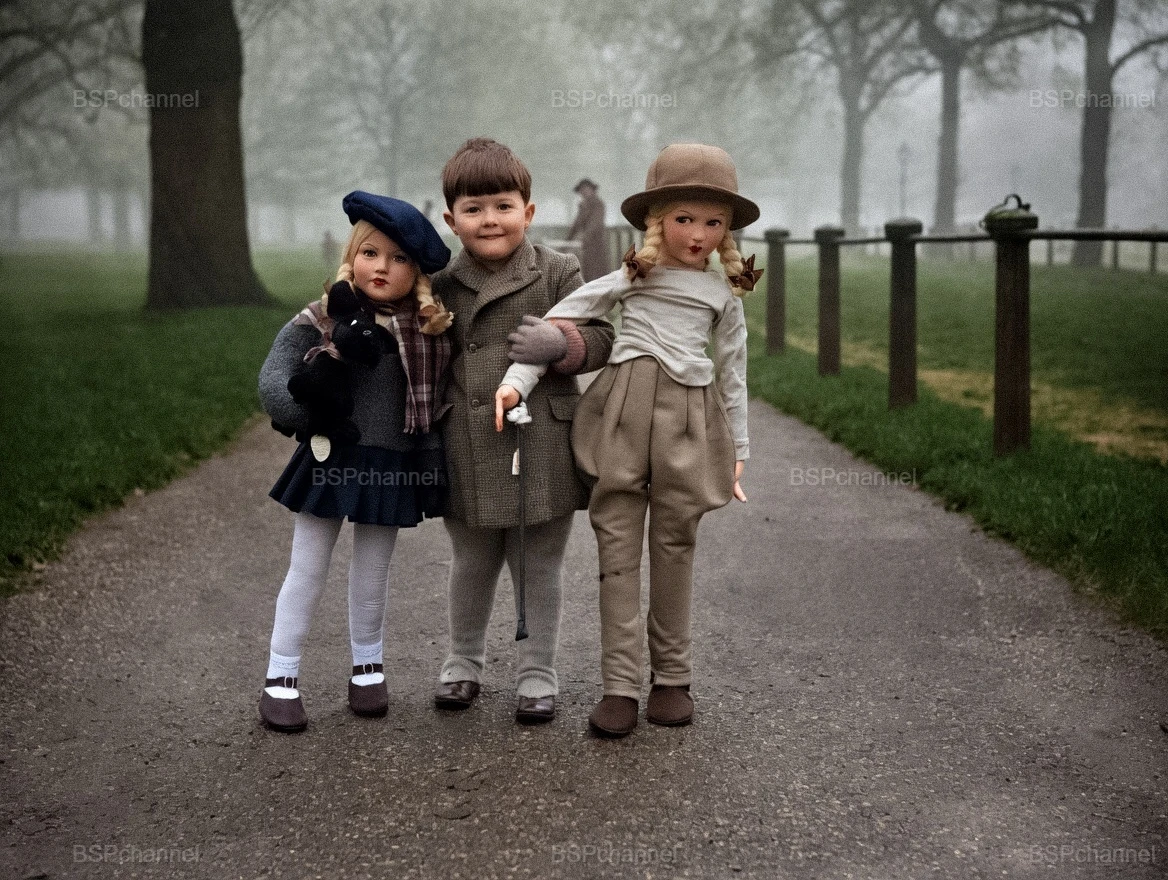
Photographer: William Wanderson
On a beach holiday. Broadstairs, Kent, July 21, 1959. 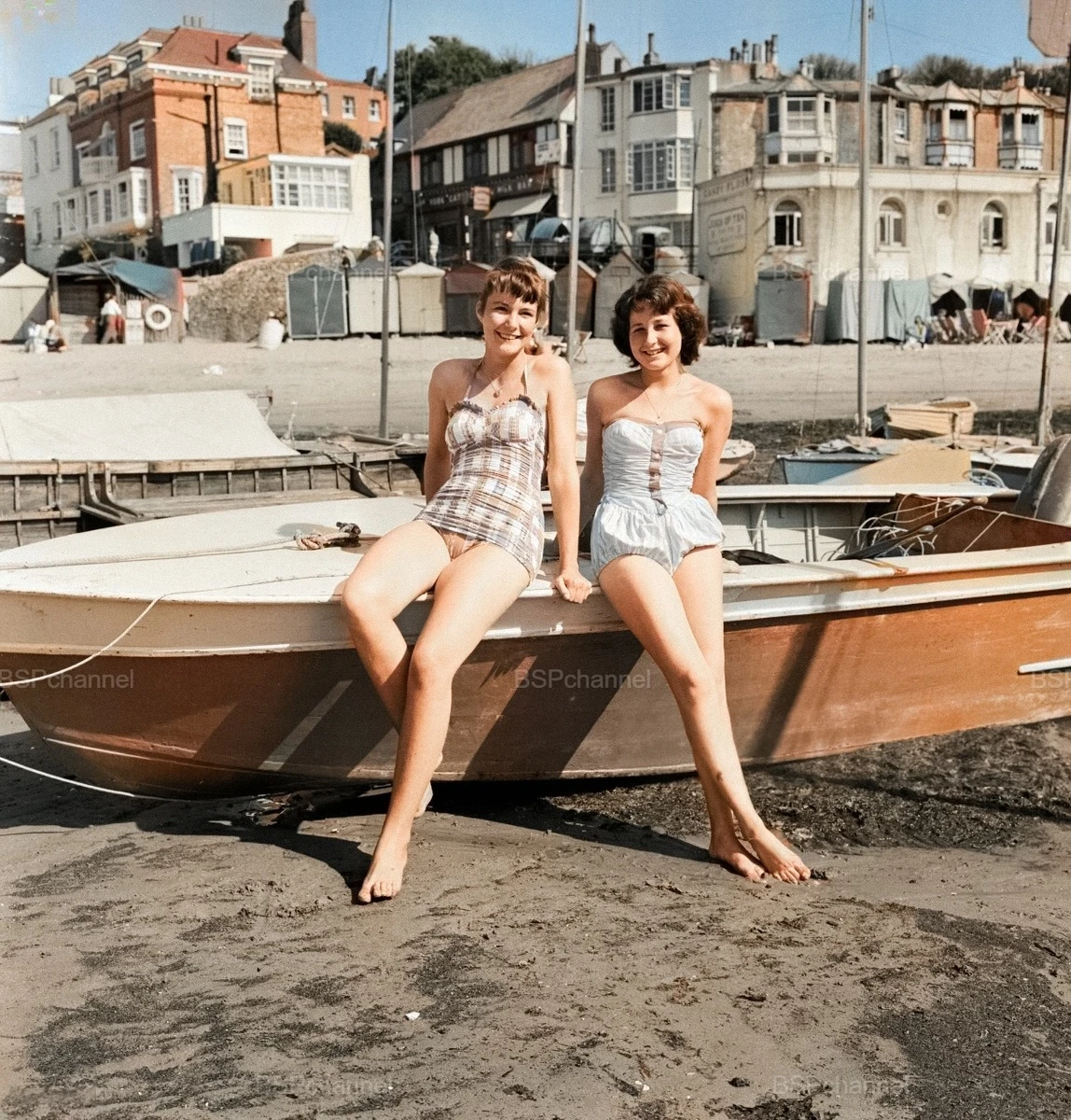
Photographer: Bela Zola
Two German girls on holiday. 15-year-old Ute Gundlach (right) from Kassel and 16-year-old Ingeborg Filla from West Berlin. They came to England to learn the language.
Add your comment
You might be interested in:











20 Personal Photos of Celebrities That Ooze Vintage

Protective film Removing it with a power screwdriver
Global Sex Symbol: Rare Photos of Monica Bellucci (26

Animal Paws and Claws: 50 Photos That Will Surprise Even

Precision carpentry

America's Cheese Caves: How and Why the US Government

Fascinating Facts to Blow Your Mind (10 Photos)
Straight Out of the '80s: Band Posters No One Would Ever

It’s Not a Renovation, Just a Deep Clean! 30 Incredible
