A One-of-a-Kind Discovery in Anatolia: The "Good Shepherd Jesus" Fresco (5 photos)
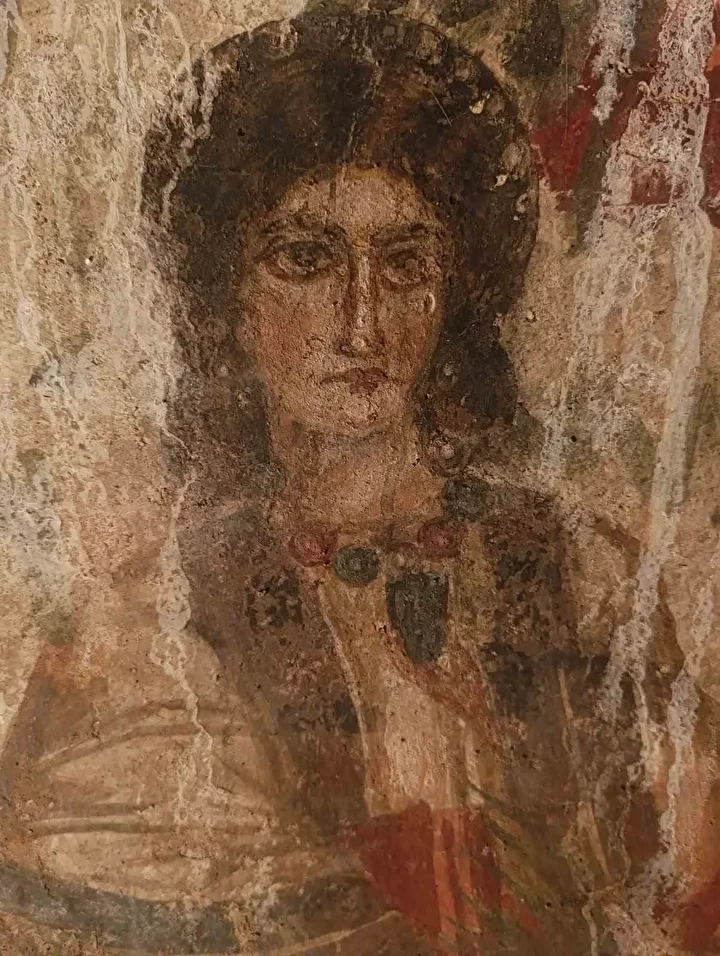
An early Christian fresco depicting the "Good Shepherd Jesus" has been discovered in Turkey. This subject is rare in Anatolia and may be a unique find for the region. Excavations took place in Hisarder, a necropolis near Iznik in Bursa. Experts consider the discovery significant for Turkish and global archaeology. 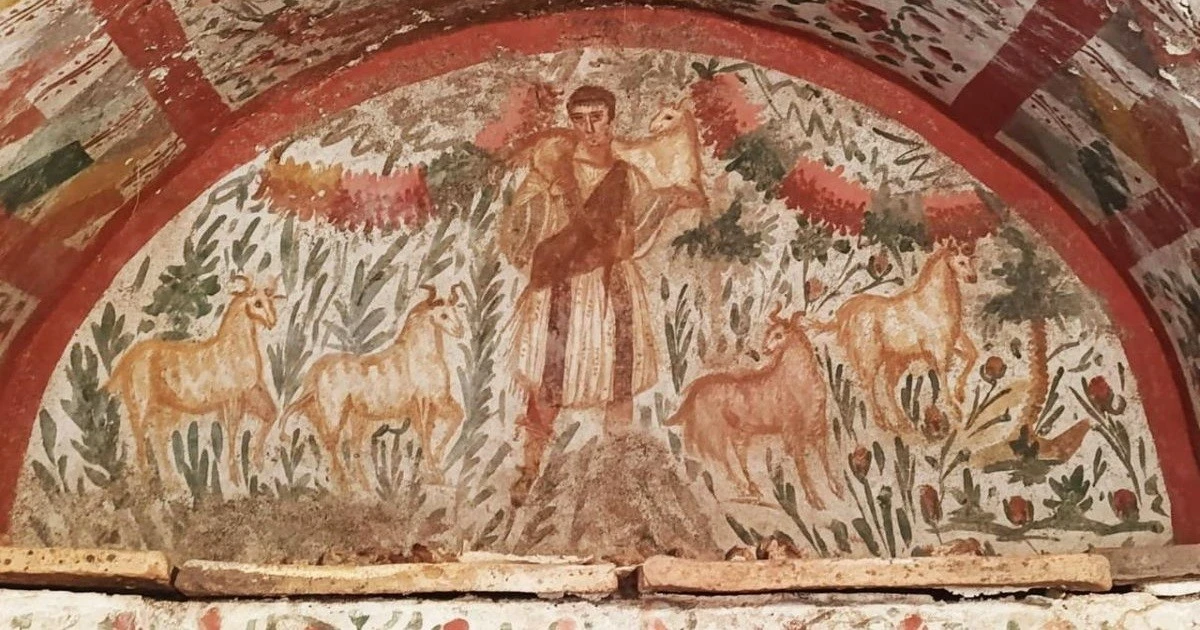
The research team is led by Tolga Koparal, director of the Iznik Museum. Professor Dr. Aygün Ekin Meriç of Dokuz Eylül University is coordinating the research, while archaeologist Dr. Gülşen Kutbay is participating in the fieldwork. Their discoveries continue to shed light on Iznik, known in ancient times as Nicaea, an important center of early Christianity. 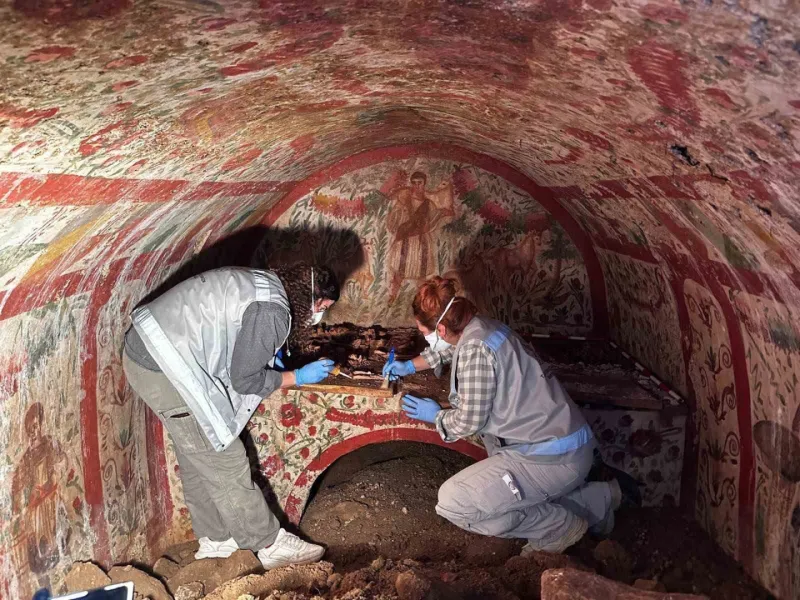
The newly discovered fresco adorns the northern wall of the hypogeum, an underground tomb dating back to the 3rd century AD. The southern wall is heavily damaged, but the eastern, western, and northern walls, as well as the ceiling, are almost perfectly preserved. This allows archaeologists to study late Roman funerary art in detail on site.
Inside the tomb stands a kline—a burial bed made of terracotta planks used for laying the dead. Behind it is an unusual depiction of Jesus as the Good Shepherd, a youth with a sheep on his shoulders. This symbol was popular in the Mediterranean during the early centuries of Christianity, but was rare in Anatolia. 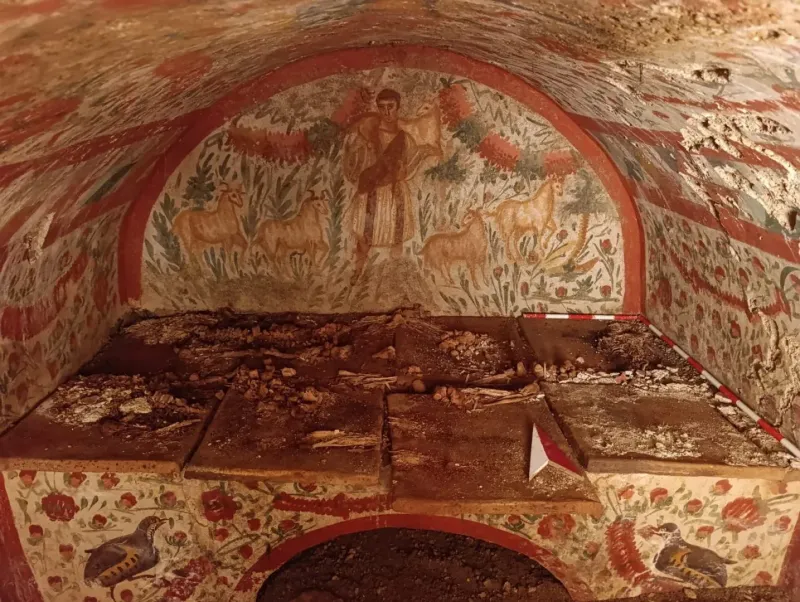
The Hisartepe necropolis is known as one of the largest burial sites in the region. Terracotta-roofed chambers, unique to Iznik, stone sarcophagi, tombs carved into vertical slabs, and large underground tombs (hypogeia) have been preserved here.
These burials belonged not only to wealthy families but also to individuals of lower incomes, reflecting the social diversity of Iznik during the Roman and early Christian eras.
Coins, ceramics, and decorative architectural details have previously been found at Hisartepe. However, works of Christian art have not been found. The fresco "The Good Shepherd" is the first depiction of Jesus in this necropolis. 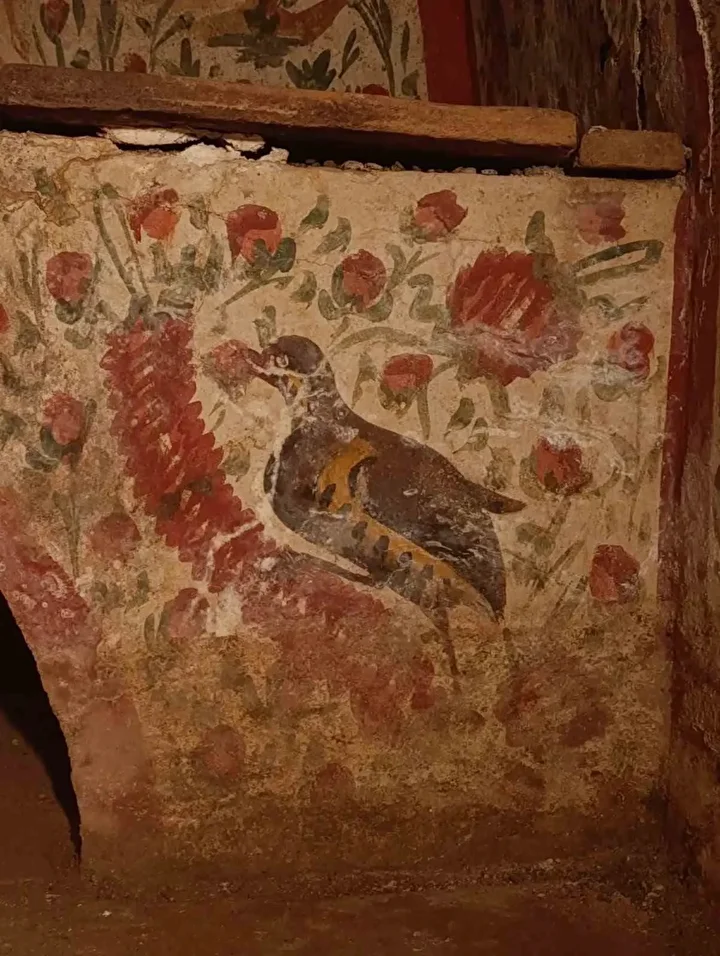
Before the spread of the cross as the main symbol of Christianity, the image of the Good Shepherd was central to the expression of the faith of early Christians. Jesus, depicted as a shepherd with a lost or saved sheep, symbolized protection, salvation, and divine guidance. This image subtly conveyed Christian teachings at a time when overt religious symbols were rare.
The fresco will significantly enrich our understanding of early Christian iconography, Roman funerary rituals, and the spread of Christianity in Anatolia. It is worth noting that the First Council of Nicaea, which laid the foundations of Christian doctrine, was held in Iznik in 325.
Scholars hope to discover new frescoes, inscriptions, or artifacts in the Hisartepe necropolis. These could shed light on the multicultural and religious history of Nicaea.