Just cute little striped horses? Yeah, right! Look closer, that's not natural camouflage, but a prison striped uniform! Zebras are among the most rebellious members of the equine family. Their herds regularly engage in violence against everyone: each other, their young, and predators. And sometimes their nervous system fails, and they die... from stress. 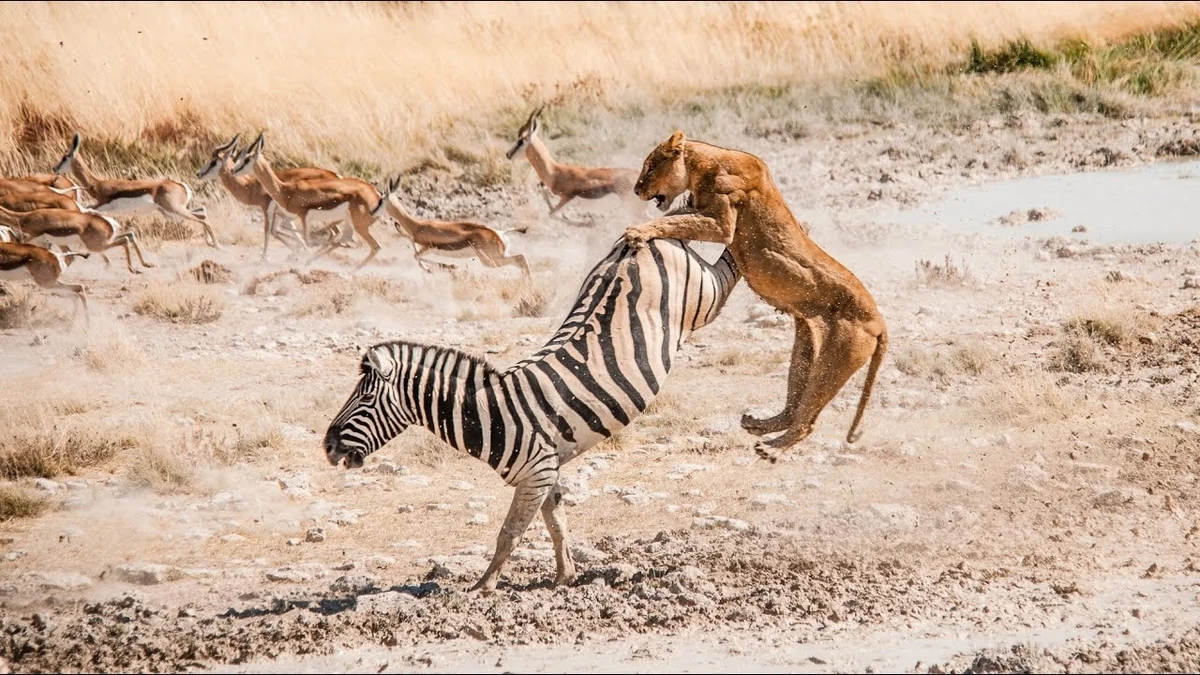
This is what the friendship between the animals of Madagascar would look like in real life.
Fact number 1: killing is impossible. Why are zebras so cruel to their own kind?
To answer this question, we'll have to dig deeper and understand the social structure of ungulates. A large herd appears to be a single unit, but internally it's divided into several smaller coalitions. Savannah and mountain zebras have harems—groups of one male, several females, and their offspring. 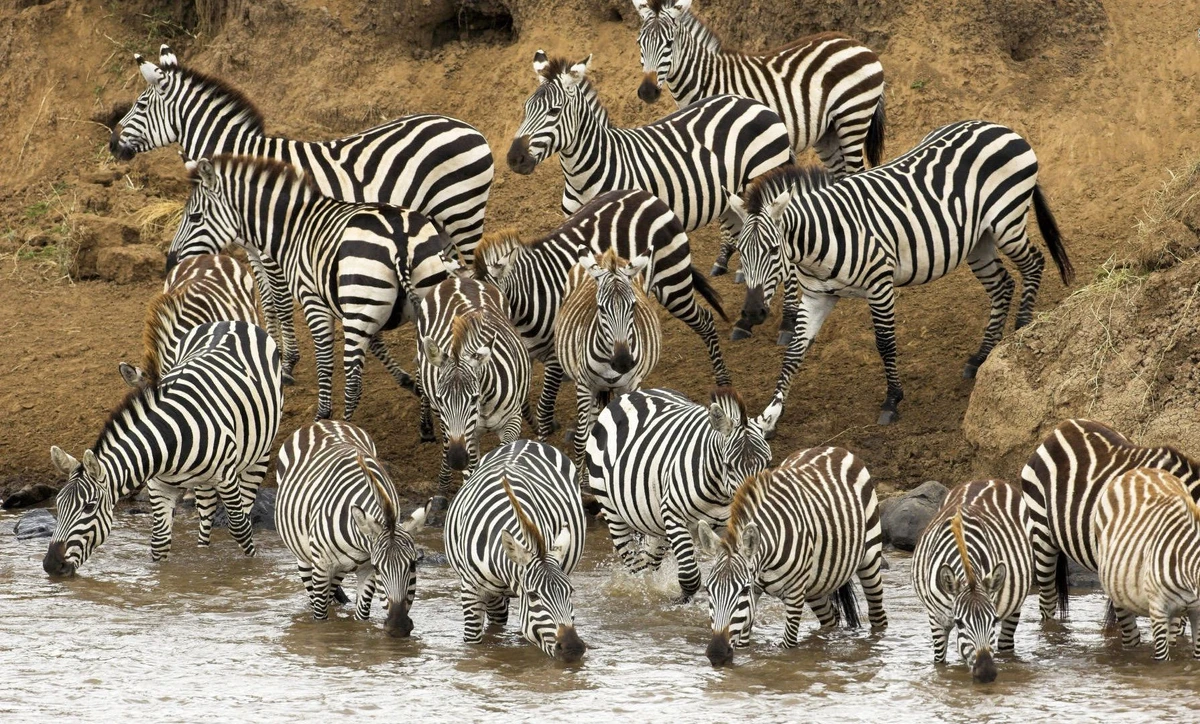
It's mind-boggling...
Over time, the father drives the male foals out of the group, and the young form bachelor herds. Several harem and bachelor coalitions can migrate together, forming huge aggregations of hundreds and thousands of individuals, but each group maintains its own integrity and social boundaries. 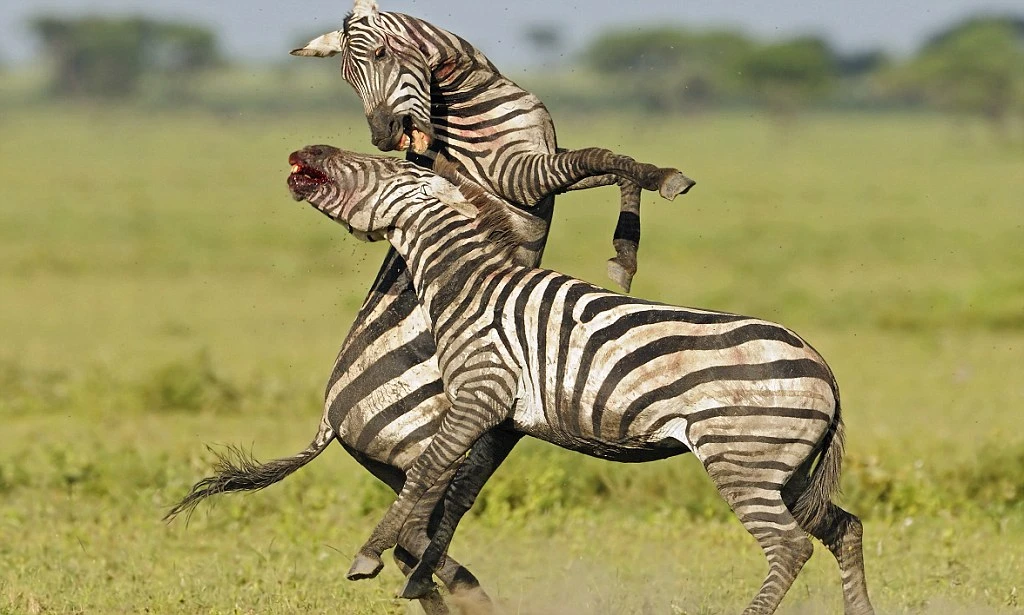
Mmm, my favorite dish: the blood, sweat, and tears of an enemy!
So, everything seems acceptable. Where do the fights and killings come from? Firstly, sexually mature males of all zebra species fight mercilessly for the right to possess a harem of females. They kick each other with their hooves, breaking bones, bite, leaving deep lacerations, and try to knock their opponents to the ground. After the skirmishes, the winner becomes the new daddy, while the loser, weakened and battered, risks becoming food for the lions. 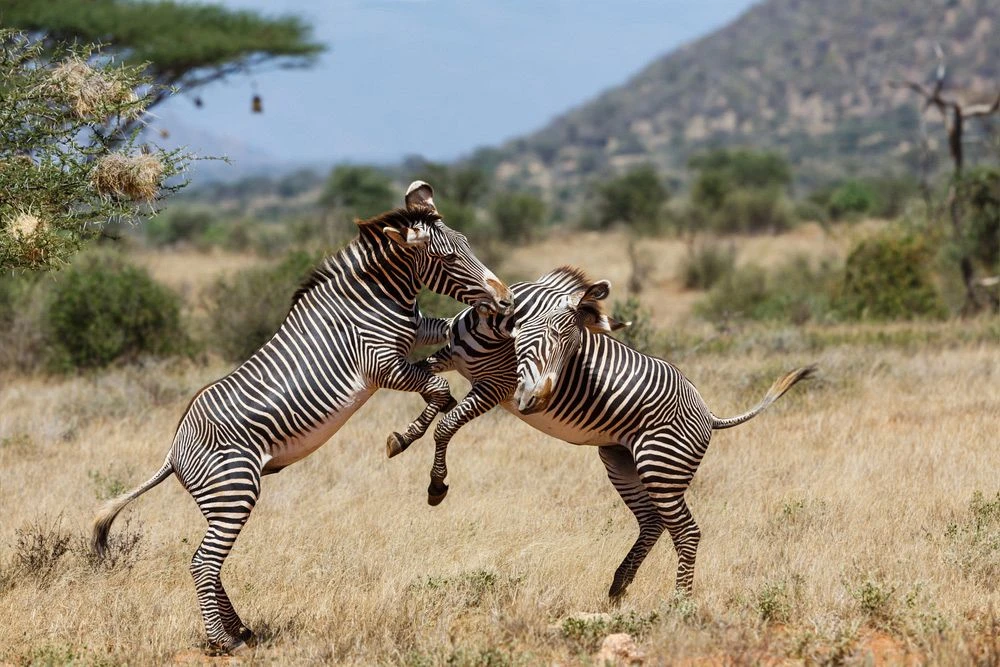
For the third species, Grevy's zebras, things are a little simpler. There, males establish and defend a separate territory. Females with their cubs roam freely across the savannah, crossing the territories of different stallions. However, their battles over territory are no less fierce than those of the other two species that fight for harems.
A change of stallion can cause a coup in the harem. The newcomer didn't sacrifice himself just to watch the offspring of the previous male, so the foals fall prey to his hooves and teeth. Unfortunately, the females are unable to save some of the babies. 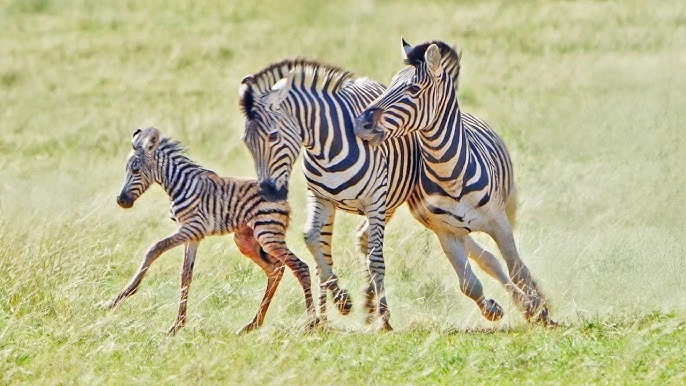
If I had fathered you, I wouldn't have killed you!
Fact number 2: fight or flight. What do zebras choose?
Any good documentary about Africa includes a spectacular scene where lions attack a herd of zebras and then feast in the shade of a baobab tree. Few show footage of a failed hunt. When attacked by predators, zebras don't always take off dramatically and run aimlessly. In some situations, they opt for a "FIGHT!" tactic. 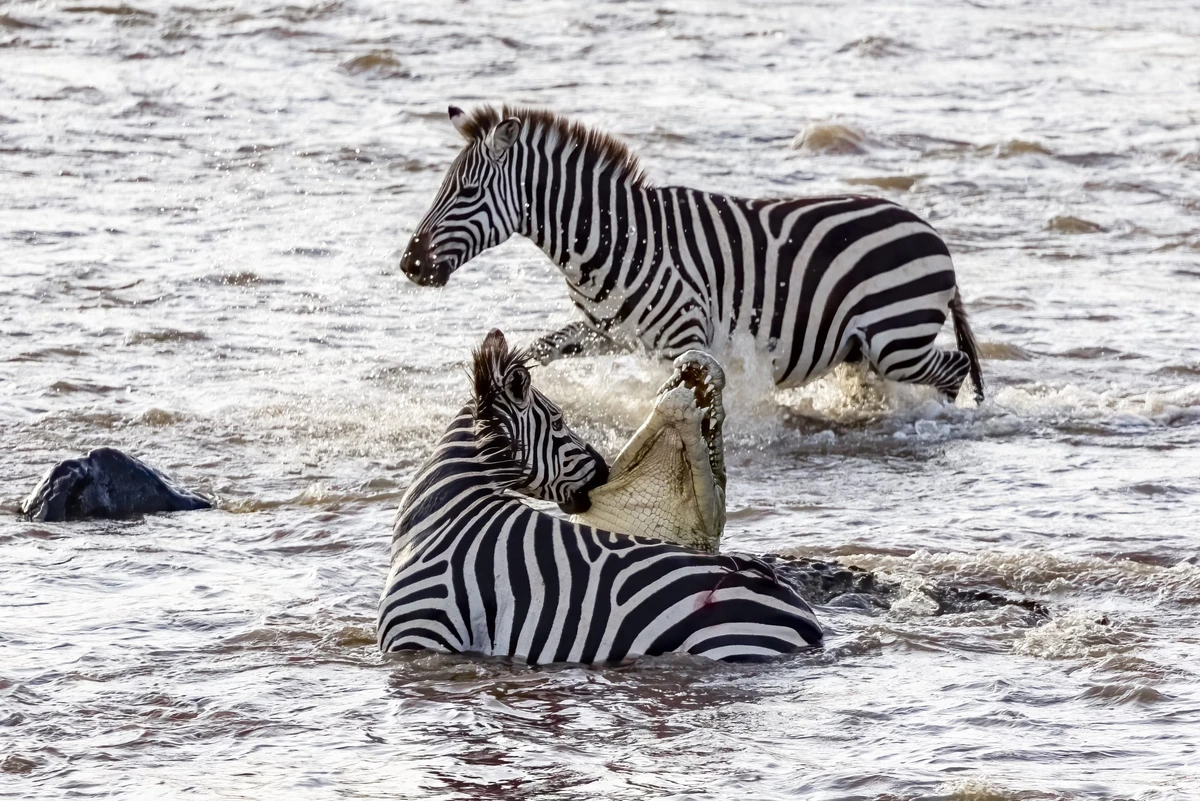
An eye for an eye, a tooth for a tooth.
A counterattack may be launched by the leading male of the harem or by the entire herd, depending on the number and type of predators and the overall situation. The group surrounds the young and fights off the predator with hooves and sharp fangs. 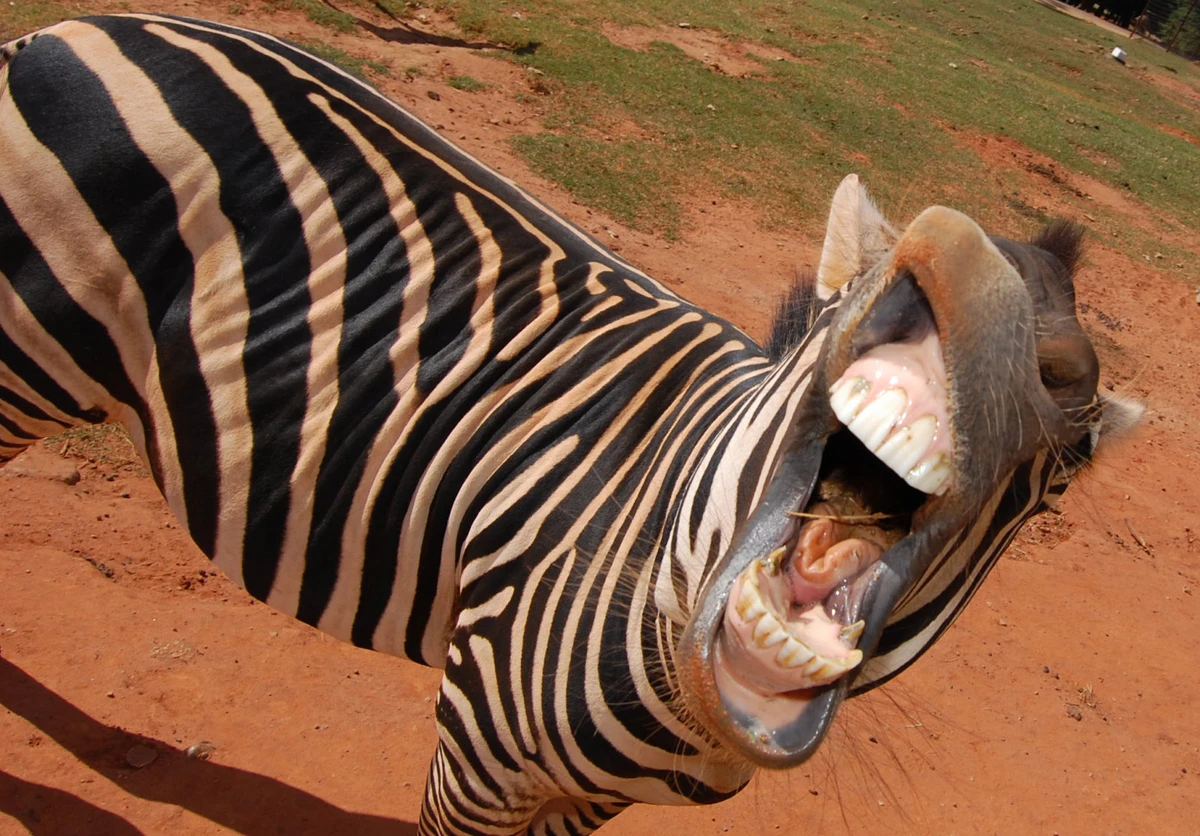
A fighting grin that sends shivers down your spine.
Yes, male herbivorous horses also have tusks—just in case of a fight. Therefore, even despite their modest size of 120-150 centimeters at the withers and a weight of almost 450 kilograms, these animals can bite or kick so hard that you'll feel the pain. Hematomas, tissue ruptures, fractures, and acute pain instantly dampen the appetites of lions, hyenas, and other toothy creatures. 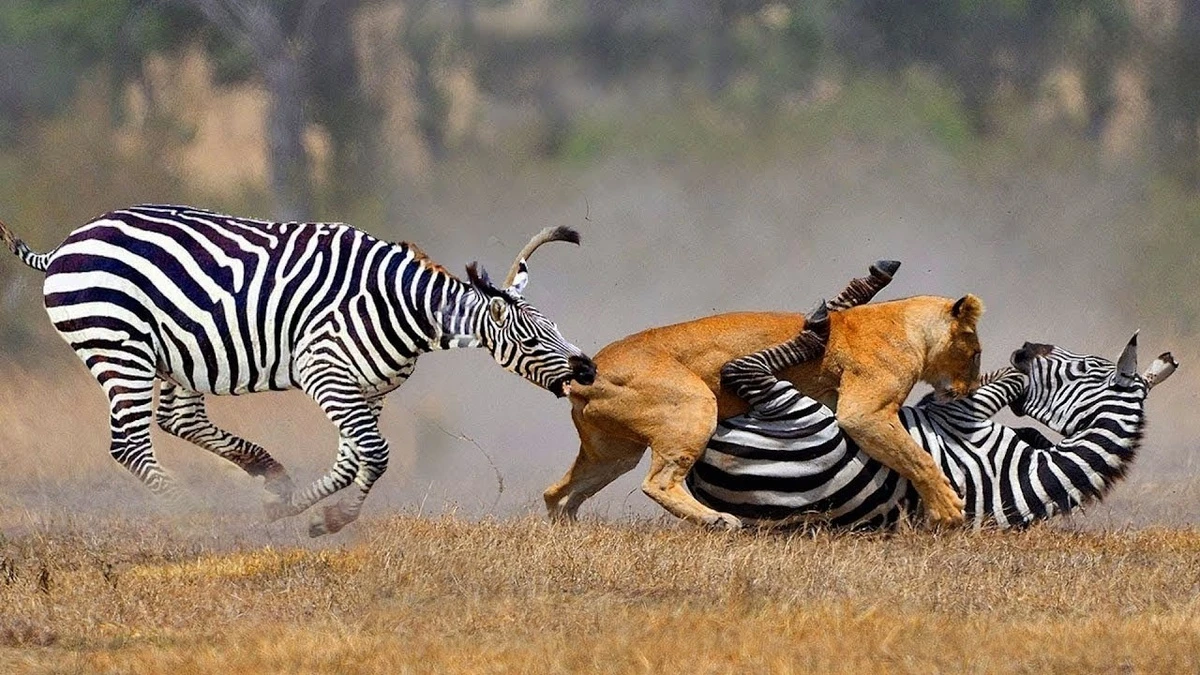
When you're trying to rescue a friend from the clutches of his ex.
Fact number 3: A strict regime childhood. Less than half of all foals survive to the age of one.
Despite the fact that females so zealously protect their young from predators and new harem males, only about 44% of all foals will celebrate their first birthday. The rest will be caught, eaten, or trampled, will be attacked by some disease or parasite, or will be crippled by a lack of water or grass. 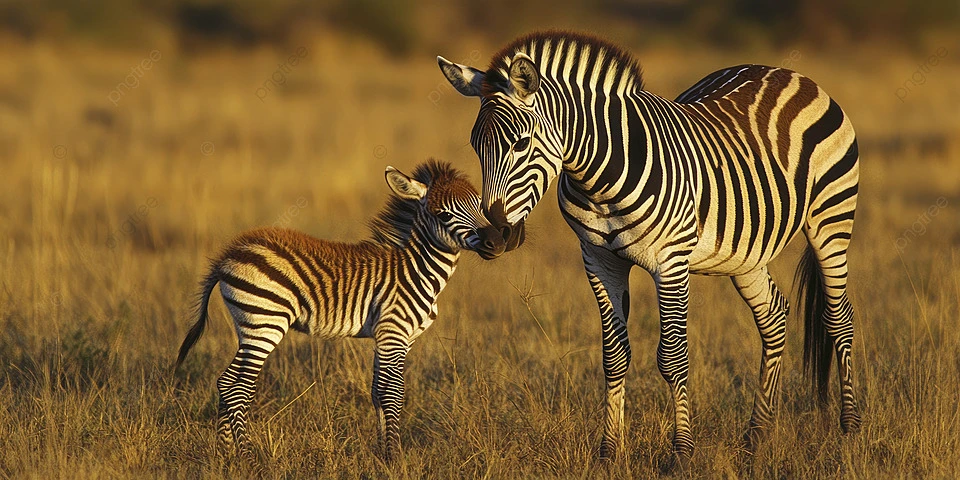
"Mom, will I be big and strong when I grow up?" "That's the wrong question, dear. It's not 'when,' it's 'if.'"
But zebras are in no hurry to produce new babies. A female's pregnancy lasts about a year, after which she needs another couple of years to raise a foal and recover. Therefore, despite their apparent abundance, zebras reproduce slowly and ineffectively. Every loss of a baby is a serious blow to the population. 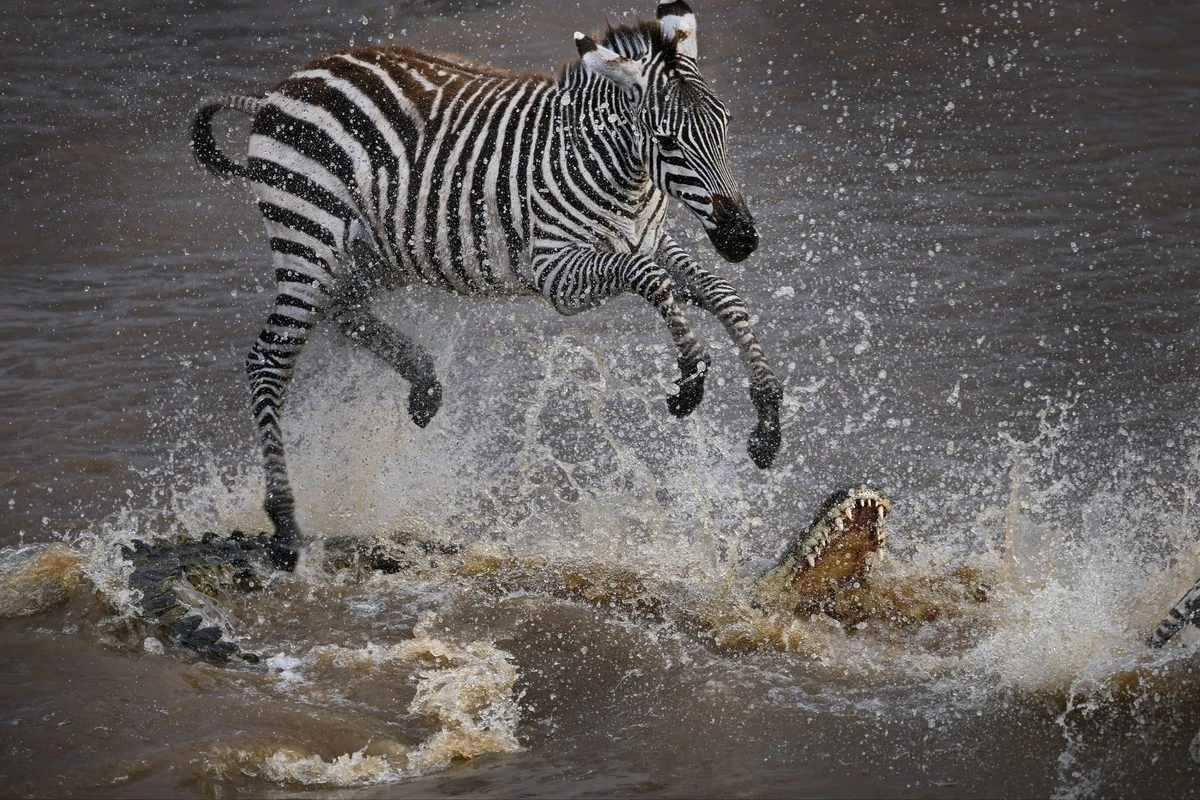
All childhood adventures are felt and remembered in much the same way.
Fact number 4: They don't consider us people. Why don't we tame those cool striped horses?
Because they're completely crazy. Zebras are much more reactive than horses. They react more quickly and strongly to everything around them: a sharp wave of a hand, a flying bag, a loud noise—all of these can put a zebra on alert in a split second. 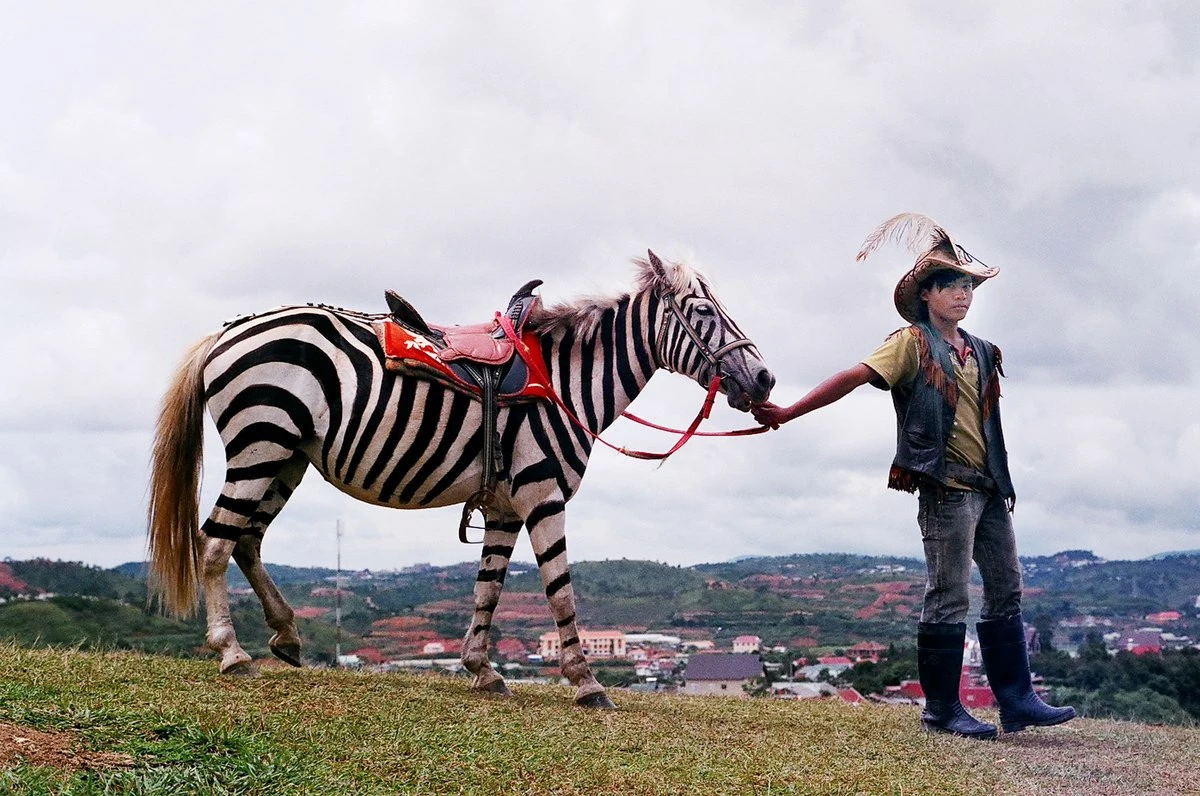
It's easier to paint a horse striped than to tame a real zebra!
Humans have tried numerous times to domesticate them, but millions of years of evolution have ingrained one simple premise in zebras: everyone wants to eat you. Therefore, the animals react first: they bite, kick, and rush around aimlessly—and only then figure out what's going on. Arguing with a frightened animal five times its size is a losing proposition. There was a recent incident where a pet zebra bit its owner so badly that the man had to have his arm amputated. No, better to walk. 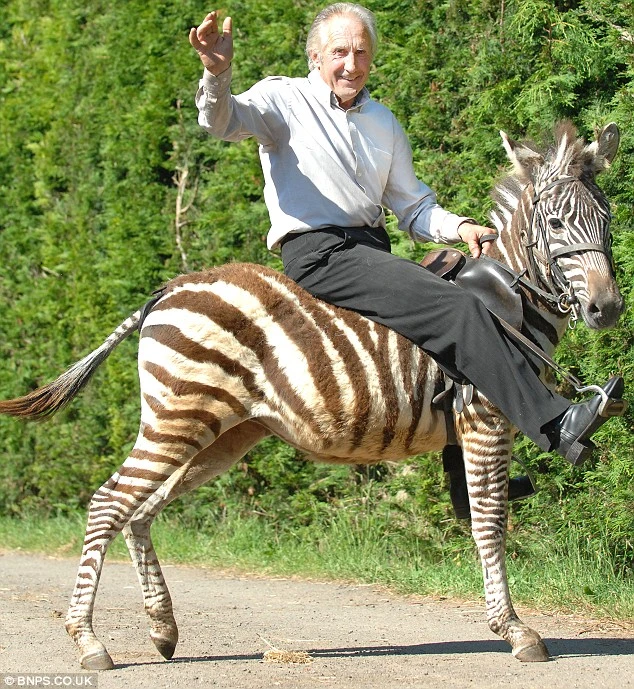
Only a few can tame a zebra and get it to ride. For example, this elderly man, Bill Turner, has dedicated 30 years to racing horses. And even for him, saddling the striped horse wasn't easy.
Fact number 5: They look terrible on the outside, but they're tender on the inside. A zebra can die from stress.
When striped animals are herded into helicopters, placed in enclosures, or otherwise confined, their nervous system screams "Achtung!" A potent cocktail of adrenaline, norepinephrine, cortisol, and other stress hormones enters the bloodstream. Muscles are activated to the max. Biologically, this mechanism is very useful. It helps them quickly escape predators. But where to escape from the enclosure? 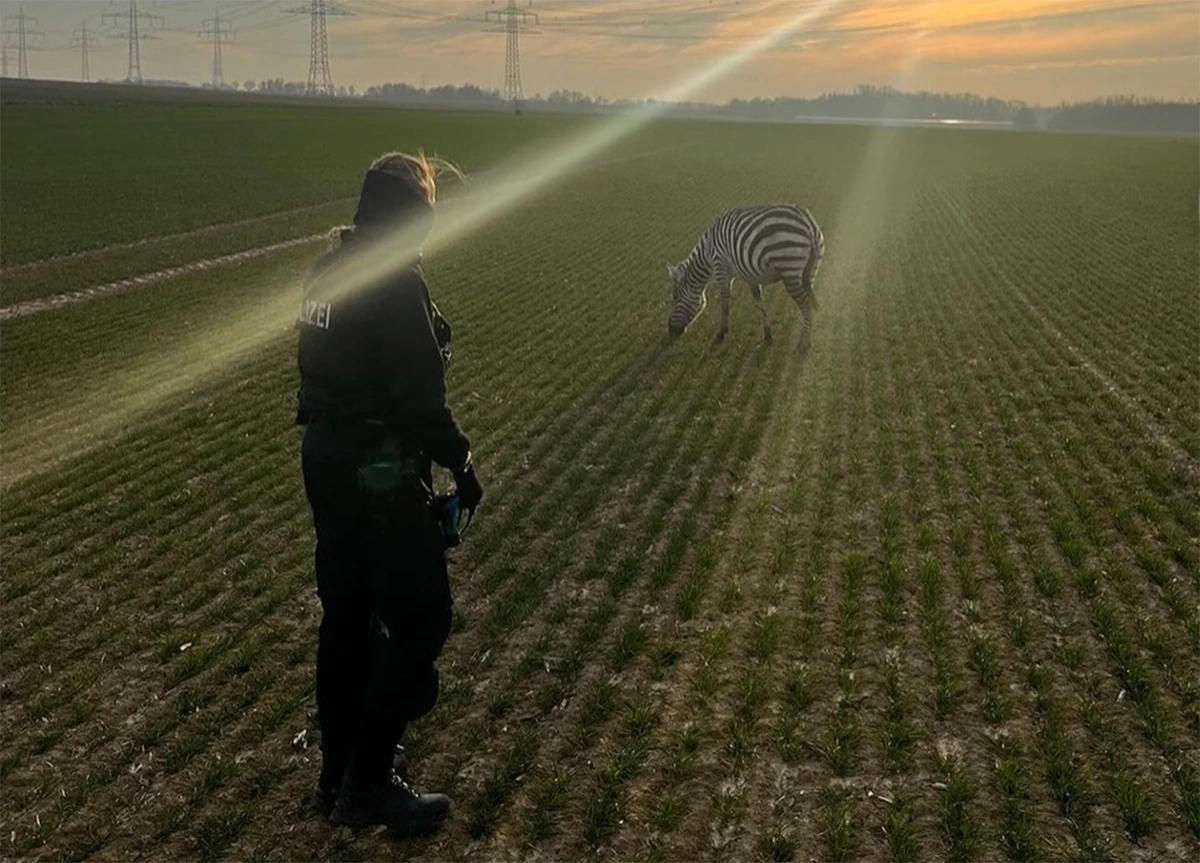
A dangerous criminal has escaped from prison. Be careful!
But the body doesn't understand the hopelessness of the situation and continues pumping the zebra with hormones. This causes muscles to break down, and muscle breakdown products enter the bloodstream. They poison the kidneys and heart, and the animal dies within a few hours or a day. Treatment is ineffective. This acute stress response can also occur in other wild animals, but in zebras, it is associated with their inability to be domesticated. Ungulates experience extreme fear when in contact with humans, so horseback riding is out of the question. Exceptions do occur, but they are extremely rare.
Add your comment
You might be interested in:













How to start a 102-liter engine

Protective film Removing it with a power screwdriver

How metal buckets are made in Pakistan

When a child plays hide-and-seek at a professional level

Man sets up bedroom camera and discovers the reason for his

Super dads who swoop in to save the day

Athlete in Bavarian dress flies over a lake on a hydrofoil

Precision carpentry

Looks like it's time to buy WinRAR
