The world of nature is amazing and still largely unexplored.
There are frogs that can survive the winter frozen into ice. Their bodies produce a special substance that prevents their cells from breaking down when frozen. 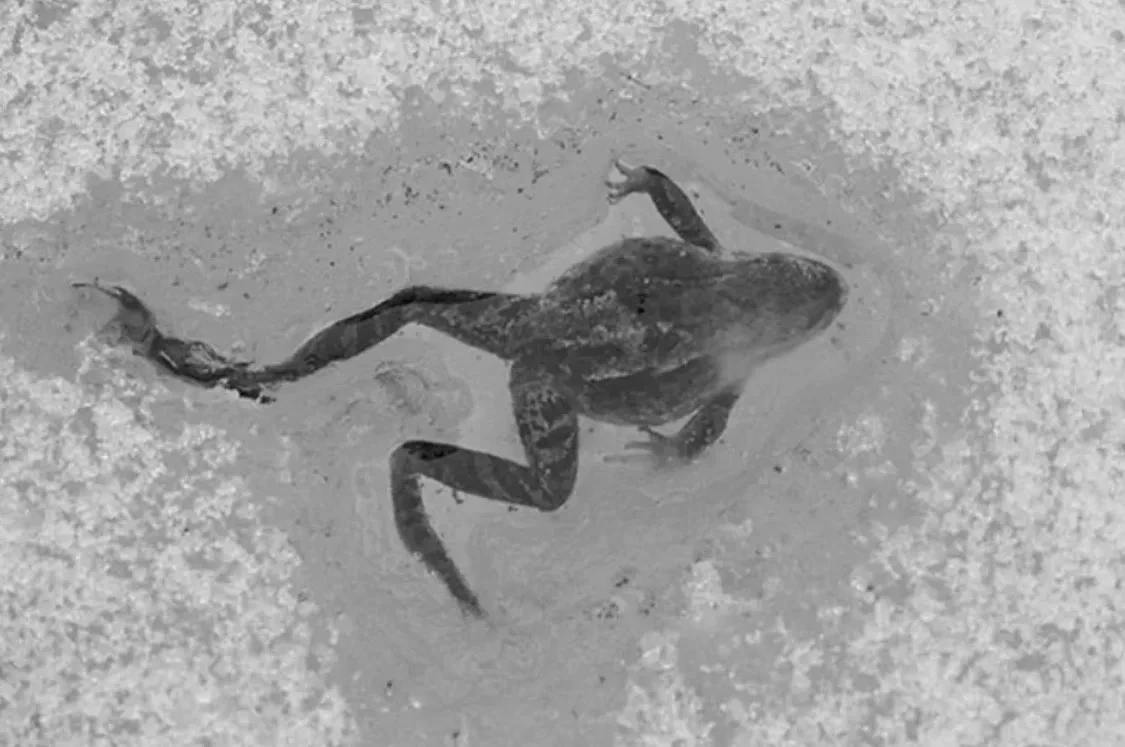
The Amur sleeper mushroom has the same property. 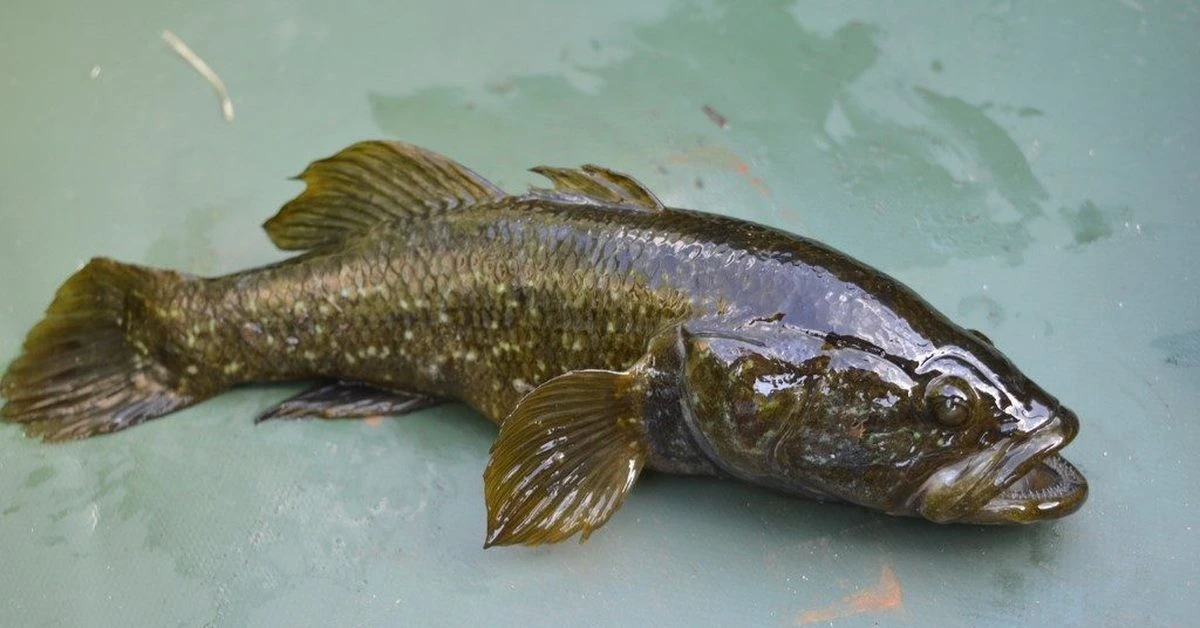
Some mushrooms reach gigantic sizes. For example, the honey fungus, which grows in Oregon, is recognized as the largest living creature on the planet: its mycelium spreads over an area of approximately 9 square kilometers. 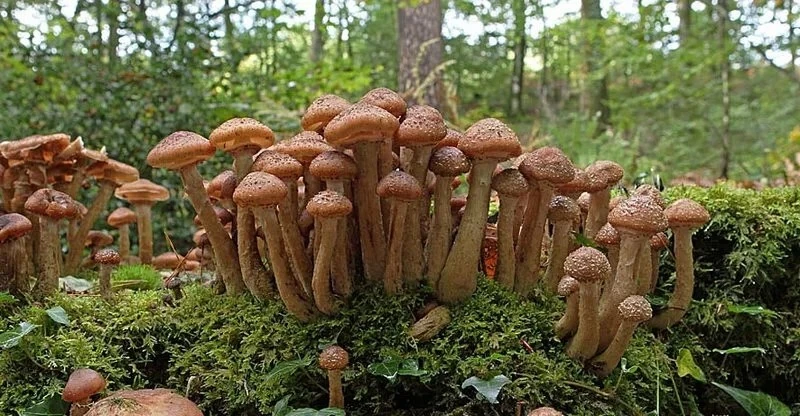
A remarkable balance reigns in nature. Even severe cataclysms, such as volcanic eruptions, are eventually followed by the restoration of flora and fauna, giving rise to new forms of life. 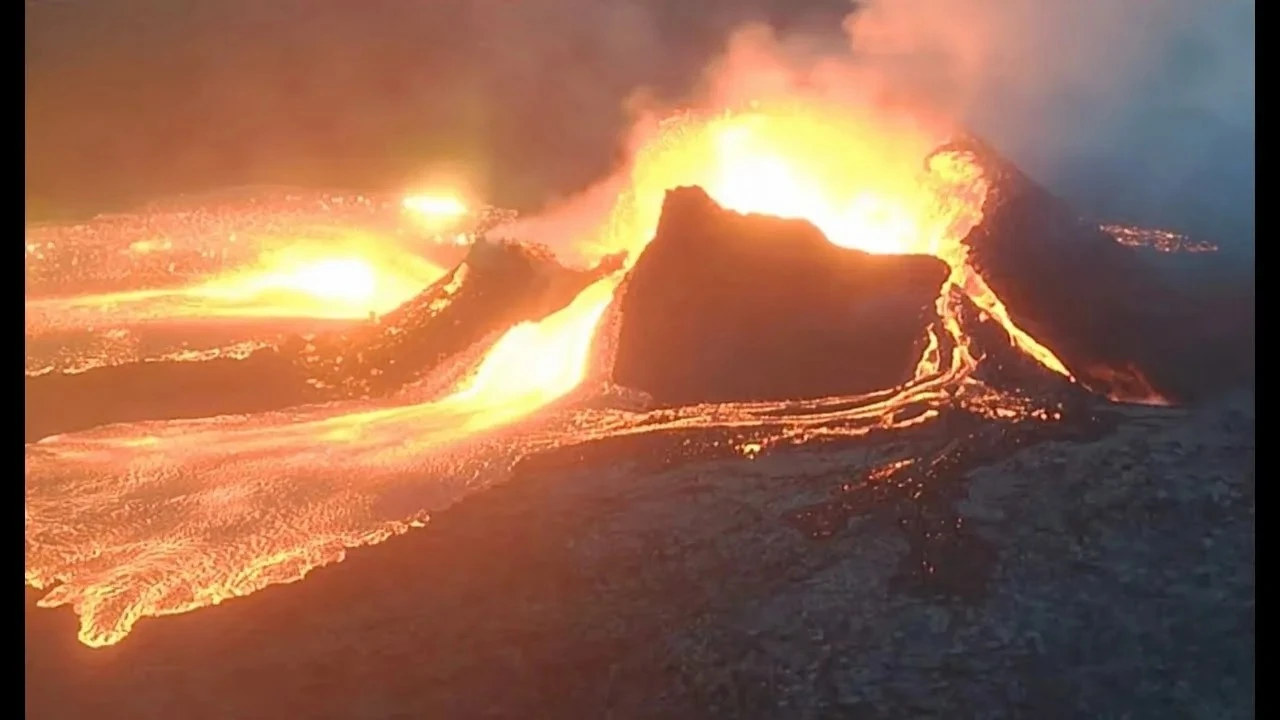
Due to sudden changes in temperature and atmospheric pressure, air movement occurs within the rocks, creating the illusion that the mountains are breathing. 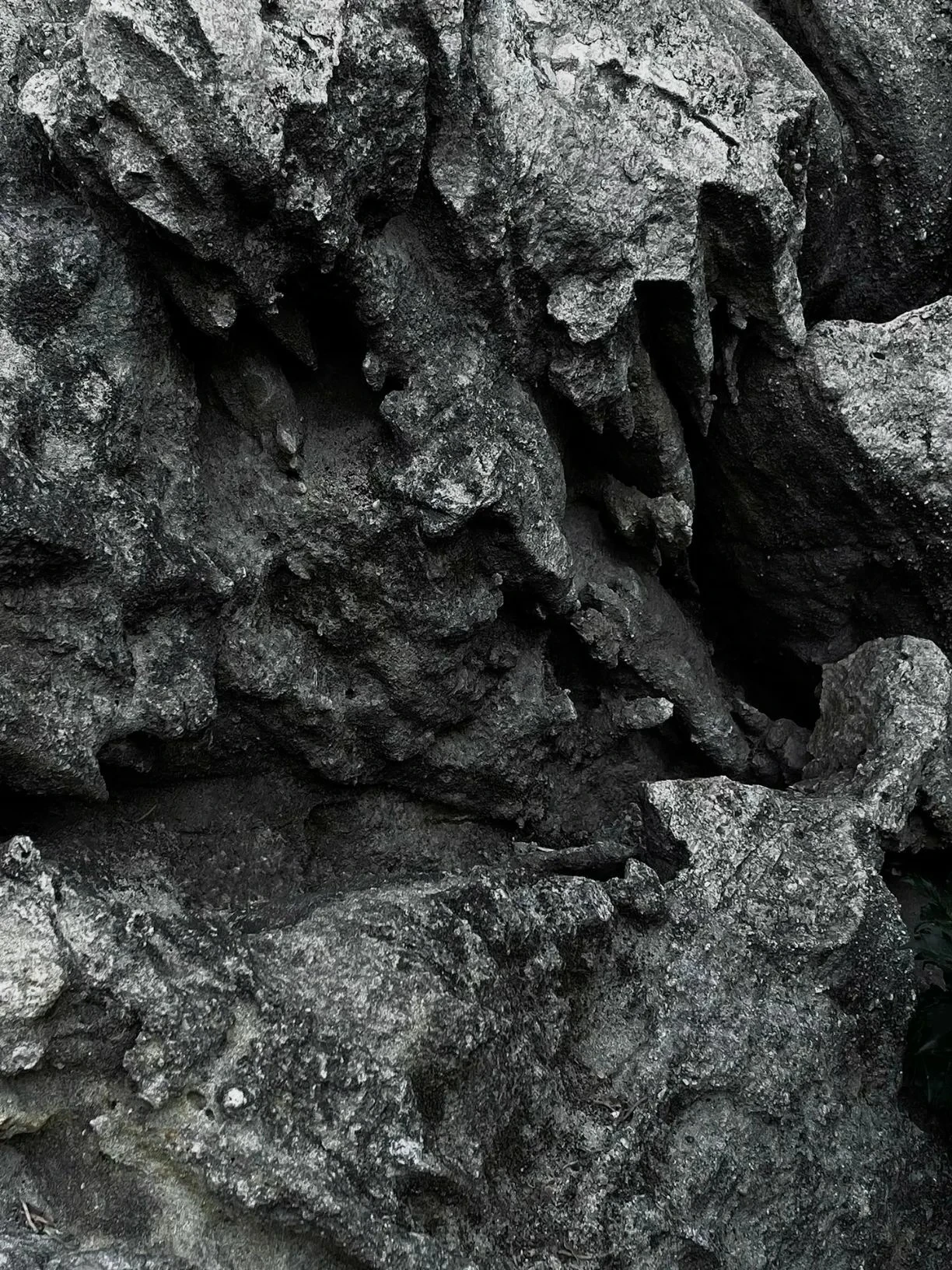
Seeds have an amazing "survivability." Scientists have managed to germinate grains that had lain in ancient burials for several millennia. 
Ants have mastered agriculture. Some species cultivate fungi in their nests, creating an optimal microclimate for them and using them as food. 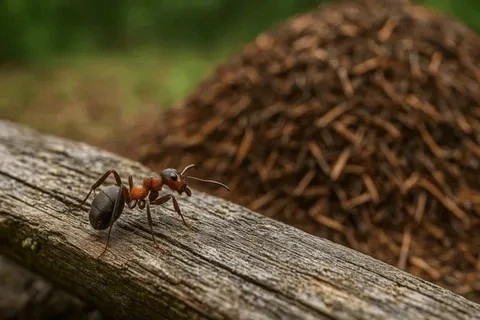
The aurora borealis isn't just a terrestrial phenomenon. Spectacular light shows caused by the interaction of the planets' magnetic fields with the solar wind have also been recorded on Jupiter and Saturn. 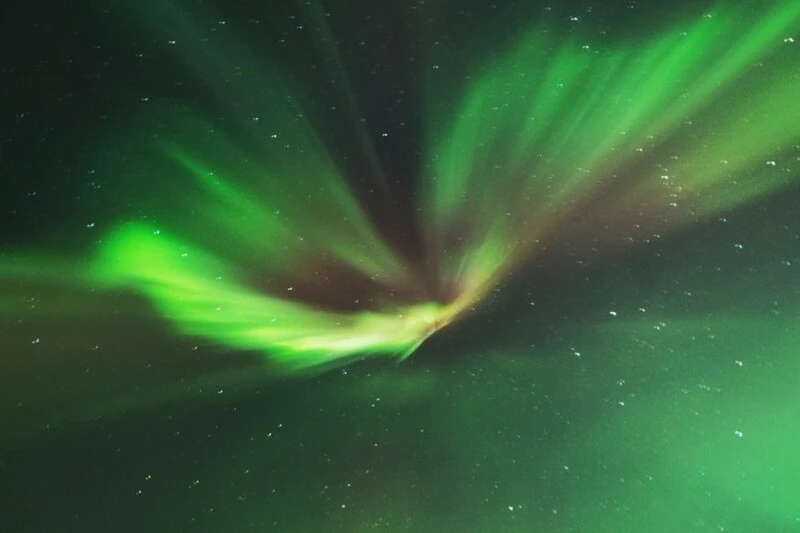
Our smaller brothers are excellent weather forecasters. The low flight of swallows promises rain, and cows lying down on the grass often foretells the approach of a thunderstorm. 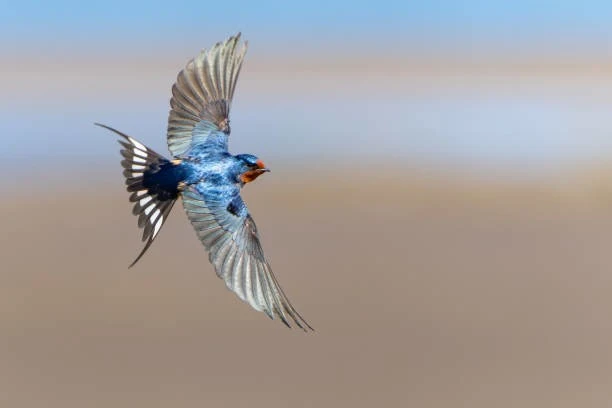
Water can ignite. In certain areas where underwater springs contain methane, burning streams can be observed. 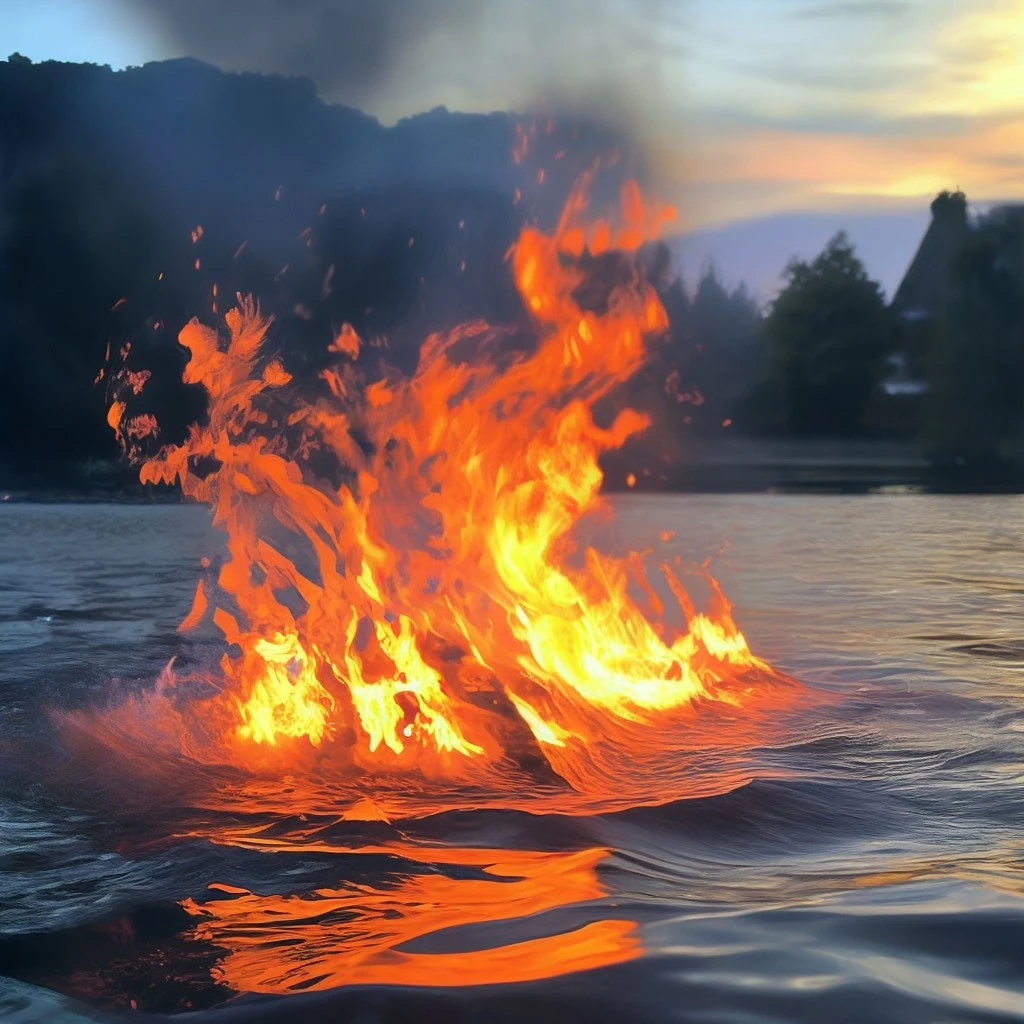
Lightning strikes happen much more frequently than we think. About a hundred flashes occur in the Earth's atmosphere every second, but the vast majority of them go unnoticed. 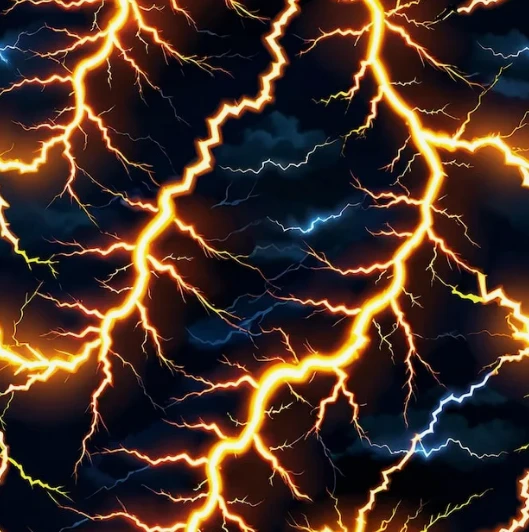
Plant roots are able to "find" water, forging a path to life-giving moisture even through obstacles. 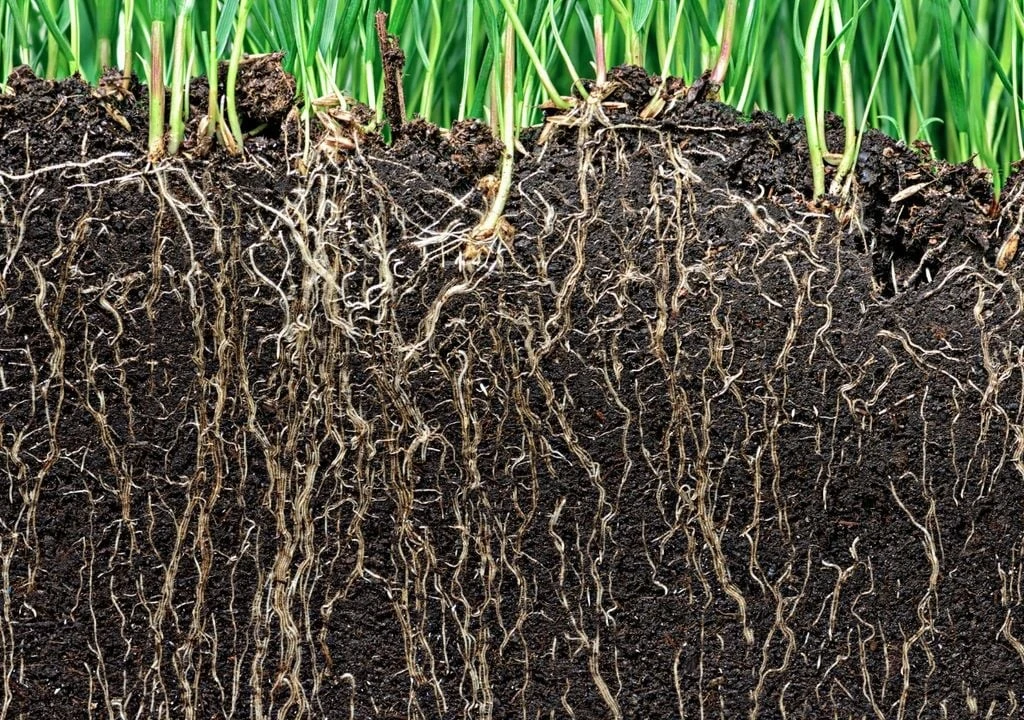
Bodies of water sometimes change their color dramatically. Algae, microorganisms, or a specific chemical composition can give the water a pink, emerald, or even reddish tint. 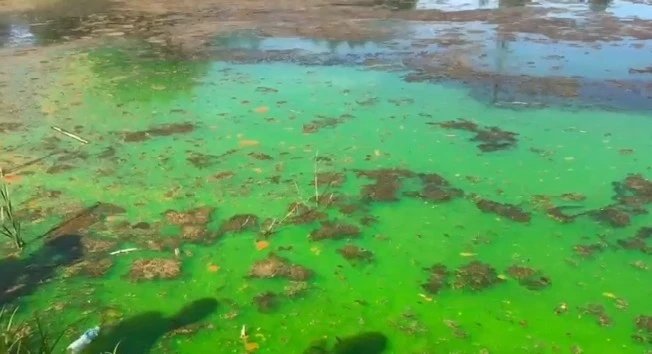
Natural fires serve an important sanitary function. They clear areas for young growth, fertilize the soil with ash, and give the ecosystem a chance to renew itself. 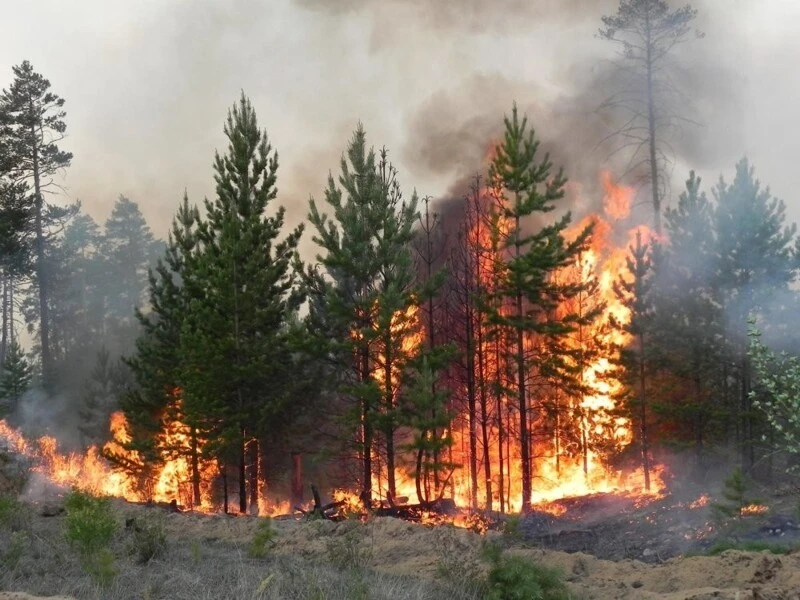
Plants also need rest. Many flowers close their buds at nightfall to conserve heat and energy until morning. 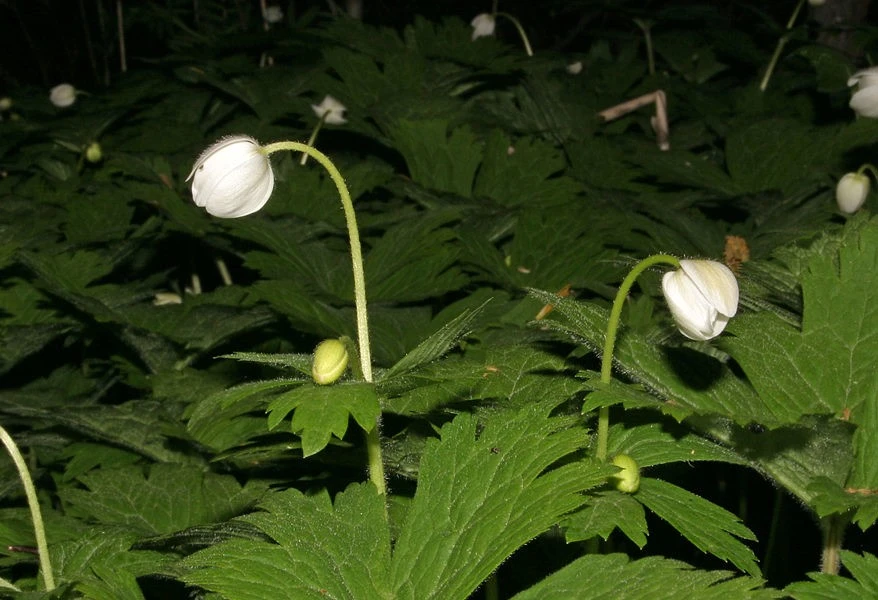
Water flows can disappear underground. For example, the Italian Timavo River is partially hidden in underground cavities, continuing its journey through mysterious caves. 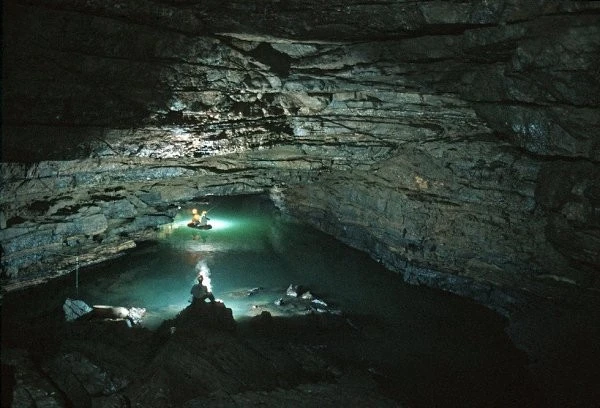
A desert doesn't necessarily mean heat and sand. Antarctica is also classified as a desert due to the negligible amount of precipitation it receives. 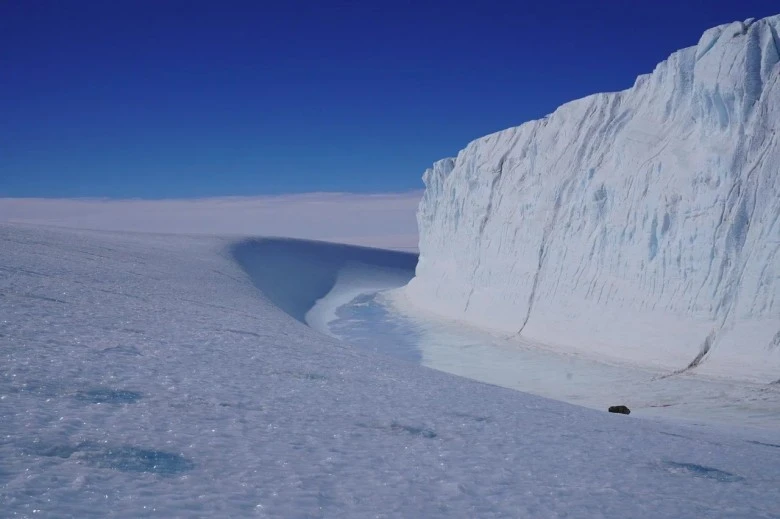
Bees have the ability to distinguish the "faces" of their fellow bees. They easily remember and distinguish familiar individuals from strangers by their distinctive features. 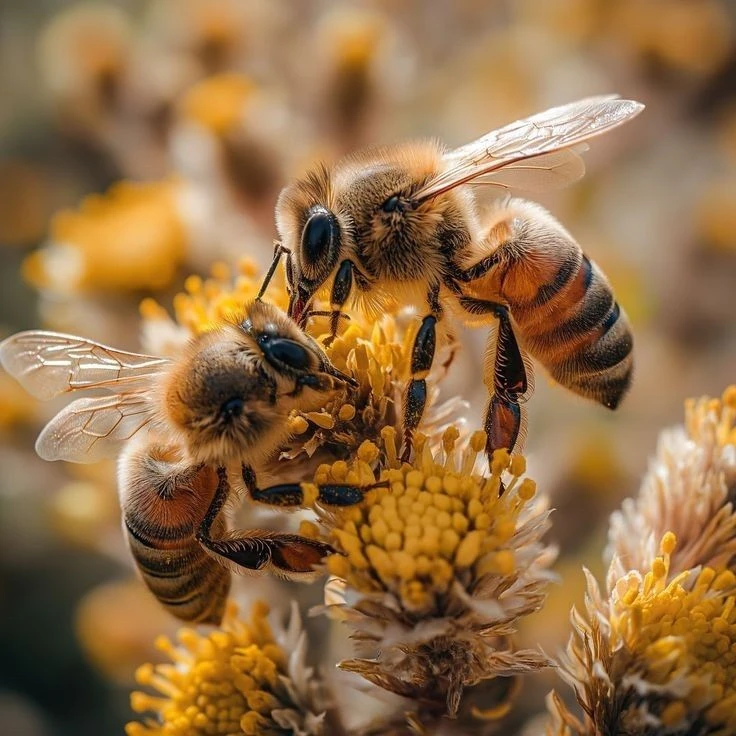
The world's oceans hold more secrets than any library. Researchers estimate that there are approximately three million sunken ships lying on the seabed, each with its own unique story. 
Forest trees actively interact. Using underground fungal compounds and root systems, they exchange beneficial micronutrients and signal each other about insect attacks. 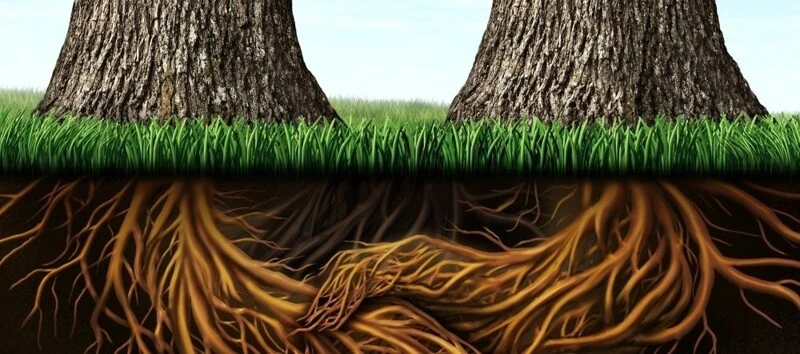
Large whales make a huge contribution to ocean life. By migrating and mixing water layers, they create conditions for active plankton growth. 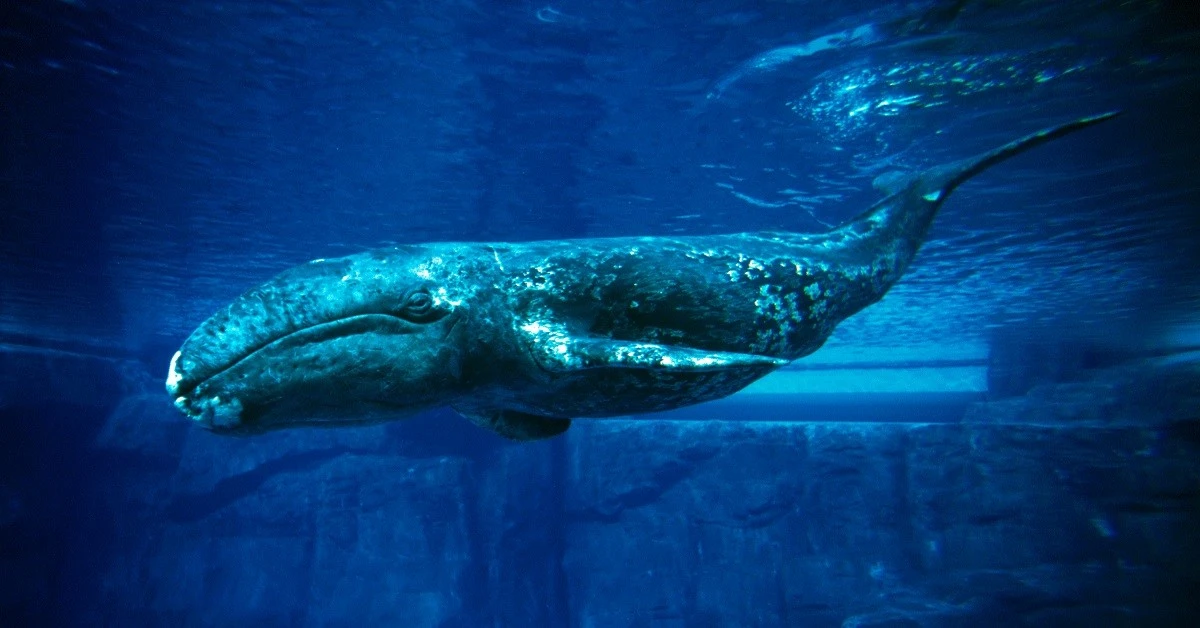
Add your comment
You might be interested in:















"What Is This Thing?": 20+ Bizarre Objects That

Margaret Hamilton Dies at 90: The Story of the Moon

13 "Healthy" Habits You Should Actually Quit (14
Cassini Spacecraft Reveals Saturn’s Rings (10 Photos)

Hypnotic and Oddly Satisfying GIFs That Show How Food Is

25 Incredibly Beautiful and Rare Stones (26 Photos)

Soldiers in Lace, a Bowling Geisha, and 20 More Rare Photos

Outmaneuvering Terrorists: How Pilot Uri Bar-Lev Saved a

16 Fascinating and Surprising Facts About Life in Sweden
