A selection of photographs from the past that will leave you speechless (21 photos)
Here you'll find everything: from scenes that leave you speechless with amazement to moments that can shock or evoke a warm smile. All photographs have been carefully colorized to bring the past to life and give it new colors. Enjoy! 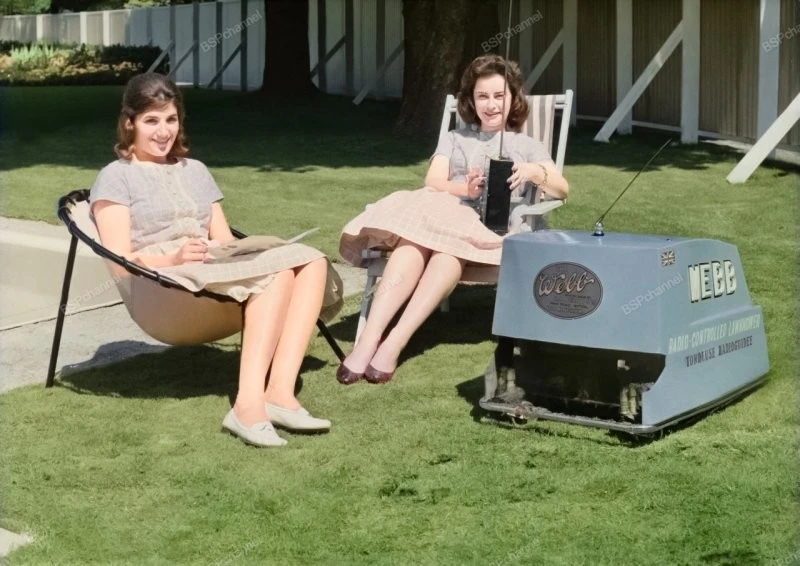
Lioness Leonie. April 1972. 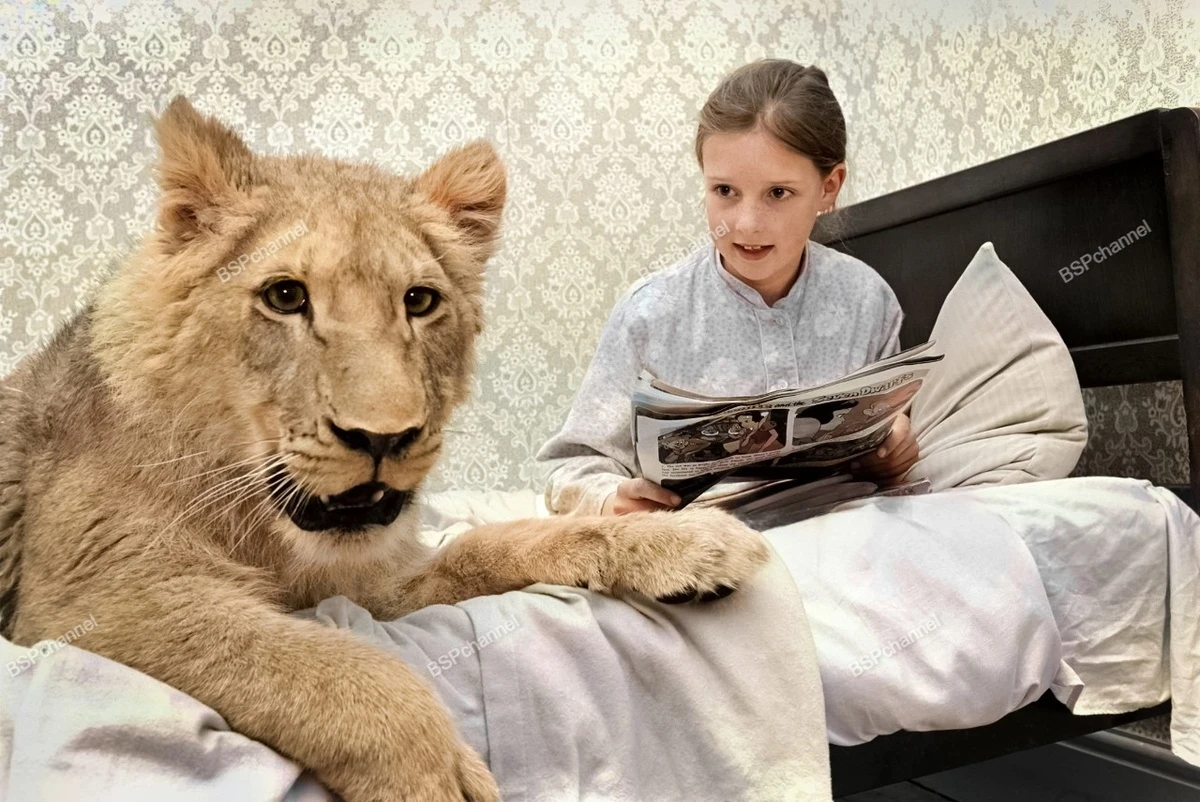
Leonie is the beloved pet of Yvonne Clarke, the family's youngest daughter, who is only nine years old. The girl often falls asleep in her bed with one or even two snakes. And yesterday, she even read Leonie a bedtime story.
German circus performer Karl Sander on a bike ride through London, 1932. 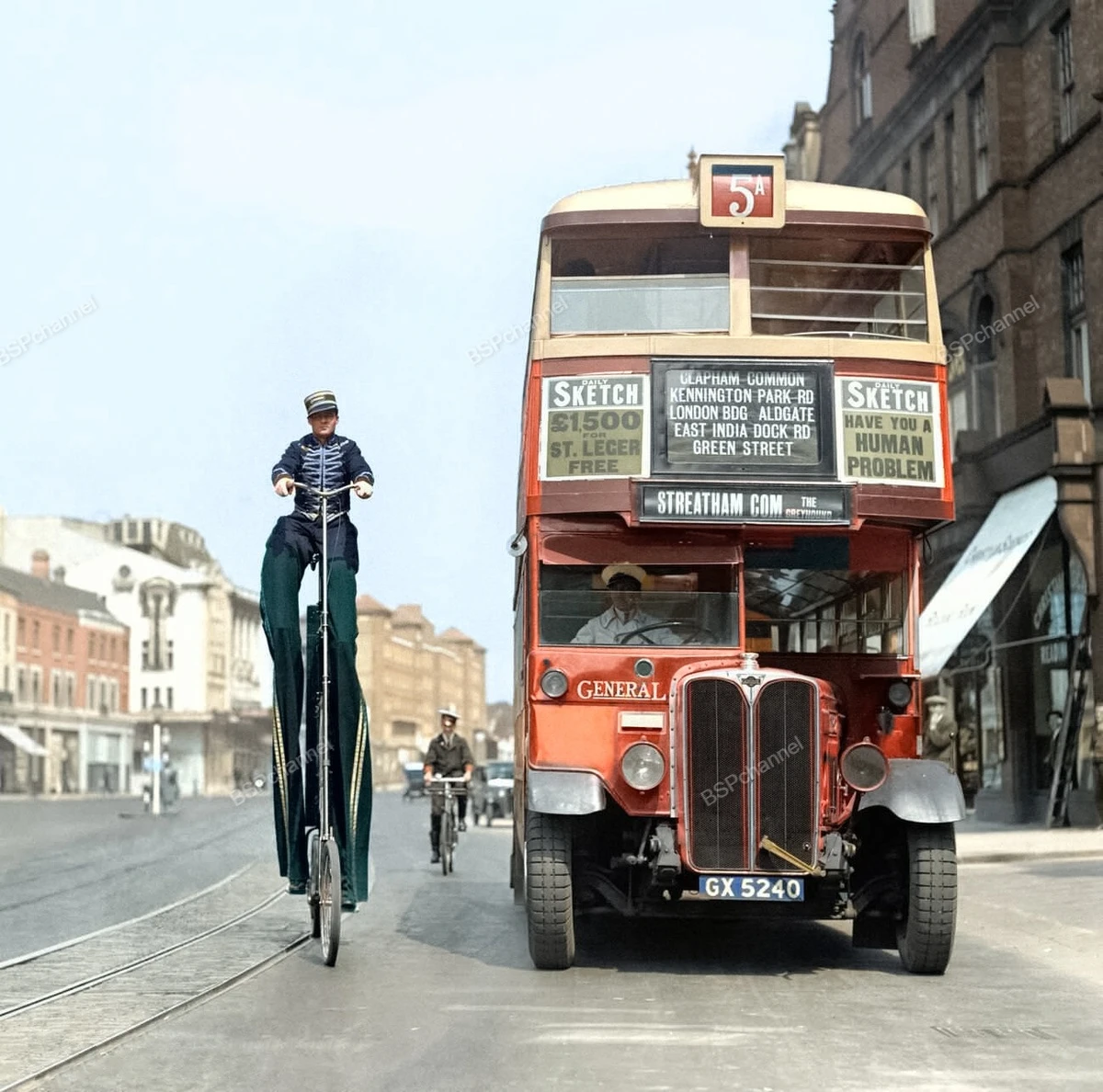
Karl Sander, a former circus performer now working as an advertising agent in Germany, came to London to present his unusual publicity stunt: riding horseback next to a bus in Streatham.
A group of Farnsworth School of Art students painting from life, 1946. 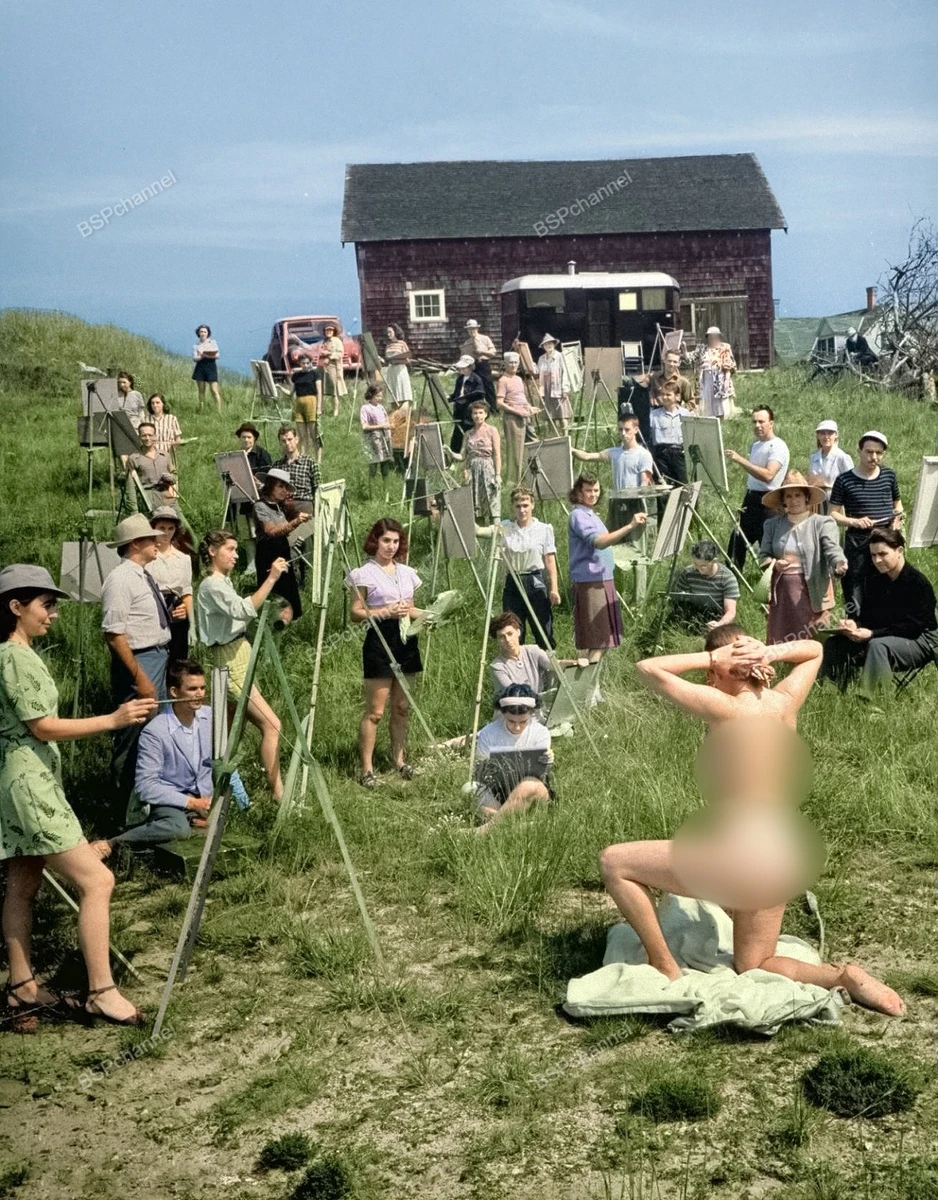
Photographer: Andreas Feininger
The trolleybus that fell into the Yerevan Reservoir, 1976. 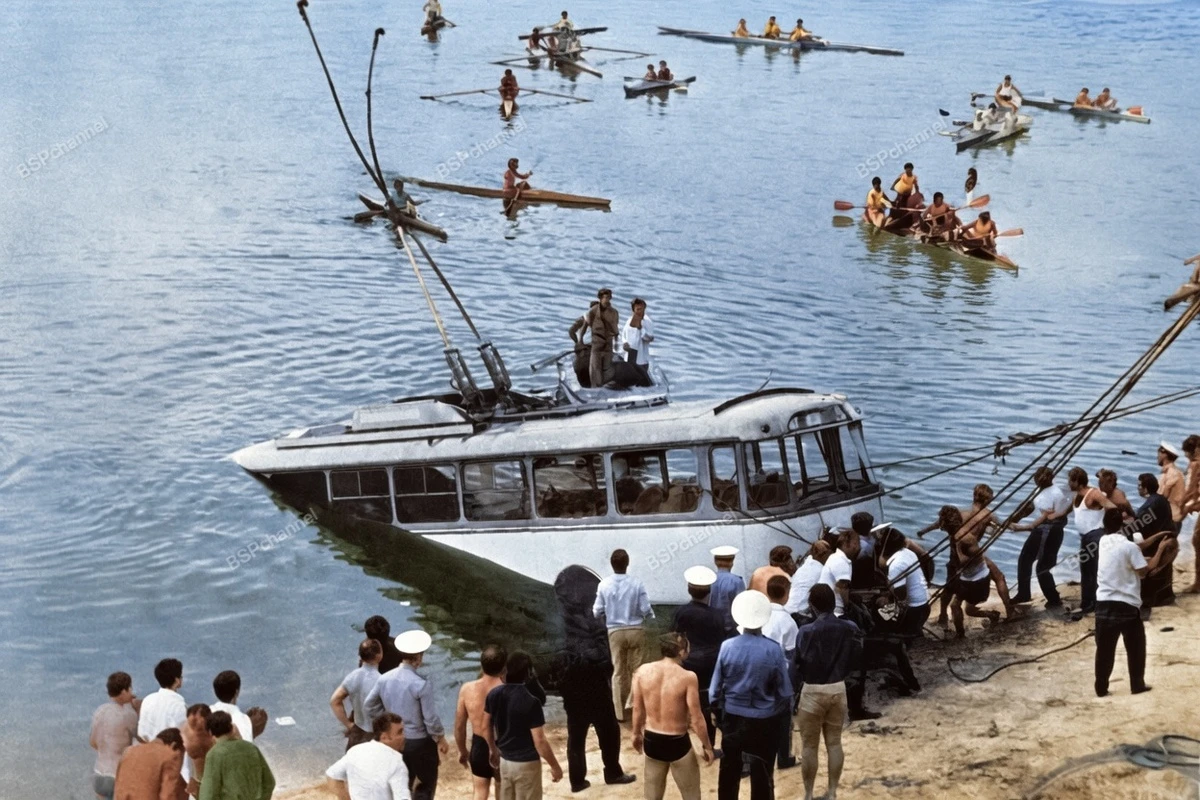
Photographer: Herbert Baghdasaryan
On September 16, 1976, a tragedy occurred in Yerevan that shook the entire Soviet Union: a trolleybus traveling on a route skidded off the road and plunged into the Yerevan Reservoir.
By sheer luck, Shavarsh Karapetyan, an outstanding Soviet scuba diver, 11-time world record holder, 13-time European champion, 15-time USSR Cup winner, and 7-time national champion, was nearby. He was jogging with his brother and a friend when he arrived at the scene of the tragedy and began rescuing people.
At a depth of 10 meters, in zero visibility, Shavarsh kicked out the rear window of a trolleybus and pulled out 46 of the 92 passengers. Twenty of them were resuscitated. The unconscious passengers were taken to the hospital. During one of his dives, Shavarsh realized he had pulled out not a person, but a cushion from a trolleybus seat. He said he often dreamed of this cushion at night, as he could have saved another life.
Karapetyan's body was cut up by shards of glass from a broken window. After the rescue efforts, Karapetyan fell seriously ill with pneumonia, which developed into sepsis. His temperature hovered around 40°C for a long time, and he spent 45 days in the hospital. The inflammation caused adhesions in his lungs, making it difficult for him to take deep breaths.
After recovering from the aftereffects of the 1976 tragedy, Shavarsh Karapetyan returned to training and in 1977 set a new world record in the 400-meter scuba diving race – 3 minutes 6.2 seconds.
However, due to severe complications from his injuries and illness, he was unable to continue his athletic career and decided to retire from professional sports. Karapetyan subsequently became the director of a youth sports school in Yerevan, devoting himself to training a new generation of athletes.
France, May 1968. The Sorbonne chapel behind a barricade. 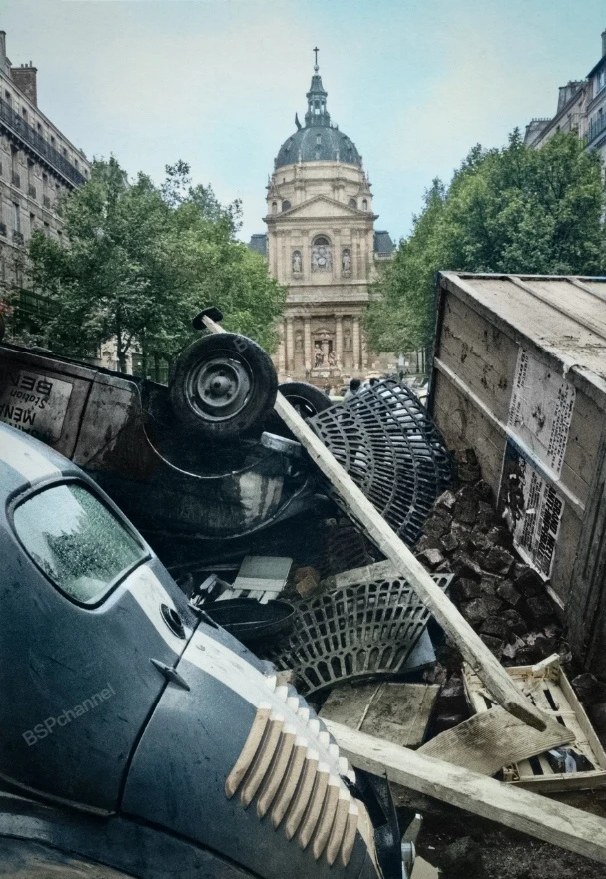
Photographer: Marc Riboud
France, May 1968 – a time of widespread social upheaval known as "Red May" or "May '68." It all began with student protests in Paris against the conservative university system, authoritarianism, and outdated social norms. Rapidly growing discontent led to clashes with police, barricades on the streets of the Latin Quarter, and the arrests of activists. The protests immediately spread to workers: by the end of May, more than 10 million people—almost half the country's working population—were on strike, paralyzing transportation, factories, banks, and government agencies. The protests ultimately led to a change of government, the resignation of President Charles de Gaulle, and, more broadly, profound transformations in French society.
People watch the eruption of Hawaii's Kilauea volcano at Halemaumau Crater on May 22, 1924. 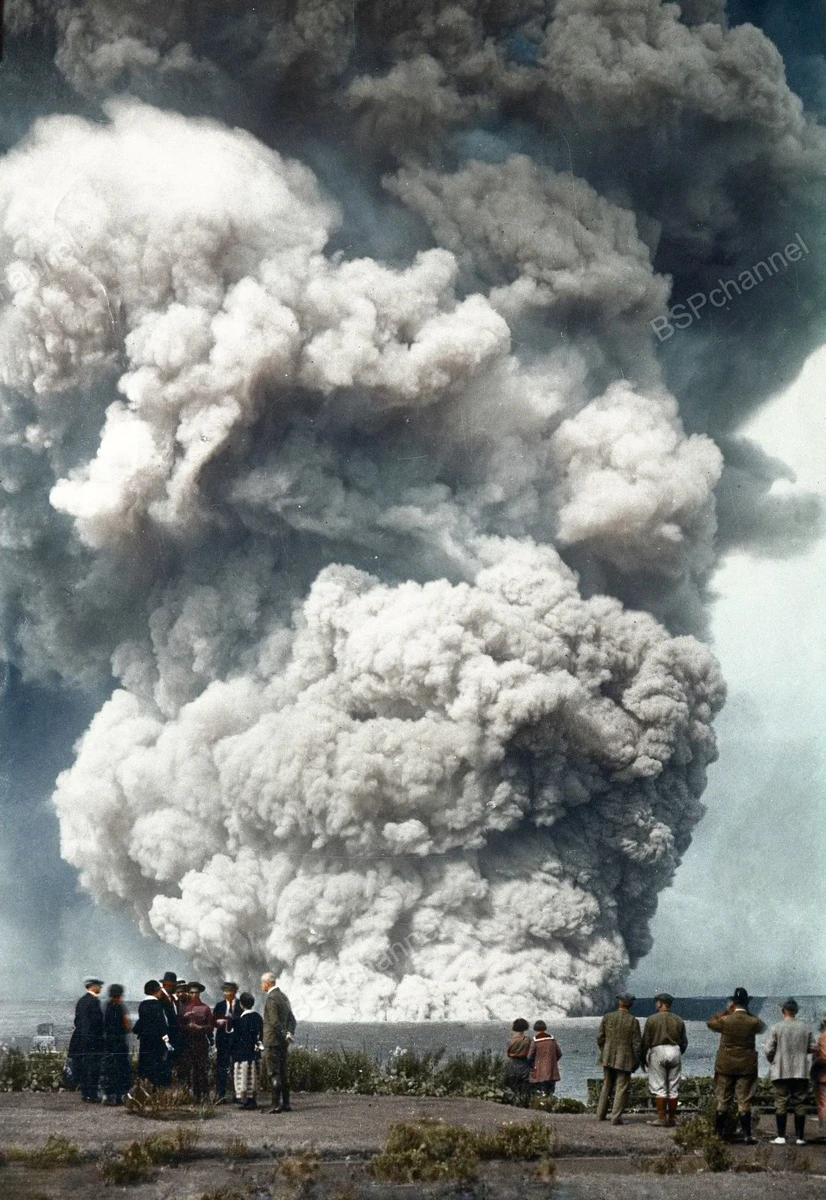
In May 1924, Halemaumau Crater, the largest in Kilauea Volcano's caldera, was the scene of more than 50 powerful explosions over the course of two and a half weeks. These events are still considered the most destructive on Kilauea since the early 19th century. The force of the explosions was so great that boulders weighing up to 14 tons were ejected from the crater. As a result, its diameter nearly doubled, and its depth reached approximately 400 meters. After the cessation of activity, Halemaumau lost its famous lava lake, which had been its signature feature throughout the 19th and early 20th centuries. Lava only returned in 2008, 84 years later.
Trader Palmer with his 55-year-old penny-farthing bicycle, September 9, 1948. 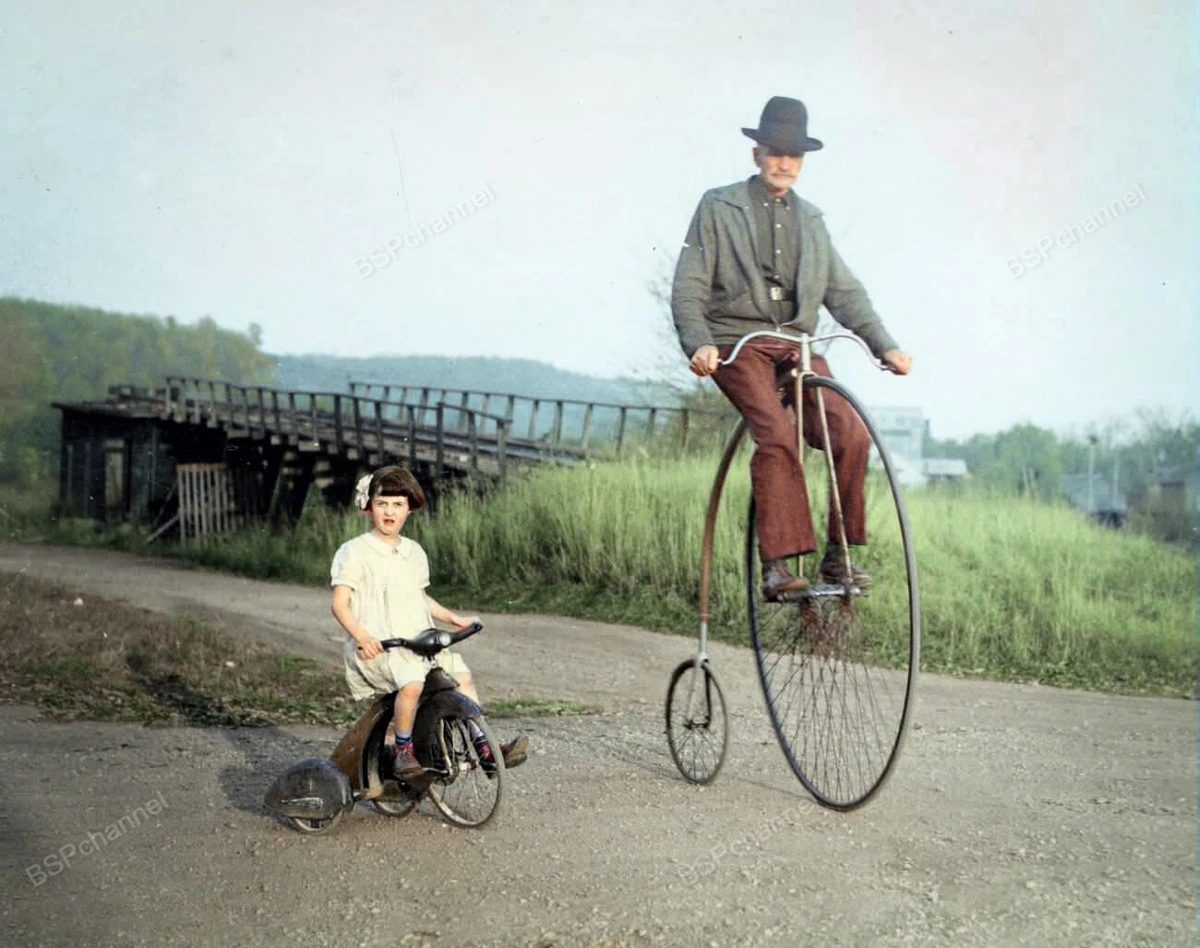
The "penny-farthing" was a late 19th-century bicycle with a huge front wheel and a tiny rear wheel. The name comes from the British coins "penny" (large) and "farthing" (small). Its high saddle and unstable design made it dangerous, but it marked an important milestone in the history of the bicycle.
Michael Wilson Illustrated Man, 1990 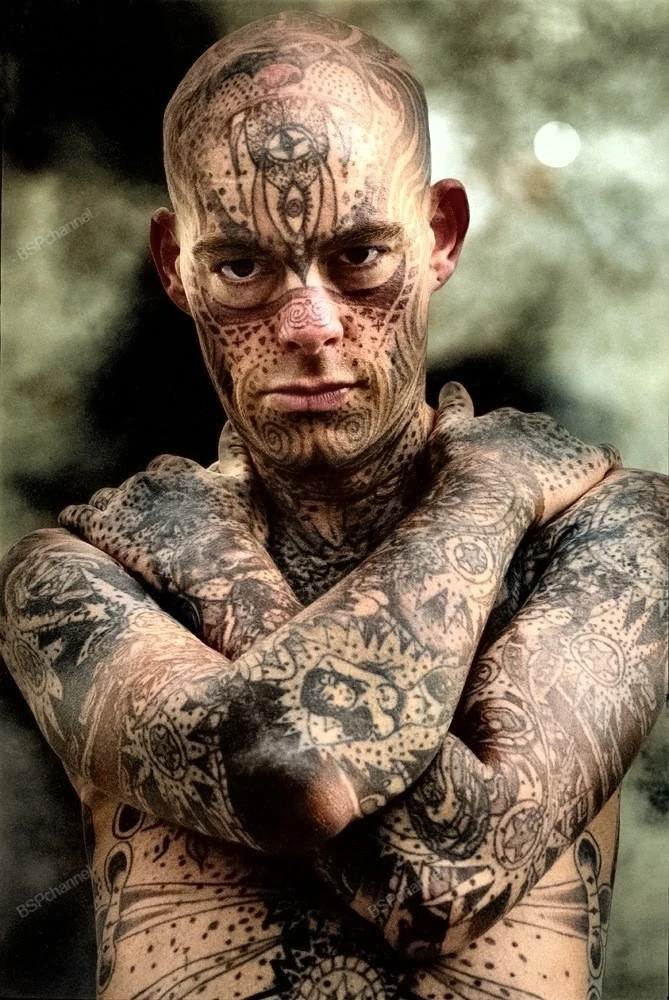
Photographer: Harold Feinstein
A radio-controlled lawn mower in Paris, May 1960. 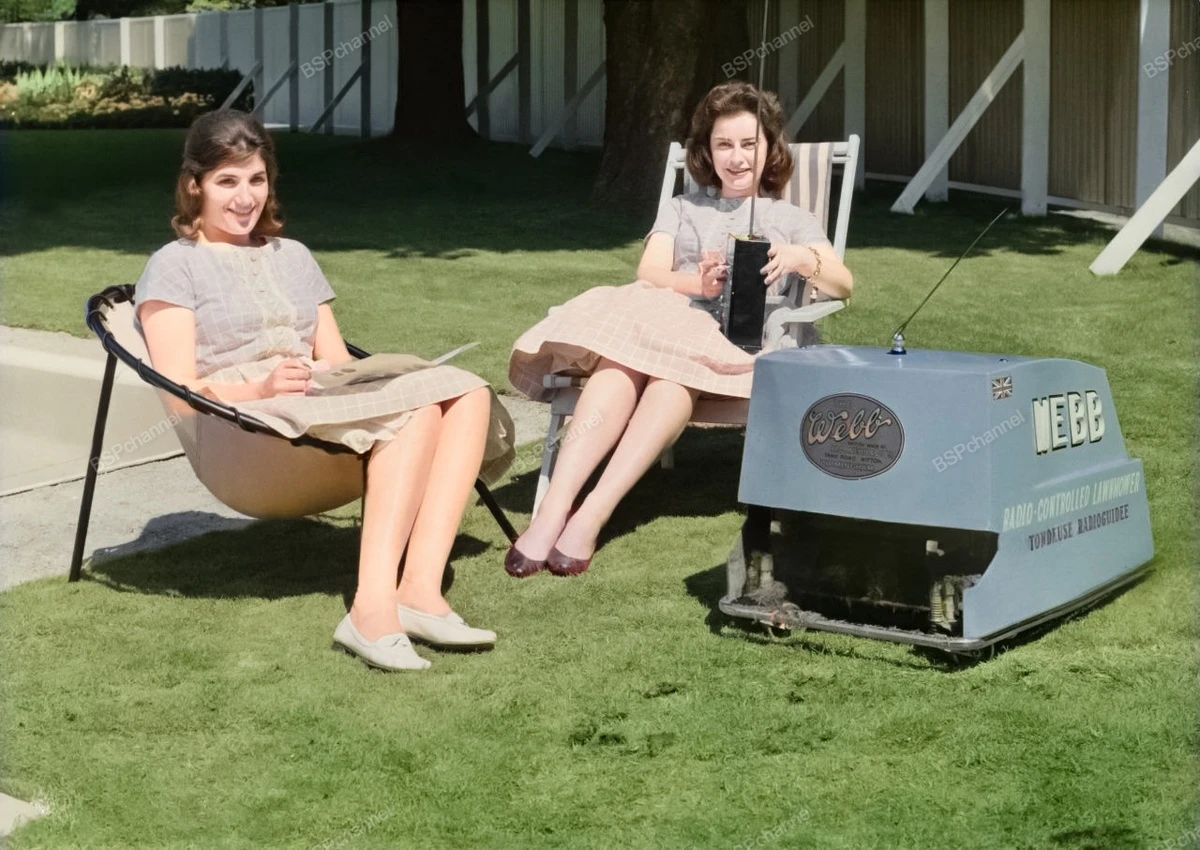
A collection of crazy and brilliant inventions from the 1960s—an era when imagination outpaced technology. Many of these unusual devices and ideas became prototypes for things we use every day.
World Chess Champion Anatoly Karpov plays an exhibition game at a sports festival dedicated to the 18th Congress of the Komsomol. 1978. 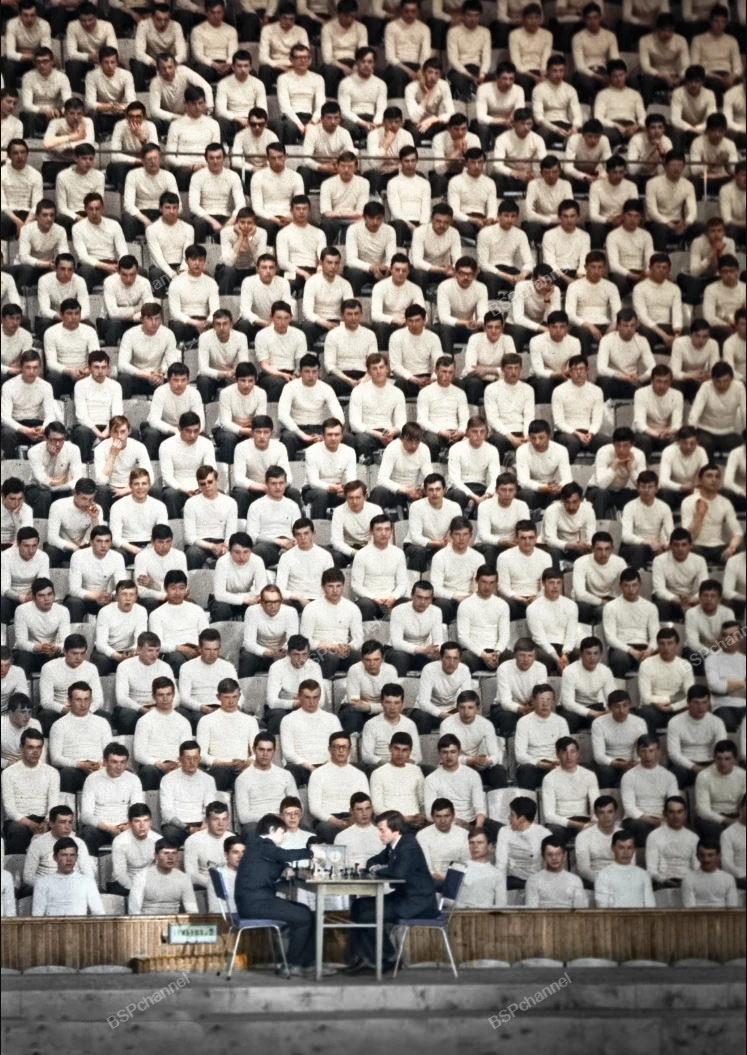
Photographer: Vladimir Rodionov
Chess in the USSR was not just a popular game, but a national phenomenon that became an important part of Soviet culture, education, and ideology. The game developed logic, discipline, and strategic thinking—qualities valued in the new society. In the 1930s, chess was proclaimed a "people's game" and was actively promoted through schools, community centers, factories, and the army. The Soviet state created a centralized system for training chess players: open clubs and sections throughout the country, specialized sports schools, a strict selection system, and coaching supervision. Chess became an official sport, and the strongest players were considered heroes on par with cosmonauts and athletes. The USSR dominated world chess from the 1940s to the late 1980s.
A device for shaping the shape of a woman's nose, 1944. 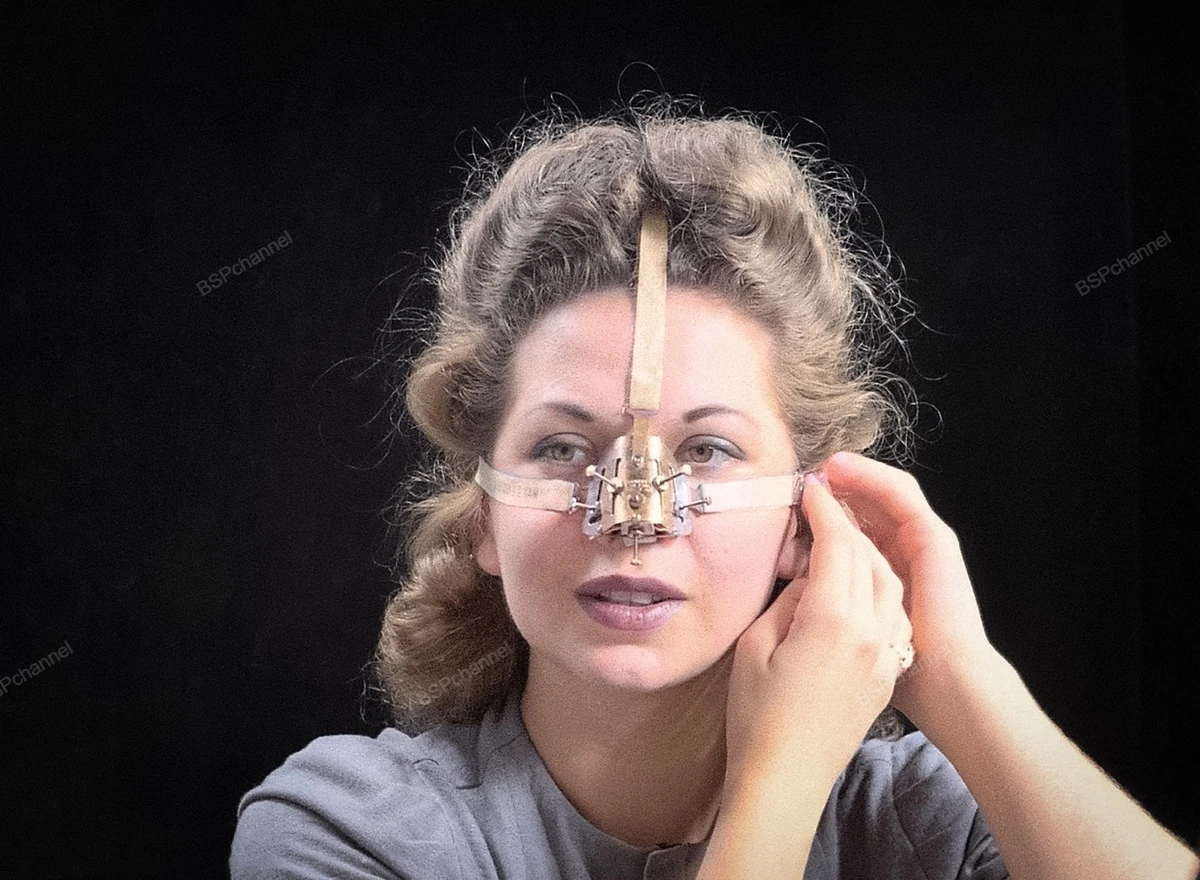
Over 100,000 people paid six dollars each for this useless "cosmetic" device, which supposedly could change the shape of their nose.
Circus performer Miss Mara Campos practices arm exercises, 1958. 
Fires in Washington, D.C., the result of riots and demonstrations following the assassination of Martin Luther King, Jr., 1968. 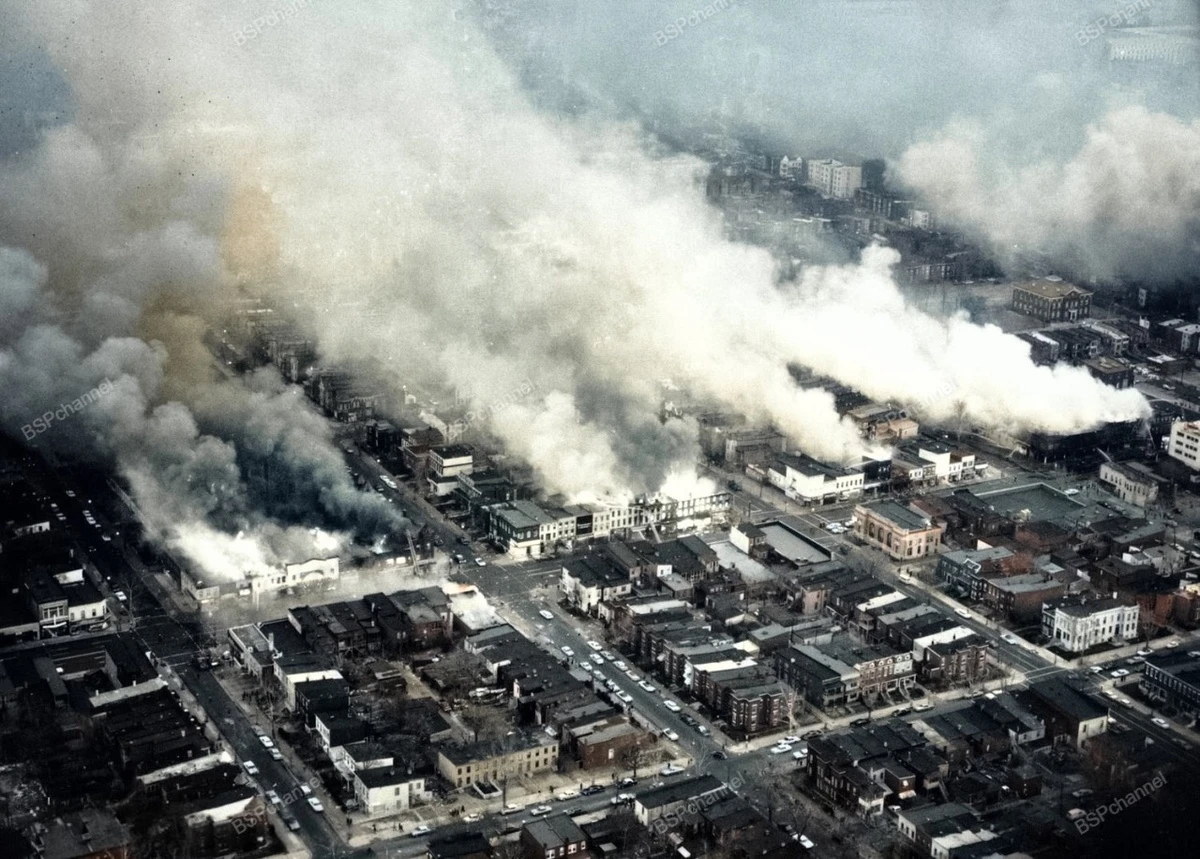
Following the assassination of Martin Luther King in April 1968, mass riots broke out across the country—in more than 100 cities across the United States. In Washington, they lasted four days: approximately 1,200 buildings were burned, 12 people died, and the downtown economy suffered damage from which it would not recover for decades.
Wagon, 1915. 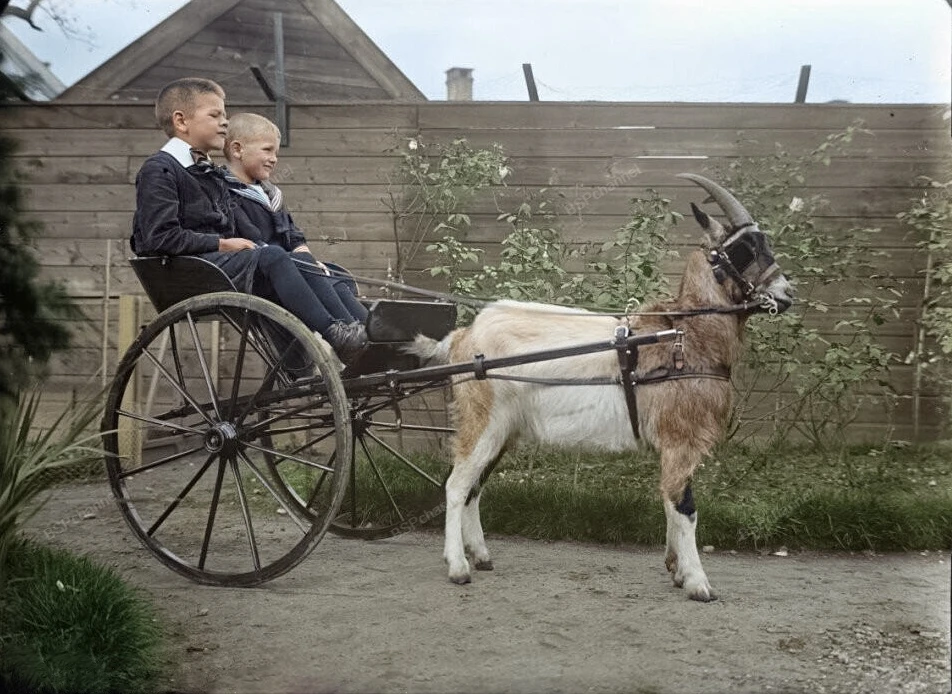
Photographer: Richard Tepe
A goat cart is an unusual, but at one time quite common, means of transportation, especially in rural areas and on the outskirts of cities in the 19th and early 20th centuries. Unlike a horse-drawn cart, a goat cart was pulled by one or more goats harnessed to a small cart or carriage. This type of transport was used primarily for transporting children, light cargo, or for entertainment—for example, in parks, fairs, or summer cottages. Goats were hardy, easy to maintain, and inexpensive to feed, making them an attractive alternative to horses for poor families or small traders. However, due to their slow speed and limited load capacity, these carts were never used for serious commercial purposes.
Women arrested for various petty thefts during the Great Depression. USA, 1931. 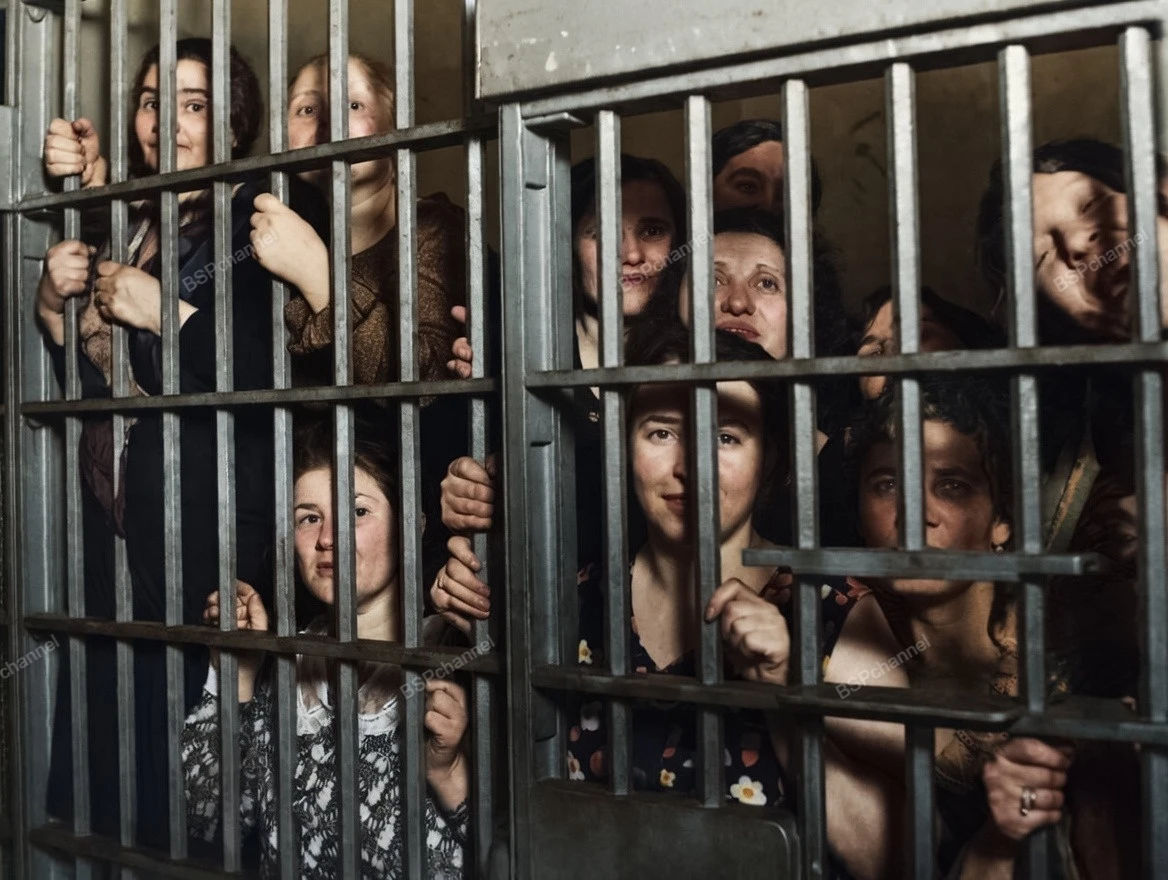
At the height of the Great Depression, when millions of Americans were left without jobs, homes, and livelihoods, many, including women, were forced to resort to desperate measures to survive.
Models wearing Christian Dior designs pose on an airplane. Paris, 1959. 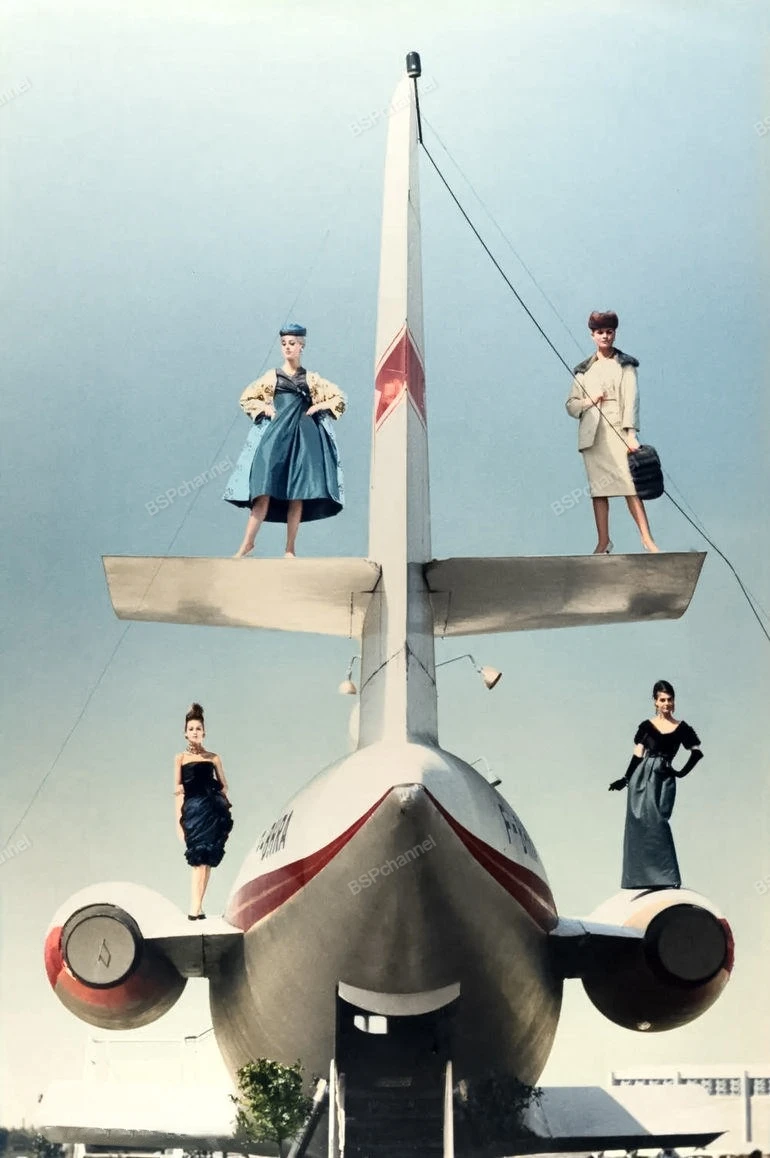
Photographer: Jean-Philippe Charbonnier
Office equipment exhibition, robot typist in Paris, October 1960. 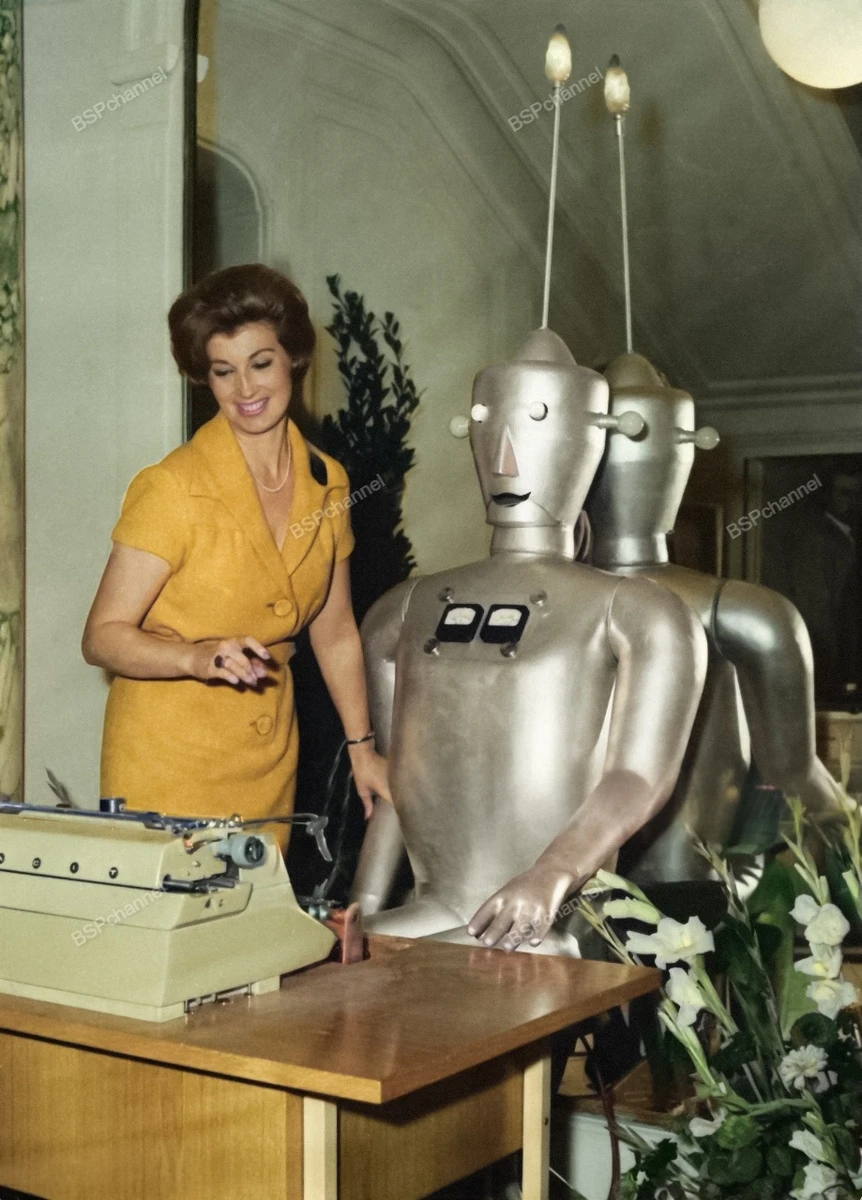
A worker during the construction of the Empire State Building, 1930. 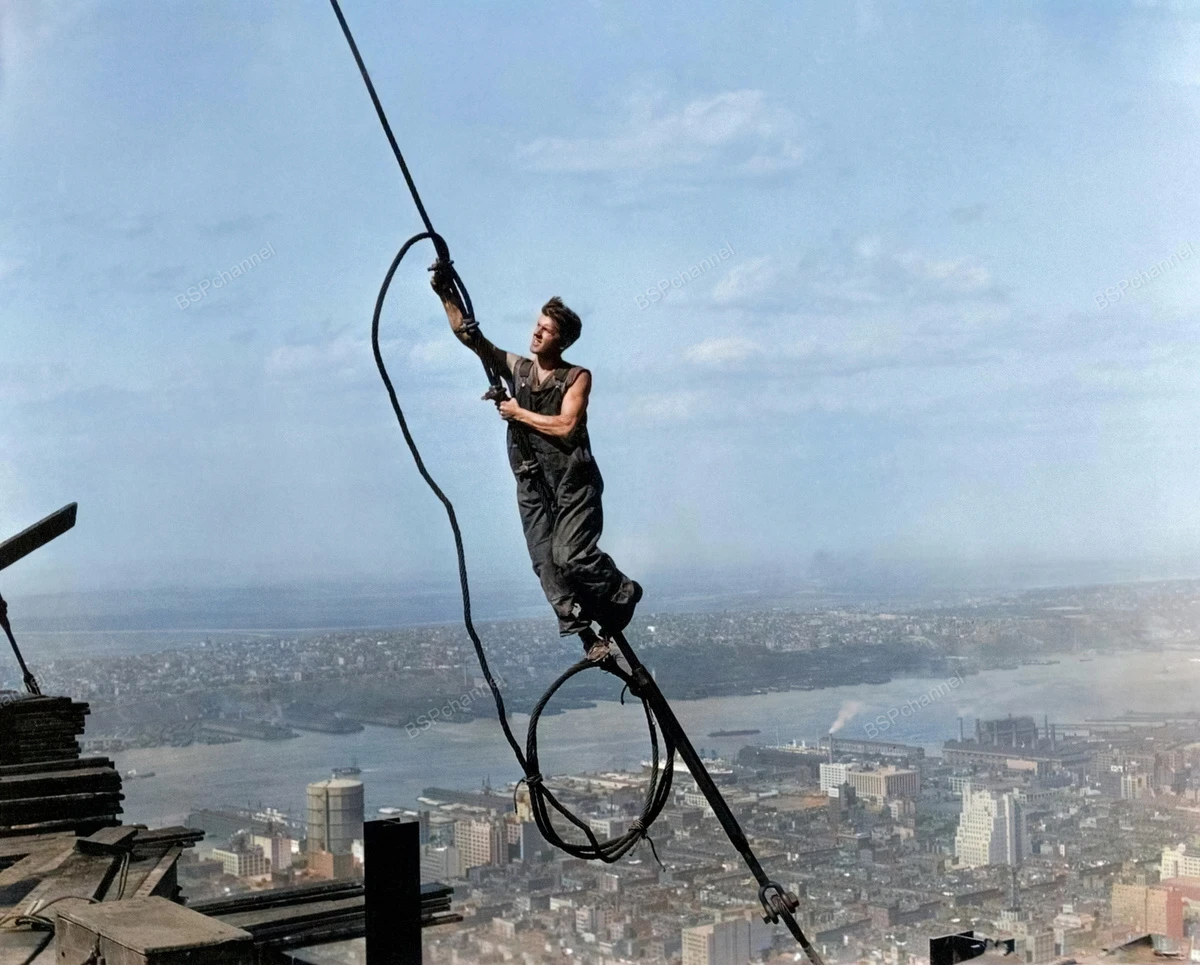
Photographer: Lewis Hine
Americans know how to turn everything into a show—even the construction of the tallest skyscraper at the time. Hundreds, even thousands, of photos of workers building the Empire State Building can be found online, literally thrilling: they eat lunch on a steel beam hundreds of meters in the air, balance without a safety net above the streets of New York, joke around, and pose for the cameras as if playing with gravity.
Construction of the USS Akron airship, 1930. 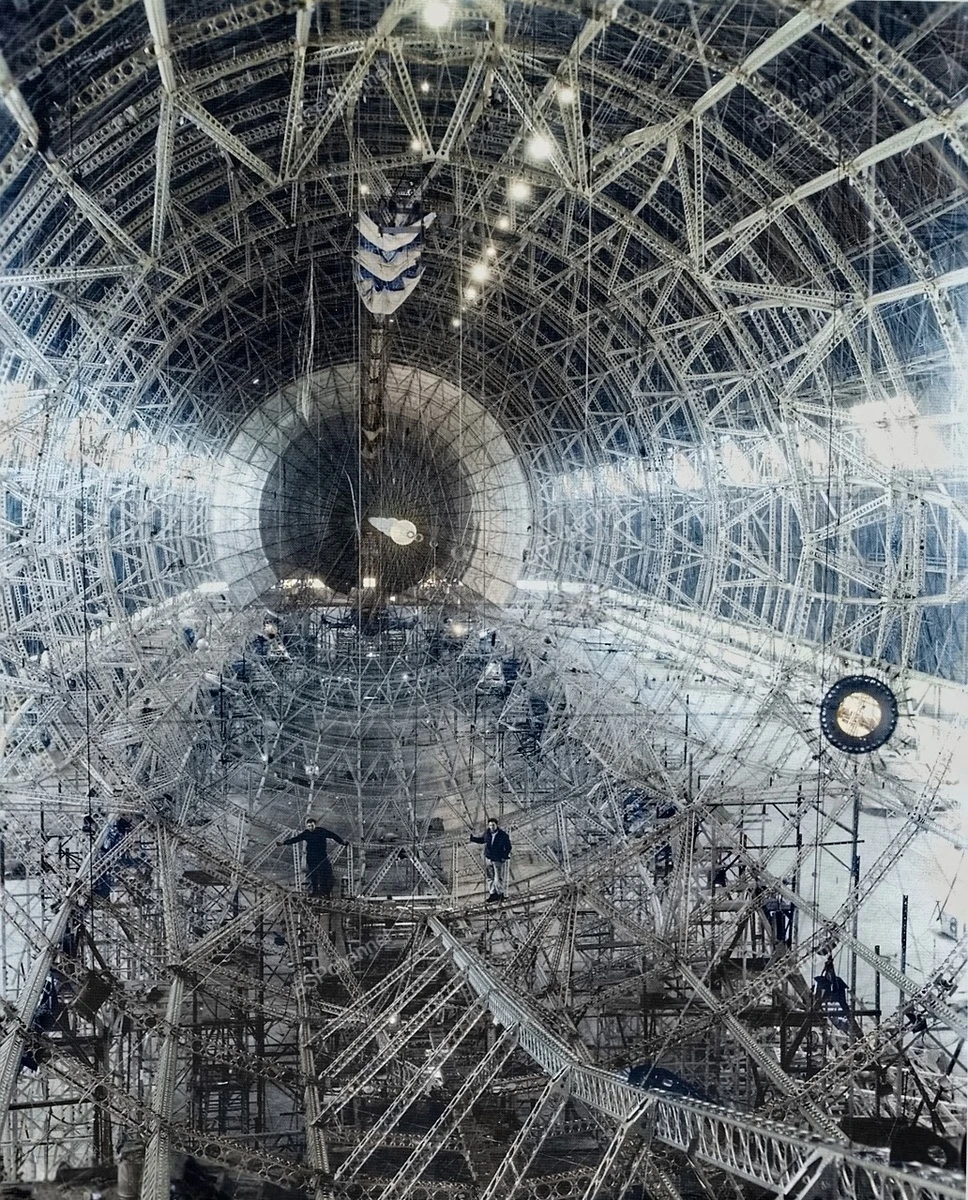
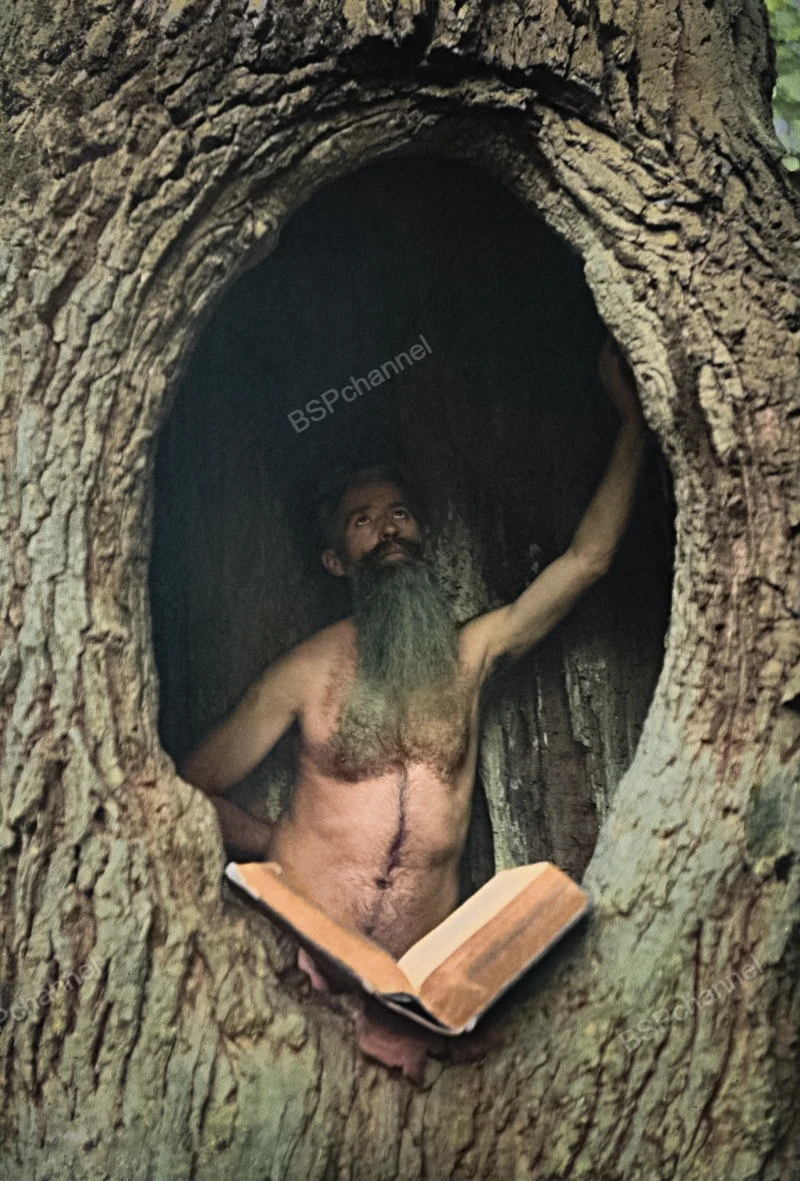
Naked Man in a Tree, circa 1900