There Are No Traumatologists in Space What happens when something breaks—not in the system, but in the human body (12 photos)
On May 20th, the entire world celebrates Traumatologist Day. Doctors in this specialty repair bones after accidents, sports injuries, and falls. But there's one place where helping a victim is nearly impossible: orbit, 400 kilometers above Earth. There's no X-ray, no operating room, and no traumatologist. We explain what happens to bones in zero gravity. And how the first-ever medical evacuation from the ISS went. 
Bone without gravity
Bone is living tissue. It restructures itself in response to stress: where the pressure is high, it compacts; where there is no stress, it dissolves. On Earth, gravity presses on the spine, hips, and shins every second. In zero gravity, this stress disappears. The bone begins to melt. 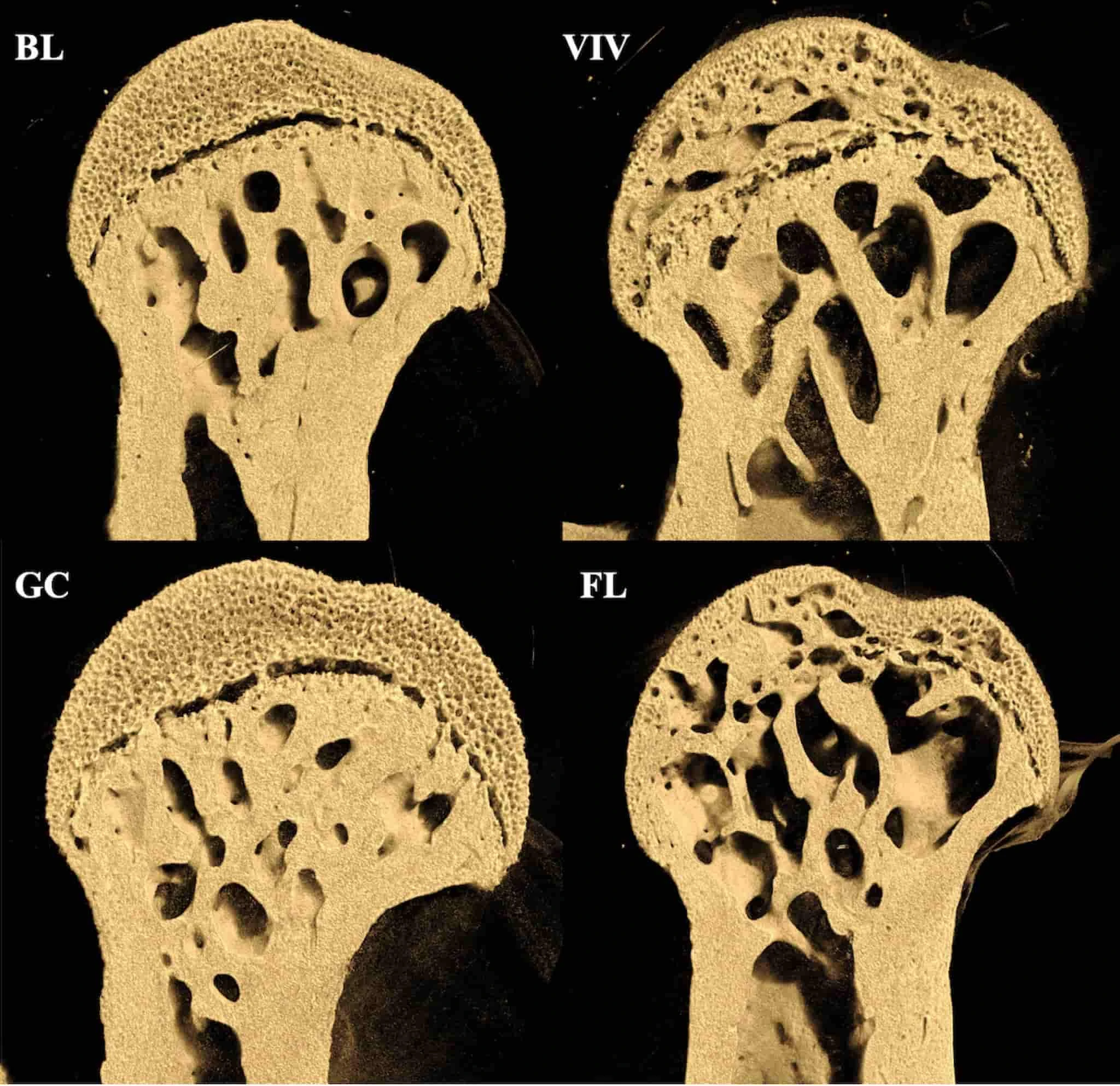
Femoral heads of mice after various conditions: 37 days on the ISS (FL), 1 day in orbit (BL), ground control (GC), and ground control with limited movement (VIV).
According to NASA, loaded bones lose between one and one and a half percent of their mineral density per month. By comparison, for patients with osteoporosis, this rate is about one percent per year. The spine and hip joints are most severely affected. These are the bones that bear the body's weight on Earth. The European Space Agency clarifies: the femur loses about one and a half percent of its mass monthly. In six months on the ISS, an astronaut loses approximately as much weight as an elderly person with osteoporosis would lose in seven to ten years. 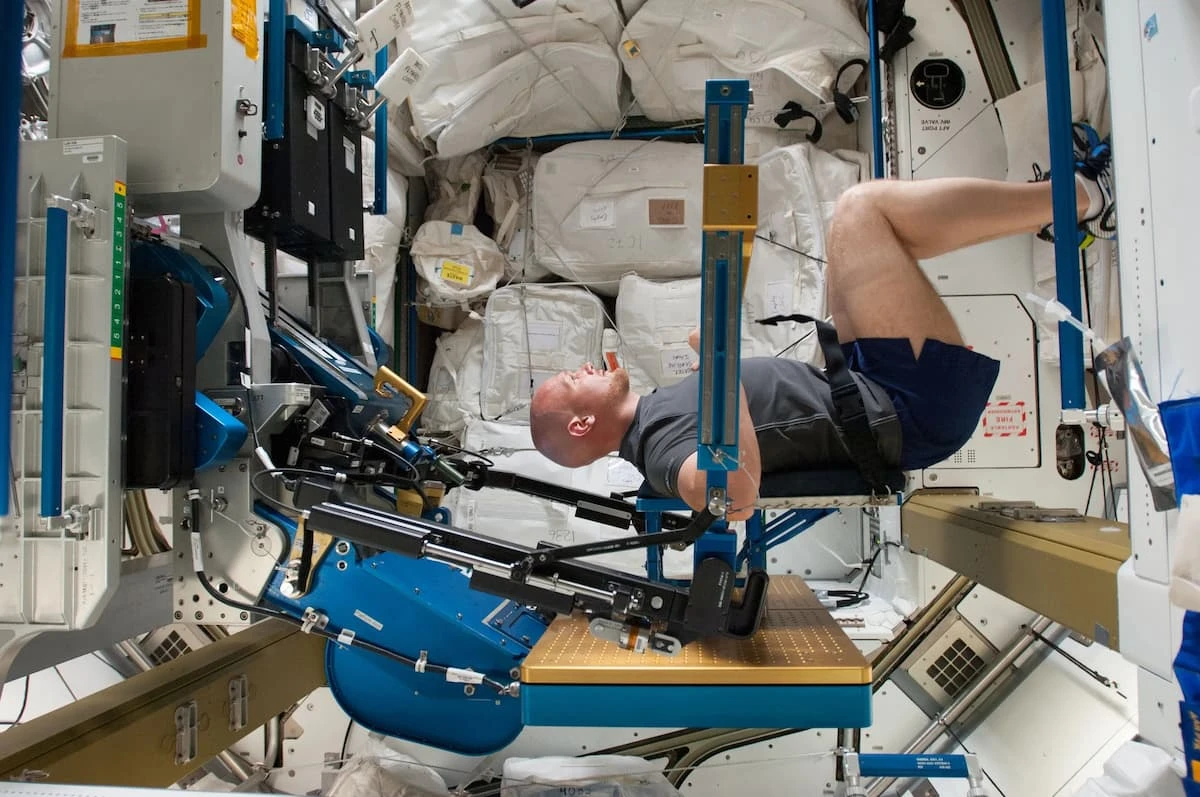
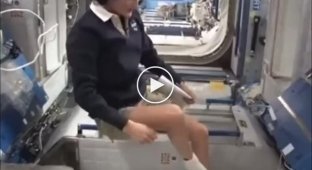
An astronaut on the ARED exercise machine on the ISS is one of the main tools in the fight against muscle and bone loss.
To slow this process, NASA requires the crew to exercise two hours a day. The station has a treadmill, a bicycle ergometer, and an ARED (Advanced Resistive Exercise Device) strength training machine. It uses vacuum cylinders and simulates weight lifting. Without training, the loss would be even greater. But even with it, only a third of astronauts regain their hip bone density to baseline levels a year after spaceflight.
What Breaks in Space
In the history of manned spaceflight, 219 musculoskeletal injuries have been recorded among American astronauts. This is according to a study from the Johnson Space Center archives, published in the journal Aviation, Space, and Environmental Medicine. The most common injuries are cuts and abrasions on the hands. The main causes are contact with the spacesuit during spacewalks and transfers between modules. 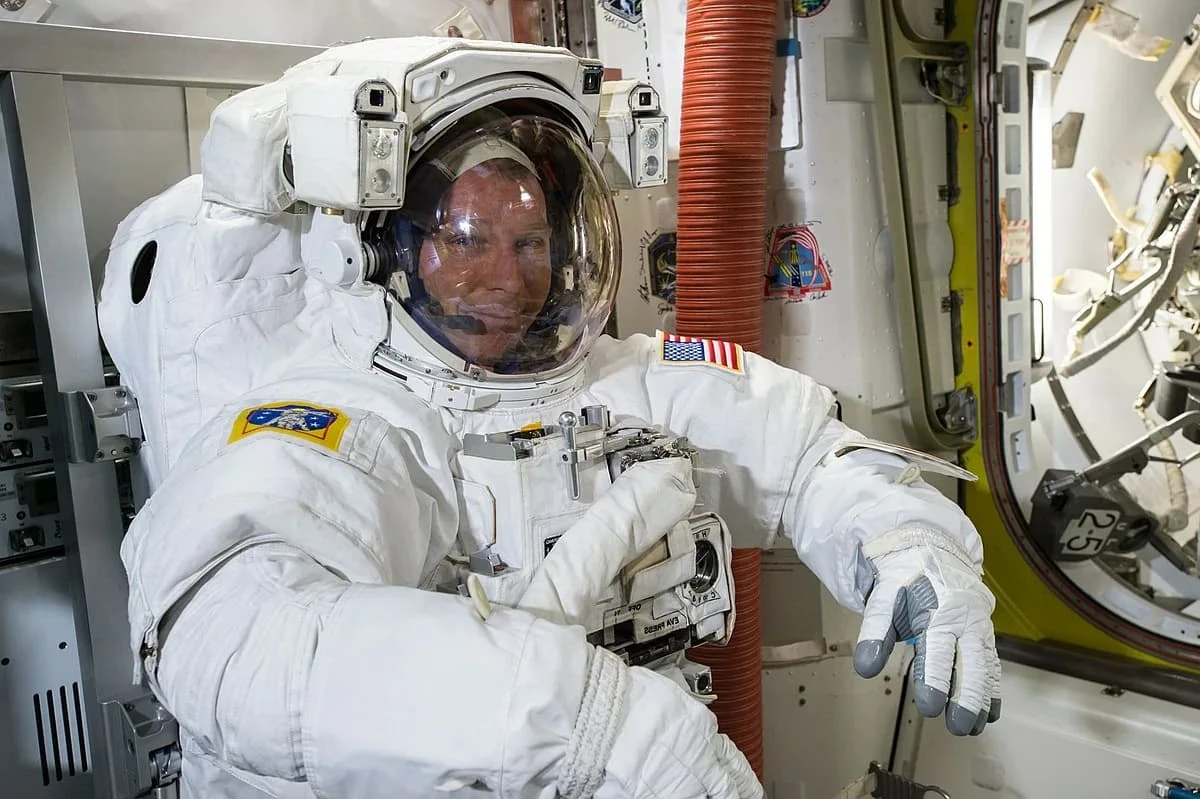
The spacesuit is rigid and heavy. Most injuries in orbit are abrasions and cuts it leaves on the hands.
There have never been any fractures in orbit. This is no accident. In space, you don't fall: there's no "up" or "down," no hitting the floor. Physical activity is limited. No one lifts heavy objects. However, returning to Earth is a risky proposition. Weakened bones encounter full gravity after months of weightlessness. This is when the risk of fracture is highest. 
Jerry Linenger in a respirator: the fire on the Mir station in 1997 was one of the most serious emergency situations in orbit.
There was an occasion when medical care in orbit was truly tested. In February 1997, a fire broke out on the Mir station after an oxygen cartridge in the Kvant-1 module detonated. American astronaut Jerry Linenger, a physician and space medicine specialist, examined all six crew members. There were no serious injuries. Linenger later recounted that the first oxygen mask he grabbed in the darkness of the smoke-filled compartment didn't work—he had to feel around for another one.
Who provides medical care in orbit
There is no full-time doctor on the ISS. One or two crew members undergo special training and receive the title of Crew Medical Officer (CMO). These are typically not professional medics. They are trained to apply stitches, administer IVs, give injections, and perform resuscitation. In emergency situations, the CMO works under the supervision of doctors on Earth. 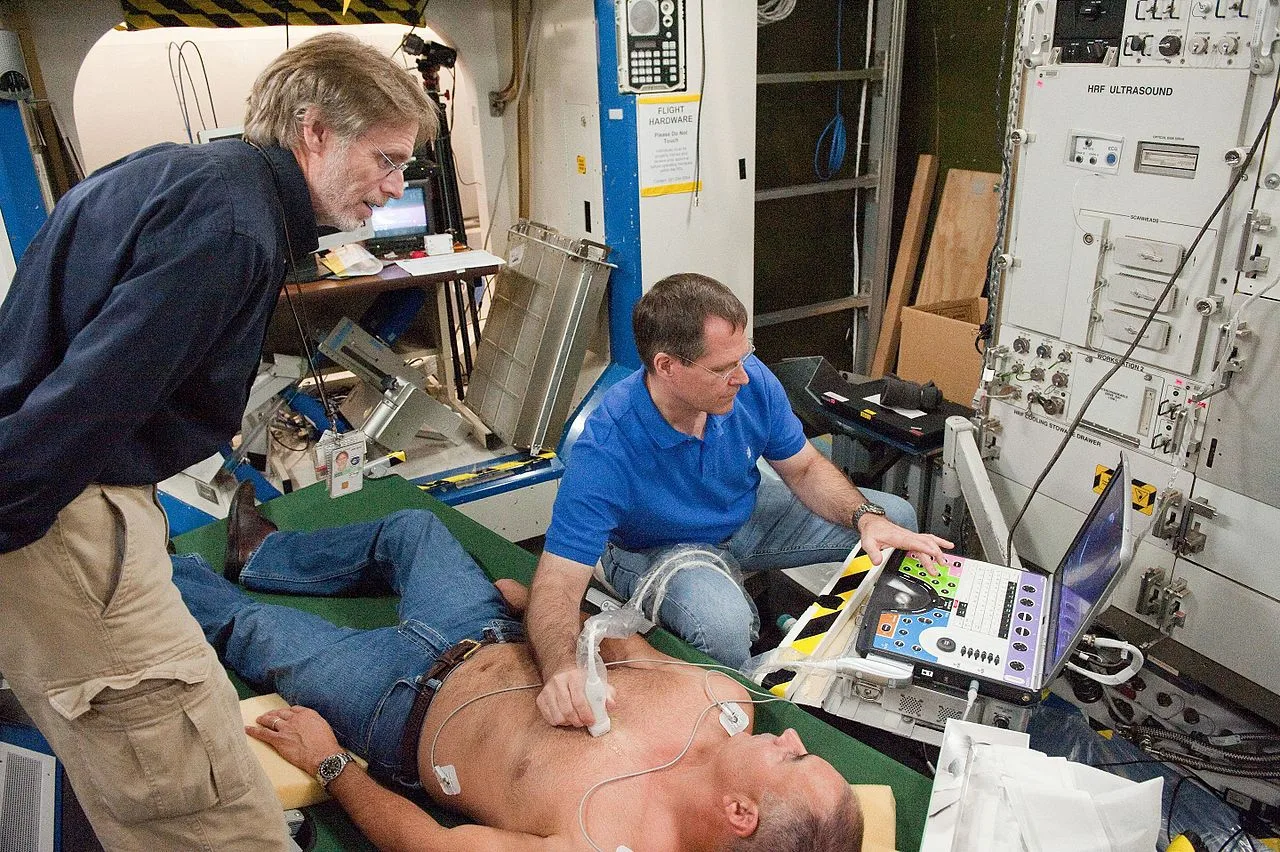
The ultrasound machine on the ISS is one of the main diagnostic tools. Every crew member is trained to operate it.
Communication with the ground medical center is organized using telemedicine. The flight officer describes the symptoms, conducts an ultrasound, and transmits the data. Doctors in Houston or Moscow provide a diagnosis and instructions. Interruptions do occur: during each orbit of the ISS, there are periods where communication is interrupted for up to 45 minutes. During these windows, the crew operates independently. 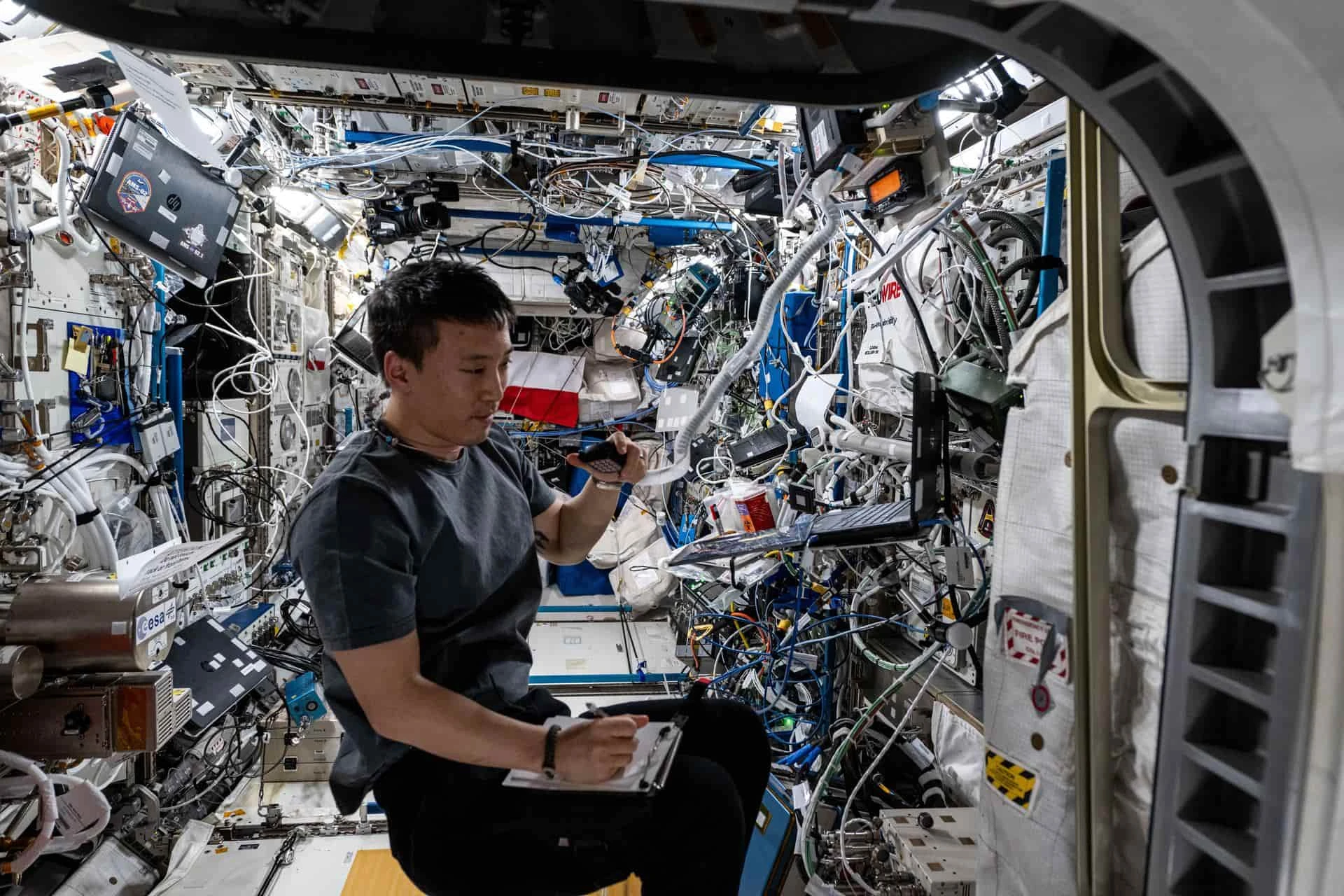
The CHeCS equipment on the ISS allows for diagnostics and resuscitation, but complex surgeries remain impossible.
The ISS has a defibrillator, ultrasound machine, and electrocardiograph. Additionally, it carries a blood pressure monitor, surgical kits, painkillers, antibiotics, an intubation system, and an eye wash kit. All of this is called CHeCS—the Crew Health Care System. Astronauts are even trained to extract teeth before a flight.
What to do with a fracture
Immobilization. The station has pneumatic splints and thermoplastic splints. Internal fixation—pins and plates—is impossible: there is no operating table or surgeon. In zero gravity, a malunion of a bone is more than just a painful nuisance. It threatens the ability to operate station systems and work in a spacesuit. 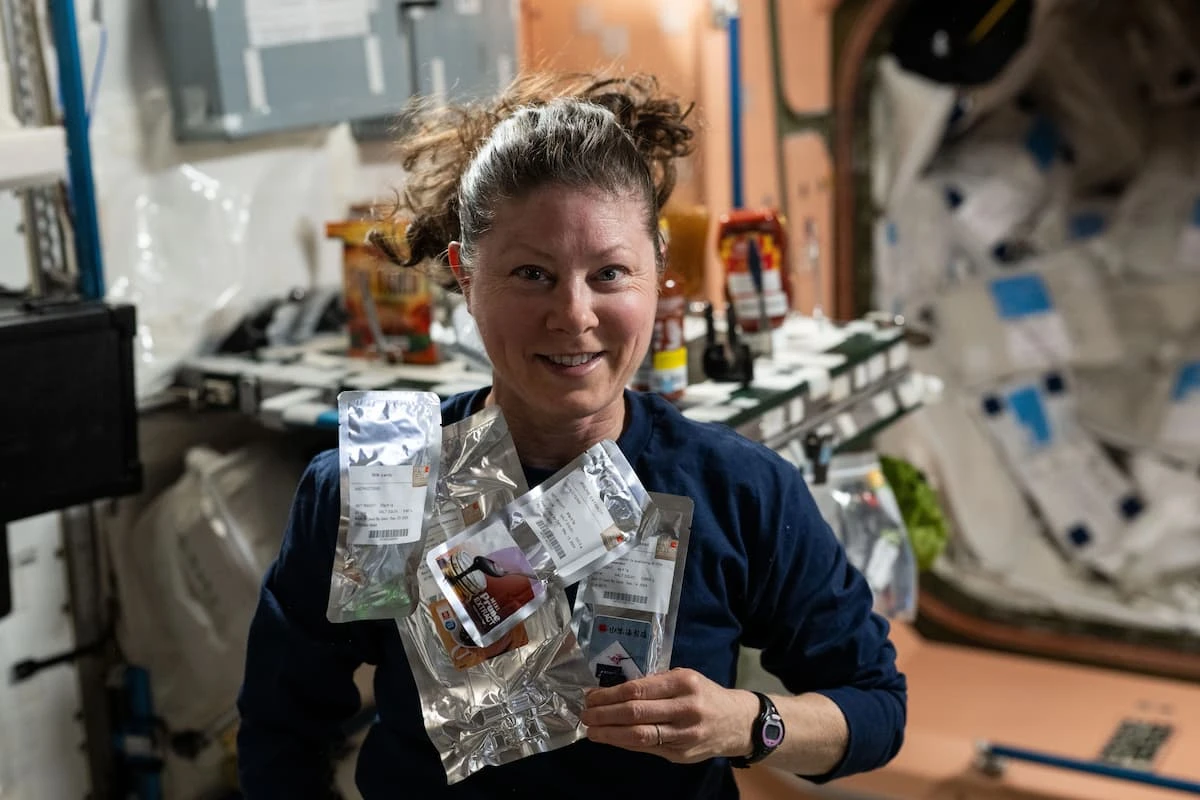
The ISS medical kit includes over a hundred items. But there is no, and will not be, a full-fledged operating room on board.
According to the Japan Aerospace Exploration Agency (JAXA), surgical kits on board have been virtually unused throughout the entire operation of the ISS. The most commonly used kit remains the eye wash kit. This speaks not to the safety of orbit, but to luck. And to the rigorous pre-flight selection process.
First Evacuation: Mike Fincke, January 2026
On January 7, 2026, astronaut Mike Fincke was sitting at dinner on the ISS. Suddenly, he lost his speech. For about twenty minutes, he couldn't utter a word. He wasn't in pain. But the crew instantly realized something serious was wrong. "Everyone rushed to help in a matter of seconds," Fincke later said. 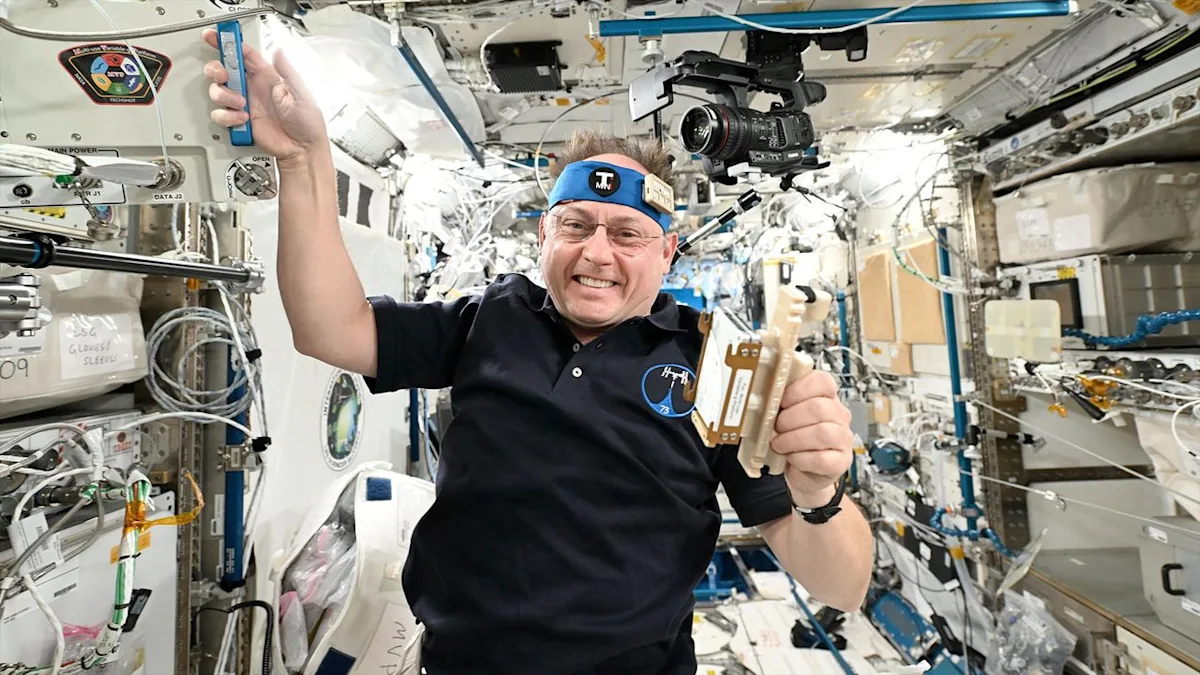
Mike Fincke is a NASA veteran who has logged a total of 549 days in space. The incident in January 2026 was his first medical crisis in orbit.
Onboard ultrasound helped assess his condition. Ground doctors stabilized the situation remotely. But diagnosing the situation without an MRI and CT scanner was impossible. On January 8, NASA canceled the planned spacewalk. The next day, agency administrator Jared Isaacman announced: "The ability to properly diagnose and treat this condition is not onboard the ISS."
All four members of Crew 11 returned early. In addition to Fincke, Zena Cardman, Japanese astronaut Kimiya Yui, and cosmonaut Oleg Platonov were on board. They undocked on January 14 and splashed down off the coast of California on January 15, 2026. This was the first medical evacuation in the 25-year existence of the ISS.
"Spaceflight is an incredible privilege. And sometimes it reminds us that we're only human." — Mike Fincke, February 2026 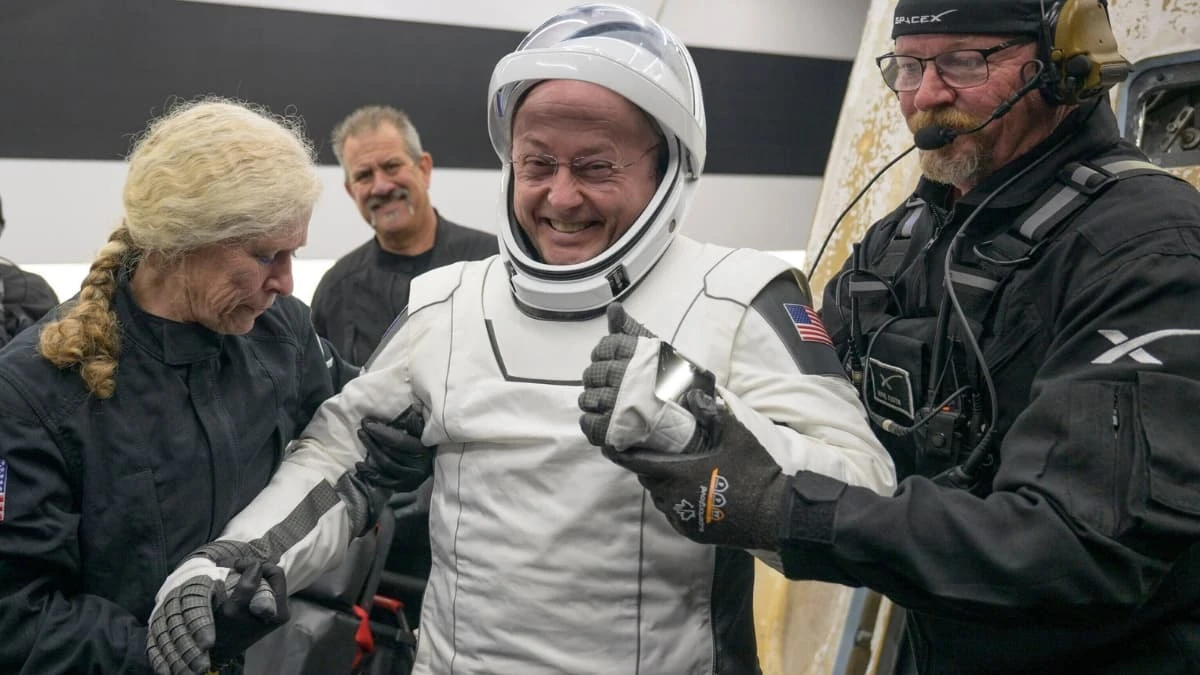
After the evacuation, Fincke was taken to Scripps Hospital in La Jolla. Doctors have not yet determined a diagnosis, but he is currently doing well.
Fincke was taken to Scripps Hospital in La Jolla. A few hours later, he was undergoing a CT scan. A diagnosis has not been established: according to the astronaut, doctors are still "scratching their heads." He feels well. Fincke called onboard ultrasound a key tool in this situation and said it should be included in the equipment of all future missions.
The emergency descent time on a Soyuz is between three and a half and six hours. On a Dragon, it's about eleven. The decision to evacuate is made by NASA management and the agency's chief medical officer. There is only one criterion: if treatment onboard is impossible, and delay creates a risk, go home.
Mars: When You Can't Go Home
This option is unavailable on Mars. The flight there takes about seven months, and the return trip takes the same. At their greatest separation, the signal from Earth to Mars takes twenty-four minutes each way. Almost an hour separates the question and the answer. Managing the operation in real time from Houston is impossible. 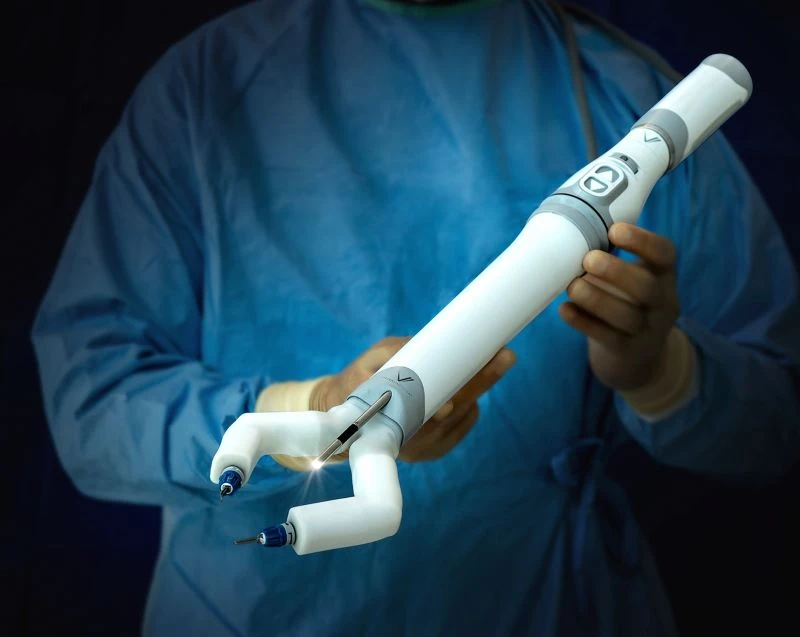
SpaceMIRA weighs about a kilogram. In February 2024, six surgeons from Earth took turns controlling it on the ISS—the signal lag was less than a second.
In February 2024, the SpaceMIRA robot (Miniaturized In Vivo Robotic Assistant) was tested on the ISS. It weighs about a kilogram. Six surgeons from different cities across the United States controlled it from Earth. The signal latency was approximately eighty-five hundredths of a second. Each surgeon successfully cut imitation tissue—rubber bands. This is the first-ever experiment with remote surgery in space. 
The flight to Mars will take approximately seven months. Communication with Earth will be delayed by up to 24 minutes. None of the current projects include doctors on board.
Autonomous medical protocols are being developed for Mars missions. Systems where an onboard officer operates according to an algorithm without communication with Earth. Robotic assistants take over some of the manipulations. Neural networks can already recognize pathologies in ultrasound images and suggest treatment plans. According to the authors of a review in the journal Nature Microgravity, the ideal solution for long-distance expeditions is an onboard surgeon. But then, one of the six crew members is not a scientist or engineer, but a doctor.
On May 20th, Traumatologist Day, it's worth remembering: on Earth, this specialty exists because we fall and break bones in gravity. In zero gravity, there were no fractures, but bones deteriorate slowly and imperceptibly. And when something goes wrong—as with Mike Fincke in January 2026—the line between an "emergency situation" and the "first evacuation in history" is drawn over a single dinner in orbit.
What do you think: is a professional surgeon needed on a Mars expedition crew, or would a trained amateur with a good robot be sufficient?