8 Historical Facts That Are Hard to Believe, But They're Real (9 photos)
We're used to perceiving history as a series of dates, dry textbook paragraphs, and portraits of rulers. But the past is also an endless stream of amazing stories, incredible coincidences, and breathtaking actions. 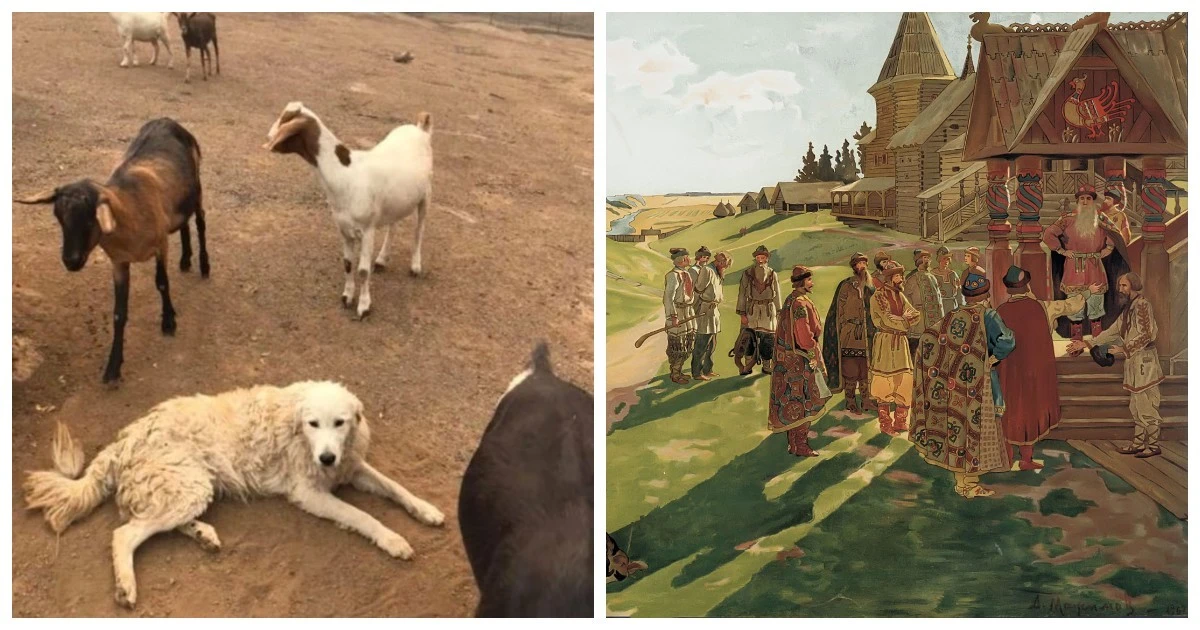
What do a president who delivered a ninety-minute speech with a bullet in his chest have in common with a frog that hears through its lungs? What's the connection between a prince's camp and a cemetery in a small village? And why did the story of a dog named Odin travel around the world? Here is a collection of facts that will make you look at history in a new way—a living, paradoxical, and incredibly fascinating place.
1. Older than Trees 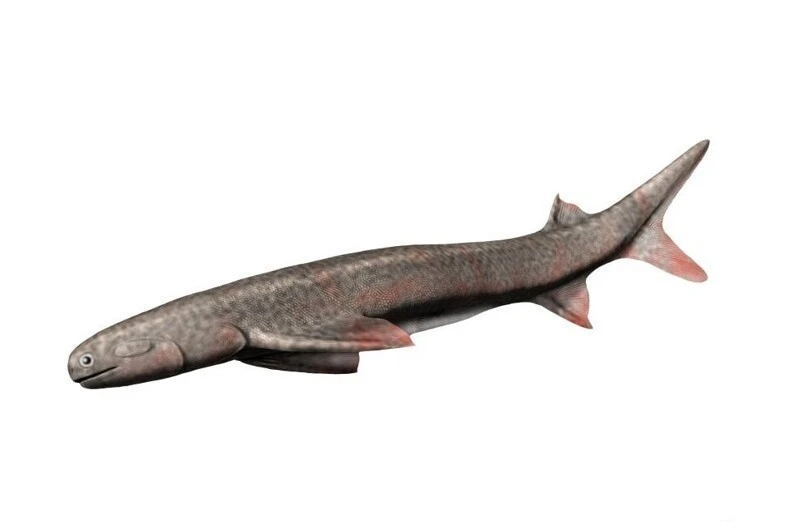
Sharks appeared before trees. Their predecessors, the acanthodians or spiny-toothed sharks, appeared about 400 million years ago, while trees appeared only about 350 million years ago.
2. Delayed Sensations 
The human brain processes sensory information in about a tenth of a second. This means that the very moment of the present we experience is actually a slightly delayed reconstruction created by the brain.
3. Gastronomic Deception 
White chocolate is not real chocolate. It does not contain cocoa beans, which give chocolate its characteristic flavor and color. The delicacy is made from cocoa butter, milk, and sugar.
4. Living Goddesses 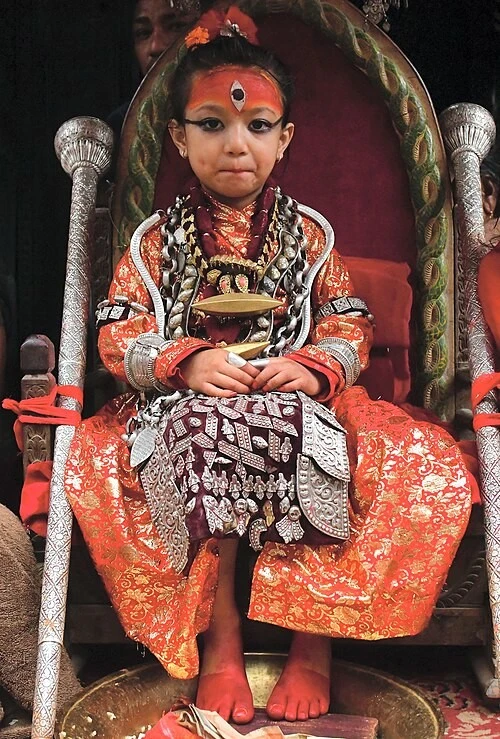
Kumari in Nepal are young girls who, before reaching puberty, are revered as living goddesses. The girl elected Patan's kumari (the most important after the royal) in 1953 never began menstruating, and she served until 1984, when she was replaced against her will.
5. The Unobvious Path of Evolution 
Frogs don't have auricles, but in most species, this role is performed by rounded eardrums located directly behind the eyes. However, evolution has made adjustments. Many frogs have completely lost both the eardrums and the middle ear cavity. With such an anatomy, one would think they would be deaf to the mating serenades of their relatives, but this is not the case. Nature has found a workaround. In these earless amphibians, the lungs or mouth act as resonators, allowing them to hear vital sounds.
6. Selfless Odin 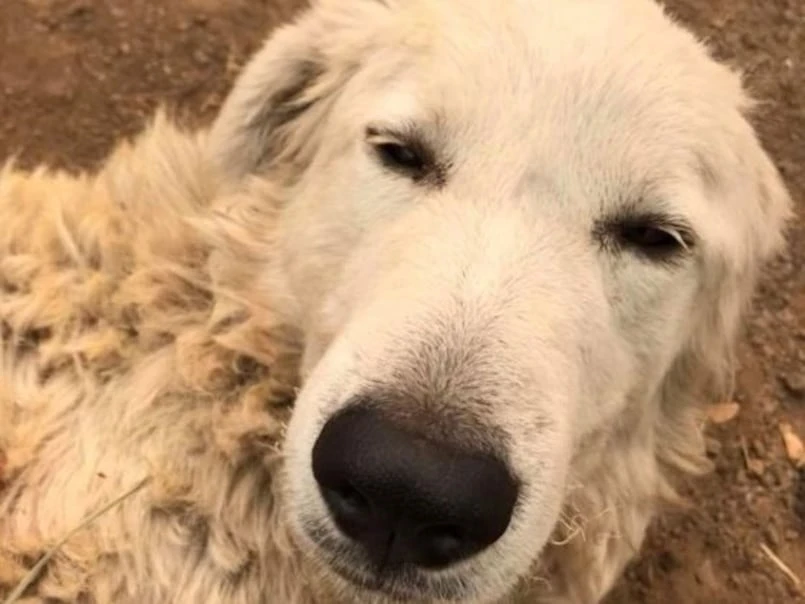
Odin's story is one of the most touching to emerge from the devastating California wildfires of October 2017.
Roland Hendel and his 14-year-old daughter were forced to evacuate as the fire rapidly approached their Santa Rosa home. They had only minutes to escape. They managed to load three other dogs and cats into the car, but Odin, a Great Pyrenees, was on night duty guarding the eight goats the family bottle-fed.
"At night, Odin would never leave the goats. When I approached, he sat down in front of them, and I recognized that look in his eyes. He wouldn't move," Hendel said in an interview. He simply didn't have time to load the goats into the trailer, so he made the difficult decision to open the pens to give the animals a chance and leave.
Hendel was certain he was condemning his dog and goats to a painful death, and he wept as he thought about them. However, when he returned a few days later to the ashes where his house and all its buildings had been completely destroyed, he was met by eight living goats, and behind them, Odin, limping with scorched paws and fur, appeared.
As it turned out later, Odin not only saved the goats but also gave refuge to several wild fawns, who huddled around him for protection. According to his owner, the dog led all the animals to a rocky ledge, where they were able to wait out the fire.
7. The Iron Orator 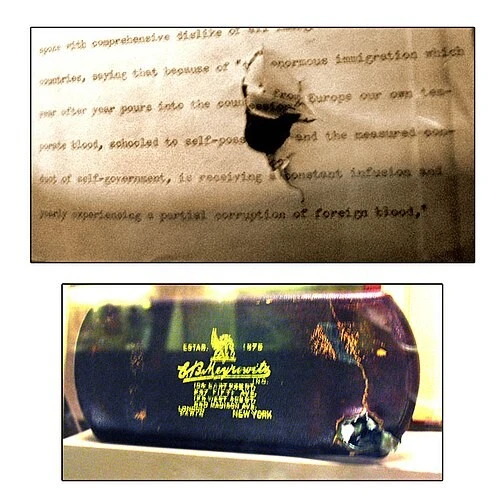
It was 1912, and former US President Theodore Roosevelt was running for a third term. On the evening of October 14, he arrived in Milwaukee, where a crowd of supporters was already waiting. As Roosevelt was getting into an open car to drive to the speech, a man jumped out of the crowd and shot him in the chest from a few steps away.
The bullet could have been fatal, but fate decreed otherwise. A folded, thick sheet of paper containing the speech (50 pages!) and a steel eyeglass case absorbed the impact, slowing the bullet. But it still entered the body and lodged in the chest muscle, narrowly missing the lung.
The crowd was ready to tear the gunman to pieces, but Roosevelt ordered him released and brought to him. Assessing the situation (his hunting experience told him that if there was no coughing up blood, the lung was intact), he declared to his stunned aides, "I'll go to the hall and speak." And off he went.
Stepping onto the stage before thousands of people, he began not with a political platform, but with a sensational confession: "Friends, I demand of you that you remain calm. I've just been shot. But killing a moose isn't so easy." Roosevelt spoke for nearly an hour and a half, bleeding profusely and clutching his lapel. His speech went down in history as an example of incredible courage and fortitude.
Doctors later decided not to remove the bullet, as surgery was more dangerous than leaving it in. So the steel shard remained with Teddy until his death in 1919.
8. The Evolution of One Word: From Princely Camp to Final Resting Place 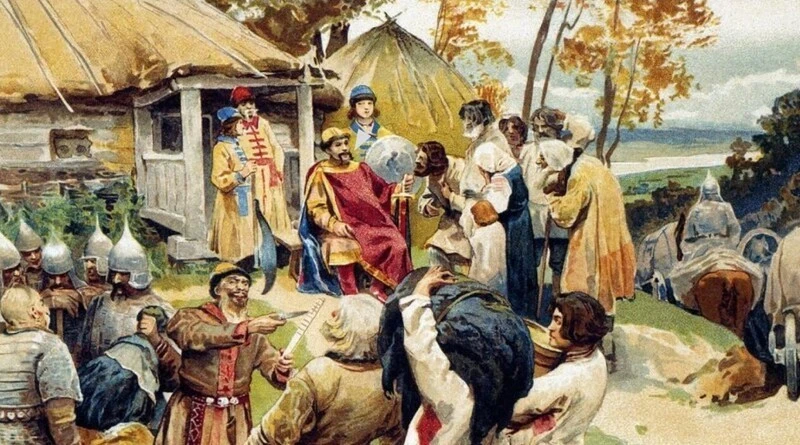
Today, the word "pogost" has firmly established its cemetery meaning, but the term's history has been long and winding. It all began back in the days when princes and their retinues would travel to collect tribute.
The word comes from the ancient verb "pogostiti," meaning to visit, to stop somewhere. Initially, a pogost was the temporary residence of a prince and his men while touring their subject lands. Here they spent the night, ate, judged, and counted the collected goods. The name then spread to the settlements themselves, where the prince stayed, the rural administrative centers.
And then something happened that always happens with language: life changed, and so did the word. With the advent of Christianity, churches began to be built in such settlements. The dead were buried around them, and gradually the pogost acquired a new meaning: a village with a church and a cemetery attached to it.
By the 18th century, this process was complete. The previous meanings faded, and the word finally became associated with a rural cemetery with a church, surviving in this capacity to this day.