Gotland Scars: What Did the Vikings Really Sharpen on Stones? (6 photos)
In the middle of the Baltic Sea lies the Swedish island of Gotland. It's a veritable sanctuary of stone anomalies. Thousands of boulders here are carved with strange grooves. 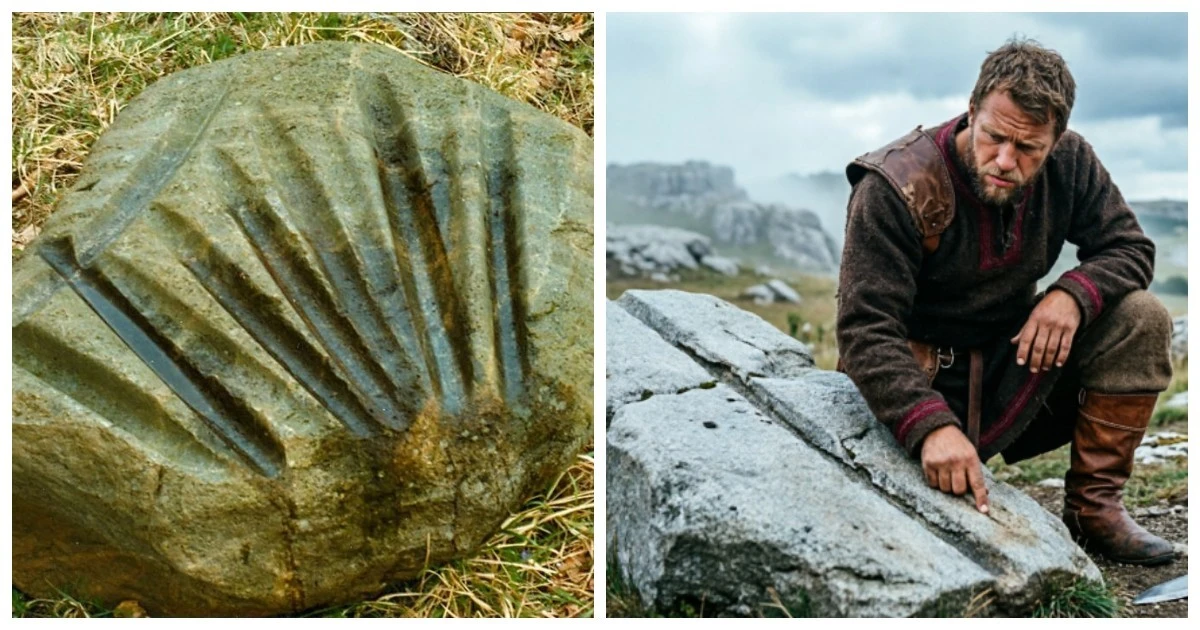
They don't stand alone, but rather cluster in "flocks": parallel grooves of varying lengths, widths, and depths are cut into the smooth, solid surface. 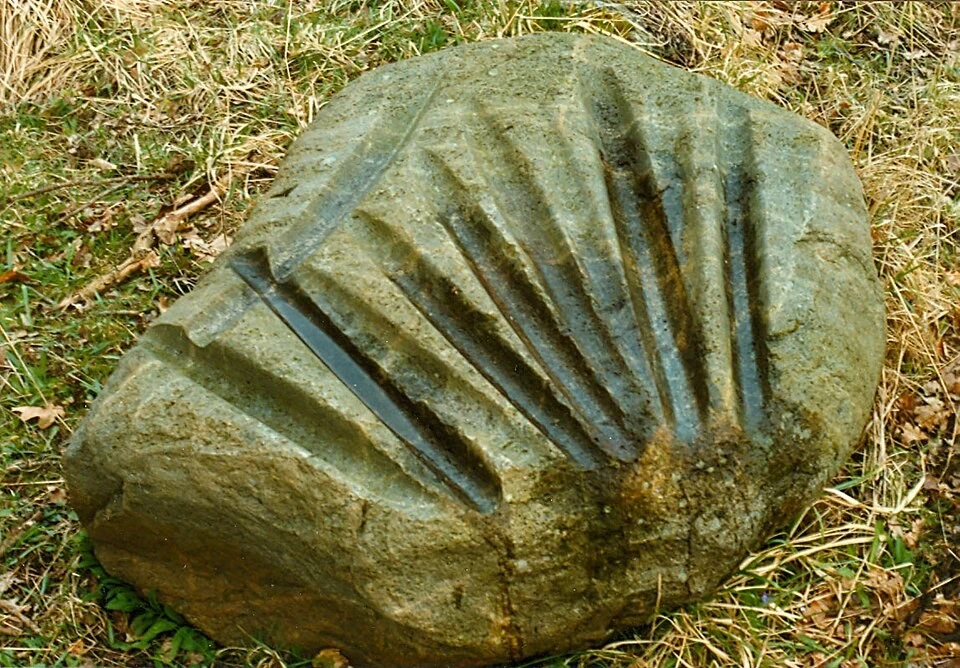
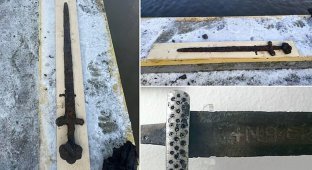
At first glance, it seems as if blades—axes or swords—were sharpened here. This was precisely the conclusion reached in the mid-19th century, when the grooves first became a serious topic. They were dubbed "whetstones." But it quickly became clear that the shape and size of the grooves were unsuitable for sharpening weapons. Swords from the Stone Age, much less those from the Viking and Medieval eras, simply wouldn't fit into these narrow grooves. 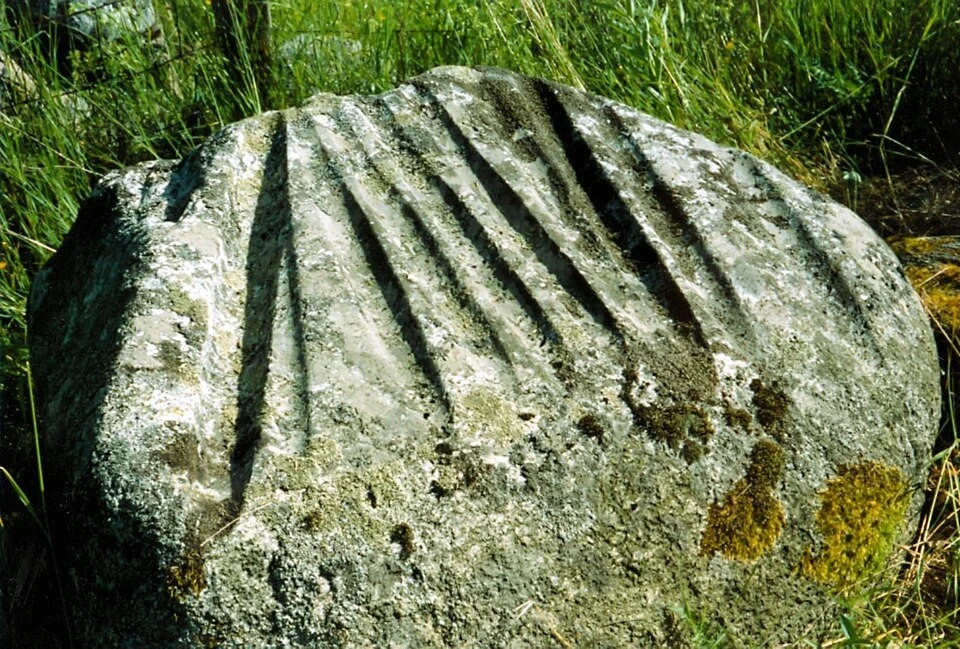
And here the second mystery arises. It's the lack of evidence. Archaeologists have found no stone axe fragments or traces of whetstone debris around these stones. Even the sites that medieval chronicles refer to as sword sharpening workshops are empty. 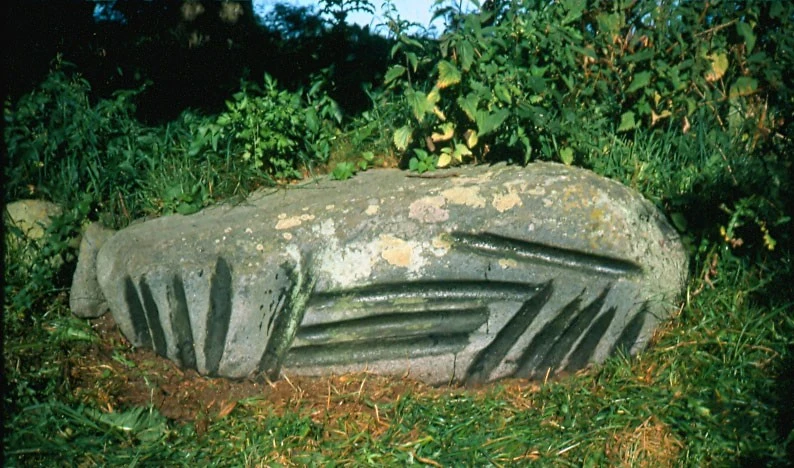
However, Gotland is not alone. Similar traces have been discovered in Norway, Finland, France, Luxembourg, England, and even Australia and India. In France, for example, they date to the Neolithic and are called polissoirs (grinding stones). They were left by the same culture that built dolmens (stone tombs) and erected menhirs (standing stones). But nowhere in the world is there such a monstrous concentration as on Gotland. The grooves are carved into bedrock, limestone outcrops, and isolated boulders all over the island. 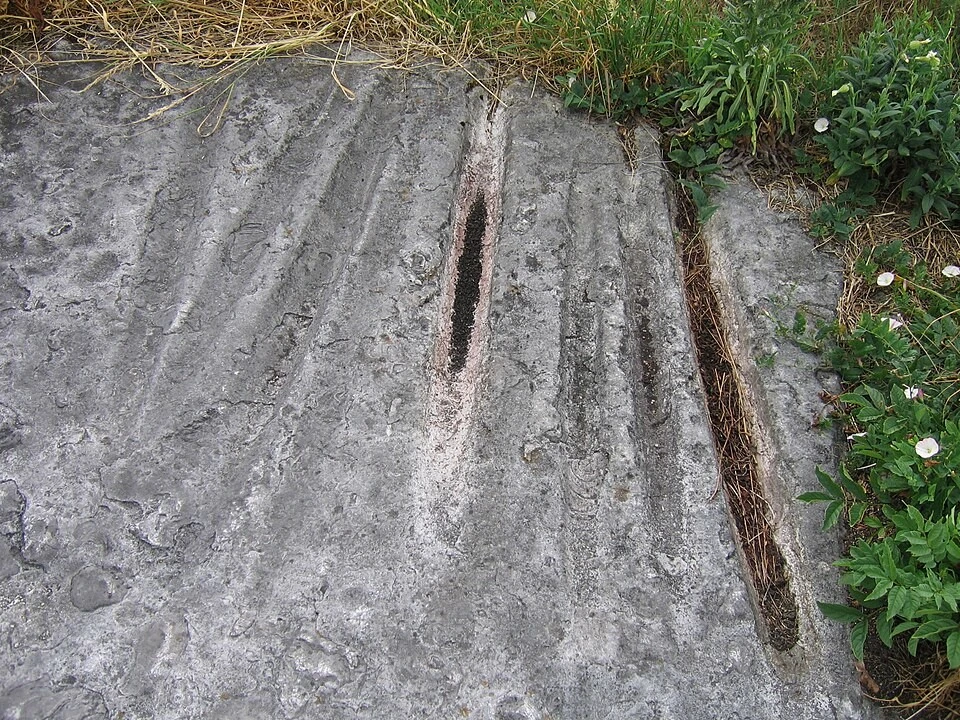
And here's where astronomers come in. After Gerald Hawkins proposed Stonehenge's astronomical function, scholars began searching for a connection to the celestial bodies in all manner of obscure ancient artifacts. The Gotlandic grooves are no exception. Many of them are indeed aligned with the Sun or the Moon. The only question is: was this a lunar calendar, or did the ancient master simply want to avoid the sun while working? The debate continues. 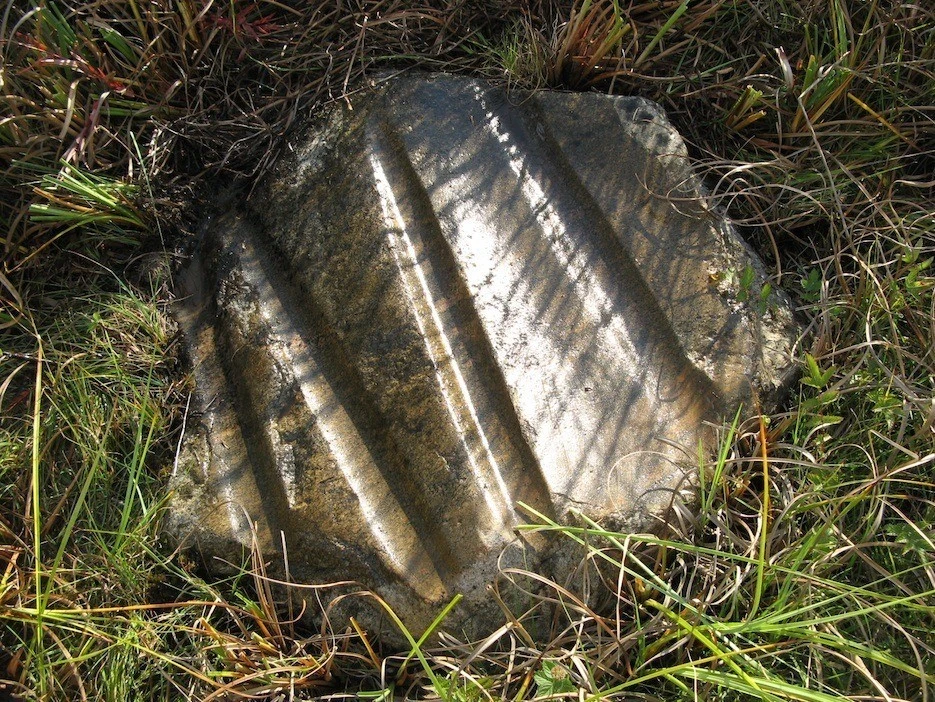
To date, more than 3,600 grindstone grooves have been discovered on Gotland. About 700 of them are in monolithic limestone, the rest are on 800 individual stone blocks.