Stellantis has developed an ingenious method for accelerating the charging of electric vehicle batteries and increasing their range (2 photos)
New technology for electric vehicles
Despite the active development of electric vehicle technologies by Chinese manufacturers, European auto giants are also not standing still. The Stellantis concern, together with Saft, which belongs to the energy giant TotalEnergies, presented a promising development.
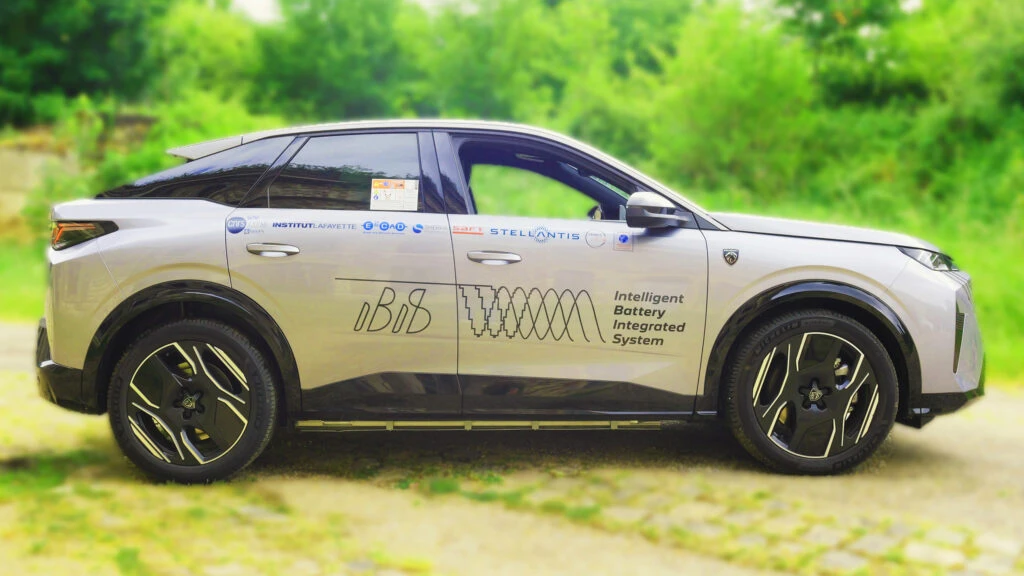
The prototype, created on the basis of the Peugeot E-3008, is equipped with a new type of battery developed within the framework of the IBIS initiative. The main feature is the integration of the inverter and charger directly into the battery pack. The system supports both alternating and direct current charging, and also powers the 12-volt architecture of the car and auxiliary systems.
Improved Performance
The claimed benefits of the new technology are significant:
Charging time is reduced by up to 15%. For example, a full charge at a standard 7 kW station now takes about 6 hours instead of 7. 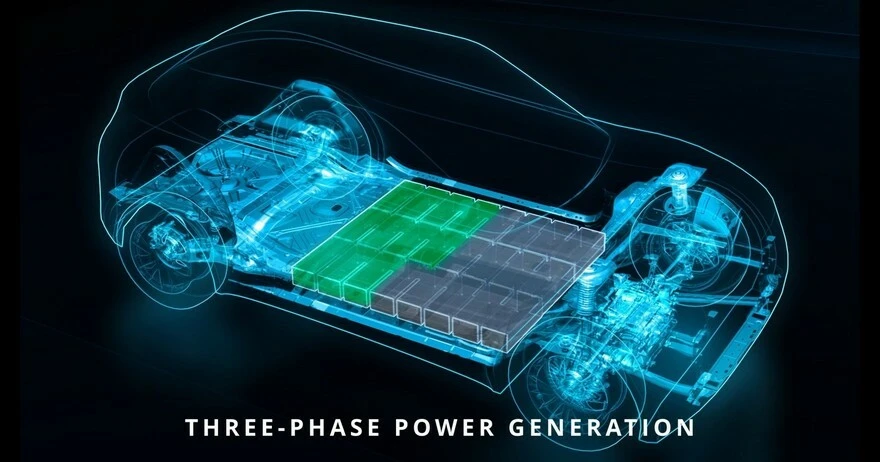
Testing Stage
Currently, the technology is in the early stages of development. IBIS trials are gradually expanding to include road tests. If the work continues successfully, the system could appear in production cars by the end of this decade.
Chief Engineer and CTO Ned Curic explains: “This project reflects our belief that simplification is innovation. By rethinking and simplifying the architecture of the electric drive, we are making it lighter, more efficient and more cost-effective. It is these innovations that help us offer customers better and more affordable electric vehicles.”
This development demonstrates how traditional automakers are adapting to the challenges of the electric vehicle market. Integrating key components into the battery not only improves technical characteristics, but can also significantly affect the cost of production. Such technologies could become a key factor in competing with Chinese manufacturers, especially in the segment of affordable electric vehicles for the mass consumer.