Interesting moments on the set of cult and popular 20th-century films (21 photos)
The director's hard work, the virtuoso work of the cameramen, the painstaking daily feat of the makeup and costume designers—all this can rightfully be called true magic. It is from behind the scenes of this invisible miracle that captivating films, beloved by millions, are born. 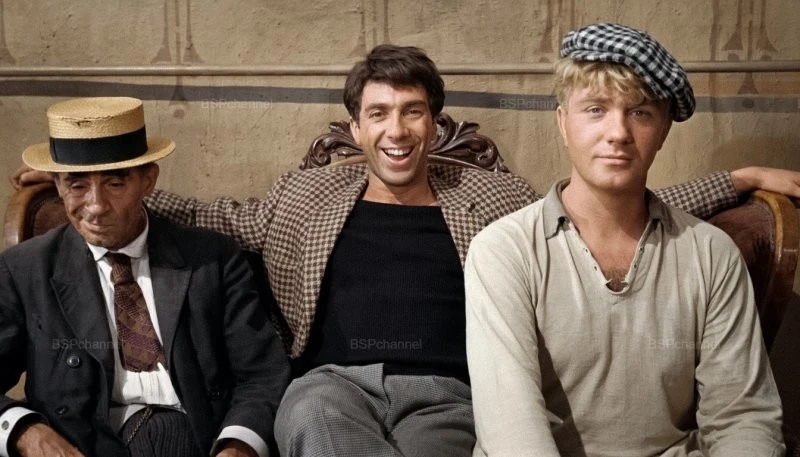
Vysotsky's screen test for the role of Captain Stepan in Tarkovsky's "Andrei Rublev" (played by N. Grabbe), 1965. 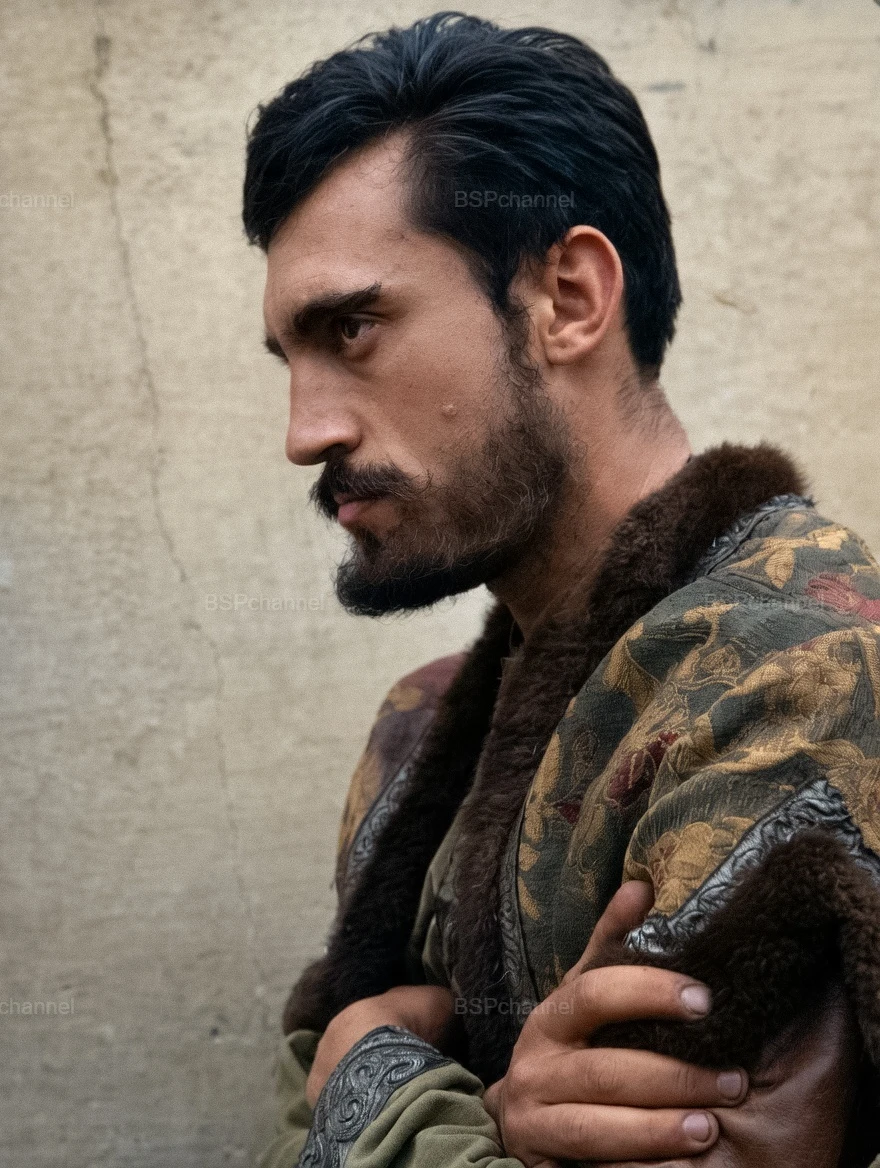
Vladimir Vysotsky's career includes dozens of rejected acting auditions, but hundreds of poems and songs that the country knows by heart. He was incredibly passionate, obsessive, and eager to make it into big-time cinema, but the doors of Mosfilm were often closed to him. The studio's archives contain photographs of a 1965 screen test, in which a young Vysotsky attempts to become Stepan, a character in Andrei Tarkovsky's future film Andrei Rublev. A role he never got. The mystic and fatalist Tarkovsky was ultimately ready to cast Vysotsky in his film. But then opinions diverge. The first theory: the party bosses at Goskino banned the audition, despite the actor's audition having received the artistic council's approval. The second theory: Vysotsky went on a prolonged drinking binge, and the pedantic director, who valued discipline above all else, forever refused to collaborate with the disgraced poet. Stepan was played by Nikolai Grabbe. Whether out of spite or principle, Tarkovsky truly never invited Vysotsky to audition again. Although he had previously auditioned Vladimir Semyonovich for the role of Kholin in "Ivan's Childhood," the choice then fell on Zubkov.
Alain Delon on the set of "Zorro" in Spain, 1974. 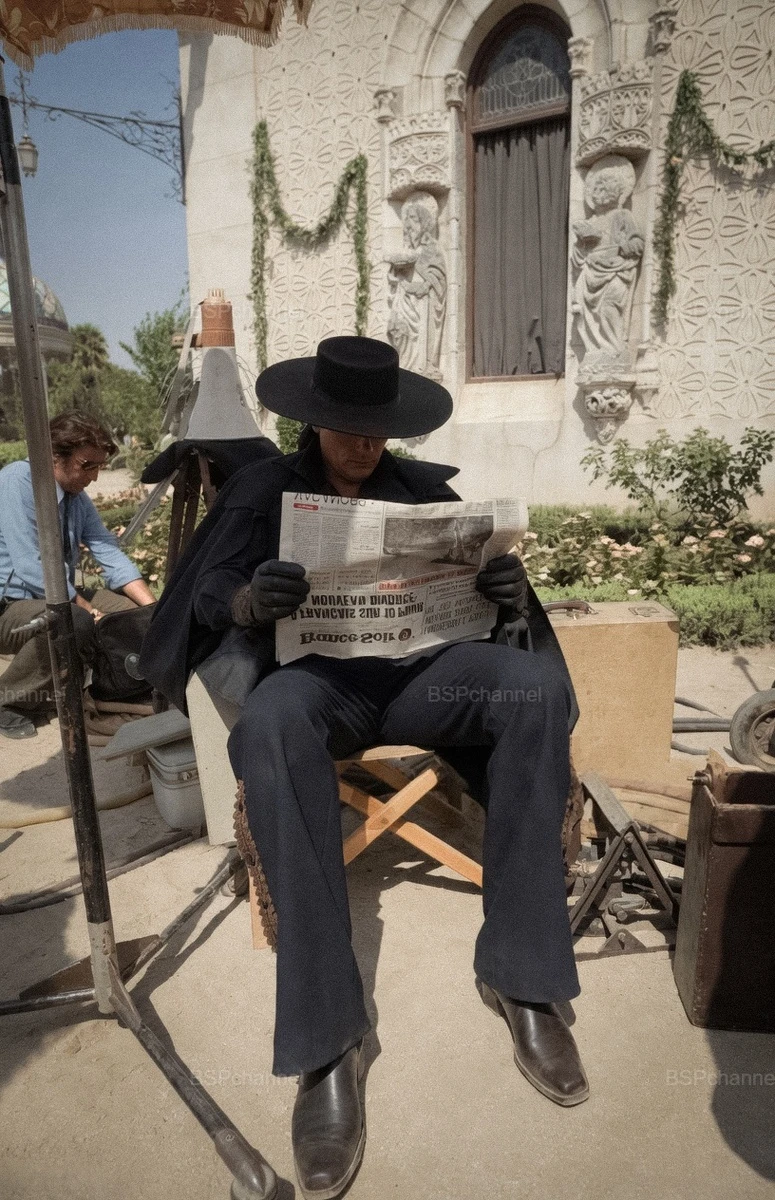
Photographer: Jean-Pierre Bonnotte
Alain Delon is perhaps the only world-class actor who agreed to star in the film that made him even more famous only at the insistence of... his own child. It all began when ten-year-old Anthony Delon saw an old film of "The Mark of Zorro" on television and accidentally discovered that his father had been offered a role in the new version. At first, Monsieur Delon categorically refused the offer from Italian director Duccio Tessari. Of course, he'd already swung a sword to the point of exhaustion in "The Black Tulip" (1964), where he masterfully played two roles: a noble count who fights the monarchy and his twin brother Julien, a roguish "Robin Hood" with a penchant for beautiful women. But the next day, Anthony gave his father such a stormy scene that he had no choice but to surrender. Delon Sr. donned a black mask, threw on a cloak, put on his hat, drew his sword, and mounted his black horse. On March 6, 1975, Alain Delon's Zorro, one of the best action adventure films ever made, was released. It was a truly stunning success.
Viktor Tsoi and Pyotr Mamonov on the set of Rashid Nugmanov's film "Needle," Alma-Ata, 1987. 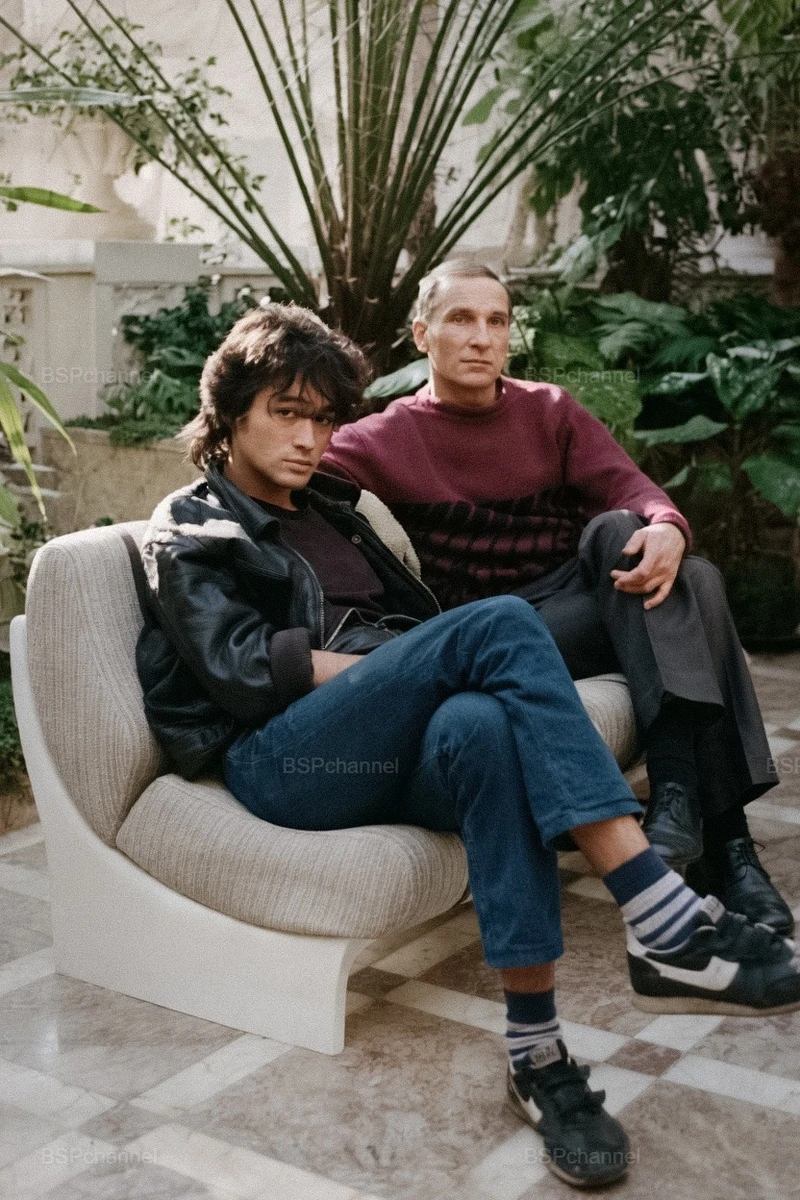
On September 16, 1988, a film destined to become a cult classic was released in Soviet cinemas. We're talking about "Needle," the debut feature of director Rashid Nugmanov. The film's success was astounding: nearly 15 million viewers watched it, and its lead role, Viktor Tsoi, the frontman of the band Kino, was named best actor by the prestigious magazine "Soviet Screen" at the end of the year. For the rock musician, making his debut in big-screen cinema, it was a true triumph.
Polish actress Pola Raksa on the set of "Chasing Adam," 1970. 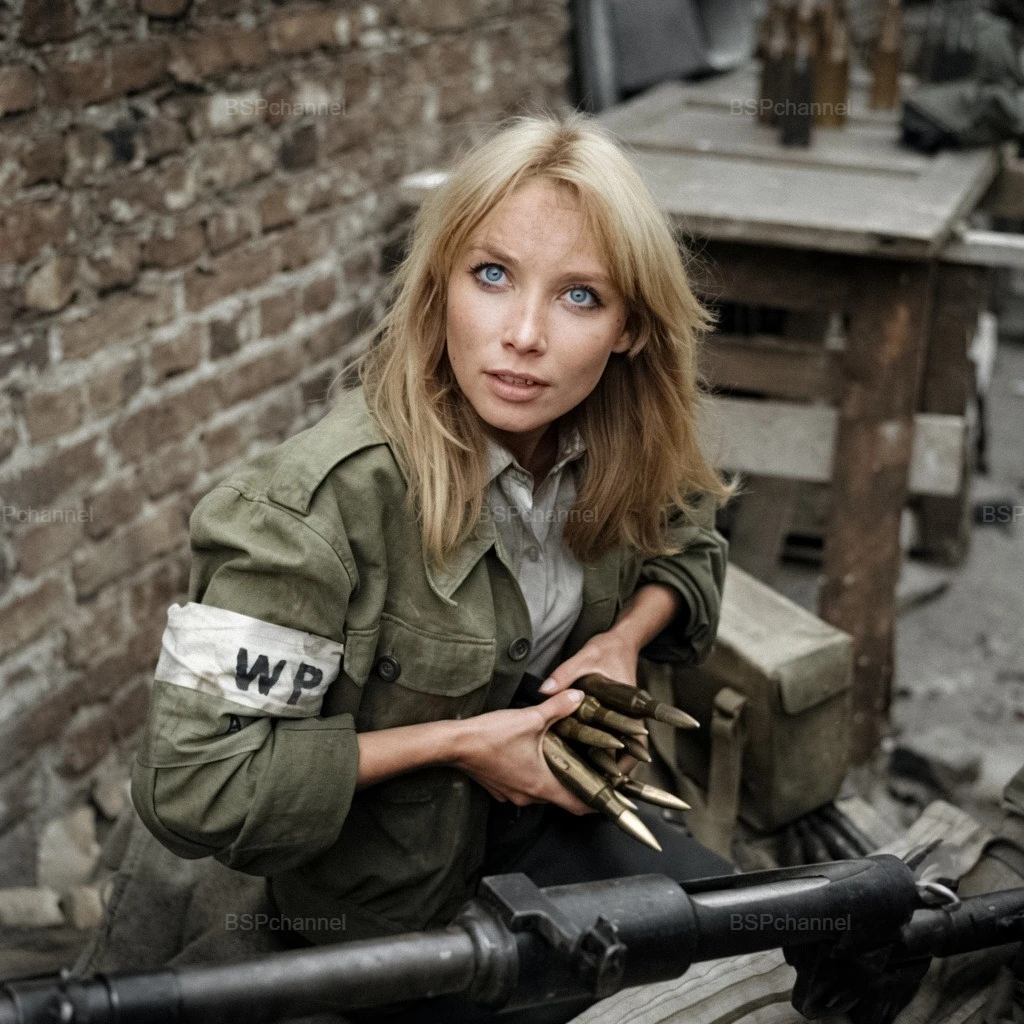
During the Soviet era, Polish cinema enjoyed immense popularity in our country. Domestic audiences warmly embraced not only the films but also the Polish actresses themselves, who, while starring in Soviet films, invariably won the love and acclaim of millions. The release of the television series "Four Tankmen and a Dog" caused a real sensation—it was then that audiences across the country first remembered and fell in love with Pola Raksa's portrayal of nurse Marusya. The actress's success became even more resounding after the melodrama "Zosya." The pinnacle of her popularity came in 1967: according to the magazine "Soviet Screen," Pola Raksa was named the best actress of the year. And this despite the fact that she beat out such acclaimed stars of Soviet cinema as Natalya Varley, Tatyana Doronina, and Galina Polskikh.
Still from the film "The Golden Calf" (directed by Mikhail Shveitser). Leonid Kuravlyov as Shura Balaganov, Sergei Yursky as Ostap Bender, and Zinovy Gerdt as Panikovsky (left to right), 1968. 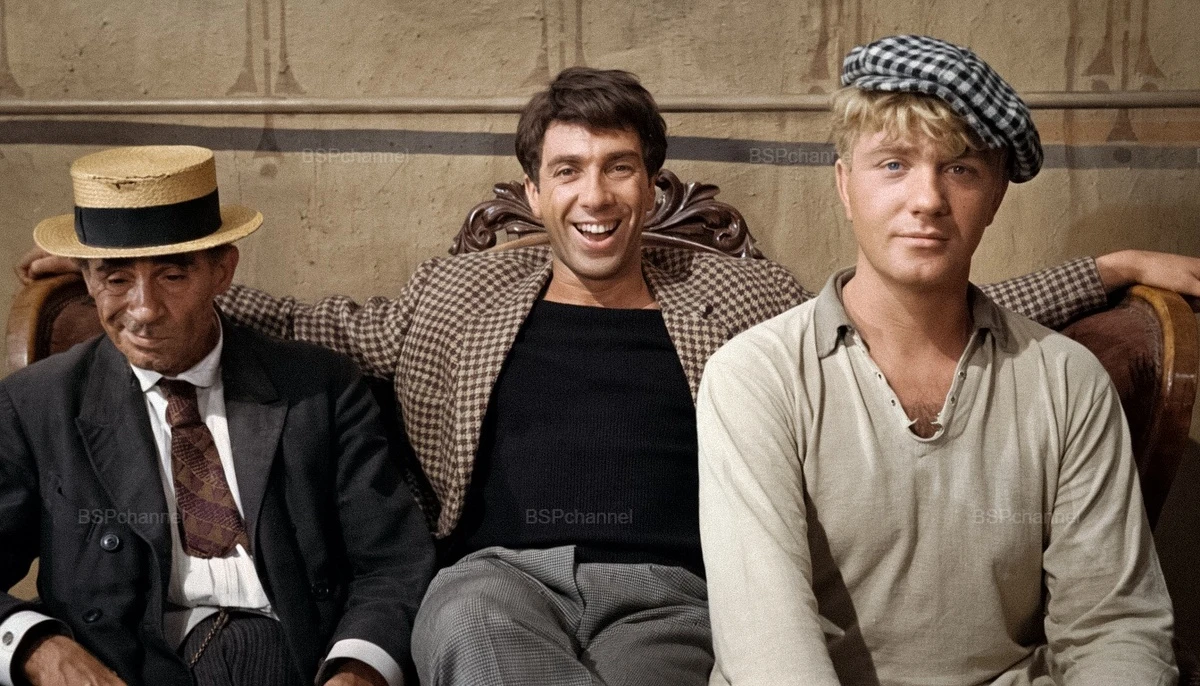
In 1968, the first film adaptation of Ilf and Petrov's immortal novel, "The Golden Calf," was released. However, it was not a triumph. After the premiere, an oppressive silence fell over the theater—audiences left with mixed, conflicting feelings. A barrage of criticism followed, the main criticism boiling down to one word: "not funny." The film was misunderstood, dismissed, and nearly forgotten. Only years later, on television, did the comedy finally find an appreciative audience. At the same time, Ostap Bender, brilliantly portrayed by Sergei Yursky, was also appreciated.
Makeup for "Planet of the Apes," 1967. 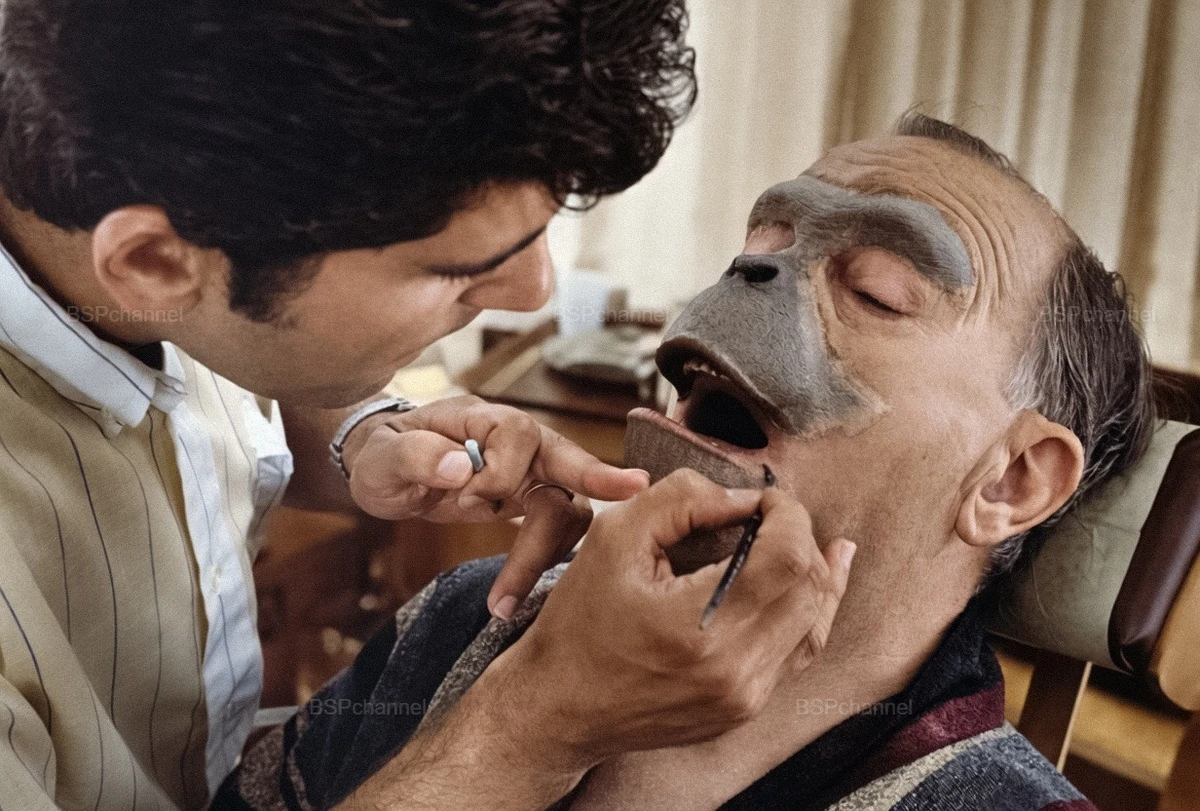
The creators of the cult film "Planet of the Apes" faced an unexpected problem: many actors, one after another, turned down roles, daunted by the grueling makeup and uncomfortable costumes. A prime example is Dr. Zaius. The role was offered to the legendary Edward G. Robinson, but upon learning what he would be transformed into, the venerable actor flatly refused. The choice then fell on Maurice Evans, who, unlike his predecessor, accepted the role immediately. Evans later proved himself a man of truly iron self-control: he sat motionless in the makeup chair for hours without uttering a single murmur of complaint. Moreover, the actor even voluntarily agreed to have his nails painted, completing his look.
Smoky effect on the set of the film "October," by Sergei Eisenstein and Grigori Alexandrov, 1927. 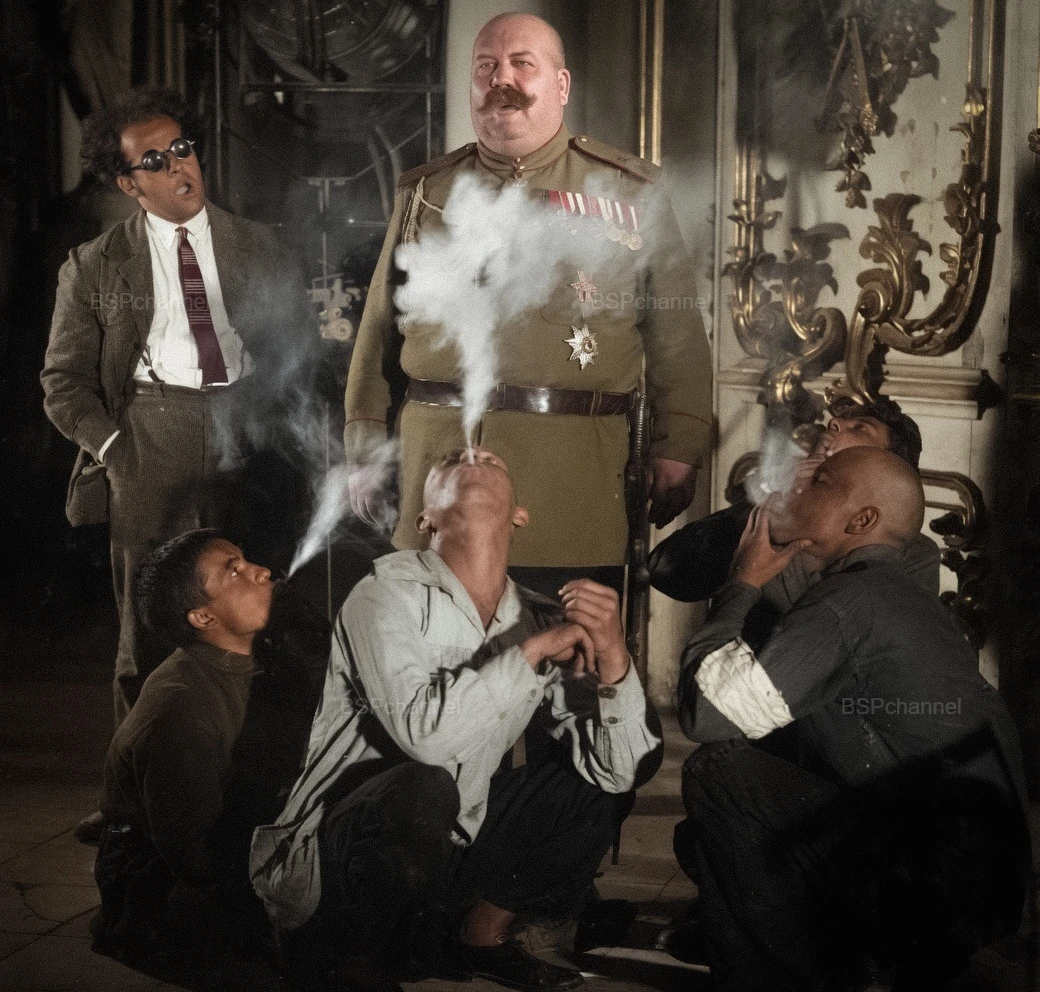
Almost a hundred years ago, film technology was, to put it mildly, imperfect. But this didn't stop film crews from working miracles – they did their best to bring naive, yet spectacular, effects to the screen. Ingenuity replaced expensive graphics.
On the set of "Indiana Jones and the Raiders of the Lost Ark," 1981. 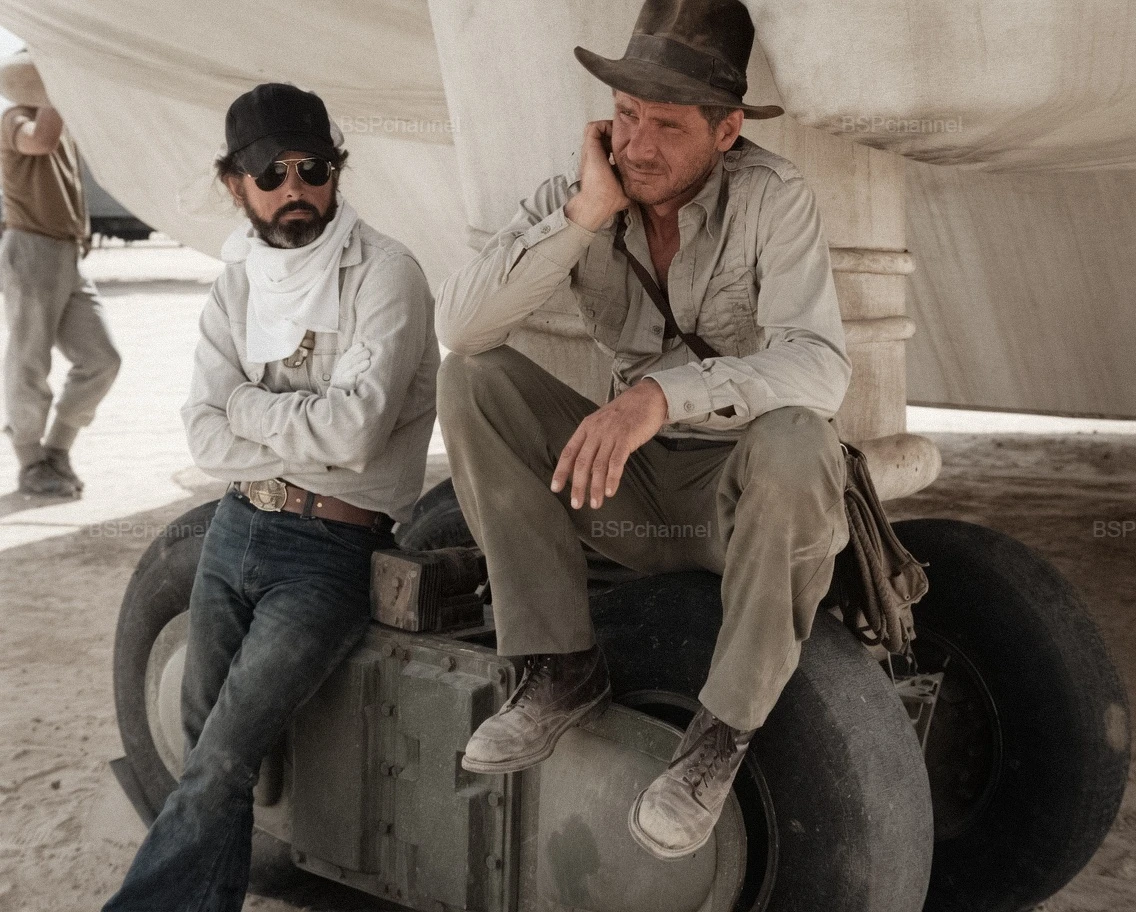
The idea for the future adventure epic wasn't born in a Hollywood studio, but in sunny Hawaii—during a carefree vacation for two cinematic geniuses, George Lucas and Steven Spielberg. One day, while enthusiastically building a sandcastle on the beach, they unexpectedly hit upon an idea: why not make a daring adventure film in the spirit of 1940s TV series? Thus, with the sound of the ocean and sand slipping through their fingers, a plan was hatched. Soon, seasoned screenwriter Lawrence Kasdan joined the project, and the three began to transform the improvisation into a fully-fledged script. The film was shot in Tunisia, where the cast and crew were suffering from widespread illness. Only one man survived – Steven Spielberg. His superweapon? The canned spaghetti he brought with him. While others tried the local cuisine and fell ill, the director ate exclusively from his own supplies and stayed on his feet.
On the set of "Station for Two," 1982. 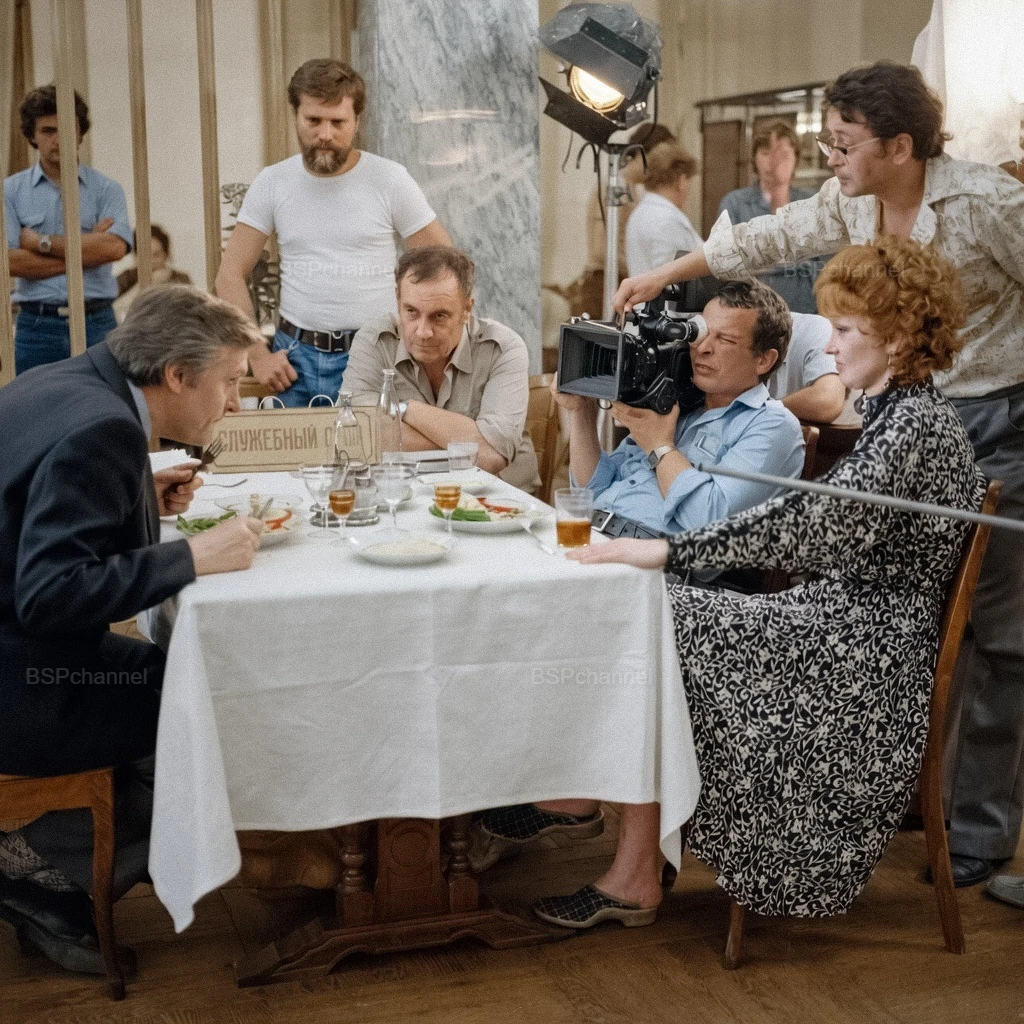
Scottish actor Sean Connery, Serbian actress Nadja Regin, and British stuntman Alf Joynt on the set of "Goldfinger," the third James Bond spy film, UK, March 24, 1964. 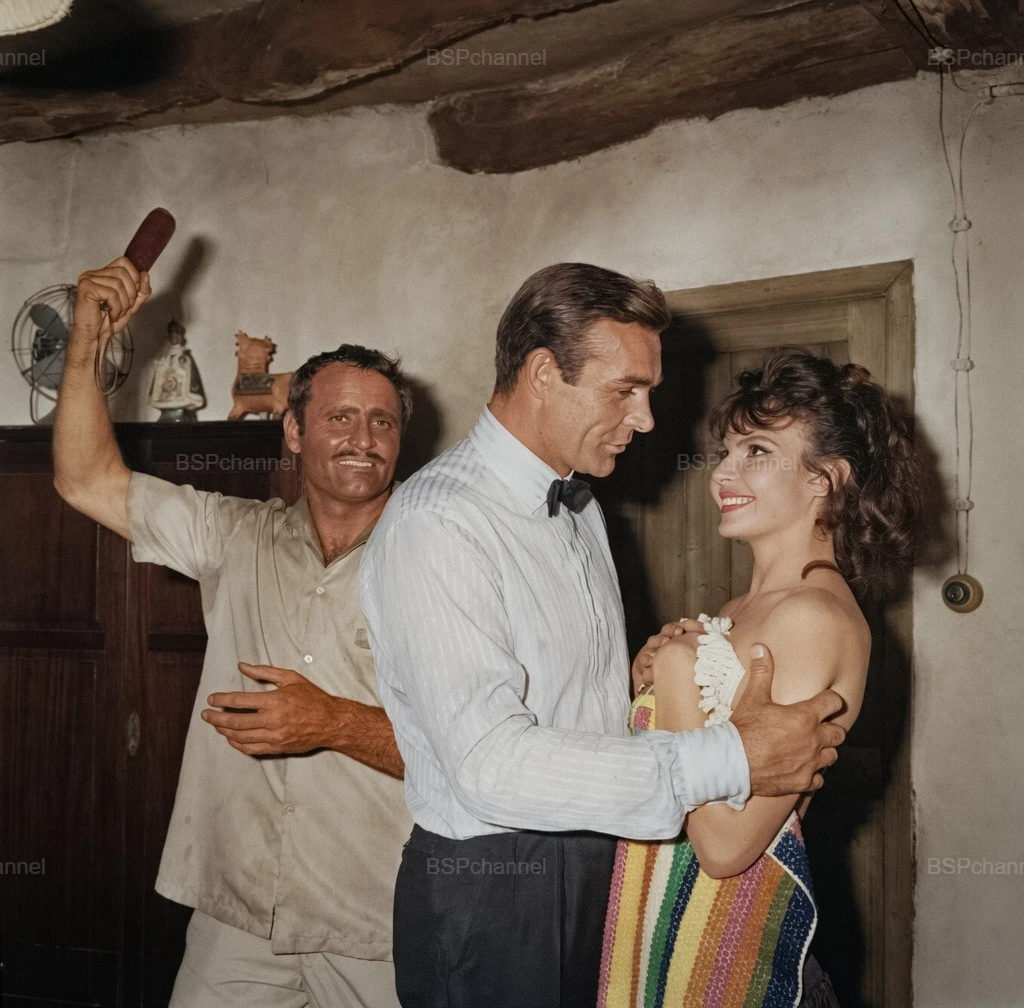
Photographer: Larry Ellis
I've written a lot about Sean Connery. Today, about his Bond co-star. Nadja Regin (real name Nadezhda Poderezan) was born on December 2, 1931, in Serbia, to a family of immigrants. The historical storms of the twentieth century sent her family to the Balkans, but they carried their love of culture and art through all the trials. Nadja dreamed of the stage from childhood, and her parents supported her. After school, she attended the University of Belgrade, earned a degree in dramatic acting, and then moved to London. Her breakthrough came with the series "Detectives."
Still from the feature film "Chuk and Gek." Directed by Ivan Lukinsky. Gorky Film Studio, 1953. Starring Yuri Chuchunov and Andrei Chilikin. 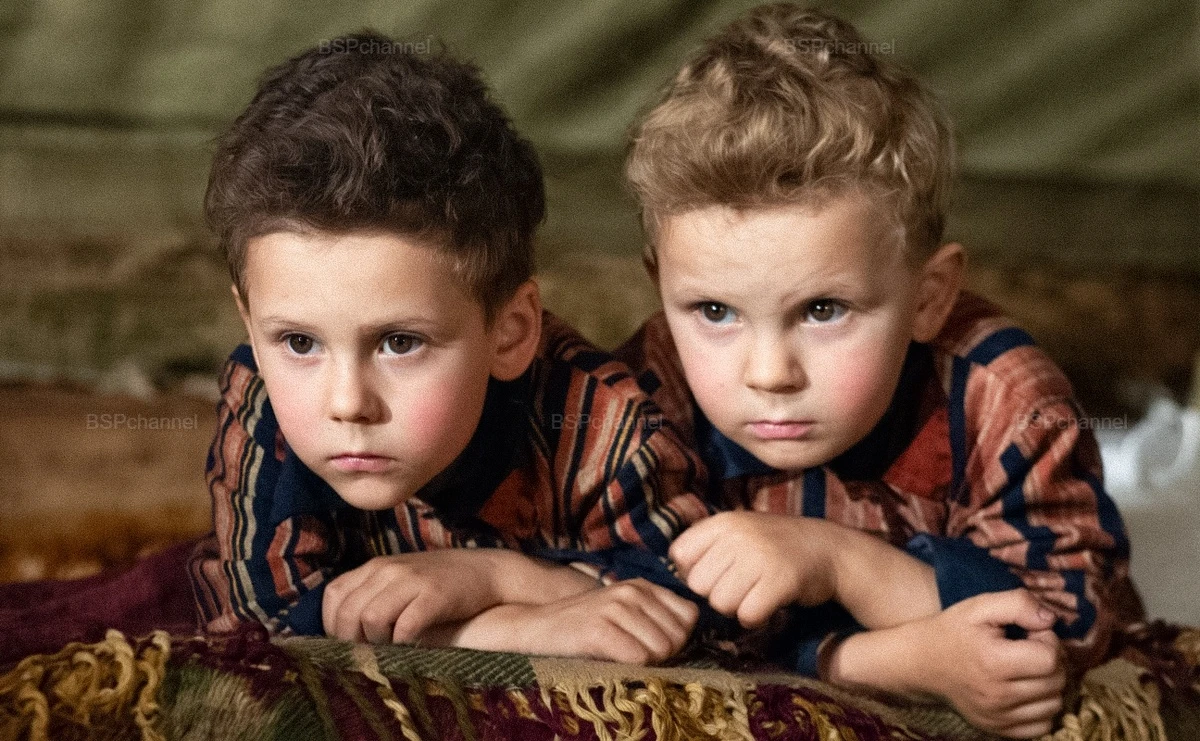
Hollywood actress Dorothy Lamour and chimpanzee Jiggs on the set of "Her Love in the Jungle." California, 1938. 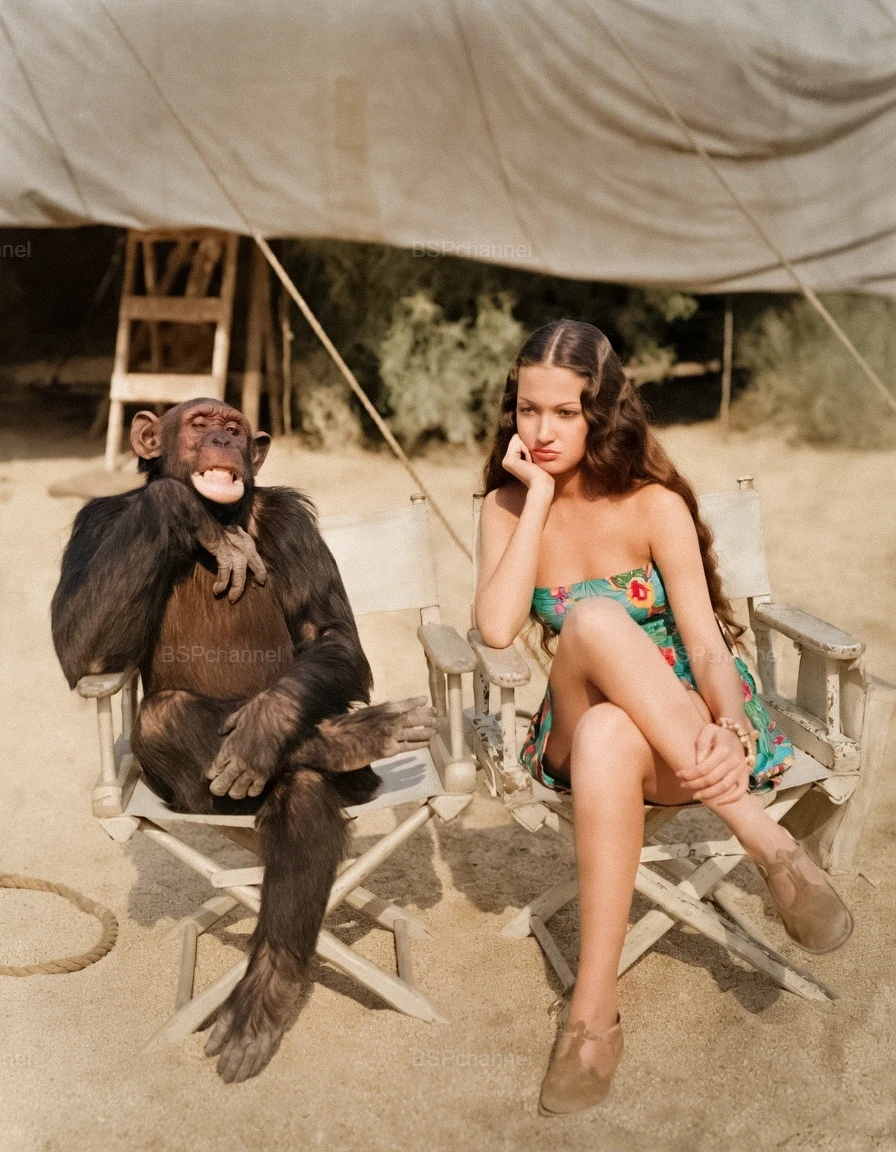
Actors A. Glazyrin (left) and V. Safonov (right) in the film "Belorussky Station," 1971. 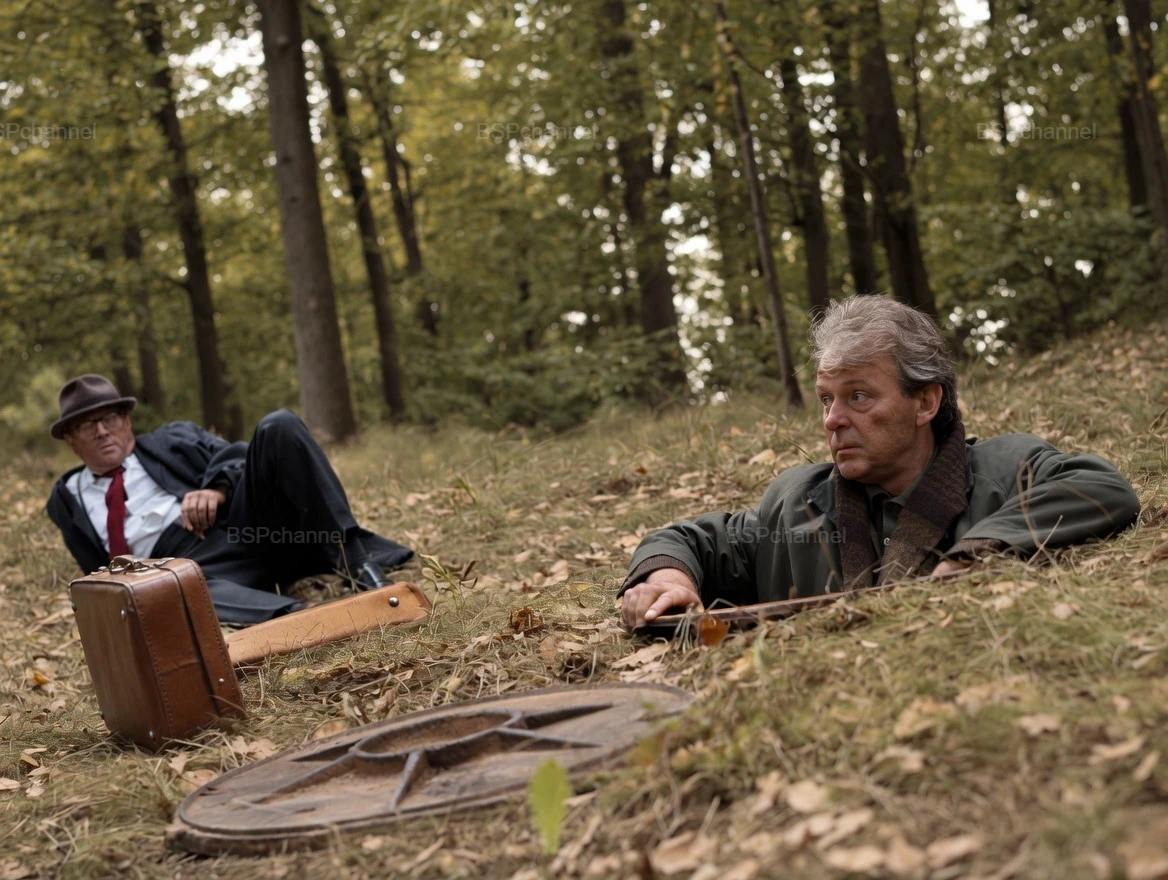
"Belorussky Station" isn't just a war film. It's a film about how war never ends, lingering within a person. Four fellow soldiers reunite after 25 years to bid farewell to a fifth. And as they reminisce, walk through the city, face everyday challenges, and try to help the son of a fallen comrade, the viewer is treated to a portrait of an entire generation. Those who survived but remained forever at the Belorussky Station of 1941. Andrei Smirnov shot this film on the verge of tears—and audiences wept in the theaters. And they still do. Because this is our history.
Merna Kennedy and Charles Chaplin on the set of "The Circus," 1928. 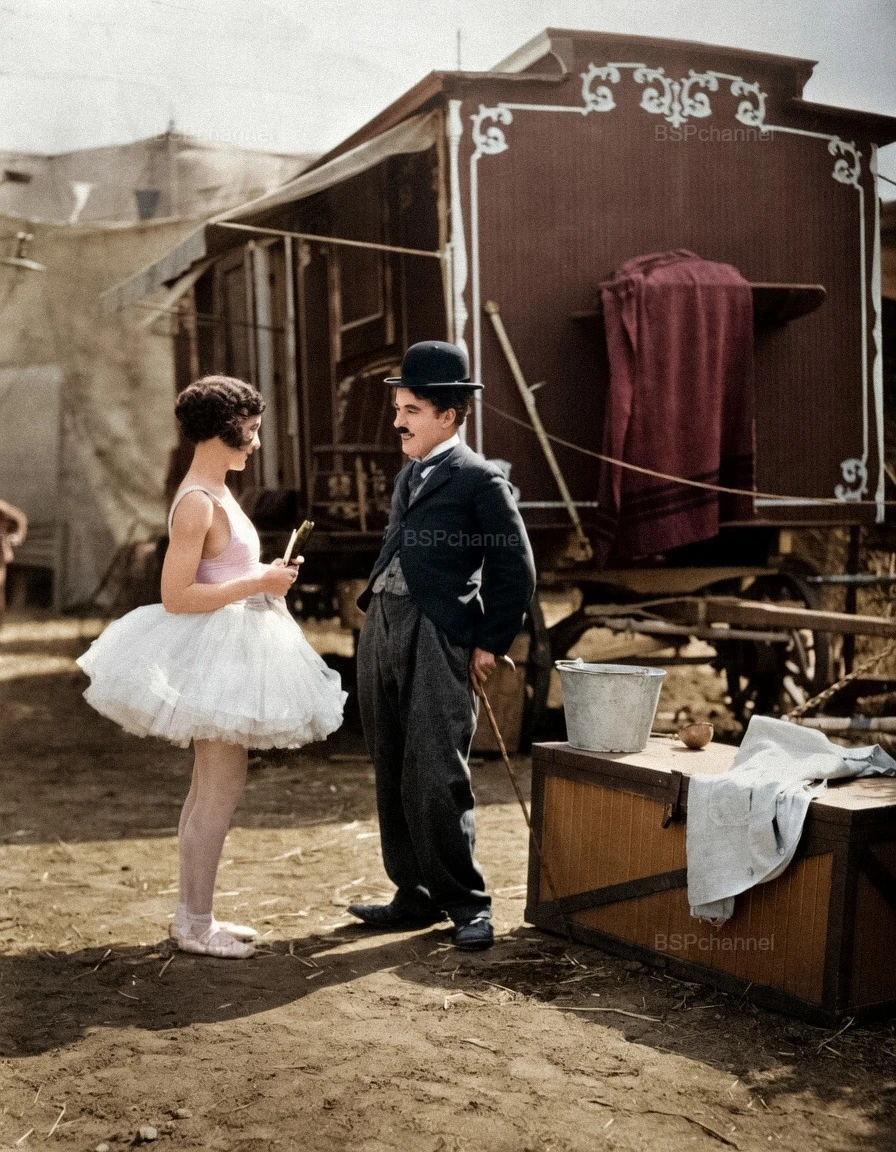
Honored Artist of the RSFSR Yu.V. Nikulin, actor E.A. Morgunov, and Honored Artist of the RSFSR G.M. Vitsin pose on a pedestal between filming of "Kidnapping, Caucasian Style," Crimea, Ukrainian SSR, 1966. 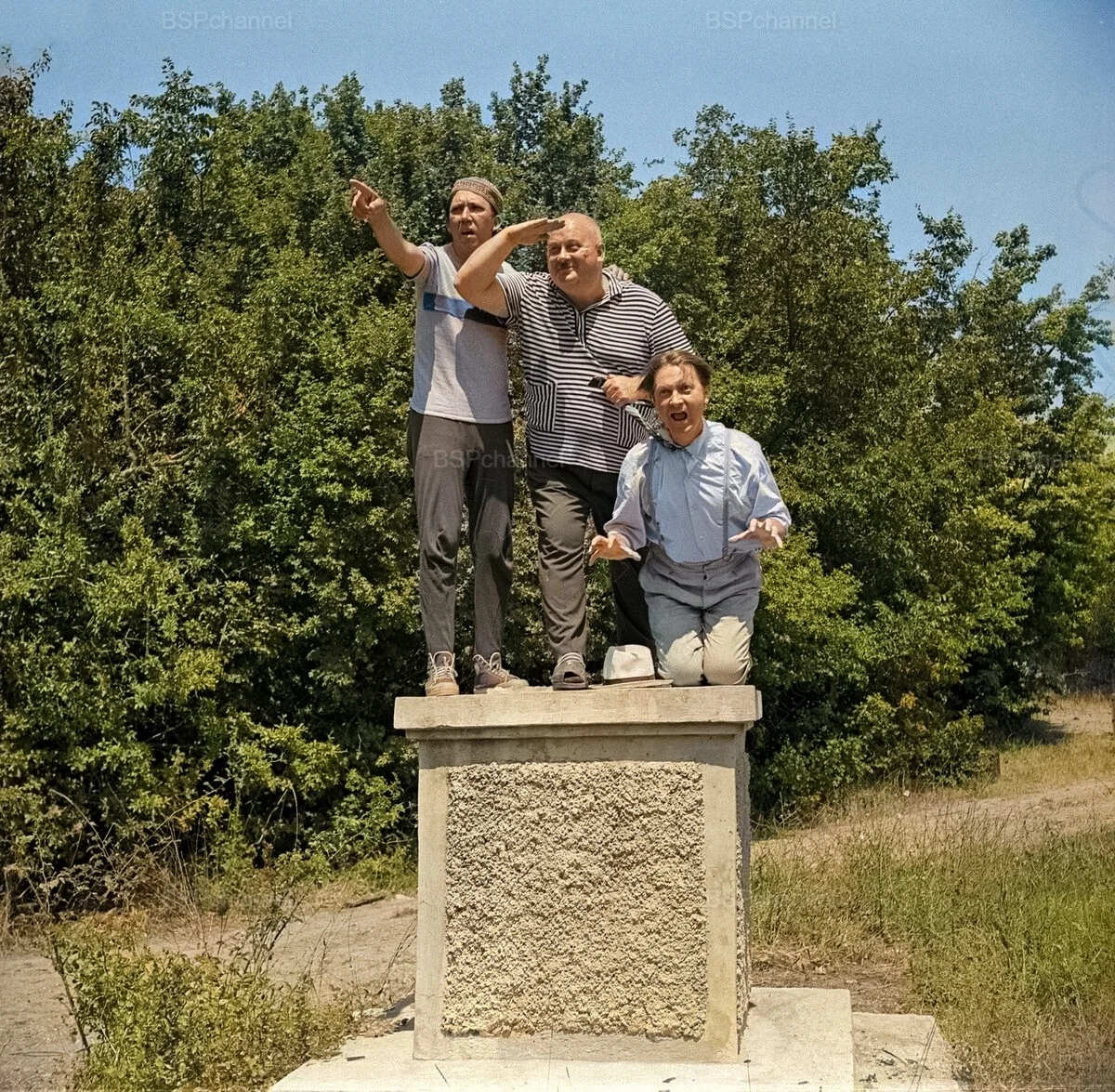
Personal archive of O.A. Mertsedin.
Alas, time has not been kind to all three. They passed away, leaving viewers with only shadows on film. But come the holidays or just a quiet evening, the televisions come alive again, and those very same films appear on screens—with those very same roles. The actors leave, but their characters remain. And they will remain as long as television works and viewers remember.
Sophia Loren at a costume fitting for the film "Attila," 1954. 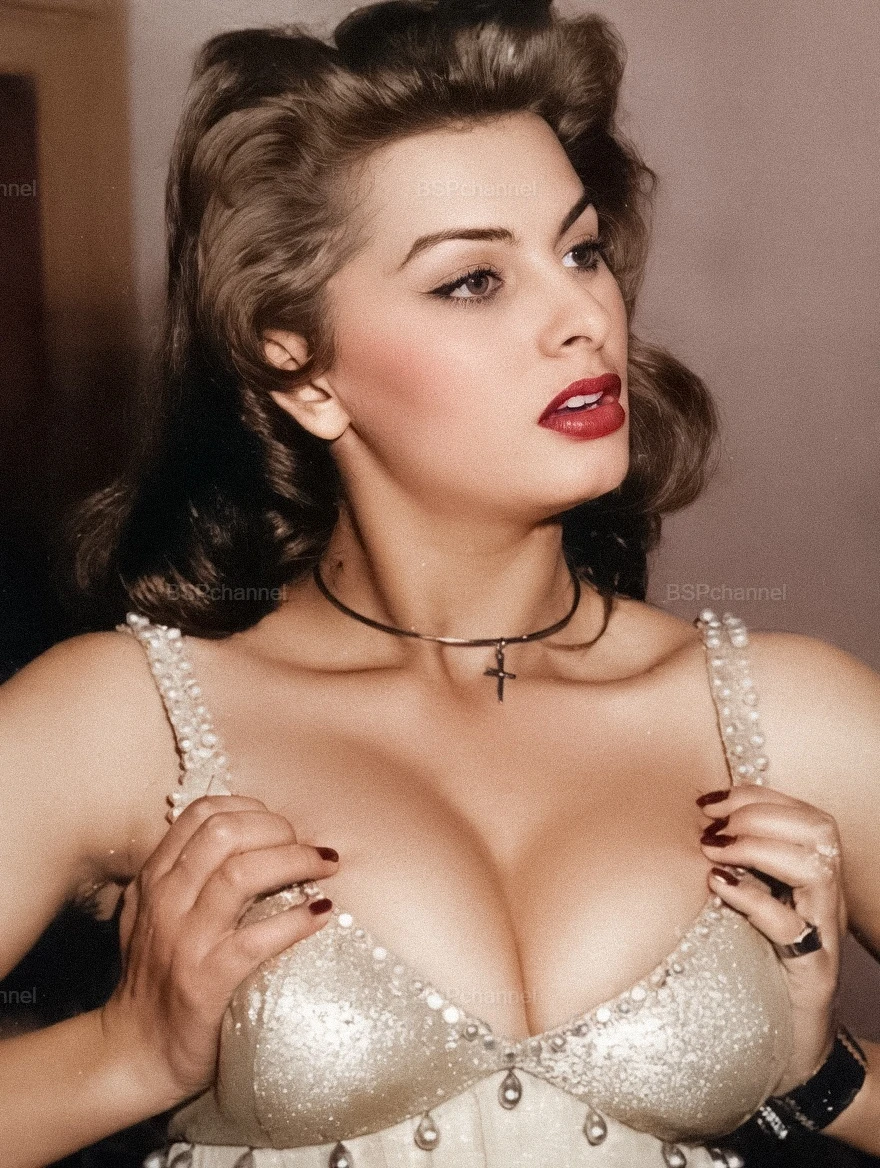
She is an Italian film actress and singer whose name is written in golden letters in the history of world cinema. Today, she remains one of the last living legends of Hollywood's Golden Age—an era that is almost no longer in existence. The American Film Institute ranked her 21st on its list of the 100 greatest stars in American cinema history. A living legend.
Yuri Yakovlev and Leonid Kuravlyov on the set of "Ivan Vasilyevich Changes Profession," 1973. 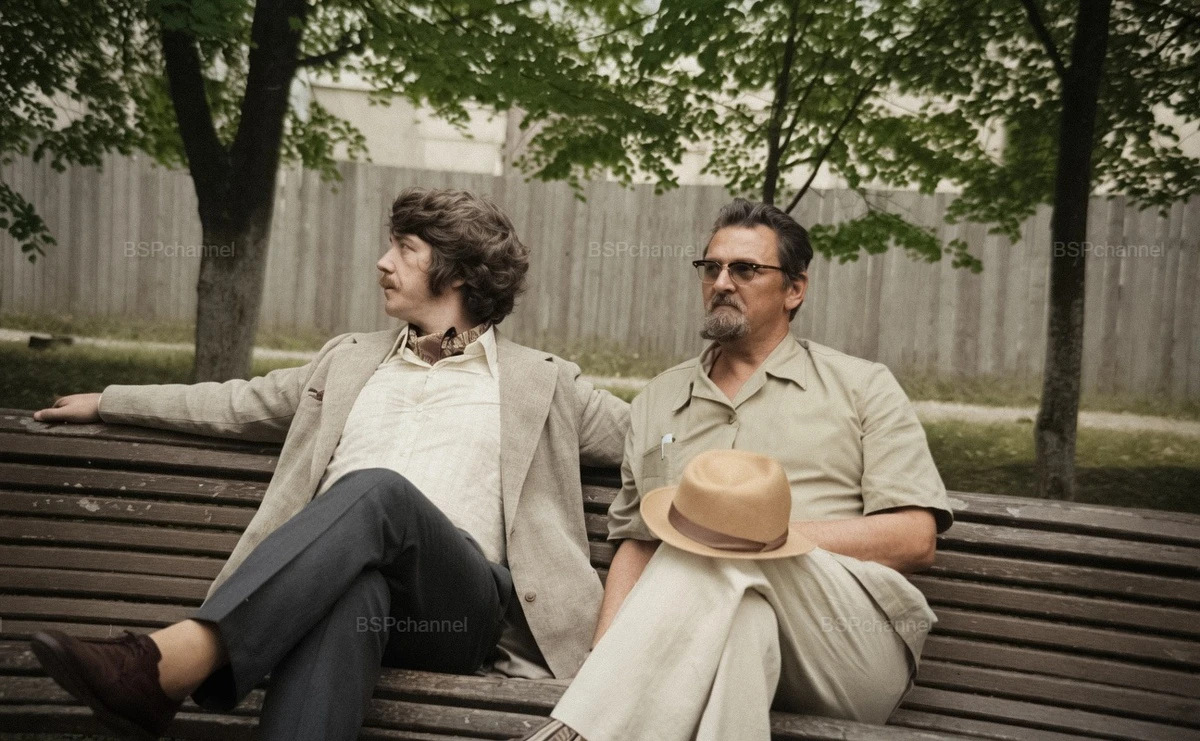
People's Artist of the USSR S.F. Bondarchuk (right) as Pierre Bezukhov on the set of "War and Peace" (Mosfilm, directed by S.F. Bondarchuk). Moscow, 1966-1967. 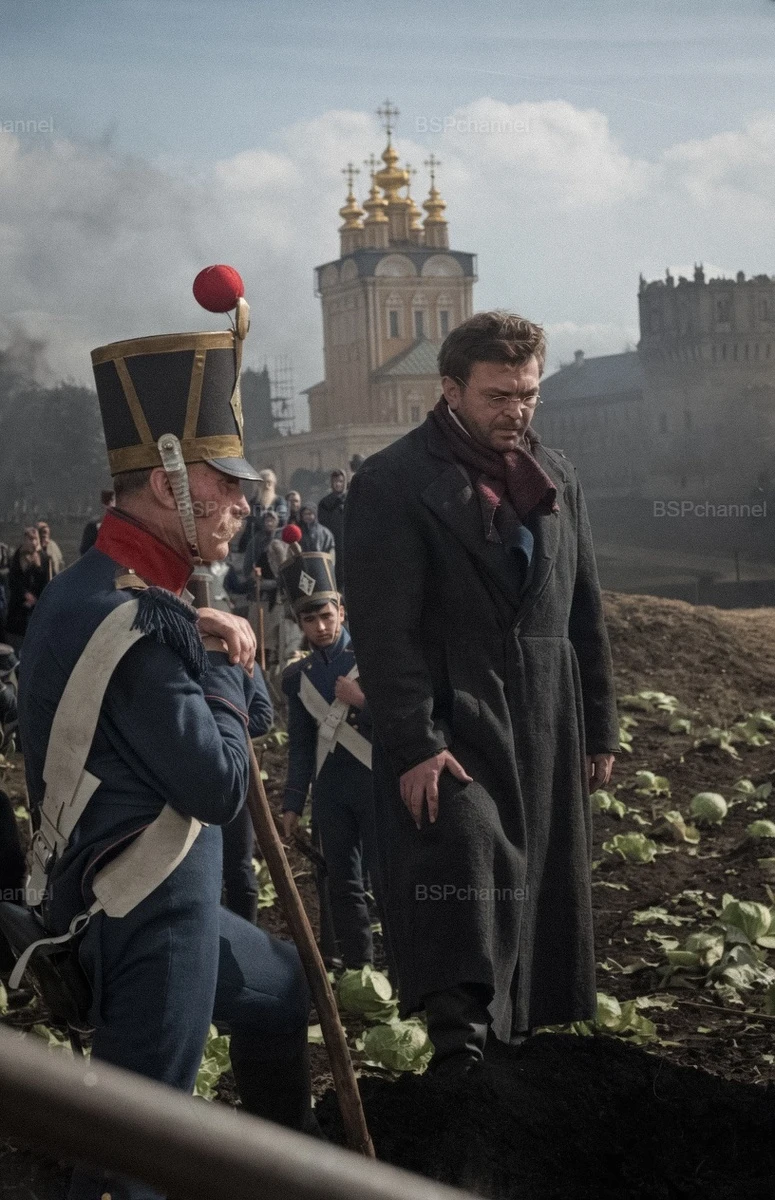
From the personal archive of M. A. Trakhmon
Sergei Bondarchuk's epic "War and Peace" is not just a film, but a true record-breaker in Soviet cinema, leaving its mark on world history. It became the first Soviet feature film to win an Oscar for Best Foreign Language Film. But its achievements don't end there. "War and Peace" is rightfully considered one of the most expensive films in the history of Soviet cinema. Its budget, according to various estimates, reached one hundred million dollars—a fantastic sum for the time. Its box office figures were no less impressive. On the day of its premiere, 2,805 copies of the first part of the film were released in Soviet cinemas—an unprecedented run for Russian cinema. Its box office success was resounding. In 1966, "War and Peace" became the highest-grossing film of Soviet cinema. The first part was seen by 58 million viewers, the second by 36 million, the third by 21 million, and the fourth by 20 million. And this was only in the USSR. In total, the film was shown in 117 countries, attracting millions of viewers across the globe.
Actress T.P. Semina as Katyusha Maslova, cinematographer E.M. Savelyeva, and others during the filming of director M.A. Shveitser's "Resurrection," 1960-1962. 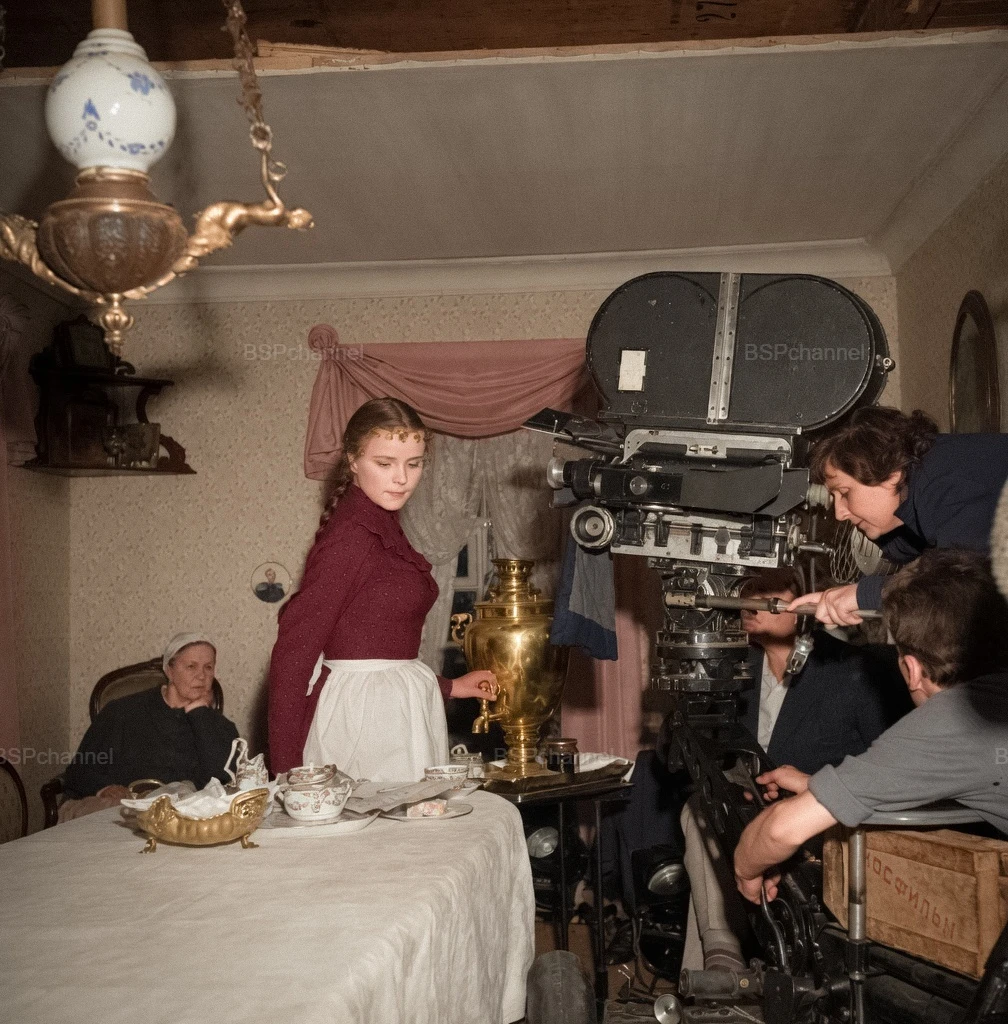
Personal archive of O.A. Mertsedin
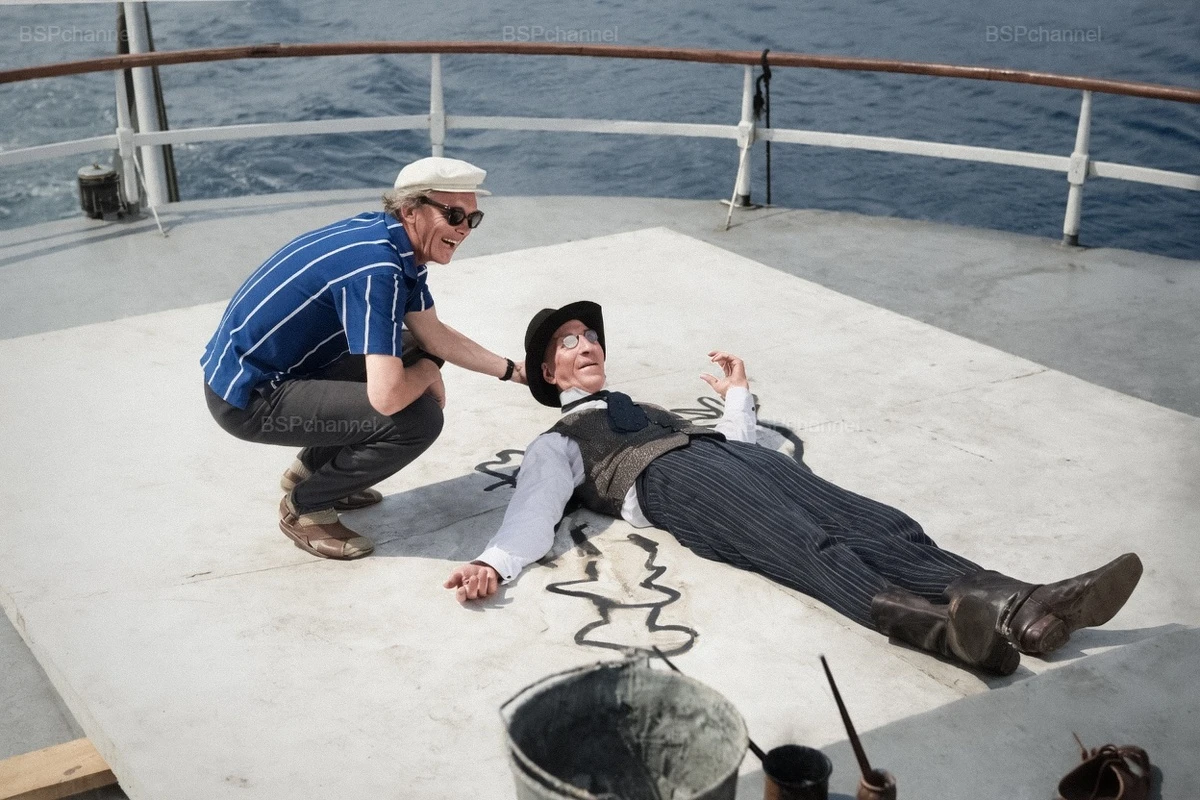
Leonid Gaidai and Sergei Filippov on the set of "The Twelve Chairs," 1971.