Locusta: The Imperial Poisoner Executed by Giraffe (11 Photos)
The dark art of poisoning has always required a master's touch. Only a true virtuoso could slip someone into the grave while making death look entirely natural and keeping the killer firmly in the shadows. History's most notorious poisoner was Locusta, a woman who lived in Rome two millennia ago. Over her career, she dispatched at least two emperors and narrowly escaped execution at the hands of ungrateful clients. 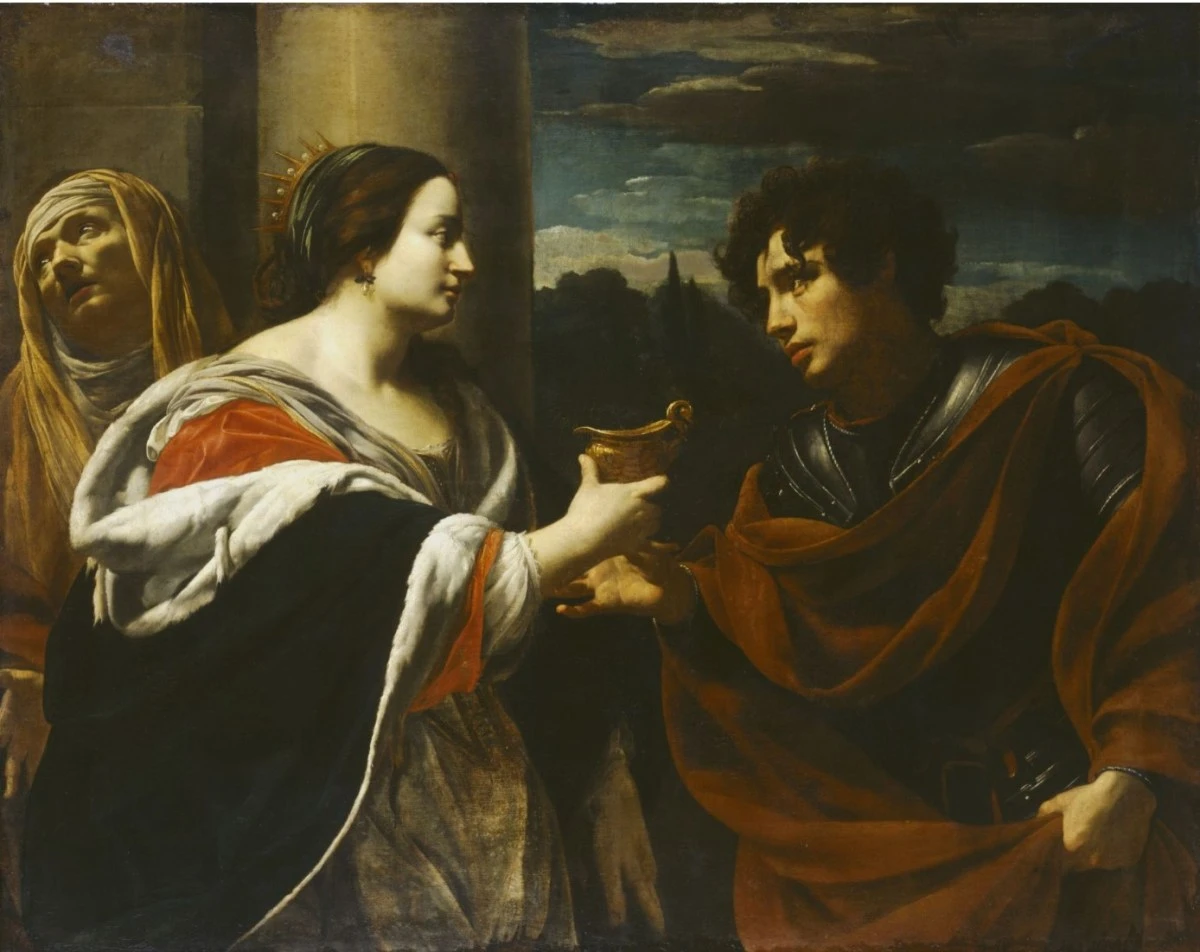
From Herbalist's Daughter to Master of Deadly Brews
Locusta was born in the early decades of the first century AD in Gaul—a region spanning modern-day France and Northern Italy. Not a Roman by birth, she was raised by a skilled herbalist and spent her childhood learning the properties of plants, minerals, and animal extracts.
In ancient times, healers did not just cure—they also killed. They were called upon to ease the suffering of the terminally ill, terminate unwanted pregnancies, or poison wild beasts. Locusta quickly mastered the healing arts, but she soon realized that the science of lethal toxins was far more lucrative. 
In ancient Rome, brewing potions was considered women's work—making it easier for female poisoners to cover their tracks.
As a young woman, she left home for Rome to make her mark. Her skills as a healer aroused little interest in the imperial capital, but her knack for murder found plenty of eager buyers. The reign of Caligula was a golden age for poisoners—the emperor and his patricians routinely poisoned rivals left and right, and every nobleman worth his salt sought a personal expert in toxins.
An Ingenious Plot Against Emperor Claudius
In AD 41, the Praetorian Guard assassinated the tyrannical Caligula, yet demand for poisons hardly waned. The new emperor, Claudius, launched a crackdown on poisoners, but true masters remained undeterred. Even when cast into dungeons, the most talented were soon freed by powerful patrons. 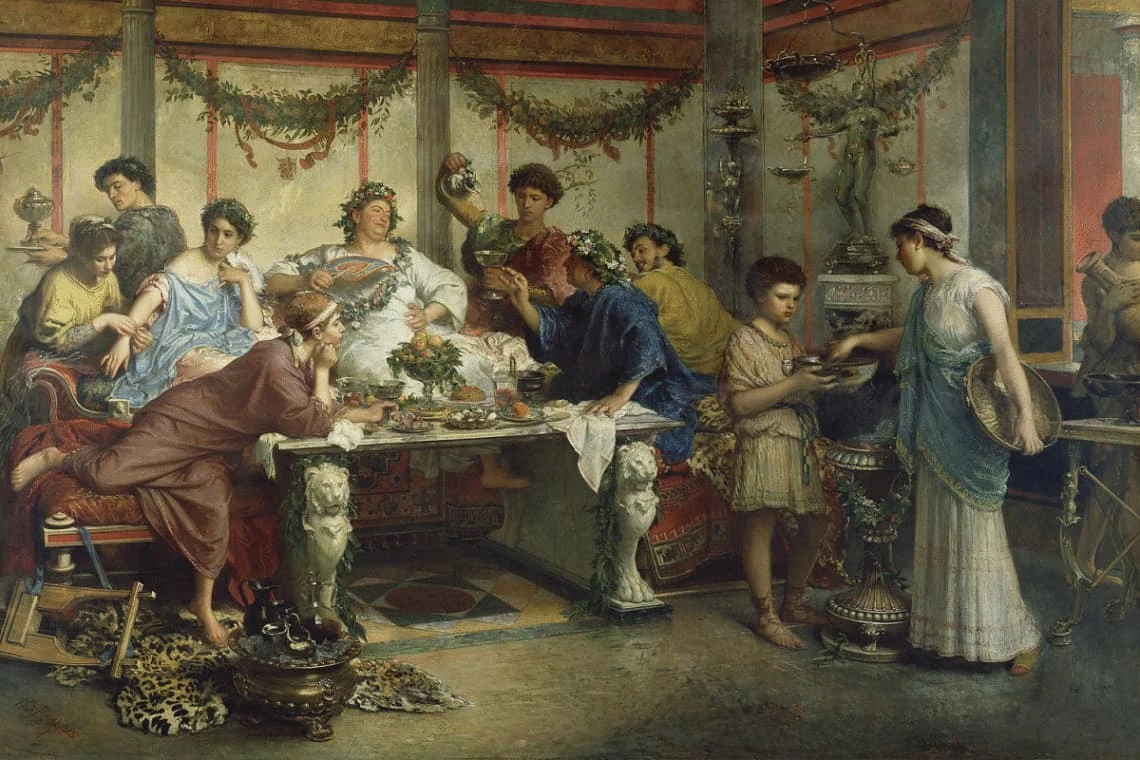
In ancient Rome, no one was safe from poison: emperors, patricians, commoners, fathers, children, and dinner guests alike.
Locusta suffered the same fate, landing in prison until Agrippina—empress and wife of Claudius—came to her rescue. In AD 54, Agrippina visited Locusta's cell with a bargain: freedom in exchange for a lethal toxin to eliminate her husband.
Locusta devised a plot worthy of a crime thriller, using a two-stage poisoning method. First, she laced a dish of wild mushrooms—the emperor's favorite delicacy—with a tasteless, fast-acting, but non-lethal substance. 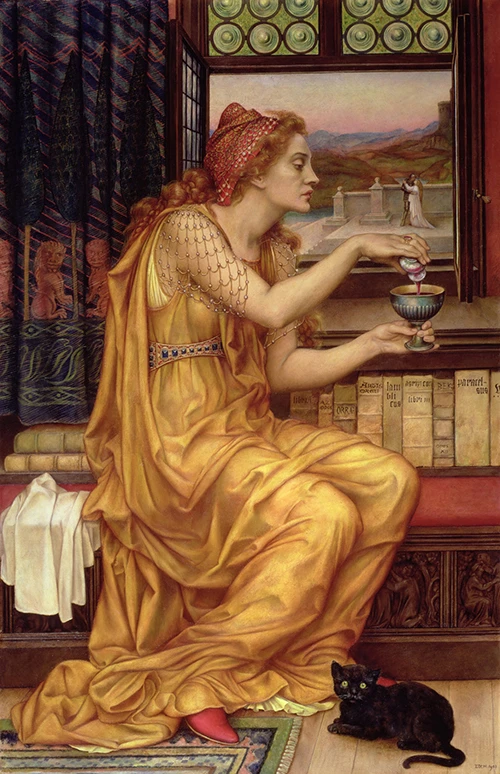
Love potions and lethal poisons often shared the same ingredients in antiquity—it all depended on dosage and intent.
After eating the mushrooms, Claudius felt a violent burning in his stomach. His dutiful wife Agrippina immediately suggested a common remedy: tickling his throat with a feather to induce vomiting. Claudius took her advice, sealing his fate. Locusta had coated the feather with a deadly toxin, which killed the emperor within minutes. 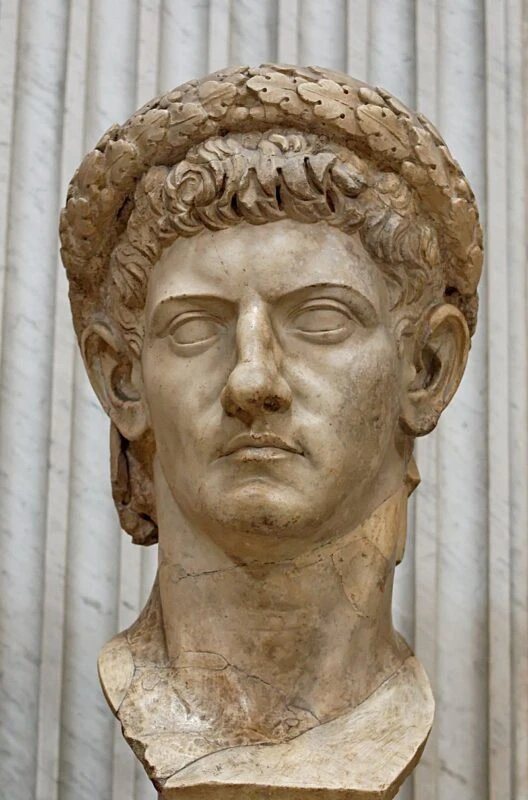
Claudius went down in history as a scholarly emperor, but he fell victim to his own gullibility and fondness for mushrooms.
Agrippina proved treacherous. Instead of rewarding Locusta, she launched an investigation to silence the dangerous accomplice. Once again sentenced to death and thrown back into a cell, Locusta was spared when Nero, Claudius's adopted son, intervened to save her.
Nero and the Murder of Young Britannicus
Claudius had adopted Nero at a young age, but soon grew disillusioned with the boy. Cynical and depraved, Nero was never intended to be sole ruler. Following Claudius's death, power was meant to pass to his biological son, Britannicus, in whom the emperor had placed high hopes. 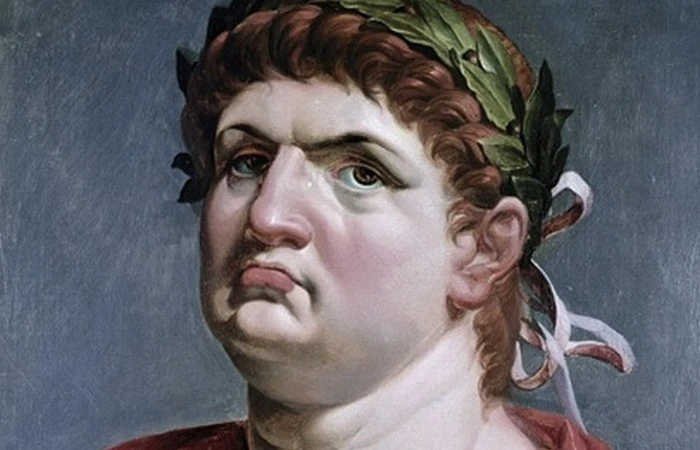
Nero inherited the throne but lived in constant fear of losing it—a paranoia that drove him to commit horrific crimes.
"The Roman people need a true Caesar," Claudius would say of his son. Britannicus was bright and gentle, though he suffered from epilepsy, experiencing seizures at the most inconvenient times.
When Claudius died, Nero was 16 and Britannicus 14. The adopted son claimed the throne, but Nero knew his stepbrother would eventually usurp him unless he acted. Ruthless and calculating, Nero decided to eliminate his rival, calling upon Locusta, who was still awaiting execution in a cellar.
He ordered the poisoner to brew the most potent toxin possible, but she defied him at first. Instead, Locusta prepared a dose designed merely to cause severe cramps and fever. Desperate to avoid further suspicion, she wanted to weaken the boy gradually so his death would resemble a lingering illness. 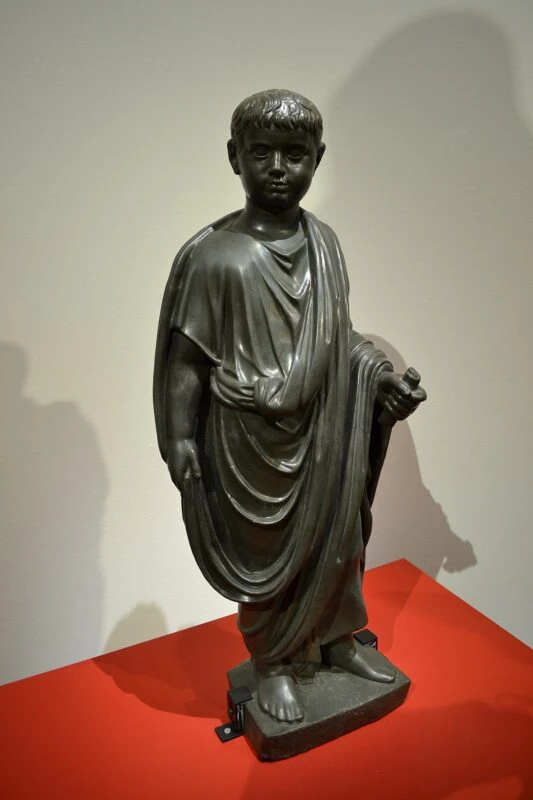
Britannicus was just 14 when his stepmother and stepbrother sealed his fate—he never even lived to reach manhood.
Nero had no patience for such subtleties; he wanted his brother dead instantly. For her disobedience, Locusta was flogged nearly to death, after which she submitted to his demands.
The Roman historian Gaius Suetonius Tranquillus described the preparations in
The Twelve Caesars
:
"She pleaded that she had given a milder dose to lessen suspicion of murder, but Nero cried: 'Do you think I fear the Julian Law?' He forced her right there in his bedchamber, before his eyes, to boil down the strongest and fastest-acting poison. They tested it on a goat, which died in five hours; after boiling it down repeatedly, they gave it to a pig, and it dropped dead on the spot." 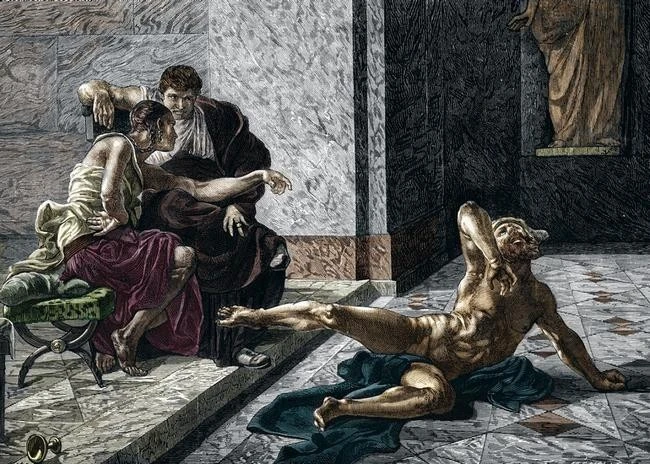
A slave's life meant nothing in ancient Rome—they were often used to test poisons before serving them at the emperor's table.
Nero ordered the poison delivered to Britannicus during a banquet. Taking a sip from his cup, the boy collapsed and died almost instantly. The emperor nonchalantly announced that his brother had suffered an epileptic fit, ordering the body carried to his quarters as if he had merely fainted.
According to Suetonius, the death was announced late that night. The rightful heir to Claudius was hurriedly buried in a torrential downpour, stripped of honors and with barely any witnesses present.
Tacitus's Account of an Ingenious Scheme
Another Roman historian, Tacitus, offered a different account of the crime, detailing a scheme by Locusta even more ingenious than her attack on Claudius. According to Tacitus, the toxin was not in the wine itself, but in the cold water used to dilute it. 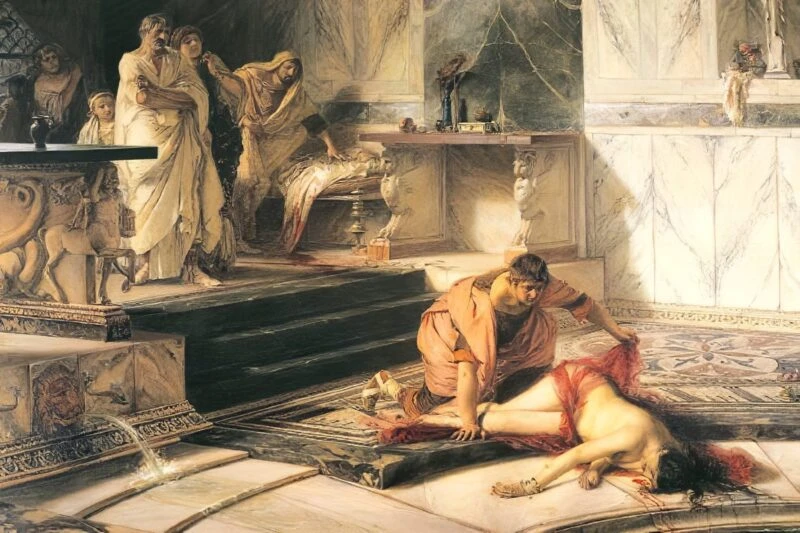
19th-century artists were fascinated by the poisoning of Britannicus, captivated by the raw drama of the scene.
During colder months, Romans diluted their wine with hot water. When Britannicus was served a drink that was too hot, he called for cold water. While the wine and hot water had both been pre-tested by a taster, the cold water had not. As it was added to his cup, so was the poison. Seconds later, the young man was dead.
Tacitus recorded the funeral as follows:
"A single night witnessed both the murder and the funeral pyre of Britannicus... He was buried on the Campus Martius amid a downpour so violent that the people saw it as a sign of divine wrath."
Few suspected murder; Britannicus had always been frail, so his sudden demise raised few alarms. Only Agrippina, who had no hand in this particular plot, realized the truth. She understood then that she had placed a monster on the throne, but it was too late to undo what she had done.
A School for Poisoners and Ultimate Retribution
Nero rewarded Locusta handsomely with vast estates, slaves, and treasures. The emperor even established a school of herbalism under her direction, where pupils were taught the lethal arts under the guise of medicine. From AD 55 to 68, the imperial poisoner lived in luxury, wanting for nothing.
In AD 68, the Senate declared Nero a public enemy and dispatched soldiers to arrest him. Learning of his doom, the emperor ordered a grave dug at his villa. Standing over the pit, he tried to stab himself with a sword but lacked the resolve, finally begging his secretary to slit his throat. Before dying, Nero famously gasped, "What loyalty!" 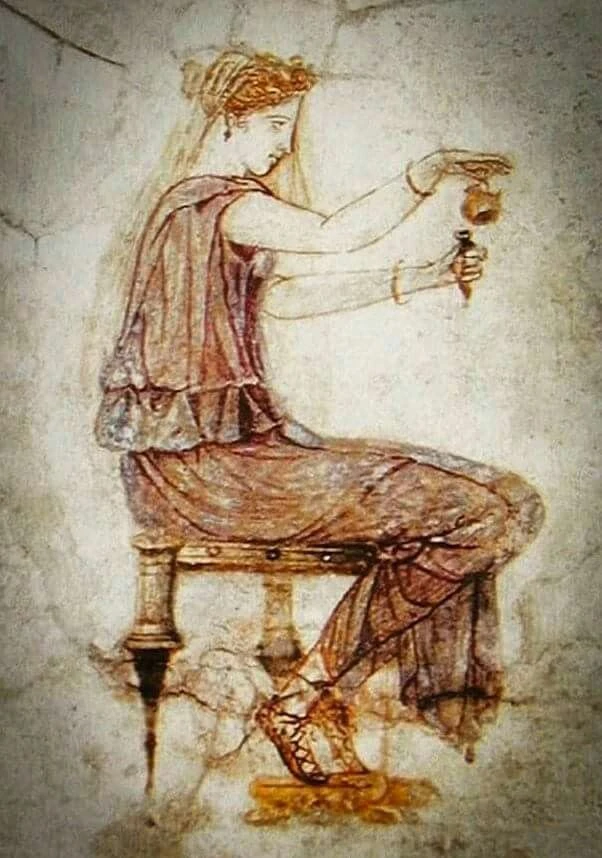
Frescoes from Pompeii depict Roman women going about their daily routines—though who knows what secrets were kept in those elegant vials?
The people of Rome felt no sympathy for Locusta and Nero's other cronies. Dozens of his henchmen were marched through the city in chains and executed in the public square before a cheering crowd.
Legend has it that a grotesque punishment was devised for Locusta: she was allegedly executed by being raped to death by a trained giraffe. Reputable historians make no mention of this absurd detail, and it is almost certainly a sensational myth. Nevertheless, it gave a bizarrely dramatic end to the story of history's most notorious poisoner. 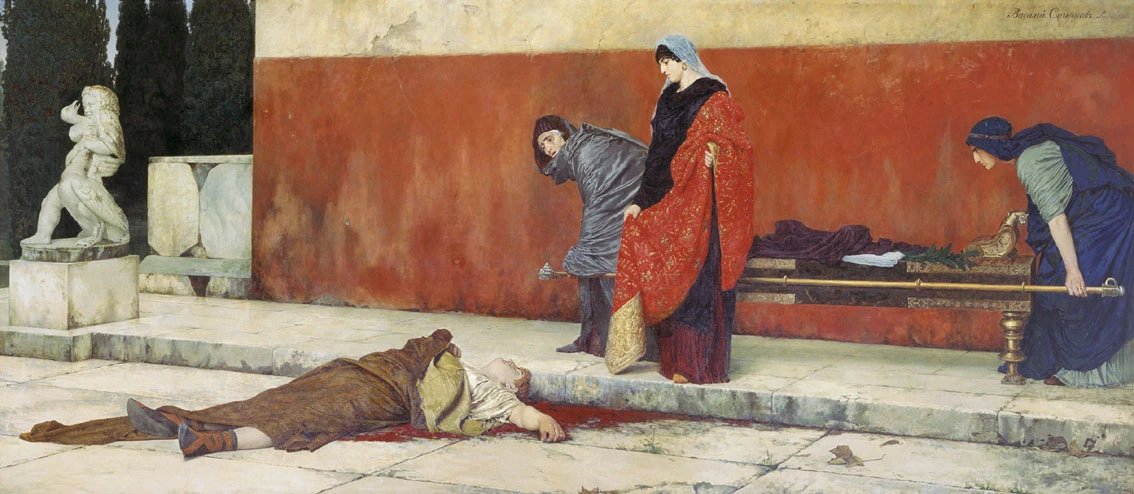
Painter Vasily Smirnov's depiction of Nero after his death.
Do you think Locusta could have refused to murder Britannicus, knowing the brutal consequences of disobedience? Or was her fate sealed the moment she chose this deadly path?