Qiandao Lake: The Lake of a Thousand Islands (19 photos)
Famed for its crystal-clear water, Qiandao Lake—or the Lake of a Thousand Islands (Chinese: 千島湖)—is a man-made reservoir located in China's Zhejiang Province. The lake is a relatively recent creation, formed in 1959 following the construction of a hydroelectric power station.
The name is literal: the lake is dotted with 1,078 islands. Forests cover 81% of this island area, making the breathtaking archipelagos in and around the lake China’s largest national forest park. The sanctuary is home to 90 species of birds and roughly 60 species of wild animals. 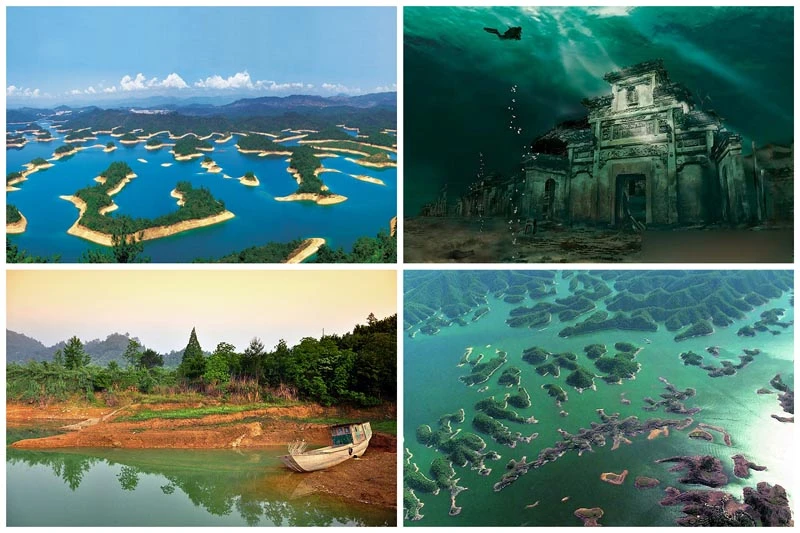
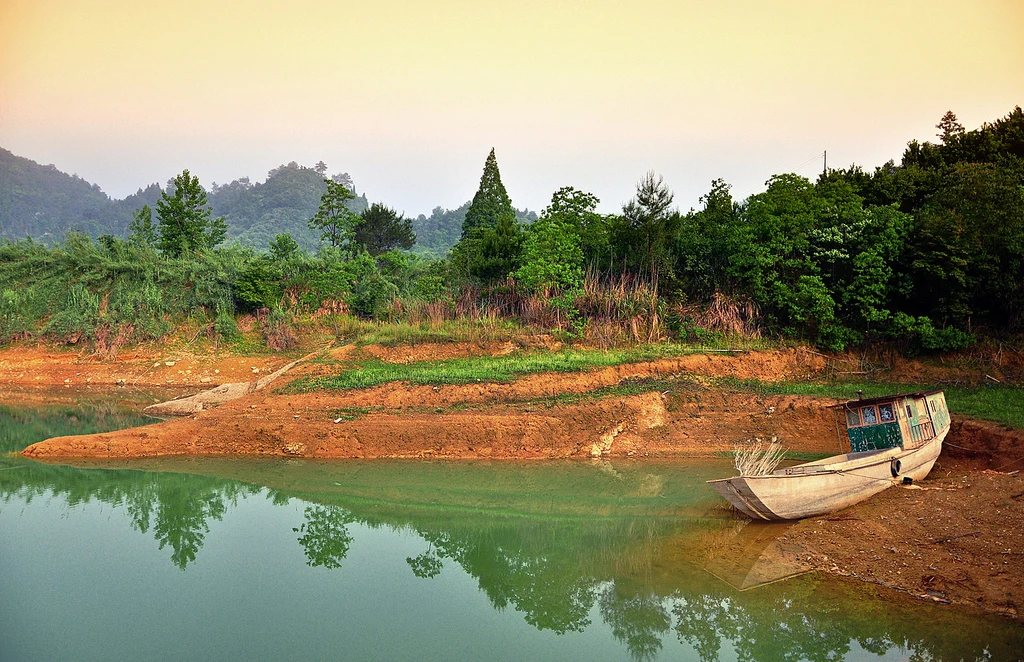
Qiandao Lake is an artificial body of water created in the late 1950s when a local river was dammed to build a hydroelectric plant. 
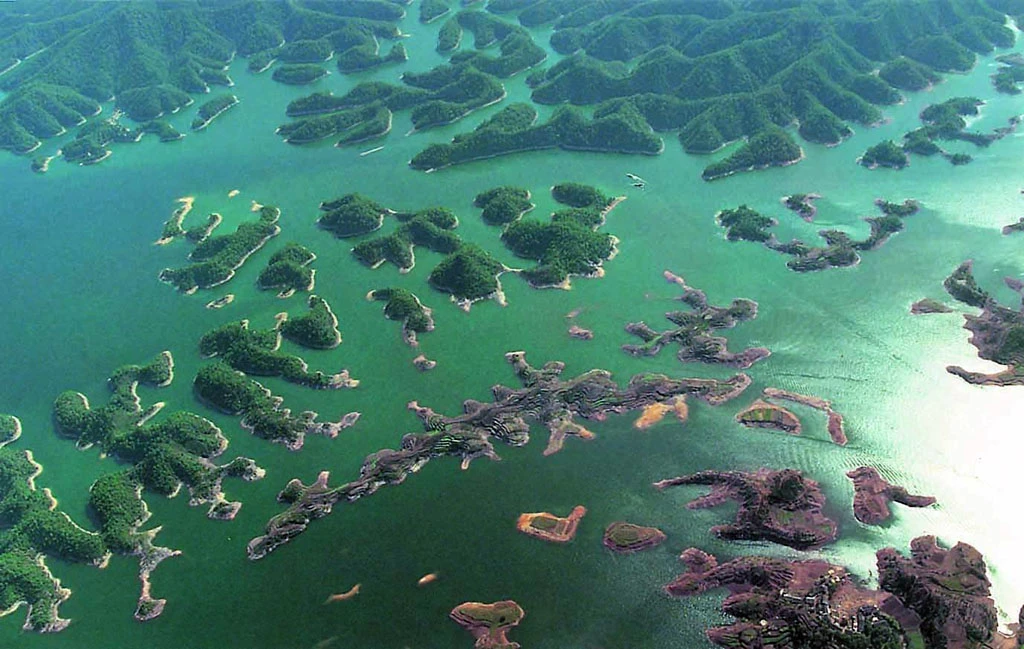
It was the site of China's first hydroelectric power station. To make way for the 573-square-kilometer lake and its 1,078 islands, residents from 1,377 villages were relocated, submerging 20,000 hectares of farmland beneath the waves. 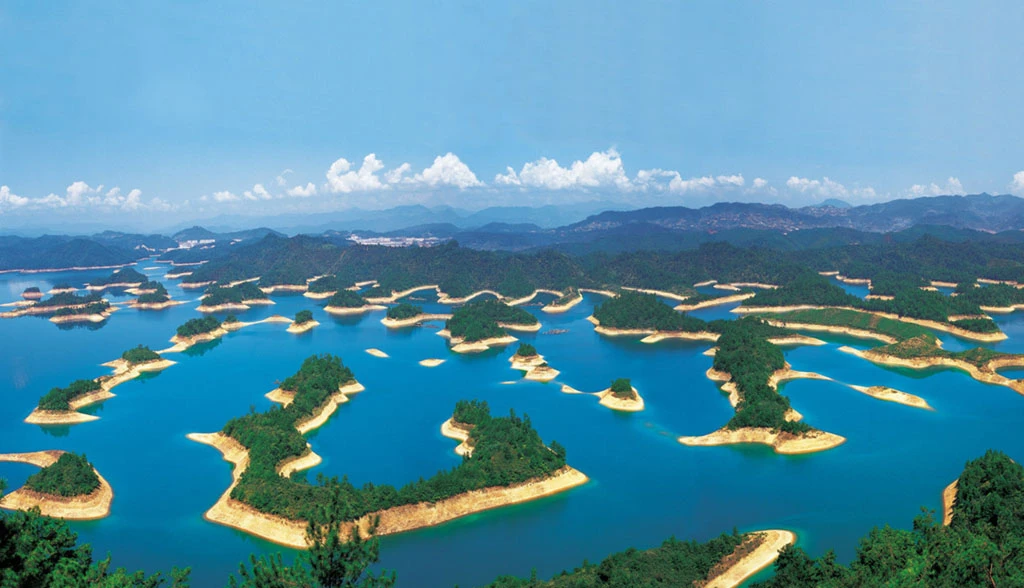
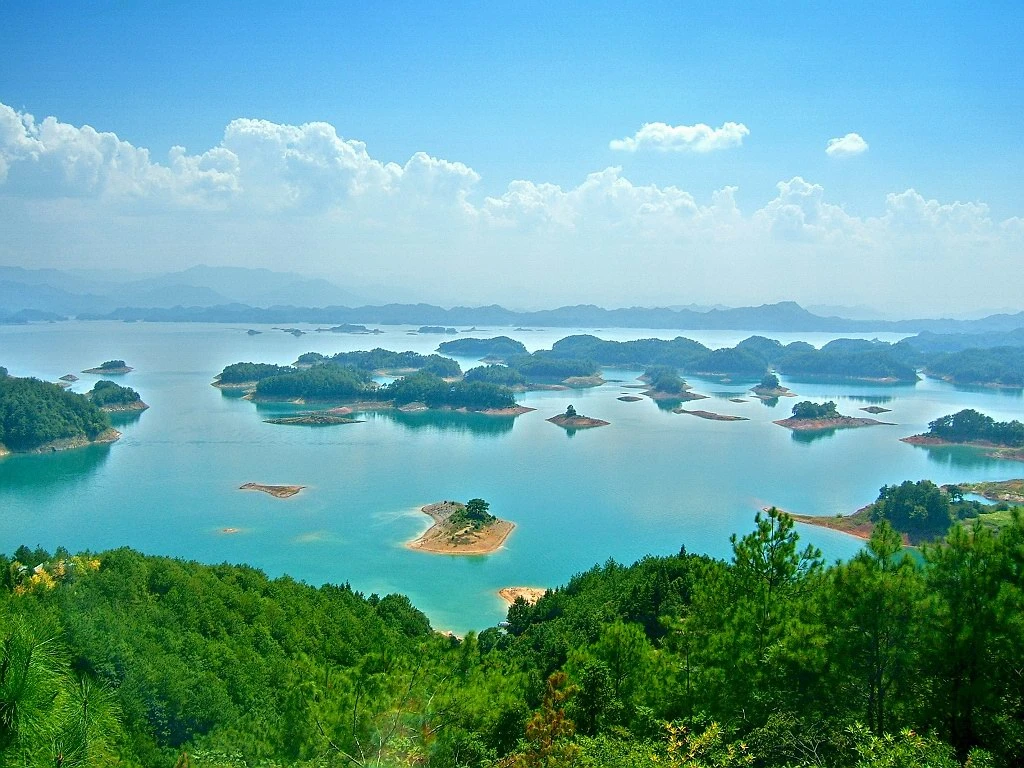
The water is exceptionally clear—so transparent that you can easily see down to the bottom, even in its deepest spots. 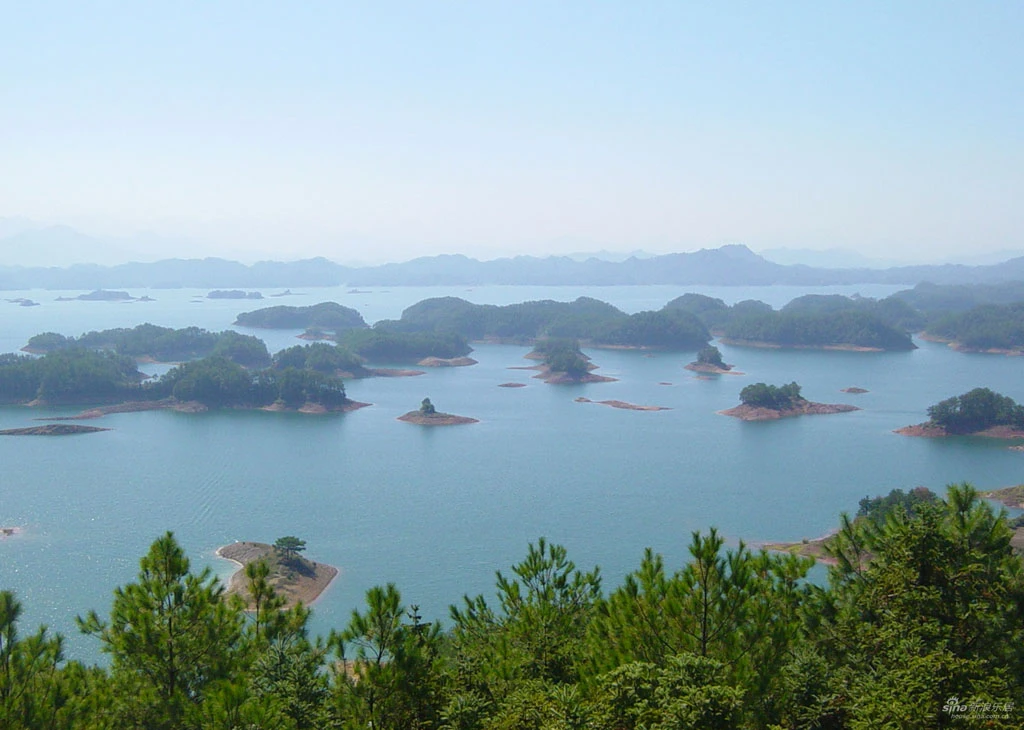
The lake spans a total area of 573 km² with a water volume of 17.8 km³, while the islands themselves cover around 86 km². 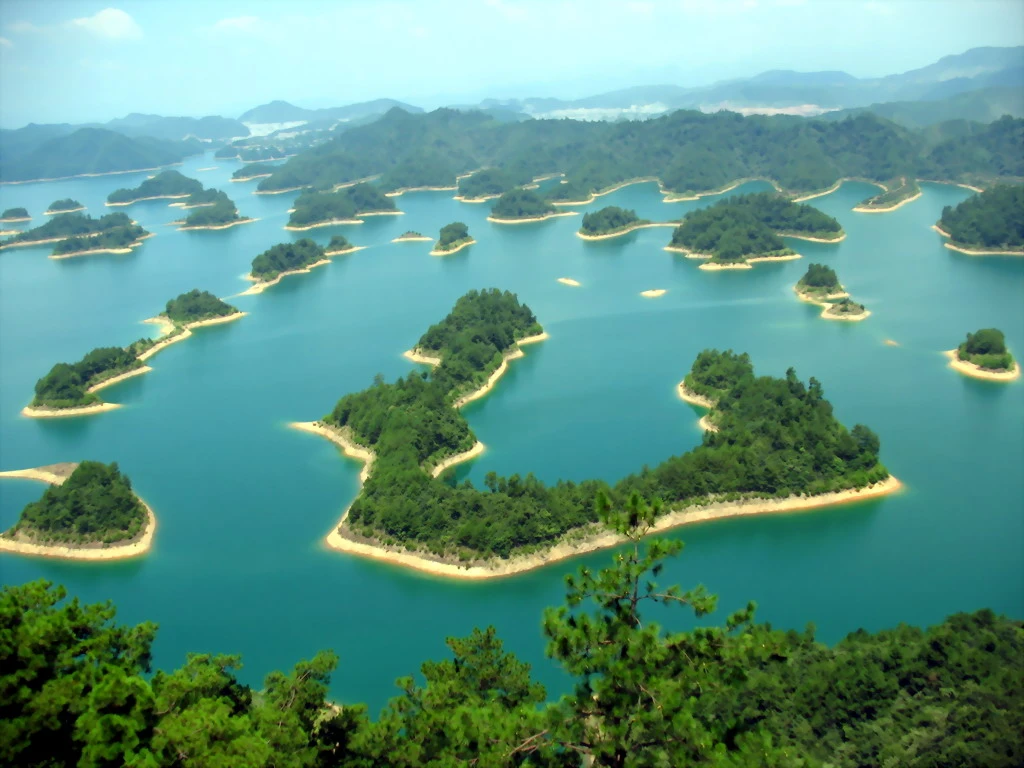
Covering an expansive 573 square kilometers, the reservoir stands as the largest freshwater lake in eastern China. 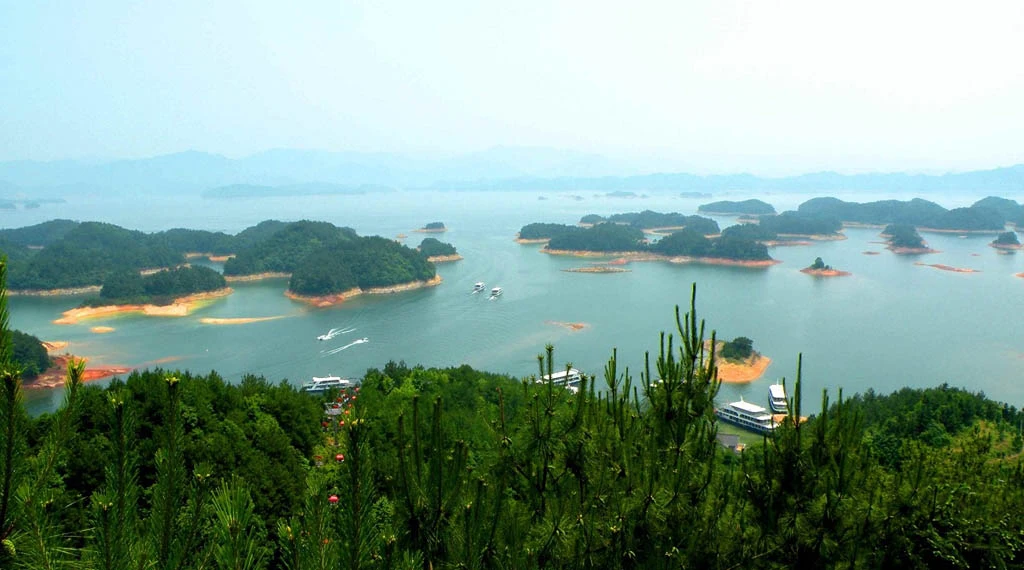
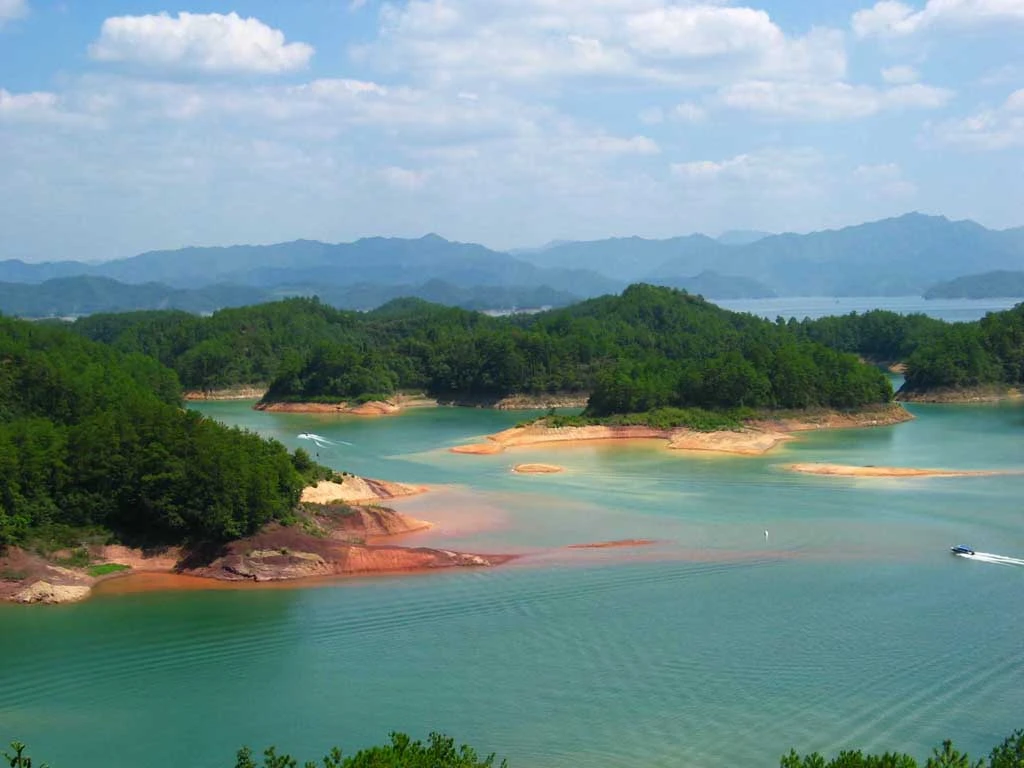
Today, the lake is a major tourist destination in Zhejiang Province. 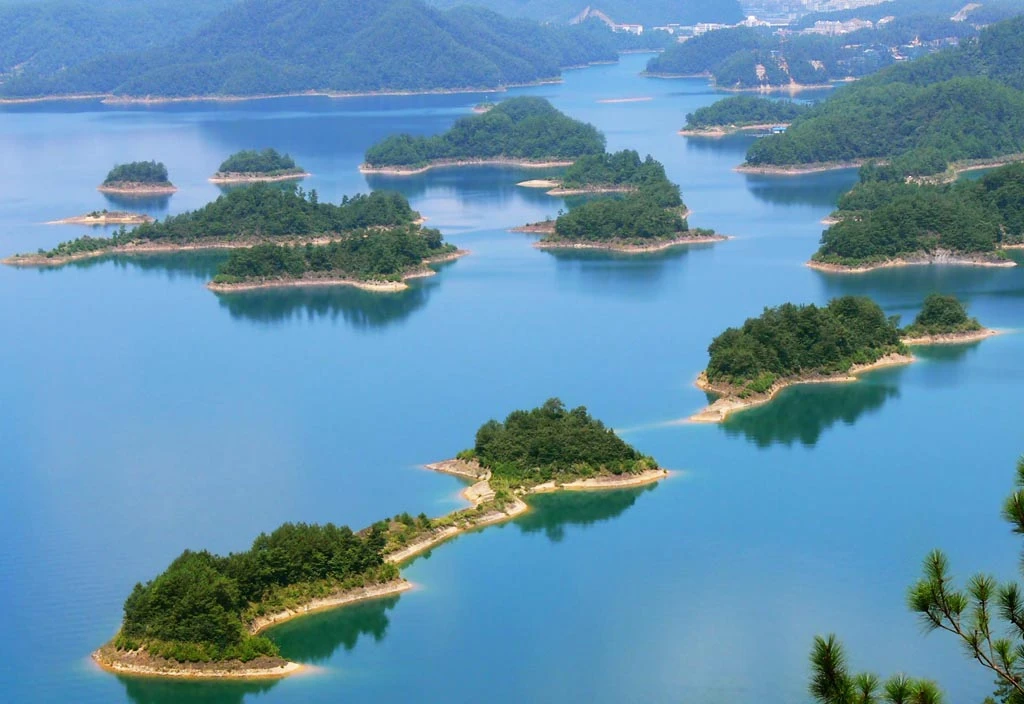
Qiandao Lake hosts 90 bird species and roughly 60 species of wildlife. Each island boasts its own name and unique attraction—for instance, Lock Island is home to a museum dedicated to locks. 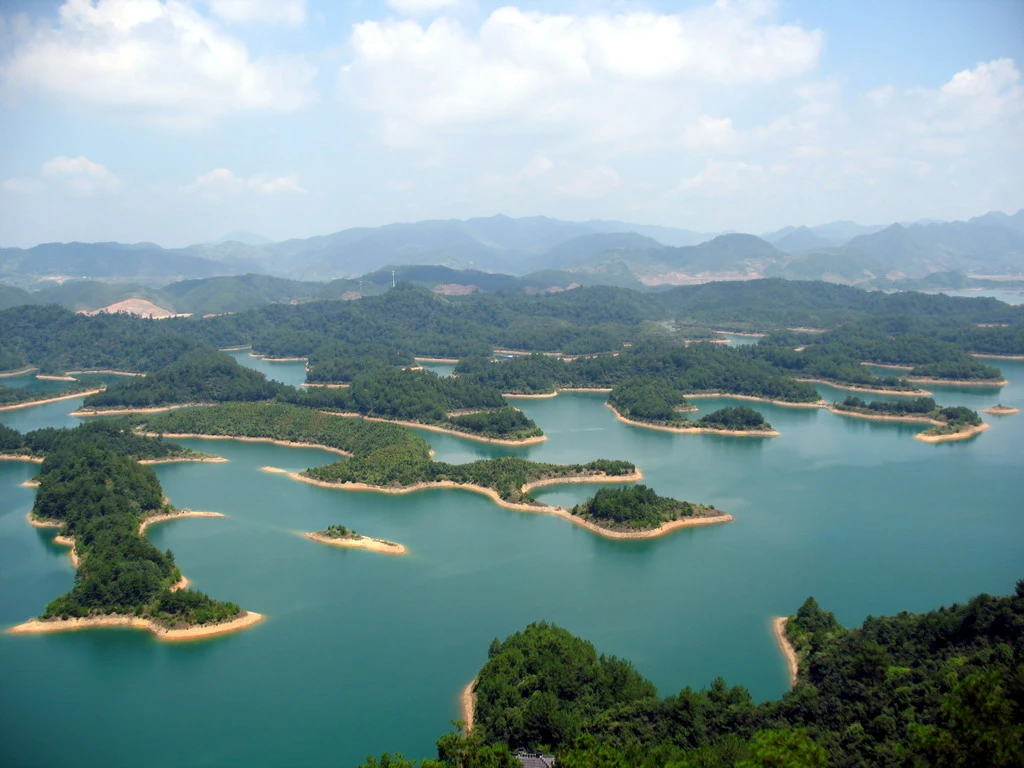
The surrounding hills offer breathtaking panoramic views of the entire lake area. 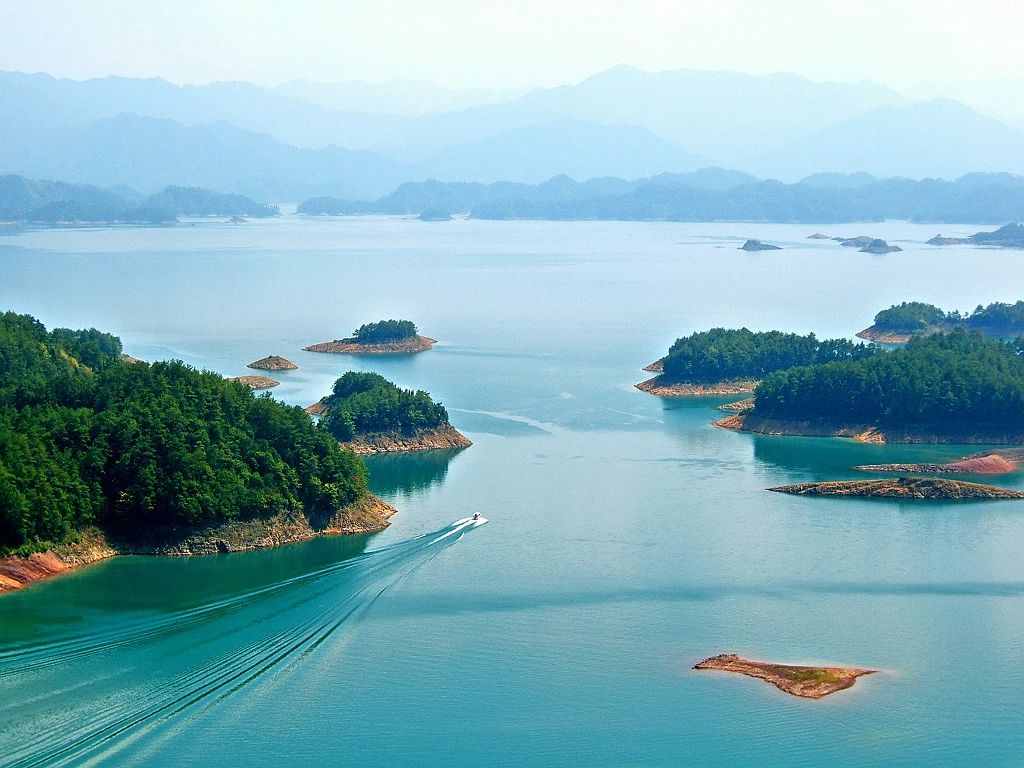
Qiandao Lake is famous for its pristine water quality, which serves as the source for China's popular bottled water brand, Nongfu Spring. 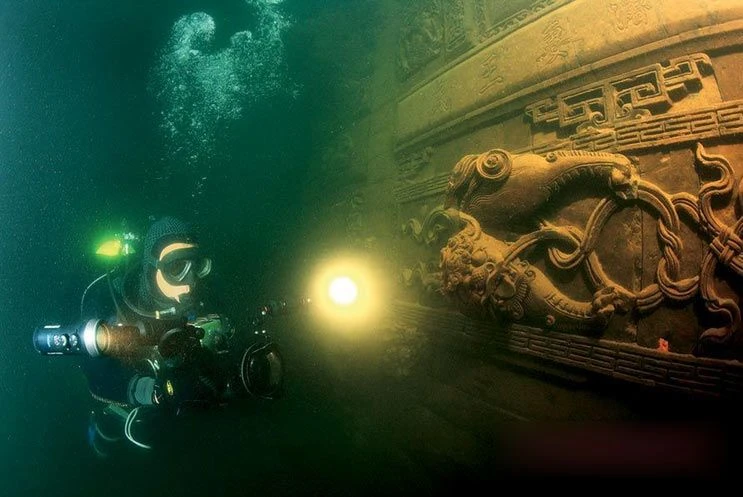
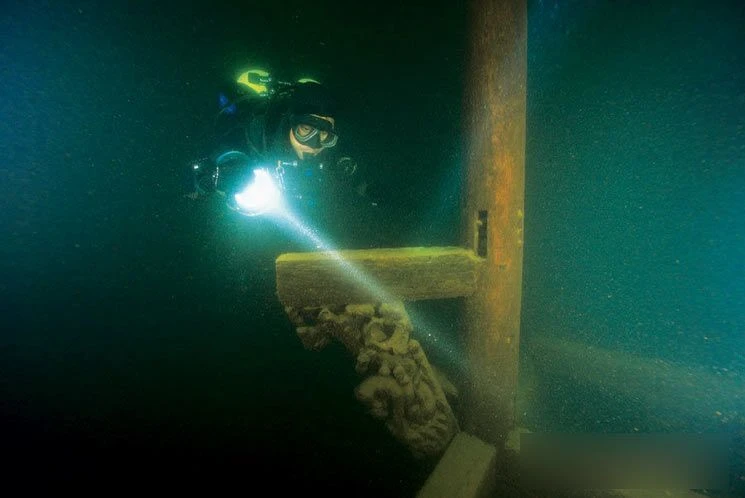
Remarkably, hidden beneath the surface of Qiandao Lake lie the mysterious ruins of an ancient city dating back over a thousand years. 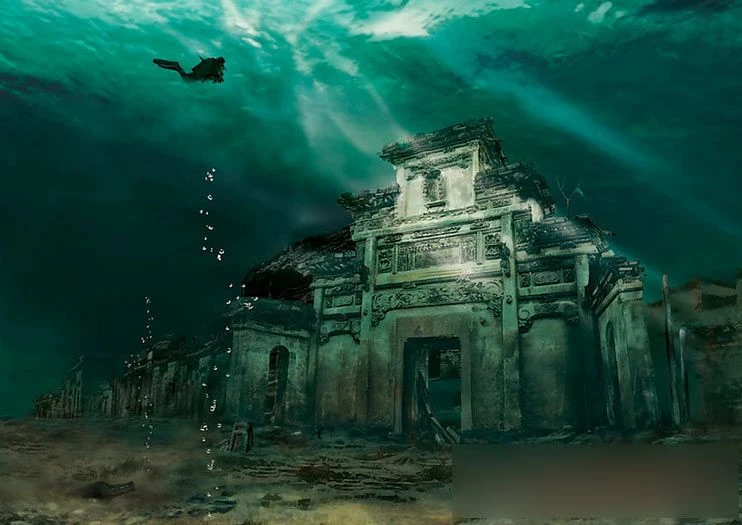
In 2002, divers discovered two ancient submerged cities beneath the lake, estimated to be around 1,800 years old. 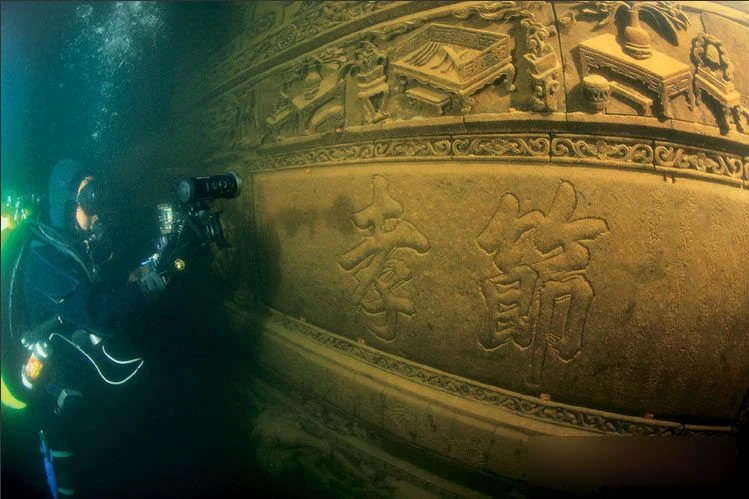
During the Eastern Han Dynasty (25–220 AD), this region was home to Chun'an and Sui'an counties, both of which were flooded to create the reservoir. 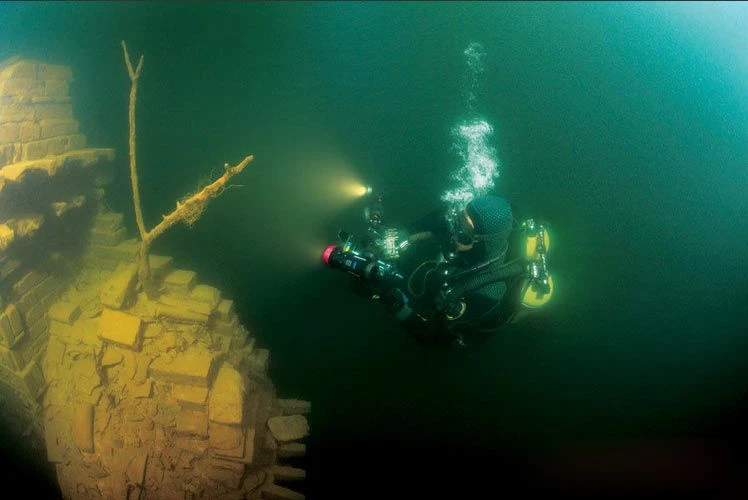
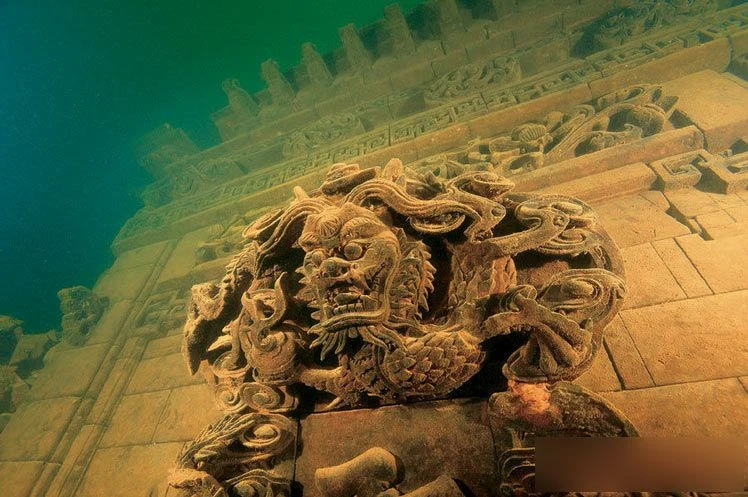
Diving expeditions explored the sunken city of Sui'an, discovering that many of its historic structures remain remarkably well-preserved.