Jacob’s Well: The Natural Sinkhole That Kills Divers (10 photos)
In the photo, two boys leap into the abyss — Jacob's Well in Texas. Measuring 12 feet in diameter, this massive artesian spring flows from the state's largest underwater cave system. The water is so crystal clear that jumping in feels like soaring into open space.
While the well itself is about 30 feet deep, its bottom opens into a maze of endless, unexplored underwater tunnels. To date, eight divers have lost their lives trying to explore them. 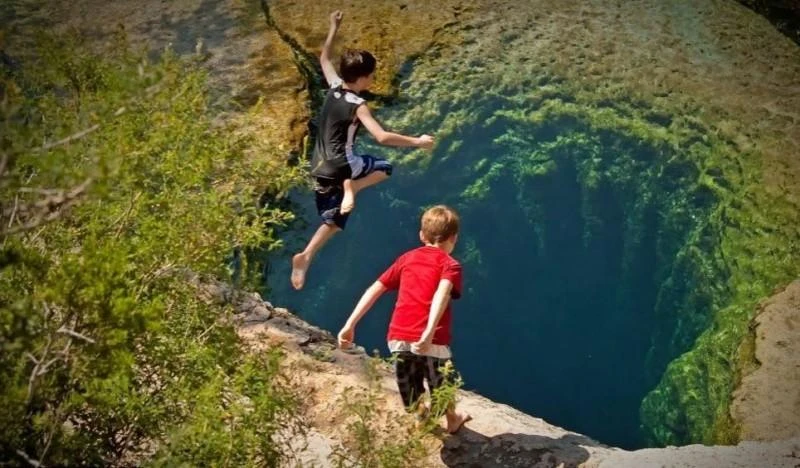
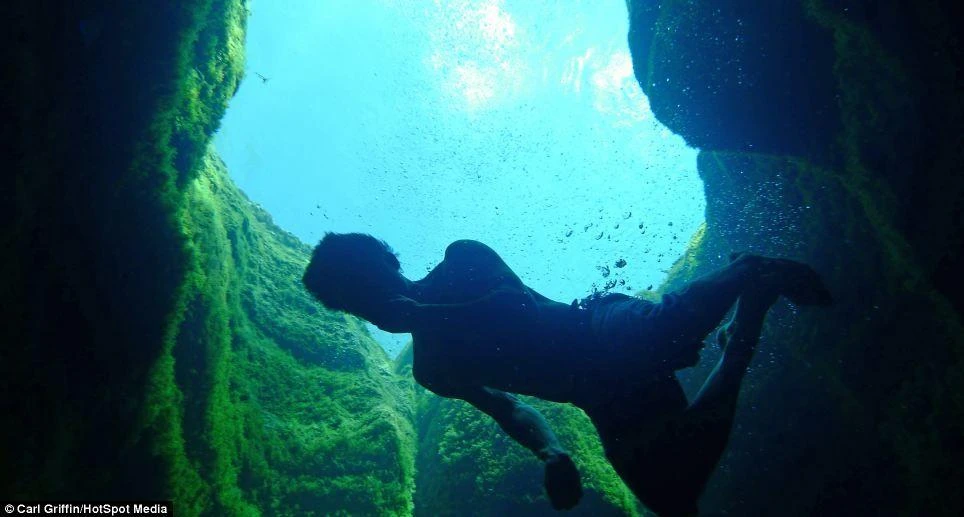
Jacob’s Well in Wimberley, Texas, is considered one of the most dangerous places on Earth. Named after its biblical namesake, this perilous spring has claimed the lives of eight divers. Yet its deadly reputation does little to deter thrill-seekers determined to take the plunge. 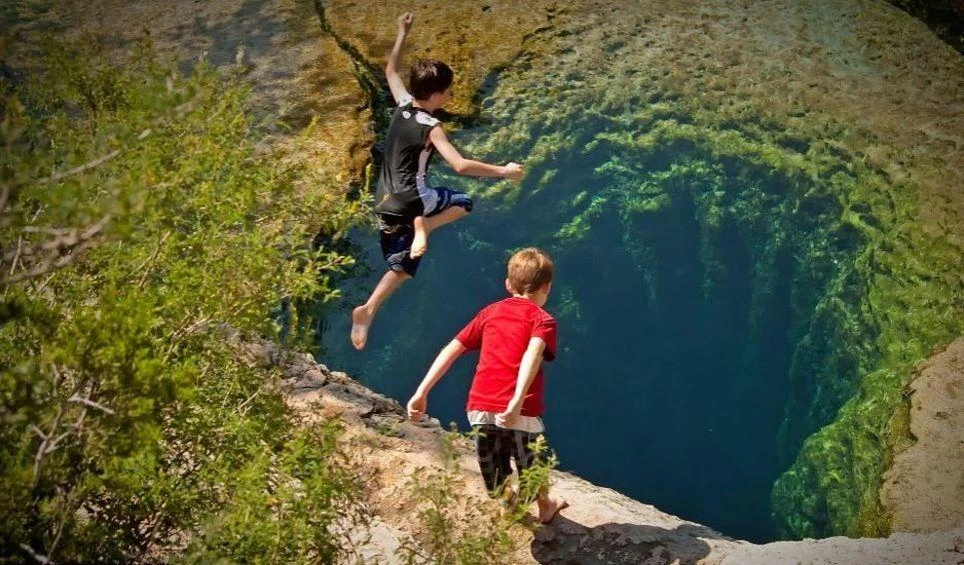
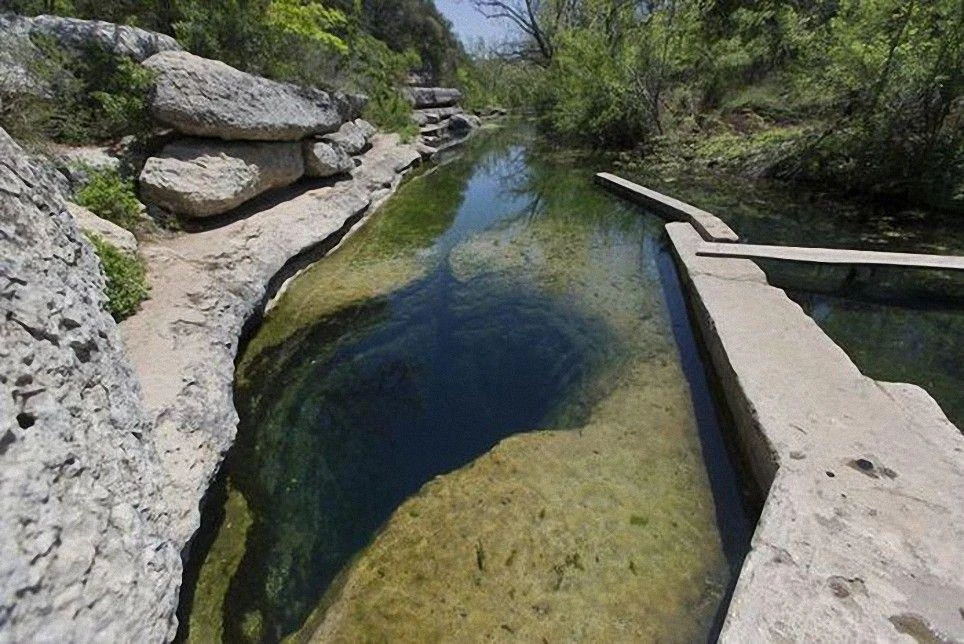
At first glance, Jacob’s Well looks like a harmless swimming hole fed by Cypress Creek. Spanning 12 feet across, the spring appears tranquil and safe. But beneath the surface lie four distinct cave chambers reaching deep into the earth. 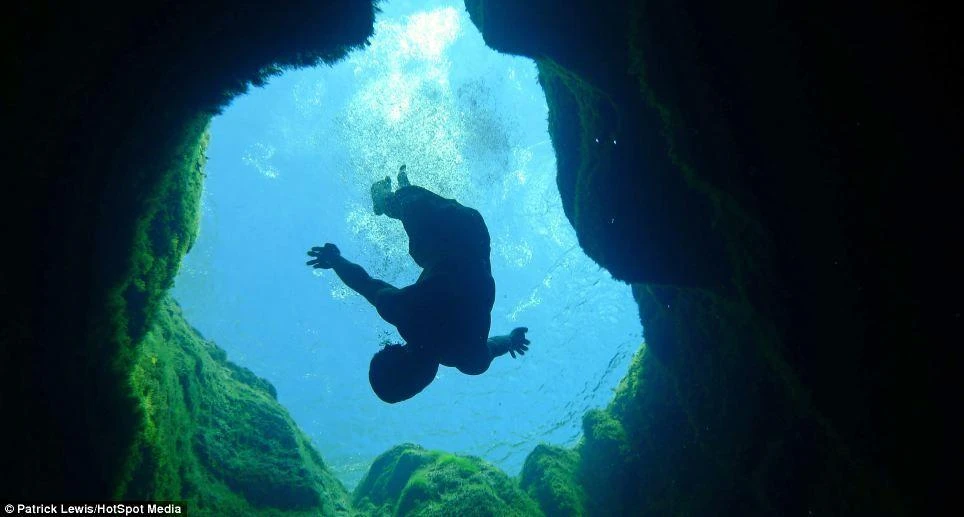
A local dive shop owner believes these underwater caves are precisely what makes the well so treacherous. 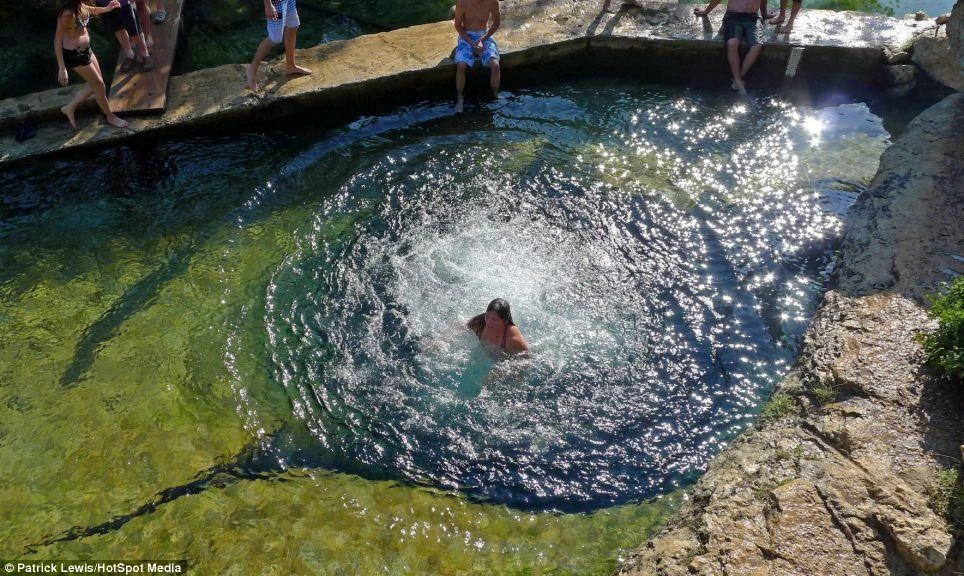
The first chamber begins at a depth of 30 feet and extends down to 55 feet. Sunlight reaches this area easily, illuminating thriving algae and fish. 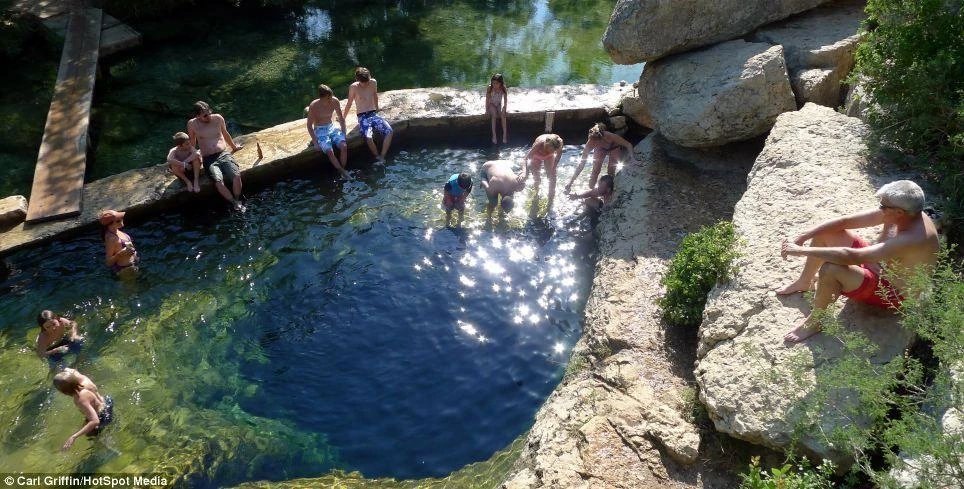
The second chamber sits at 80 feet deep. It has a narrow entrance that can easily trap divers — which is where Texas student Richard Patton tragically lost his life. 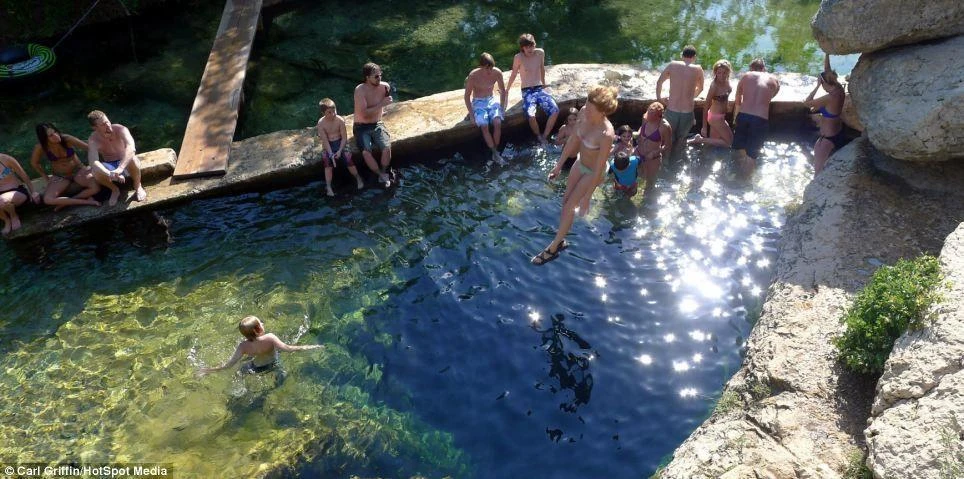
A small opening filled with loose gravel connects the second chamber to the third. Divers must tread carefully not to disturb the sediment while squeezing through into the third chamber. 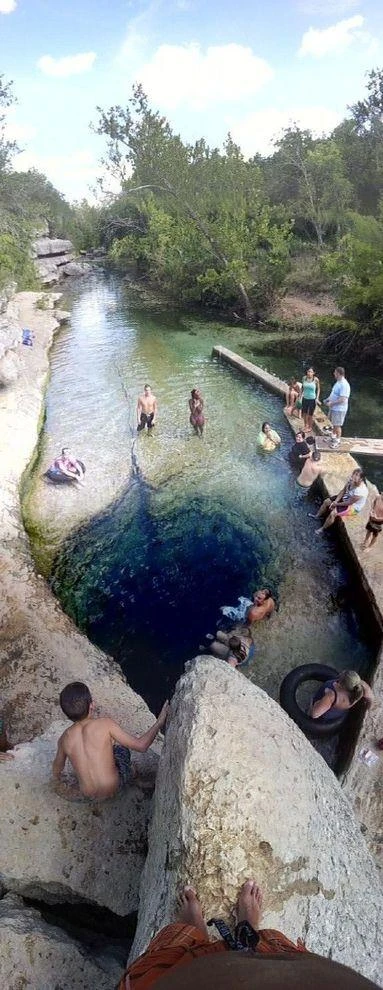
Reaching the fourth chamber is even more challenging. So few have ever seen it that it’s earned the nickname "the virgin cave." Thick layers of limestone silt cover its floor; if stirred up, finding the exit becomes virtually impossible. 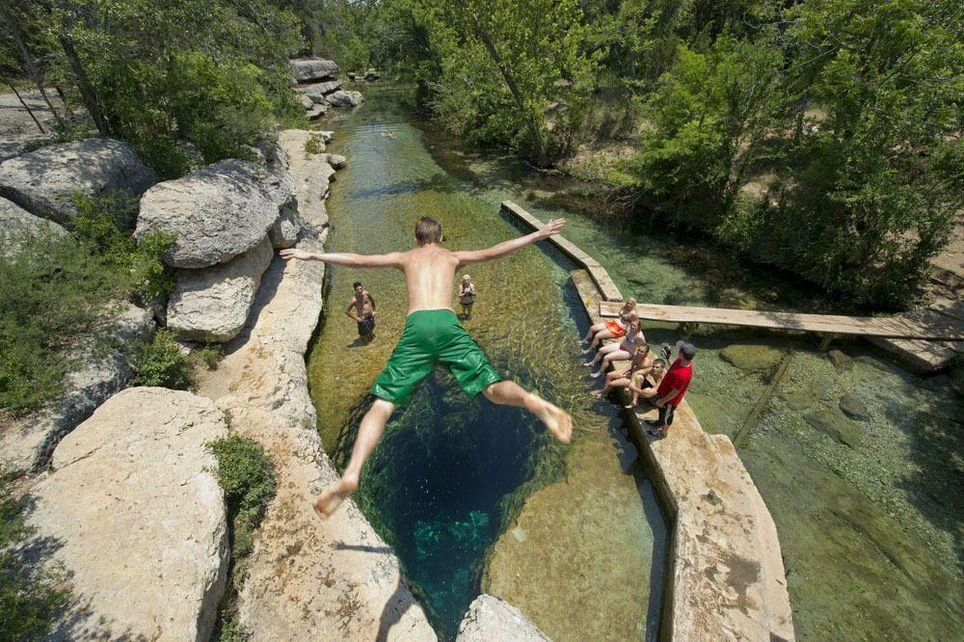
Despite its grim reputation, Jacob’s Well has long captivated divers, scientists, and artists alike. To many, it embodies the essence of life itself, producing crystal-clear water every day for thousands of years.