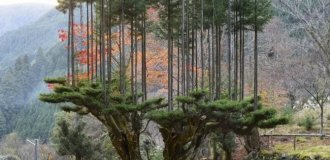
What Is Daisugi? The Ancient Technique for Harvesting Timber Without Cutting Down Trees (8 Photos)
Deforestation has long been a major global environmental crisis. Try as we might to replace wood with synthetic or recycled materials, timber remains indispensable. Yet a method for harvesting natural wood without felling trees has existed for centuries. The ancient Japanese technique of
daisugi
makes it possible to harvest high-quality timber without destroying the plant. Researchers hope this historic practice could one day offer modern forestry a sustainable path forward. 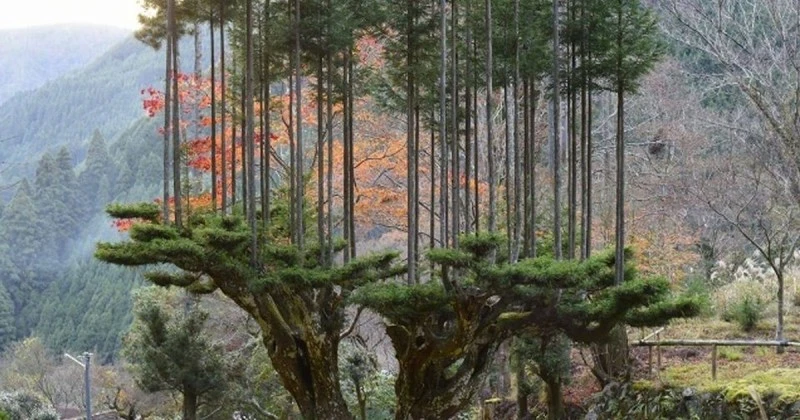
Daisugi
is a centuries-old and visually striking forestry method that dates back to the 14th century. Historical records indicate that it was developed in Kyoto—then the capital of Japan—on the island of Honshu. 
A typical mountain forest in Japan
The technique was born out of sheer necessity. The surrounding mountainous terrain left little flat land for growing timber, and the natural forests around Kyoto produced timber of inferior quality. 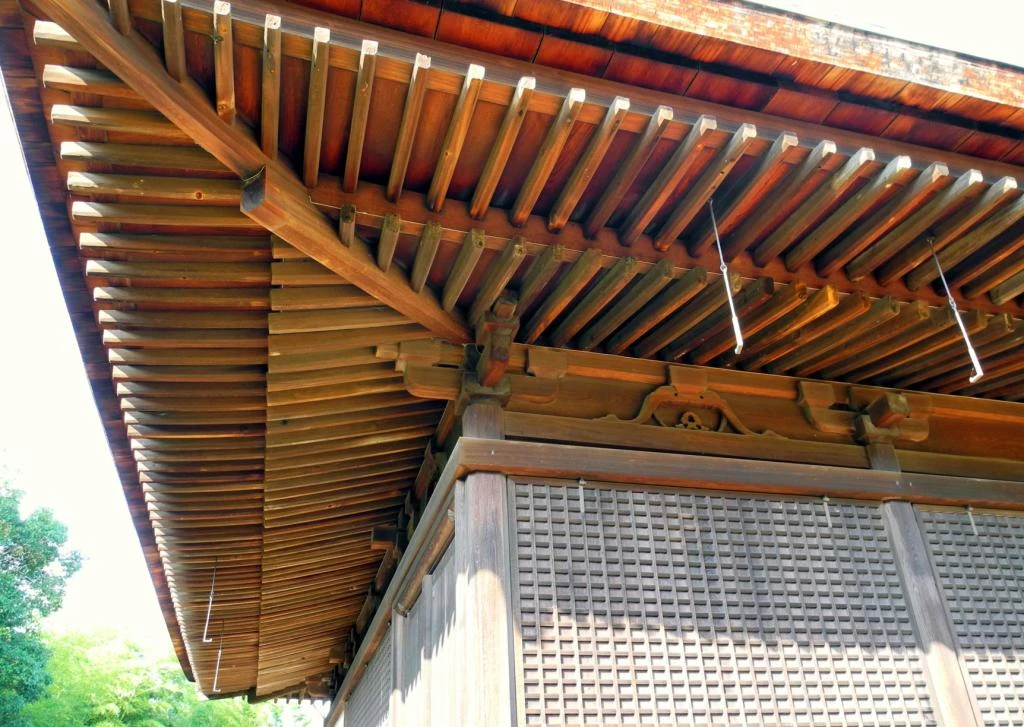
Taruki rafters positioned beneath a traditional roof
Traditional Japanese home construction relied heavily on
taruki
—roof-supporting rafters that required perfectly straight, knot-free timber. Trees growing naturally on steep slopes were often twisted and knobby, making them unsuitable for structural framing. 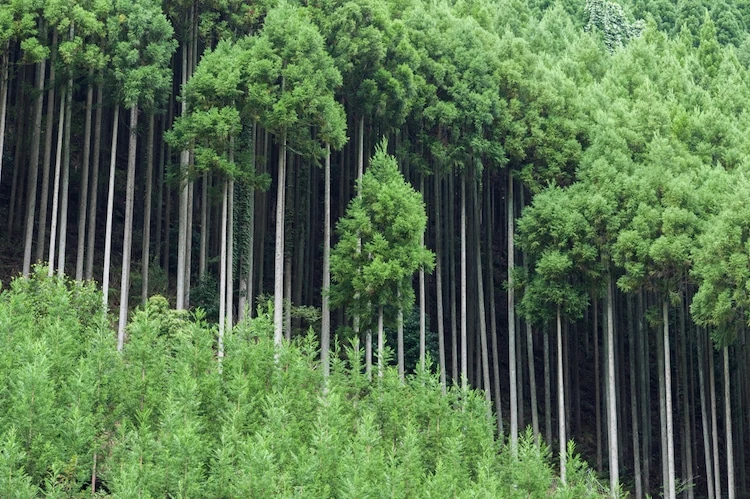
How to Grow a Tree on Top of a Tree
The
daisugi
method—roughly translating to "platform cedar"—provided an ingenious workaround. The technique is used exclusively with Kitayama cedar, also known as Japanese red cedar. Requiring immense patience and care from foresters, it involves meticulously pruning lower branches according to a precise pattern, leaving only straight, knot-free vertical shoots to flourish at the top. 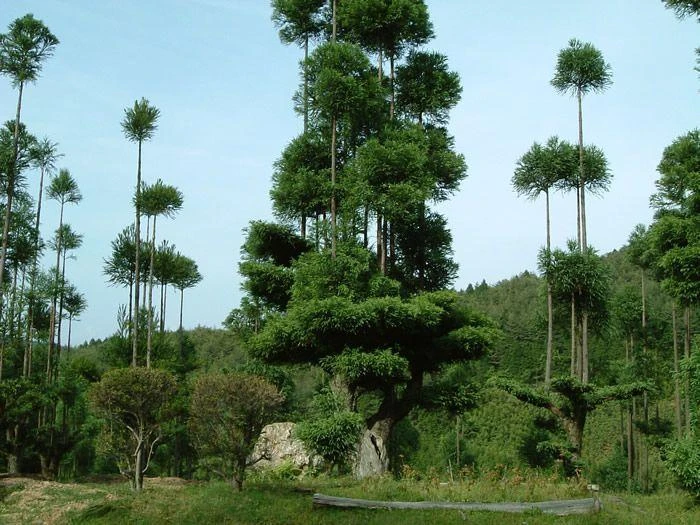
These straight trunks sprout vertically from the parent tree. From the moment a shoot appears to the time it is ready for harvest, roughly 20 to 30 years pass—during which its growth is carefully monitored and guided. 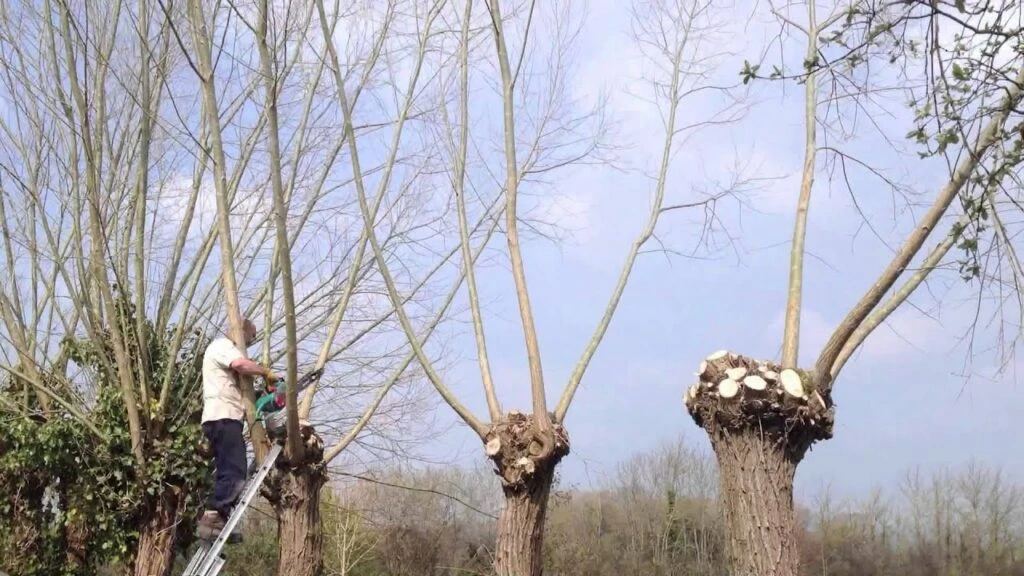
The resulting timber is exceptionally straight and strong, making it ideal for structural building, fine furniture, and decorative crafts. Remarkably,
daisugi
trunks actually grow faster than saplings planted in ground soil because they draw nutrients directly from a fully established, mature root system. 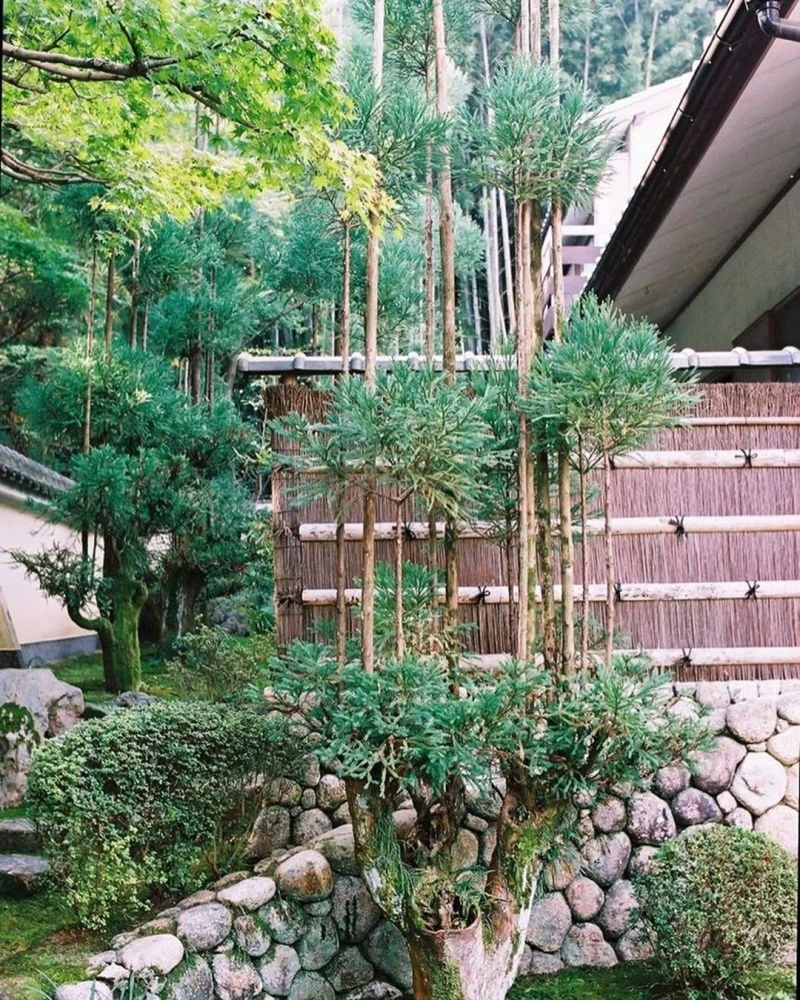
Daisugi
offers a rare win-win for everyone involved: woodworkers receive top-tier lumber, environmentalists appreciate harvesting methods that leave parent trees intact, and cultural preservationists celebrate keeping a historic tradition alive. Landscape designers love it too, frequently incorporating
daisugi
trees into stunning multi-tiered garden displays. 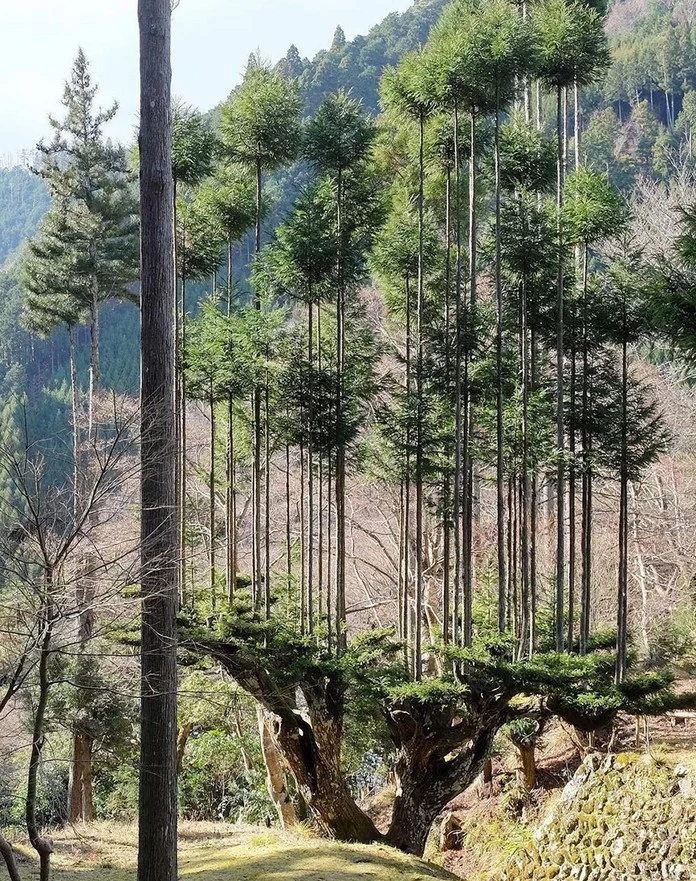
Closely related to the Japanese art of bonsai,
daisugi
applies many of the same precise pruning practices—only scaled up to produce timber rather than miniature ornamental trees.