A similar coat color, the same tiny paws, rounded ears, and a plump rear end. Plus, they share the exact same home address: South America. You could easily mistake them for baby capybaras! But you’d be dead wrong. Despite the striking family resemblance, agoutis inhabit a completely different world. 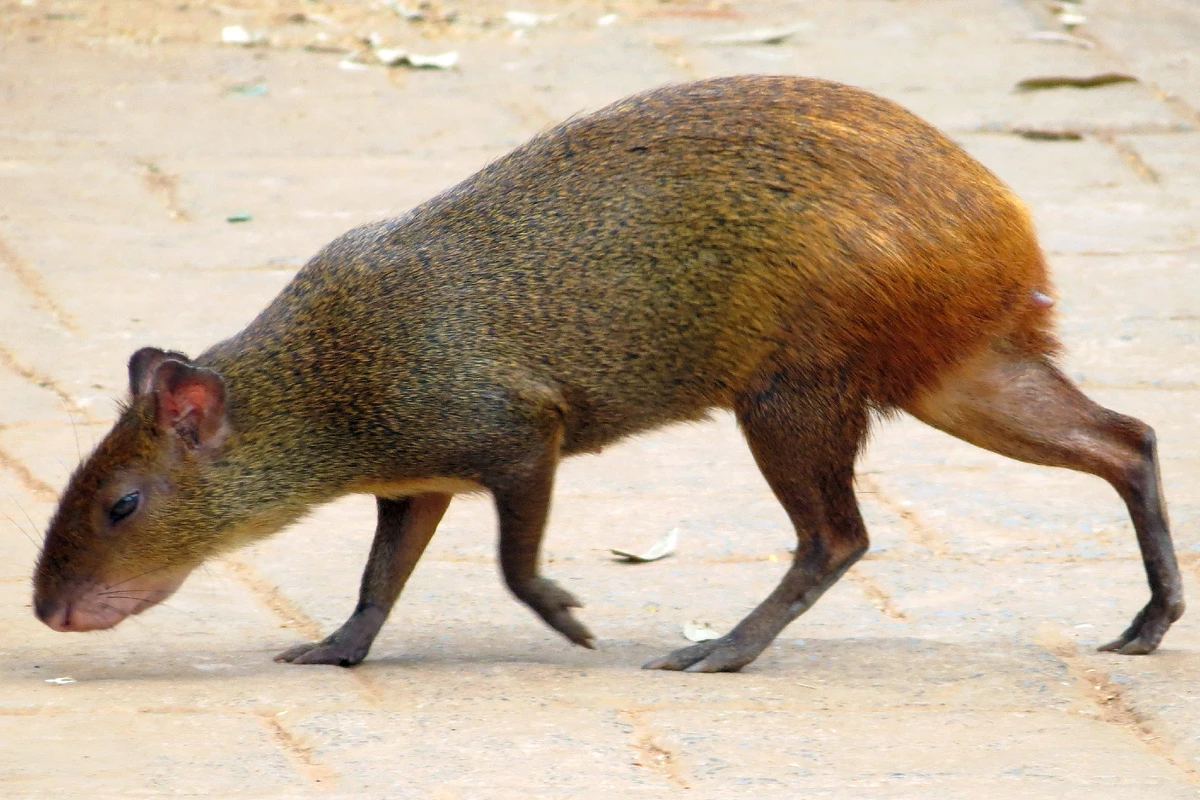
Great, now he's bummed he isn't a capybara...
First things first: agoutis don't like anyone, and they certainly don't make friends. They're jittery scaredy-cats who don't even trust their own kind. While some species pair up and others form small family units, most are solitary loners who jump at every rustle in the leaves. 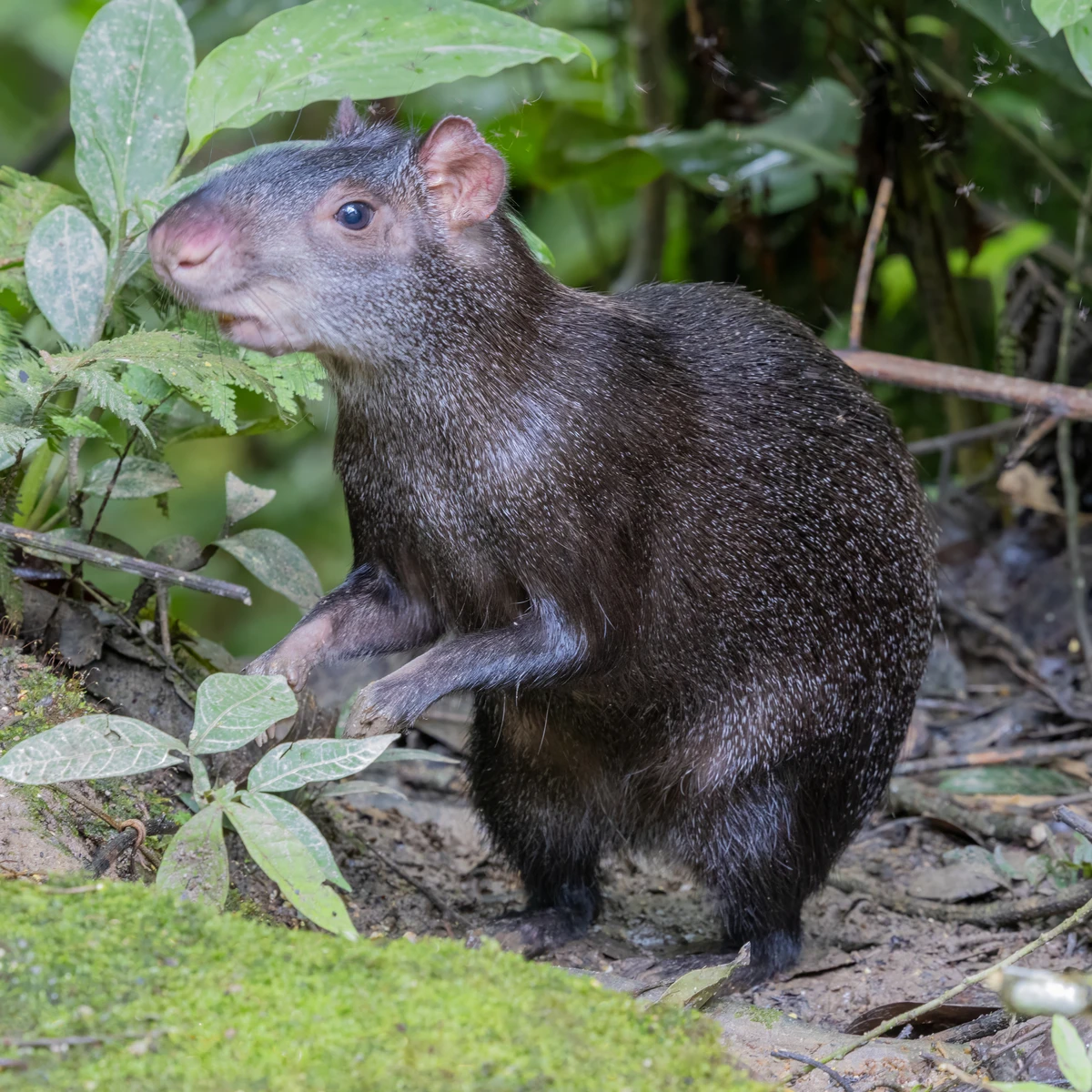
Not looking so much like capybaras now, are they?
And who can blame them? Tipping the scales at a mere 3 to 4 kilograms, they have a laundry list of enemies: ocelots, jaguars, bush dogs, snakes, and virtually every caiman in the neighborhood will gladly snap up a small rodent. Agoutis survive purely on sheer paranoia and lightning-fast feet. If an agouti ever tried lounging around like a chill capybara, it’d get eaten before sunset. 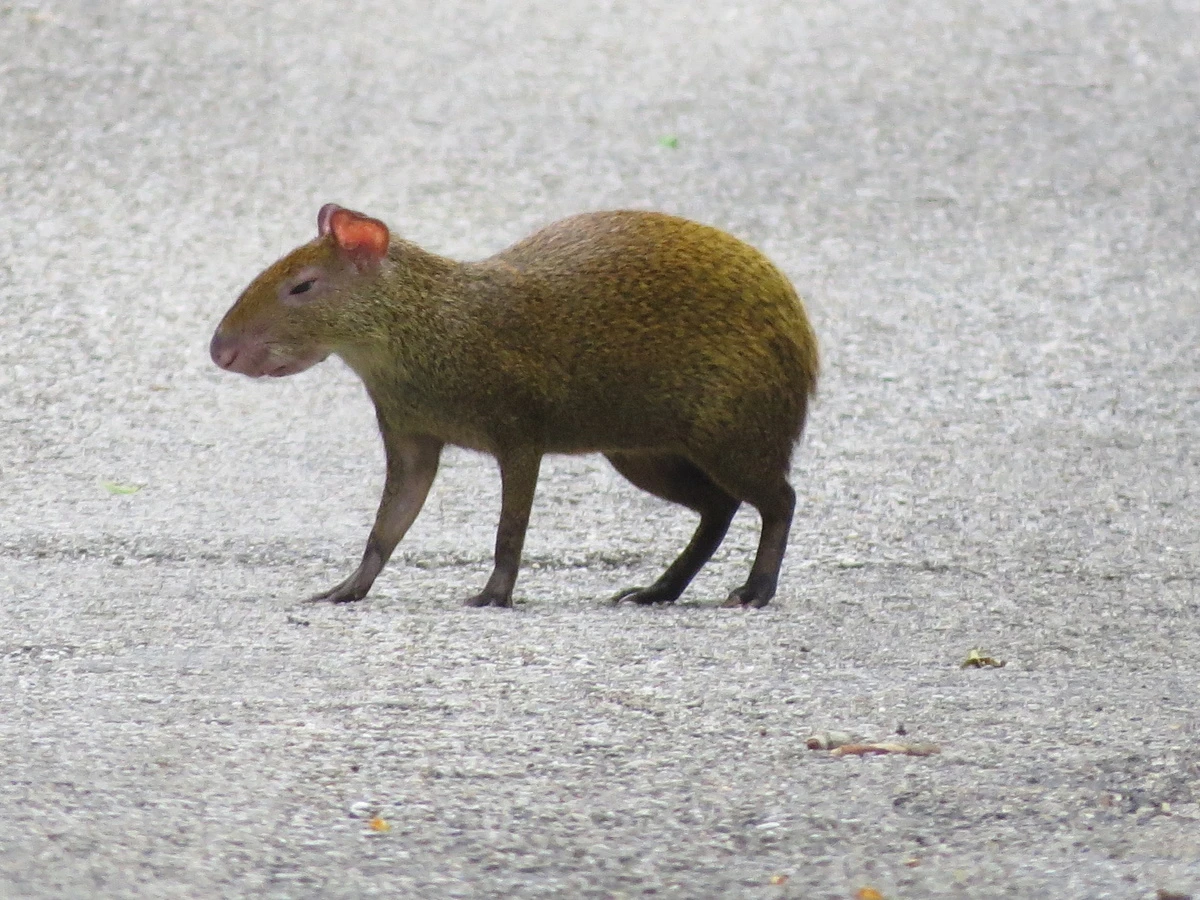
Sigh... always bummed they can't be capybaras...
At the slightest hint of trouble, the agouti bolts, accelerating up to 40 kilometers per hour. Keeping up with this little speedster is no easy feat. Even at breakneck speeds, it remains astonishingly agile, clearing fallen logs and dodging multiple predators all at once! Locals claim an agouti can lead hunting dogs on a chase for over an hour and still come out on top. And canines are some of the most relentless endurance hunters on Earth—very few creatures can beat them at their own game. 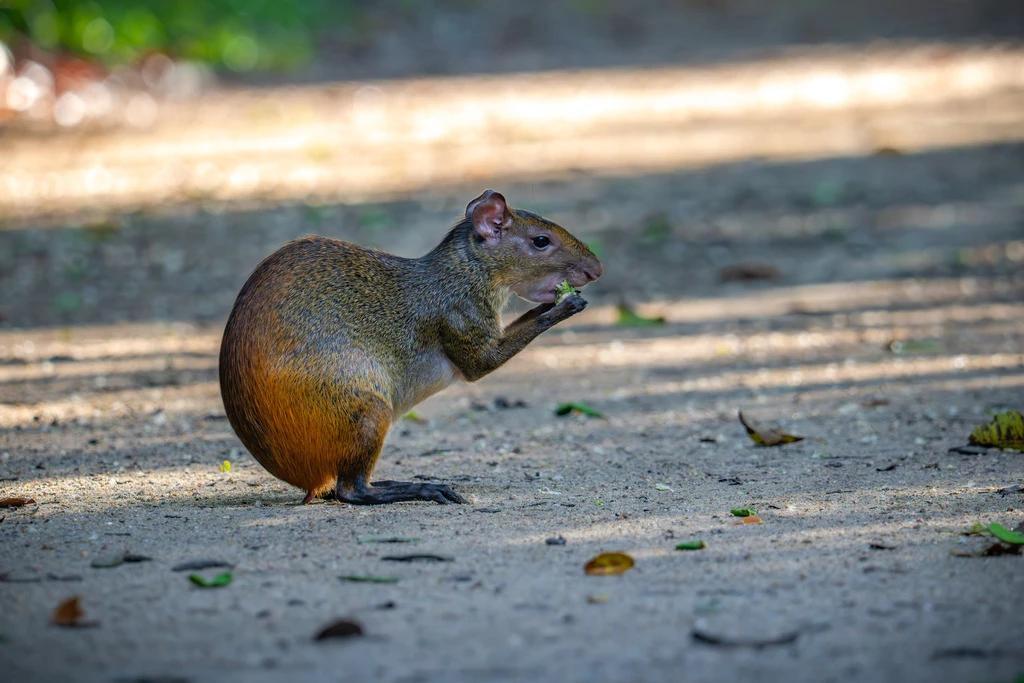
Hang on, pups, let me grab a quick bite and we can get back to running.
When they aren't running for their lives, agoutis do what rodents do best: gnaw. They prefer dense, fibrous food, and their absolute favorite treat is the Brazil nut. The nut’s rock-hard casing keeps its delicious, nutrient-packed kernel (18% protein!) safe from most omnivores. But that tough shell is no match for the agouti, whose powerful jaw muscles and razor-sharp incisors crack it wide open with ease. 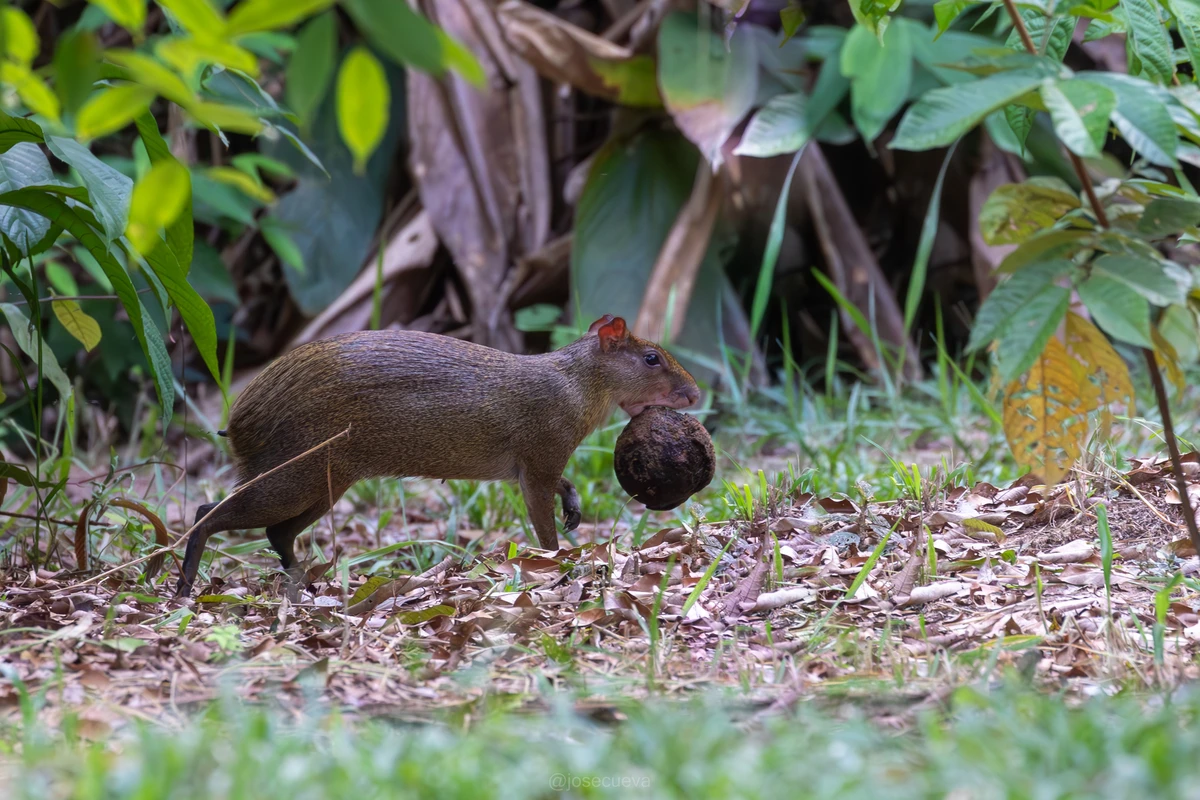
Cracked a Brazil nut and hauling it off to a safe spot. 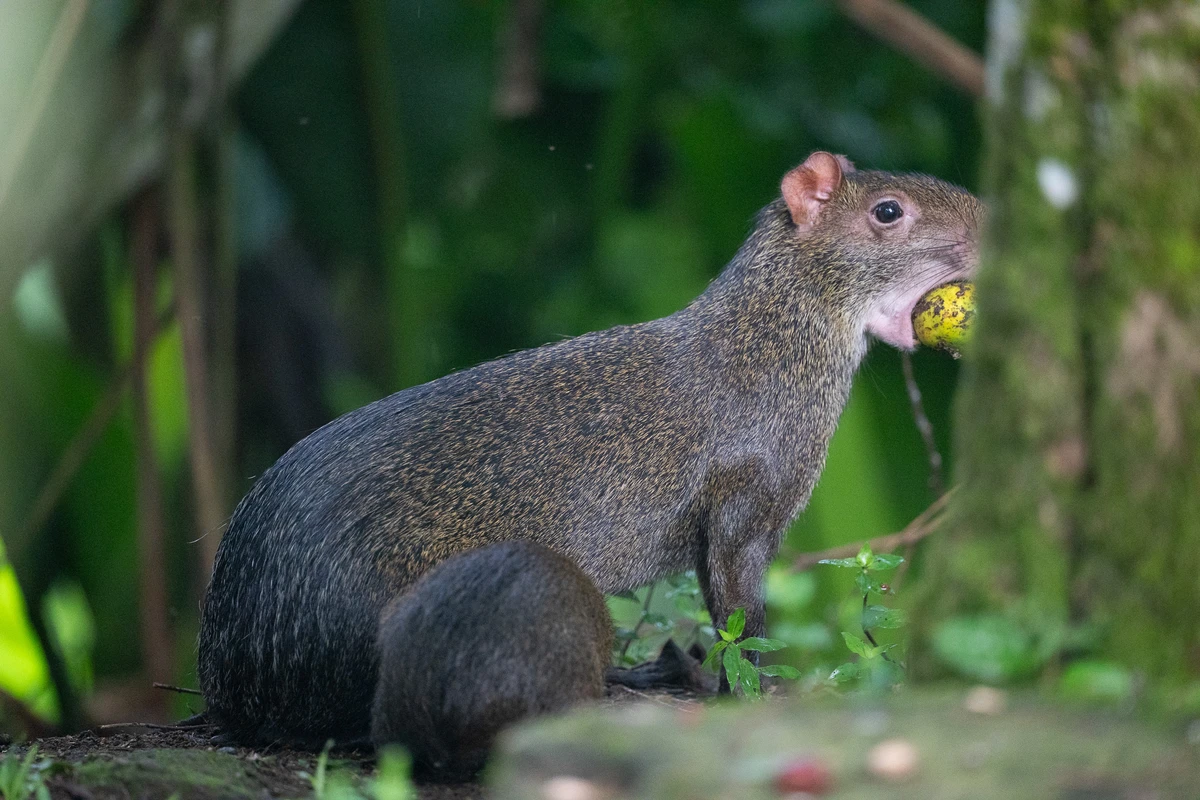
I love watching my wife eat. She’s so cute when she chews!
Thanks to their foraging prowess, agoutis never go hungry and can breed year-round, not just during bumper harvest seasons. However, the ability to reproduce on demand comes with a trade-off: a lengthy gestation period. Females carry litters of up to five pups for up to four months—an exceptionally long pregnancy for such small mammals. On the upside, the newborns arrive fully furred, with their eyes wide open, and are ready to sprint from danger within an hour of birth. 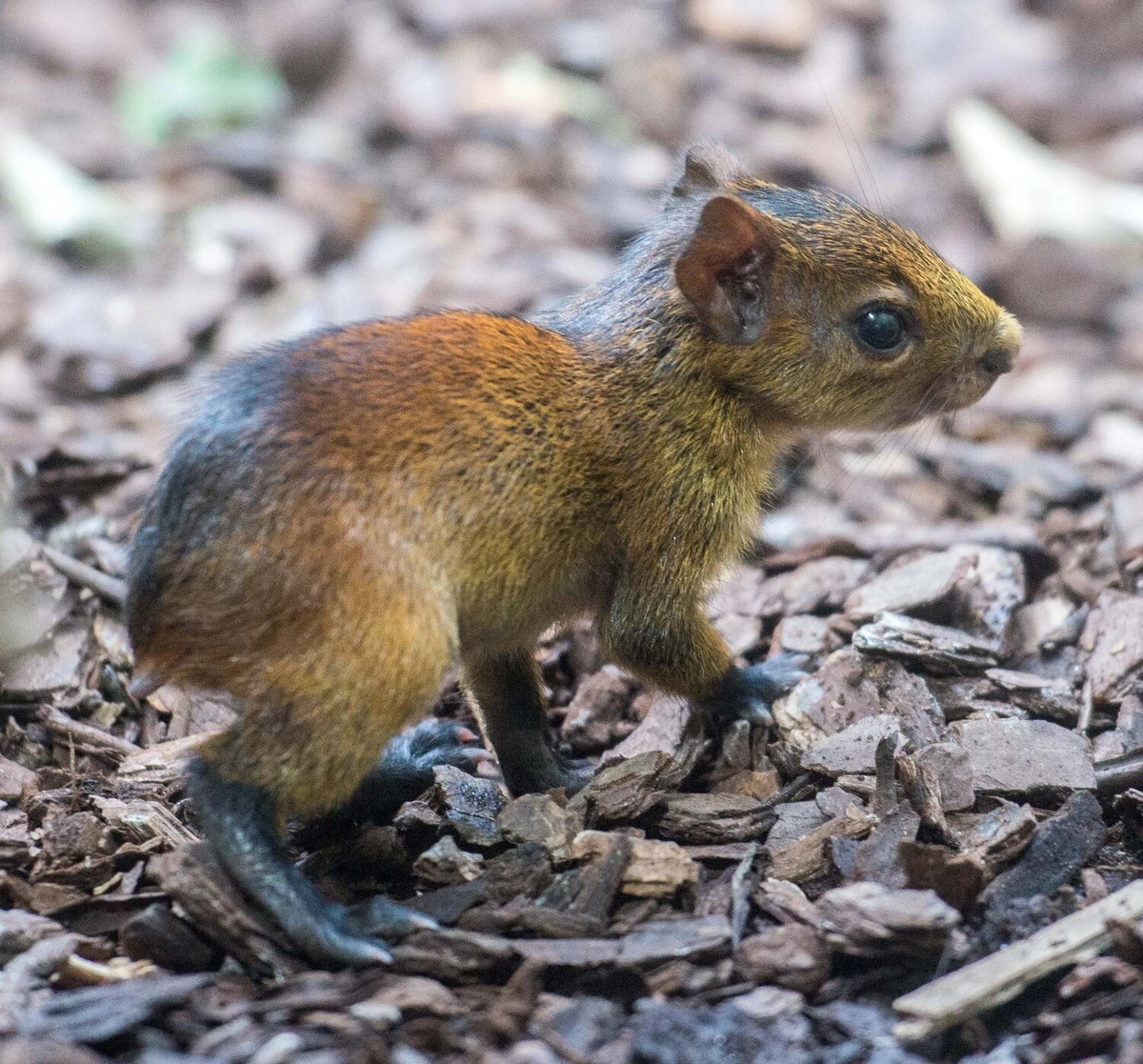
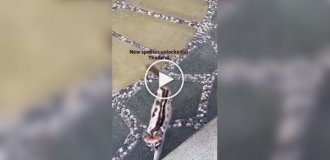
Here’s what a baby agouti looks like!
Even so, mothers take good care of their young. A mother hides her pups in a sheltered den and adopts a strategy much like a hare's: dropping by periodically to nurse, but never lingering too long to avoid attracting predators. Around two months in, the youngsters are mature enough to eat solid food and leave the den without so much as a goodbye. By 9 to 12 months of age, they are already ready to start families of their own. 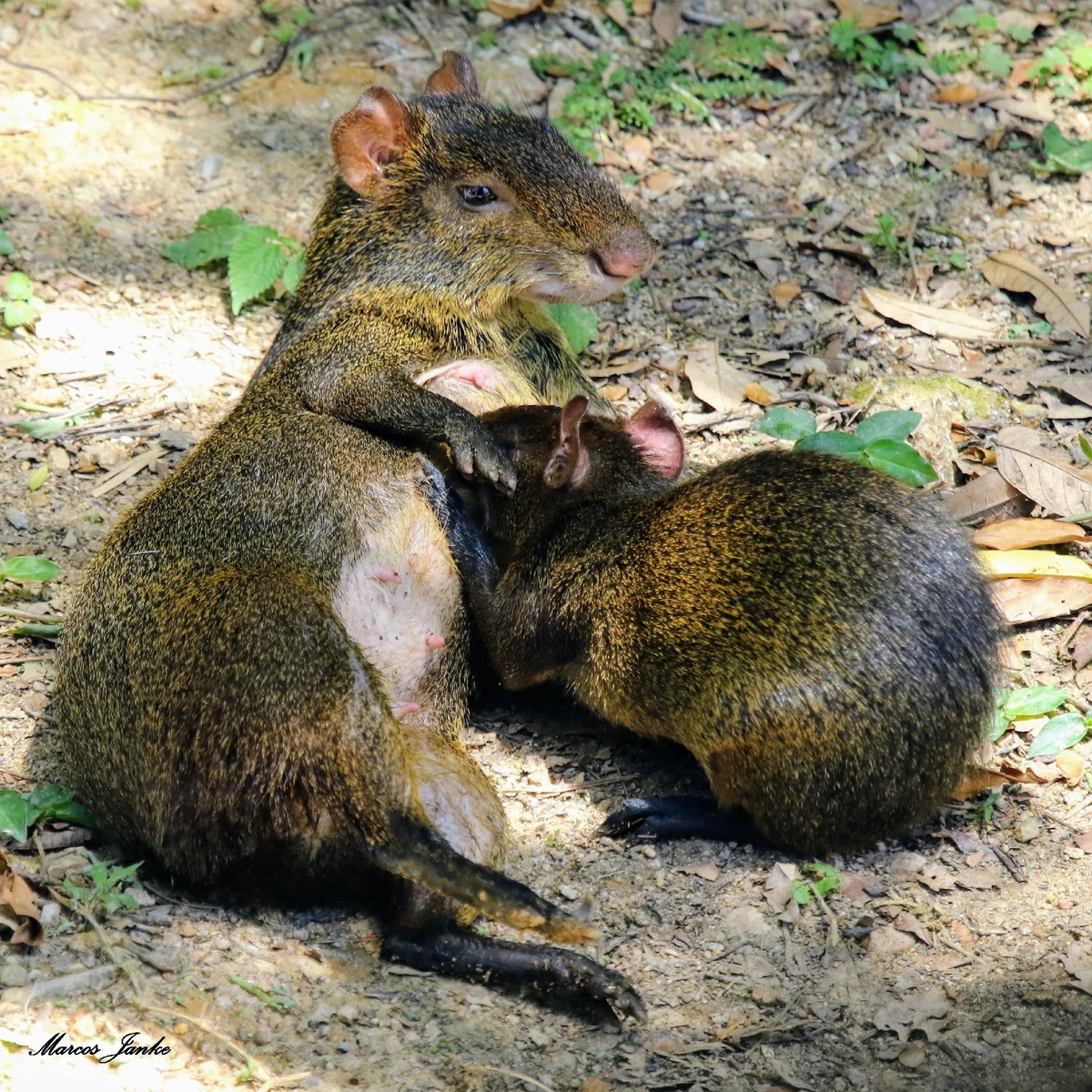
Moms of every species look equally exhausted.
If an agouti stays sharp, keeps its ears pricked, and its legs swift, it can live to see its 20th birthday. That’s an astonishing lifespan for such a small creature, and practically unheard of among rodents!
Add your comment
You might be interested in:















The King They’d Rather Forget: How Queen Elizabeth II’s

6 Events That Have Happened Only Once in History (7 Photos)

Techno music played on classical instruments

Captivating Photos from the Past You Need to See (41 photos)

20 Mixed-Race Women Whose Beauty Is Simply Stunning (21

22 Photos of Mind-Blowing Things That Actually Exist in

These Places Have Stood for Centuries—But Only Side-by-Side

Spanish is easy, right?

A sea breeze at sunset
