6 Events That Have Happened Only Once in History (7 Photos)
Our world is full of wonders. Extraordinary things happen all the time, and sometimes they even repeat themselves. For instance, did you know that the Mississippi River once flowed backward? Or that it didn't just happen once, but three separate times? Yet, there are some truly unique events that have only ever happened once in recorded history. 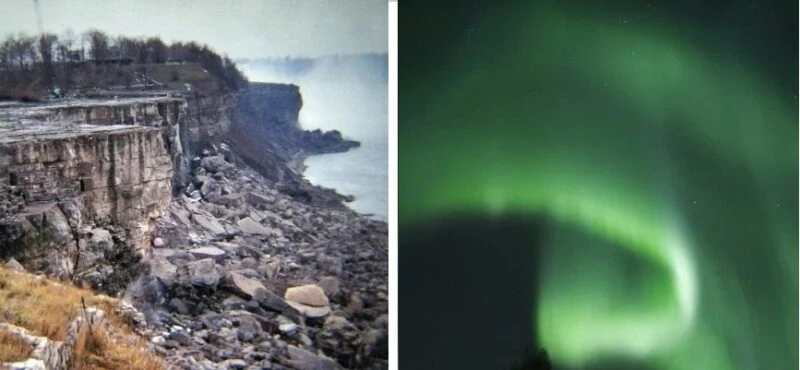
The London Beer Flood 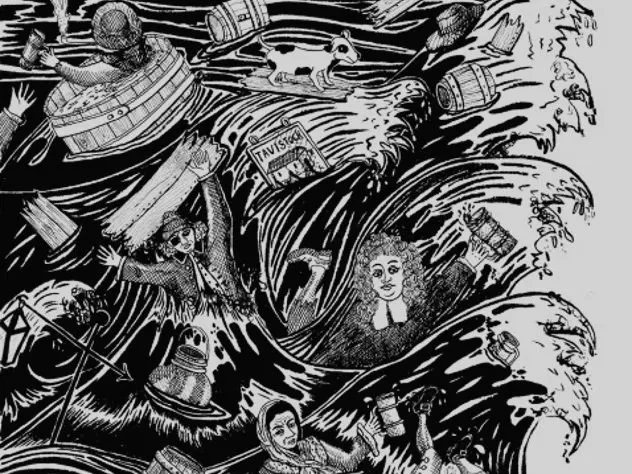
"Help, I'm drowning! I'm dying in a vat of beer!" While that sounds like a line from a fable, the residents of early 19th-century London experienced a very real—and terrifying—beer-filled disaster.
In October 1814, a massive beer vat ruptured at a brewery on Tottenham Court Road, triggering a chain reaction among neighboring vats. The result? A colossal wave of 1.5 million liters of beer burst into the streets, knocking down walls and tearing through buildings.
The deluge claimed nine lives—eight people drowned, and one died of alcohol poisoning. The incident was ultimately declared an act of God, leaving the victims unable to collect compensation from the brewery.
The Carrington Event: The Great Solar Storm of 1859 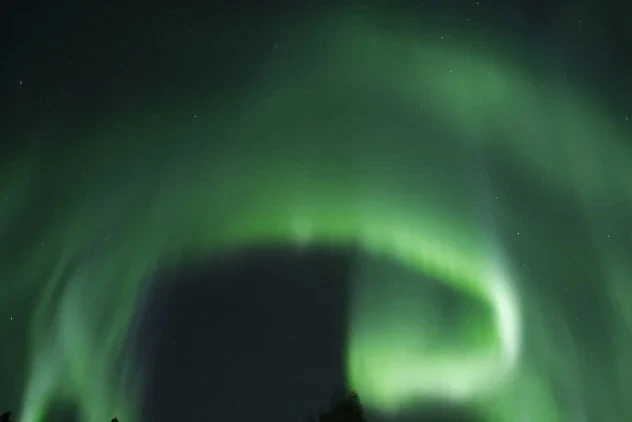
On September 1, 1859, British astronomer Richard Carrington observed solar flares that unleashed the most powerful geomagnetic storm in at least 500 years. The fallout was dramatic: telegraph networks across Europe and North America collapsed, while auroras lit up the night sky worldwide, appearing even in the tropics over the Caribbean.
The lights were so intense that people woke up thinking morning had broken. On one hand, it must have been a breathtaking sight to behold; on the other, anyone sensitive to space weather can be thankful they weren't around to experience such an extreme atmospheric disruption.
The Eradication of Smallpox 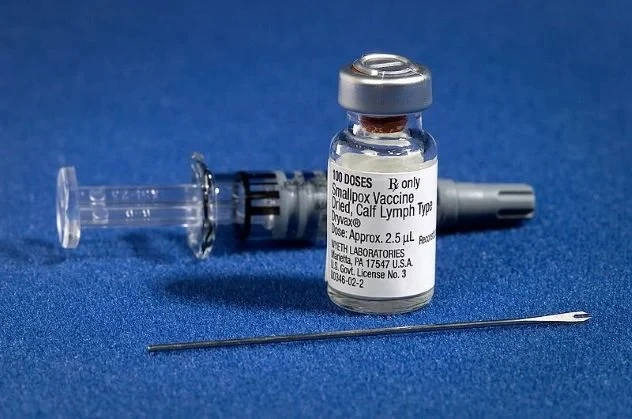
In 1967, humanity set out on a historic mission: to eradicate smallpox, a deadly disease that claimed two million lives every year and left survivors permanently disfigured.
The campaign took just over a decade. The final naturally occurring case was recorded in 1978, and by 1979, smallpox was officially declared eradicated. To this day, it remains the only human infectious disease to be completely wiped off the face of the Earth.
Up Close with the Ice Giants 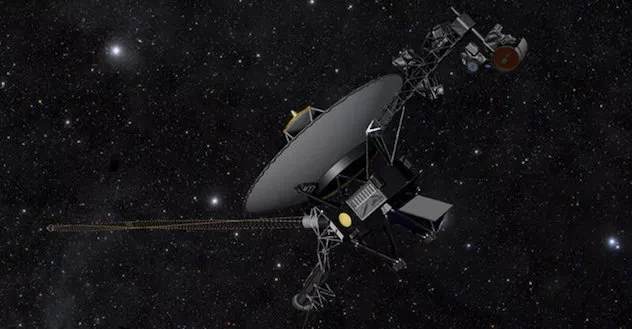
Our Solar System harbors just two ice giants—planets composed primarily of water, ammonia, methane, hydrogen sulfide, and rock: Uranus and Neptune. Launched in 1977, NASA's Voyager 2 became the first—and so far only—spacecraft to visit both planets, flying past Uranus in 1986 and Neptune in 1989.
Thanks to Voyager 2, we learned that Uranus's atmosphere is roughly 85% hydrogen and 15% helium, with a scalding subterranean ocean churning 800 kilometers below its cloud tops. During its flyby of Neptune, the probe captured images of active geysers on one of its moons.
The Capture of a Fleet by Cavalry 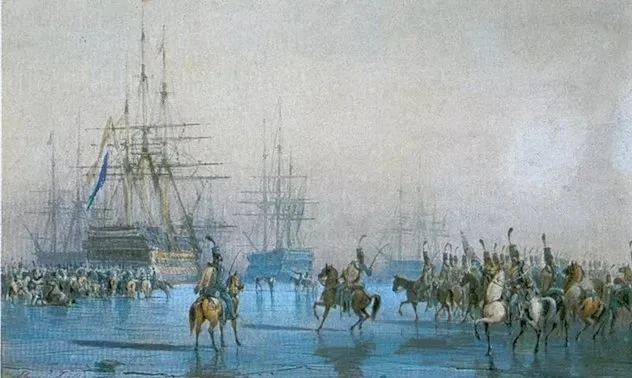
Can you imagine cavalry and infantry capturing an entire naval fleet—14 ships of the line armed with 850 guns, plus several merchant vessels? Yet that is precisely what happened. In January 1795, the Dutch fleet was anchored near Amsterdam during an unusually brutal winter. The waters froze solid, trapping the ships in ice and allowing resourceful French forces to charge across the ice and capture the entire fleet.
The Day Niagara Falls Ran Dry 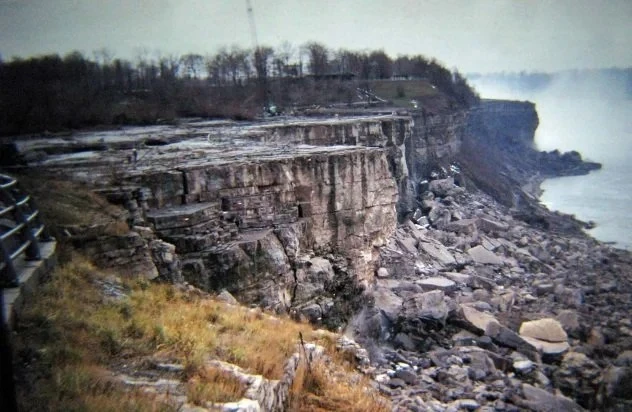
Every second, 567,000 liters of water thunder over Niagara Falls. But if you had visited in the summer of 1969, you would have seen no roaring cascades at all. To carry out critical erosion control work, engineers temporarily dewatered the American Falls for several months.
Far from deterring visitors, the phenomenon triggered a tourism boom. Nearly 90,000 tourists flooded the area during the very first weekend alone, with some even daring to walk across the dry riverbed.