Amenities Under Sail: How Sailors of the Past Answered Nature's Call (7 photos)
For modern observers, the sight of a brigantine cutting through the waves under full sail evokes romantic visions of adventure and the open sea. Few today stop to consider what daily life was actually like for crew members aboard wooden ships. In reality, life aboard sailing vessels was driven by grim necessity and cramped, extreme conditions where nothing worked like it did on land—including something as basic and vital as answering the call of nature. 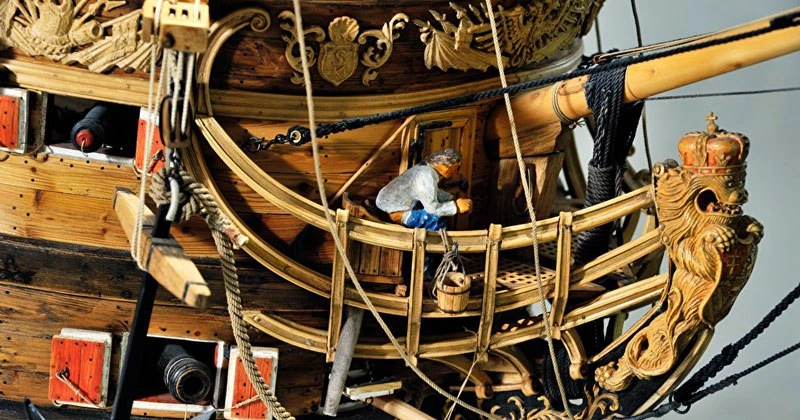
Ships' figureheads were often true works of art. Carved Neptunes, mermaids, and mythical beasts gliding proudly above frothing waves cut a majestic figure and served as iconic features of sailing ships. But few realize that mariners referred to these bow decorations as "head" figures and that, beyond their aesthetic appeal, they served a far more pragmatic purpose. 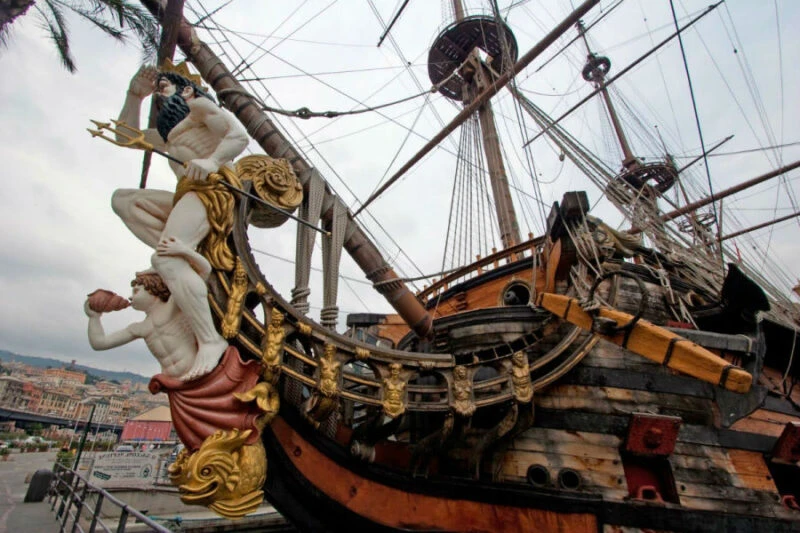
In the 16th to 18th centuries, shipboard latrines—known as "heads"—were located in two main areas. The crew and passengers relieved themselves at the bow, while the captain and officers used a specially built facility at the stern. So that romantic carved figure at the bow of a sailing ship was actually just decorative dressing for the ship's latrine. 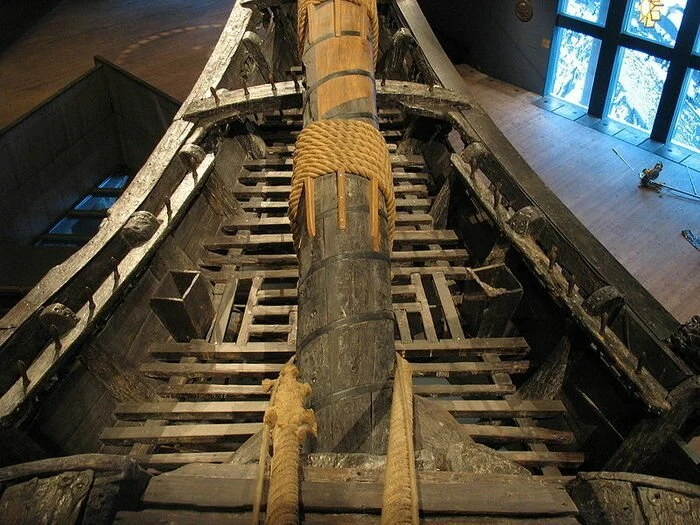
The bow of the warship Vasa, built in Stockholm in 1628
Take a look at the layout of the bow on the Swedish warship Vasa, which was recovered from the seabed nearly intact. The square wooden boxes served as primitive toilets, while the wooden grating acted as a urinal area, allowing waste to drain directly into the sea.
To relieve himself, a sailor had to head to the bow and mount an awkward wooden "throne." Only flimsy rails or ropes separated him from the elements. As the bow pitched dramatically, this became one of the most dangerous spots on board, and waves routinely swept unfortunate sailors into the sea. Rescue was only possible if someone spotted the fallen sailor immediately and threw a line—swimming after a ship under sail was impossible. 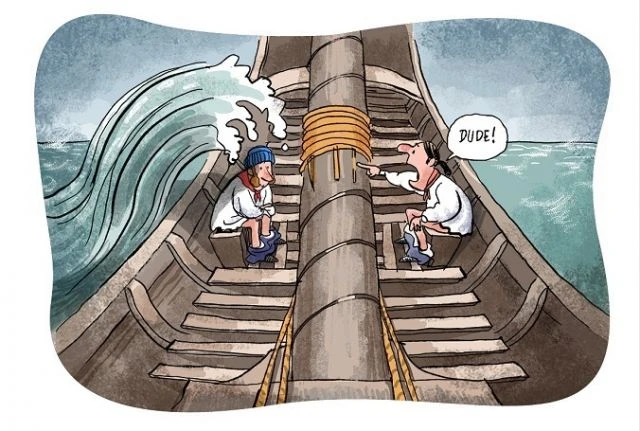
Given this extreme hazard, sailors despised the bow head. Reaching it could also mean a long trek, especially on multi-deck warships. As a result, crewmen and passengers were tempted to sneak into secluded spots aboard the ship—and on any sailing vessel, there was no shortage of those.
These covert shortcuts posed a grave danger on the open ocean, where unsanitary conditions could quickly trigger a deadly outbreak of disease. Discipline was strictly enforced: anyone caught dirtying the gun decks or hold was rounded up and mercilessly flogged with a rope's end before the entire crew. 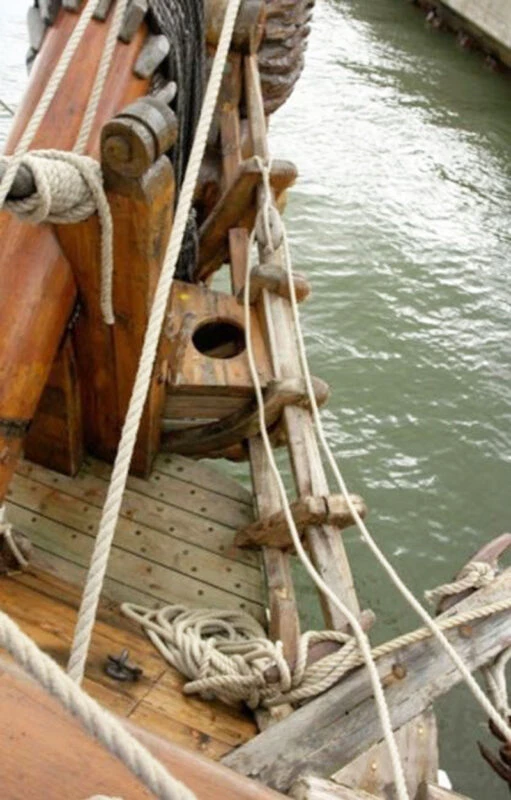
On smaller sailing vessels, the latrine might look like this
Under naval regulations dating back to 1720, maintaining sanitary conditions fell to the provost. This officer was responsible for prisoners, corporal punishment, and cleanliness on board. He tracked down offenders who violated sanitation rules and punished them with the full severity of naval law. Yet even the threat of a shameful flogging could not stop some sailors from relieving themselves in the most unexpected corners.
High-ranking officers, however, never used the bow head. Living conditions for naval officers and distinguished passengers were vastly superior to those of the rank-and-file crew. They were quartered at the stern in spacious wardrooms—and from the mid-18th century onward, in private cabins. They were allowed personal servants, a few luxuries, and access to relatively comfortable and safe facilities. 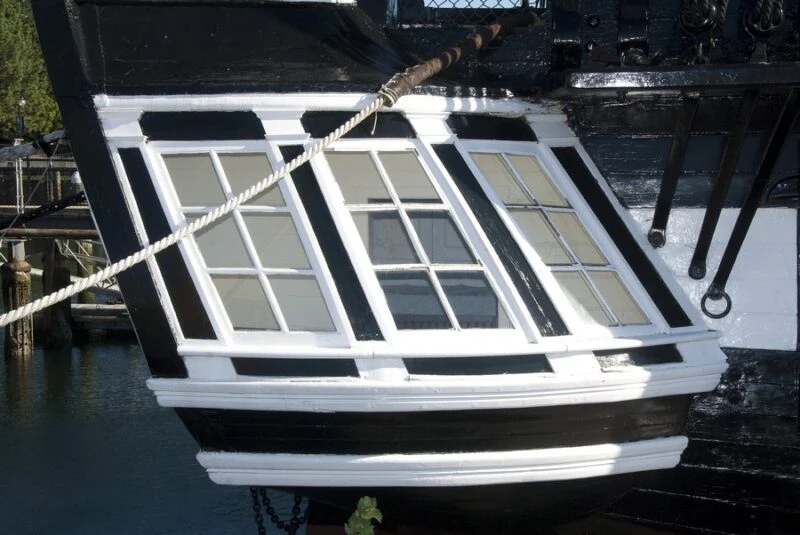
Quarter gallery of the USS Constitution
At the stern were the quarter galleries—overhanging structures whose interior space served a variety of purposes. In these enclosed, windowed compartments suspended above the sea, navigational instruments were stored, and a partitioned corner housed the officers' toilet.
On larger ships, quarter galleries could span two decks: the lower level housed the latrine stall, while the upper level might hold a bathtub for the captain. While these stern quarters were cramped and pitched heavily even in light seas, at least officers didn't risk their lives to answer nature's call. 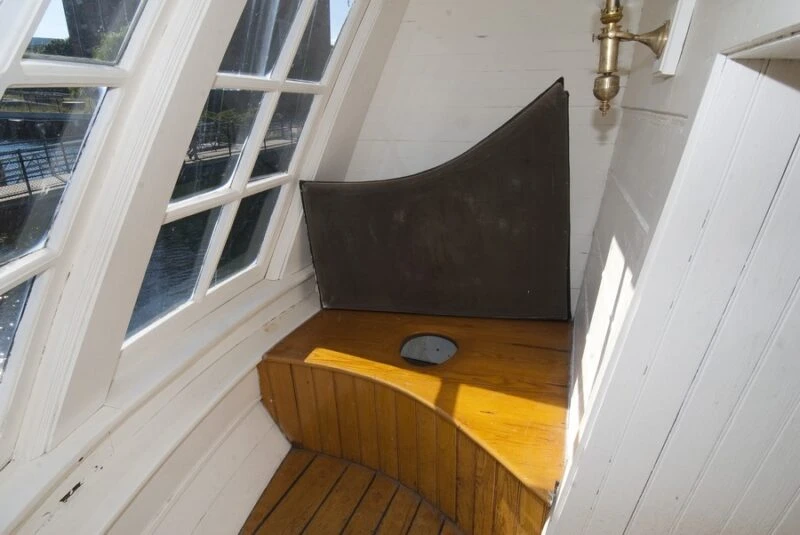
The captain's head in the quarter gallery of the USS Constitution
A safe toilet was one of the main privileges enjoyed by officers during the Age of Sail, when providing any amenities—even for the captain—was a formidable challenge. The advent of steam changed everything: ocean travel became safer and more comfortable, and steamships eventually featured enclosed heads even for ordinary seamen.
Even today, poorly designed bathrooms in modern homes and offices can feel nearly as impractical as 18th-century naval latrines. Fortunately, users no longer risk life and limb—giving us plenty of room to laugh about it.