Scientists Study Mummies and Uncover the Real Cause Behind the 'Curse' Kept Silent for a Century (10 photos)
Can mummies really pose a threat thousands of years after their owners' death? An international team of researchers decided to investigate using real-world dаta: 128 online listings for mummified remains. The findings were surprising: the danger is very real, but it has nothing to do with ancient curses. Instead, it stems from fungal spores and toxic residue left behind by ancient embalming chemicals. Here is what the scientists uncovered and how it connects to the infamous death of Lord Carnarvon. 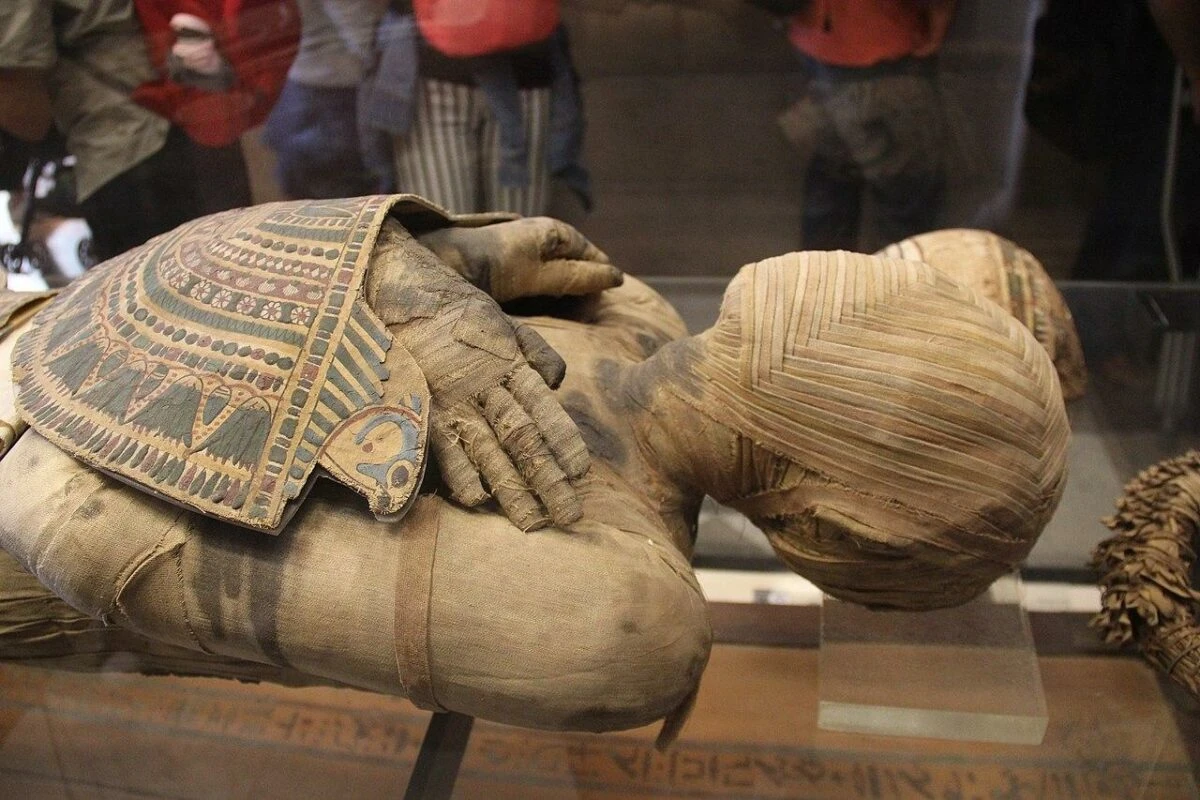
What the New Study Revealed
An international team of scientists analyzed online listings for mummified remains. The researchers—representing the universities of Staffordshire, Vilnius, Messina, and Adelaide—examined 128 listings posted between 2015 and 2025. Of these, 122 advertised human remains, while 6 offered animal remains. Some listings were drawn from an archive maintained by one of the authors since 2014. The team published their findings in the International Journal of Cultural Property. 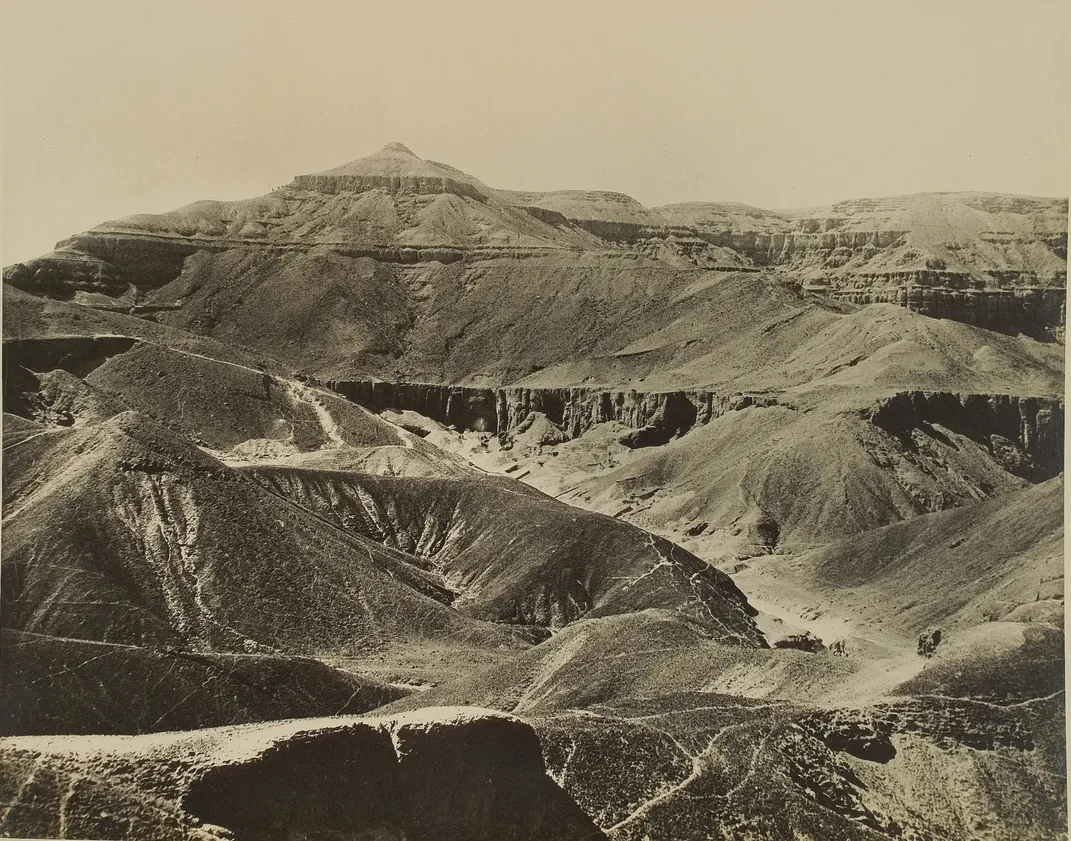
Egypt's Valley of the Kings: where the century-old fame of mummies—and the legend of their curse—first began
The researchers looked beyond the simple act of selling; they were interested in the condition of the remains and how sellers handled them. Because the team lacked physical access to the specimens, identifying specific species of bacteria or fungi from photographs was impossible. Consequently, the study focused on visible warning signs, such as staining, residue, and clear tissue decay.
Traces of Mold and Decay
Researchers identified visible biohazard indicators in 13 listings. Photos revealed white, gray, black, and yellowish patches, with one item featuring black lesions coated in a white film. Eight of these 13 posts were active sales listings, six of which displayed obvious signs of biodegradation—the breakdown of tissue caused by microorganisms. 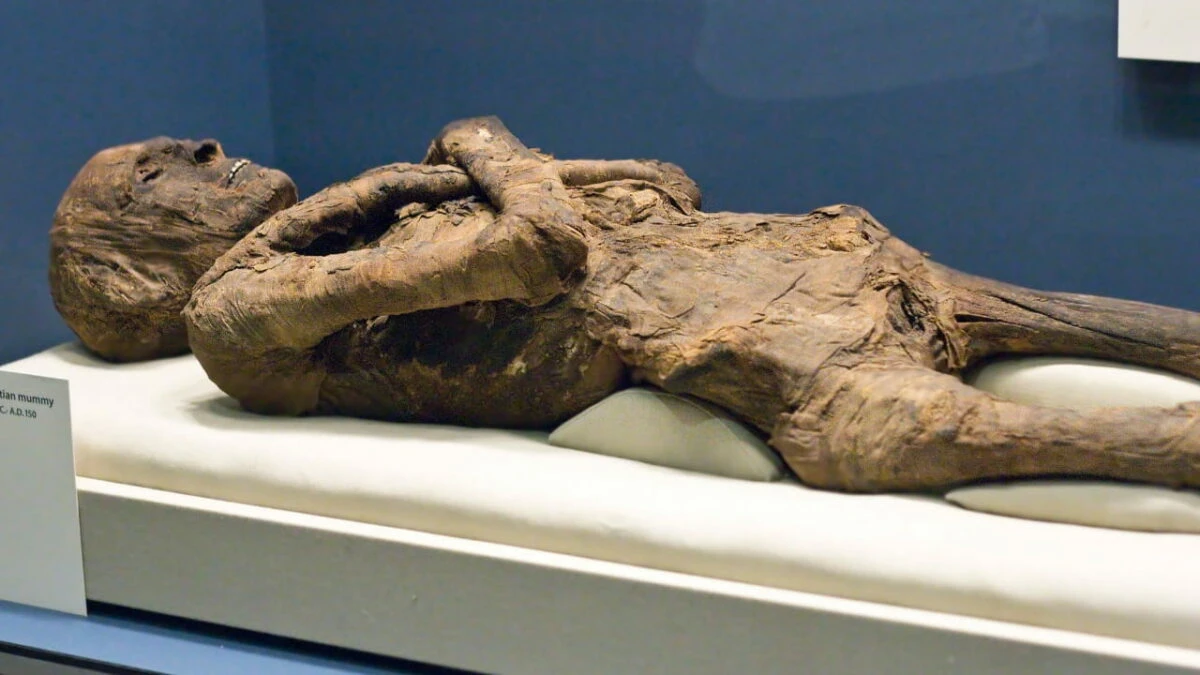
This is how a mummy looks in a museum—preserved under strictly controlled temperature and humidity, not sitting on an apartment shelf
Bioarchaeology professor Kirsty Squires, one of the study's authors, noted that sellers rarely understand the risks involved. In customer reviews, several buyers mentioned a distinct odor typical of decomposition. Some mummified heads were simply displayed in ordinary living rooms without any protective casing. The dryness achieved through mummification does not permanently halt biological activity; when stored in damp, poorly ventilated spaces, dormant microorganisms quickly begin to multiply once again.
No Gloves, No Warnings
In 22 instances, individuals were photographed handling mummified remains with bare hands. Sellers almost never warned buyers about the need for personal protective equipment. For museum professionals, gloves and masks are mandatory protocol—not just to guard against microbes, but also to protect against the toxic chemicals historically used in the embalming process. 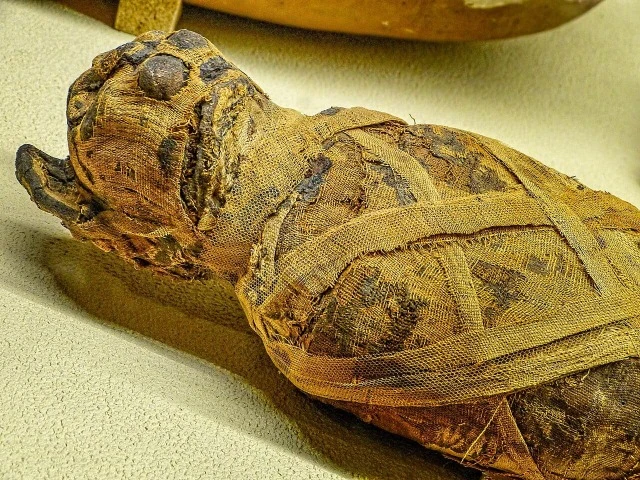
Animal mummies are sold alongside human remains—and treated with the exact same carelessness
Throughout history, embalmers used substances such as arsenic, mercury, and lead to preserve bodies. In other eras, bitumen, cedar oil, natron, and plant resins were favored. These compounds carry varying degrees of hazard: some cause skin and respiratory irritation, while exposure to larger amounts can lead to severe health complications.
Mailed as a Display Model
Health risks extend even to people who have no intention of ever touching a mummy. The researchers uncovered evidence that remains are being shipped via standard postal services. In one photograph, a U.S.-based buyer showcased a package containing human remains that had been shipped from the UK via Royal Mail, Britain's national postal service. 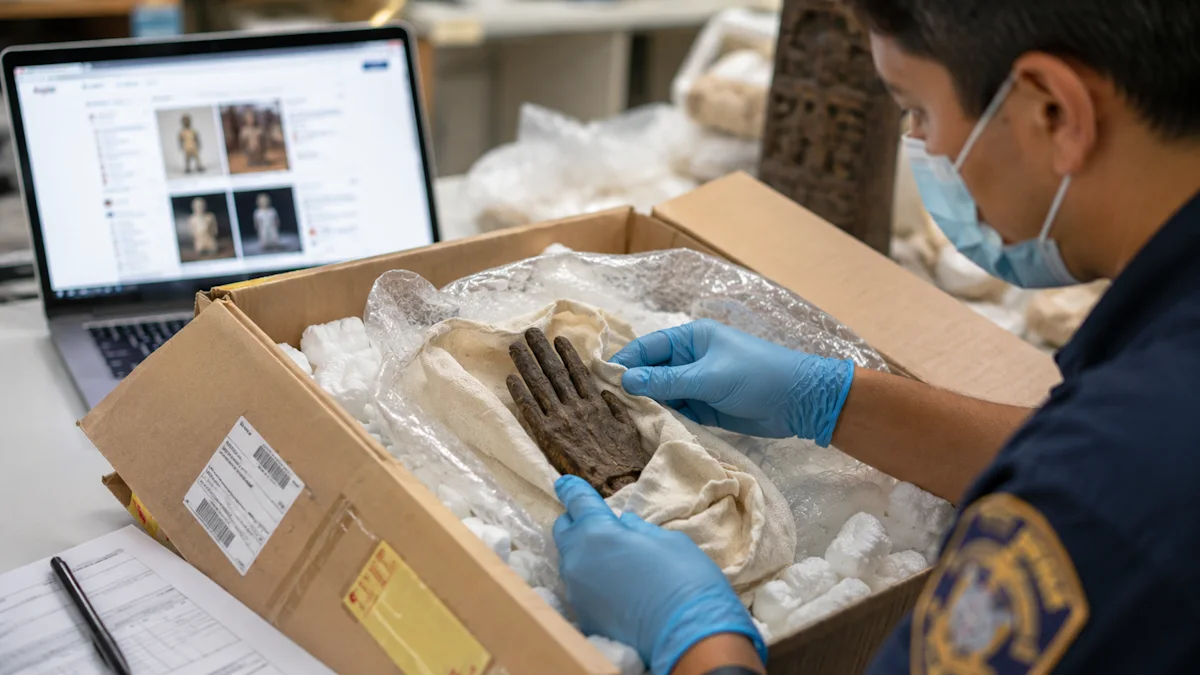
A mummy's journey in the 21st century is surprisingly short: from an ancient tomb directly to a doorstep package
Royal Mail regulations explicitly prohibit shipping human remains, but the seller bypassed the ban by using a customs declaration code reserved for instruments and display models. As a result, postal workers, delivery drivers, and customs officials handled the package completely unaware of its true contents, taking no safety precautions whatsoever.
What Is Most Commonly Sold as "Mummies"
The origin of the remains was completely omitted in 26 of the 128 listings, while in the remaining cases, the claimed origins could not be verified. When a country was specified, Egypt was the most common source, appearing in 44 instances (43.1% of the sample). South America followed in second place, accounting for 21 cases (20.6%). 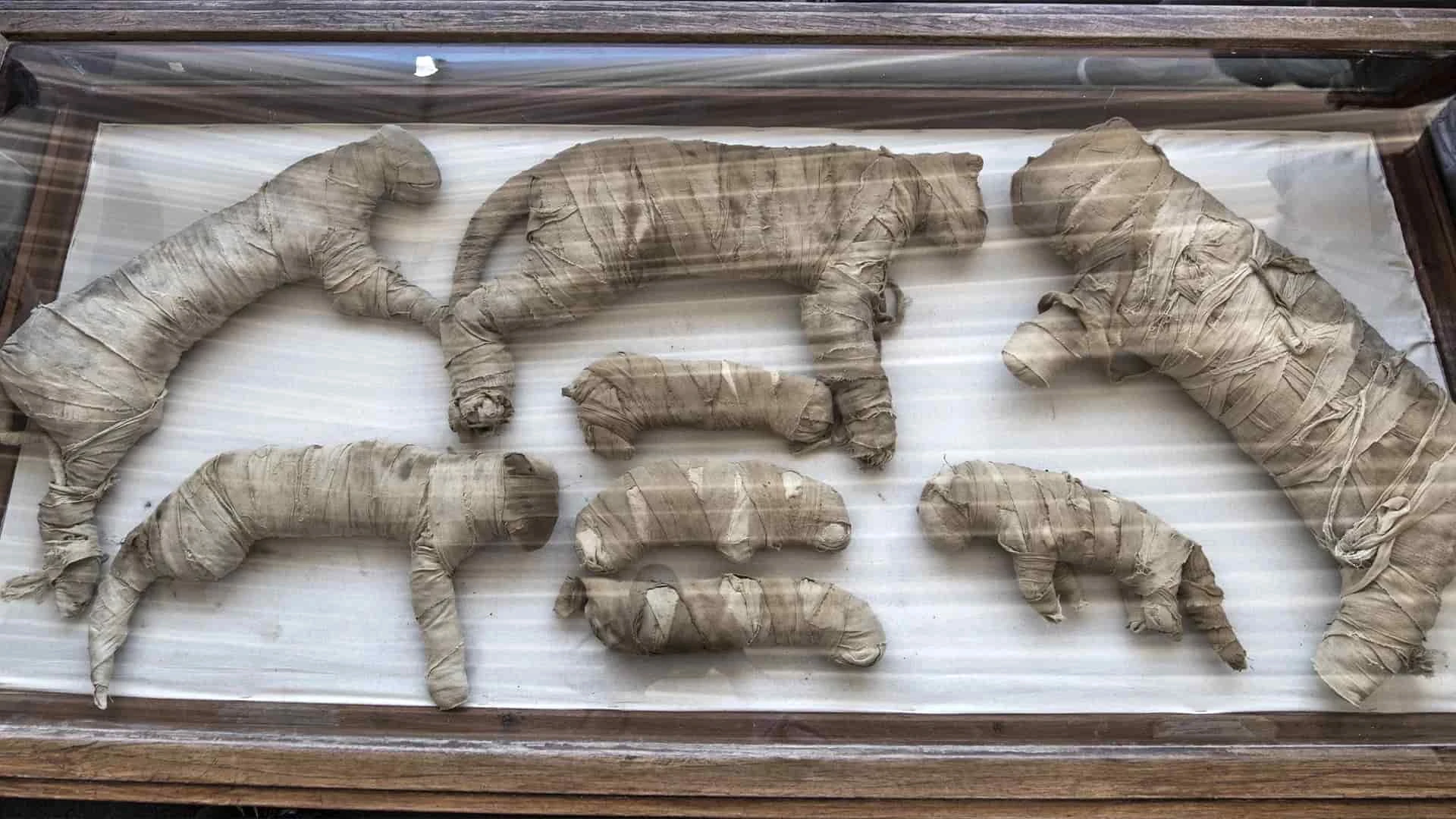
Sellers are almost never able to provide documentation proving the authentic origin of their items
More than half of the listings—66 out of 128—featured heads in various states of preservation, ranging from intact and partial heads to skulls retaining soft tissue and hair. Isolated body parts, most frequently hands and feet, appeared in 27 posts. 
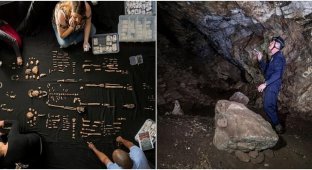
This is how science studies human remains: meticulously, fully documented, and protected—not for a quick sale
Among the heads were several tsantsas—shrunken heads traditionally crafted by the Shuar people of modern-day Ecuador and Peru. Only a single listing in the entire sample offered a fully intact mummified body.
Where the "Pharaoh's Curse" Comes In
On April 5, 1923, Lord Carnarvon—the financial backer behind the excavation of Tutankhamun's tomb in the Valley of the Kings—passed away. His death shortly after the tomb was opened gave birth to the legend of the "Pharaoh's Curse," a myth that has persisted in pop culture for over a century. While historians have offered various explanations, Carnarvon's death was long attributed to blood poisoning caused by an infected razor cut while shaving. 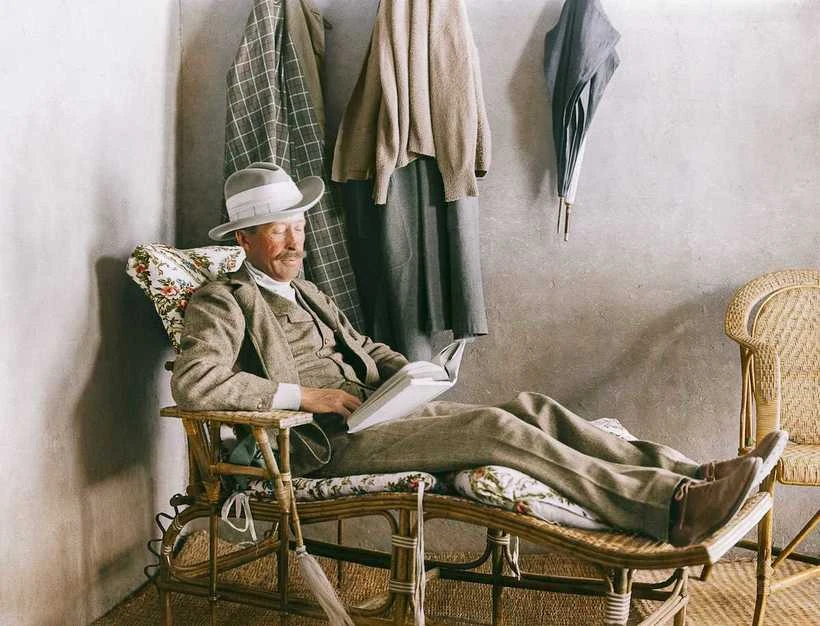
Lord Carnarvon financed the excavation of King Tut's tomb—and became the tragic central figure of the curse legend
The new study provides a compelling scientific dimension to this legend. The authors point to a famous incident in 1973, when a team of 12 conservators opened the tomb of King Casimir IV at Wawel Cathedral in Kraków. Within a short time, ten of them had died—a tragedy quickly dubbed another "curse." Experts later concluded the deaths were caused by inhaling spores of the fungus Aspergillus, which had remained dormant inside the sealed tomb for centuries before becoming active upon exposure. 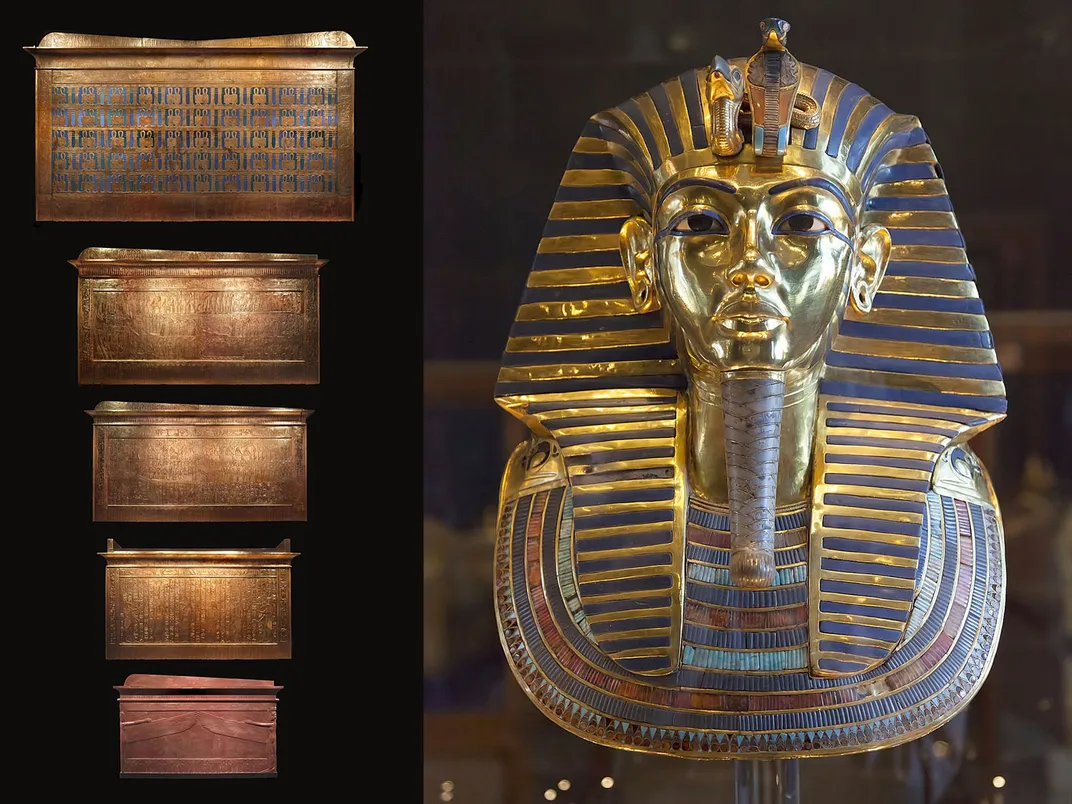
King Tutankhamun's gold mask—the iconic symbol of the discovery that launched the legend of the curse
Researchers suggest a similar biological factor may have triggered Lord Carnarvon's demise. In the end, behind the sensational legend lay simple microbiology.
What Experts Recommend Next
The authors emphasize that while the risk of infection for a healthy individual is relatively low, it increases significantly for immunocompromised individuals and those who come into frequent contact with these items—such as sellers, couriers, and customs officers. These handlers are the least likely to know what a package actually contains, and they rarely wear protective gear. 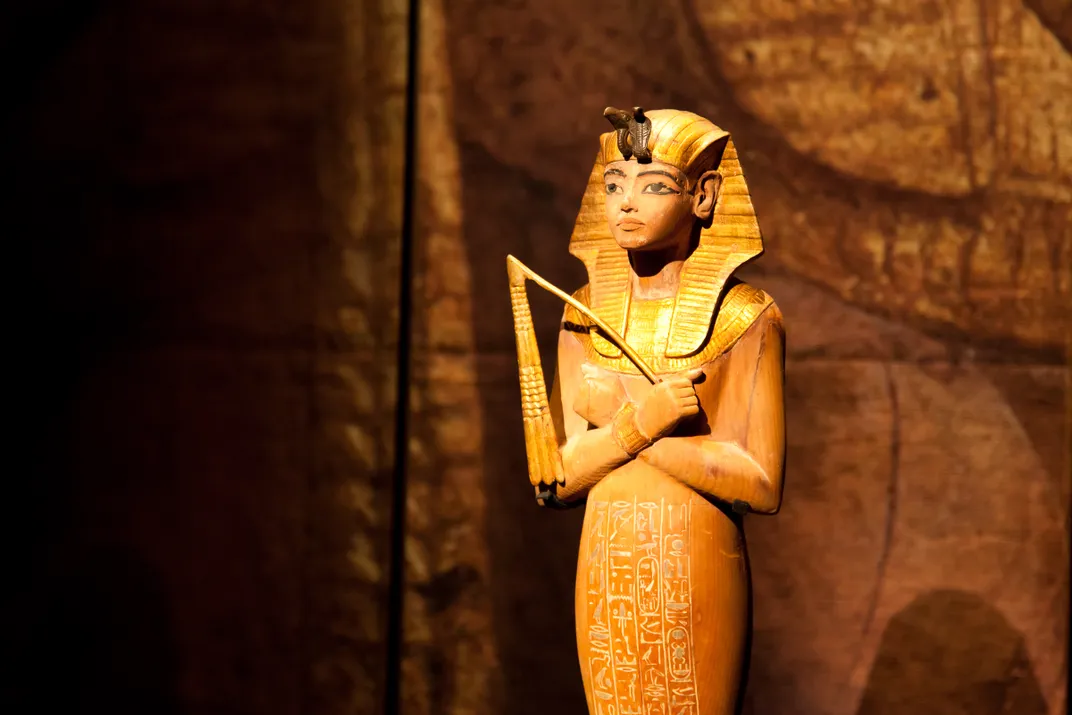
Even small funerary figurines from ancient tombs require careful handling
The researchers advocate reporting suspicious listings directly to platform administrators and relevant authorities. In the UK, such incidents can be reported to the BABAO working group on the trade in human remains. Establishing clear transport regulations and strictly enforcing them is the only way to mitigate the very real hazard hiding behind the romanticized notion of a "curse."
Scientists may have debunked the mystical curse, but in doing so, they exposed a down-to-earth threat: mold spores, heavy metals, and the recklessness of unlicensed sellers who have no idea what they are shipping. The "Pharaoh's Curse" turned out to be mold. How many other legendary myths do you think are hiding a perfectly ordinary scientific explanation?