Executioners: How They Lived, What They Earned, and Why They Were Buried Outside the Cemetery Walls (6 Photos)
The executioner’s trade remains one of the darkest and most conflicted in human history. Feared and despised, headsmen were nonetheless indispensable. The state simply could not function without someone to carry out its ultimate sentences. Yet whoever took up the mantle lived in a bizarre paradox: wielding the absolute power of life and death on the scaffold, while enduring utter social ostracism—a lifelong stigma that followed them straight into the grave. 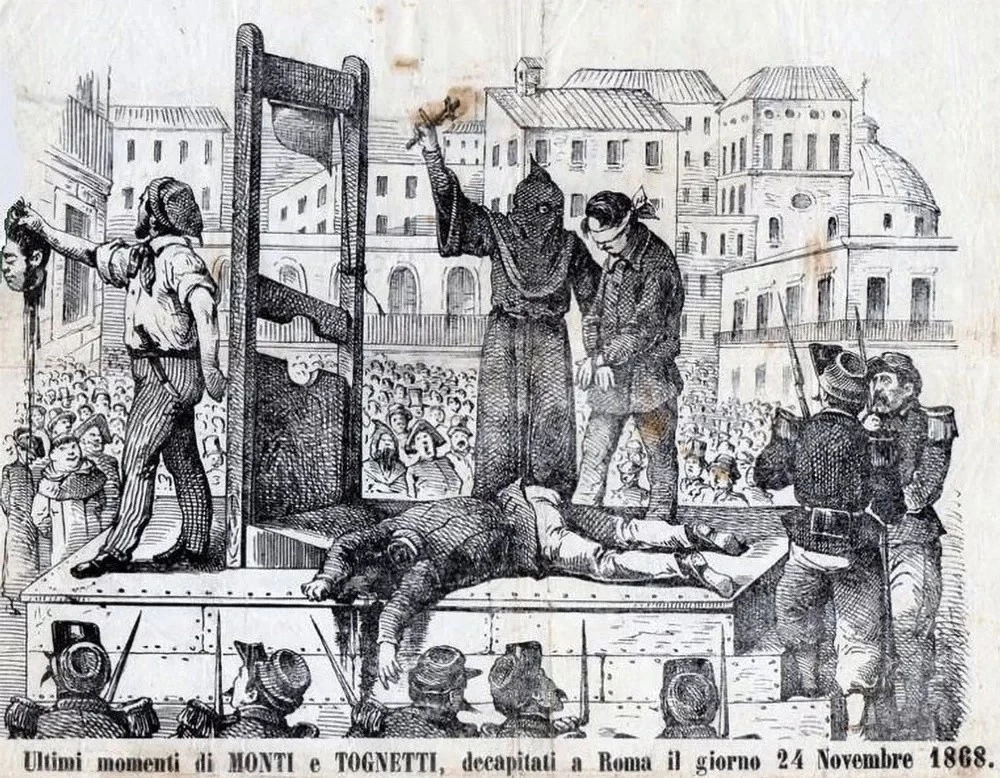
How One Became an Executioner
To say volunteers were rare is an understatement. People rarely chose the scaffold as a true calling; instead, they were forced into it down a few grim paths.
By inheritance. The trade was frequently passed down from father to son. Barred from marrying into "respectable" society, executioners intermarried, spawning entire dynasties. These insular families lived in exile from their communities, their children aware of their grim destiny from birth.
From society’s margins. Recruits were often drawn from the destitute, the disabled—hunchbacks and the lame—or the mentally ill. In some eras, their tongues were cut out to keep the trade’s gruesome secrets safe.
In exchange for a pardon. A condemned criminal might be offered the executioner’s axe in place of the noose or life in a dungeon. It was a bid for survival, bought at the price of permanent exile from polite society.
From related "dirty" trades. In England, hangmen were frequently drafted from the ranks of butchers, soldiers, or constables—men already desensitized to the sight of blood and butchery.
By lot. In certain German towns, civic duty demanded that the role fall to the youngest magistrate or even the most recently married man in the community. Refusal was not an option.
What the Job Paid 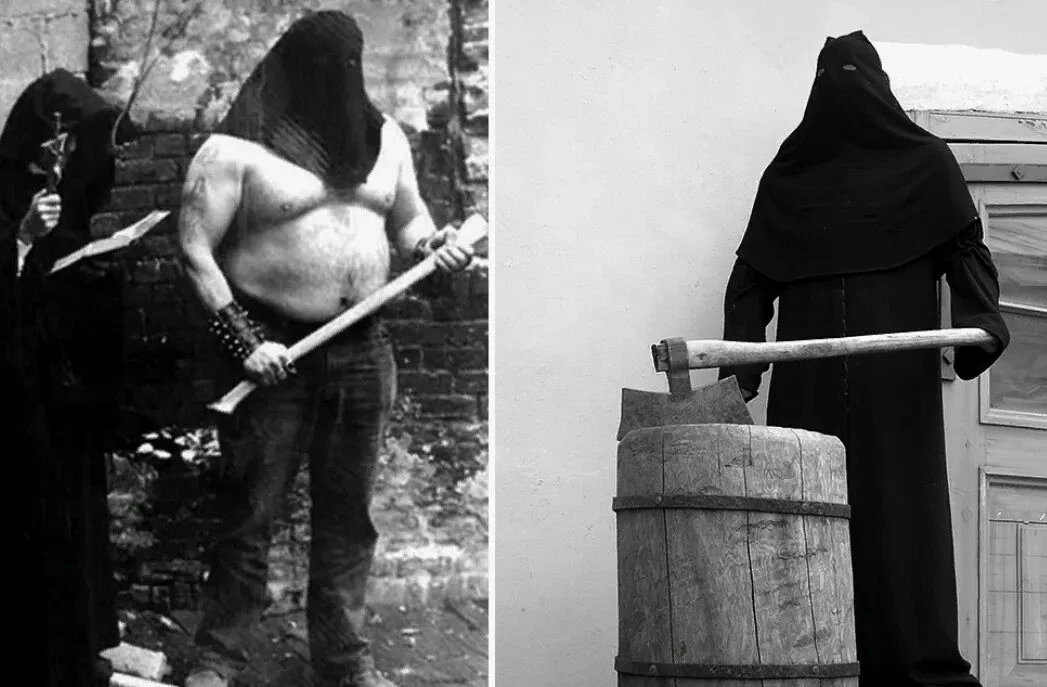
Compensation was a complicated affair. Executioners rarely drew a simple salary; instead, they worked on piece rates, earning fees per punishment or decapitation—and the tariff varied wildly.
In France, executioners were paid per task: a hanging fetched anywhere from 20 to 100 francs, severing an ear earned 10, while burning at the stake or breaking on the wheel commanded hundreds. By contrast, a standard flogging in 16th-century Dijon brought in a measly 5 francs.
Perks and Payment in Kind 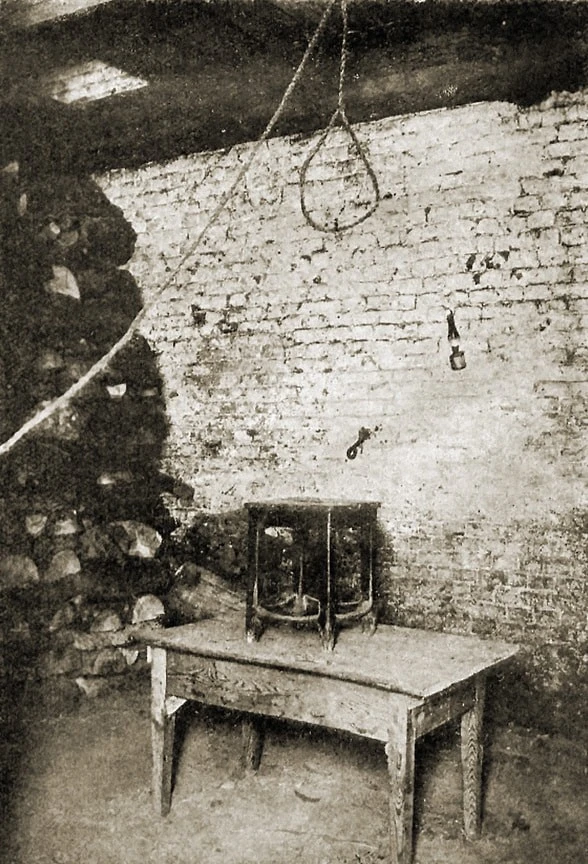
Rulers recognized that coin alone was not enough to keep the scaffold staffed, so they padded the income with perks in kind.
Market tolls. Across France and parts of the Holy Roman Empire, the executioner had the right to seize free provisions at the market—grain, fruit, cheese, and meat. This toll was a vital supplement to the household larder.
Tavern credit. Traveling headsmen dispatched to carry out a sentence were entitled to eat and drink on the town's dime, with the local constabulary footing the bill.
The condemned's clothing. In England, the hangman held the customary right to the clothes, boots, and even the wigs of the victims he dispatched—an extra source of cash, even if the garments were often worn to rags.
"Medical" side hustles. Executioners frequently made money on the side peddling bodily relics or practicing folk medicine; human blood and fat from the newly executed were prized as potent remedies in popular superstition.
The Mark of Shame 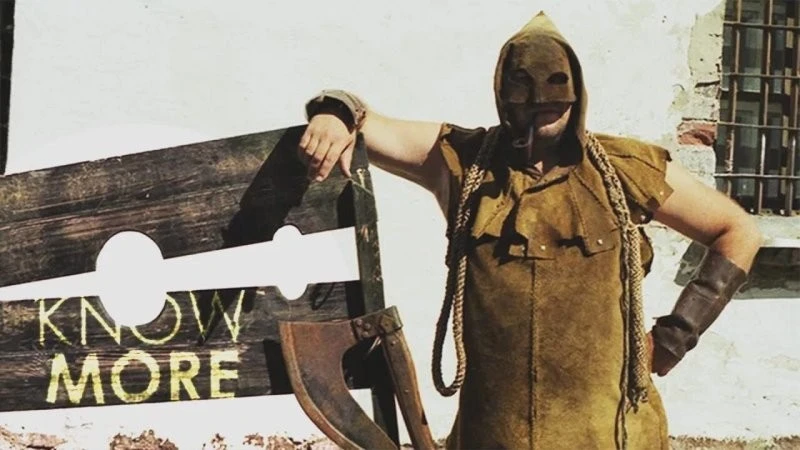
The deep-seated contempt stemmed from the headsman doing the state’s dirtiest work, steeped in agony and bloodshed. Grouped in the public eye alongside prostitutes and vagabonds, they were forbidden from venturing beyond the church vestibule and barred from sharing a drink with guild craftsmen. Beyond the scaffold, authorities often saddled them with cleaning cesspools, clearing animal carcasses, and inspecting local brothels.
The stigma cut so deep that even years after retiring, a former executioner could never hope to secure honest employment or enter a university.
Buried in Disgrace: The Final Insult 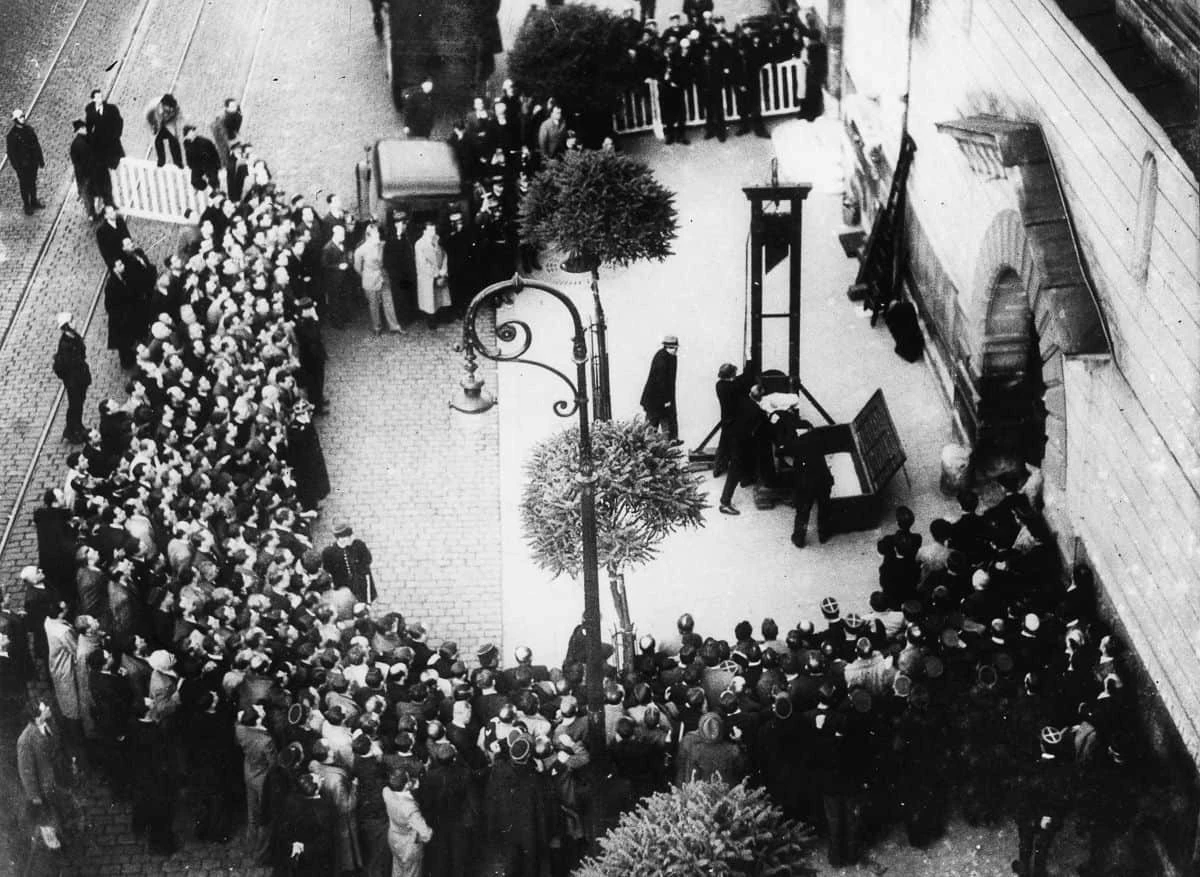
This is where the story takes its darkest turn. Death brought no redemption; instead, it sealed the executioner’s pariah status once and for all.
Cast out of consecrated ground. In medieval Europe, executioners were denied a Christian burial in standard cemeteries. They were laid to rest outside the churchyard walls—denied funeral rites, absent of prayers, and stripped of a name on their graves. The Church branded their trade unclean, and even the grave could not wash away the sin.
Nameless stones. In various regions, markers were deliberately left blank to keep "respectable" folk from desecrating the site. An unmarked stone was all that marked the final rest of the man who served as the state's dealer of death.
Segregated burial grounds. The Ottoman Empire consigned its executioners to their own isolated plots, marked only by rough, unhewn stone slabs.
The stain of an "unholy death." The bodies of executed felons were routinely dumped into paupers' pits, while unrepentant criminals were secretly drowned or discarded in the woods. Though meant for the condemned, this logic of an "unholy death" adhered just as firmly to the man who swung the blade.
A monument to public disdain. If a "master executioner" ever received a monument, it was typically an anonymous rock set far apart from the rest—placed there so no passerby would spit upon it. In its own way, that silence was the truest testament to how society viewed the trade.
History’s Bitter Irony 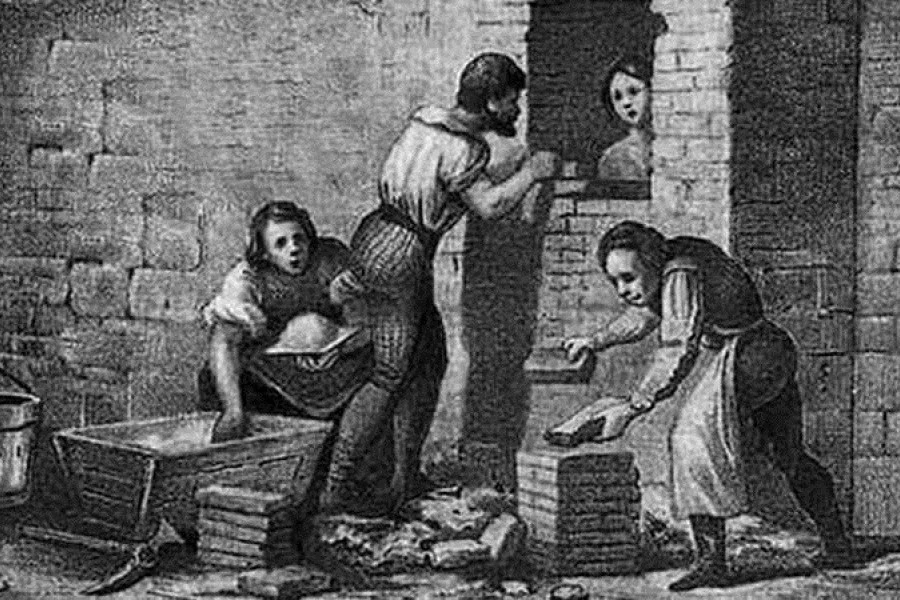
Executioners spent their days in exile, lived on piecework, depended on a steady stream of executions to survive, and in death were cast out beyond the churchyard walls. Their only monuments were nameless rocks in unconsecrated earth.
Consider the contrast: in Melbourne General Cemetery stands an extraordinary tomb sculpted in the likeness of a massive stone billiards table. Carved into its slate surface are a cue and balls, frozen in time as though the player had simply stepped away for a moment. Its pedestal proudly lists world records and championships. It is the final resting place of Walter Lindrum, the legendary Australian billiards champion—a man whose greatness was measured in sporting triumphs, not human lives.
For history’s deadliest executioners, the only memorials were blank fieldstones beyond the cemetery gates. Perhaps that remains the most honest reflection of an impossible trade: one the state could never do without, but could never bring itself to forgive.