What Were "Waterloo Teeth"? How the 1815 Battle Shaped Modern Dentistry (9 photos)
A visit to the dentist today may not be cheap, but it is widely accessible. Modern dentists rely on cutting-edge equipment and innovative technology to treat and restore teeth. Just a couple of centuries ago, however, dentistry was far less refined, relying on techniques that today seem bizarre—and downright terrifying. 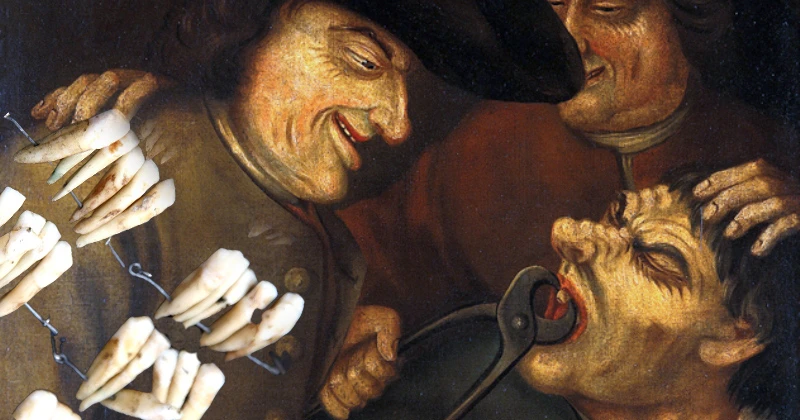
How Sugar Ruined Europe’s Teeth
The history of dentistry is deeply intertwined with the arrival of sugar. When sugar first reached Europe in the 15th century, it was an expensive luxury reserved for the elite. Treated like an exotic spice, even monarchs consumed it in moderation. Black, decay-ridden teeth actually became a status symbol—proof that you were wealthy enough to afford sweet treats. 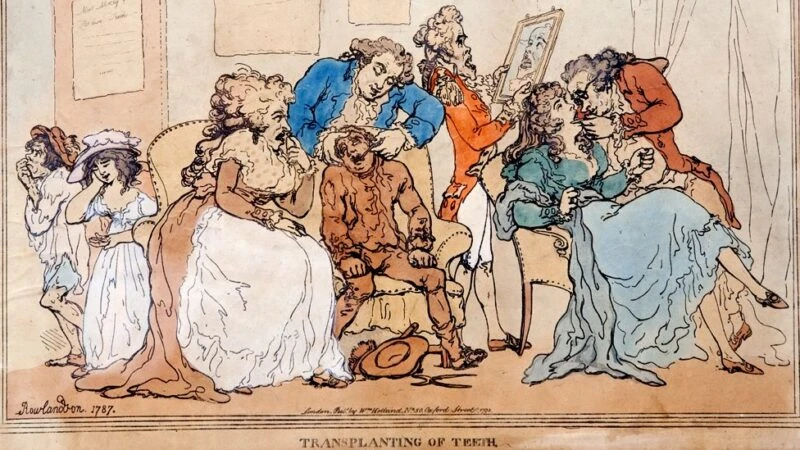
Before long, sugar became widely available, and the trend for blackened teeth quickly faded. Dentists faced a daunting new challenge: how to restore a bright, healthy smile to lovers of candy and pastries. For centuries, this proved nearly impossible. Fillings didn't exist yet, so treatment was largely limited to pulling teeth once the pain became unbearable.
How Dentures Were Made in the Past
After years of such "treatments," many wealthy individuals found themselves toothless by their 40s or 50s. A few hundred years ago, replacing missing teeth was astronomically expensive, yet the methods remained crude. Modern implants were unheard of; the only option was a set of false teeth. 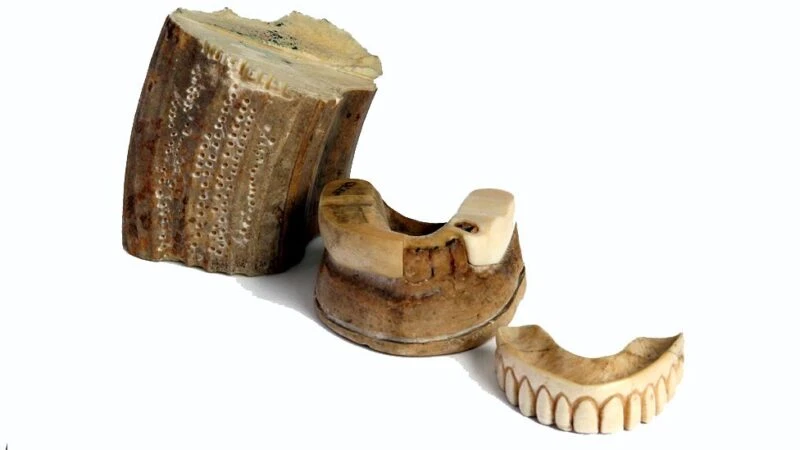
Ivory dentures
These early dentures bore little resemblance to modern prosthetics. Carved from ivory, they were primitive, eerie contraptions that often looked like small wooden boxes and caused immense discomfort. Even so, only the very rich could afford them. 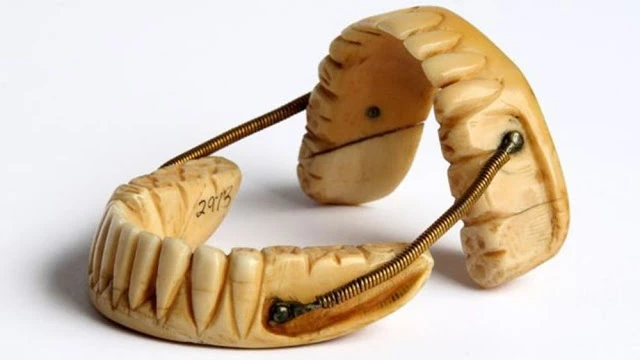
High-tech 18th-century dentures
Ivory was expensive and wore down quickly, meaning dentures had to be replaced often. Dental practitioners soon realized that nothing beat the real thing: human teeth. Thus began a ruthless hunt for human teeth across Europe. 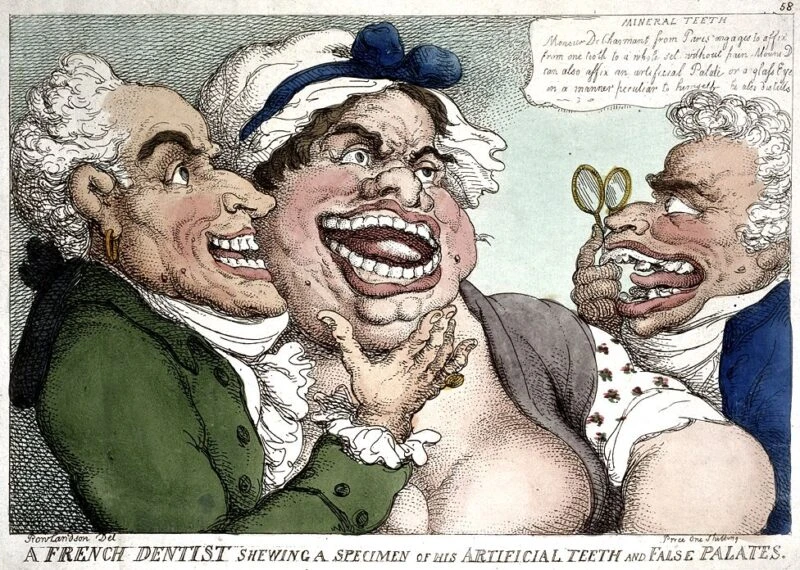
An antique caricature depicting dentists hunting for other people’s teeth
The Trade in Dead Men's Teeth
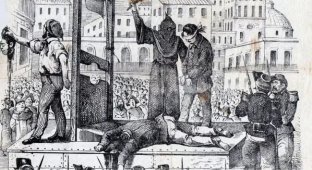
In the 18th and 19th centuries, human teeth were a lucrative commodity. Dentists bought them from the poor, extracting them directly, or scavenged them from corpses and executed convicts by bribing apothecaries and executioners. Real teeth set into artificial bases looked reasonably natural and lasted far longer than ivory. 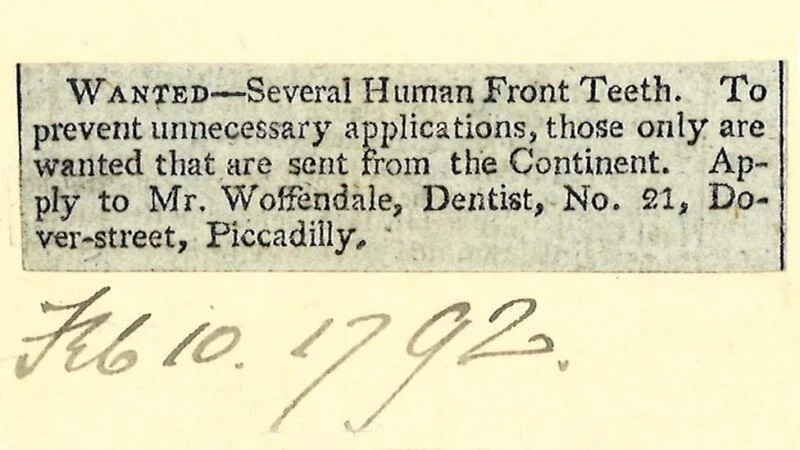
An advertisement seeking to buy teeth. England, 1792
Yet these prosthetics were far from ideal. Matching teeth for size and color was extremely difficult, leaving most dentures looking oddly mismatched. Worse still, the practice spread deadly infections. Dentists rarely questioned the health of the "donor"—especially when dealing with corpses—meaning patients risked catching everything from syphilis to the plague.
The Battle of Waterloo and a "Golden Harvest" of Teeth
In 1815, near the small Belgian village of Waterloo, just 15 kilometers from Brussels, a monumental battle reshaped the destiny of Europe. Napoleon Bonaparte’s forces suffered a final, crushing defeat at the hands of the Seventh Coalition. The emperor fled to Paris, only to be captured shortly after.
Exact casualty counts remain uncertain, but estimates suggest between 20,000 and 30,000 soldiers died. At the time, only senior commanders and select officers were returned home for honorable burials. The vast majority of the slain were left strewn across the battlefield before eventually being buried in mass graves. 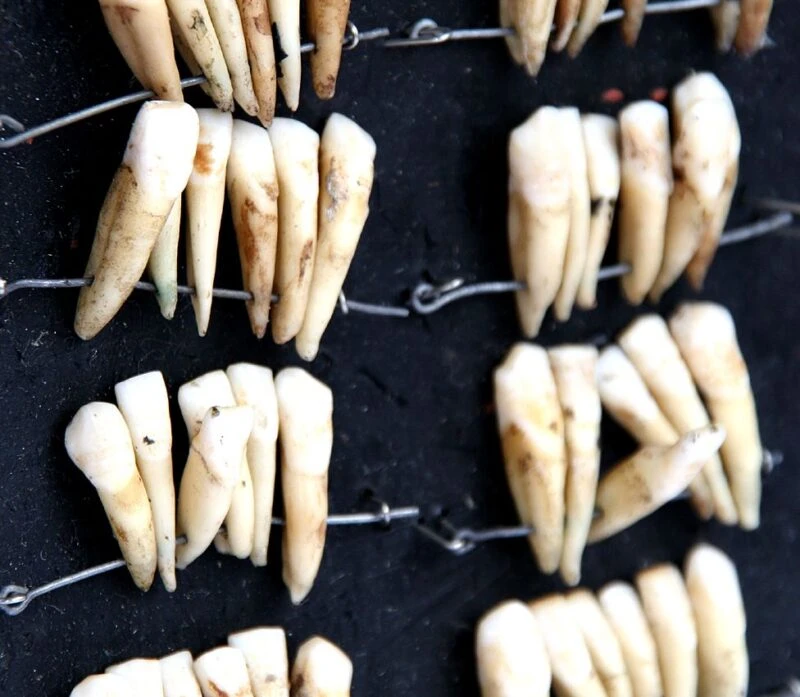
"Waterloo teeth" were sold in bulk on the dental supply market
Scavengers and early dentists equipped with pliers descended on Waterloo as soon as the cannon fire ceased. Prowling among the fallen, they searched for dead young soldiers to extract their teeth. Finding healthy teeth was relatively easy: most rank-and-file troops came from poor backgrounds, meaning they had rarely consumed luxury items like sugar.
For the first time, dentists could construct a full set of dentures using teeth from a single individual, matching them perfectly in shape and color. So-called "Waterloo teeth" became a prized commodity, flooding European markets and even making their way across the Atlantic to the United States and foreign colonies. 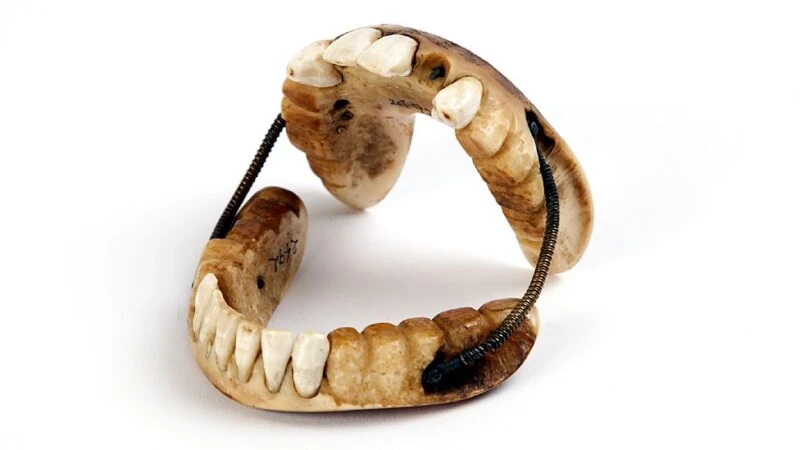
These dentures looked far more natural
The End of the Tooth Trade and the Birth of Modern Dentistry
Eventually, the supply of battlefield teeth dried up, sending denture prices soaring once again. Having experienced the aesthetic quality of "Waterloo teeth," wealthy patients refused to return to mismatched, scavenged sets. This booming demand for high-quality dentures drove rapid innovation in dental prosthetics.
Fifteen years after Waterloo, Claudius Ash—a goldsmith who also practiced dentistry—crafted the first porcelain dentures. Porcelain teeth were bright white, highly durable, and, crucially, carried no risk of infection. Dead men's teeth quickly became obsolete, and the trade vanished. 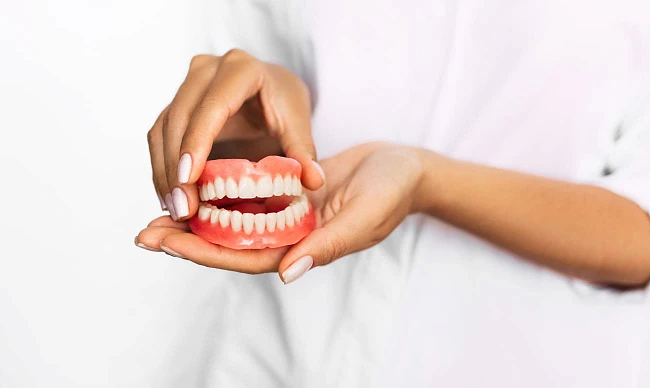
In 1844, another breakthrough reshaped dentistry: the invention of vulcanized rubber, which allowed for realistic, comfortable artificial gums. From there, prosthetics advanced rapidly. Today, high-quality dentures are virtually indistinguishable from real teeth, and modern cavity treatments allow patients to save teeth that just a century ago would have been pulled without a second thought.
In the 19th century, "Waterloo teeth" were considered the gold standard, though the concept sounds horrifying today. What modern medical treatments do you think future generations will look back on with equal disbelief?