1904–1924: Native American Life in Photographs by Edward Curtis (59 photos)
Born on a Wisconsin farm in 1868, Edward Sheriff Curtis worked as a photographer in Seattle. In 1895, he took a portrait of Princess Angeline, the eldest daughter of Chief Seattle—the Suquamish leader after whom the city was named. The encounter profoundly impacted Curtis, igniting a lifelong passion for Native American culture.
He soon joined an expedition to experience firsthand how Indigenous peoples lived in Alaska and Montana.
In 1906, Curtis connected with wealthy financier J.P. Morgan, who agreed to fund a documentary project on the continent's native inhabitants. Together, they set out to create a 20-volume series titled
The North American Indian
.
Backed by Morgan’s funding, Curtis spent two decades traveling across North America, taking nearly 40,000 photos of Native Americans from more than 80 tribes. He recorded their songs and languages on thousands of wax cylinders and documented their oral histories, legends, and biographies.
In his quest to capture a vanishing way of life, Curtis sometimes compromised documentary accuracy. The subjects in his photos were often depicted in romanticized, idealized pre-Columbian settings, stripped of any trace of Western influence.
Although his work immortalized the mythical concept of the "noble savage," Curtis’s photographs remain among the most extraordinary historical records of Native American life at the dawn of the 20th century. 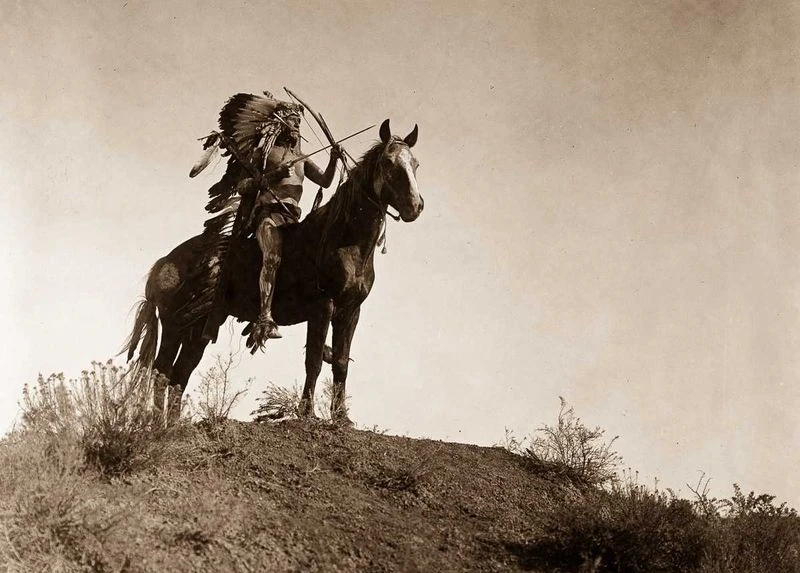
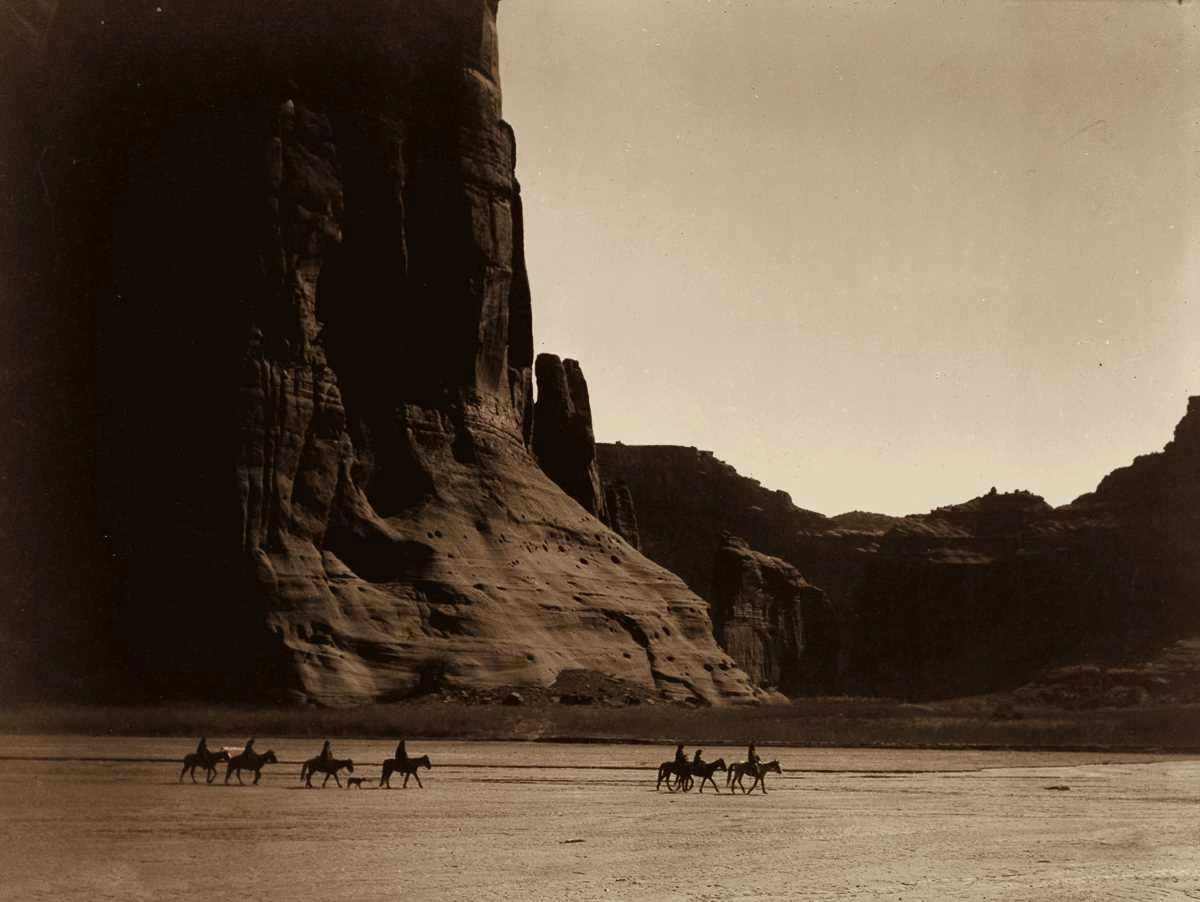
1904. A Navajo group in Canyon de Chelly, Arizona. 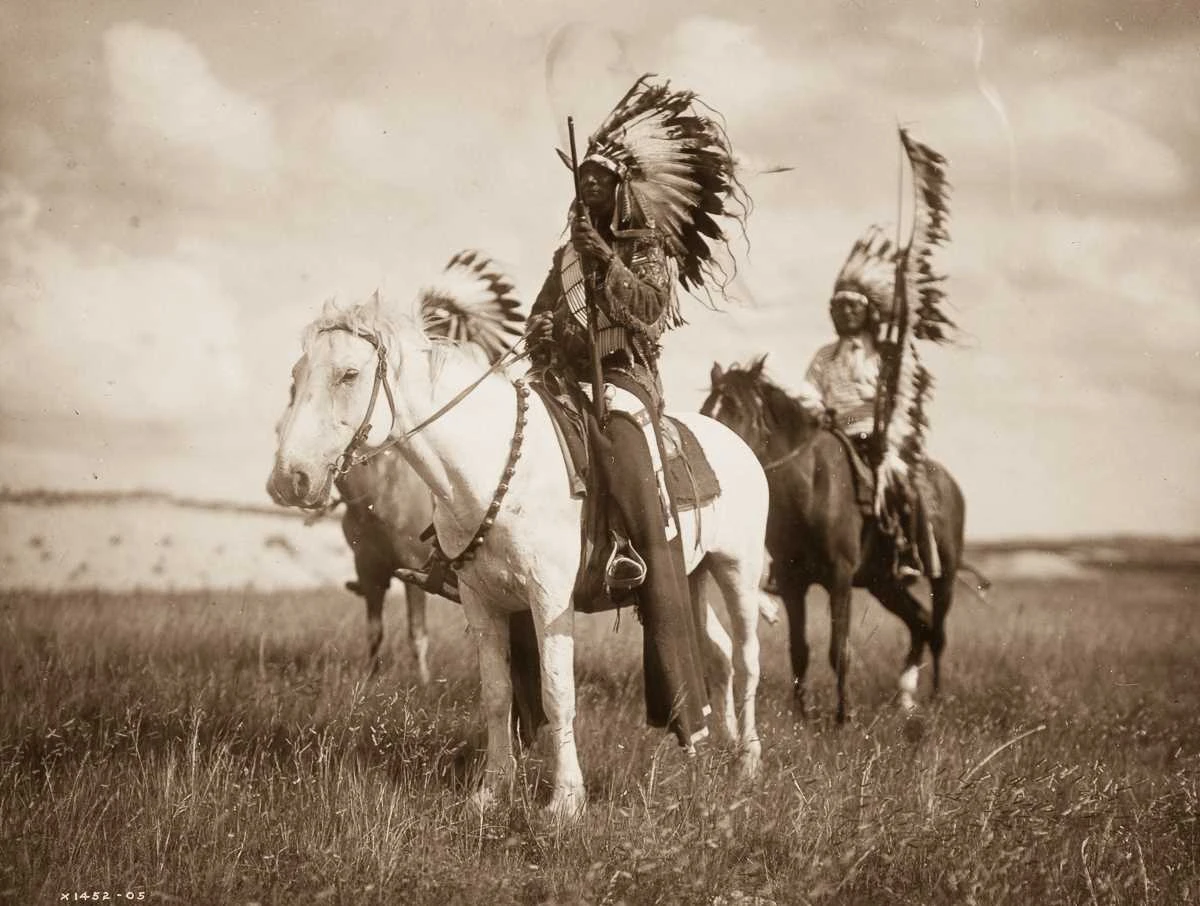
1905. Sioux chiefs. 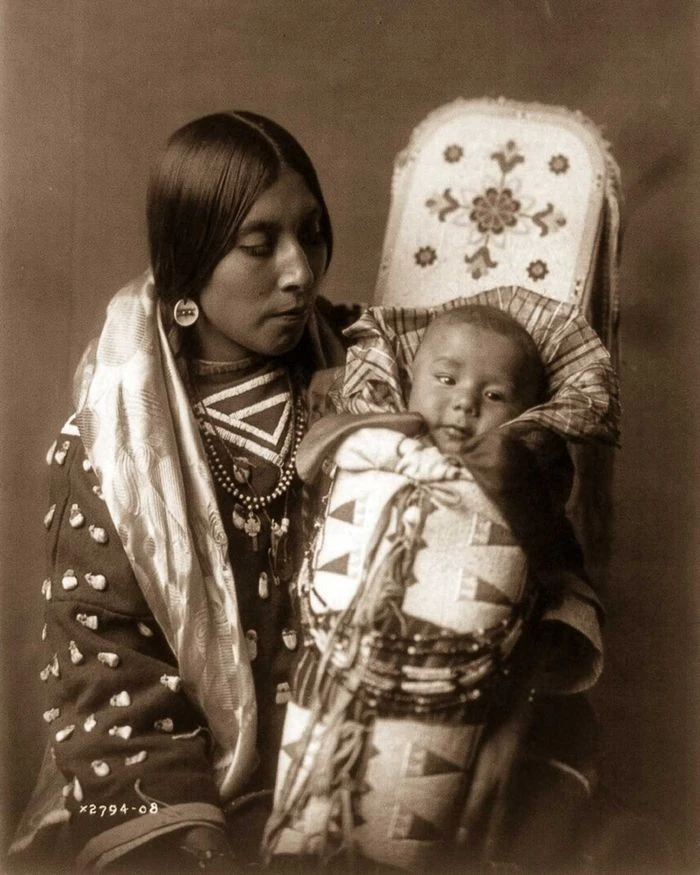
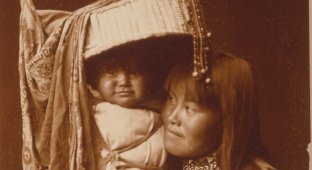
1908. An Apsaroke mother and child. 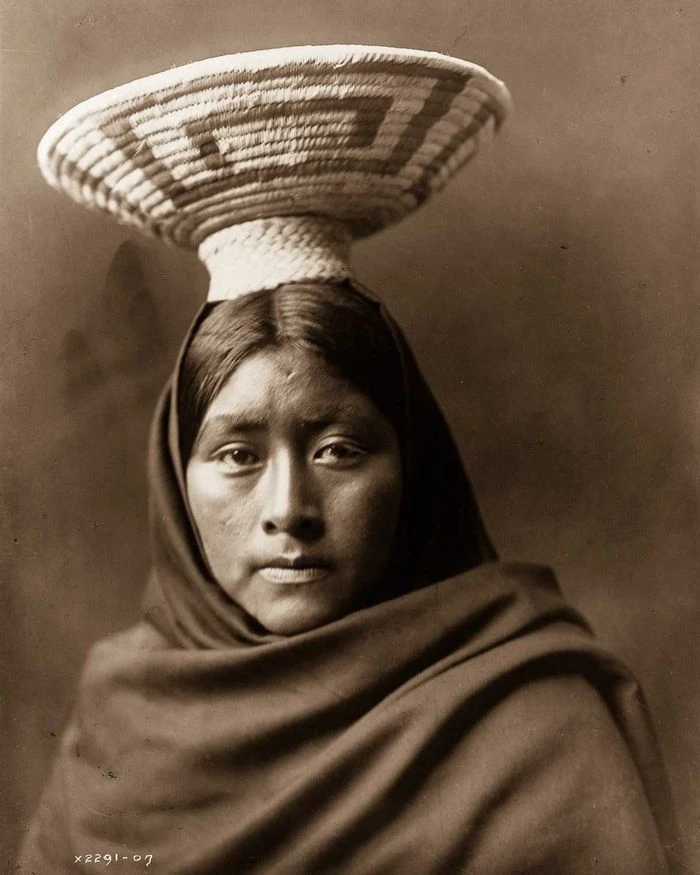
1907. Lucti of the Papago tribe. 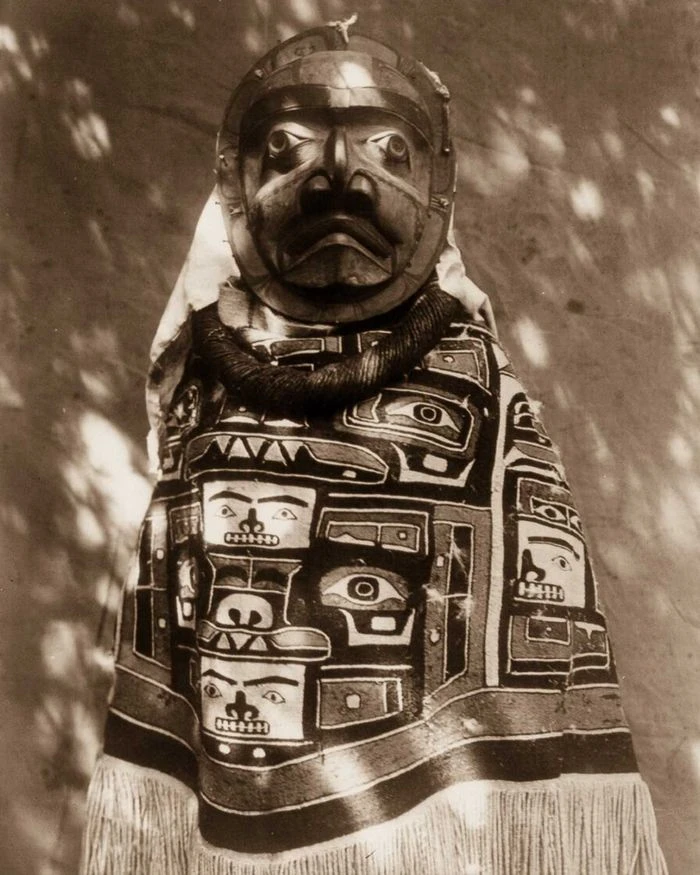
1914. A Kwagu'l woman wearing a fringed Chilkat blanket and a mask representing a deceased shaman relative. 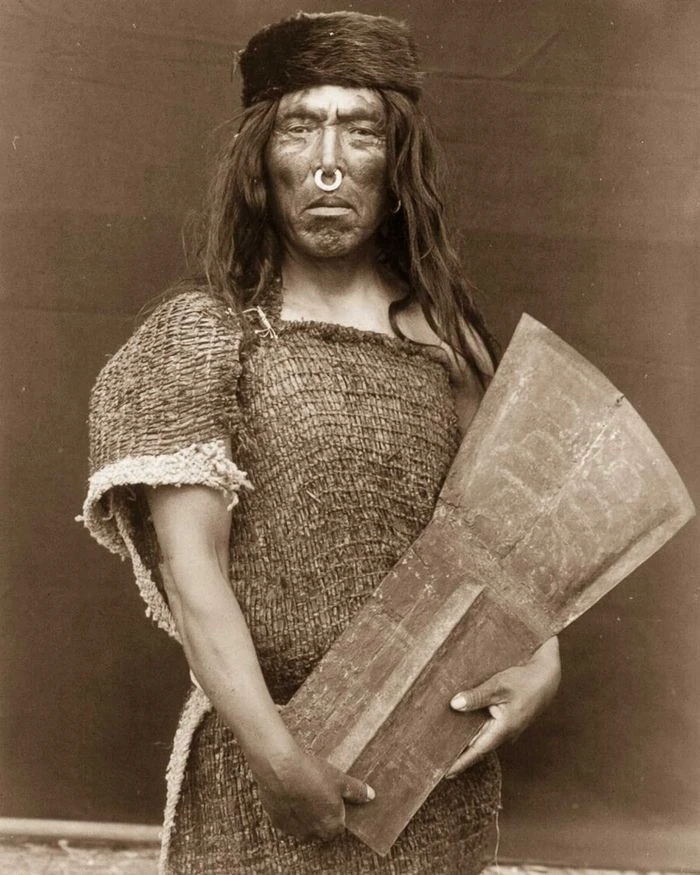
1914. Hakalahl, chief of the Nakoaktok tribe. 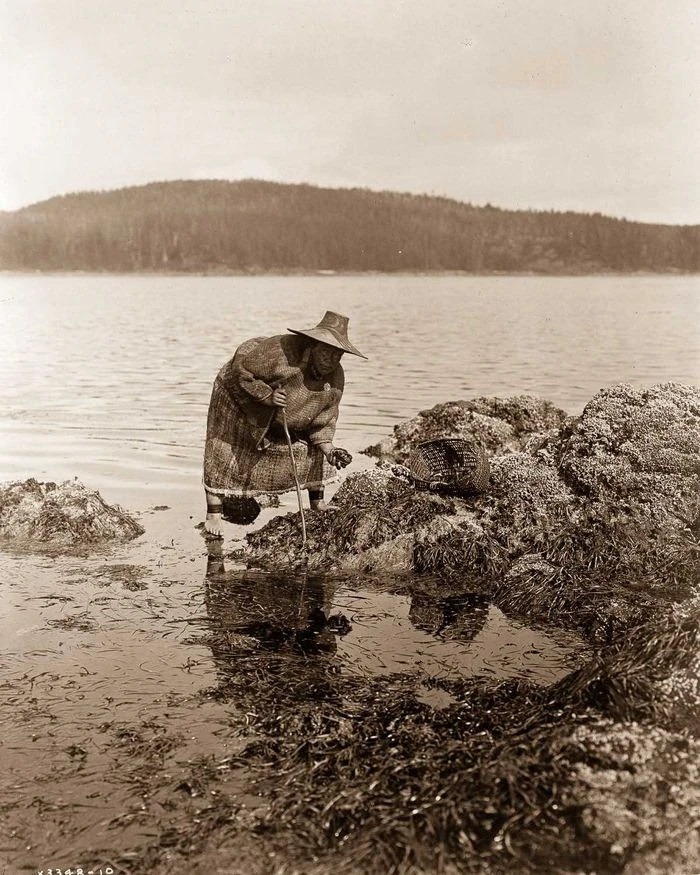
1910. A Kwakiutl man gathering clams in Washington. 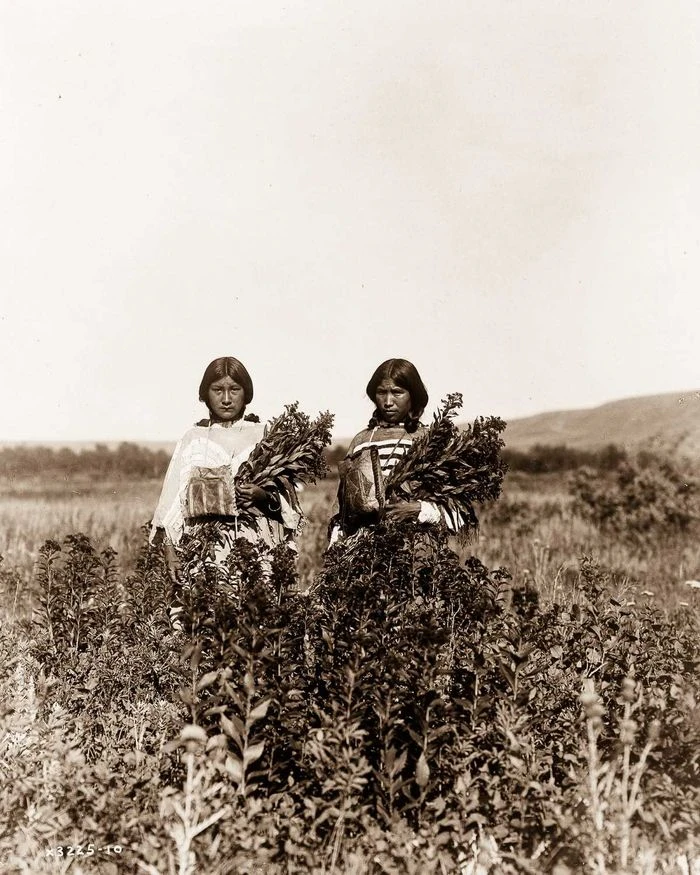
1910. Piegan girls gathering goldenrod. 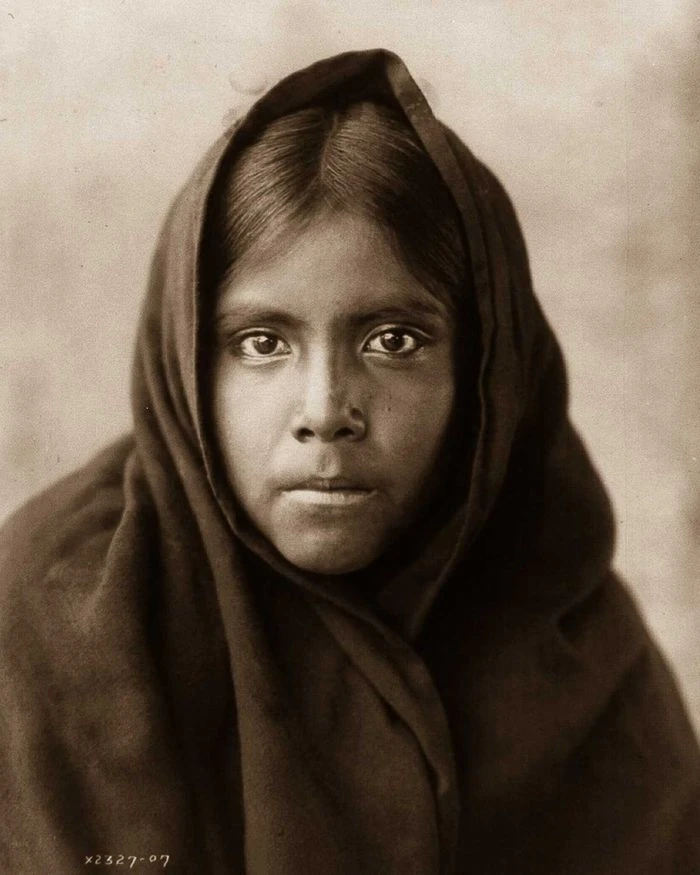
1907. A Qahatika girl. 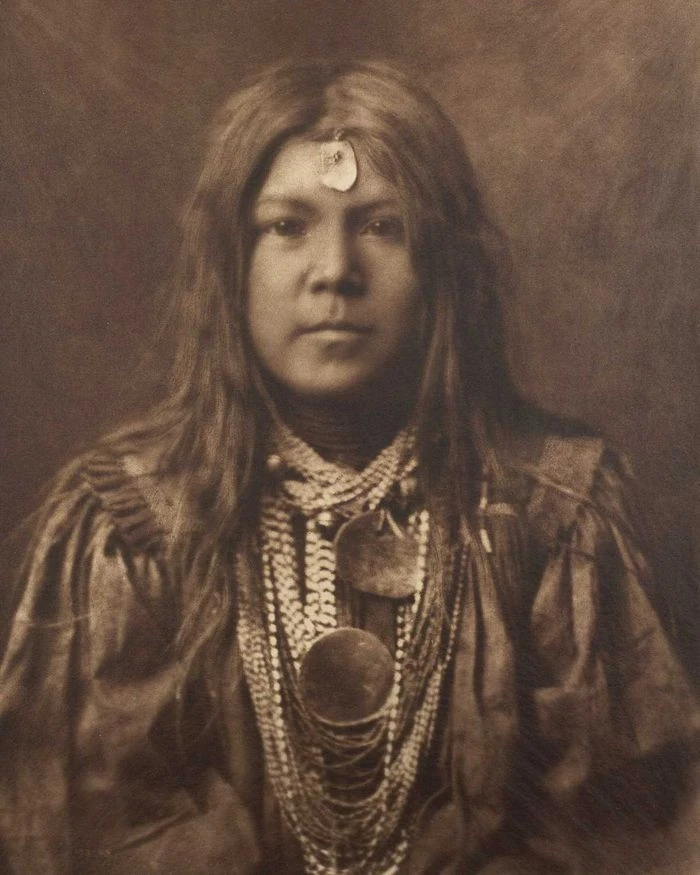
1910. A young Apache man. 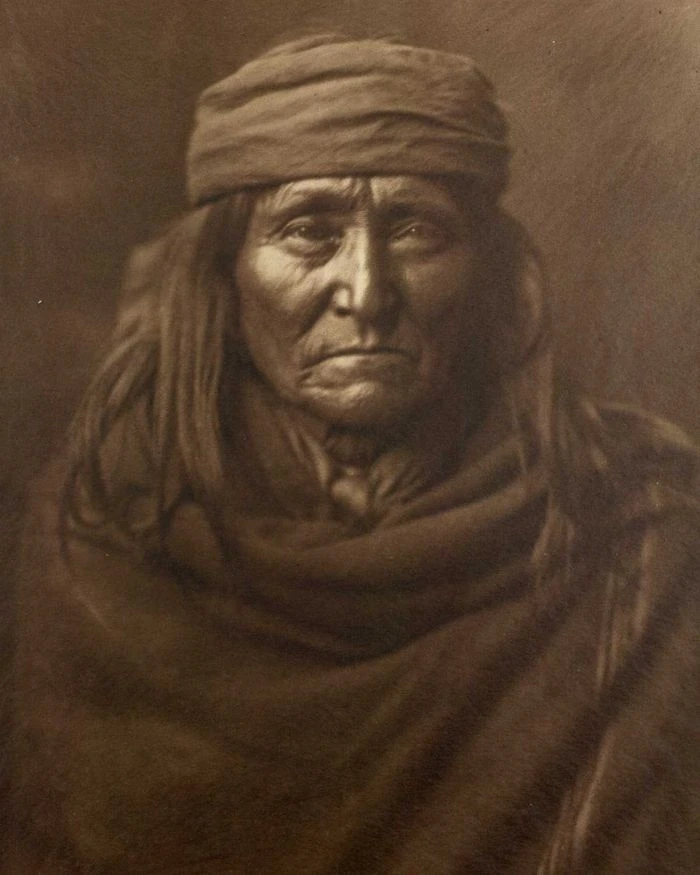
1903. Eskadi of the Apache tribe. 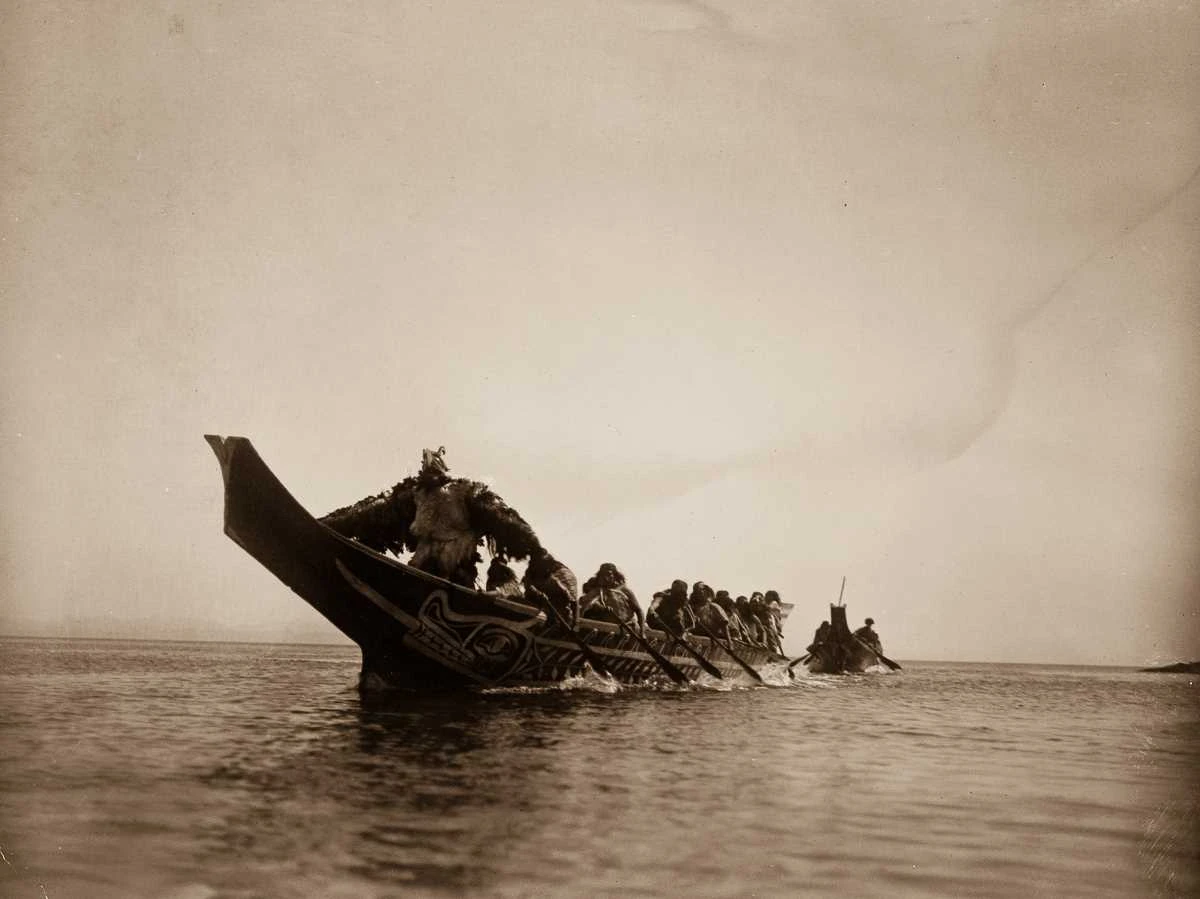
1914. Kwakiutl people in a canoe, British Columbia. 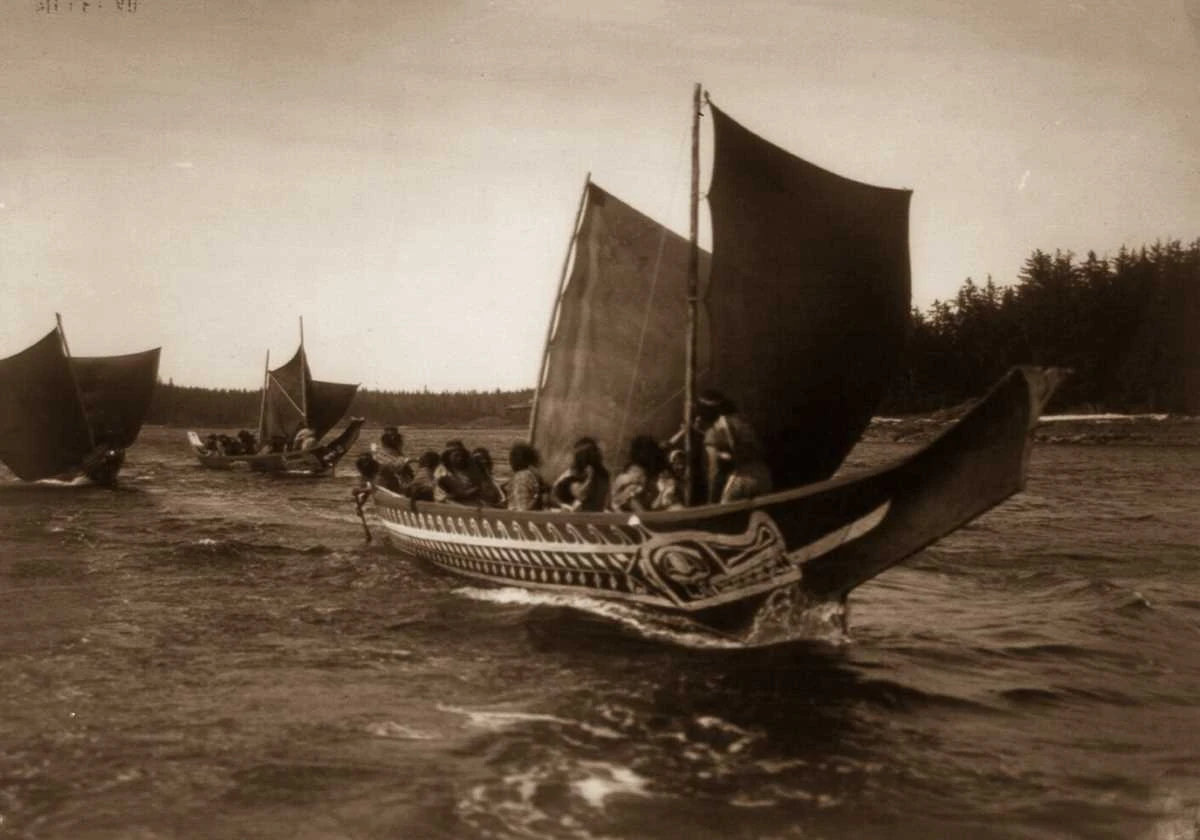
1914. Kwakiutl people in a canoe, British Columbia. 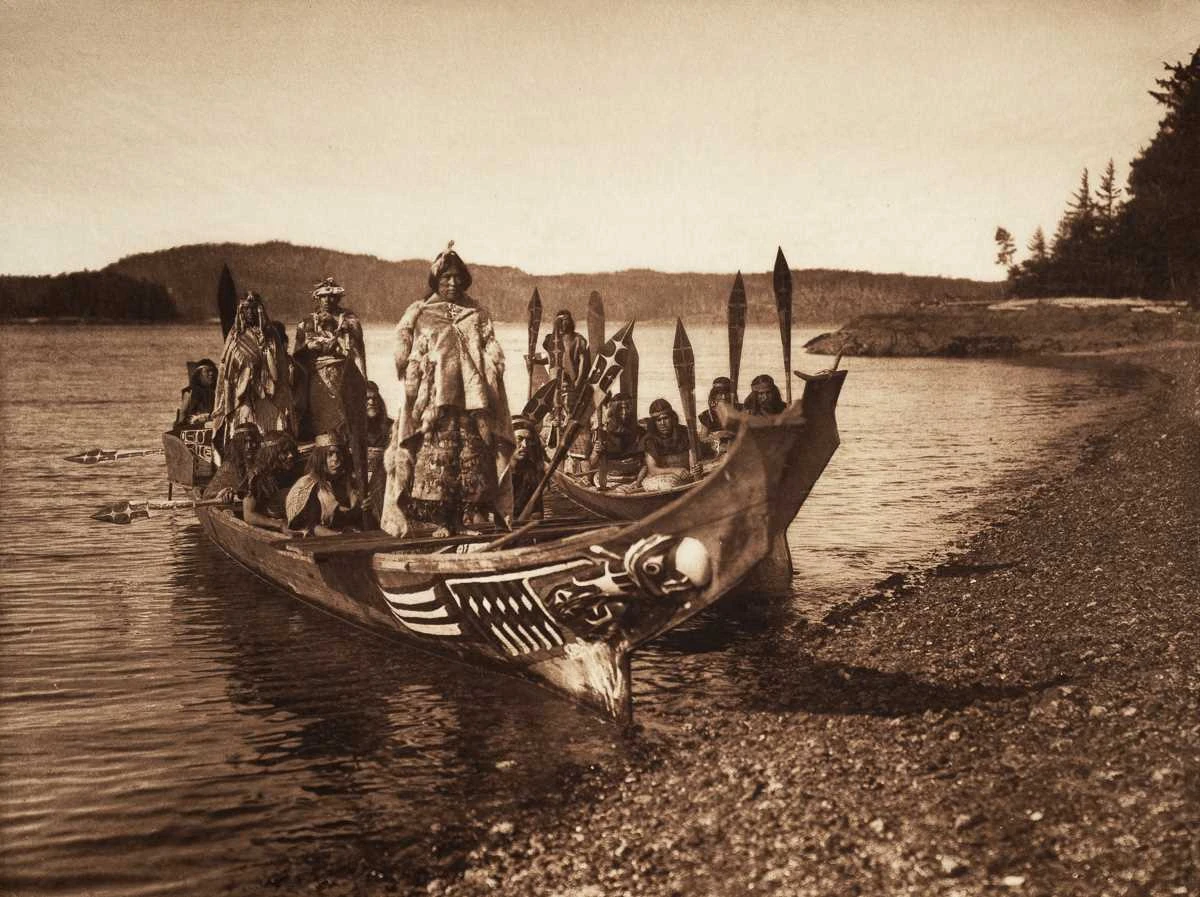
1914. Kwakiutl wedding party arriving in canoes. 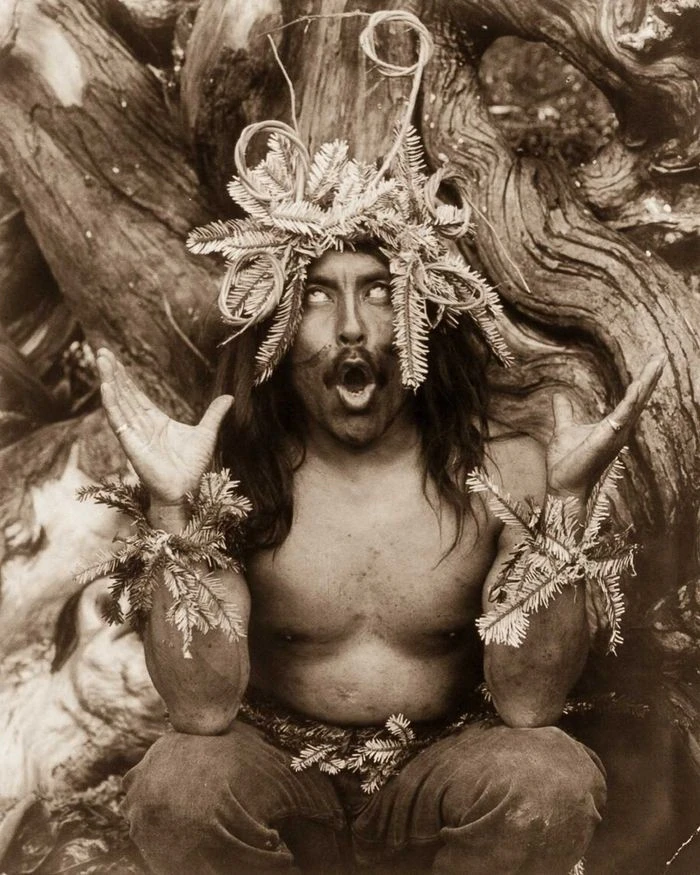
1914. A Kwakiutl shaman performing a ritual. 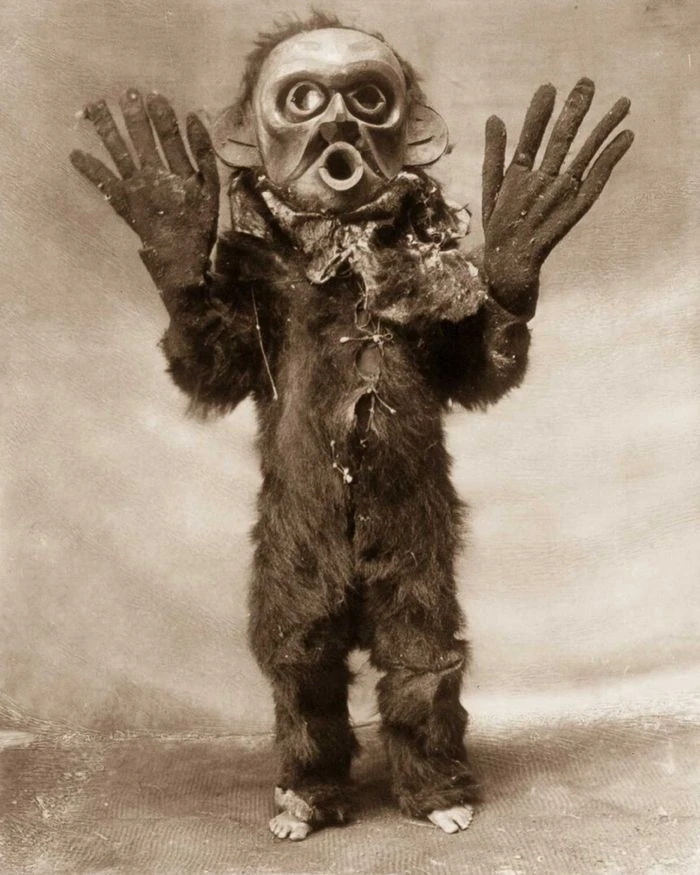
1914. A Koskimo man dressed as the monster Khami during a Nuhlmahl ceremony. 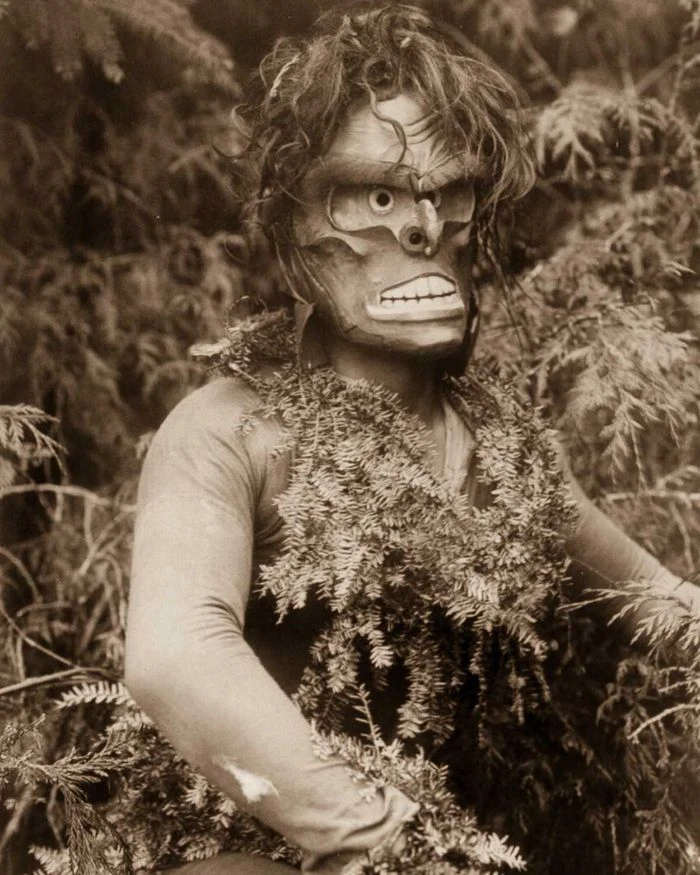
1914. A Kwagu'l dancer dressed as Paqusilahl ("the wild man of the woods"). 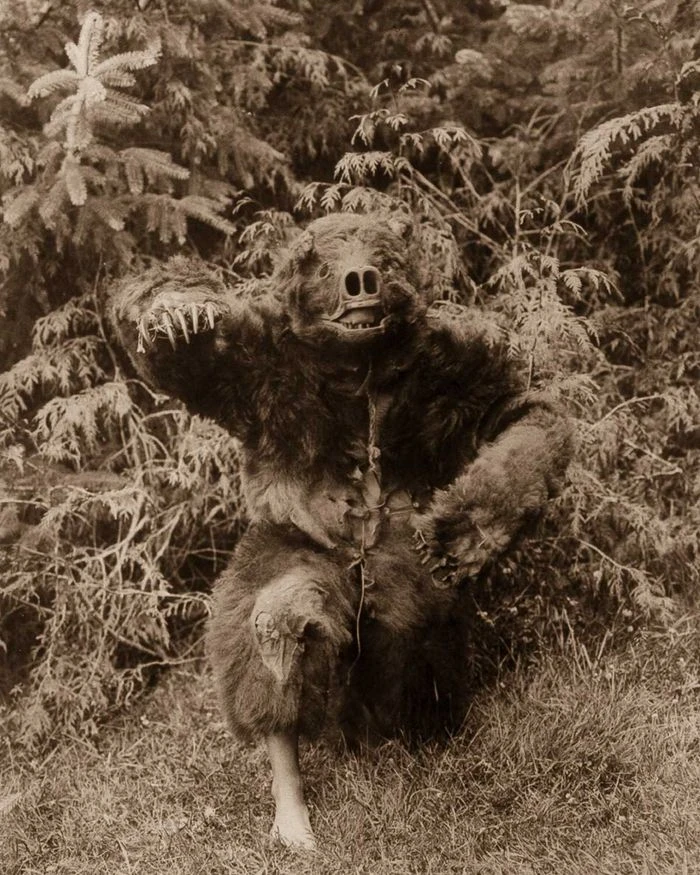
1914. A Kwagu'l man dressed as a bear. 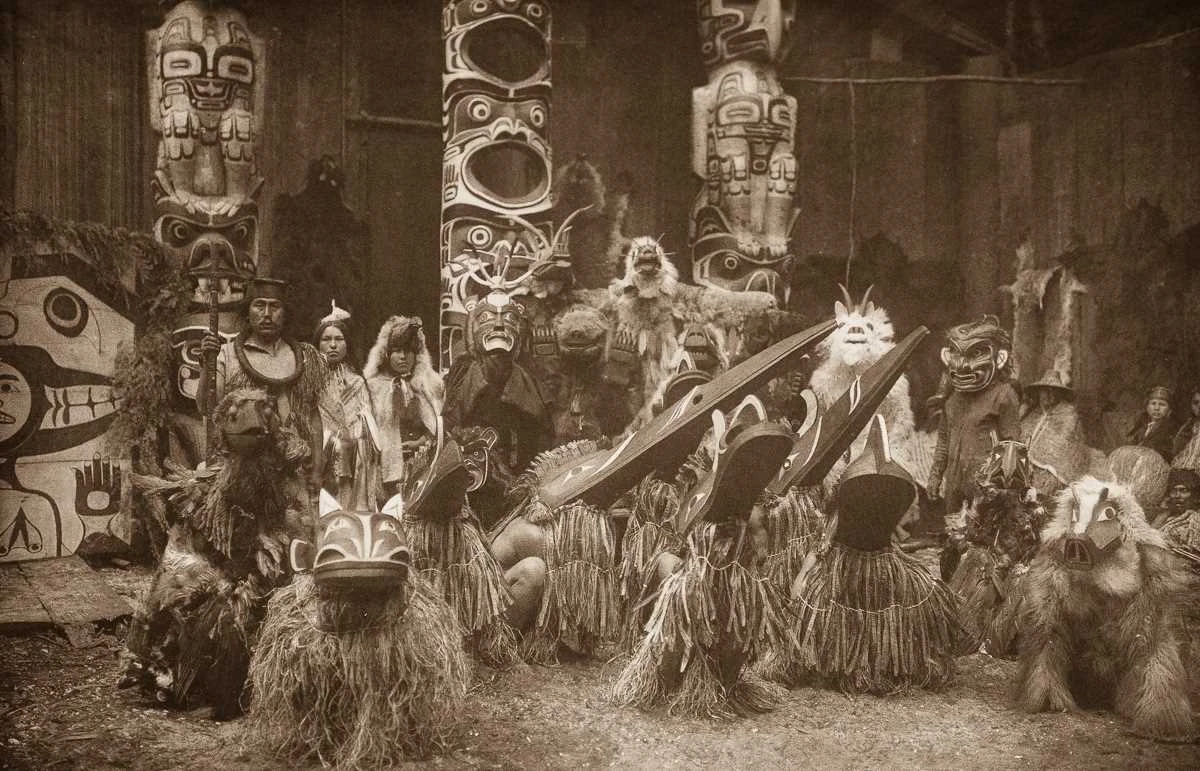
1914. Kwagu'l dancers. 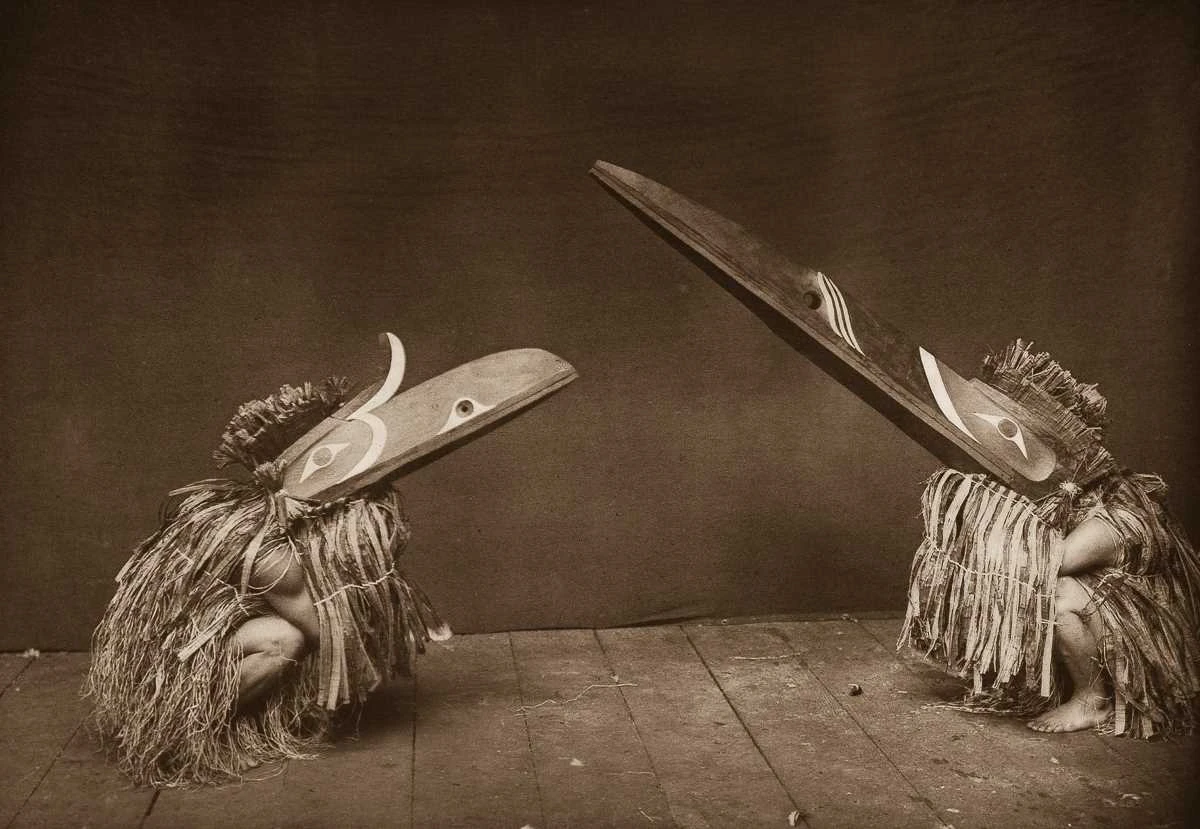
1914. Nakoaktok dancers wearing Hamatsa masks during a ritual. 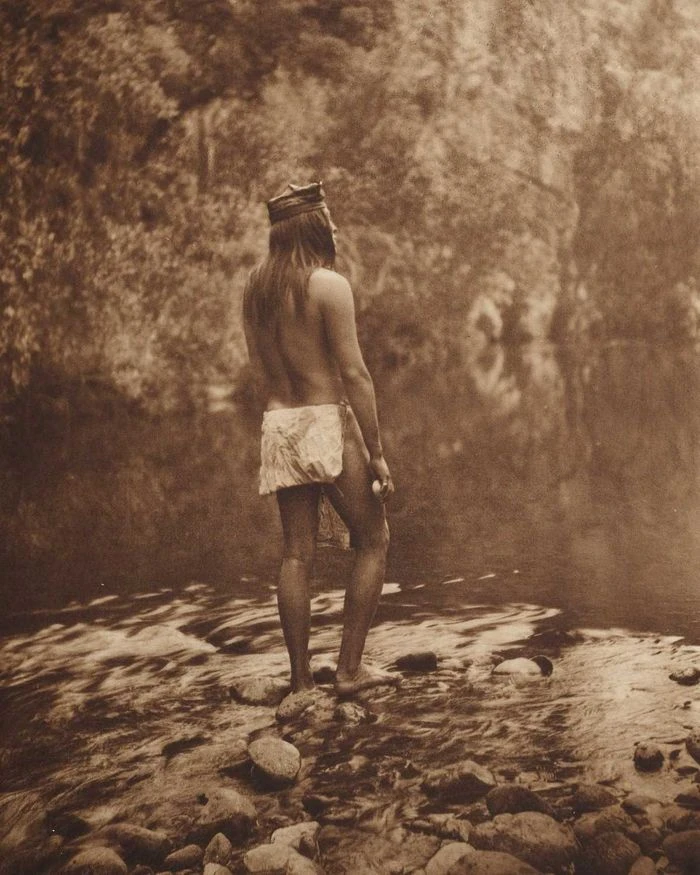
1910. An Apache man. 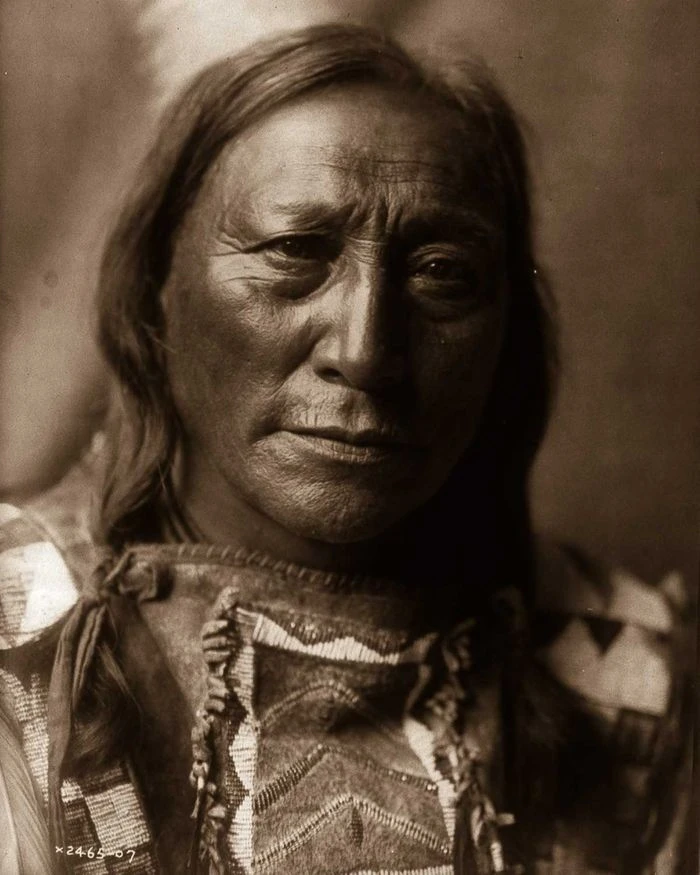
1907. Hollow Horn Bear of the Brulé Lakota. 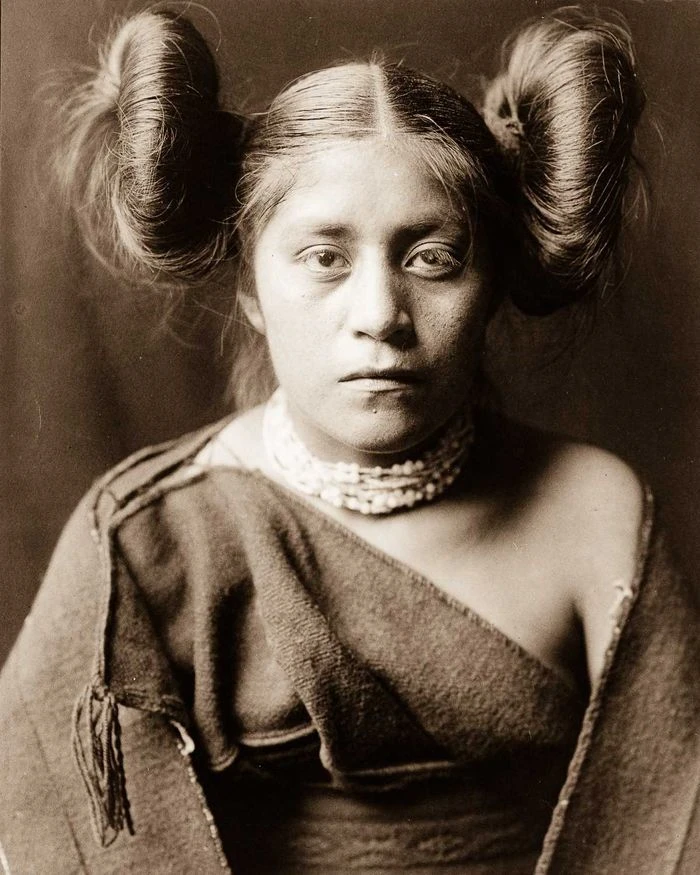
1906. A Tewa girl. 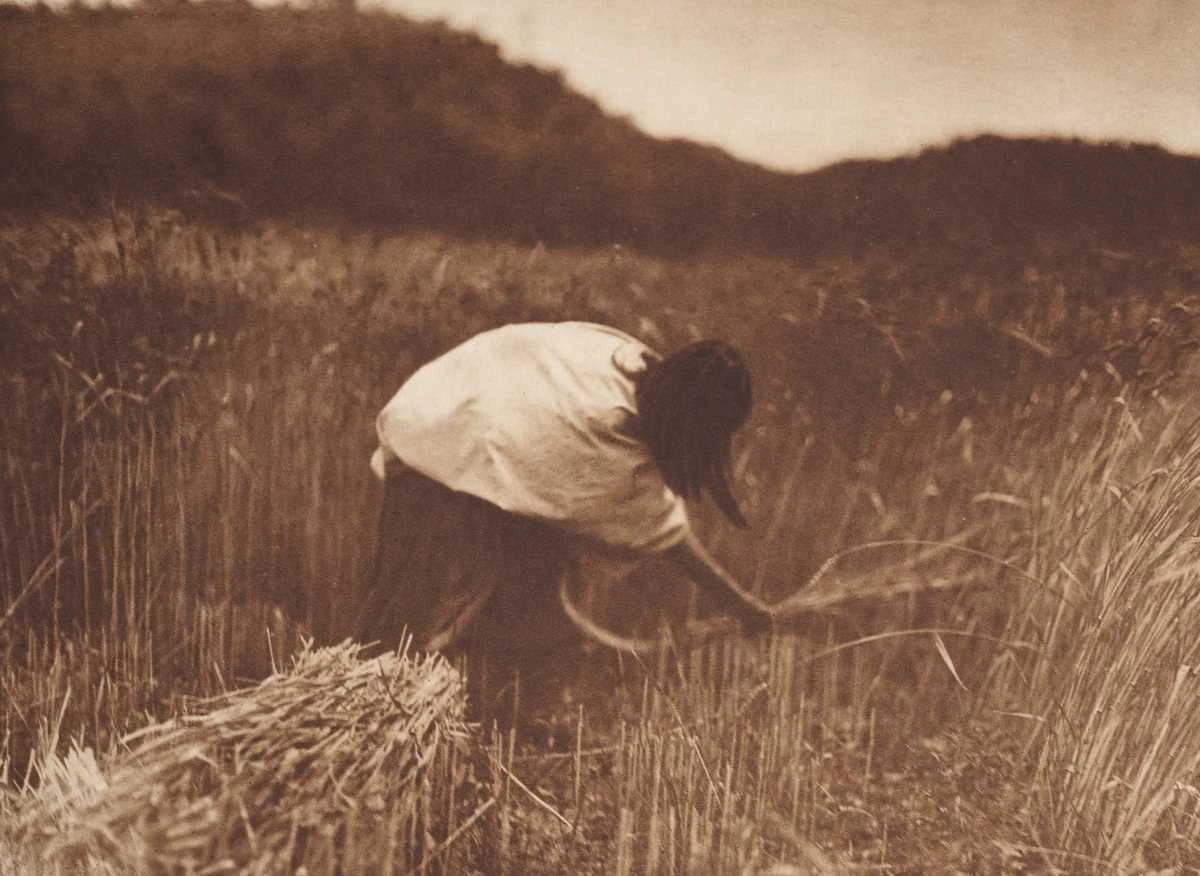
1910. An Apache woman harvesting grain. 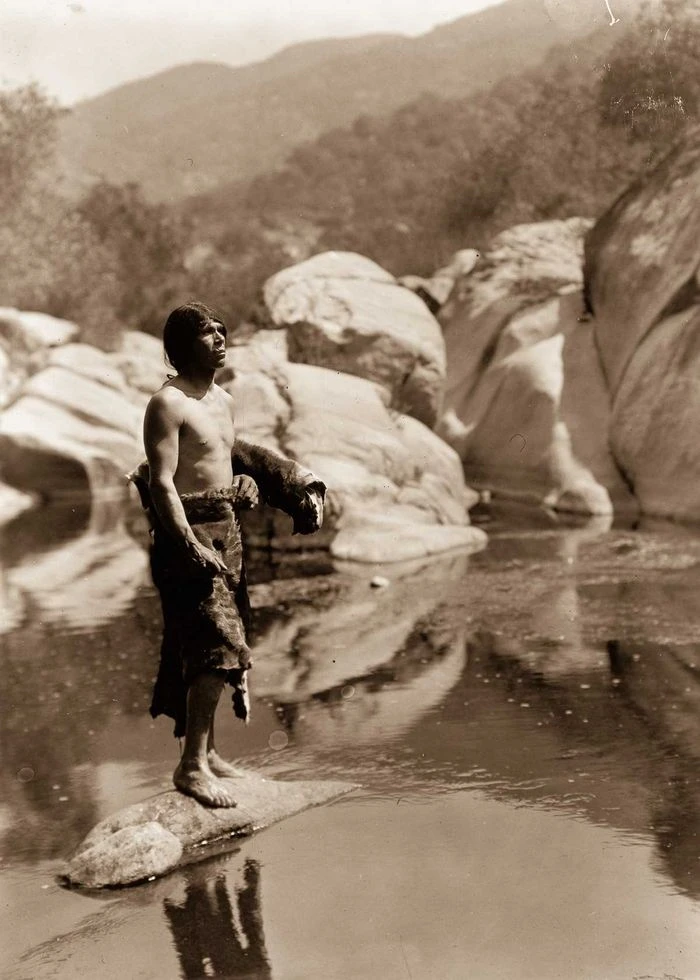
1924. A Mariposa Native American on the Tule River Reservation. 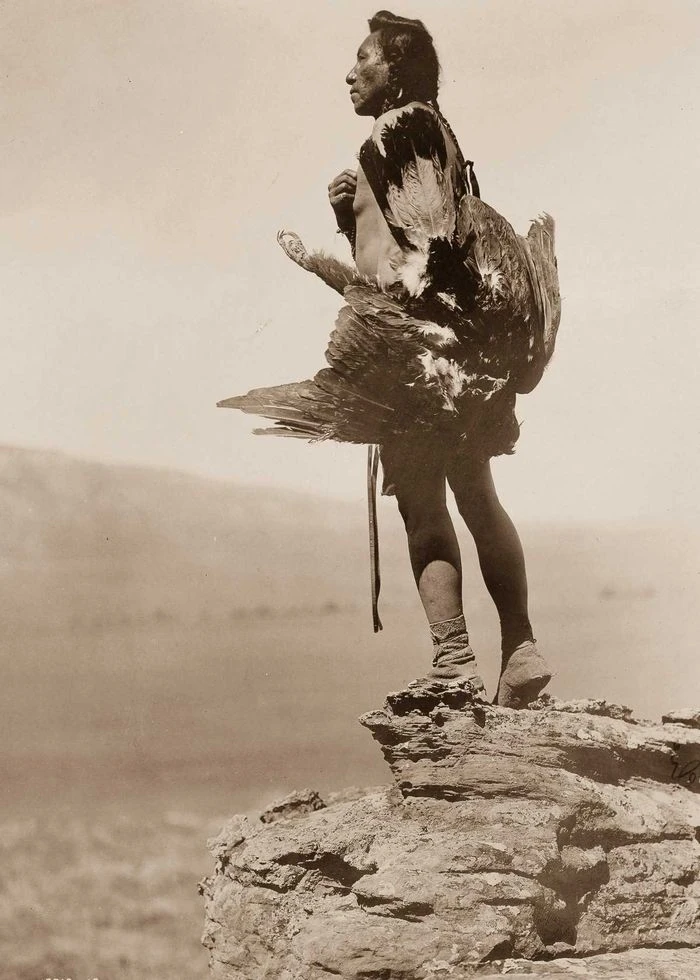
1908. A Hidatsa man holding an eagle. 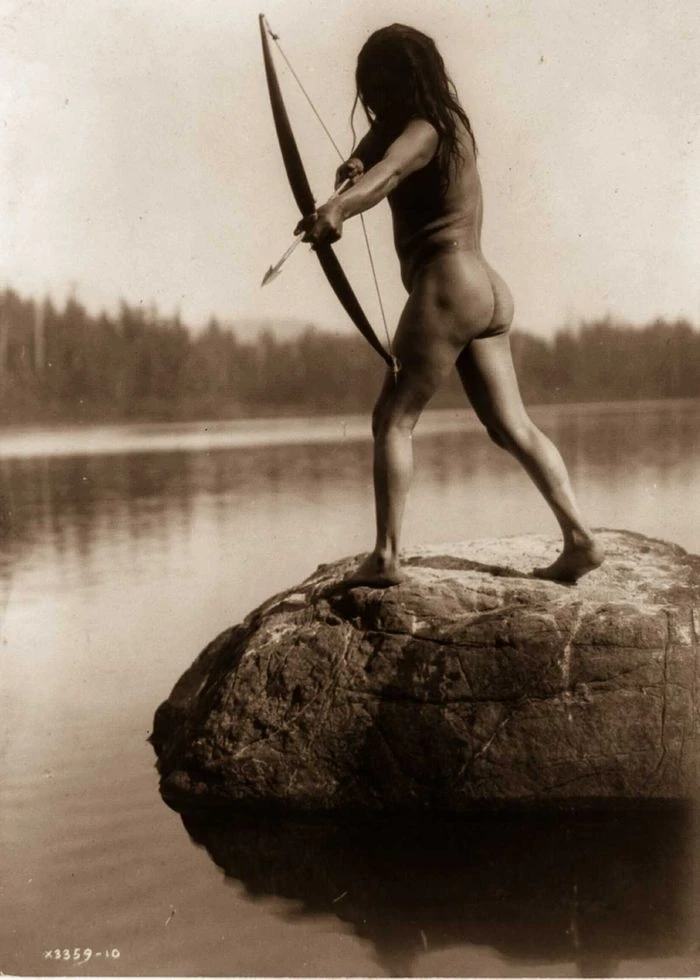
1910. A Nootka man aiming a bow. 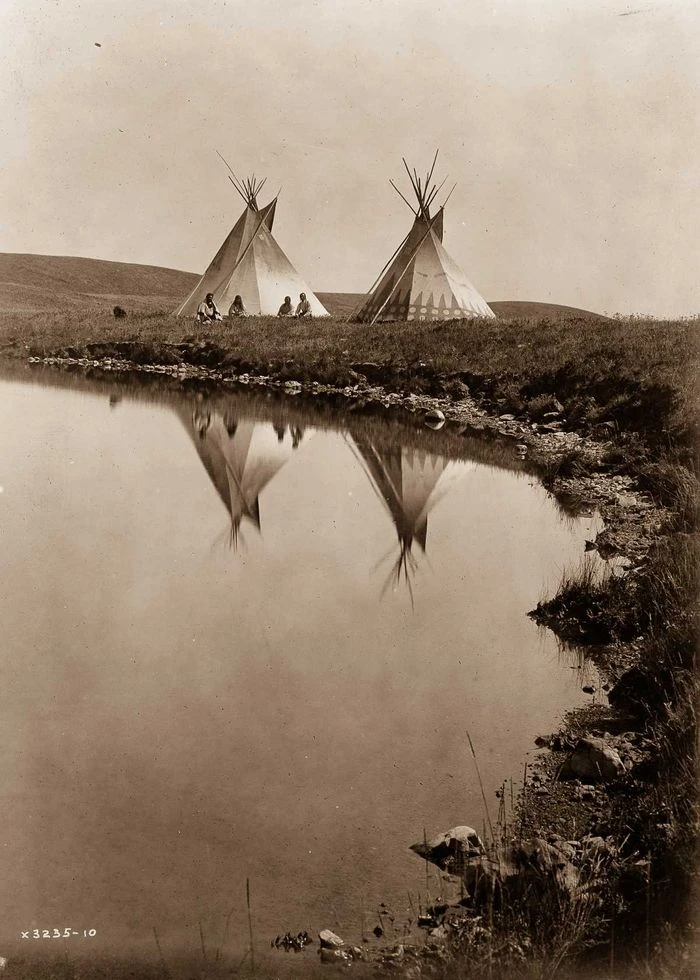
1910. Piegan tepees. 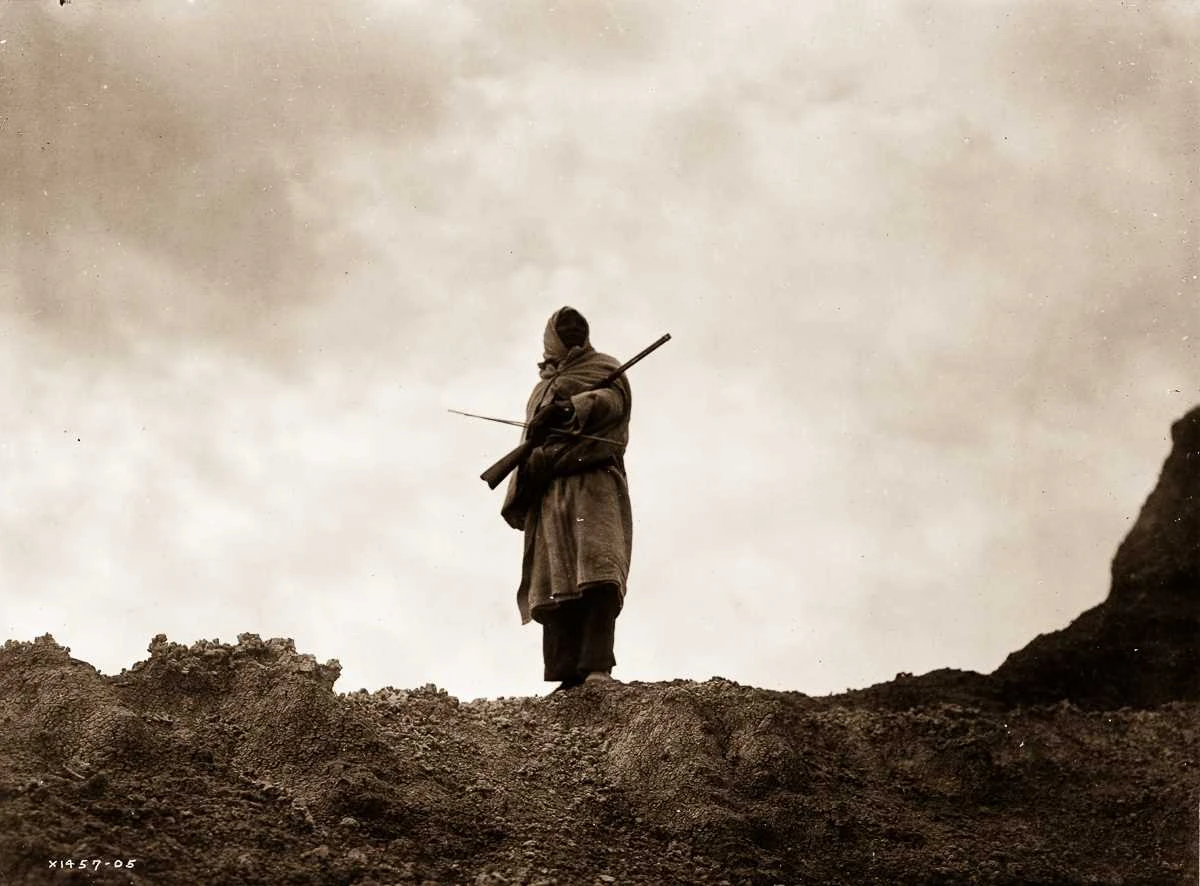
1905. A Sioux hunter. 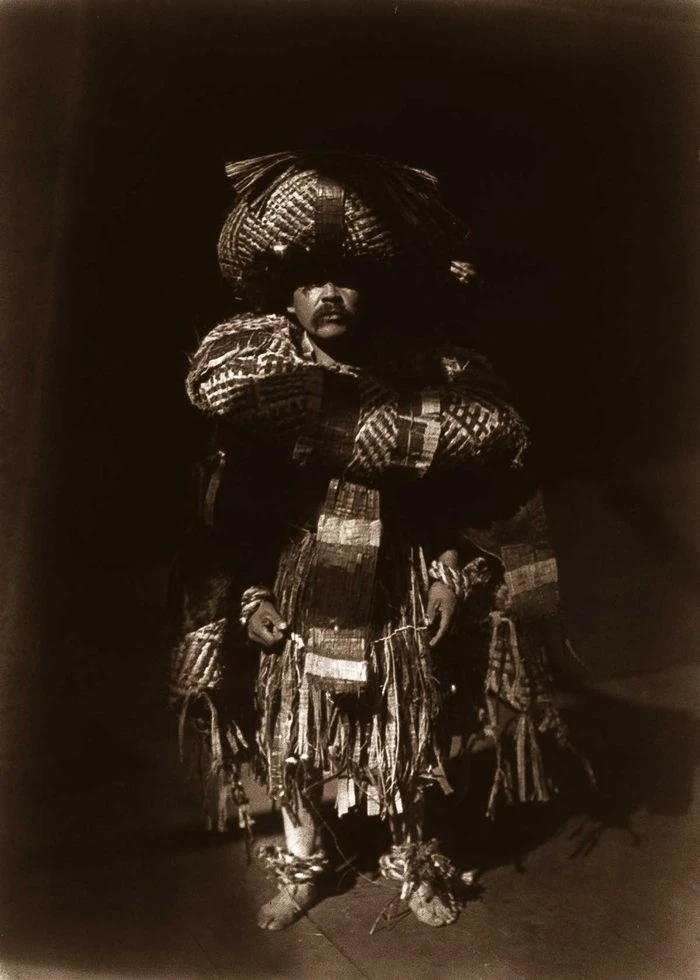
1914. A Kwakiutl shaman. 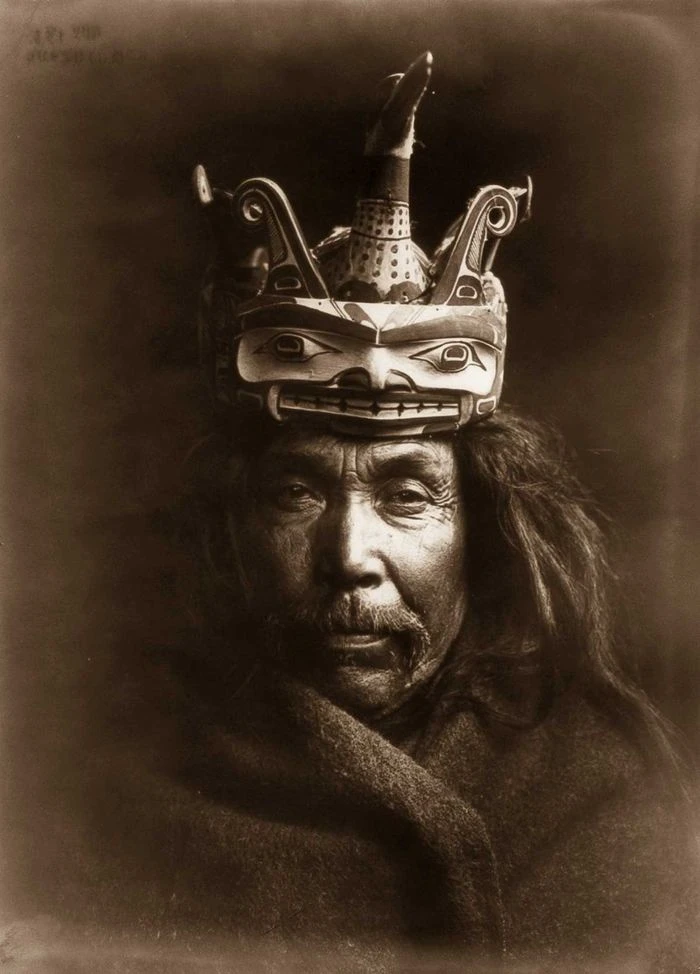
1914. A Kwakiutl man wearing a transformation mask depicting a human turning into a loon. 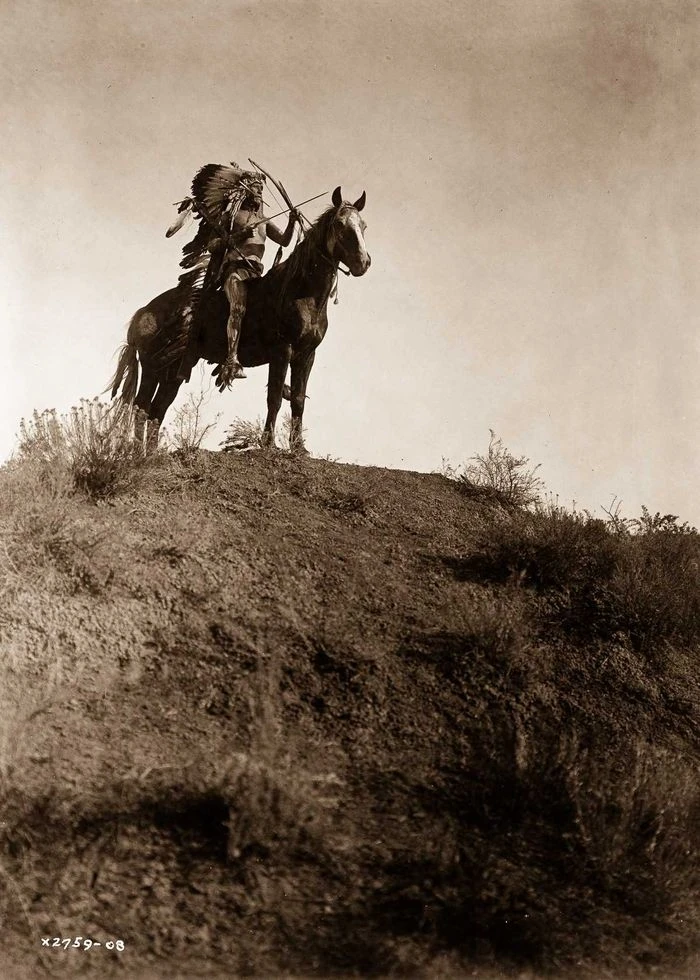
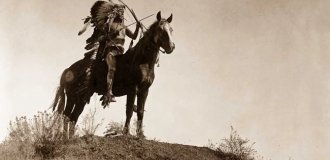
1908. An Apsaroke man on horseback. 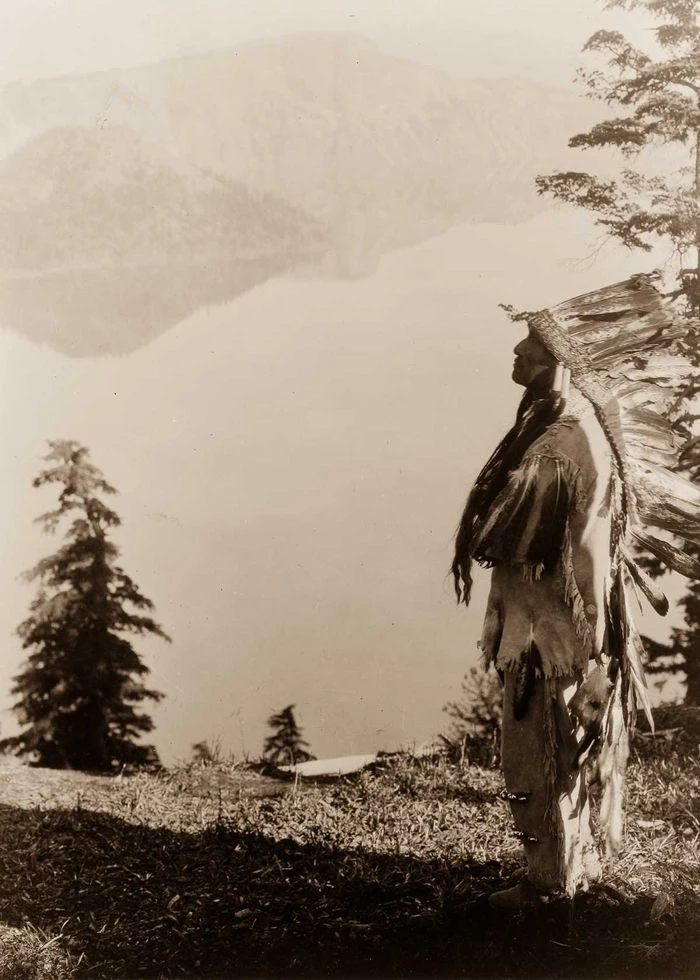
1923. A Klamath chief standing on a hill overlooking Crater Lake, Oregon. 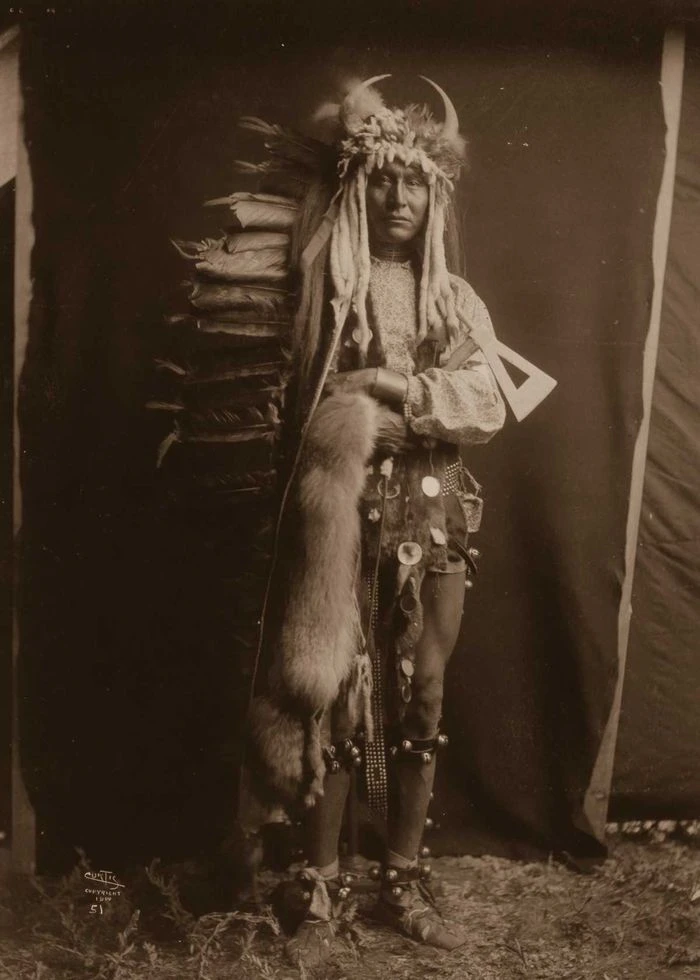
1900. Iron Breast, a Piegan man. 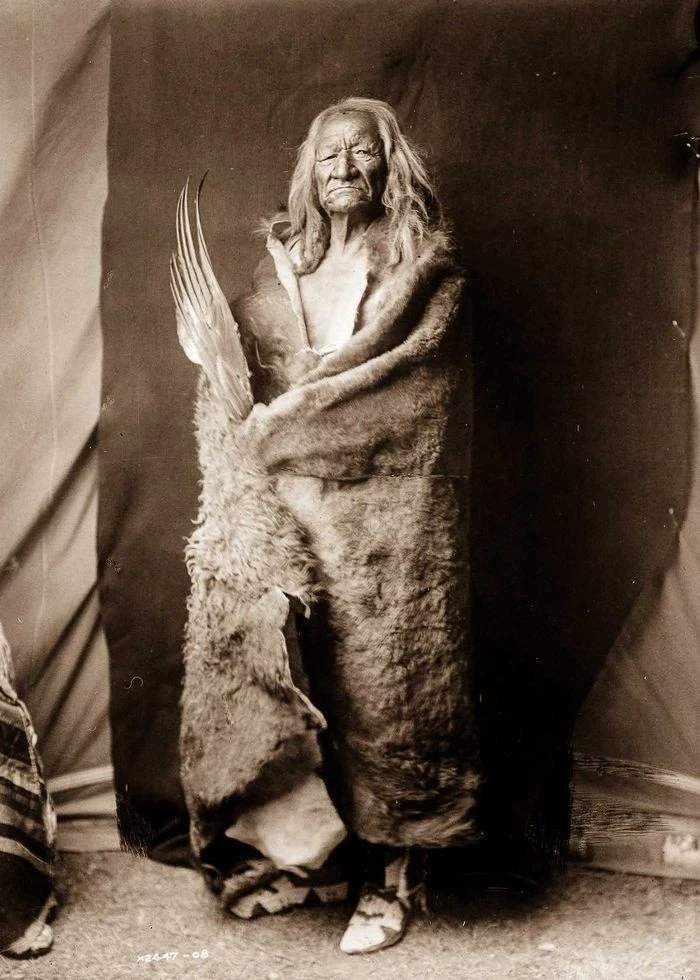
1908. Black Eagle, an Assiniboine man. 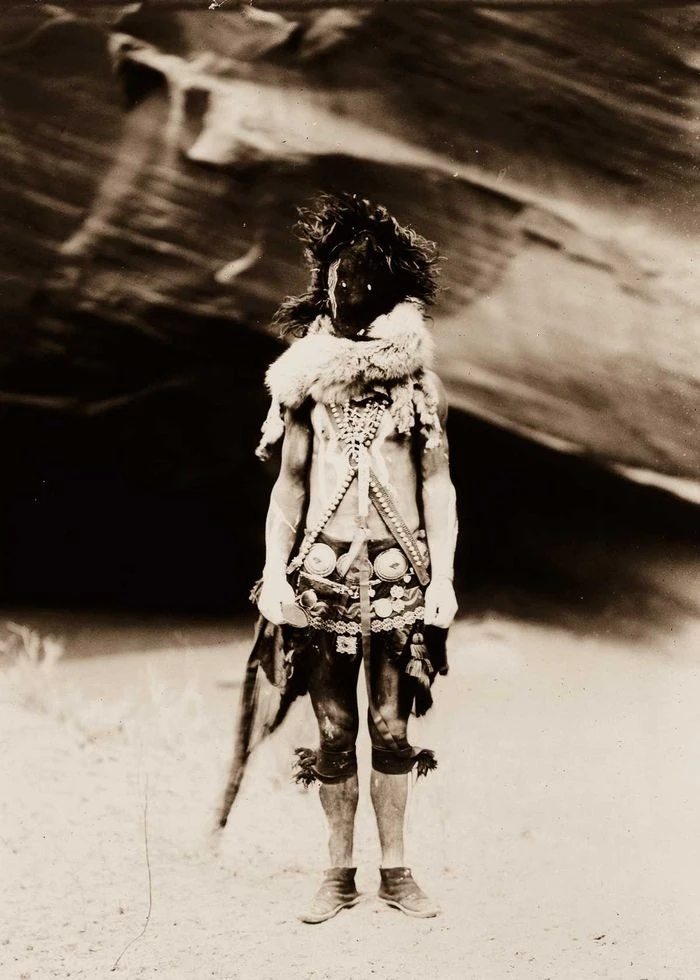
1904. A Navajo man. 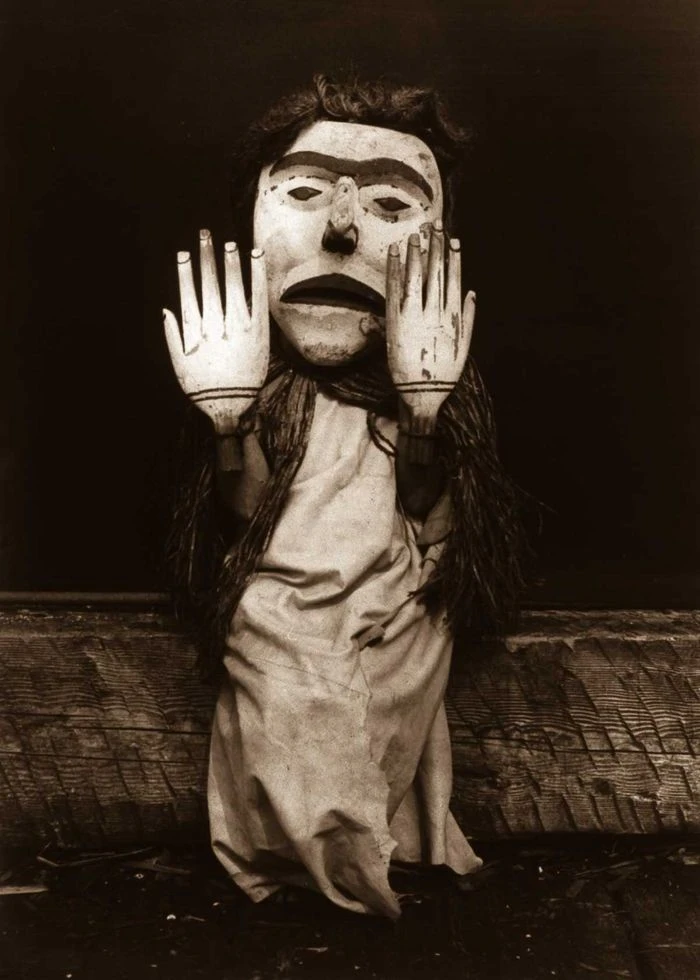
1914. A Kwakiutl man dressed as the forest spirit Nuhlimkilaka ("Bringer of Confusion"). 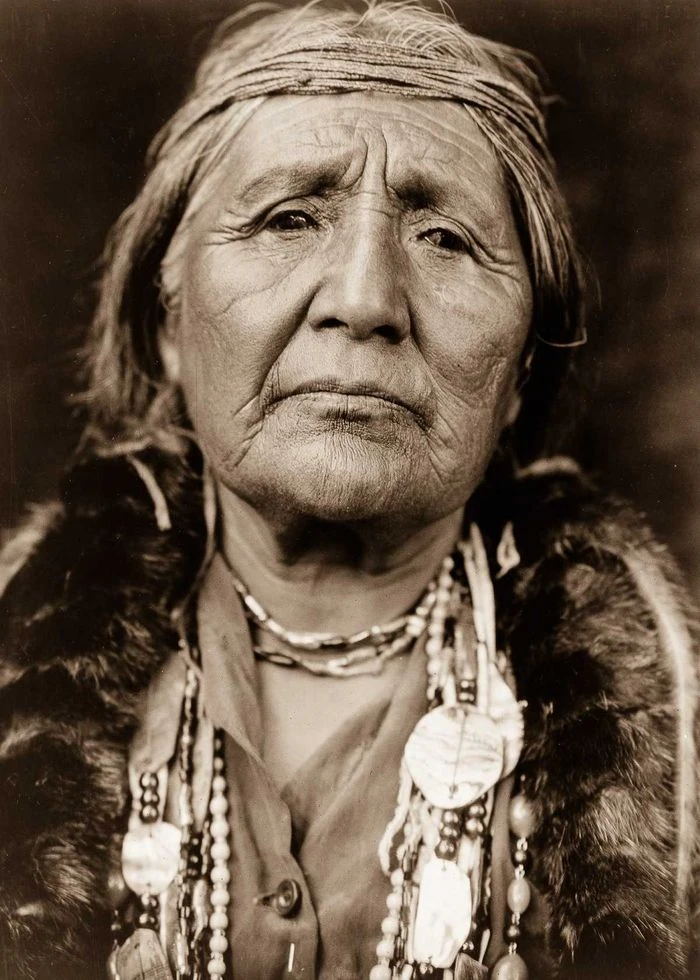
1923. A Hupa woman. 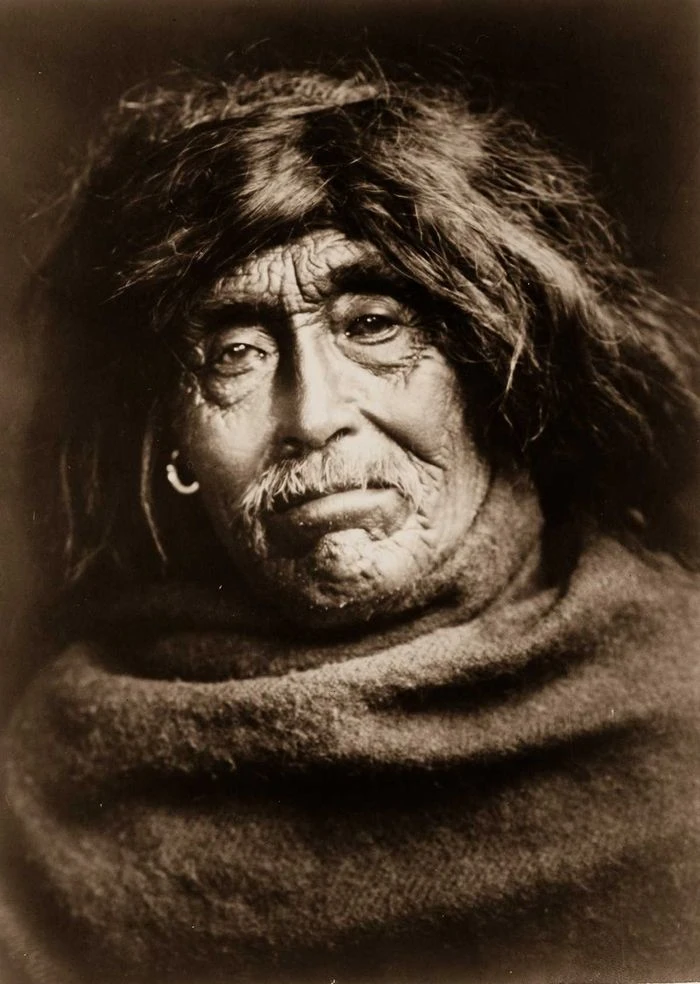
1914. A Tsawatenok man. 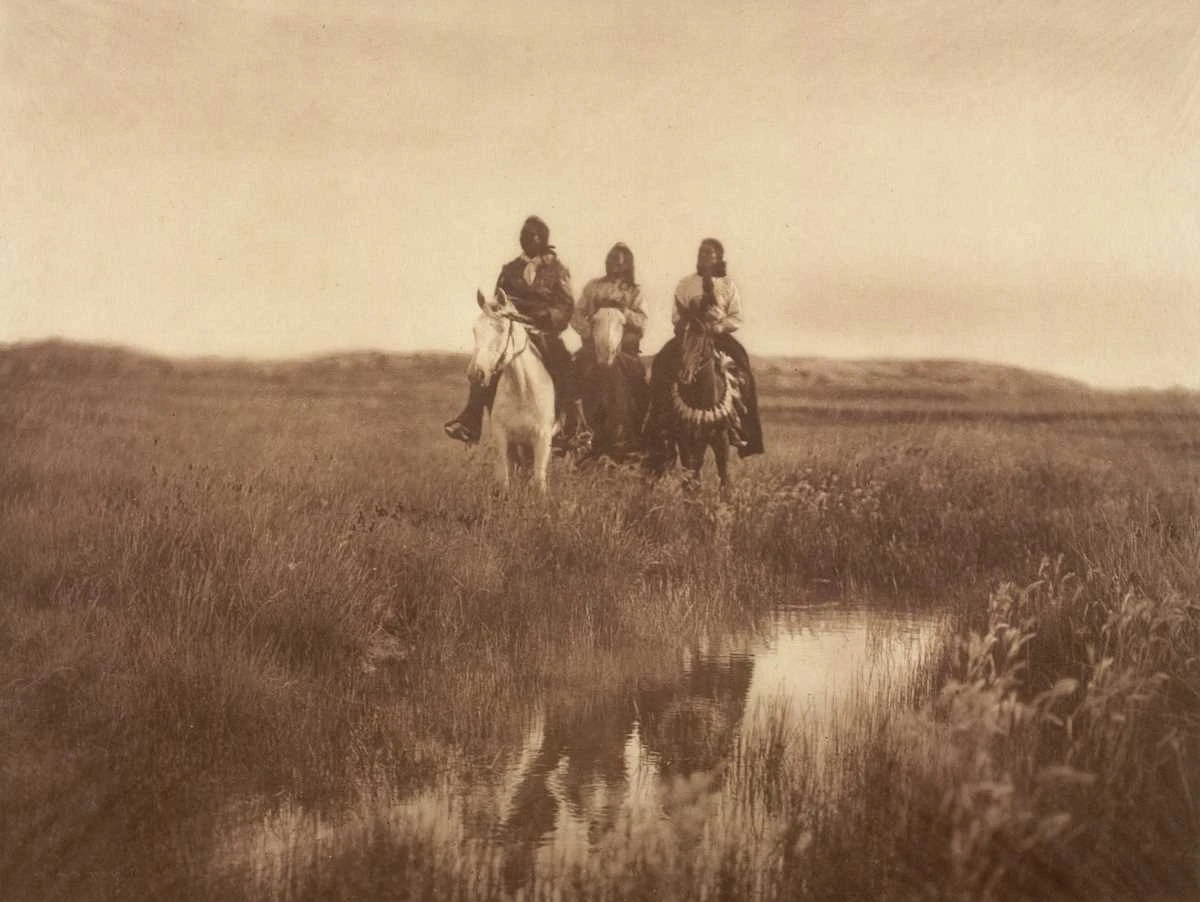
1900. Piegan chiefs. 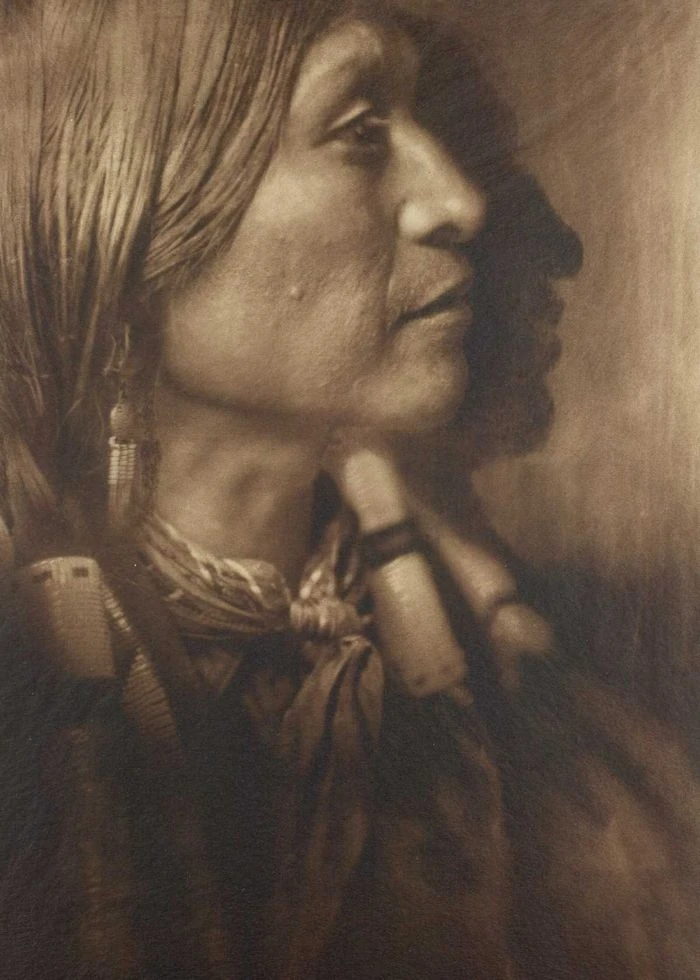
1910. A Jicarilla Apache man. 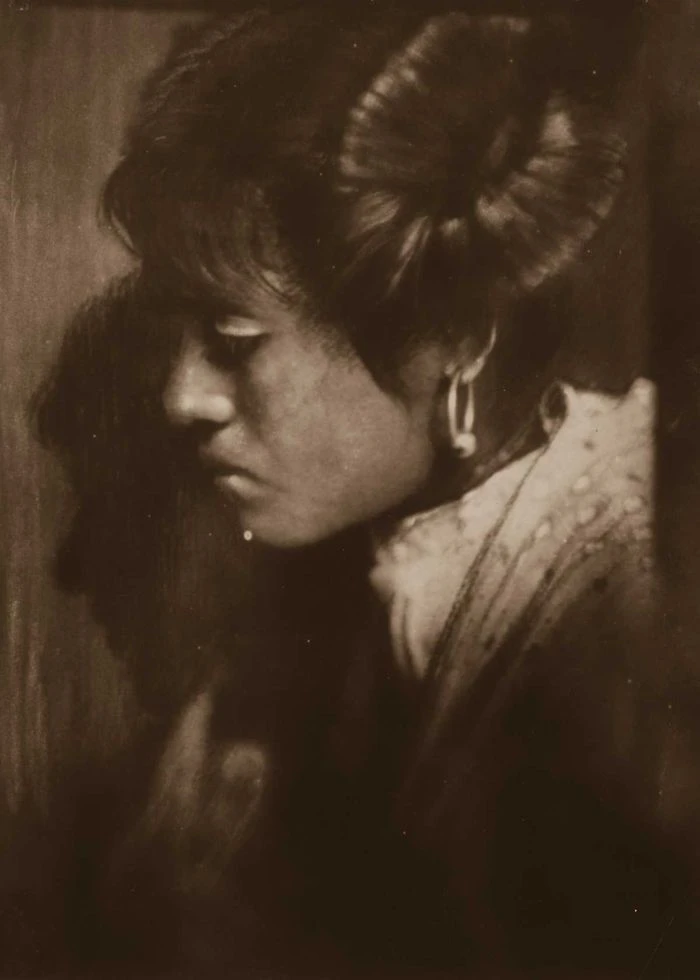
1905. A Hopi girl. 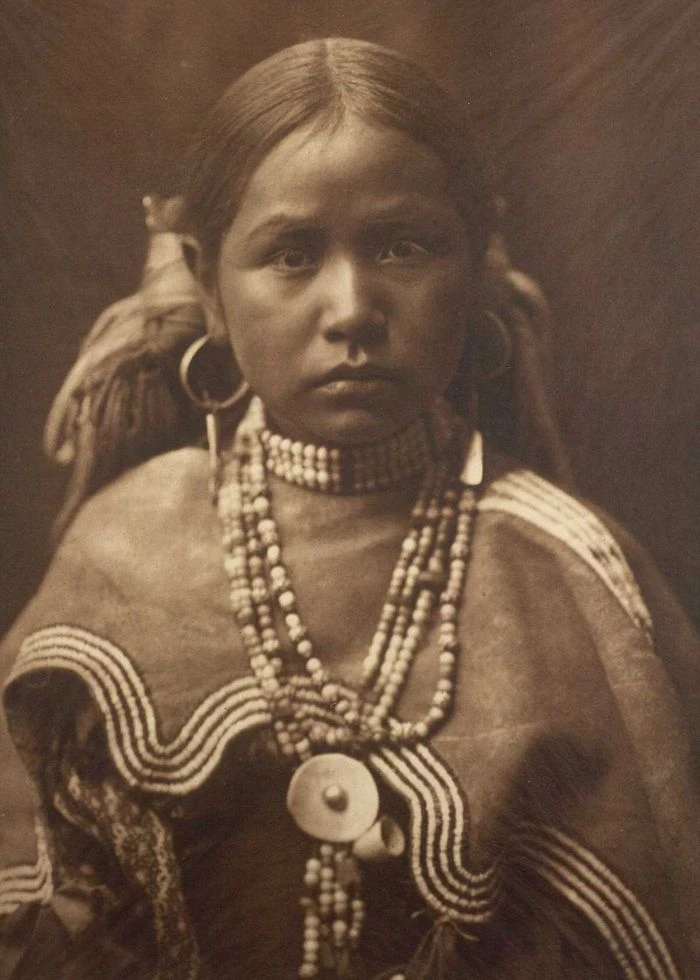
1910. A Jicarilla Apache girl. 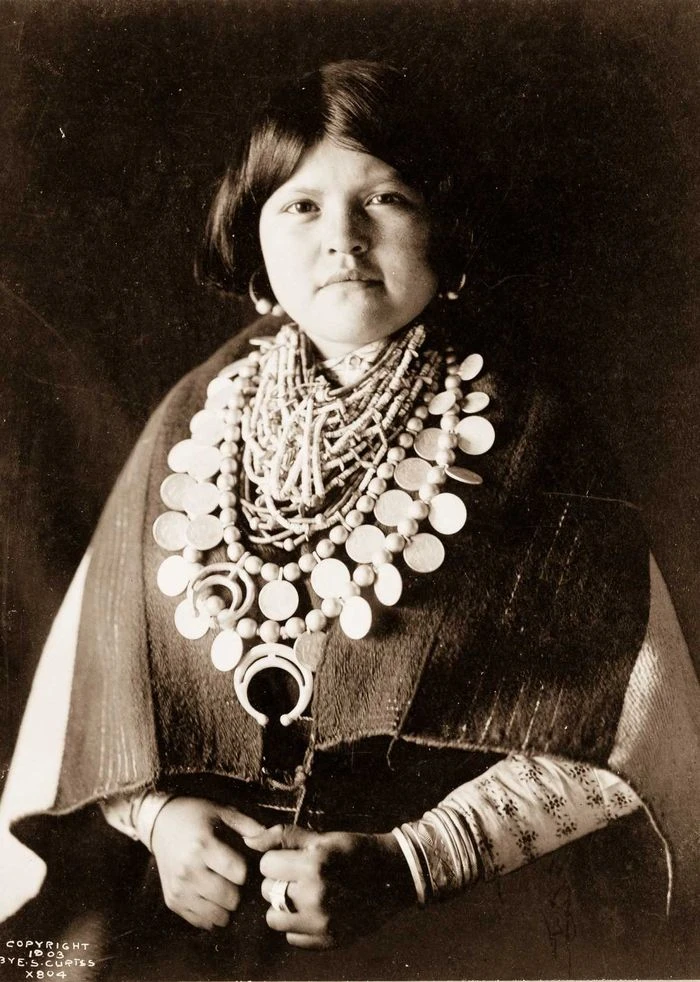
1903. A Zuni woman. 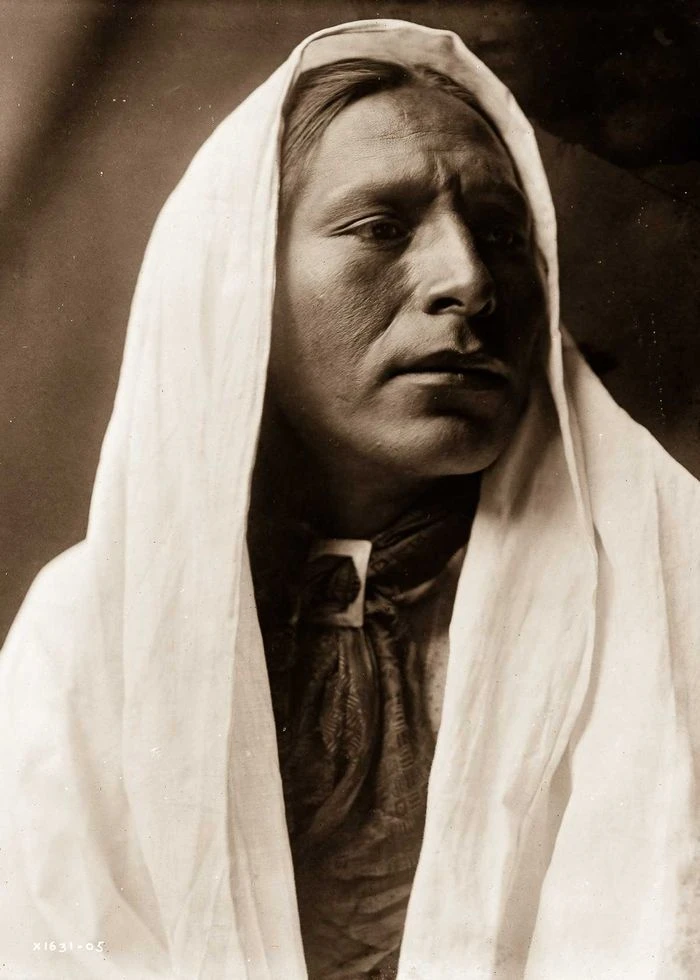
1905. Yahla (also known as Willow) of Taos Pueblo. 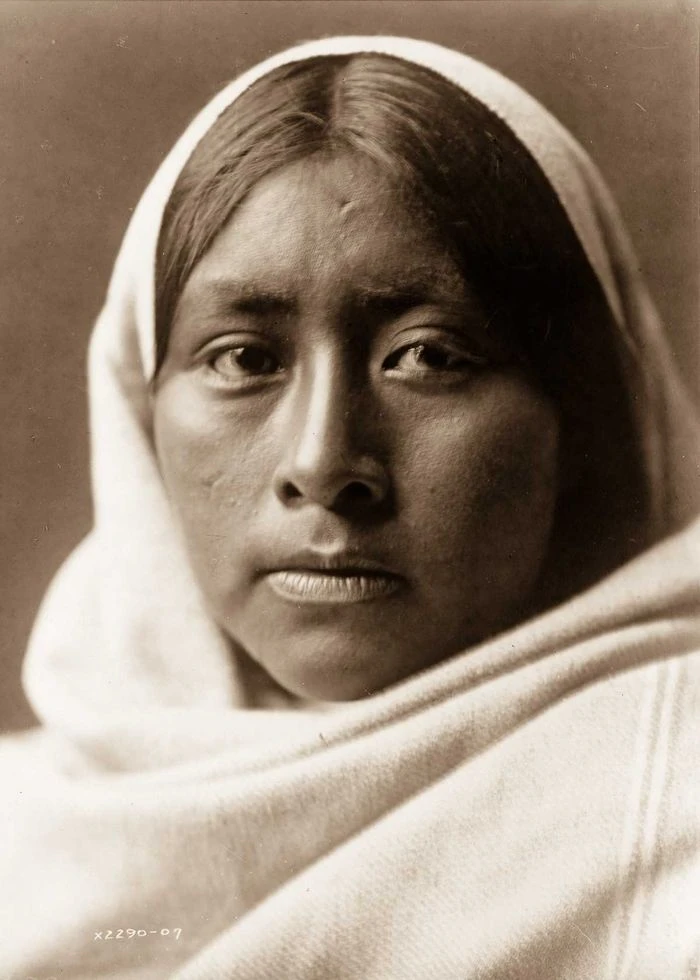
1907. A Papago woman. 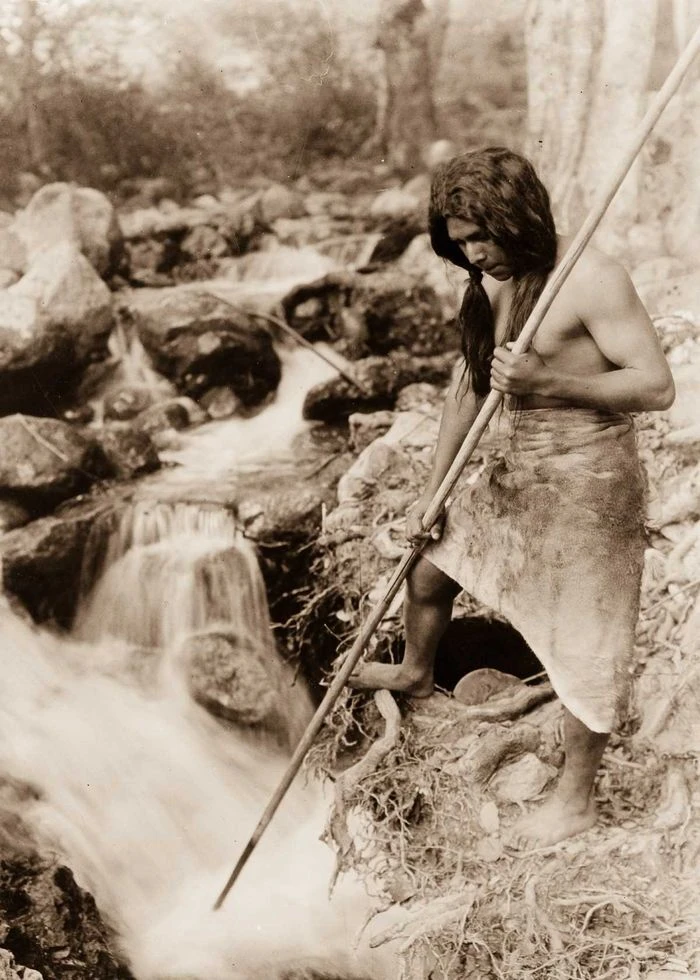
1923. A Hupa fisherman waiting with a spear for salmon. 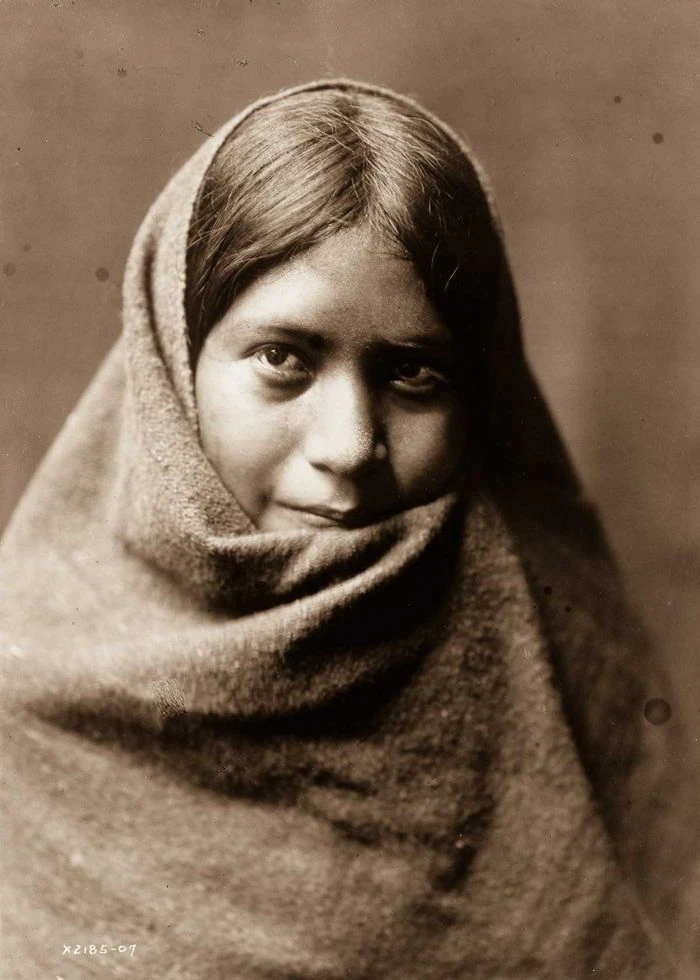
1907. A Maricopa woman. 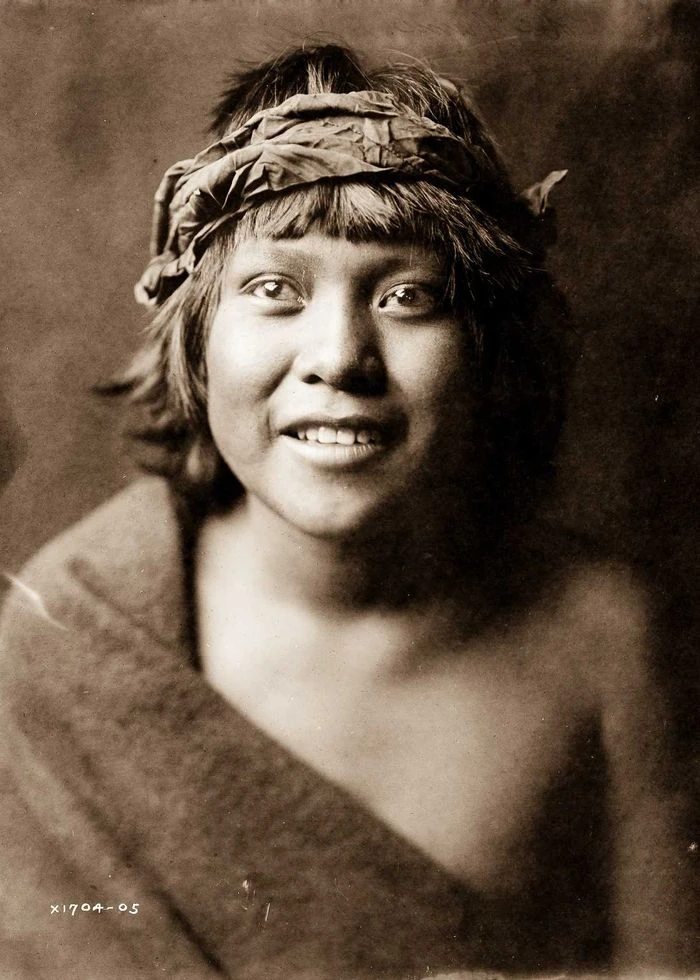
1905. A Tewa boy at San Ildefonso Pueblo. 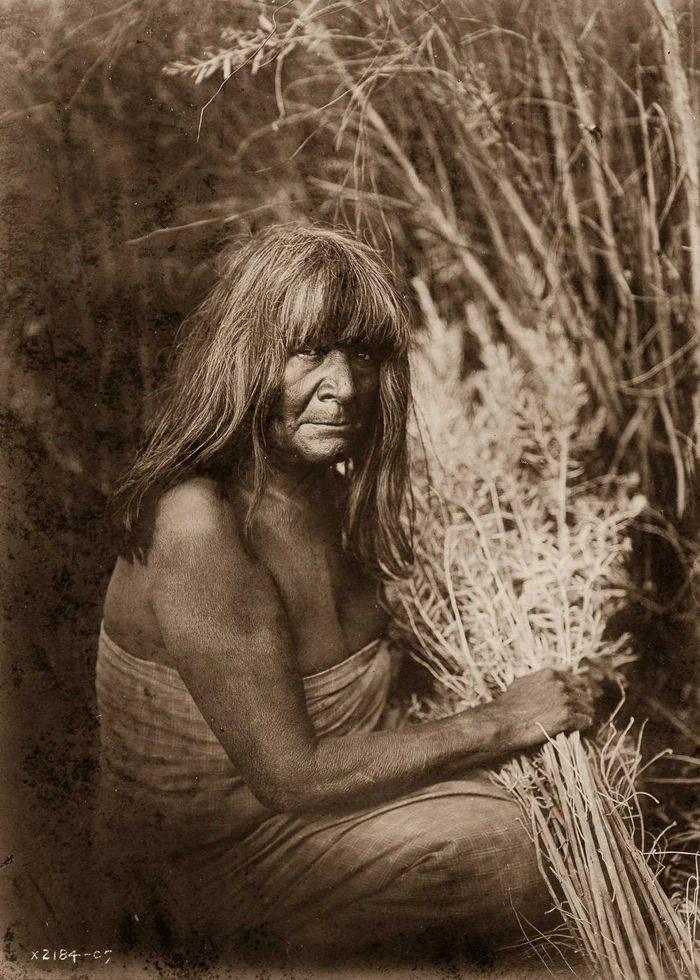
1907. A Maricopa woman. 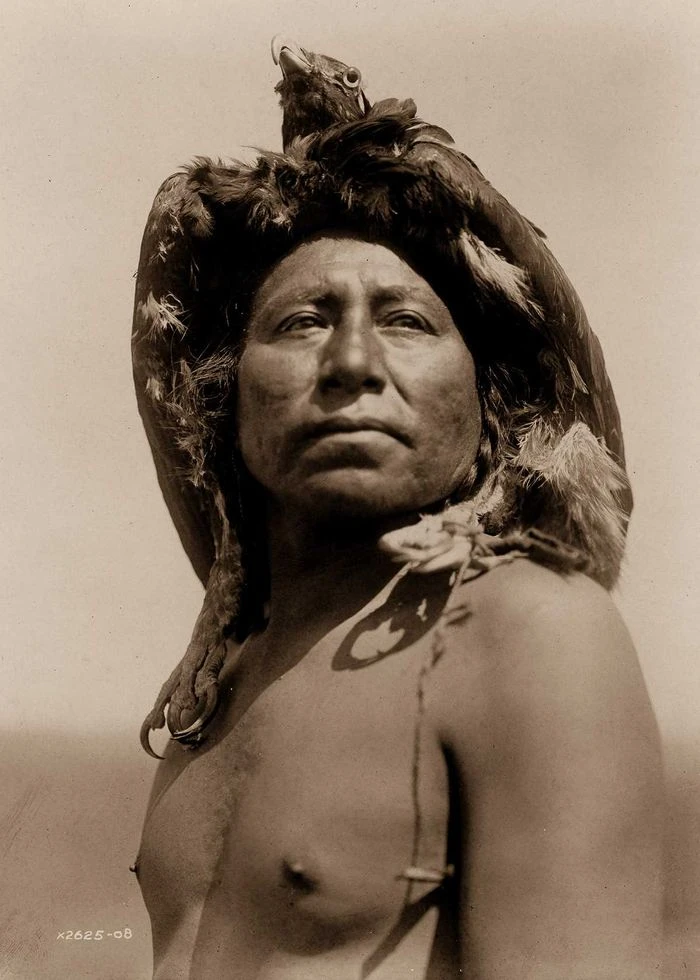
1908. An Apsaroke medicine man. 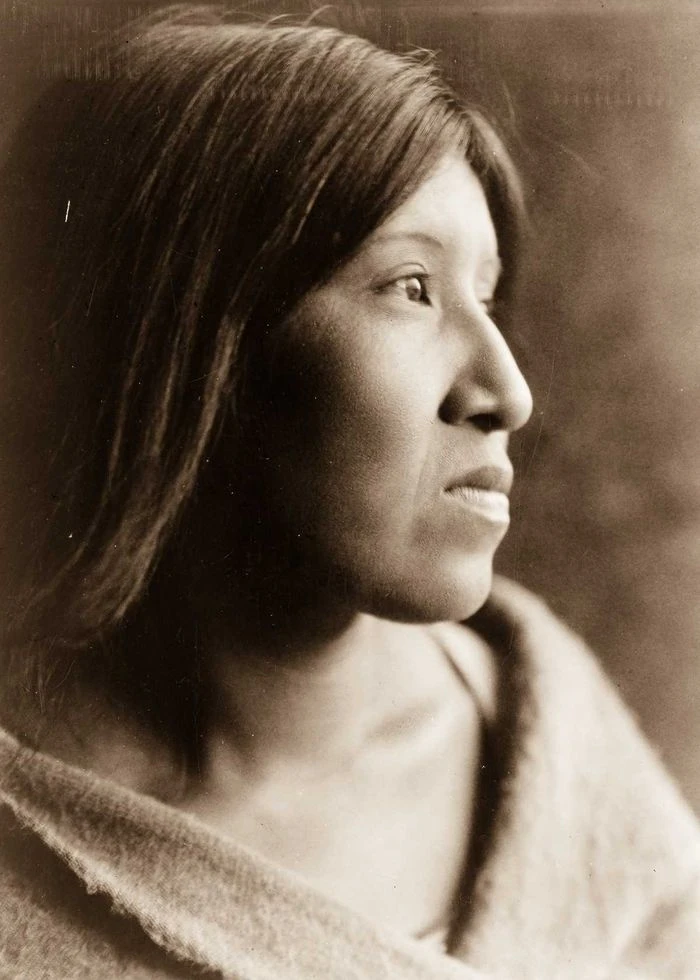
1924. A Cahuilla woman. 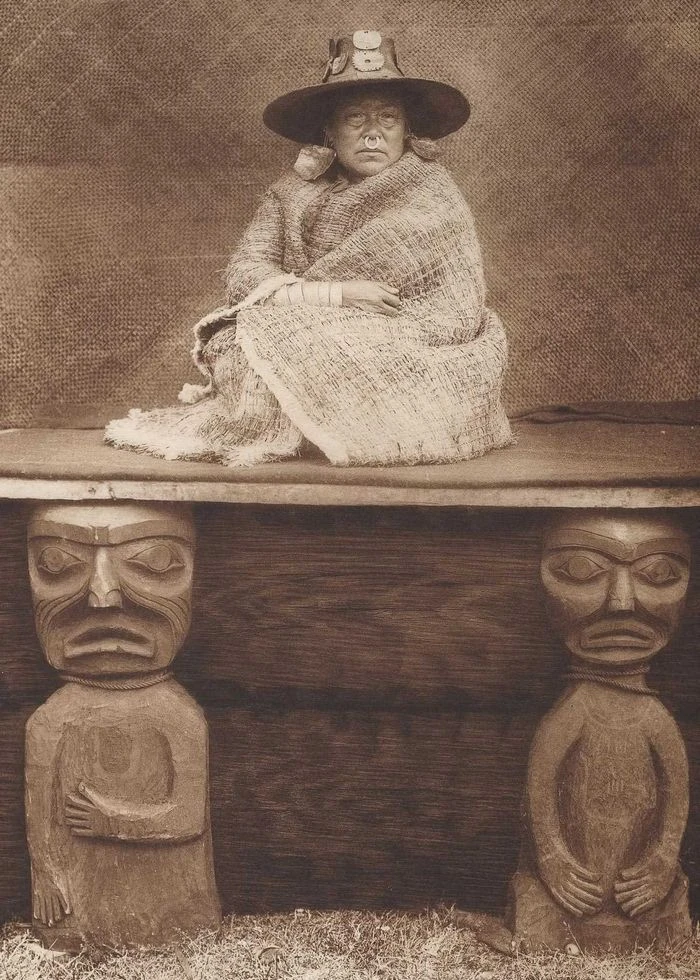
1910. A Kwakiutl chief's daughter. 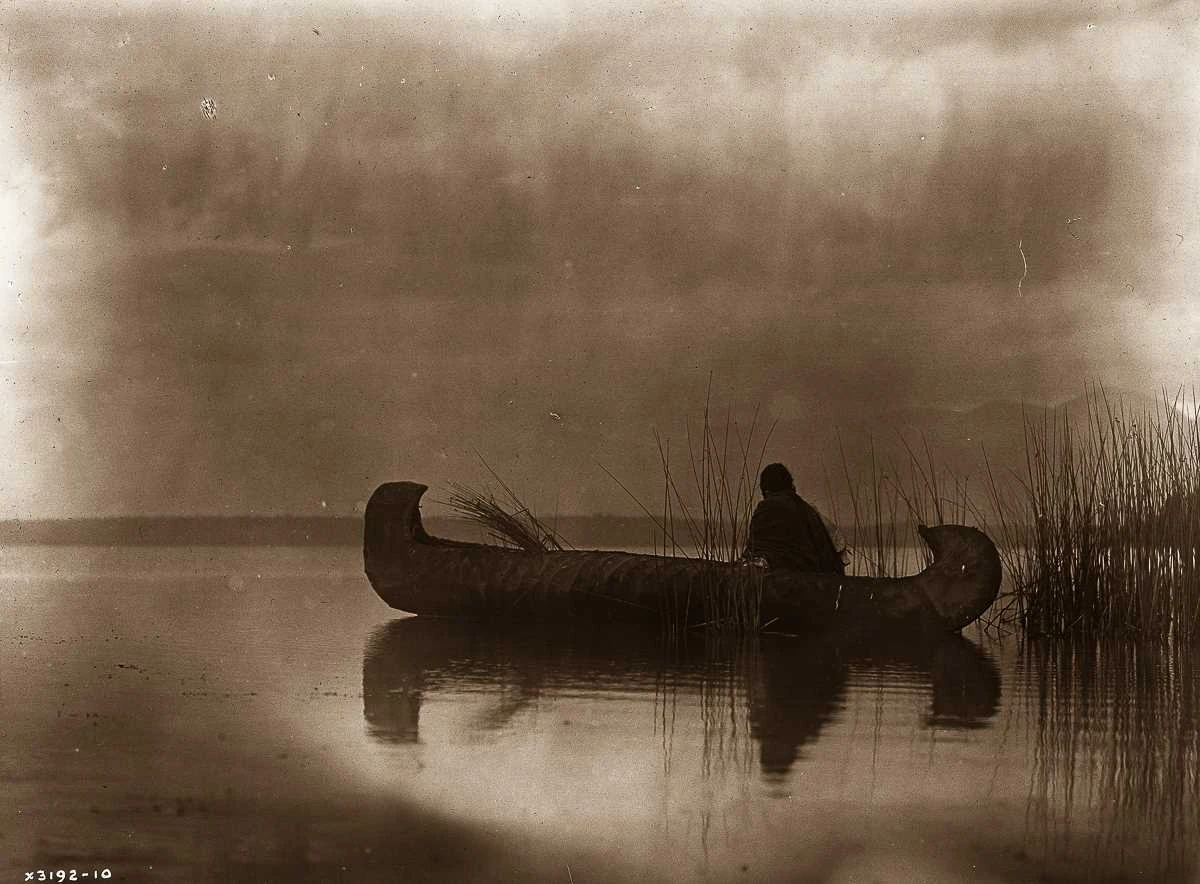
1910. A Kutenai duck hunter. 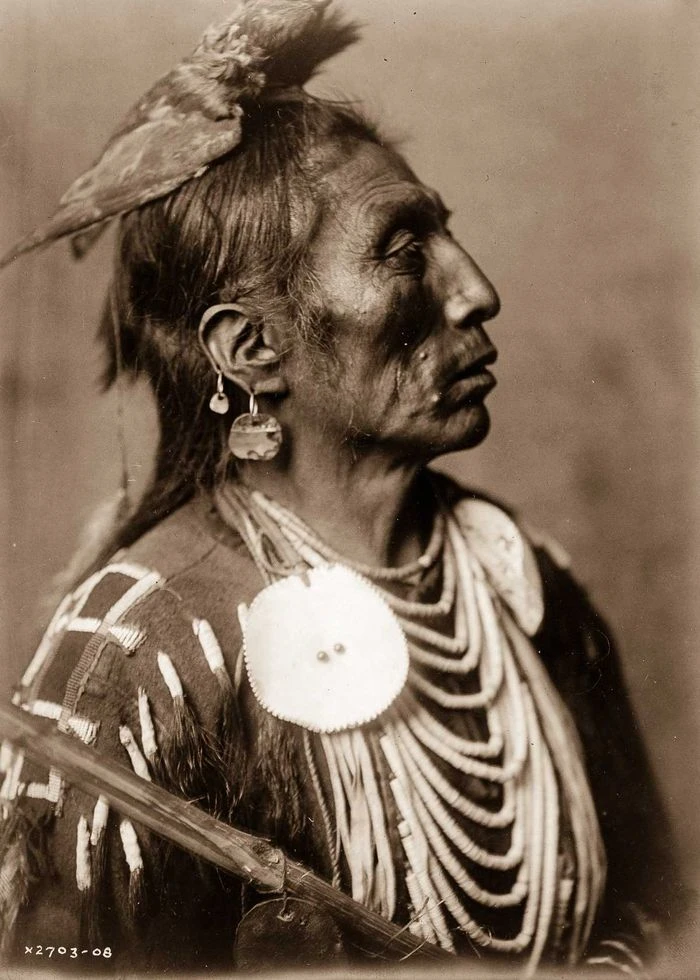
1908. Medicine Crow of the Apsaroke tribe. 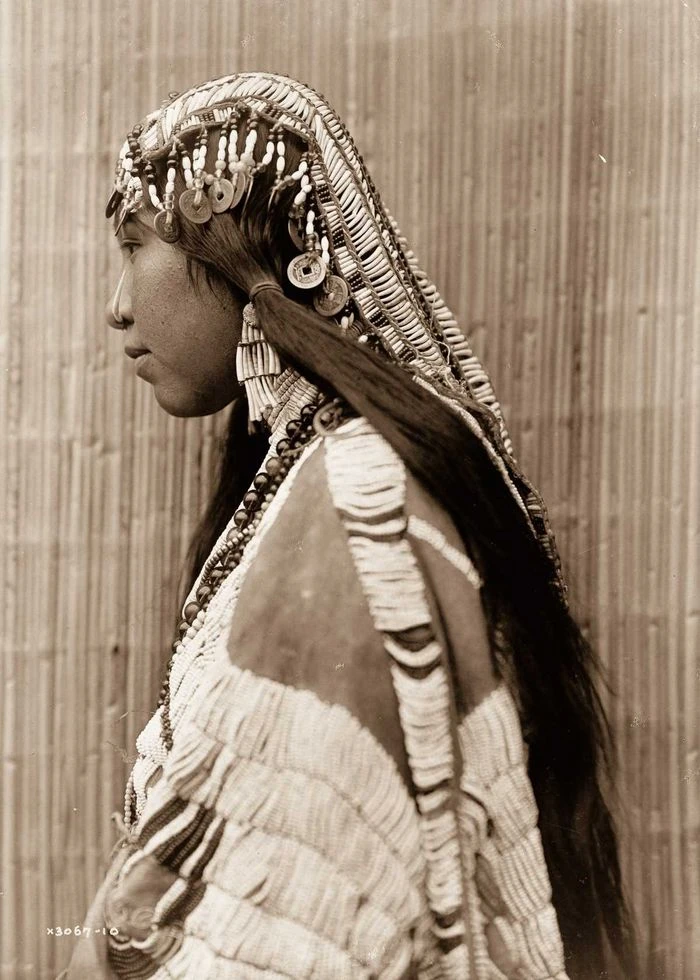
1910. A Wishram girl. 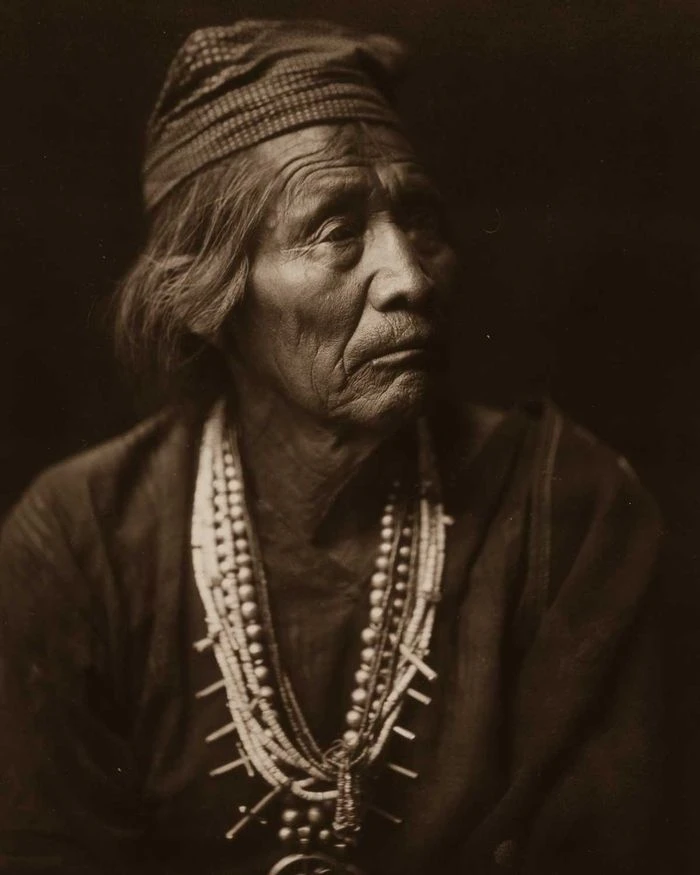
1904. A Navajo medicine man. 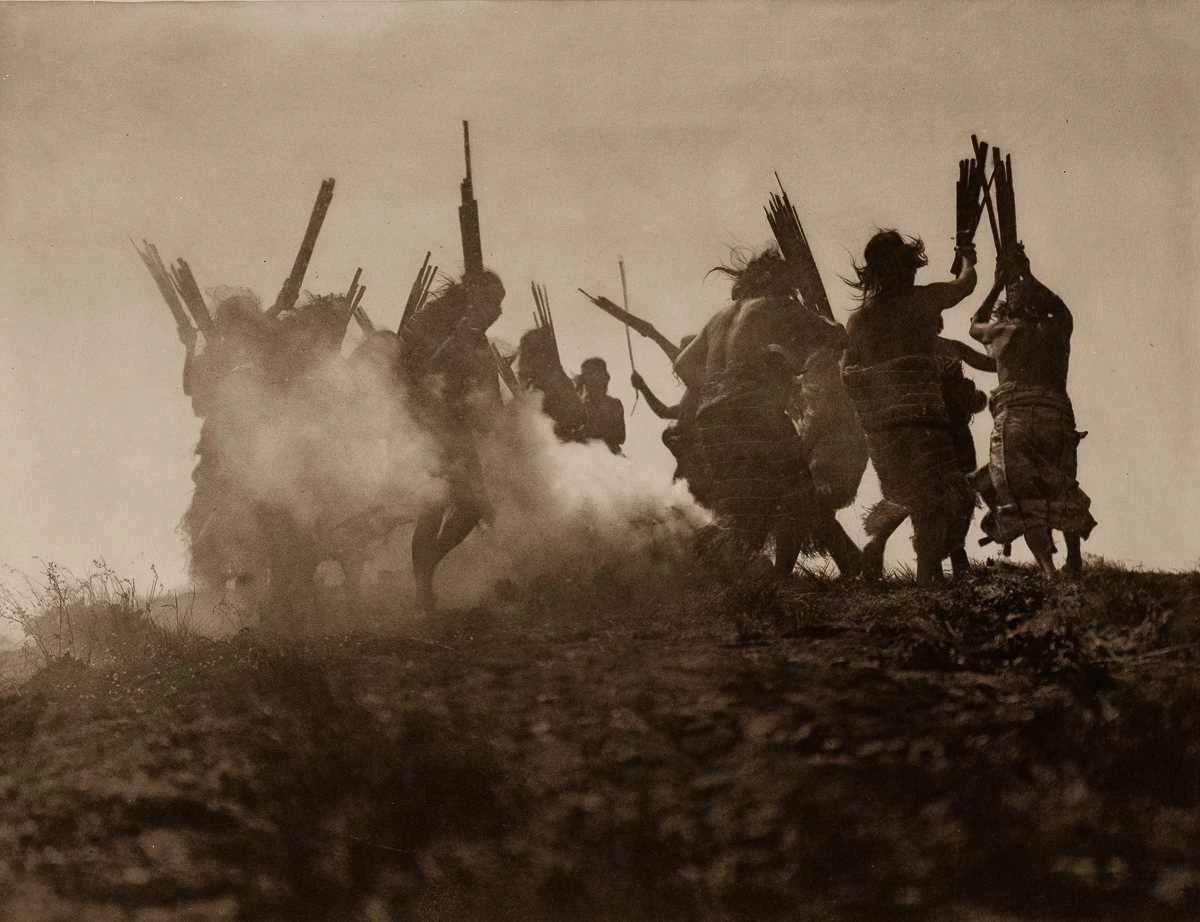
1910. Kwagu'l dancers performing during an eclipse to restore the moon.