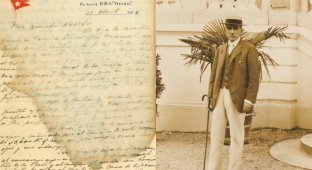
The Double Life of the Barcelona Witch: How Pig Bones Drove a City Mad (11 Photos)
On February 10, 1912, five-year-old Teresita Guitart Congost vanished without a trace in central Barcelona. The child’s mother had briefly let go of her hand on the street to speak with an acquaintance; when she turned around just a few minutes later, the little girl was nowhere to be found. 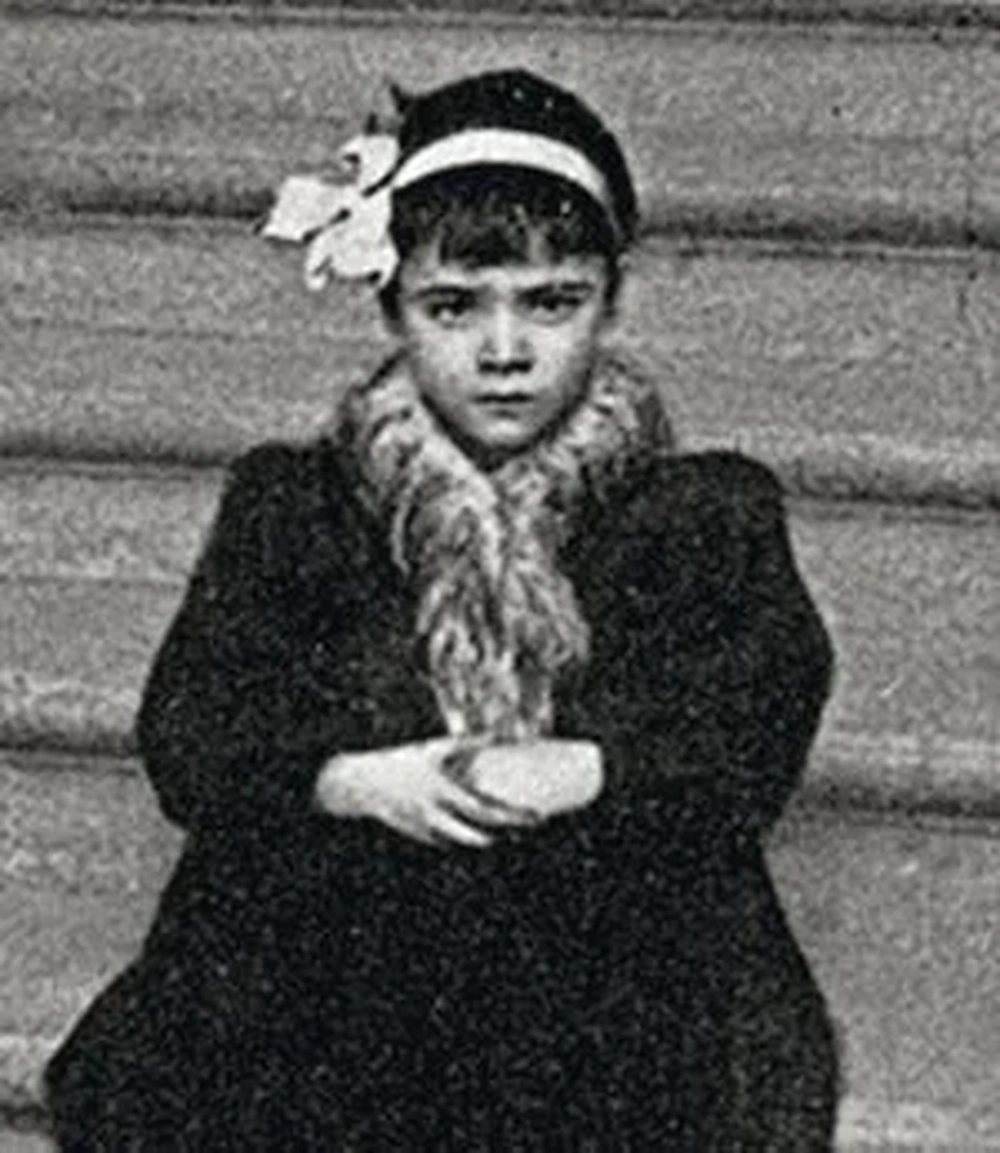
For 17 agonizing days, municipal police, the Civil Guard, and relatives combed the Old Town to no avail, searching orphanages, hospitals, and peddlers' encampments. Just three years earlier, Barcelona had suffered the bloody street clashes of the 1909 "Tragic Week," leaving the city steeped in deep social mistrust between the working poor and wealthy elites. Against this tense backdrop, the girl's disappearance immediately sparked a wave of panicked rumors.
The search finally came to a breakthrough on February 27, 1912—not through detective work, but thanks to an eagle-eyed neighbor. Claudina Elías, a resident of the working-class El Raval district, was beating out a mattress on her balcony when she noticed an upper-floor window at No. 29 Ponent Street. Behind the dirty glass of top-floor Apartment 1, she caught a fleeting glimpse of a young girl with unevenly cropped dark hair. Claudina knew the occupant—44-year-old Enriqueta Martí Ripollés—as a reclusive, eccentric woman whom neighbors had never seen with a young child. 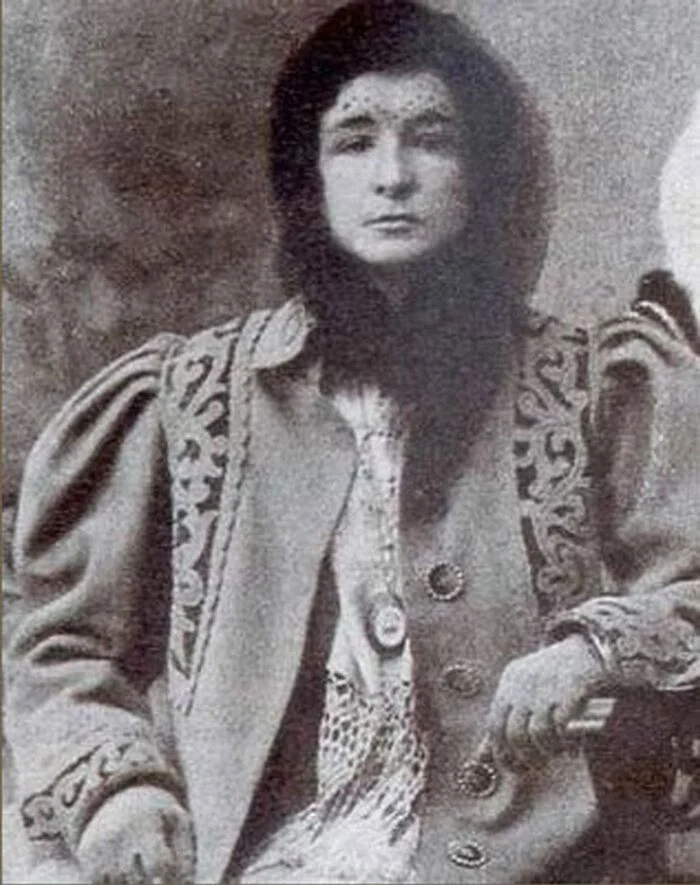
Elías shared her suspicions with a neighbor, mattress maker Antonio Sera, who then flagged down a passing municipal police officer, José Asens. Lacking a judicial warrant to enter the apartment, Officer Asens improvised: neighbors had previously complained about the woman keeping live chickens in her living quarters in violation of sanitary regulations.
On the afternoon of February 27, Asens and his partner climbed the narrow stairs of No. 29 Ponent Street. They intercepted Enriqueta Martí at the building entrance as she returned carrying a shopping basket. Stepping into the dark, cluttered apartment, the officers found two living young girls inside.
The younger girl, dressed in old rags and her hair sheared close to her scalp, burst into tears at the sight of the uniformed officers and gave her real name: Teresita Guitart. When questioned, the five-year-old explained that a strange woman on the street had promised her candy, thrown a dark scarf over her head, brought her to the apartment, and instructed her to go by the name "Felicidad." The second child, who appeared to be seven or eight years old, identified herself as Angelita and claimed Enriqueta was her mother. Both girls were malnourished, having been fed little more than stale bread and potato peelings. However, an initial medical examination revealed no signs of physical abuse or injuries on Teresita. That evening, the rescued girl was reunited with her parents, while Enriqueta Martí was taken into police custody. 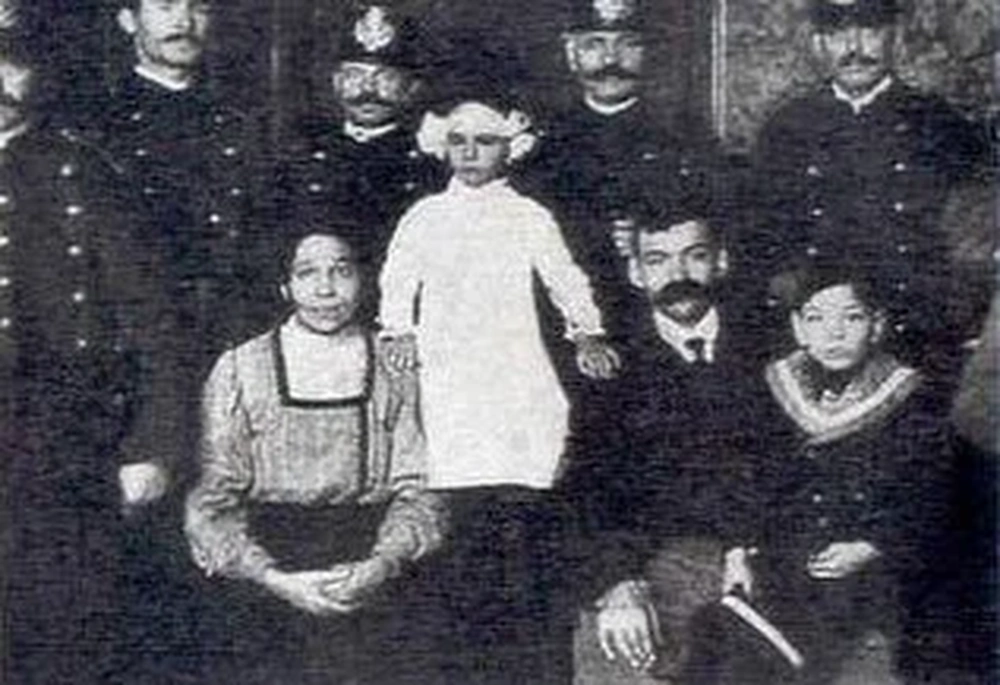
Investigating Magistrate Francisco de Paula Codina was assigned to the case. An immediate background check of police records and interviews with relatives revealed that Martí was well known to city authorities and had long been leading a double life in Barcelona.
Enriqueta Martí Ripollés was born on February 2, 1868, in the small Catalan town of Sant Feliu de Llobregat to a family of peasants and artisans. As a young woman, she moved to Barcelona, working as a domestic servant and nanny. In 1895, she married an aspiring painter, Joan Pujaló. The marriage was rocky from the start. Under interrogation by Judge Codina, Pujaló testified about his ex-wife's erratic behavior: they had separated and reconciled six times, as Enriqueta was a pathological liar, frequently vanished to live on the streets, and practiced folk healing and fortune-telling. The couple had permanently parted ways several years prior to her arrest.
In the impoverished alleys of El Raval and outside the gates of the Sant Josep monastery, Enriqueta Martí was known as a professional beggar. By day, draped in a tattered shawl and filthy skirt, she frequented parishes, soup kitchens, and wealthy neighborhoods, begging for money and food. To elicit greater sympathy, she always brought young children along—sometimes renting them from destitute neighbors for a cut of her earnings, and later using the older Angelita.
By night, however, neighbors would see a completely different woman. A search of her Ponent Street apartment uncovered trunks filled with velvet and silk dresses, feathered hats, fans, wigs, and costume jewelry. Dressed elegantly, Martí frequented the area around the Liceu Opera House, La Rambla, and local casinos, offering her services as a procuress, fortune-teller, and unlicensed healer selling remedies for infertility and tuberculosis.
Barcelona court archives revealed a case file from May 1909. Police had raided an apartment Martí rented on Minerva Street in the Gràcia district, arresting her on suspicion of running a brothel and procuring. Arrested alongside her was a young man from a prominent Barcelona family. Despite the gravity of the charges, the 1909 case was quietly dropped without a conviction, and Martí was released. In February 1912, as newspapers seized on Teresita Guitart’s kidnapping, this buried incident resurfaced, feeding wild rumors that the arrested beggar enjoyed protection from powerful high-society patrons. 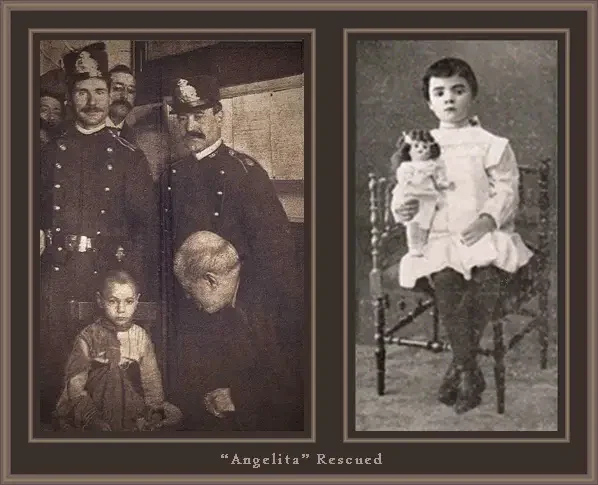
A few days after the arrest, the case took a dramatic turn. Investigators and reporters began questioning seven-year-old Angelita in detail. Under leading questioning from adults, the frightened child mentioned seeing a dead, bloody chicken on a table, and spoke of a five-year-old boy named "Pepito," whom Enriqueta had allegedly slaughtered with a kitchen knife.
Magistrate Francisco de Paula Codina took the girl's words seriously and ordered exhaustive forensic searches not only at 29 Ponent Street, but also at all of Martí’s former residences: 68 Tallers Street, 1 Picalquers Street, and 101 Jocs Florals Street in the Sants district.
What investigators uncovered in these four dilapidated flats in early March 1912 initially stunned police. Inside wardrobes, earthenware pots, canvas sacks, and fireplace ash, they found dozens of bones and fragments, vials of cloudy liquids, dried fat, bundles of dried herbs, locks of hair, and blood-stained rags. At the Jocs Florals address, behind a false wall, workers discovered a sealed clay jar filled with dry bones and powdery earth. At Ponent Street, police also seized a fine notebook bound with a pink ribbon and a stack of letters detailing dozens of names, addresses, and cryptic abbreviations written in an elegant hand.
The Barcelona press did not wait for forensic lab results. Competing for circulation, reporters from La Vanguardia, El Diluvio, El Noticiero Universal, and Madrid's ABC churned out sensational daily specials, turning mundane household items into sinister evidence. It was on the pages of these March 1912 newspapers that the legend of the "Vampire of Raval" was born. 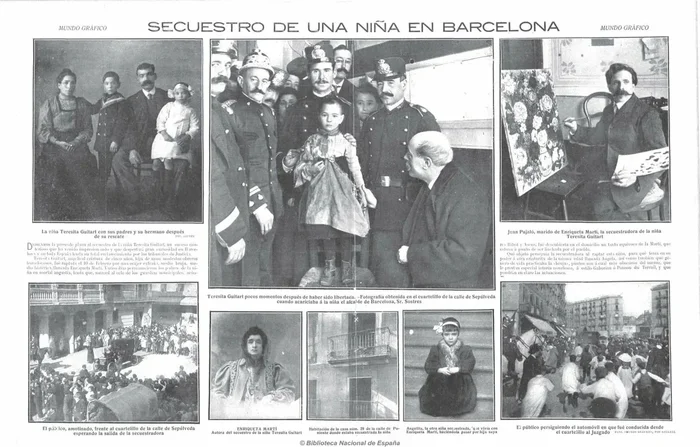
Newspapers reported as established fact that Martí had spent a decade abducting infants and children under eight from the streets of Barcelona, murdering them to turn their fat, blood, and crushed bones into ointments for wealthy tuberculosis and leprosy patients desperate enough to pay thousands of pesetas for an "elixir of youth." The ribbon-bound notebook was dubbed a "black book of clients," with outlets hinting that it contained coded names of cabinet ministers, bankers, and figures close to the royal court of Alfonso XIII.
Mass hysteria swept Barcelona and its suburbs. Parents kept children home from school, while mobs at markets and train stations attacked elderly women in dark shawls carrying packages or talking to children. Police had to intervene multiple times to rescue innocent elderly women and greengrocers from lynching by angry crowds convinced they were Martí's accomplices. 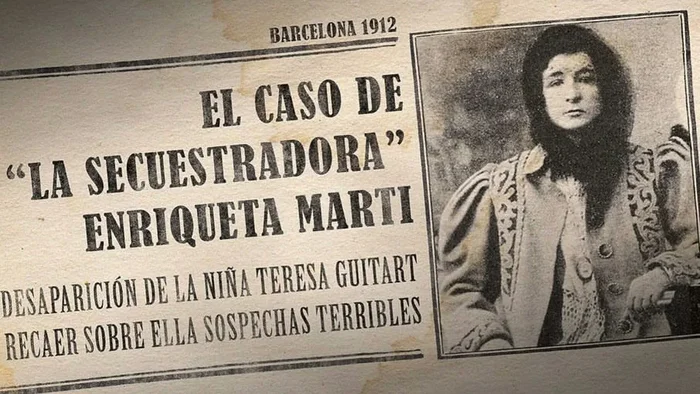
While newspapers splashed headlines about dozens of murdered children, all bones, jars, powders, and stained fabrics recovered from the flats were sent to the forensic laboratory at the University of Barcelona’s Faculty of Medicine. The expert panel was led by Spain's top specialists of the era: forensic medicine and toxicology professor Dr. Ignasi Valentí Vivó, alongside forensic pathologists Federico Bravo y Rodrigo and Josep Maria Alcañiz.
The forensic examination stretched across several weeks in March and April 1912. The experts categorized all physical evidence and performed chemical, microscopic, and osteological analyses on every fragment before submitting a comprehensive formal report to Magistrate Codina. The forensic findings completely demolished the press narrative of a serial killer. 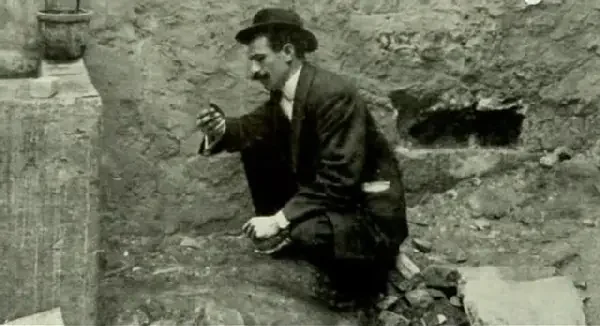
The official forensic report detailed the true origin of the bones. Of the dozens of bone fragments collected from the flats on Ponent, Tallers, and Jocs Florals streets, the overwhelming majority were routine kitchen scraps: bones of pigs, sheep, rabbits, and poultry that Martí had boiled for broth or kept to prepare folk remedies.
In the bags found on Ponent Street and the secret stash on Picalquers Street, experts did identify about 12 human bone fragments (rib pieces, finger phalanges, and long-bone splinters). However, anthropological analysis proved they belonged to an adult between 25 and 30 years old. Furthermore, the bones were ancient, completely desiccated, and stripped of all soft tissue, cartilage, or blood. Professor Valentí Vivó noted that these bones had simply been stolen from an old churchyard ossuary during a demolition or renovation—a common practice among contemporary Barcelona healers who sold "cemetery powder" to superstitious clients as a magical remedy. 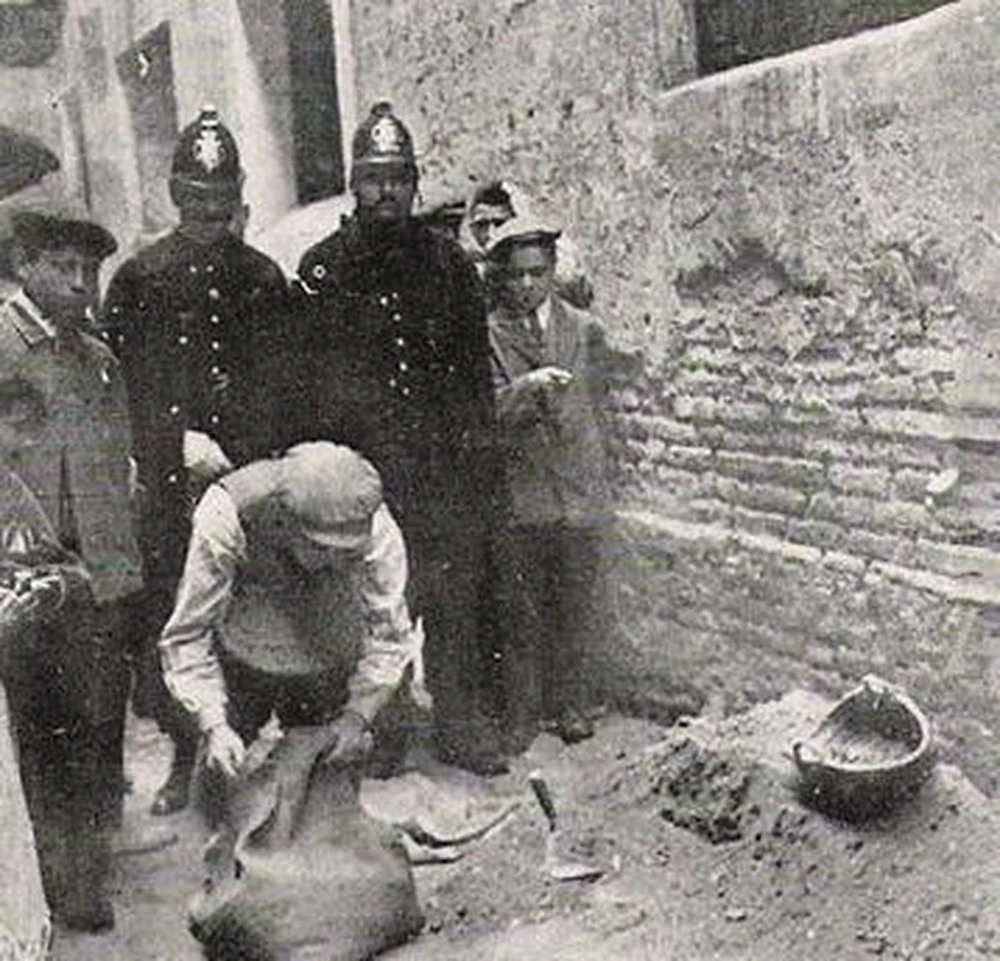
The sole child bone: Across all four apartments, experts found only one tiny bone that could have belonged to an infant—a charred iliac fragment found in a stove on Tallers Street. Analysts noted that this bone, too, was old and dry before it ever touched the fire, showing no signs of a recent violent crime.
Analysis of the "jars of fat and blood": Chemical testing revealed that the contents of the vials and pots—sensationalized by reporters as "human lard and preserved blood"—were actually rancid pork lard, beeswax, honey, vegetable oils, and herbal infusions.
Bloodstained rags and skirts: The heavy human blood stains on linens, skirts, and rags in the Ponent Street flat had a straightforward medical explanation. A prison physician examining Martí shortly after her arrest diagnosed her with advanced, inoperable uterine cancer, which caused chronic, severe hemorrhaging. The woman had been using old rags as makeshift sanitary pads and soaking them in basins. 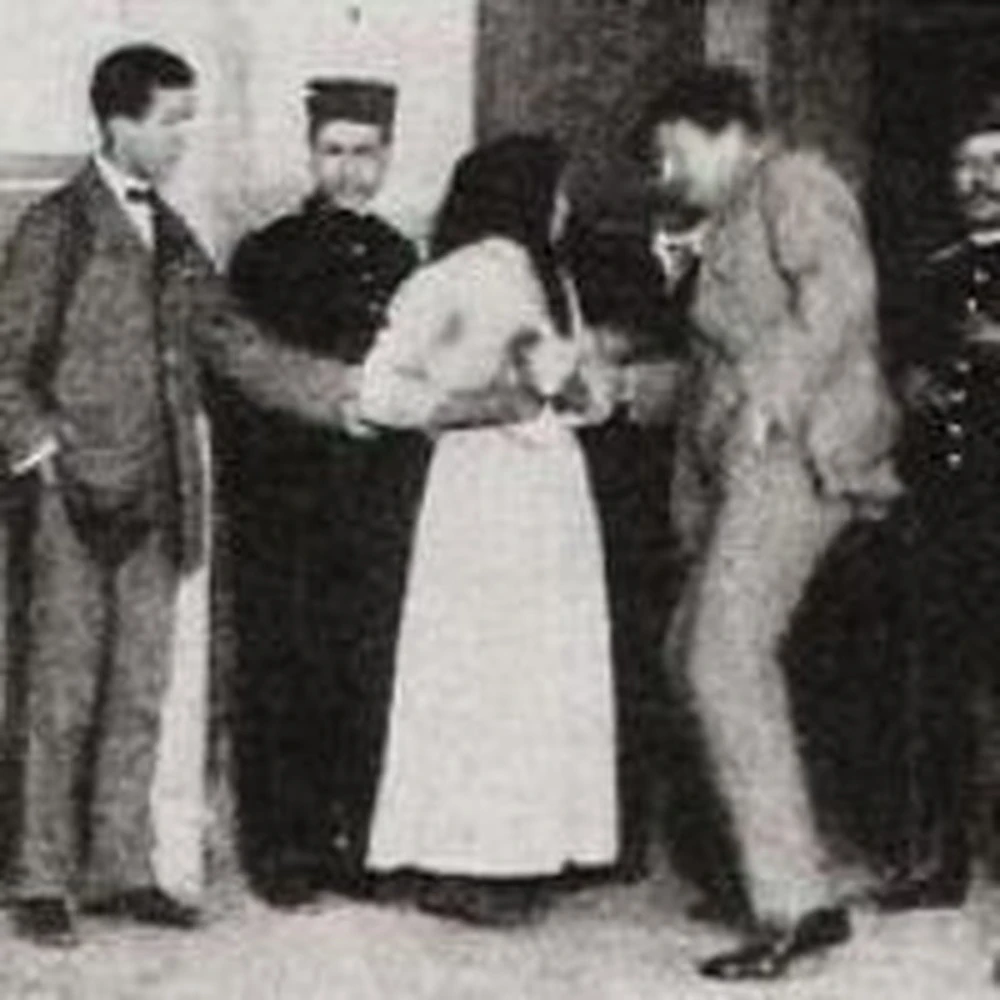
Alongside the medical investigation, police looked into Angelita's origins and the story of the "murdered boy Pepito." Investigators—and later 21st-century archival research by Catalan historian Jordi Corominas (author of Barcelona 1912: The Enriqueta Martí Case) and researcher Elsa Plaza—conclusively established that no murder had occurred.
In the early 1900s, attempting to keep her husband Joan Pujaló, Martí had faked a pregnancy with pillows under her dress, then took in a newborn girl whom she raised undocumented as Angelita. As for "Pepito," he was an infant Martí had taken in as a wet nurse years earlier in Sant Feliu de Llobregat. The baby had died of natural causes—malnutrition and a gastrointestinal infection—certified by a municipal doctor, and was openly buried in the town cemetery. Young Angelita had simply conflated memories of the baby's natural death with seeing Enriqueta slaughter stolen chickens on the kitchen counter.
The mystery of the "coded notebook" containing aristocratic names was also solved. Handwriting experts and investigators cross-referenced the names with Barcelona city directories. It turned out to be a routine ledger used by professional street beggars: lists of wealthy families, merchants, doctors, and church wardens, complete with notes on which days of the week and addresses yielded the best hand-outs of food, clothes, or money.
In the spring of 1912, Civil Governor of Barcelona and Police Chief Manuel Portela Valladares, together with Magistrate Codina, issued an official statement to the press. Authorities highlighted a key statistical fact that no one had bothered to check amid the panic: in all the months and years leading up to Martí's arrest, not a single missing child report had been filed with Barcelona police—other than that of five-year-old Teresita Guitart, who was found safe 17 days later. 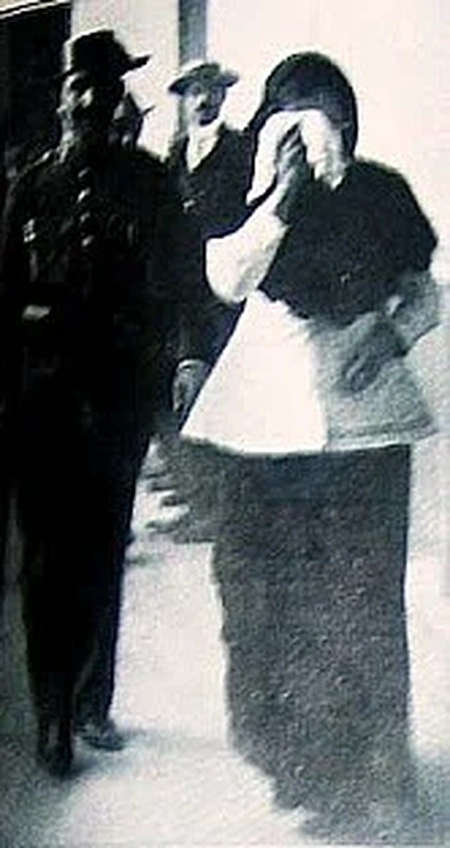
During interrogations with Magistrate Francisco de Paula Codina, 44-year-old Enriqueta Martí gave erratic statements, constantly changing her story regarding Teresita Guitart's abduction. At first, she claimed she had found the girl crying and hungry on the boulevard and brought her home out of pure pity to feed her. But when Teresita testified in a face-to-face confrontation, describing how Martí lured her with candy and covered her head with a shawl, the accused began claiming memory blackouts and dizzy spells.
Historians attribute the kidnapping to cold calculation: by 1912, her regular companion Angelita had grown older and no longer elicited the same pity from churchgoers. Martí needed a cute young child to boost her begging income or potentially sell to a childless couple.
During her pretrial detention at the Reina Amàlia women's prison, Martí's health deteriorated rapidly due to advanced uterine cancer. In her cell, she made several dramatic attempts at self-harm—trying to slit her wrists with shards of glass or wooden spoons—and went on hunger strikes, prompting officials to transfer her to the prison infirmary under constant supervision by nuns and medical staff. 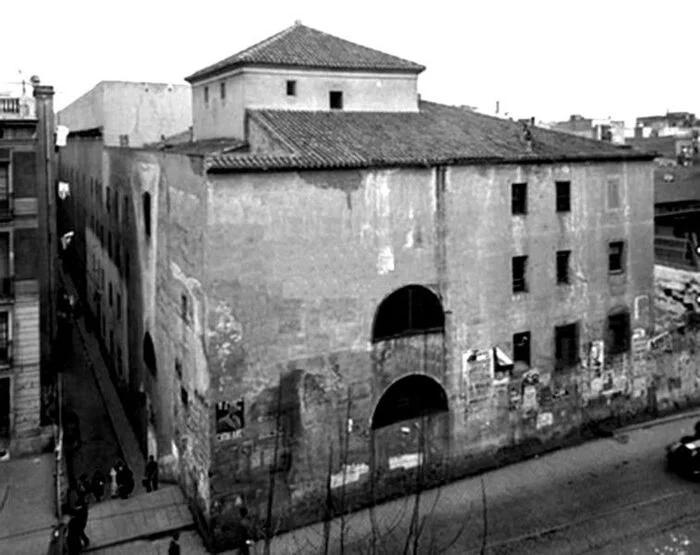
The case never made it to a public trial. By early 1913, investigations into Teresita Guitart's kidnapping, Angelita's illegal detention, and document forgery were essentially complete, but the defendant was bedridden.
Early on the morning of May 12, 1913, fourteen months after her arrest, 45-year-old Enriqueta Martí Ripollés died in the Reina Amàlia prison infirmary. The official death certificate signed by prison doctors listed cancer cachexia and acute heart failure as the cause of death.
Even in death, her name remained shrouded in urban legend. For decades, local newspapers and sensational accounts repeated a rumor that inmates, convinced she was a child murderer, ambushed her in the prison yard or laundry room and beat her to death with wooden clogs, with prison officials covering up the vigilante killing as an illness to avoid scandal. Prison archives contain no evidence of vigilante violence; authorities quietly buried her body in an unmarked communal grave on the southwestern slope of Montjuïc Cemetery. Meanwhile, Teresita Guitart, rescued in February 1912, went on to live a long life in Barcelona, while her foster "sister" Angelita was placed by child protection services with relatives of the Pujaló family.