6 Surprising Kissing Traditions from Around the World (7 photos)
Attitudes toward kissing vary wildly across the globe. In some countries, a couple sharing a kiss won't get a second glance; in others, it could bring a police officer to your side or even lead to legal trouble. But those are extremes—we’re here to explore some of the most unusual kissing traditions found around the world. 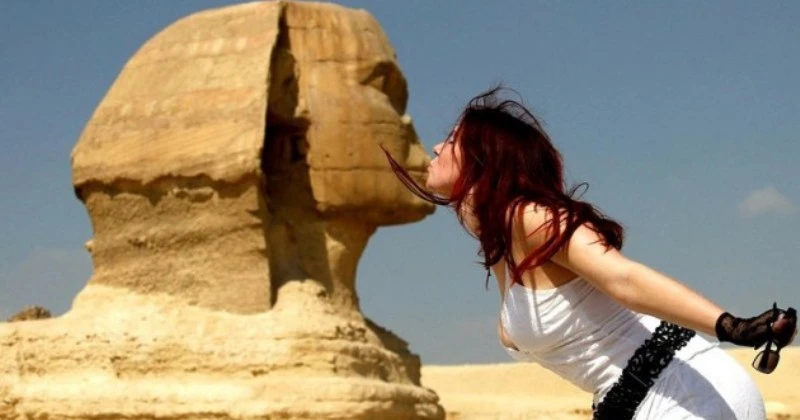
Thailand 
Public displays of affection are strictly frowned upon in this Asian nation. You won't even see couples kissing or hugging in Thai movies or TV shows—holding hands is about as far as most people go in public. But that doesn't mean locals have to hide away to express affection. Instead, Thailand has a unique alternative to kissing known as "hom."
Instead of pressing lips together, locals bring their nose close to another person's skin and inhale their scent, much like smelling a flower. This custom stems from an ancient reverence for the head and respect for personal space. Thais believe the head is the most sacred part of the human body and the home of the soul. You may lean close to it, but touching it is strictly off-limits!
Spain 
In Spain, on the other hand, kissing is practically a culture of its own. Even total strangers might exchange kisses upon meeting as a simple greeting. But Spanish kisses come with a subtle secret that visitors often miss: the traditional dos besos ("two kisses") aren't actual kisses at all.
Spaniards don't kiss in the literal sense during a greeting; instead, they gently touch cheek to cheek—first the right, then the left—while making a subtle kissing sound with their lips. Not everyone feels comfortable with this custom, so offering a handshake instead is completely fine—no one will take offense.
Italy 
Italians don't go around kissing strangers or casual acquaintances—kisses are reserved strictly for loved ones and close friends. Male friends kissing on the cheek is also completely normal here. Some believe this practice dates back to the Roman Empire, when ancient inhabitants of the Italian peninsula sealed important treaties with a kiss, which might explain why Italian politicians are so fond of kissing foreign colleagues.
Kissing also held a special place during the Italian Renaissance. Masquerade balls allowed people to express affection freely without fear of recognition, and romance continued after dark once the masks came off. The custom of kissing during festivals is tied to an old belief that open affection on certain days brings good luck and protects against misfortune.
Scotland 
Scots are traditionally known for being reserved, keeping public displays of emotion to a minimum. But there are exceptions to the rule. People across Scotland ring in Hogmanay, or New Year’s Eve, with grand torchlight processions and fire shows—and kiss enough to last the entire year ahead. Local tradition holds that the New Year is a time for unity and reconciliation, meaning anyone nearby is fair game for a celebratory kiss.
Embracing the tradition, Scots happily kiss anyone within reach, regardless of age or gender. It’s a wonderful custom that ensures even those who feel lonely never go without warmth and connection during the holiday season.
Egypt 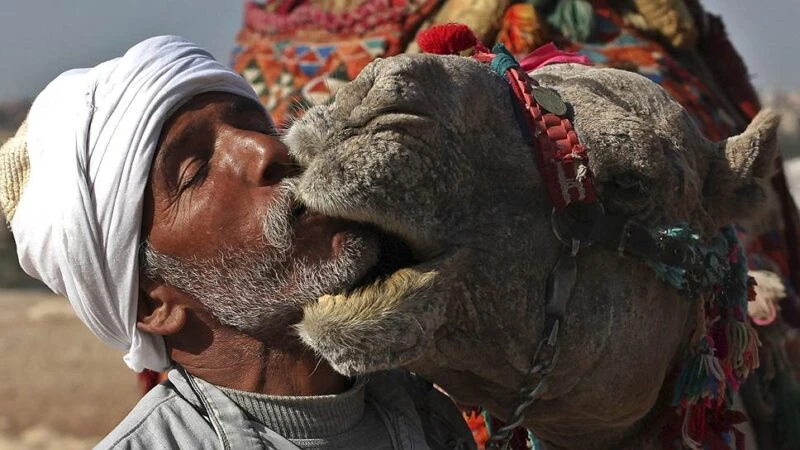
In Egypt, as in many other Muslim-majority countries, public displays of affection can end badly. Even a simple hug between a couple can prompt police to request a marriage certificate. While tourists often get a pass for minor missteps, it’s best not to push your luck.
A kiss in public can lead to serious consequences, ranging from heavy fines to jail time. However, this strictly applies to romantic couples. Egyptian men, on the other hand, routinely greet each other with three kisses on the cheeks and a warm hug, which draws no unwanted attention at all.
New Zealand 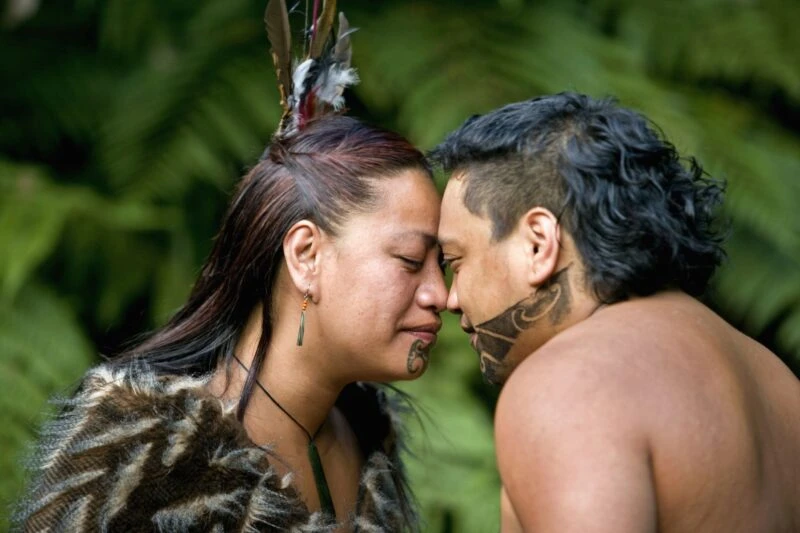
In this distant island nation, there is a beautiful tradition known as the "hongi." This traditional greeting of New Zealand’s indigenous Māori people has been practiced for thousands of years. During the hongi, two people lean in close to touch noses and foreheads together. By doing so, they symbolically share the "breath of life"—a profound sign of respect and connection.
Greetings similar to the hongi can be found among indigenous cultures across the globe. You'll see comparable traditions among nearby Polynesian islanders as well as the Inuit living on the opposite side of the planet.