Chicama Wave: The World's Longest Wave Is Protected by Law (6 photos)
Along the Pacific coast of northwestern Peru lies the small town of Puerto Chicama. This spot is unique for being home to the longest ocean waves in the world. Here, wave length refers to the distance traveled by a single wave crest, rather than the length of the crest itself—though that, too, is considerable. 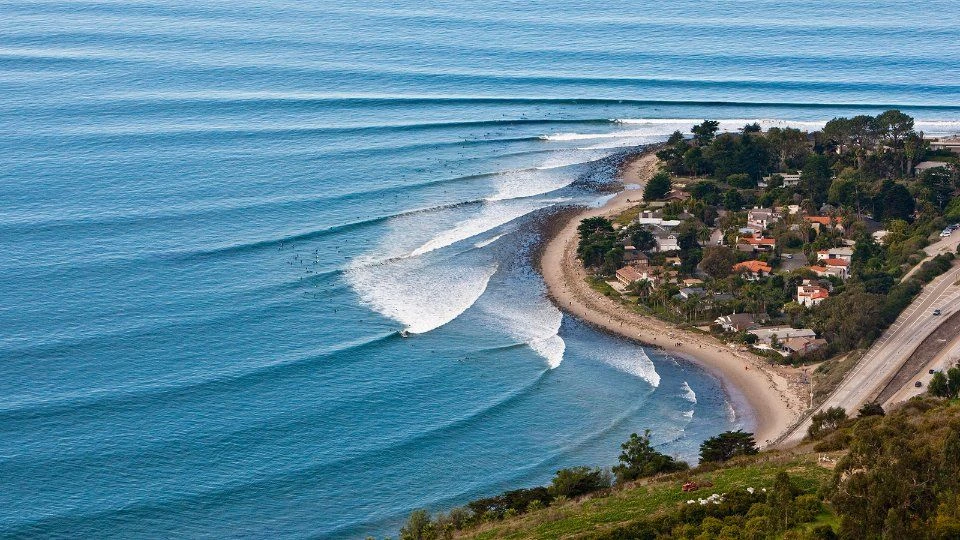
How These Endless Waves Form
The phenomenon is driven by the cold Humboldt Current flowing along Peru's coast from south to north, combined with prevailing winds and the unique shape of the coastline. 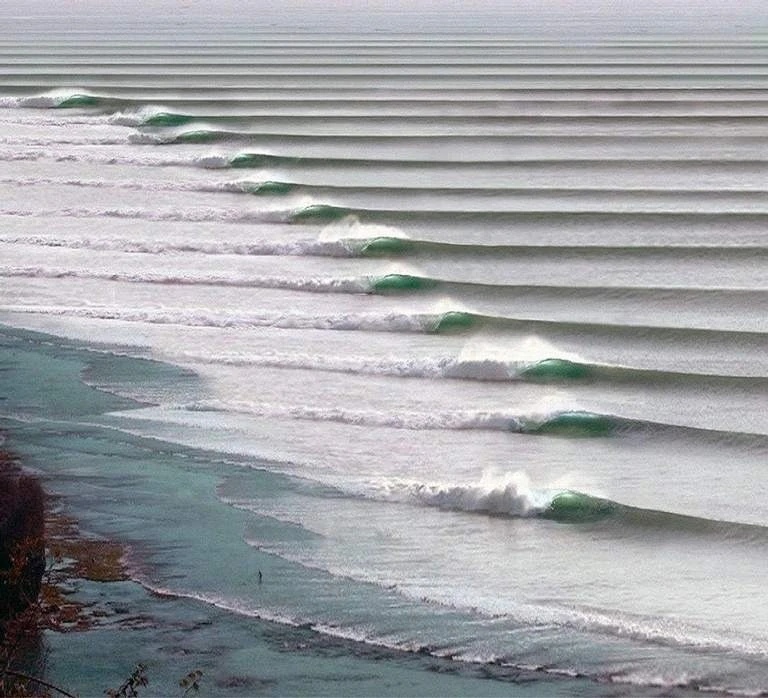
Reaching up to two meters high, the waves line up in perfect succession and almost never break into each other. Waves under one meter tend to be slower and weaker. 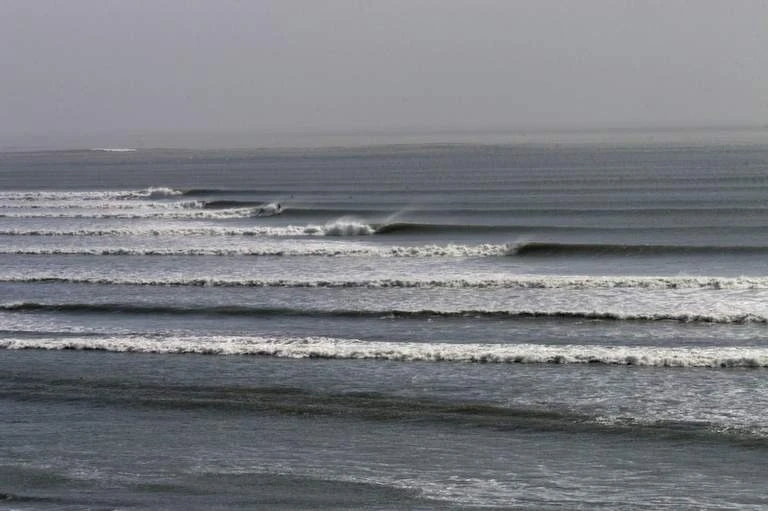
This coast produces the longest and most consistent left-hand point breaks on the planet. A single wave can travel over four kilometers—all the way from the rocky Malabrigo cape to the coastal pier. 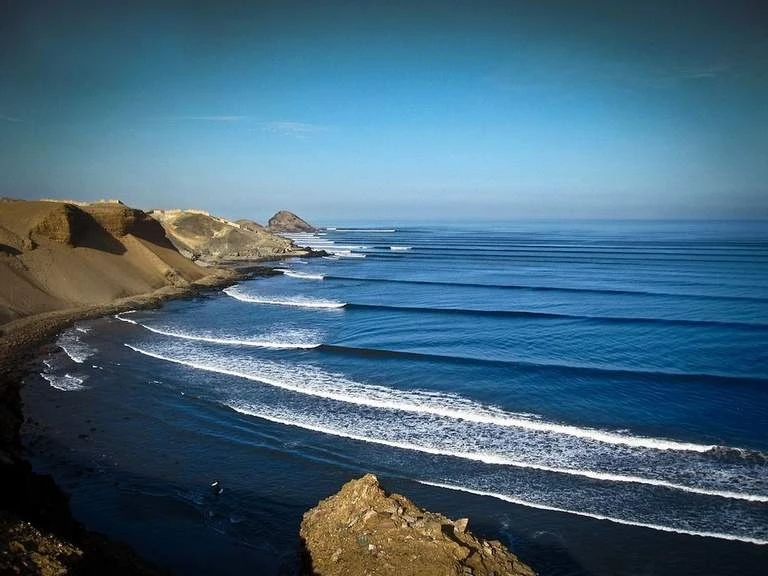
Who Discovered This Natural Wonder?
In 1965, Hawaiian surfer Chuck Shipman noticed an impossibly long left-hand wave from the window of a commercial flight. He asked the pilot about the location, and once back home, began studying maps of Peru and analyzing local wave patterns. 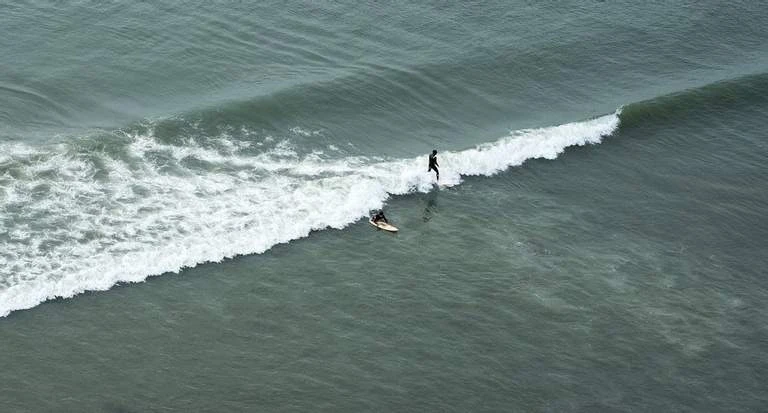
After pinpointing a few promising stretches of coast, Shipman reached out to friends in Peru to scout the location in person. Ever since, Chicama has been a bucket-list destination for surfers worldwide. 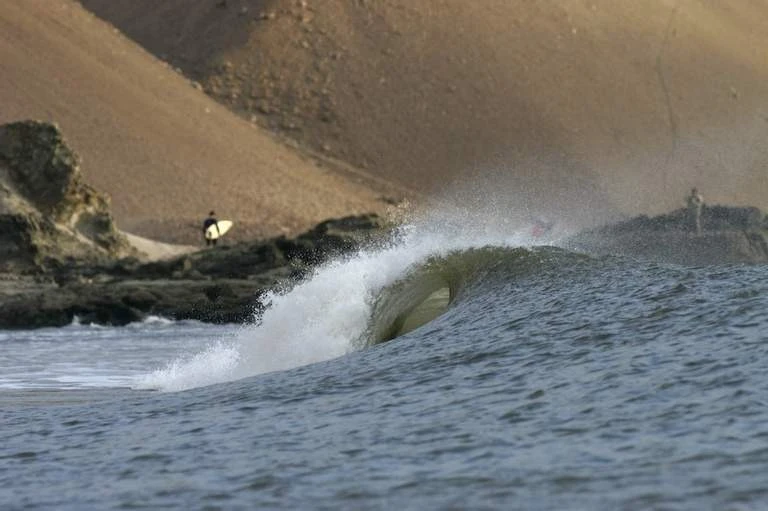
A Wave Protected by Law
The Chicama wave made history as the first wave in the world to be legally protected. Peruvian law strictly prohibits construction within one kilometer of where this natural phenomenon forms, ensuring that nothing alters the delicate swell.