The Vatican’s "Ratlines": How the Catholic Church Saved Nazis (15 photos)
"Ratlines" was the apt name US intelligence gave to the escape routes that allowed thousands of Nazis and fascists to flee to South America. Helping these fugitives was the Vatican, represented by influential bishops and Franciscan monks. Argentina took in up to 15,000 people. Roughly 1,500 Nazis settled in Brazil, and another 500 in Chile. Many others found sanctuary in Paraguay and Uruguay, while 200 fugitives from the Third Reich were smuggled to the Middle East. 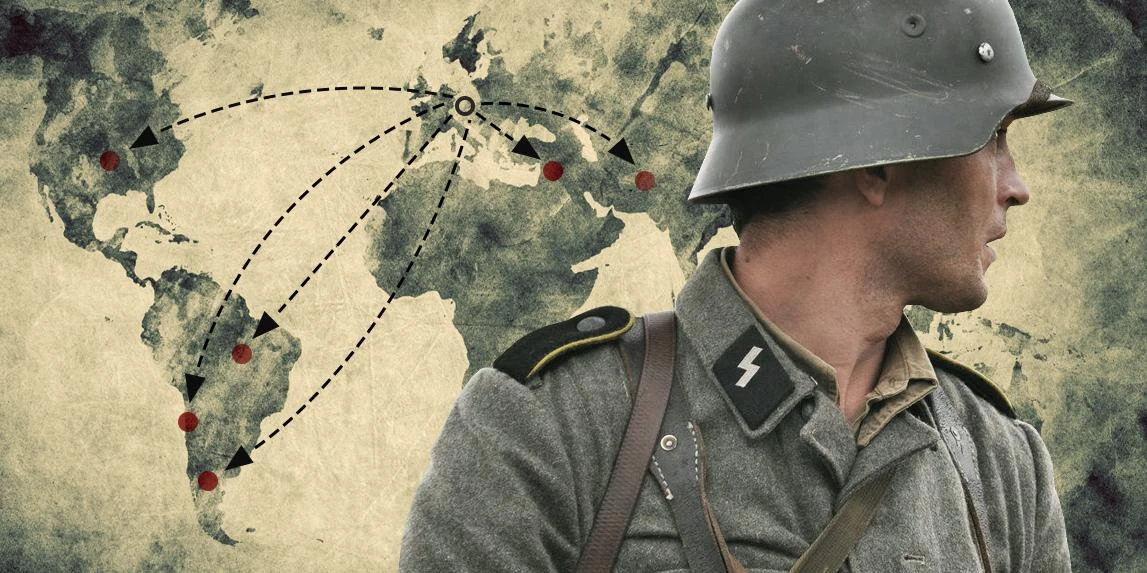
Catholic Europe on the Eve of Conflict
By the outbreak of World War II, the European nations traditionally considered the bedrock of the Papacy had either aligned with or grown friendly toward Nazi Germany. Fascists led by Benito Mussolini ruled Italy, while General Francisco Franco governed Spain. In Portugal, the "Estado Novo" (New State) regime was led by General António de Fragoso Carmona. In Germany itself, 30% of the population was Catholic, and the Church played a central role in public life. 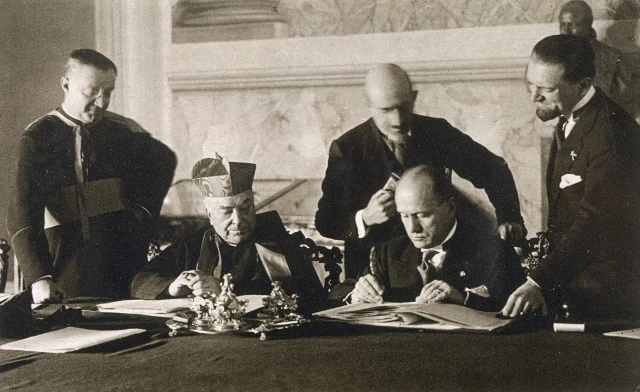
Indeed, the Vatican owed its very existence as a sovereign state to Mussolini's fascist regime. In 1929, Cardinal Pietro Gasparri and Italian Prime Minister Benito Mussolini signed the Lateran Pacts, which were promptly ratified by the fascist parliament. Under the treaty, Catholicism was recognized as Italy's state religion, and Vatican City was established as an independent country with its own territory, radio station, and foreign policy.
The Alliance Between Hitler and the Vatican
Nazi Germany set out to construct a new model of society. Promoted to the public were images of Nordic heroes of old—warriors untainted by Christian compassion or forgiveness. Yet in southern Germany, particularly in Bavaria, the birthplace of the Nazi Party, Catholicism remained dominant. Hitler sought a compromise that would enhance his standing both domestically and internationally. 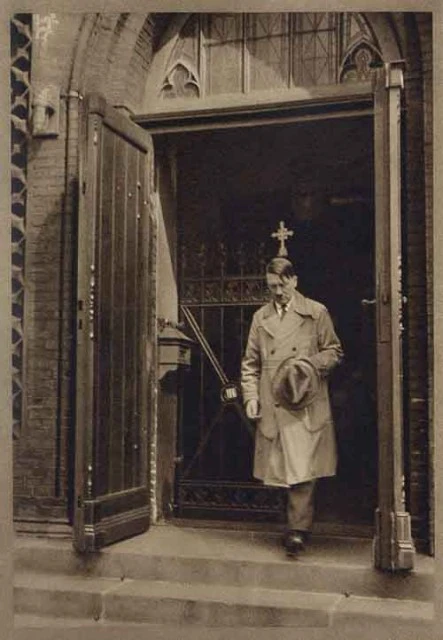
On June 20, 1933, a concordat was signed between Pope Pius XI and Nazi Germany. Under the agreement, German Catholic political parties dissolved, while the Church secured expanded rights regarding education, marriage, and pastoral duties. 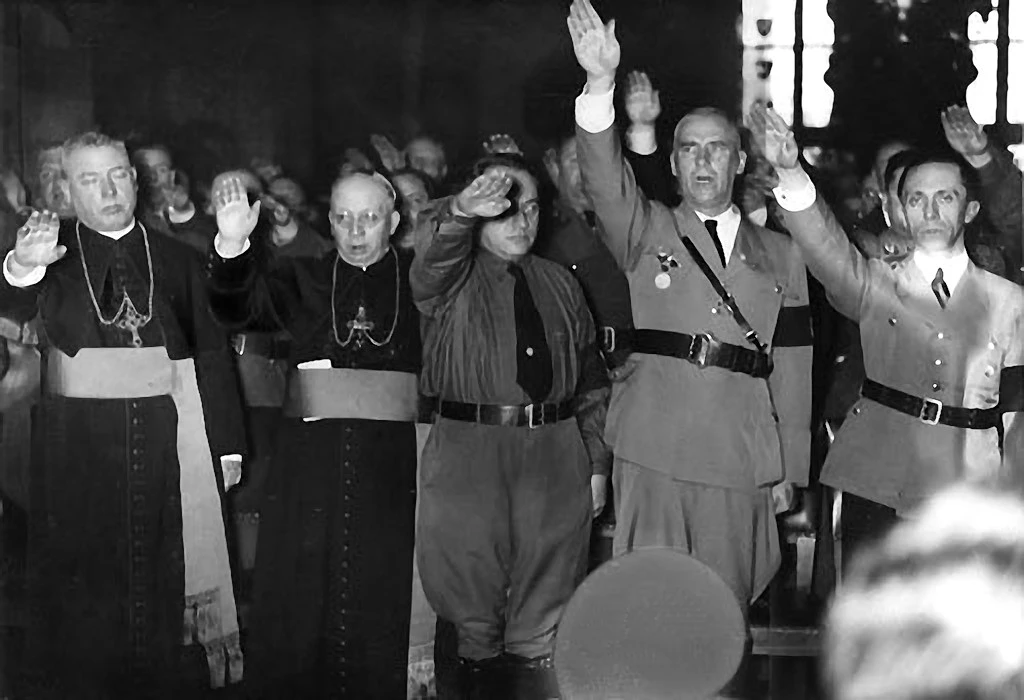
During the war, the Vatican maintained official neutrality. Following the Allied victory, the Holy See was accused of sympathizing with the defeated regimes, despite having expressed concern over the Holocaust. Although Pius XII made efforts to aid Jews, he could never shake the nickname "the German Pope." 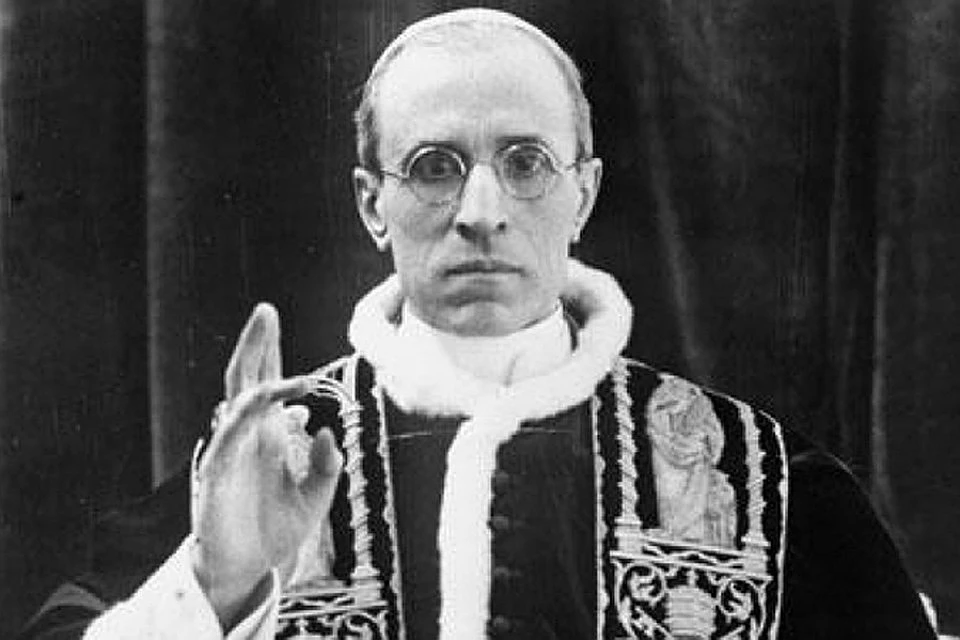
Pope Pius XII, "the German Pope"
In response to these accusations, the Vatican claimed that public criticism or intervention in the European order would have only worsened the situation. In their view, the primary threat was not Nazism, but communism, which rejected religion entirely. Even accepting that argument, how does one explain the direct involvement of high-ranking Vatican officials in aiding the escape not just of defeated soldiers, but of convicted war criminals?
The Escape Route of Bishop Alois Hudal
Located on Rome's Piazza Navona is the Church of Santa Maria della Pace, which housed a seminary for German-speaking priests. Its rector was Bishop Alois Hudal, an Austrian national and an ardent admirer of Hitler. Prior to the collapse of the Nazi regime, Hudal described himself as a "builder of bridges." 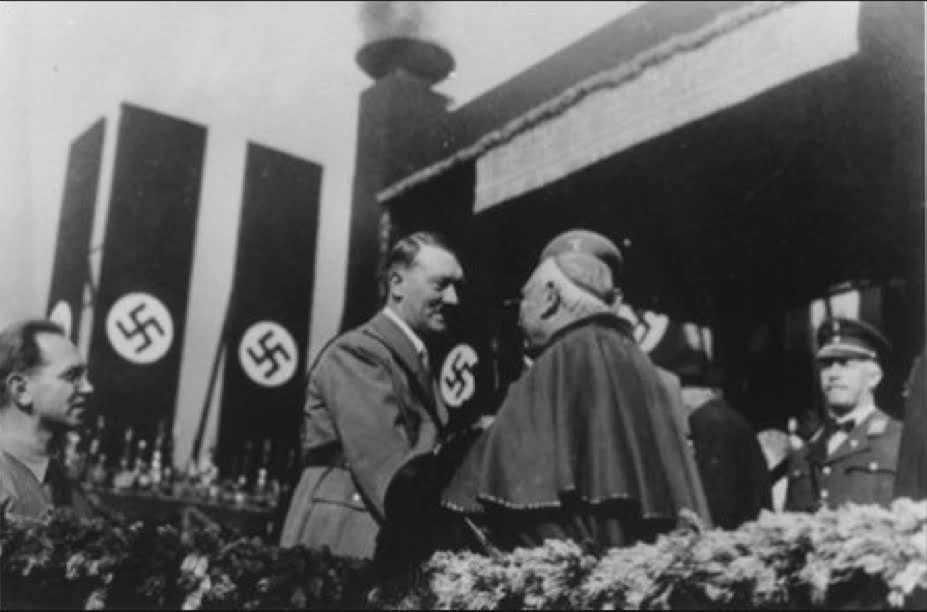
Hudal sought a reconciliation and alliance between the New European Order and Catholicism. In 1937, he endorsed the Third Reich's racial laws, arguing in his book "The Future of Religious Europe" that the salvation of the Old World lay in a symbiosis of Nazism and Catholicism:
"A new alliance will destroy liberalism and communism, both born of Jewish inspiration." 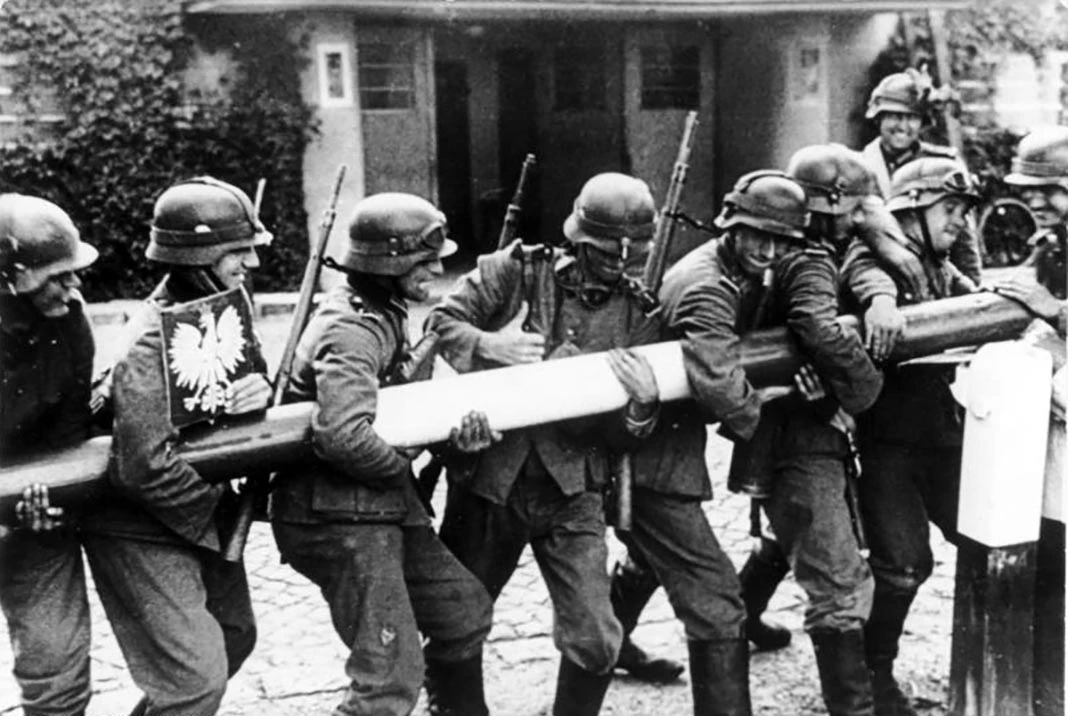
Historians Robert Graham and David Alvarez conducted an extensive study of Alois Hudal's activities, concluding that the clergyman was recruited by German intelligence to gather information and influence the Vatican. Documented financial transfers from the German Foreign Office to Hudal date back to 1938. In 1944, the bishop was appointed representative for German-speaking refugees in Italy and Vatican City. 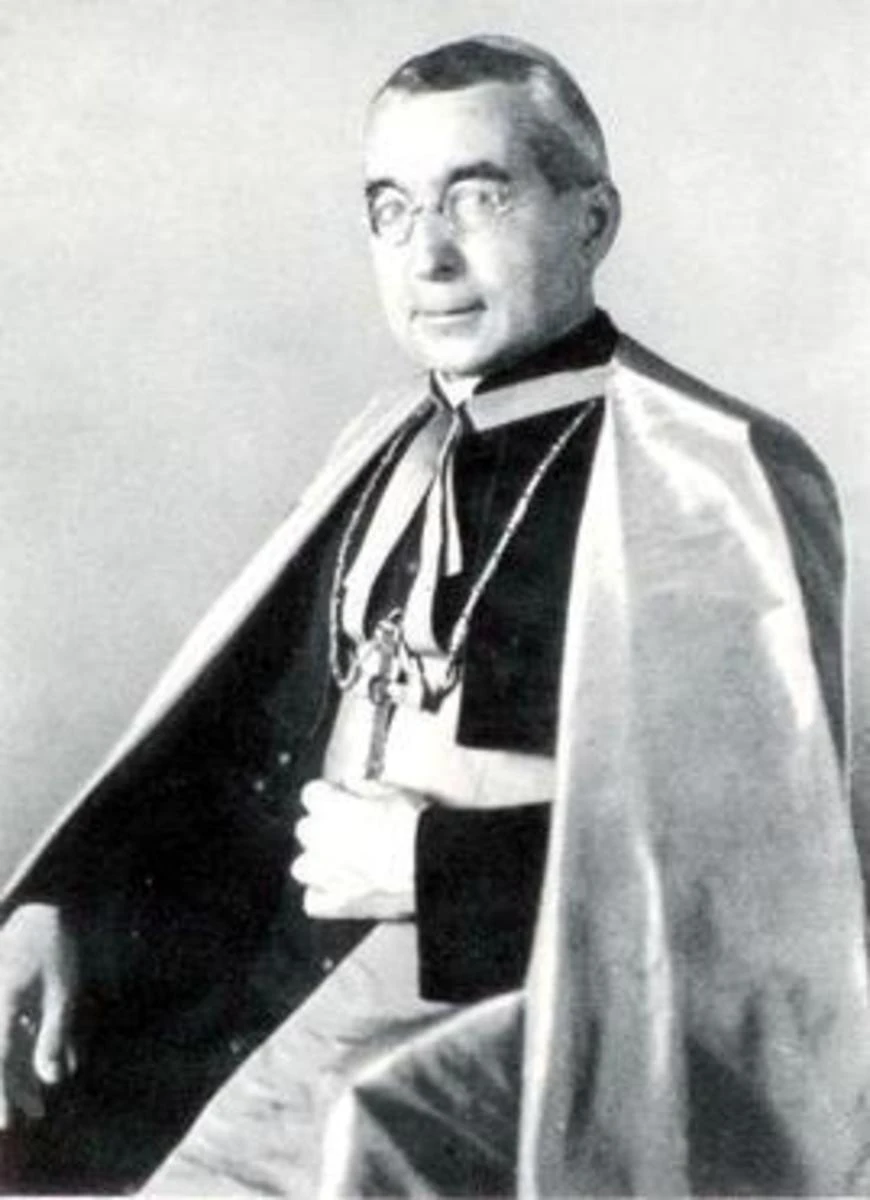
Bishop Alois Hudal
Hudal used his position to spirit high-ranking Nazis away to safety. To him, Germany’s surrender signaled the collapse of Western civilization. In his posthumously published memoirs, he wrote:
"After 1945, my entire charitable work was devoted to assisting former members of the National Socialist and Fascist parties, especially so-called war criminals... Thanks to forged documents, I saved many of them."
How Bishop Hudal's System Worked
Once a fugitive reached Italy, he would make contact with the bishop. Papers under a fake identity were issued through a Vatican refugee assistance committee. With these in hand, the "refugee" could easily obtain a displaced person's passport from the International Committee of the Red Cross (ICRC), which in turn paved the way for exit visas. 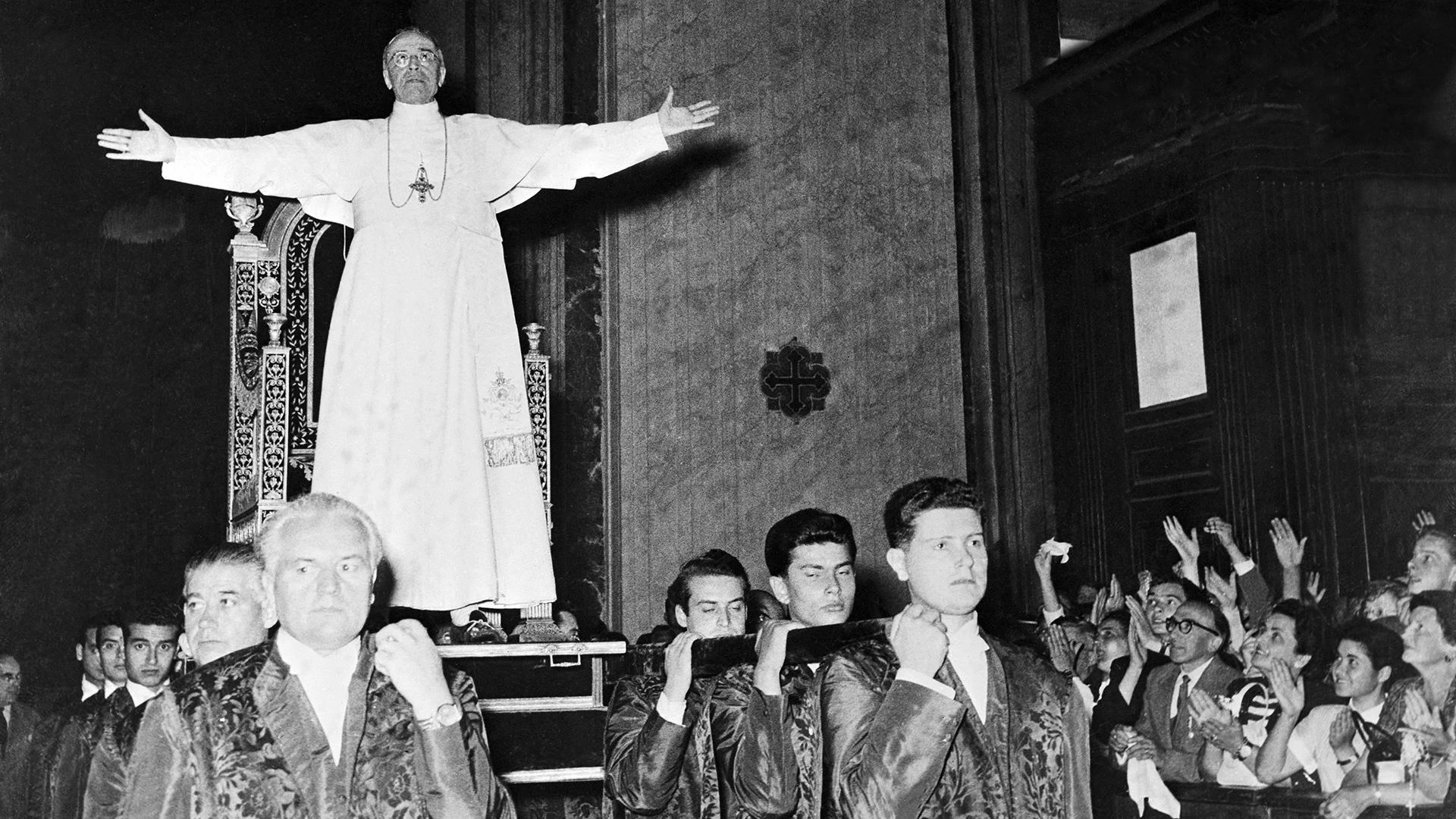
To facilitate escape to Argentina, a tourist visa was stamped into the Red Cross passport—no medical certificate or return ticket required. In Buenos Aires, Cardinal Antonio Caggiano, acting under the patronage of President Juan Perón, oversaw their arrival. South American leaders were keen to leverage the expertise and capital of European fugitives for their own national development. 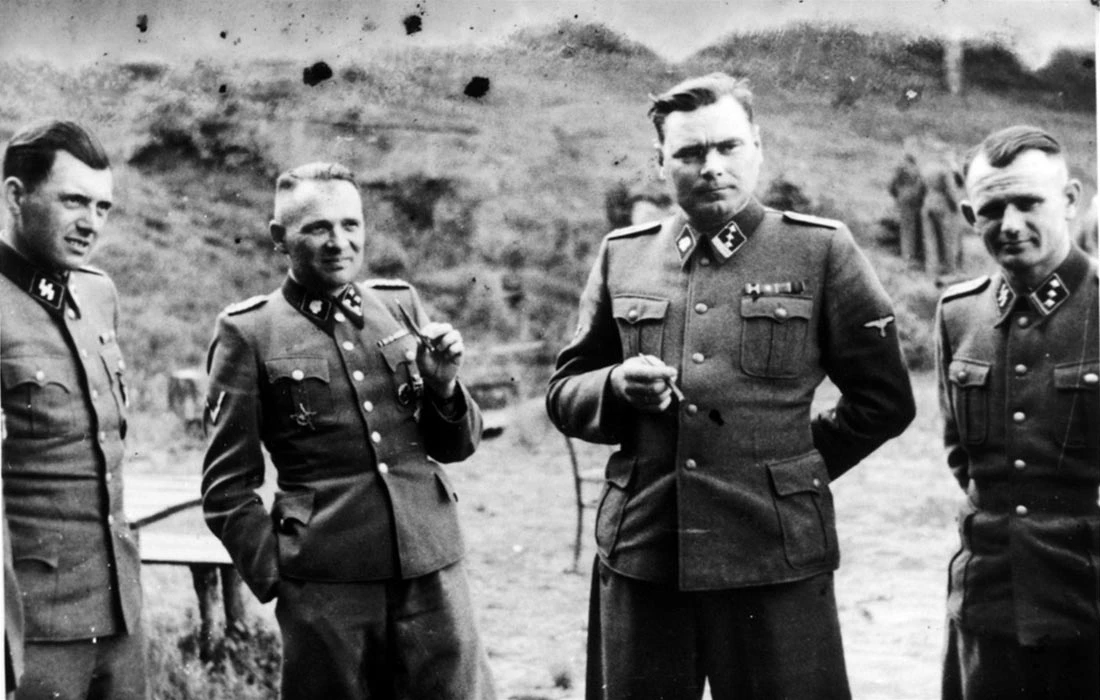
In his memoirs, Hudal wrote that he viewed the Allied war against Germany as a clash of economic interests that exploited the concepts of democracy and freedom. The bishop admitted feeling duty-bound after 1945 to dedicate all his charitable efforts to former National Socialists and Fascists. 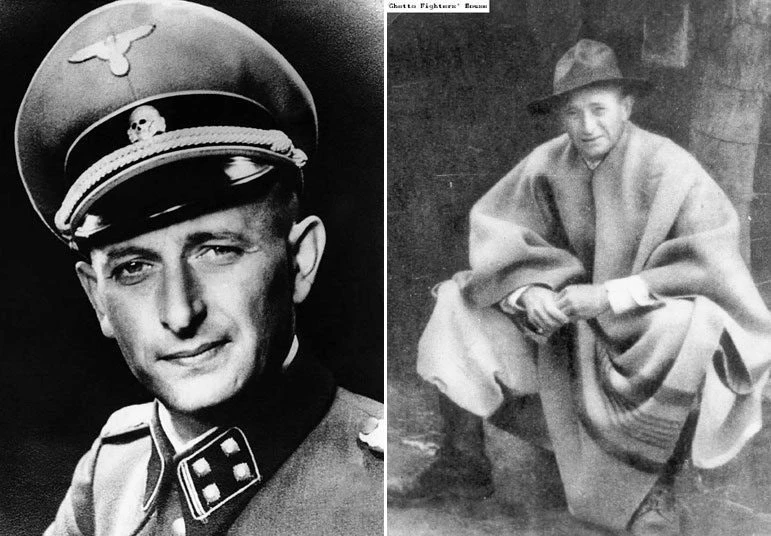
Adolf Eichmann
Key Nazi figures who escaped Europe through these networks included Adolf Eichmann (who orchestrated the murder of four million Jews), Josef Mengele (the Auschwitz concentration camp doctor notorious for human experimentation), Walter Rauff (architect of the mobile gas chamber), and many others.
The Escape Route of Krunoslav Draganović
One of the bloodiest chapters of World War II was written by the Croatian fascists known as the Ustaše. They were responsible for the slaughter of anywhere between 197,000 and 800,000 Serbs, 30,000 Jews, and 80,000 Roma—staggering figures for the sparsely populated Balkans. The most extensive "ratline" was organized by a tight-knit and influential group of Croatian Franciscan priests. 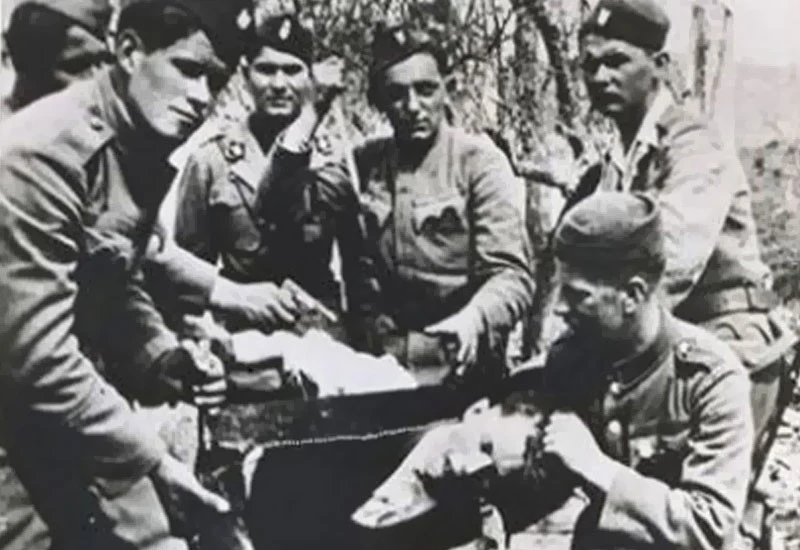
Croatian Ustaše beheading a Serbian prisoner
The ring was headed by Krunoslav Draganović, a secretary at a papal institute and a prominent figure in Rome. The network’s headquarters was stationed at the Pontifical Croatian College of St. Jerome on Via Tomacelli in the Vatican. Franciscan priests helped fugitives enter Italy illegally, housed them in various monasteries, and arranged travel documents through the Red Cross. 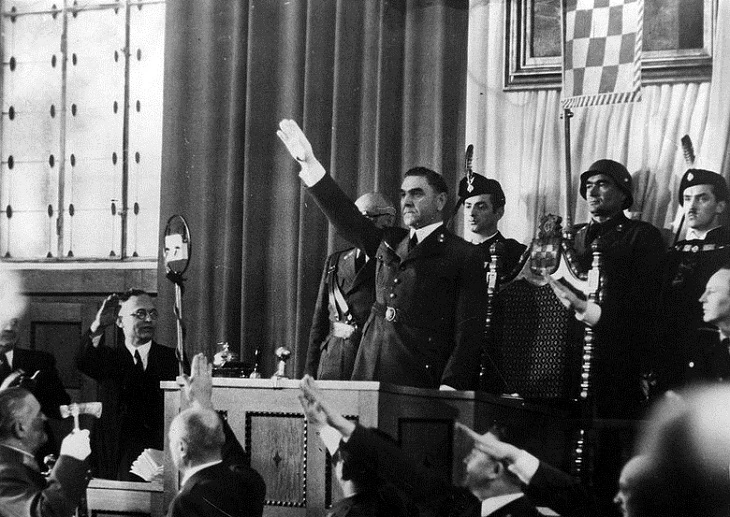
Ante Pavelić, leader of the Croatian Ustaše
Overwhelmed by administrative chaos, ICRC personnel were unable to vet everyone who applied for paperwork, and saw no reason to doubt the respected Franciscan order. Once documented, the war criminals were smuggled out through the port of Genoa to South America. In 1946, the Allies requested Vatican permission to search several Church properties.
Was Pope Pius XII in the Know?
On May 6, 1945, Ustaše leader Ante Pavelić fled Zagreb for Austria, carrying fake papers under the name of a Peruvian citizen, Don Pedro Gonner. Draganović's network smuggled their fellow countryman into Italy and harbored him inside the Vatican-run College of St. Jerome. The intention was to use Pavelić in the struggle against socialist Yugoslavia and its leader, Josip Broz Tito. 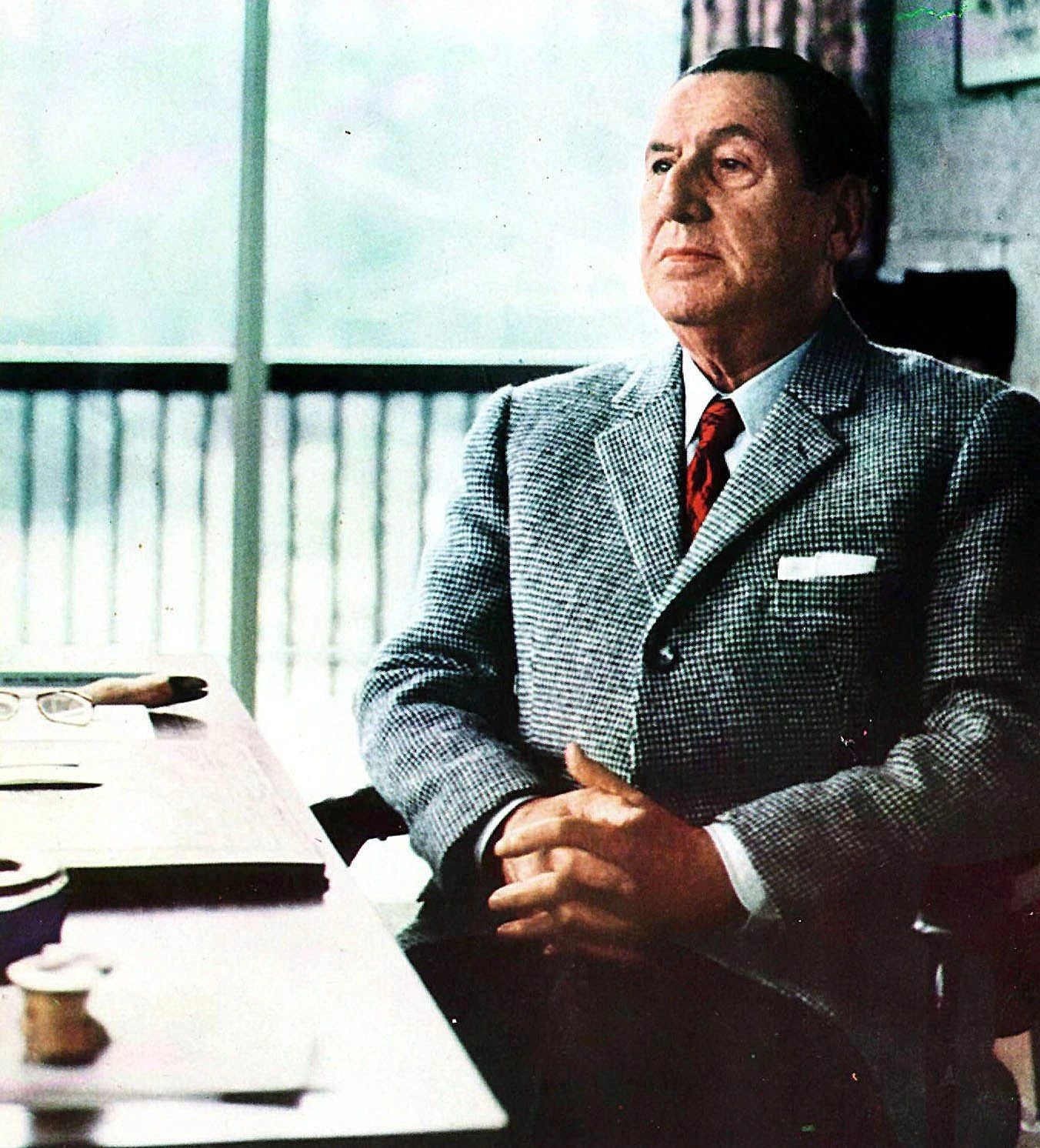
Argentine President Juan Perón, a sympathizer of European Nazis
Direct evidence came in a report from US Counter Intelligence Corps agent Robert Clayton Mudd. In February 1947, Mudd infiltrated the college grounds, where he spotted Pavelić and other Croatian fascists disguised as monks. They even traveled around the city in cars bearing Vatican diplomatic license plates. It is highly unlikely that Pope Pius XII was unaware of the deception taking place right under his nose. 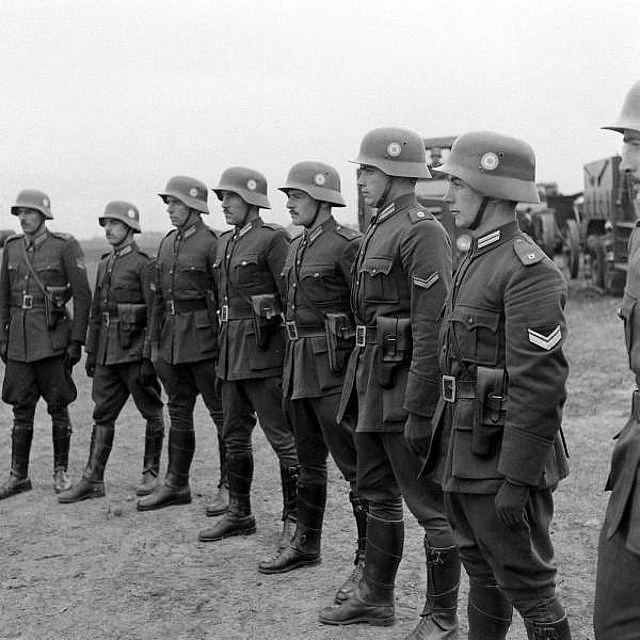
Post-WWII Argentine military uniforms
The United States also had a vested interest in aiding fleeing Nazis. As a new showdown with the Soviet Union loomed, German specialists were seen as valuable assets. Using these ratlines, US intelligence spirited German rocket scientists out of the Soviet occupation zone. The expertise of German, Italian, and Croatian fugitives was equally prized by South American leaders, who deployed them to suppress communist insurgents and domestic opposition. The ratlines are far from the only secret harbored by the Papacy—deep within the Vatican lie secret archives whose full revelations are yet to come.