Researchers at the University of Michigan have found that cheese can actually be addictive, triggering the same neural pathways as hard drugs. Let’s take a closer look at this ancient culinary obsession—and next time you make a grilled cheese, you might just appreciate it in a whole new light. 

1. It takes about 10 liters of cow or goat milk to produce a single kilogram of cheese. But milk isn’t the only base: artisanal traditions and experiments worldwide have yielded cheeses made from soy, peas, calf or pig liver, sour cream, and even sweetened crushed ice. 
2. Traces of cheese have been unearthed in Egyptian tombs dating back to the First Dynasty (c. 3000–2800 BCE). Homer famously described cheesemaking in
The Odyssey
, and cheese served as a staple trade commodity across ancient Greece and Rome. 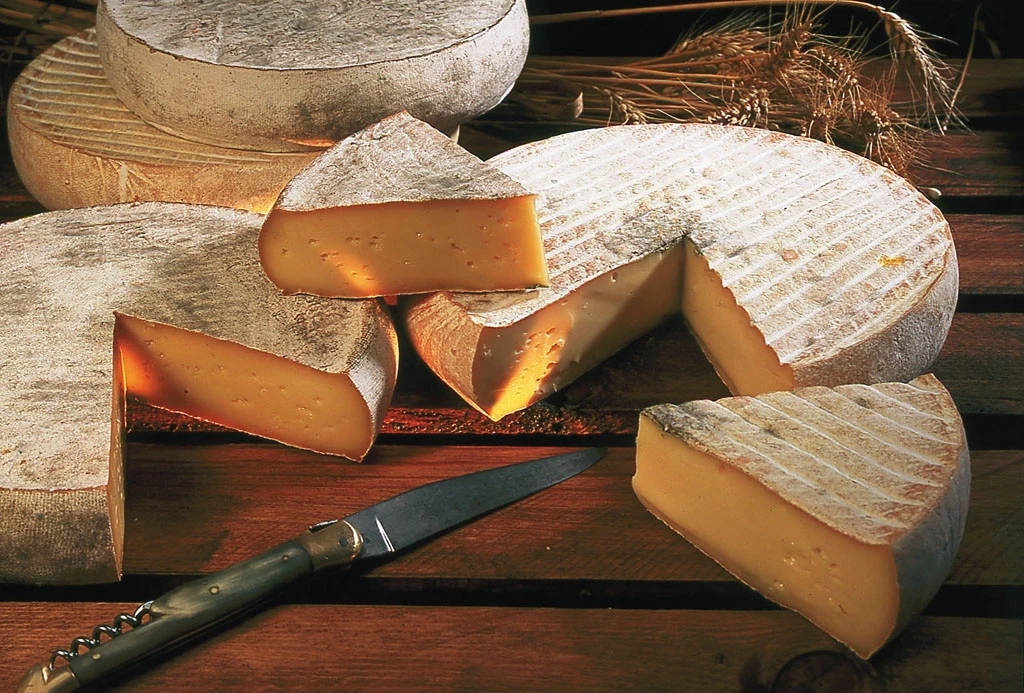
3. The Dutch were the first to turn cheesemaking into a commercial powerhouse, crafting massive wheels of hard cheese as early as the 14th century. To this day, it remains one of the country's most vital exports. 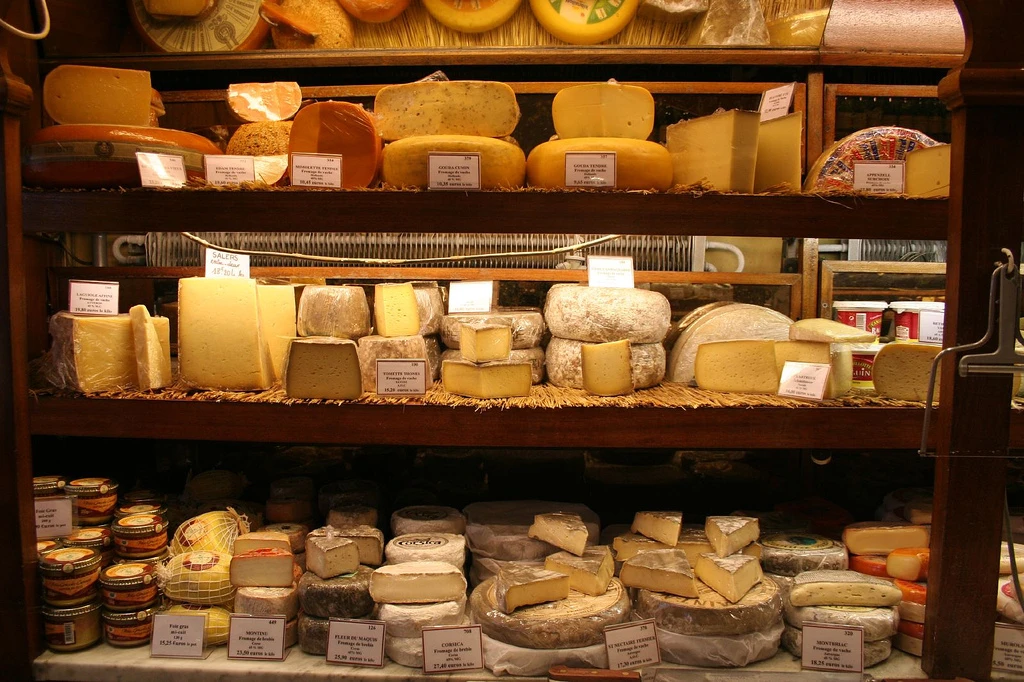
4. In several cultures across the Caucasus, pungent, strong-smelling cheeses are prized as potent aphrodisiacs—making them an absolute fixture at wedding banquets. 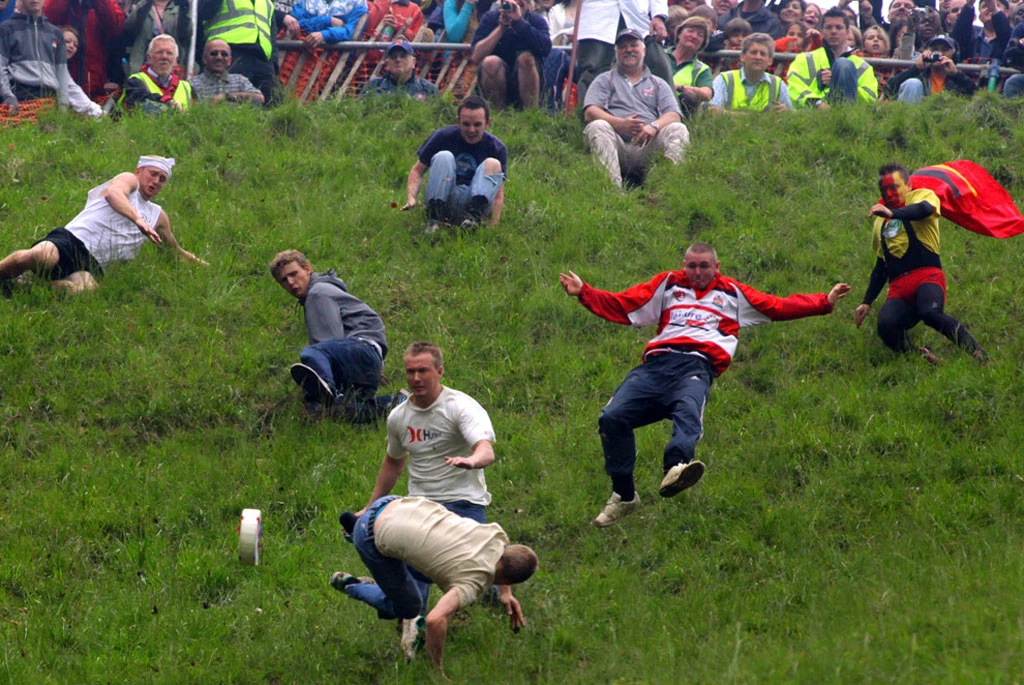
5. Every year, daring participants flock to the UK to chase a runaway wheel down an impossibly steep hill at the world-famous Cooper's Hill Cheese-Rolling in Gloucestershire. 
6. Cheddar has been dyed with annatto seeds for over 200 years. Other natural colorants traditionally used by cheesemakers include carrot juice and marigold petals. 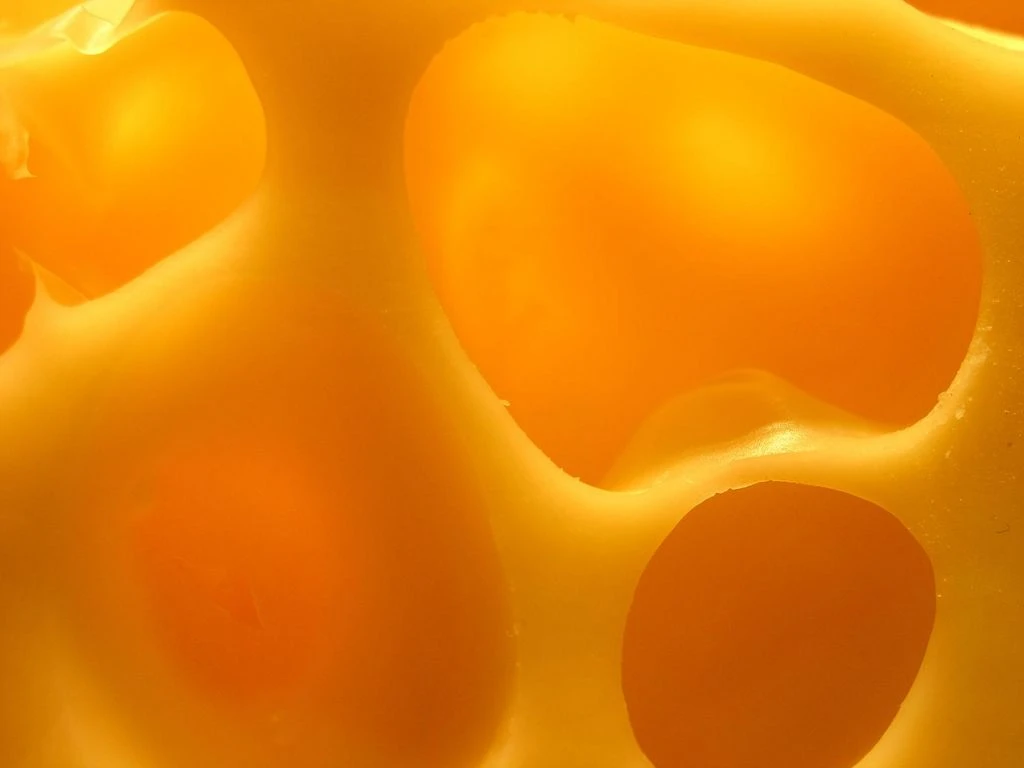
7. As a wedding gift, Britain's Queen Victoria (1837–1901) was presented with a colossal wheel of Cheddar weighing over 500 kilograms (more than 1,100 pounds). 
8. Legend has it that when the philosopher Zoroaster renounced worldly life to meditate in the wilderness, he survived for over 20 years on a diet consisting almost entirely of cheese. 
9. During the ripening process, bacteria release gas within the cheese. As carbon dioxide pockets form and expand, they leave behind voids that cheesemakers affectionately call “eyes.” 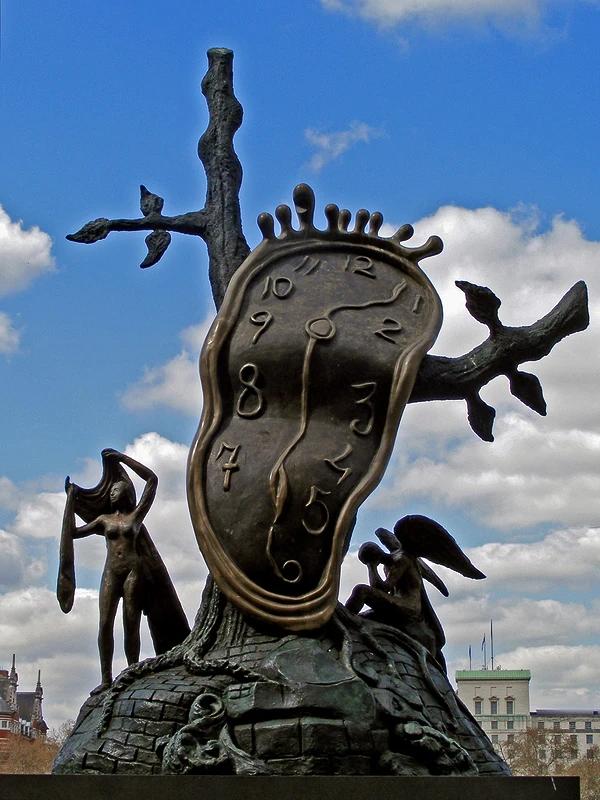
10. Lore has it that runny Camembert inspired Salvador Dalí’s masterpiece,
The Persistence of Memory
. After enjoying the soft cheese at dinner, the artist sat before his unfinished canvas in the dim light, savoring the lingering flavors, when the iconic vision of melting clocks suddenly came to him.
Add your comment
You might be interested in:















The Serial Killer Who Thought 'No Body, No Crime' Would

'Jaws': Behind the Scenes (10 Photos)

200 Watches Hurled from a Third-Floor Window (3 Photos)

Lucy Lawless Never Planned on Becoming Xena (9 Photos)
Executioners: How They Lived, What They Earned, and Why

Winona Ryder Turns 55: The Actress's Best Photos (11 Photos)

French Shopkeeper Turns into a Meme After Trying to Defend

Rescuing a Chubby Raccoon (3 Photos)

Turns Out Ostriches Love Bald People (7 Photos + Video)
