Dark Gods and Ancient Demons: 5 Mythological Terrors from Around the World (11 photos)
In ancient Egyptian temples, priests fashioned a wax serpent every day and consigned it to the flames—an essential ritual to ensure the sun would rise again. In Mesopotamia, expectant mothers wore amulets to ward off an infant-snatching demoness. The Finns cast illnesses back to the blind daughter of the god of death, while certain Māori tribes believed the god of darkness devoured the deceased. Here is a look at five malevolent deities and ancient demons: from Mesopotamia’s Lamashtu to the Māori lord of shadow, Whiro. 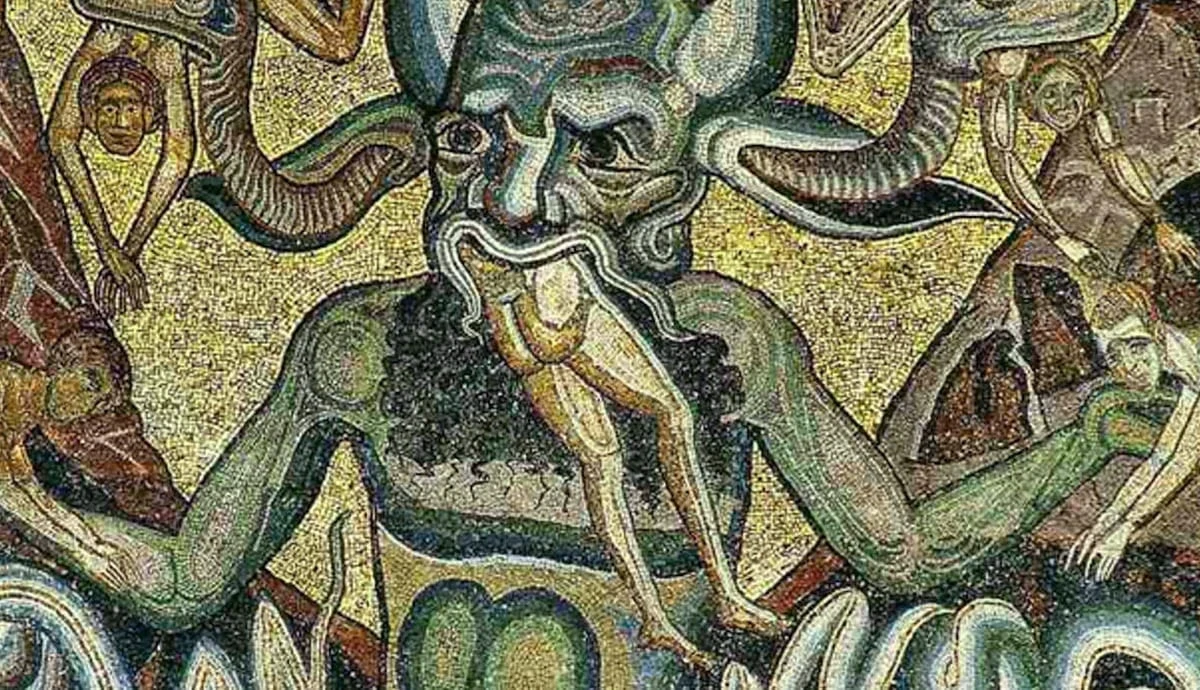
To the ancients, evil was never an abstract concept. It had a name, a physical form, and a modus operandi: who it struck, when it struck, and what could be used to repel it. That is precisely why illnesses, famine, and terror in the night were given elaborate mythological backstories.
This collection explores five entities from distinct cultures. Not all qualify as gods in the strictest sense: Lamashtu and Lilith are classified as demons, even though Lamashtu’s name was written alongside the divine determinative. Yet they all share one defining trait: these beings were never prayed to for mercy—they were feared. Let us begin in Mesopotamia.
Lamashtu: The Infant-Snatching Demoness
The earliest recorded incantations against Lamashtu date back to around 2000 BCE. The Sumerians knew her as Dimme, while the Akkadians called her Lamashtu. According to myth, she was the daughter of the sky god Anu. Her name may translate to "she who erases," though scholars still debate the etymology. 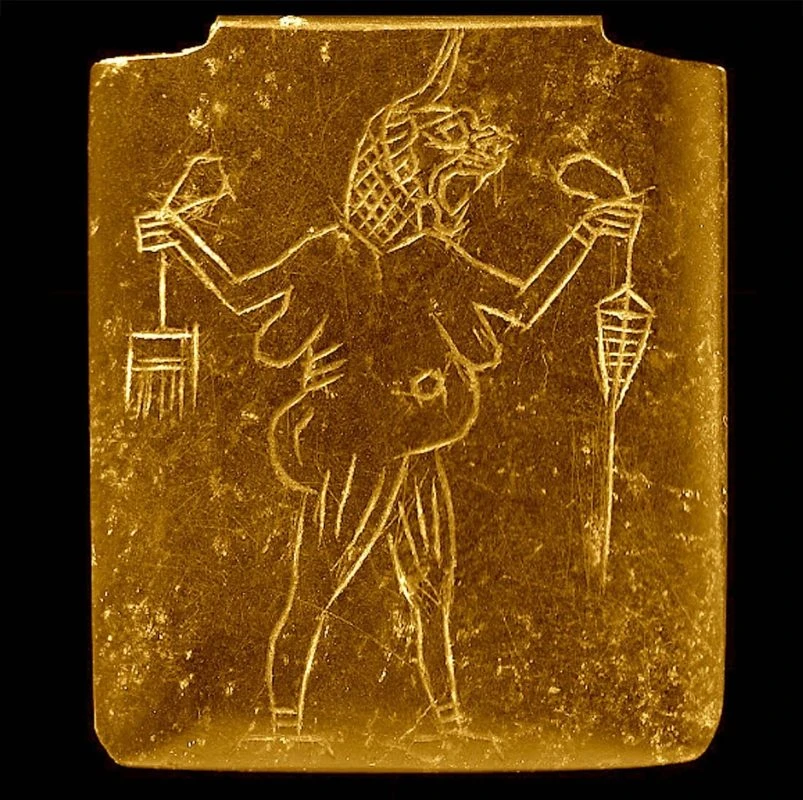
Lamashtu on an Assyrian amulet, depicted with a comb, spindle, and fibula—offerings meant to appease her
Lamashtu preyed on women in labor and abducted newborns. She was also blamed for miscarriages and deadly plagues. Amulets depicted her with the head of a lioness, the teeth of a donkey, avian talons, and a furred body. In these harrowing portraits, the demoness suckles a pig and a dog at her breasts while brandishing serpents in her hands.
Protection against Lamashtu came in the form of apotropaic amulets. More than 60 such artifacts have survived to this day, predominantly dating to the early first millennium BCE. Pregnant women wore these protective charms on their bodies and sought to placate the entity with gifts: a comb, a spindle, and a fibula (a garment clasp). 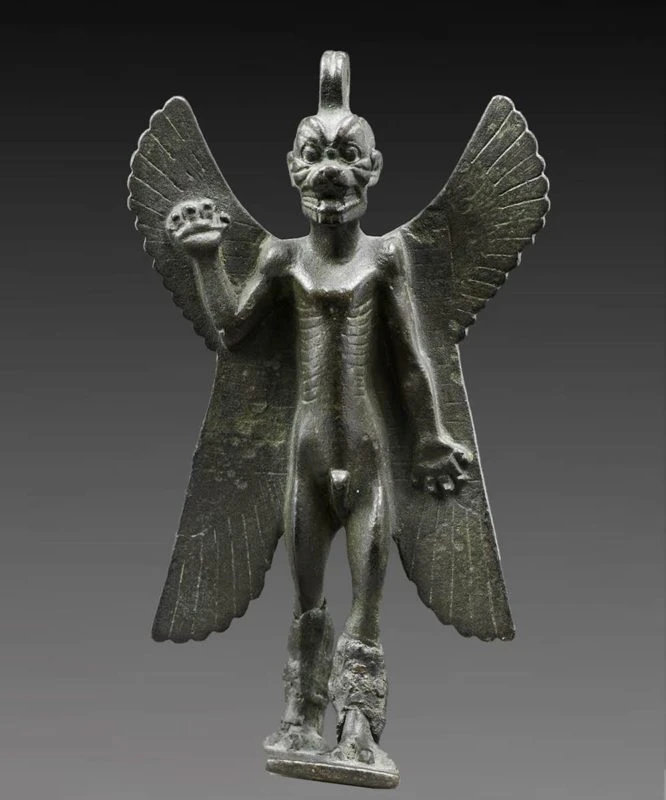
A bronze Pazuzu from the 1st millennium BCE: the king of evil wind demons, invoked to banish Lamashtu
To drive the evil away, a clay figurine of Lamashtu was loaded with these offerings and set adrift in a miniature boat, casting her back into the netherworld. Her ultimate nemesis was Pazuzu, the king of the wind demons. Though a terrifying monster in his own right, Pazuzu’s likeness was inscribed onto amulets specifically to banish Lamashtu. Pazuzu's visage, of course, later found iconic fame in the 1973 horror classic *The Exorcist*.
Apep: The Serpent Burned Daily by Egyptian Priests
According to ancient Egyptian mythology, the sun god Ra sailed his solar barque across the underworld each night. And every night, his passage was blocked by Apep (known to the Greeks as Apophis), a gargantuan serpent and the embodiment of primordial chaos. The Egyptians believed that should the serpent triumph, the sun would never rise again. 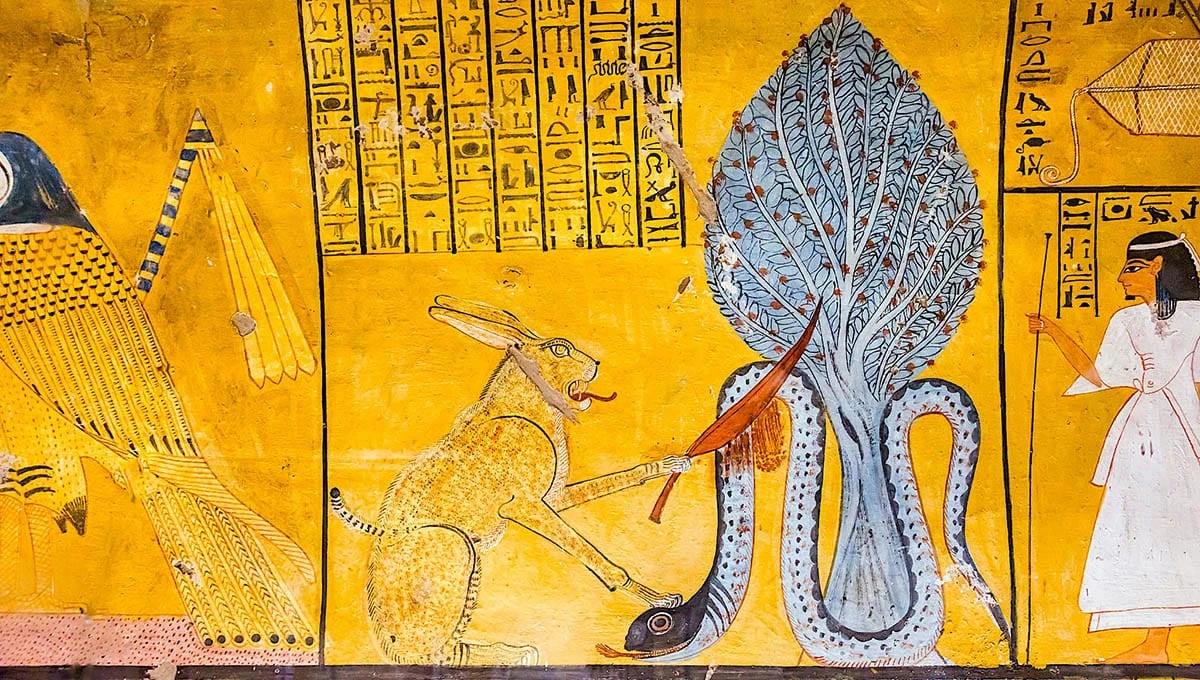
Ra, in the form of the Great Cat, slays Apep with a blade. Tomb mural of Inherkhau at Deir el-Medina
Apep had the power to halt the barque in its tracks. He swallowed the waters of the underworld river to run the vessel aground, forcing the gods to rely on magical rites. Priests recited spells designed to make the cosmic serpent regurgitate the river. Moreover, solar eclipses and dark storm clouds were understood as Apep launching an ambush against Ra.
Apep was never worshipped; he was an adversary marked for destruction. To neutralize him, priests performed an elaborate ritual recorded in the *Book of Overthrowing Apep*. It was carried out daily at the Temple of Amun-Ra in Karnak. The most famous surviving copy is an ancient papyrus dating to roughly 305 BCE, now housed in the British Museum. 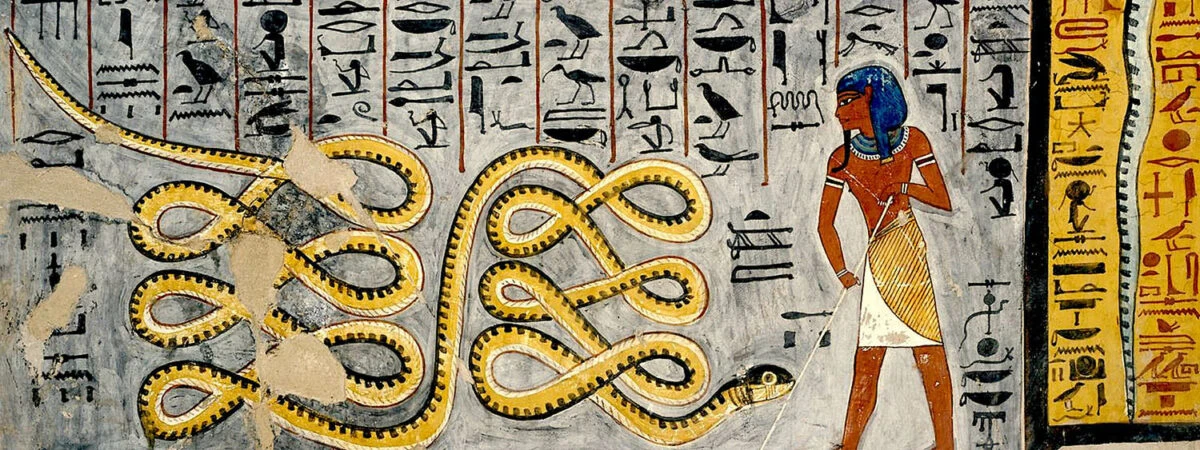
Apep depicted in the tomb of Ramesses I: Ra’s arch-nemesis was painted on tomb walls and systematically destroyed in temple rites
The officiant first sculpted an effigy of the serpent out of wax, inscribing Apep's name in green ink. The figure was then spat upon, trampled under the left foot, stabbed with spears and knives, and finally cast into fire until reduced to ashes.
One of the earliest references to Apep survives in an ancient tomb inscription. Around 2100 BCE, Ankhtifi, a regional nomarch based in Mo'alla, wrote of an apocalyptic famine. The sky was swallowed by dark clouds, and starving people perished upon the "sandbanks of Apep." The ancient Egyptians frequently drew parallels between the winding coils of a great snake and the perilous shoals of the Nile.
Lilith: From Mesopotamian Night Demon to Adam's First Wife
The name Lilith originates with the Mesopotamian *līlū* and *lilītu* demons, feared creatures of the night. Some preyed upon sleeping men, while others targeted infants and laboring mothers. In the Hebrew Bible, the word *lilith* appears just once, in Isaiah 34:14. Scholars and translators continue to debate whether the text refers to a demonic entity or a screech owl. 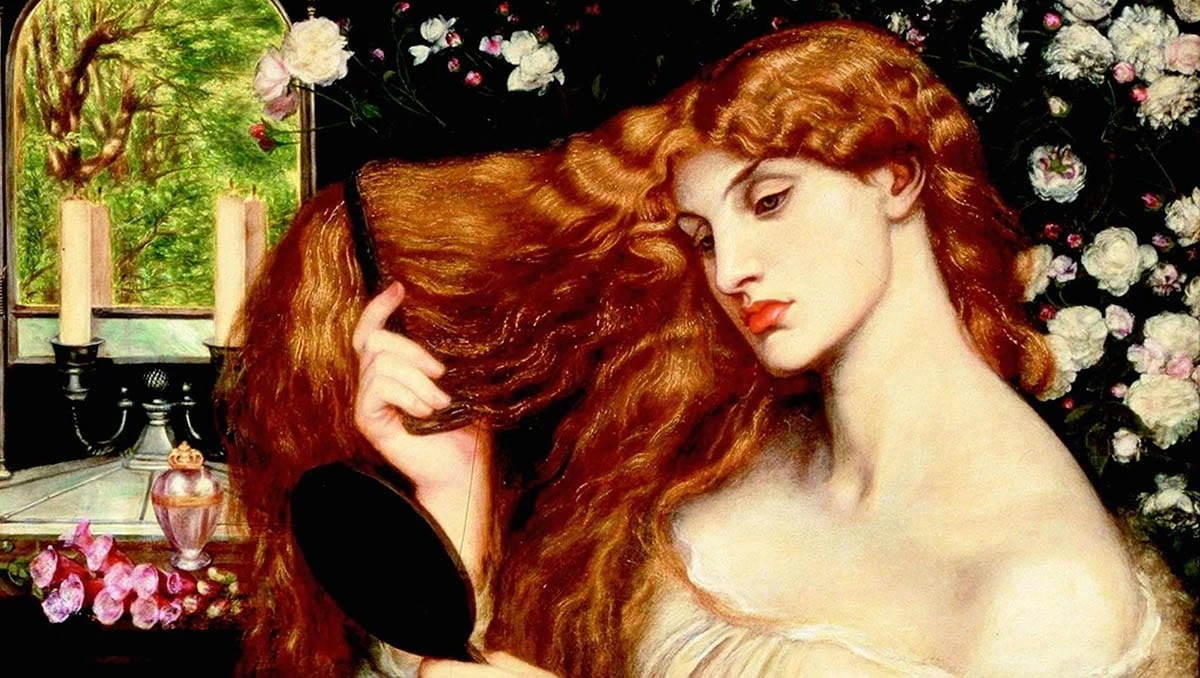
Rossetti's "Lady Lilith," 1866–1868. The artist famously repainted the subject's face between 1872 and 1873
The legend of Lilith as Adam's "first wife" comes from the *Alphabet of Ben Sira*, an anonymous medieval text dating between the 8th and 10th centuries CE. According to this account, God created Lilith from the earth just as He had created Adam. Lilith refused to submit to her husband, arguing that because they were both formed of dust, they were equals. Following a fierce dispute, she uttered the ineffable name of God and took flight into the wilderness.
Three angels—Senoy, Sansenoy, and Semangelof—were dispatched to pursue the runaway. They caught up with her over the sea. Lilith refused to return, but she swore an oath to spare any child who wore an amulet inscribed with the three angels' names. In exchange, she was condemned to lose 100 of her own demonic offspring every single day. 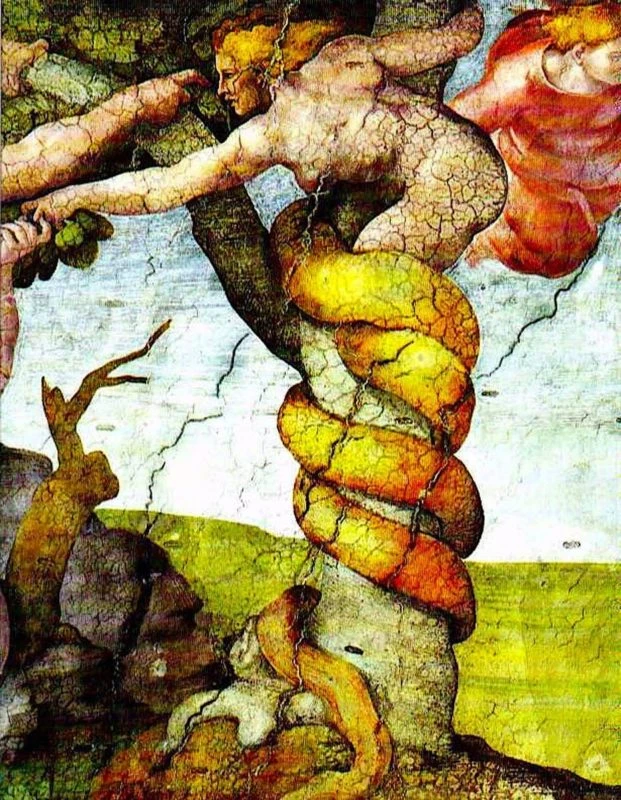
Michelangelo's depiction of Adam and Eve in Eden, 1509: the tale of Adam’s rebellious first wife wasn't penned until the Middle Ages
Consequently, protective amulets bearing the angels' names became common nursery talismans. In later folklore traditions, Lilith became the mother of incubi and succubi—night-terrors sired alongside the fallen archangel Samael.
Loviatar: Blind Daughter of Death and Mother of Plagues
In the Finnish epic *Kalevala*, Loviatar is the blind daughter of Tuoni, the god of death, and his chilling consort, Tuonetar. The epic was compiled from ancient folk songs by physician Elias Lönnrot; the original volume was published in 1835, followed by an expanded edition in 1849. 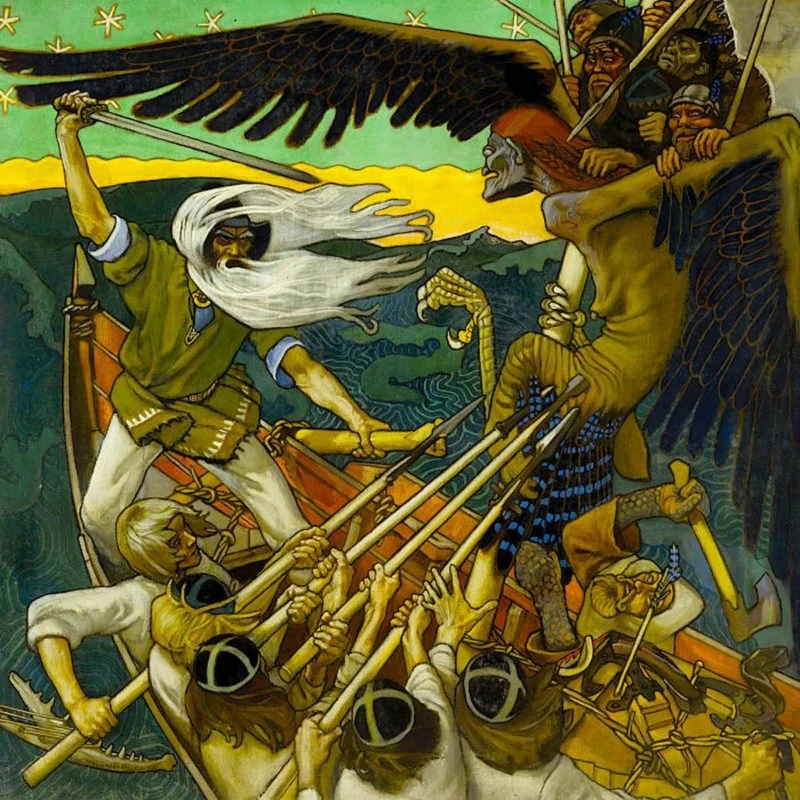
Akseli Gallen-Kallela, "The Defense of the Sampo," 1896. The struggle over the Sampo sparked Louhi's quest for vengeance
In the epic's 45th rune (canto), the wicked matriarch Louhi plots vengeance against the people of Kalevala, incensed that their land prospers from the fragments of the magical mill, the Sampo. Louhi implores the weather and thunder god Ukko to rain disease down upon the land. In response, Loviatar is impregnated by the great wind and gives birth to nine monstrous sons.
These afflictions took distinct forms: Colic, Gout, Ulcer, Plague, Consumption, and Cancer, among others. The ninth son—the most dreadful of all—remained unnamed by Loviatar, who cast him out among humanity to breed spite, malice, and envy. The remaining ailments were ultimately cured by Väinämöinen, the hero and mythic bard of the epic. 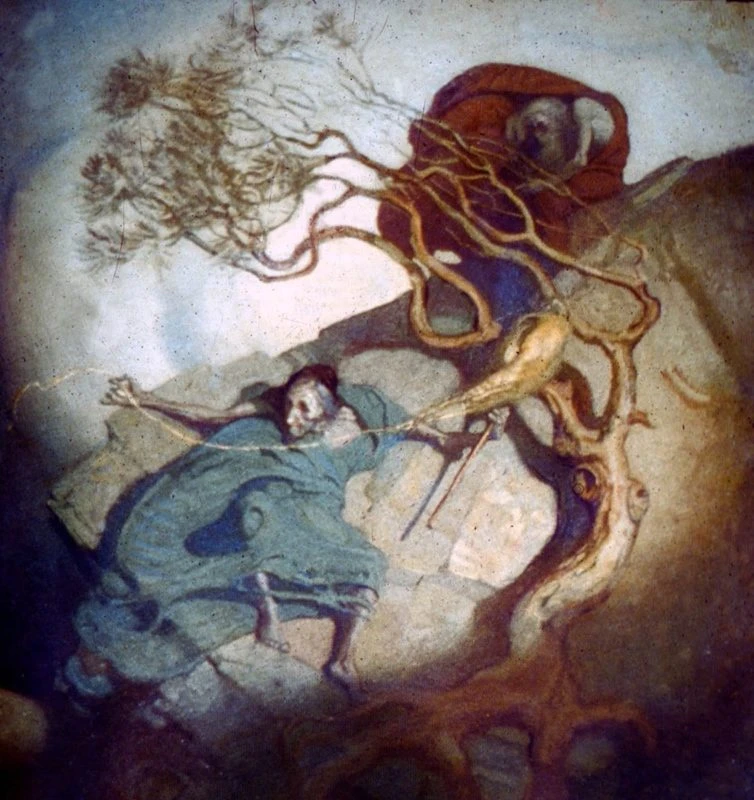
Loviatar depicted by Akseli Gallen-Kallela: in the "Kalevala," she bears nine plagues, naming eight of them
In genuine Finnish folklore, things are somewhat simpler. While Lönnrot separated Louhi and Loviatar into distinct figures, their names are often interchangeable in original folk songs. Healers and shamans routinely cast out sickness by commanding it to return to Loviatar, invoking her name directly in their banishing charms. Furthermore, certain oral traditions name the monstrous sea giant Iku-Turso, rather than the wind, as the father of her plague brood.
Whiro: The Māori God of Darkness Who Devours the Dead
Whiro is the son of Ranginui (the Sky Father) and Papatūānuku (the Earth Mother), and brother to Tāne, the god of forests. In the beginning, the parents lay locked in a suffocating embrace, forcing their offspring to dwell in perpetual darkness. Tāne resolved to push their sky father upward to let in the light, but Whiro fought bitterly to remain in the shadows. This primordial quarrel sparked an eternal war: Tāne became the god of light and life, while Whiro ruled over darkness, affliction, and death. 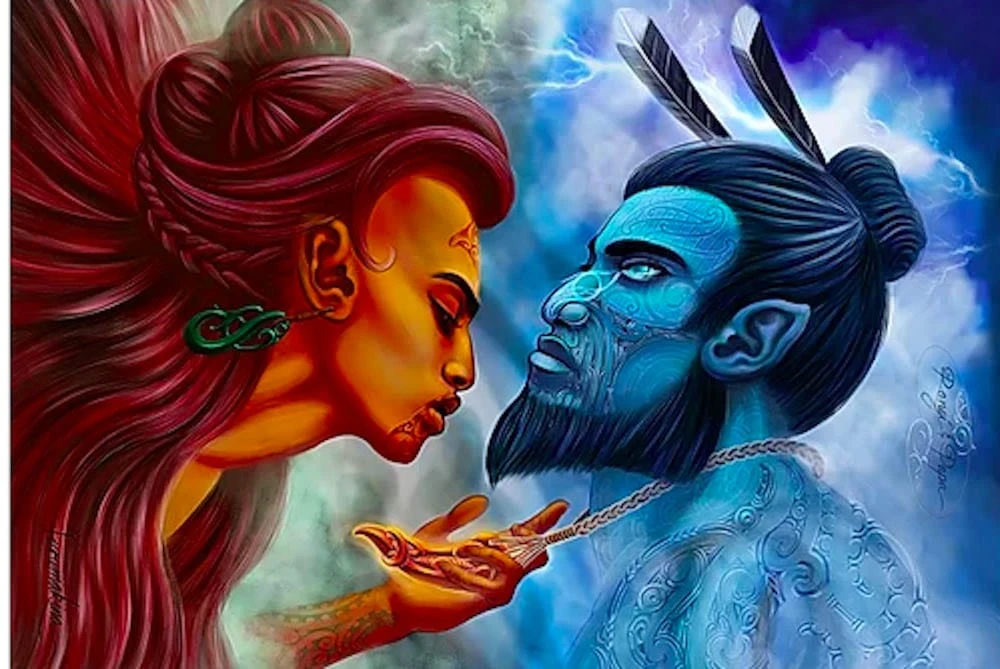
Ranginui and Papatūānuku: their children lived in darkness until Tāne severed the embrace, thrusting the sky upward
Whiro dwells in the underworld depths, inhabiting the subterranean cave of Taiwhetuki. This house of death is the repository of all earthly evils and dark sorcery. His name became woven into the Māori language as a synonym for evil itself. Māori travelers and hunters would occasionally toss a portion of food into the wild as an offering, reciting: "To thee, O Whiro!"
In the lore of several tribes, Whiro consumes the bodies of the deceased in the netherworld, growing stronger with every corpse he ingests. Legend warned that he would eventually burst forth from the underworld to swallow all living things. Because of this terrifying belief, cremation was frequently preferred: from ashes, Whiro could draw no power. 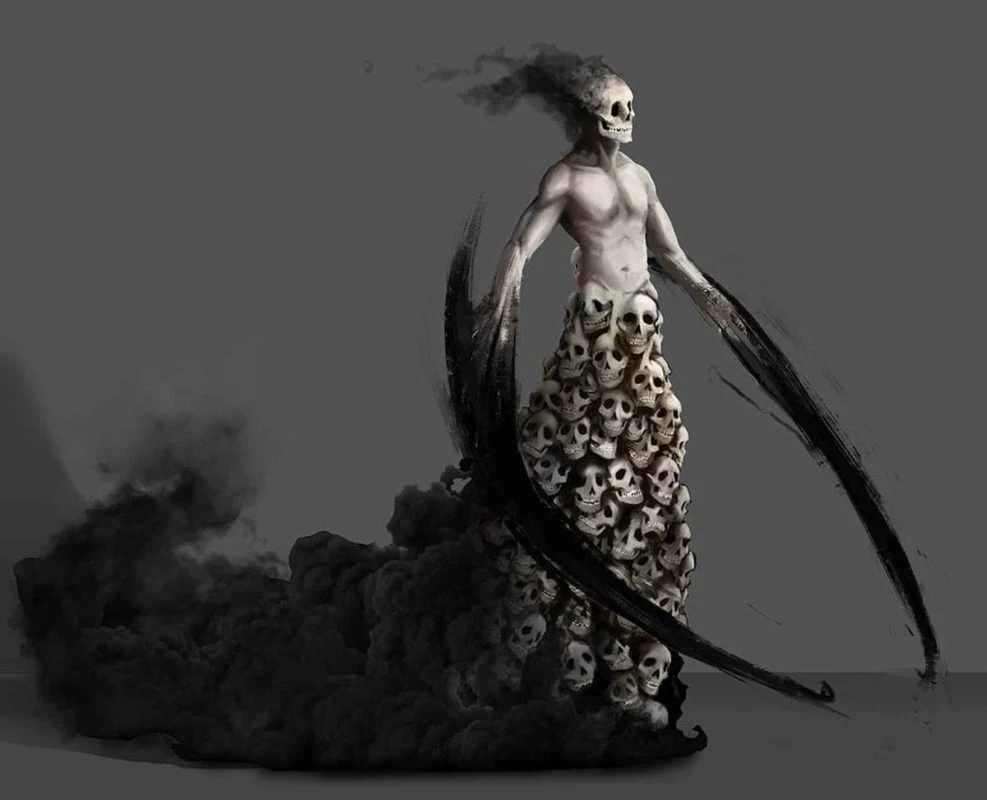
Whiro envisioned by artist Kurt Rexrodt: food offerings were once cast into the brush with the phrase, "To thee, O Whiro!"
Whiro the lord of darkness should not be confused with Whiro the legendary Polynesian voyager and navigator. Across the Pacific, this explorer is remembered as Hilo in Hawaii, Hiro in Tahiti, and Iro in Rarotonga, remembered in New Zealand primarily among the tribes of the East Coast.
These five entities arose in vastly different corners of the globe, yet they served an identical human need. Disease, starvation, nocturnal terrors, and mortality had to be given a recognizable face. And for every named horror, humanity crafted an antidote: an amulet, an incantation, or a ritual of protection.
Which of these mythological figures do you find the most unsettling? Share your thoughts in the comments below.