Midwife Ann Lohman — an abettor of vice, a murderess, and… a savior (9 photos)
On April 1, 1878, the body of a woman was discovered in a Fifth Avenue mansion in New York. The deceased was completely naked, though there were no signs of sexual assault. She was over sixty years old, and it is highly likely she was killed for reasons other than a sexual motive. There was certainly no shortage of potential motives, given that the victim was none other than the midwife Ann Lohman. Some viewed her as an enabler of vice and the devil incarnate, while others saw her as a savior. 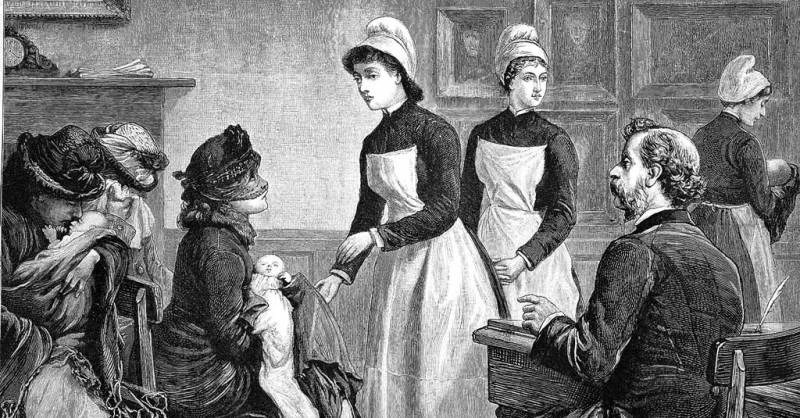
Ann Trow—who later became famous as Ann Lohman—was born in 1811 into a poor farming family in the English county of Gloucestershire. It was a large family; young Ann had seven brothers. While still a teenager, she left for the United States with three of her brothers in search of a better life. 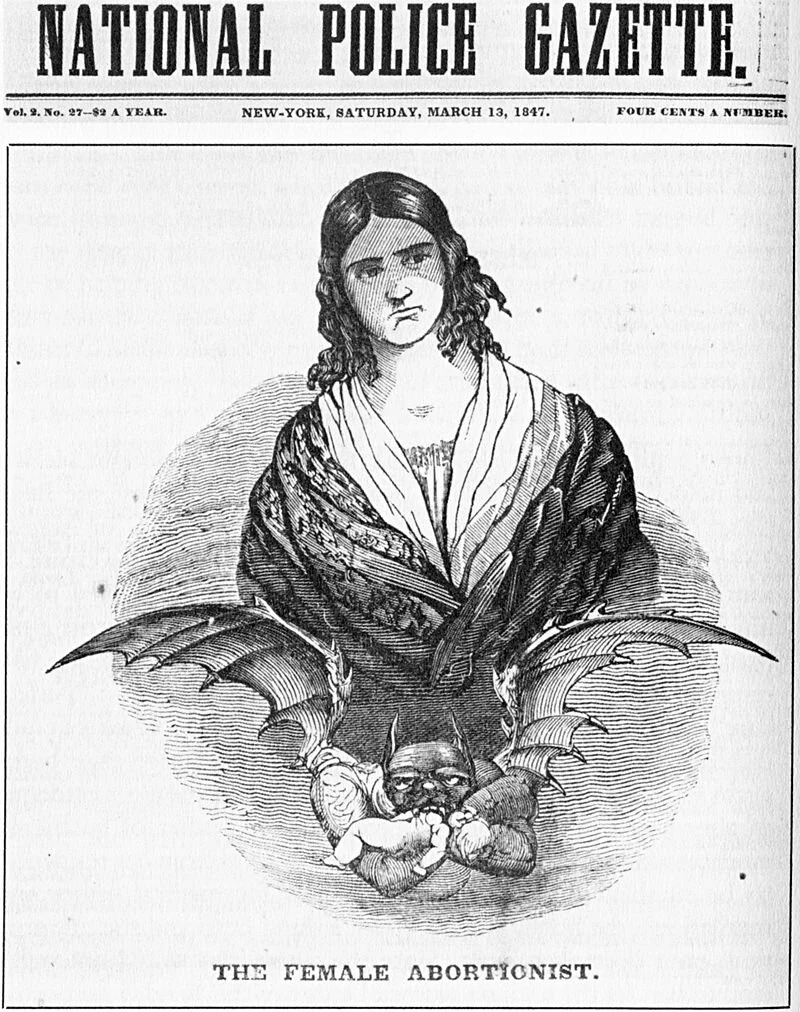
A newspaper caricature of Ann Lohman
Once across the ocean, the group went their separate ways. Two of the brothers set out to forge their own paths, leaving only one—Joseph—with Ann. He was an amputee who relied on a wooden prosthetic leg. In 1829, she married a fellow immigrant, Henry Summers, from the British town of Wiltshire.
The couple had a daughter, but shortly thereafter, Henry fell ill and died of a fever. Times were hard for Anne; she worked as a seamstress, and her earnings were barely enough to support herself and the child. Her disabled brother learned the trade and worked alongside her. In 1833, she met Charles R. Loman.
Profiting from Misfortune
Loman worked at the *New York Herald* printing shop and was known for his freethinking views. He was a champion of personal liberty and actively promoted his ideas. In 1847, together with Anne’s brother Joseph, Charles published a book with the intriguing title *The Married Woman's Private Medical Companion*. 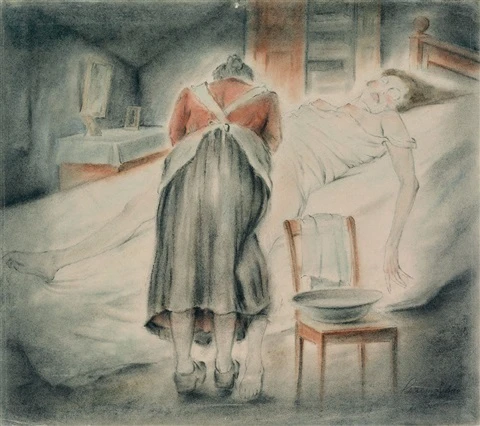
Fritz Schirrmacher. *The Attic: A Healer at Work*
The book's blurb stated that the work addressed pressing issues:
"...the treatment of menstrual issues—cessation, irregularity, or complete suppression. Pregnancy and methods of detection; treatment of various ailments. Learn how to prevent pregnancy; the vital importance of addressing developmental defects or the inability to give birth. Preventing miscarriage or abortion. When it is appropriate and necessary to induce a miscarriage with complete safety. Causes and treatments for infertility."
Publishing such a book was a very bold move. In the 19th century, anything related to women's health was considered taboo and improper. Yet, the issue of abortion was highly relevant. Contraception was still in its infancy, and terminating an unwanted pregnancy was the primary method of birth control. 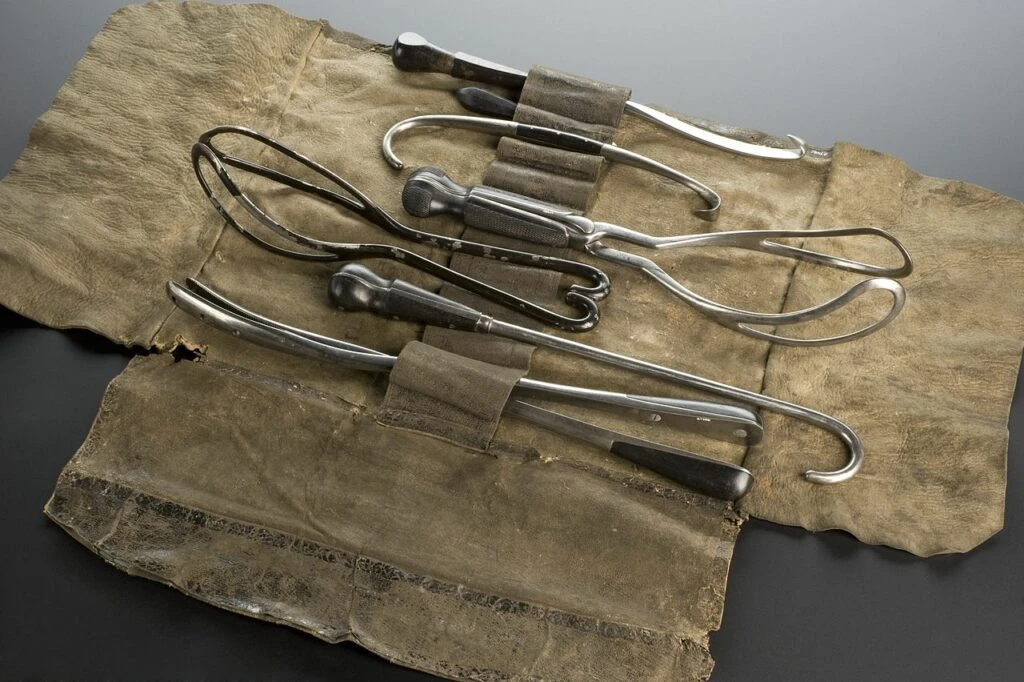
19th-century obstetric instruments
Despite the negative societal attitude, abortions were very common. Giving birth to a child out of wedlock could ruin a woman's life. Ann quickly embraced her husband's ideas and realized there was good money to be made in this field. She later claimed to have been trained in obstetrics by a renowned French physician named Restell. This was untrue; the name actually belonged to Ann Lohman's grandmother, but it seemed like a fitting moniker for a respectable—albeit fictional—European doctor.
The emergence of "Restellism"
It is known that Ann traveled to England several times, though it is impossible to say for certain whether she had any formal medical training. Ann Lohman started her business on a small scale. Under the alias "Madame Restell," she began selling "preventive powders"—or, more simply put, contraceptives and abortifacients. 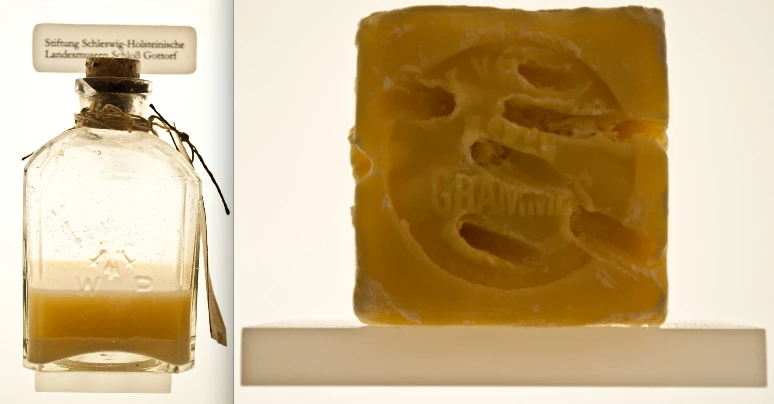
Soap-based abortifacient from the Museum of the History of Abortion and Contraception in Vienna. Austria
At the time, abortion was illegal in the United States, but the ban did not extend to medicinal products. Business was brisk—Ann Lohman would ship her wares by mail or hand-deliver them to clients. The composition of the "preventive powders" of the era was largely the same, featuring botanical ingredients such as ergot, calomel, aloe, and hellebore. Arsenic, lead, mercury, and soap-based alkalis were used less frequently. Far from all of these ingredients were safe for one's health.
Lohman had no trouble advertising her products. She placed veiled ads in newspapers—messages that her female clientele understood perfectly. Ann’s business grew to such an extent that the term "Restellism" was coined. The American Medical Association (AMA) was alarmed by the charlatan’s rampant activity; "Restellism" was viewed as a form of infanticide and the promotion of vice. 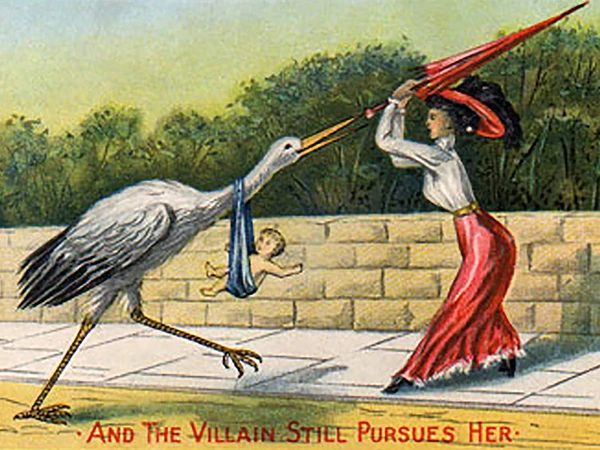
A caricature illustrating the fear of unwanted pregnancy among 19th-century women
Before long, other unpleasant stories about Ann Lohman began circulating in New York. She was accused of secretly delivering babies in her home and abandoning the infants at the doorsteps of orphanages. By 1839, Madame Restell had become a veritable urban legend. She was both hated and admired; conservatives wanted her put on trial, while women abandoned during pregnancy prayed to her as a savior.
Madame Restell's victims
In 1840, Ann Lohman first ran afoul of the law. One of the midwife's patients claimed that she had contracted tuberculosis from her during childbirth. A year later, a lawsuit was filed by a certain Mary Applegate from Philadelphia. She had sought out the midwife on her fiancé's advice in order to give birth in secret. 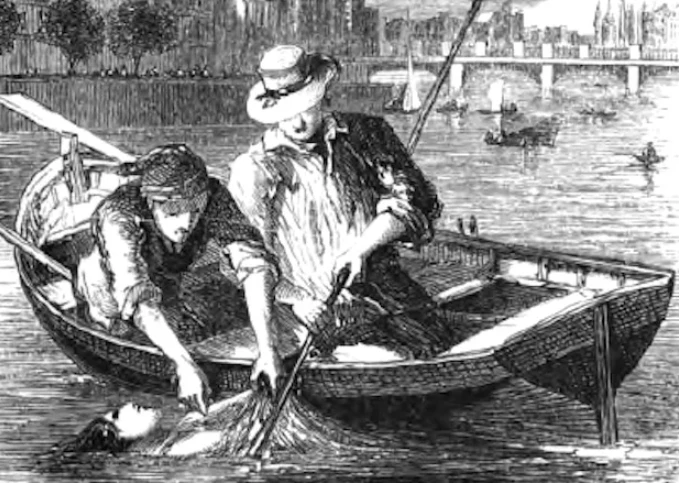
An illustration for Edgar Allan Poe's story "The Mystery of Marie Rogêt"
Shortly thereafter, Mary broke up with her boyfriend. She thought of the child and returned to New York, only to find that the baby had already been given up for adoption—or so Ann Lohman claimed. This time, the case fell apart because Applegate withdrew her allegations. Most likely, Lohman had to pay her for this.
In 1841, the body of Mary Rogers was pulled from the Hudson River. Newspapers reported that she had fallen victim to "Restellism." This case inspired the writer Edgar Allan Poe to pen the detective story *The Mystery of Marie Rogêt*. In 1845, medication-induced abortions were also banned. Consequently, all of Ann Lohman's activities became illegal.
However, by this time, Lohman had gained extensive experience and managed to evade punishment. In 1847, a maid named Maria Bodine became pregnant by her employer. He provided her with money and sent her to Madame Restell. The pregnancy was far advanced, and the abortion severely compromised the young woman's health. The victim sought medical help, and the doctors notified the police. 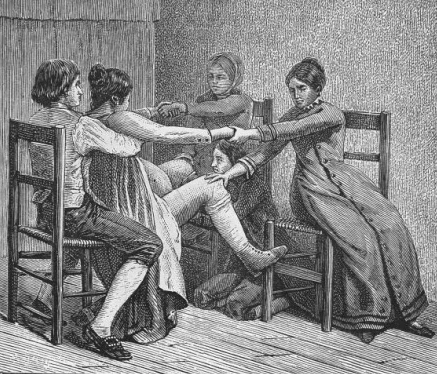
Self-taught midwives often delivered babies using very risky methods.
This time, Ann Lohman narrowly escaped imprisonment. She managed to wriggle out of the situation by slandering the plaintiff. She claimed that Bodine had falsely accused her and that the real cause of her ailment was advanced syphilis contracted through prostitution. The midwife got off with just a fine. Afterward, she became extremely cautious and stopped performing surgical procedures. Yet, in 1855, she was summoned to court again. This time, the lawsuit concerned health damage caused by Madame's "miracle powders." Once again, Ann Lohman emerged unscathed.
Final Arrest and Mysterious Death
In 1873, the crusader for public morality Anthony Comstock succeeded in banning the publication of any obscene material. This category included anything related to contraception and abortion. Although Ann Lohman was extremely cautious, she was eventually caught. In 1878, Comstock personally conducted a sting operation, purchasing preparations from the midwife and catching her red-handed. 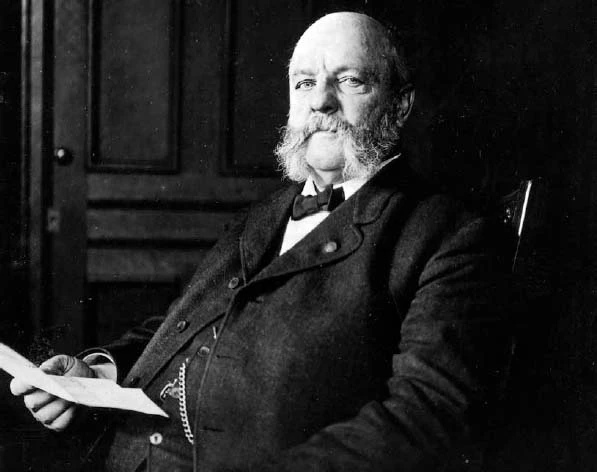
Anthony Comstock
The charges were so serious that Lohman was jailed. She managed to secure her release on bail—an astronomical sum of $10,000 for that time. While awaiting trial, she stayed at home. That was where she met her death; Madame Restell’s throat had been slit. The official police version states that she took her own life. However, experts are convinced that it is simply impossible to inflict such a wound on oneself.