7 Inventions Designed So Well They Never Needed an Upgrade (7 Photos)
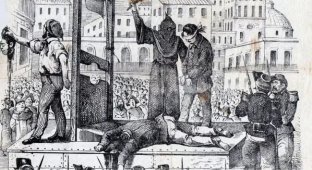
In October 1873, Joseph Glidden, an American farmer from Illinois, filed a patent for barbed wire, giving it the exact design still in use around the world today.
Continuous refinement of tools and everyday items makes our lives easier and far more convenient. If you tried to write a dissertation today using an original 1868 Sholes and Glidden typewriter, your hands would end up covered in blisters. And if you had to unlock a medieval door, you would spend quite a while wrestling with it before mastering the sharp, forceful jerk of the key needed to throw the bolt. 
Yet, paradoxical as it may seem, a handful of everyday inventions have survived for well over a century in their original form, without requiring a single improvement. 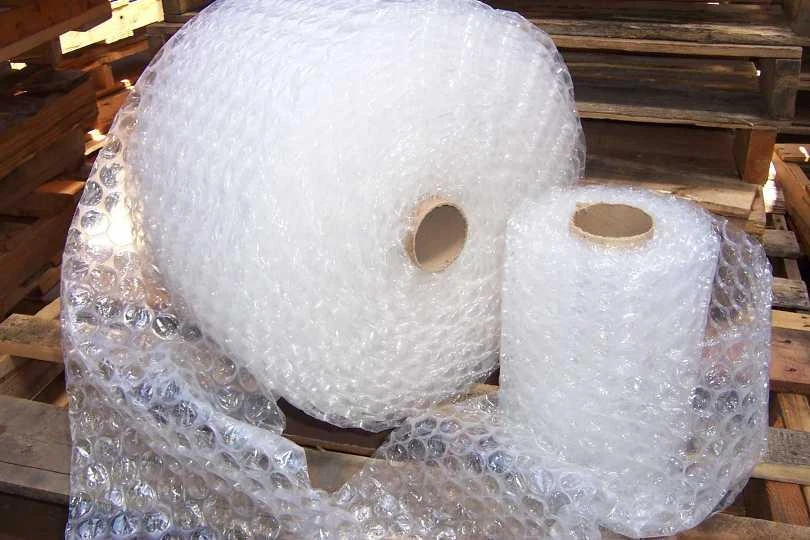
Bubble Wrap
In the late 1950s, engineers Alfred Fielding and Marc Chavannes came up with what seemed like a brilliant idea for the Space Age aesthetic: textured, three-dimensional wallpaper made of sealed plastic sheets! Unfortunately, bubble-filled plastic wall coverings never caught on. Rather than abandoning their work, the inventors simply decided to repurpose it.
In 1964, they patented their “method for making laminated cushioning material.” Bubble Wrap quickly proved to be the ultimate packaging solution for protecting fragile and valuable goods in transit. Thanks to its low cost and unmatched practicality, it soon became an indispensable shipping standard. 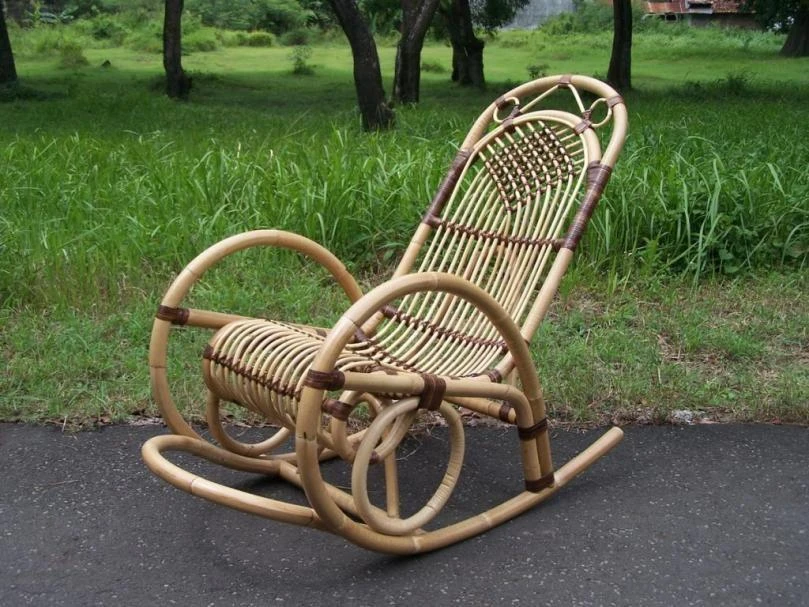
The Rocking Chair
Rocking chairs are not quite as ancient as you might think. They first appeared in the United States in the early 18th century and remain popular to this day, especially among people suffering from back pain and joint issues. It is more than just a relaxing, rhythmic motion: a rocking chair automatically balances its center of gravity, ensuring that anyone who sits in it naturally settles into an ergonomically comfortable position. 
Paper Clips
Bent-wire contraptions flooded patent offices in the late 19th century in every conceivable shape—wings, triangles, pretzels, and loops—all designed with the same goal: holding sheets of paper together.
Nearly every design was patented, except for the classic shape we have relied on for over a century. The standard oblong “Gem” design, whose exact origins remain contested, ultimately outperformed all rivals and relegated them to the archives of history. 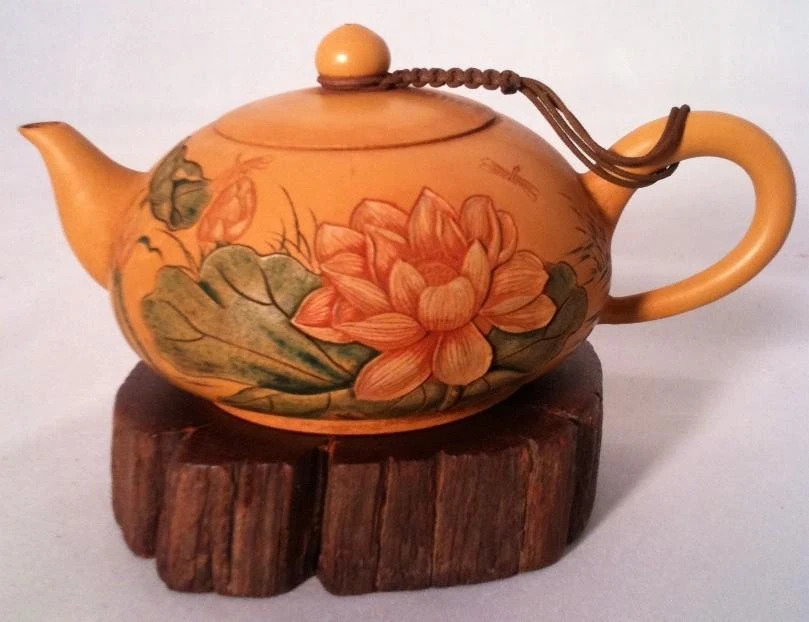
The Teapot
Archaeologists believe teapots first appeared during China’s Yuan dynasty, which began in 1279. The earliest vessels were fashioned from clay and gradually evolved over time. Historians think early teapots were made for single servings, with tea sipped directly from the spout. Today, you can purchase teapots crafted from porcelain, glass, cast iron, or titanium. Yet its simple, elegant design—a handle, a lid, and a spout—has remained virtually unchanged for hundreds of years. 
Flyswatters
A flexible handle tipped with a piece of sturdy mesh: this rudimentary yet effective tool can be found in almost every home and is essential in the warmer months for dealing with stray flies, mosquitoes, and wasps. The “fly killer” was patented in 1900 by Robert Montgomery.
A public health official in Kansas, Montgomery championed his invention to help curb the spread of infectious diseases. Deceptively simple, the flyswatter turned out to be remarkably efficient against quick and elusive insects. 
The Mousetrap
Dealing with a mouse infestation is a homeowner's nightmare. Without a cat inclined to hunt, the spring-loaded mousetrap remains the most reliable solution. Mice were once a devastating urban pest, threatening food supplies, endangering infants, and carrying lethal diseases, including the plague. Fortunately, in 1894, William C. Hooker invented the spring-loaded snap trap. In 1903, John Mast improved the mechanism to make setting the bait safer for users. Mast’s design is still manufactured and used worldwide today.
Barbed Wire
In the 19th-century American prairies, fencing off livestock grazing lands was a formidable challenge due to a severe scarcity of timber. The breakthrough came in the 1870s when innovators developed a fence design built with widely spaced posts strung with strands of barbed wire. Once patented, the design quickly entered mass production—and has remained fundamentally unchanged ever since.