What the Future Holds: What Life Will Look Like in 2050 (9 Photos)
Humanity has always longed to catch a glimpse of the future. Today, fortune tellers and soothsayers have been replaced by professional futurists. Relying on scientific methods and strategic forecasting, these experts can project what our world will look like decades down the road. One of them, British futurist Tom Cheesewright, has painted a detailed picture of the reality that awaits us in 2050.
Next-gen technology, space travel, and sex robots will become an everyday reality. But what will major cities look like in the future, and how will our daily lives change over the next 30 years? Read on to find out. 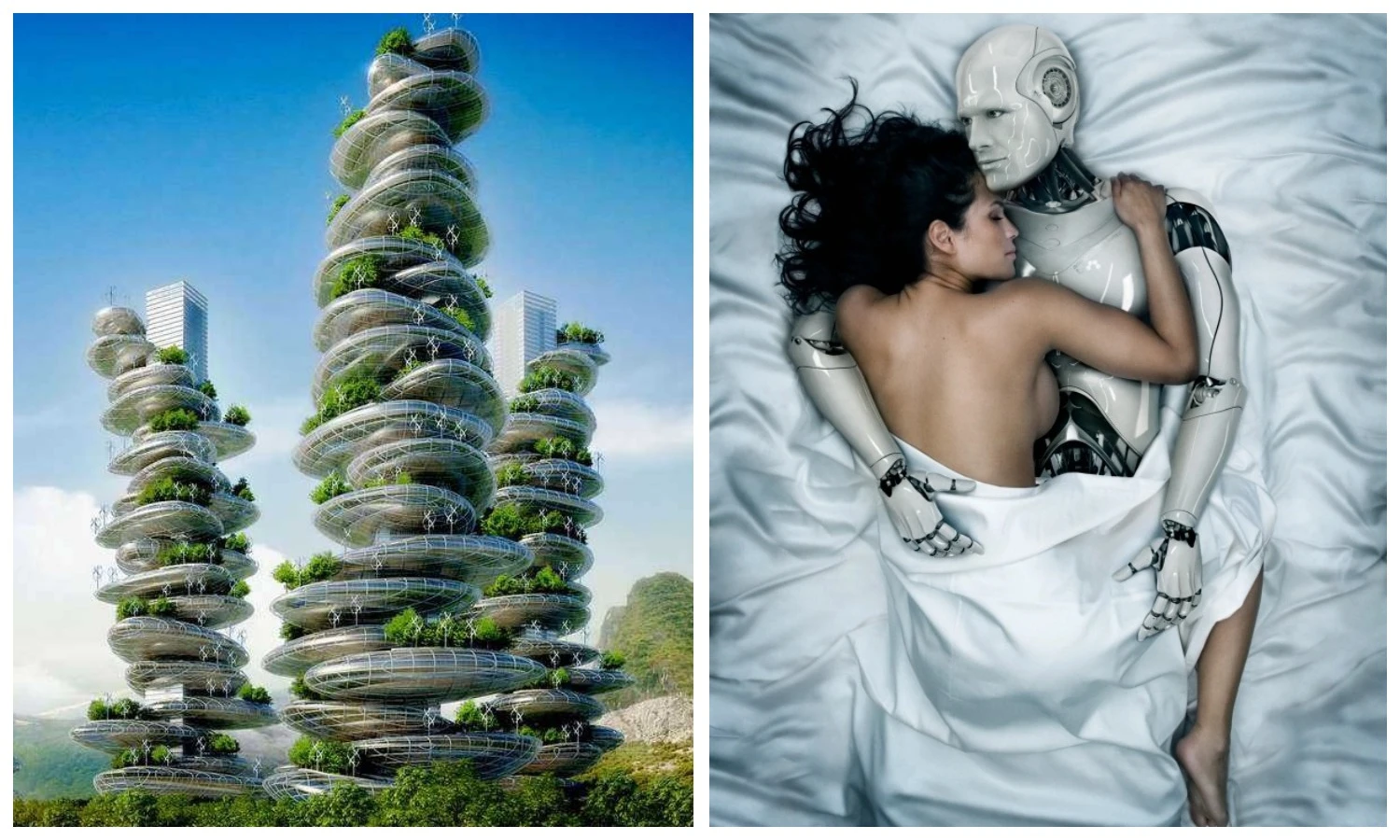
From technology and transportation to healthcare: British futurist Tom Cheesewright reveals what everyday life will look like in 2050. According to him, breakthroughs across every field will reach unprecedented heights, radically reshaping the world around us. Yet despite widespread automation and the pervasive rise of artificial intelligence, human beings will still crave love, friendship, and genuine emotional connections.
Technology 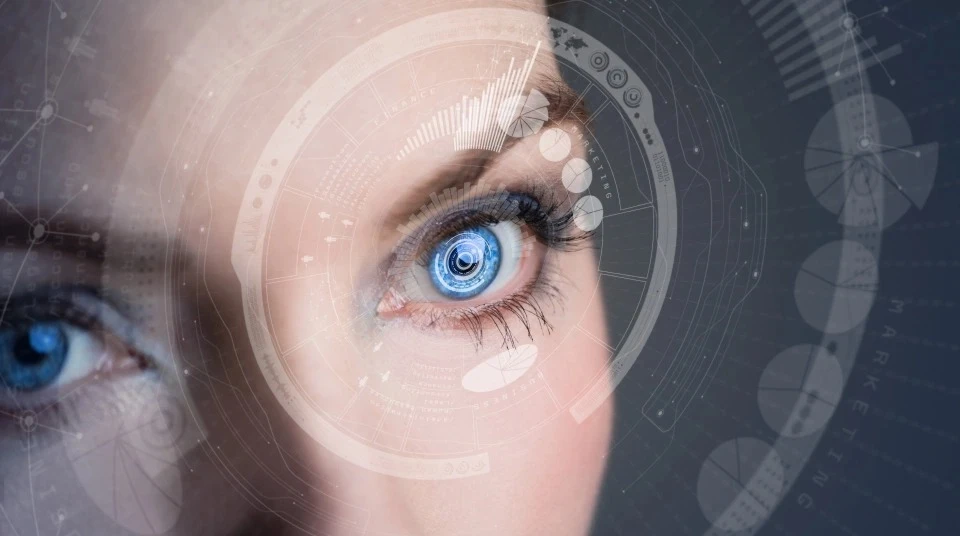 People could spend up to ten hours a day immersed in augmented reality. Cheesewright explains that we will be able to customize our surroundings at will—walking down ordinary city streets while overlaying them with virtual projections of exotic locales, lush forests, or breathtaking scenery. Changing your appearance will be as simple as applying a digital avatar directly onto yourself.
Smartphone screens will become obsolete, replaced by personal AI assistants for everyone. These systems will be able to transmit not just images and sounds, but sensations and feelings as well. Phones and tablets will give way to sensor- and camera-equipped devices that continuously scan everything we see, capable of interpreting thoughts and emotions. For instance, if you open the fridge and notice you’re out of cheese, the device will instantly place an order with the grocery store, and it will be delivered straight to your door.
Work 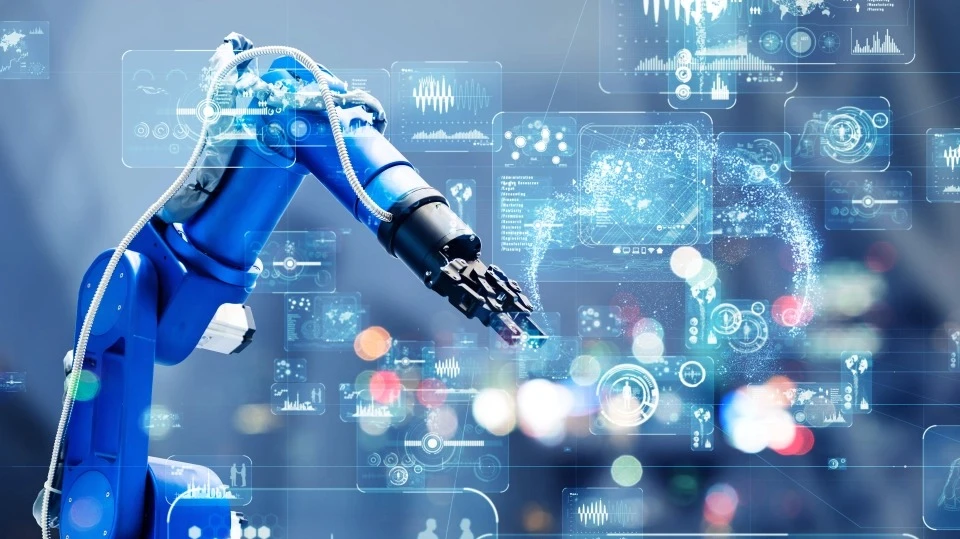
The futurist predicts that up to 35% of current jobs will be automated. Call center workers, for instance, will be largely replaced by AI. Even so, companies will still need a human workforce to tackle complex issues and nuanced situations that artificial intelligence cannot resolve.
The number of self-employed individuals is expected to double, while remote work will only grow in popularity. Specialists who design and build virtual reality environments will be in especially high demand.
Shopping  Today, more than half of all retail purchases can be made online. This ongoing shift could cause millions of retail workers to lose their jobs by 2025. Meanwhile, the proportion of the population living in major urban areas is projected to rise to 84% by 2050, reaching 6.3 billion people.
Deliveries and returns will be handled by robots and autonomous drones. Brick-and-mortar storefronts will dwindle significantly. Cafes and restaurants will still exist, but they will also be fewer in number.
Transportation 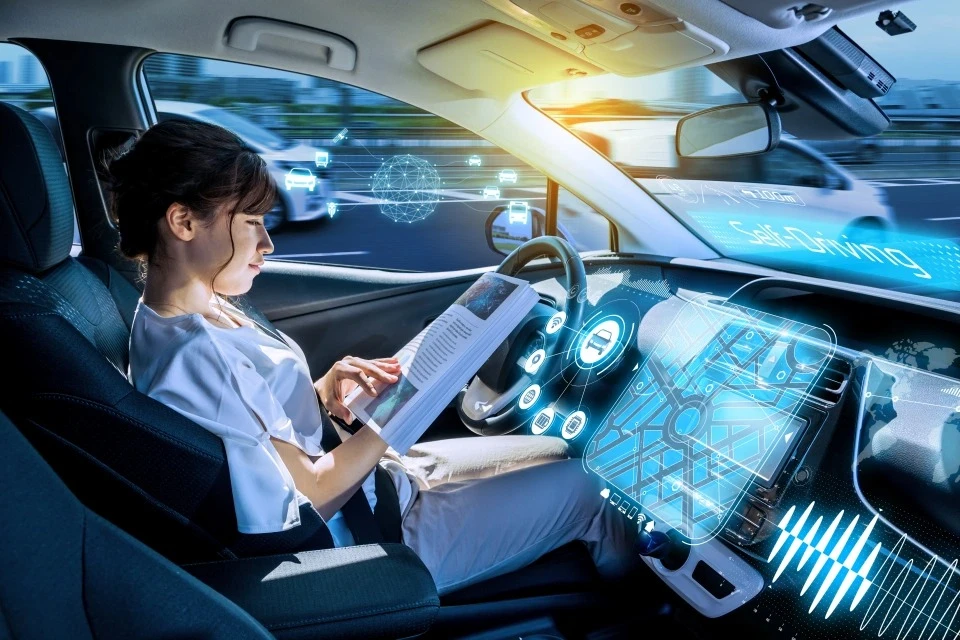 By 2045, fully autonomous vehicles will become the norm, with self-driving cars filling the roads. They will replace delivery drivers and cabbies, transporting both goods and passengers across long distances. Younger generations will likely prefer bicycles and e-scooters. Public transit will remain, though it will undergo a major transformation.
Commercial space travel will also become accessible, with flights estimated to cost between £25,000 and £50,000. We might even see the construction of a space elevator designed to ferry passengers directly into orbit.
Everyday Items 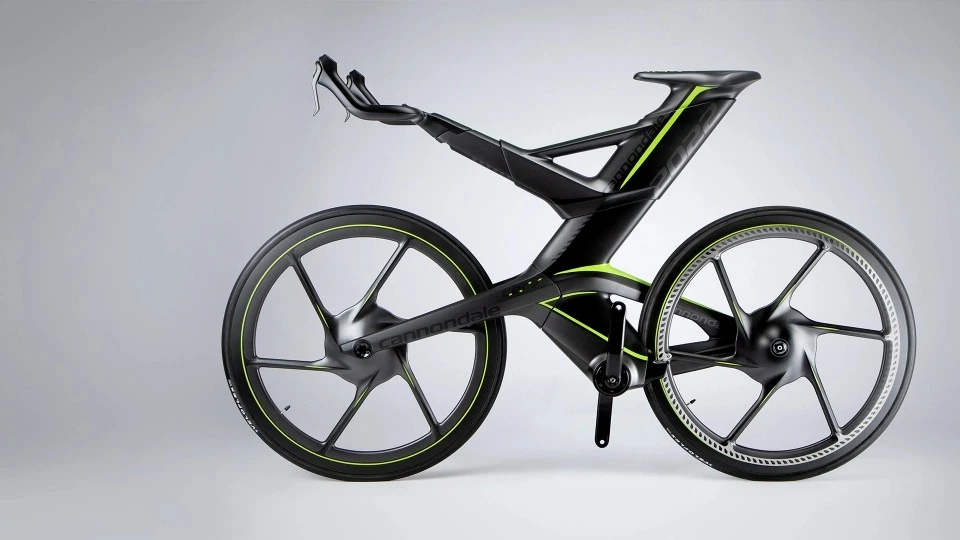 Breakthroughs in materials science will fundamentally change the design of everyday objects. Bicycle frames and components, for example, could become remarkably thin as ultra-strong new materials are introduced. Plastic won't disappear, but it will be engineered for repeated, indefinite reuse.
Food  Forecasts suggest that by 2025, a quarter of the population could adopt a vegetarian diet out of concern for the environment, personal health, and animal welfare. Over time, traditional slaughterhouses and factory farms may vanish, giving way to plant-based meat alternatives. Protein could also be sourced from insects and lab-grown cultured meat. In supermarkets, checkouts will be fully automated through personal devices.
Healthcare 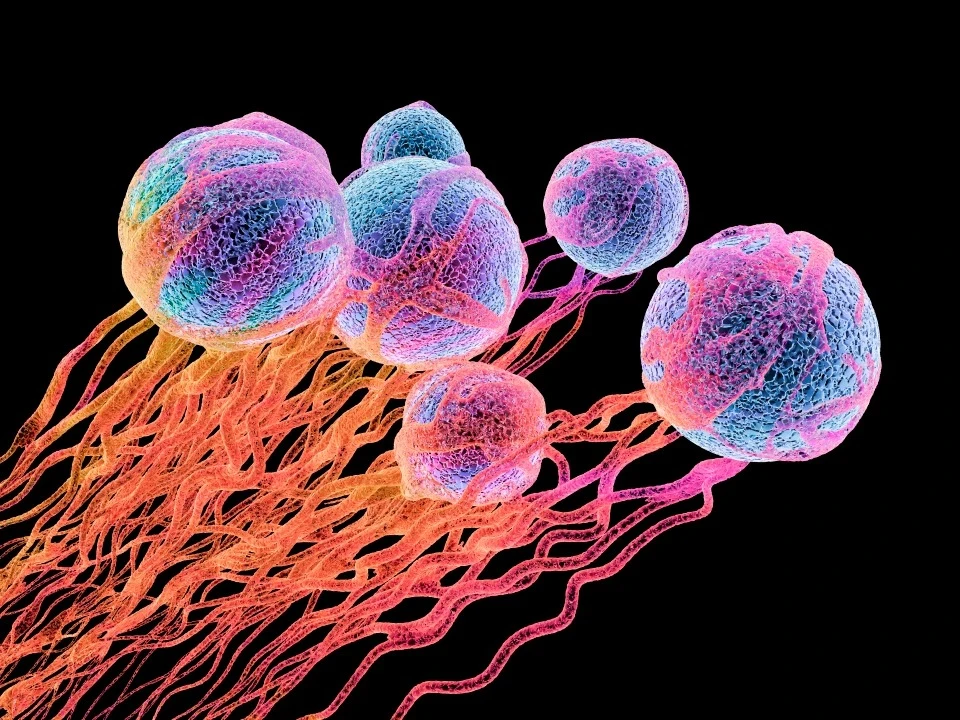 Cheesewright is confident that by 2050, scientists will have developed cures for certain types of cancer. Average life expectancy is projected to reach 94 years for women and 86 for men. On the flip side, the number of people living with dementia could triple.
Medical diagnostics and surgical procedures performed by miniature robots will become far more precise and effective. Major leaps forward are also anticipated in immunotherapy and nanomedicine.
Family & Relationships 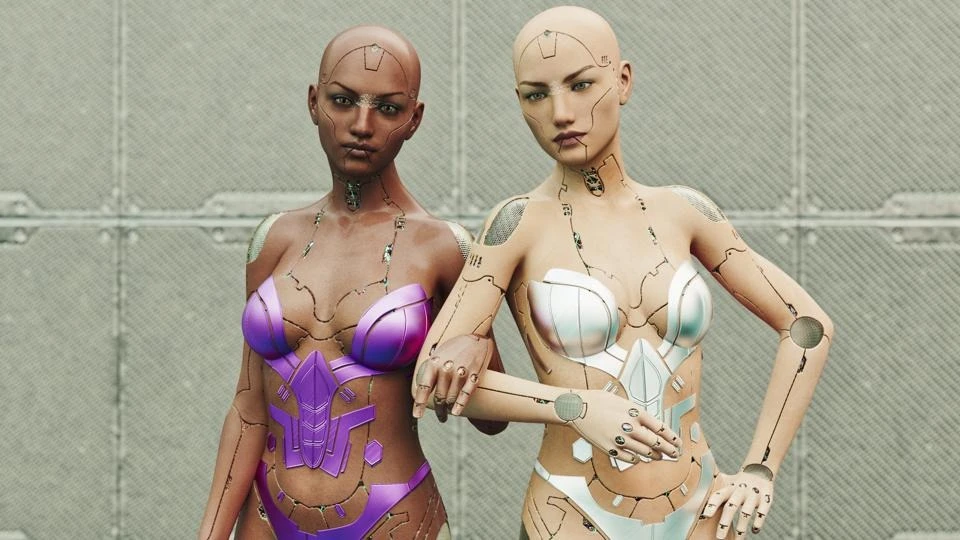 By 2050, the global population is projected to reach 9.7 billion. Around two billion people will be over 60, with 400 million living past the age of 80. Women are likely to delay having children, pushing the average age of first-time mothers to between 30 and 35.
Dating platforms will continue to connect people searching for romance. And while many will prefer virtual interactions, traditional dating isn't going anywhere. Regardless of technological strides, humans will still long for real relationships and physical intimacy. Sex robots may gain popularity to fulfill fantasies, but these devices will never replace genuine emotional warmth.
Our world is evolving at a breakneck pace. Over the past 20 years alone, life as we know it has transformed beyond recognition—and here are 15 facts that prove it.