What Lights on the Dark Side of the Moon Did the Artemis 2 Crew See? (4 photos)
NASA's Artemis 2 manned mission captured a stunning image of a lunar eclipse that puzzled many. The Moon's dark disk is dotted with numerous bright dots, creating the impression of lights glowing on its surface—if not of entire cities, then at least of permanently inhabited bases. But the truth is far more prosaic. 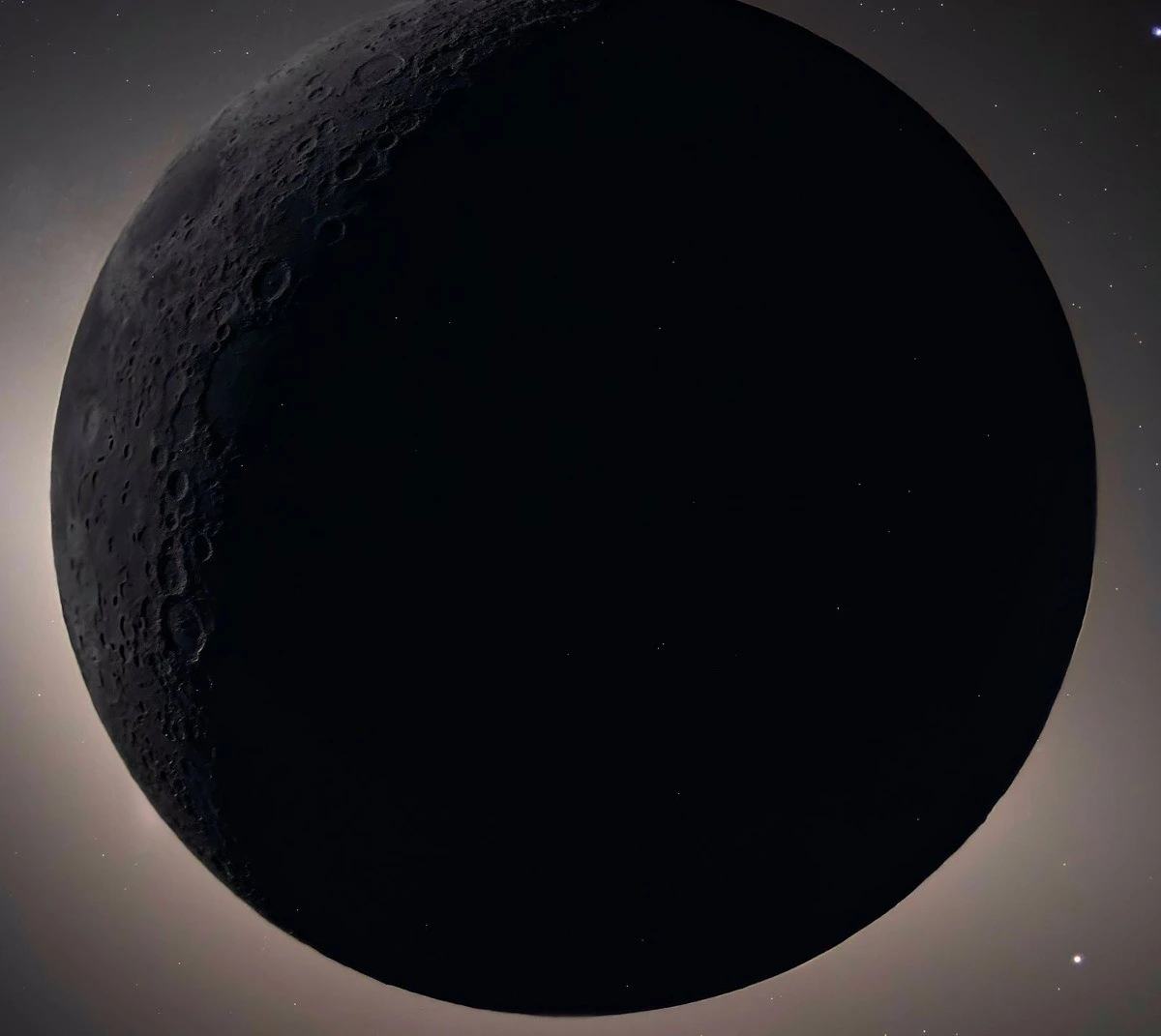
[thumb]https://cn22.nevsedoma.com.ua/p/29/2944/124_files/63bc996d4b0 d135248e5fb3f131d39a2.webp[/thumb] 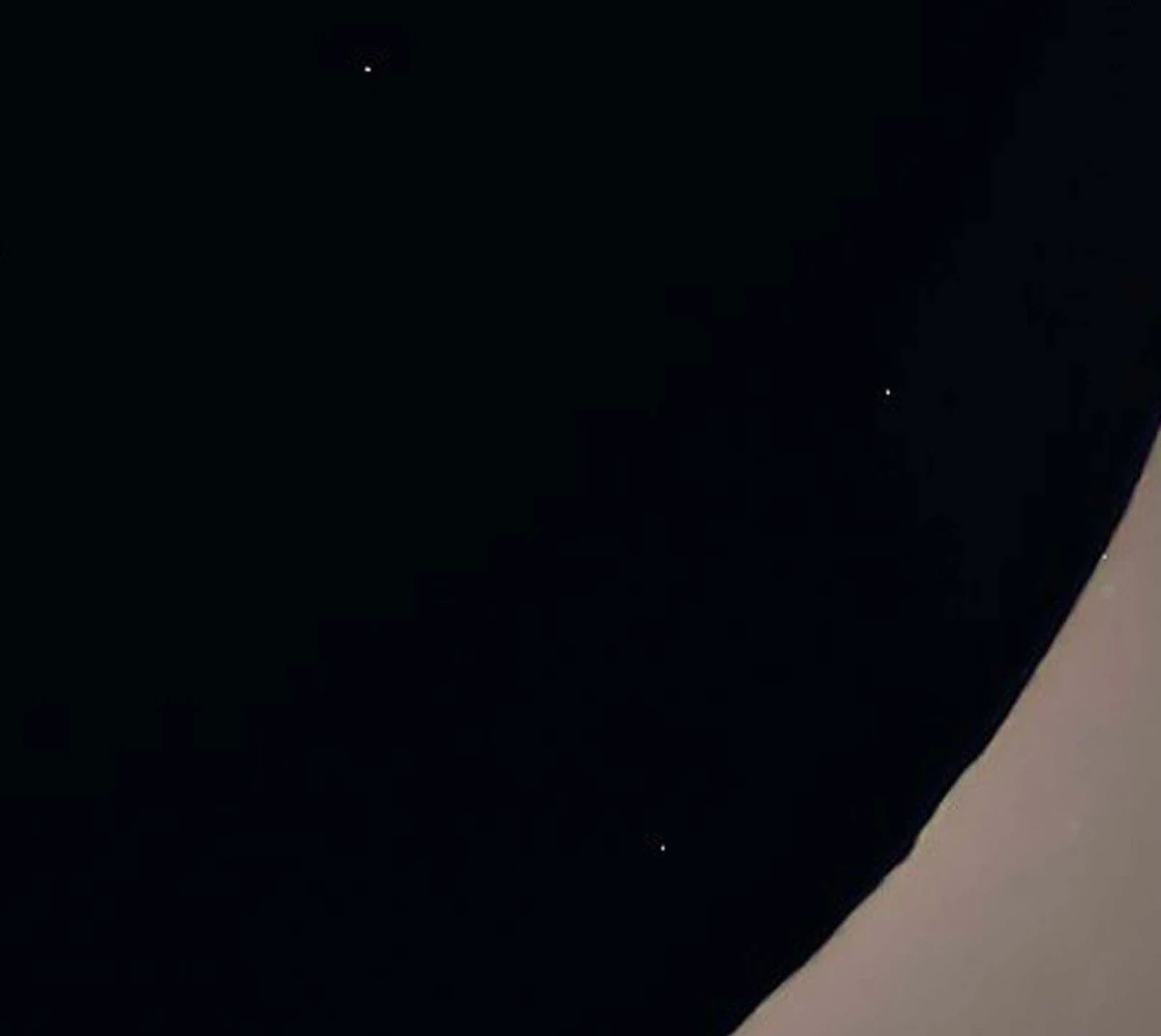
In fact, these glowing dots aren't actual light sources on the Moon. They're so-called hot pixels—artifacts that appear on the digital camera's sensor. To capture a high-quality image of the eclipse in extremely low light conditions, the camera was set to high ISO. A high ISO setting, which determines the sensor's sensitivity to light, allowed for the capture of detail in the dark, but also increased digital noise—random bright dots appearing in the image.
However, in space, photography is affected by another factor that humans on Earth rarely encounter: cosmic rays. These are streams of high-energy particles, primarily protons and atomic nuclei, that continuously permeate space. Some of them come from the Sun, while others are generated by supernova explosions and other powerful processes far beyond the Solar System. After passing through the Orion spacecraft and the camera's sensor, they left energy traces on the sensor. Each trace appears as a bright dot in the image. 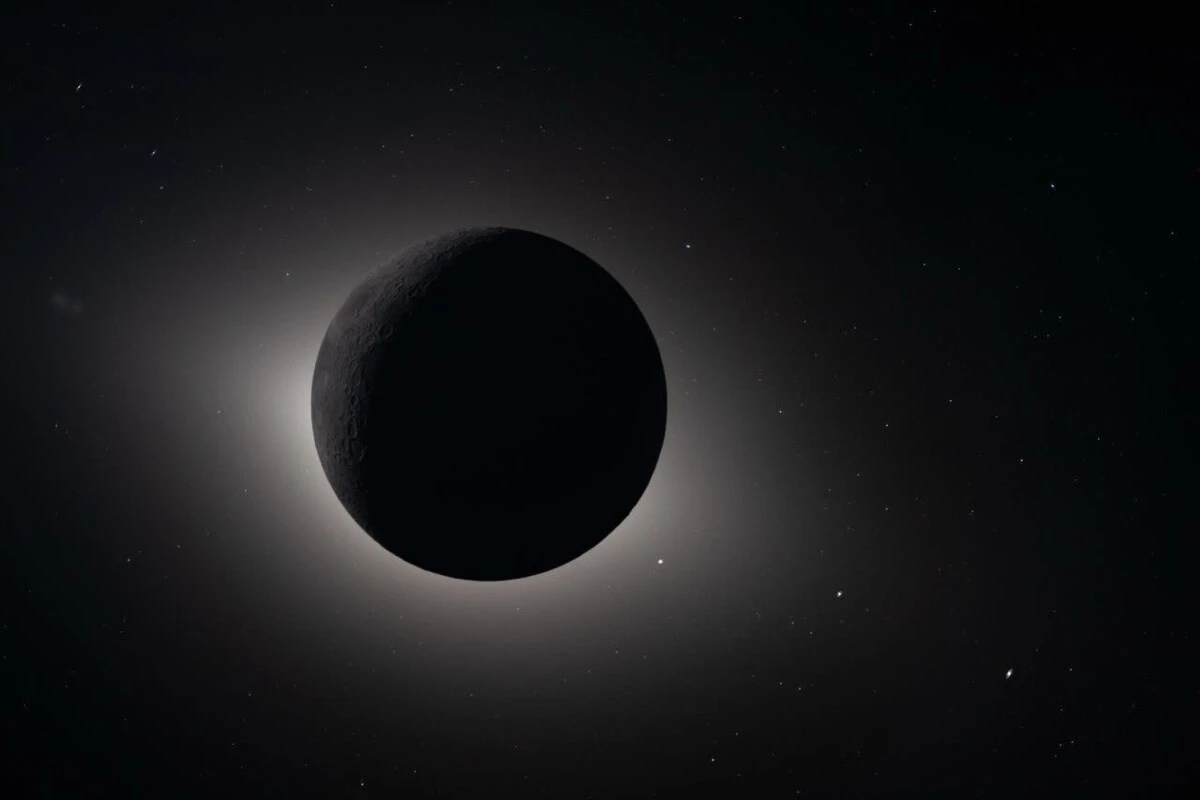
For equipment, this is mainly a source of minor interference and rare failures, but for humans, prolonged exposure poses a serious risk factor: cosmic radiation damages cells and DNA, increases the risk of cancer and cataracts, and can lead to problems with the nervous and cardiovascular systems. Incidentally, the visionaries who talk about colonies on the Moon, Mars, and the middle of nowhere somehow ignore this factor.
We, living on Earth, are protected from most cosmic rays thanks to our thick atmosphere and magnetosphere. Therefore, astrophotographers rarely encounter this problem. But in outer space, high-energy particles have a much stronger effect on equipment. The longer the shutter speed and the higher the camera's ISO, the more noticeable this effect is. This is why the Artemis 2 eclipse image contained so many false light spots.
Thus, this image, despite its aesthetic appeal, serves as an important reminder of how harsh and dangerous the conditions beyond our home planet are.