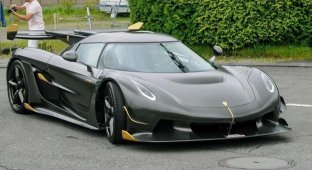
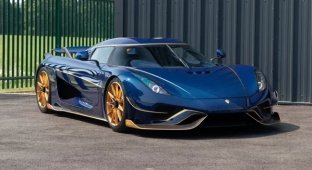
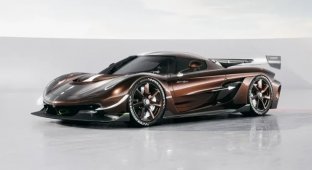
Koenigsegg's most revolutionary idea isn't speed, but affordability (2 photos)
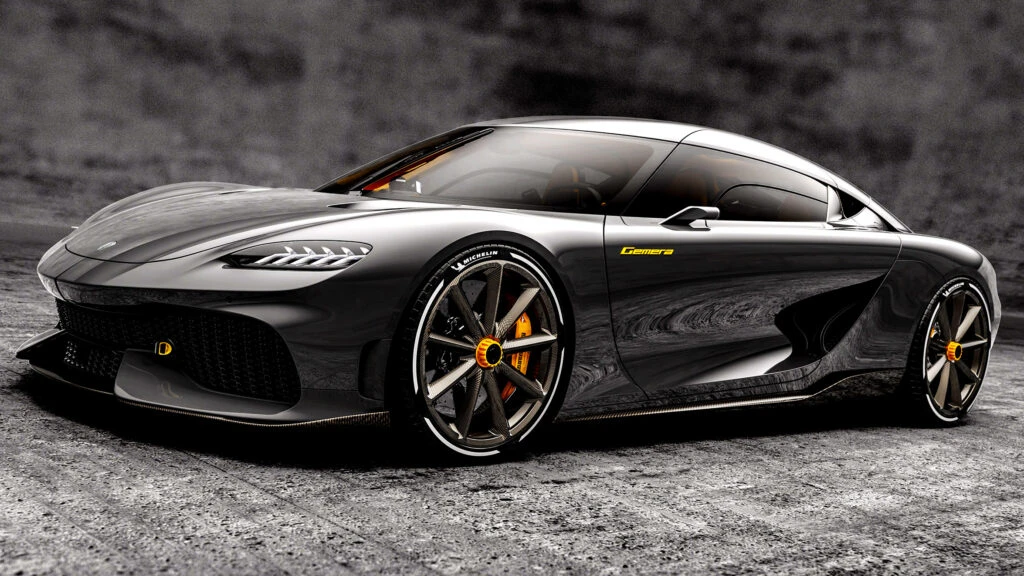
Affordable Koenigsegg: Dream or Reality?
Owning a Koenigsegg is not just a purchase, it’s a long-term commitment that involves millions of dollars and years of waiting. However, there’s a hint that the Swedish manufacturer may one day explore the idea of creating more affordable sports cars, potentially making its brand more accessible to a wider audience.
Thinking beyond hypercars
Christian von Koenigsegg, despite his experience driving two-seater hypercars with over 1,500 hp, also understands the appeal of cheap, lightweight sports cars. He owns a first-generation Mazda MX-5 (NA) and drives it to the company’s factory in Ängelholm every week. In a recent interview with reporters, he admitted that he is thinking about creating more affordable sports cars in the future.
We have been experimenting with the idea of possibly increasing production volumes, creating simpler, more affordable sports cars. But it is such a big leap compared to where we are now. Mass production is a completely different thing from small-scale, hand-made production. We will see. Maybe one day.
If Koenigsegg were to launch a more affordable model, it would likely need to attract serious investors to finance a significant expansion. While the manufacturing facility in Sweden is large enough for a carmaker that produces fewer than 100 cars a year, it would not be suitable for mass production. 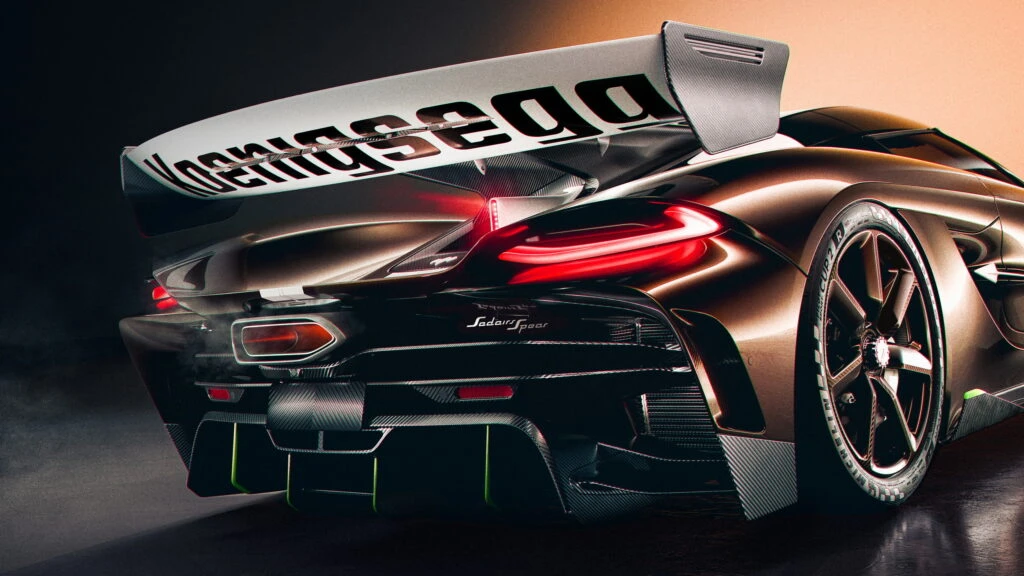
The Swedish brand also prefers to develop and manufacture as many components as possible in-house. If it were to start producing cars in large volumes, it would likely have to rely on external suppliers. Or its research and development capabilities, as well as its parts business, would also have to expand significantly.
What would the price be?
The company founder didn’t specify how affordable the future products might be, but it’s unlikely they’d compete with cars like the Toyota GR 86 or even the Porsche 911. More likely, they’d still be supercars that cost hundreds of thousands of dollars, not millions. After all, “affordable” in Koenigsegg’s sense probably means you might have to sell just one kidney, not both.
The idea of a more mainstream Koenigsegg is certainly exciting, but it also points to a broader trend in the automotive industry, where even exclusive brands are exploring ways to expand their audience. The success of such a project would depend not only on funding, but also on preserving the engineering DNA and sense of exclusivity that make Koenigsegg unique. Moving from hand-assembling dozens of cars a year to mass production is a challenge that cannot be overstated, and it would require a profound transformation of the company's business model.