China may ban electric door handles with touch controls due to new regulations (3 photos)
Key points of the new regulations
Future changes in car design
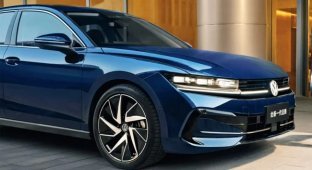
China is preparing to radically change the way automakers design door handles. A new draft regulation from the Ministry of Industry and Information Technology is now open for public comment, laying the groundwork for sweeping changes that could affect not only local models but cars around the world.
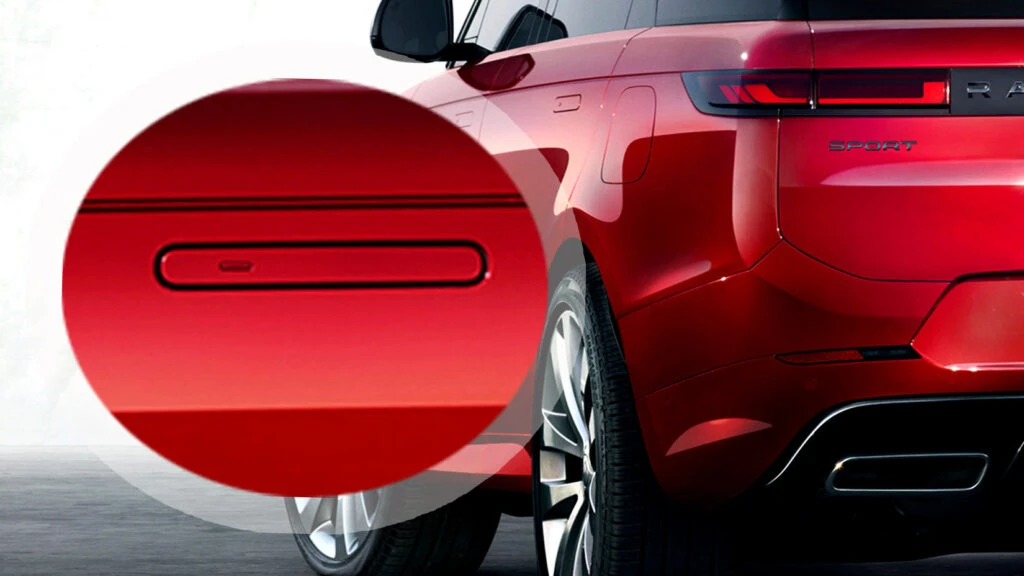
If the bill becomes law, it could lead to the abandonment of the completely hidden electric handles that have become the hallmark of modern electric cars. Automakers in China and beyond will have to rethink their design decisions to meet the new requirements, which will have implications for global markets, as door handles are a universal element for the same models sold in China and other countries.
Technical requirements and deadlines
The draft is titled “Technical requirements for the safety of vehicle door handles,” and the deadline for public comments is November 22, 2025. The feedback received will be used to improve and finalize the new national standard.
The most important requirements include:
Each door (except the boot lid) must have an external handle with a mechanical opening function
In the event of accidents with battery thermal phenomena, the door on the non-impacted side must be opened by the external handles without tools
External door handles must provide sufficient hand space of at least 60×20×25 mm regardless of the position of the handle
Each door must have internal handles with a mechanical opening function
If electric internal handles are fitted, backup mechanical handles must also be provided
Internal handles must be easily identifiable, clearly visible and located within 300 mm of the edges doors 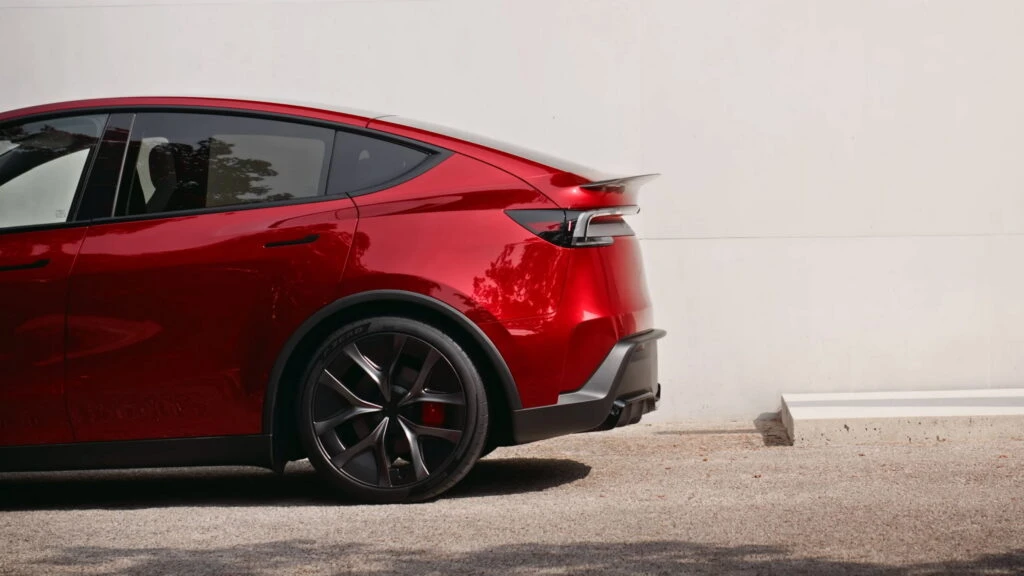
Science behind the new requirements
The proposal is based on extensive research, according to Rong Hui, deputy director of the China Institute of Automotive Industry Standardization. He explained that the team studied more than 230 vehicles and conducted crash tests on 20 models, as well as consulted with experts from more than 100 domestic and international organizations. The ultimate goal is to ensure that door handles function in the event of a power loss and create consistent standards for their placement inside and outside the vehicle.
The goal of the regulations is to ensure that door handles function in the event of a power loss and standardize their placement both inside and outside the vehicle.
Global Debate Over Hidden Handles
The draft rules come amid growing global criticism of hidden or retractable door handles. In the United States, the NHTSA is investigating their safety after several high-profile crashes.
Tesla, an early proponent of hidden door handles in production cars, is now reconsidering its approach after repeated incidents of passenger entrapment, some involving children. In Tesla’s case, the proposed update does not abandon the hidden appearance, but rather redesigns the mechanism. The redesigned handles are intended to be more intuitive in emergencies by combining electronic and mechanical opening systems into a single function.
Similar entrapment incidents have been reported in vehicles from other manufacturers where passengers were unable to exit after an unexpected loss of power. Some incidents have resulted in fatalities when passengers and drivers were unable to escape burning electric vehicles after an accident. Equally important, non-functioning door handles make it difficult for rescuers, who often need specialized equipment to access the interior. 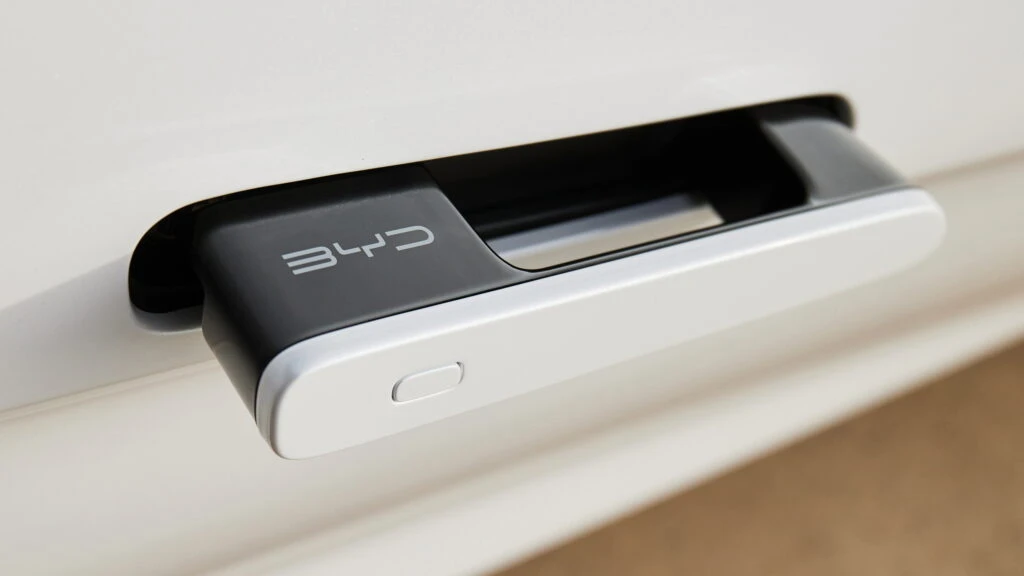
Adding to the debate, Volkswagen CEO Thomas Schaefer recently criticized the concealed door handles, calling them “terrible to operate.” He confirmed that the brand’s future models will feature a traditional design, a change largely driven by customer feedback.
The move by Chinese regulators reflects a broader trend in the auto industry, where safety is increasingly taking precedence over aesthetics. The move to more functional door handles could signal a return to the classic principles of automotive design, where reliability and accessibility in emergencies are paramount. The changes also underscore the growing influence of the Chinese market on global automotive standards, especially in the context of electric vehicles, where China continues to lead the way.