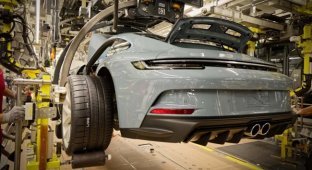
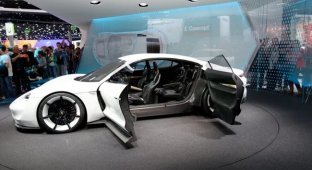
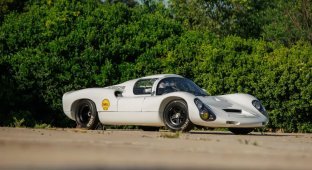
Porsche's electric vehicle plans have collapsed: the flagship SUV will be released with an internal combustion engine (3 photos)
Porsche strategy changes
Porsche is changing its electrification plans due to falling market demand and financial pressures. The company is returning to hybrid and internal combustion engines, delaying the launch of new electric models. The main changes include:
Management statement
Today we have defined the final steps in the reorientation of our product strategy. We are currently experiencing massive changes in the automotive environment. That is why we are reorienting Porsche in all directions. In doing so, we want to respond to new market realities and changed customer requirements.
According to Oliver Blume, CEO of Porsche and Volkswagen Group, the company is adapting to the new conditions.
Ultra-luxury SUV review
One of the biggest changes is the upcoming ultra-luxury SUV, known internally as the K1. Originally planned to be purely electric, it will now debut with internal combustion engines and hybrid powertrains.
Models like the Panamera and Cayenne will continue to be produced with internal combustion engines and hybrids well into the 2030s, confirming their long-term future.
Delays in electrification
Porsche’s other planned electric models will also be delayed due to slower growth in demand for electric vehicles. The development of a dedicated EV platform that was to form the basis for these models in the 2030s will no longer proceed as planned. Instead, it will be reworked together with other Volkswagen Group brands.
This is the company's response to the much slower growth in demand for exclusive electric vehicles. 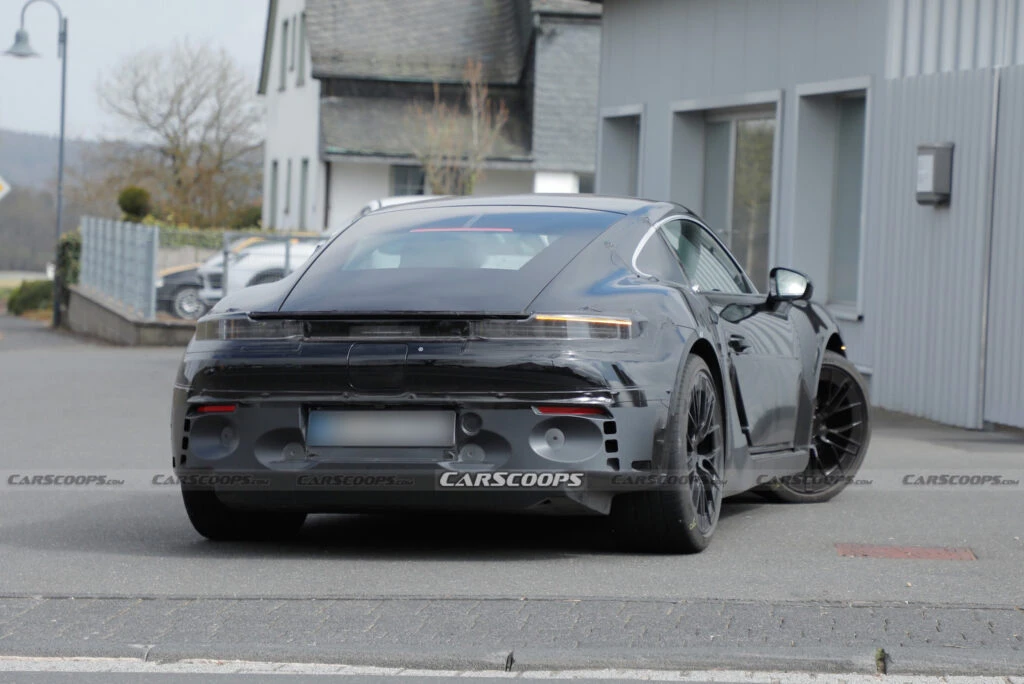
Current projects and the future
Not all projects are affected by these changes. Electric models, such as the upcoming Cayenne EV in standard and coupe versions, as well as a sports car in the 718 segment, remain on schedule. In addition, Porsche is developing a new combustion engine SUV to replace the Macan, which will be sold alongside the electric version.
Financial implications
Porsche is also facing global challenges, such as rising tariffs in the US, a cooling luxury market in China and the slow adoption of electric vehicles. Delaying the EV platform will lead to losses of up to 1.8 billion euros in 2025. While revenue in 2025 is expected to be 37-38 billion euros, profitability will fall significantly to 2% compared to the previous forecast of 5-7%. 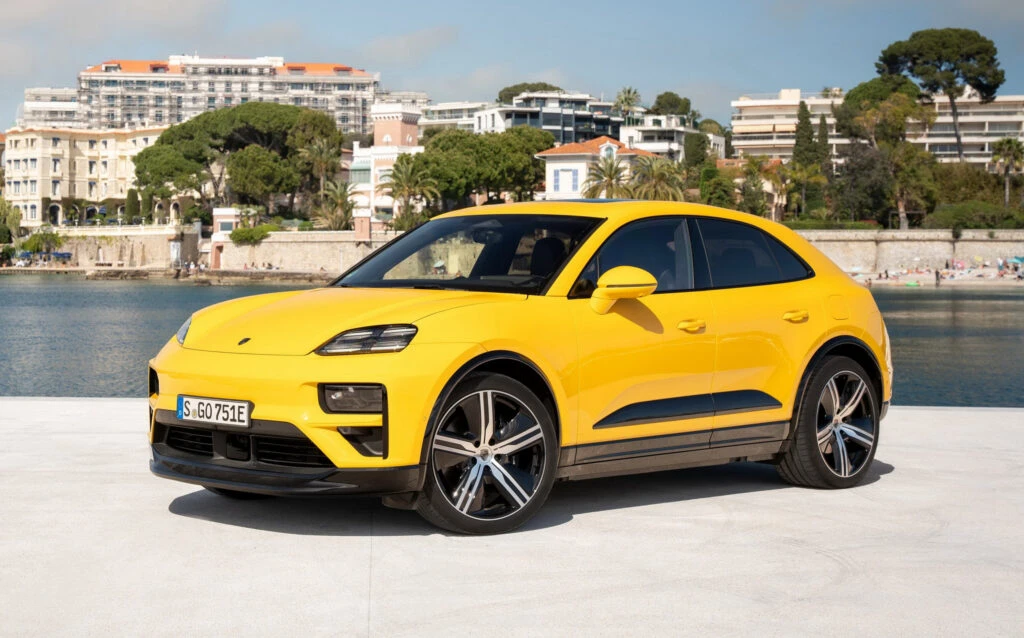
These strategic shifts highlight how quickly the automotive industry can change under the influence of external factors. Porsche’s solutions reflect not only current market trends, but also the need to balance innovation and practicality to remain competitive in a world where customer preferences can change unpredictably. It also reminds us of the importance of flexibility in long-term planning for automakers seeking to maintain their market position.