The Forgotten Pyramids of Nubia: The Legacy of the Black Pharaohs, Surpassing Egypt (18 photos + 2 videos)
Everyone knows the pyramids of Egypt, but few have heard of the Nubian pyramids, which are twice as large. They are located in Sudan, and their history is no less fascinating. 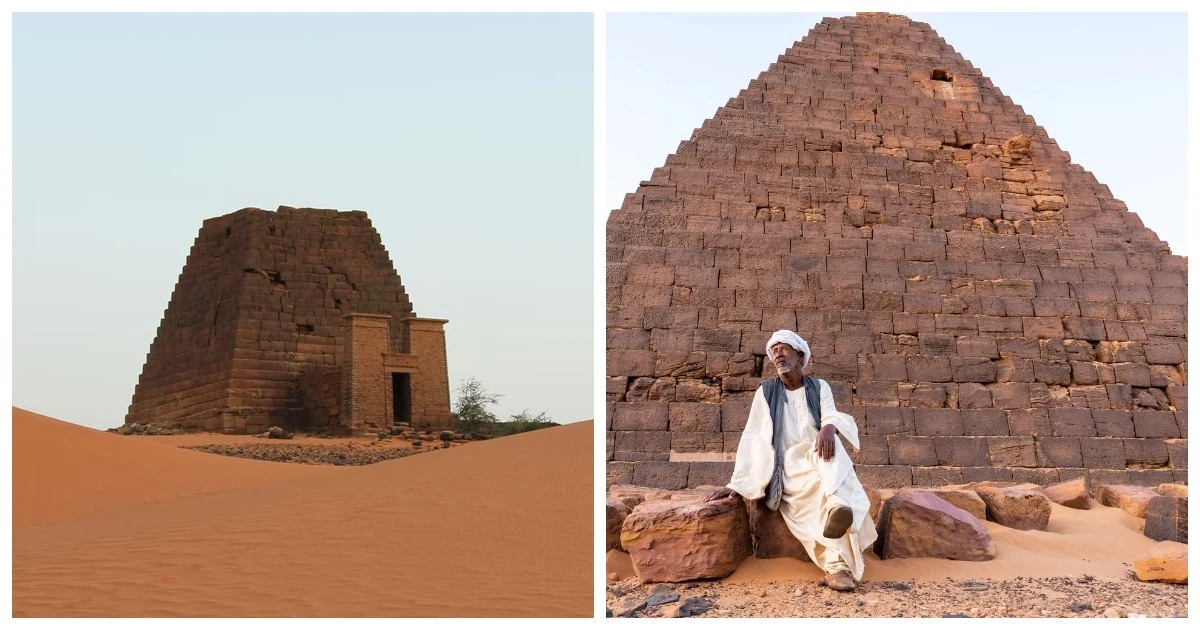
In the Nubia Valley, just 200 kilometers from Khartoum, lie the ruins of three ancient kingdoms of the Kushite civilization. This region contains a record number of pyramids, more than anywhere else on the planet. Although they are inferior to the Egyptian colossi in size and tourist fame, their historical significance is enormous. 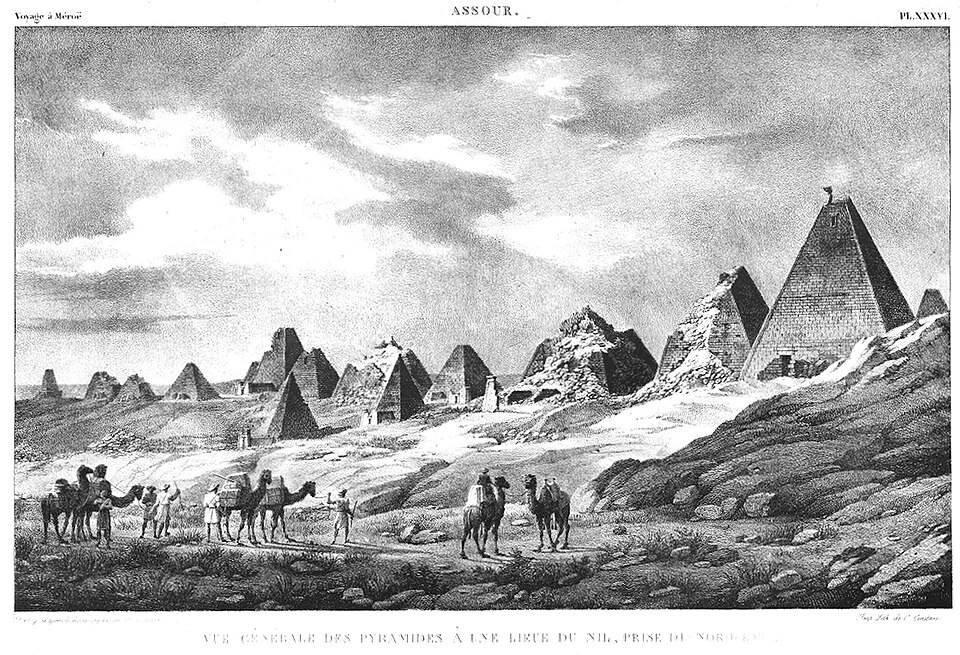
Pyramids of Meroe (Begaravia) in 1821
These structures began to be built approximately 25 centuries ago. Interestingly, by that time, Egypt had already abandoned the construction of gigantic tombs for its rulers, as they were ruining the economy. However, the kings of Kush were so impressed by the monuments that they decided to recreate them in their homeland. 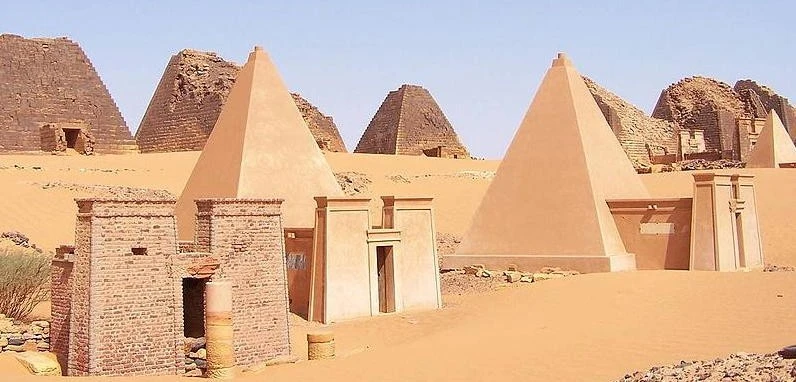
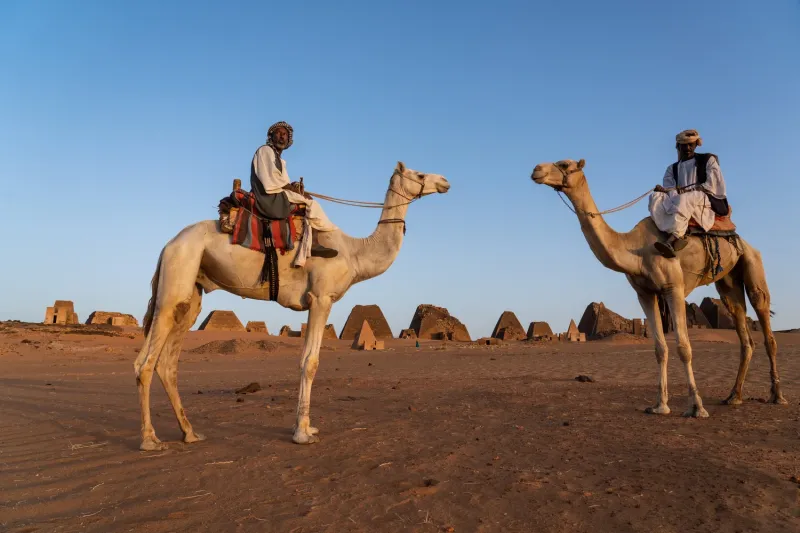
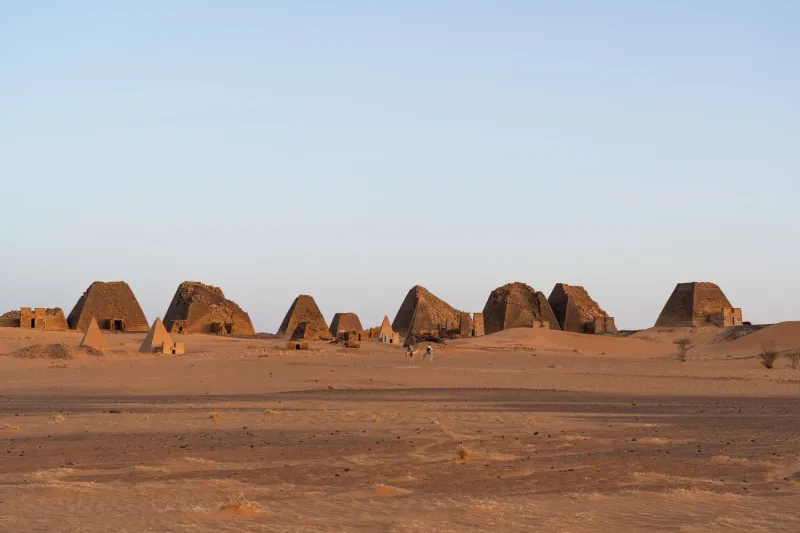
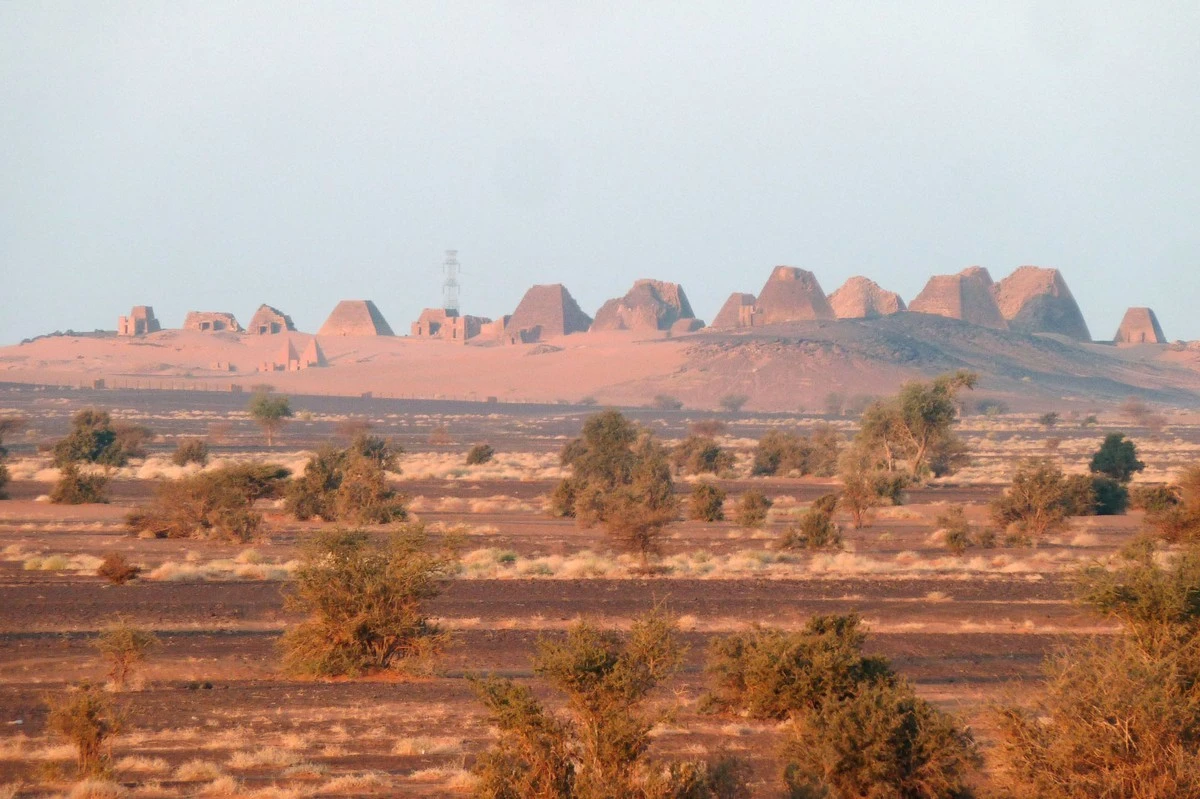
General view of the Nubian pyramids, Meroë. Three of these pyramids have been reconstructed.
The Kushite kingdom lasted for nearly a millennium (from the 8th century BC to the 3rd century AD). At its height, it controlled vast territories from the Nile Delta to the outskirts of modern-day Khartoum. During the final period of the empire, the city of Meroë became the capital, where large-scale construction began. 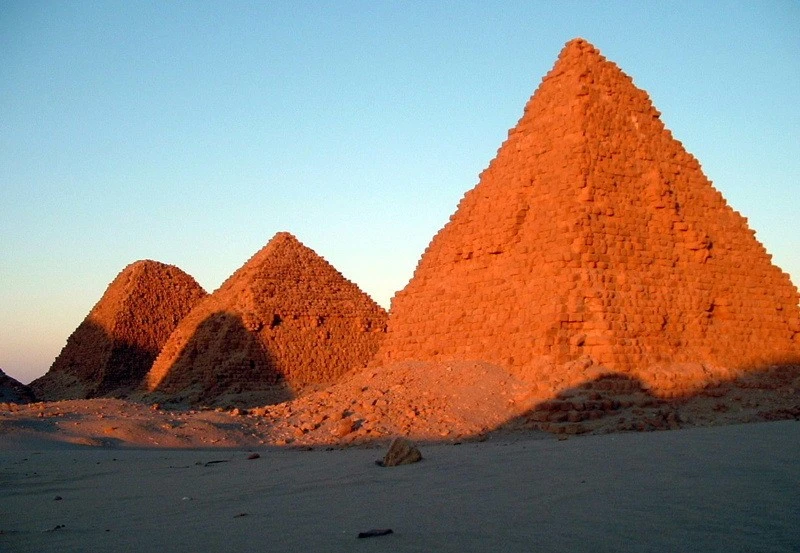
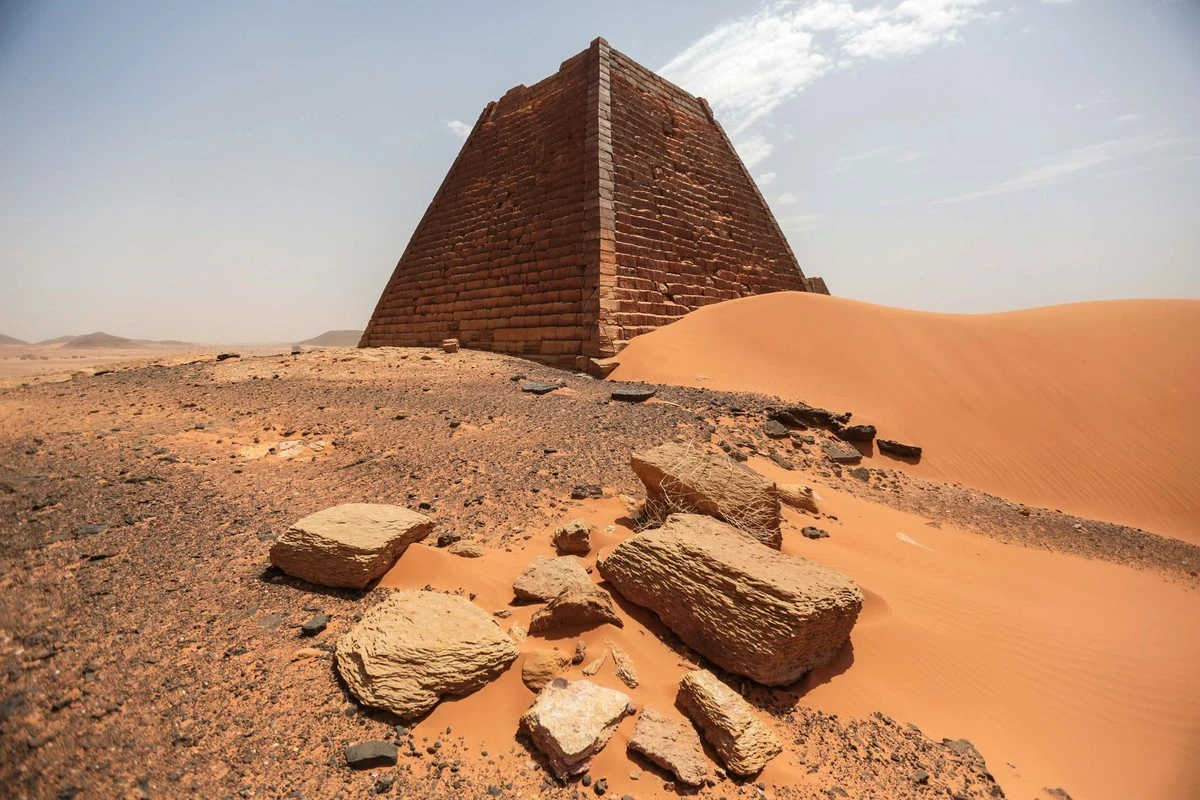
There are approximately 80 pyramids within the royal necropolis of Meroë. Their heights range from 6 to 30 meters. The architecture is distinguished by unusual proportions: the base rarely exceeds 7 meters, resulting in very steep walls. 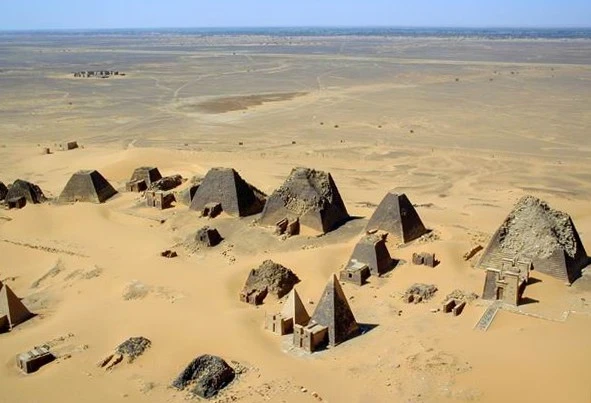
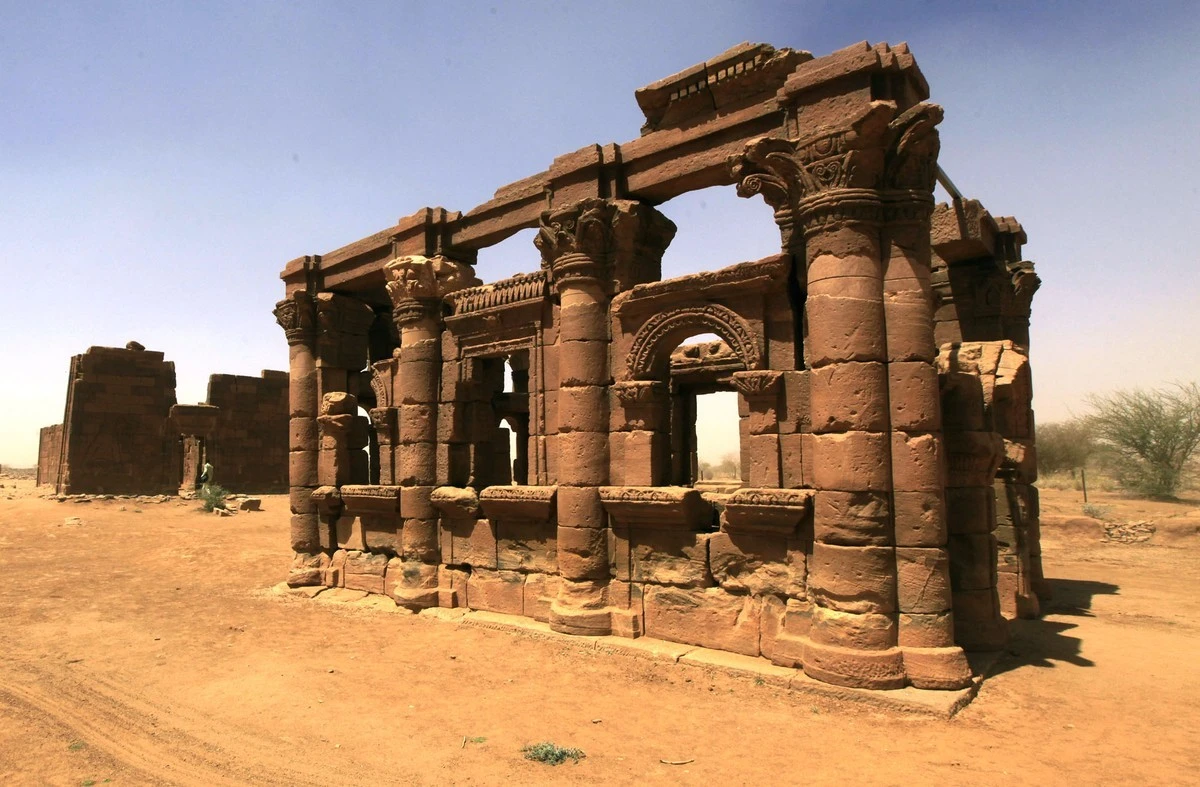
Interestingly, one of the most impressive tombs belongs to the female ruler Shanakdakheto, who lived in the 2nd century BC. The walls bear traces of cultural exchange: patterns and motifs originating from Ancient Egypt, Greece, and Rome. 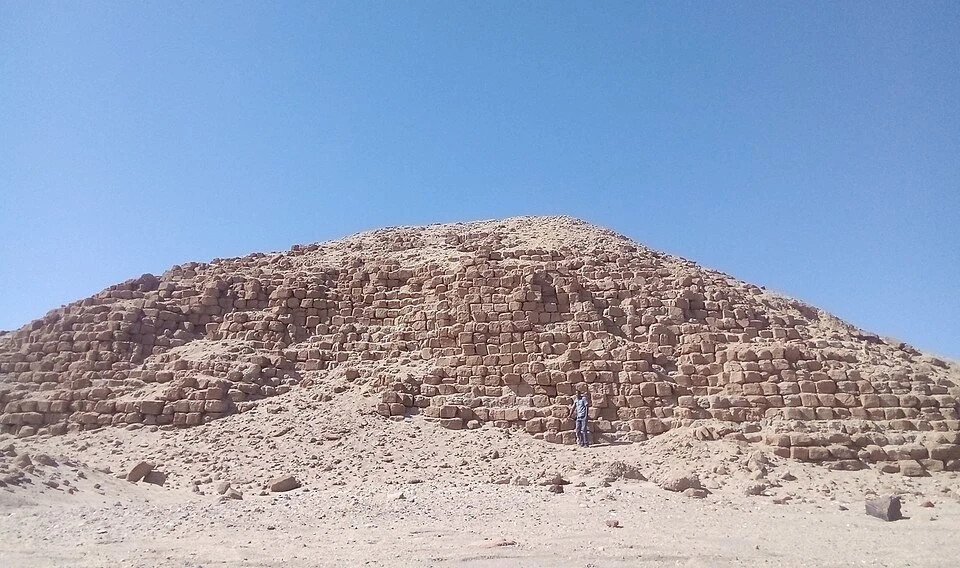
In total, the Kush dynasty built more than 250 pyramids, at least twice the number across the border. They are located compactly in the desert region of what is now Sudan. 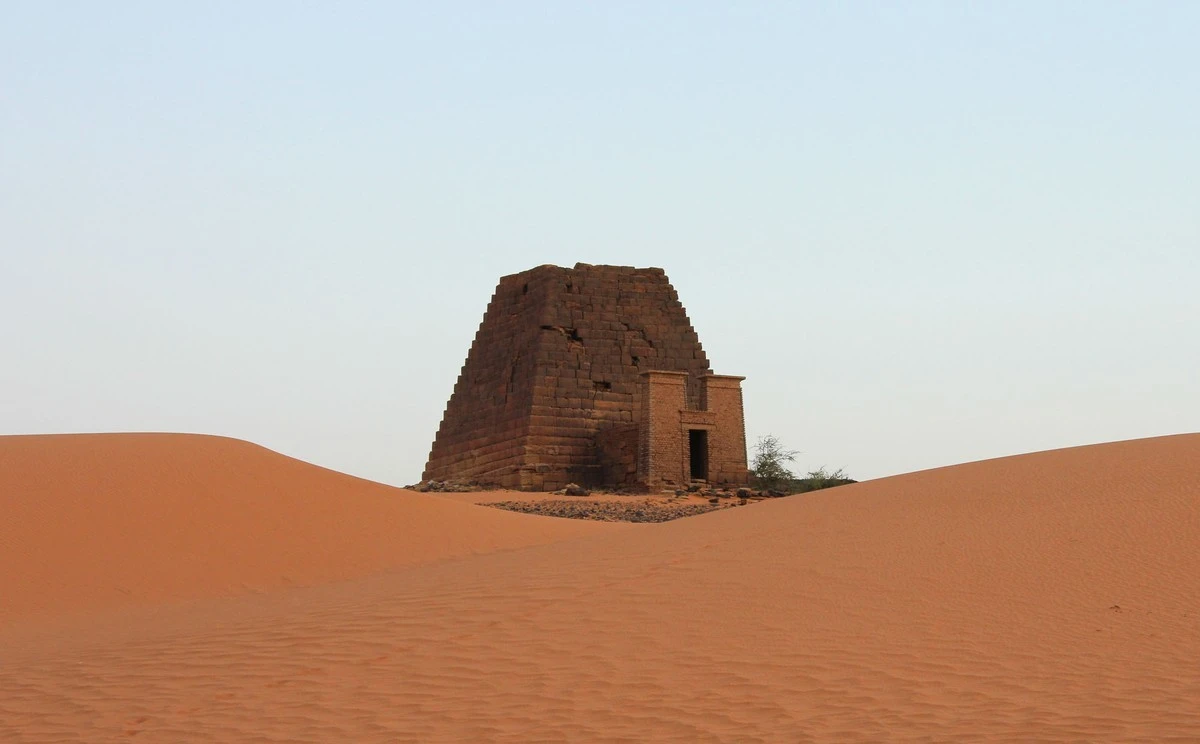
Funeral traditions were reminiscent of Egyptian ones. The kings were mummified and placed in sarcophagi, adorned with jewelry. Almost all the burials were looted in ancient times. When archaeologists reached these sites in the 19th and 20th centuries, they found grave goods inside: bows and arrows, horse harnesses, wooden utensils, ceramics, glass, and metal objects. These finds confirm Meroë's active trade with the Hellenistic world. 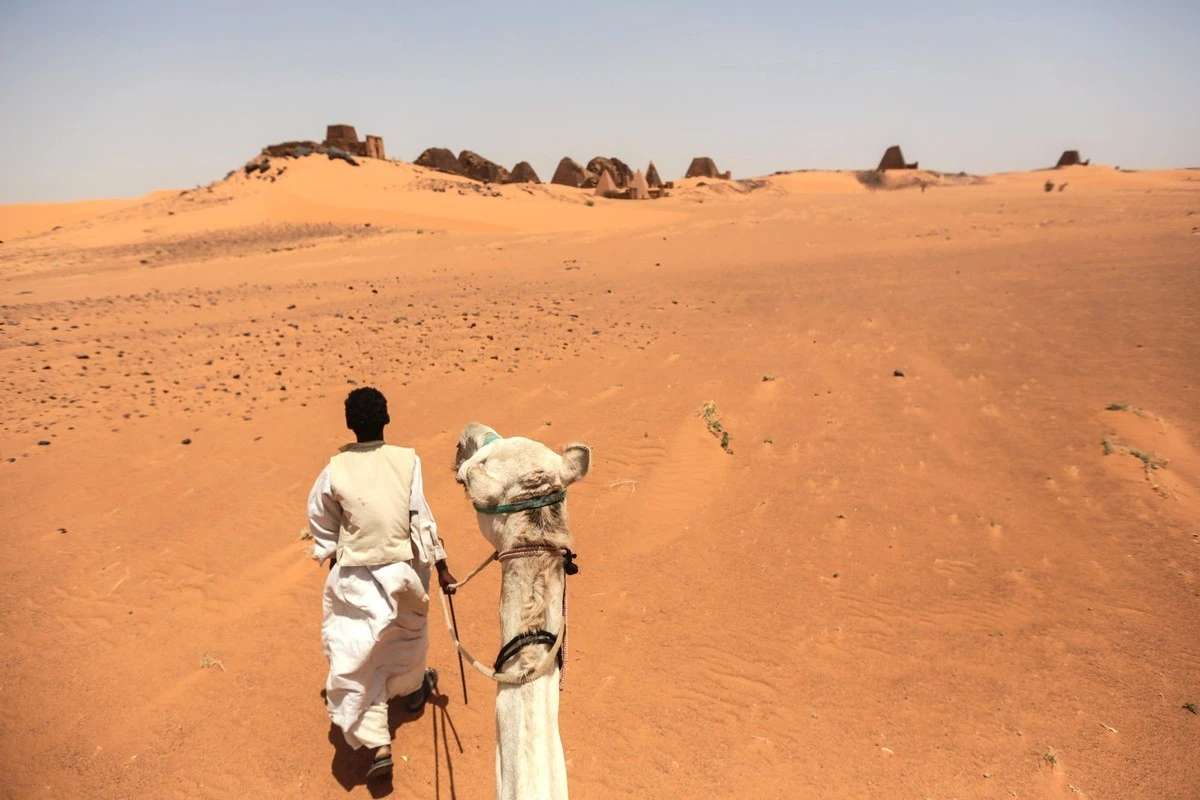
Today, Meroë is Sudan's main archaeological site, but access is difficult. Due to the civil war, the flow of tourists is measured in a few, not thousands. 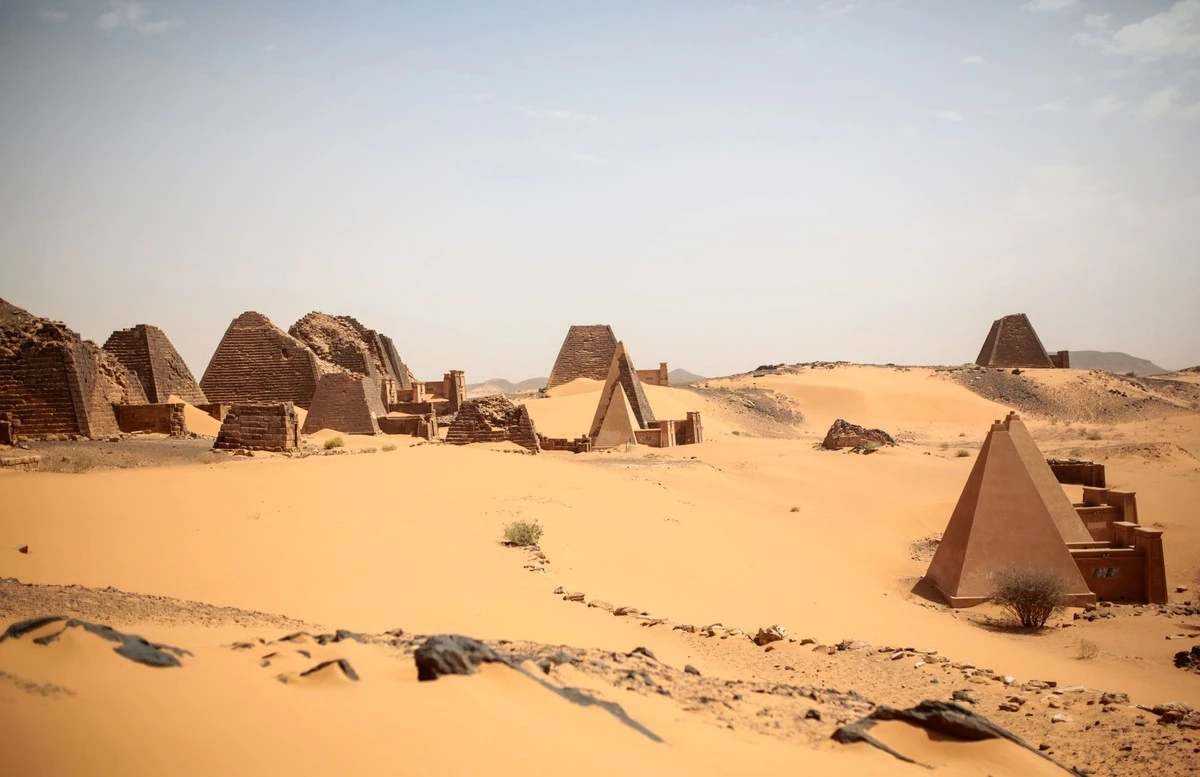
[thumb]https://cn22.nevsedoma.com.ua/p/29/2935/215_files/8b1146fbd 1574afc39cf9dbba32ef77a.webp[/thumb] 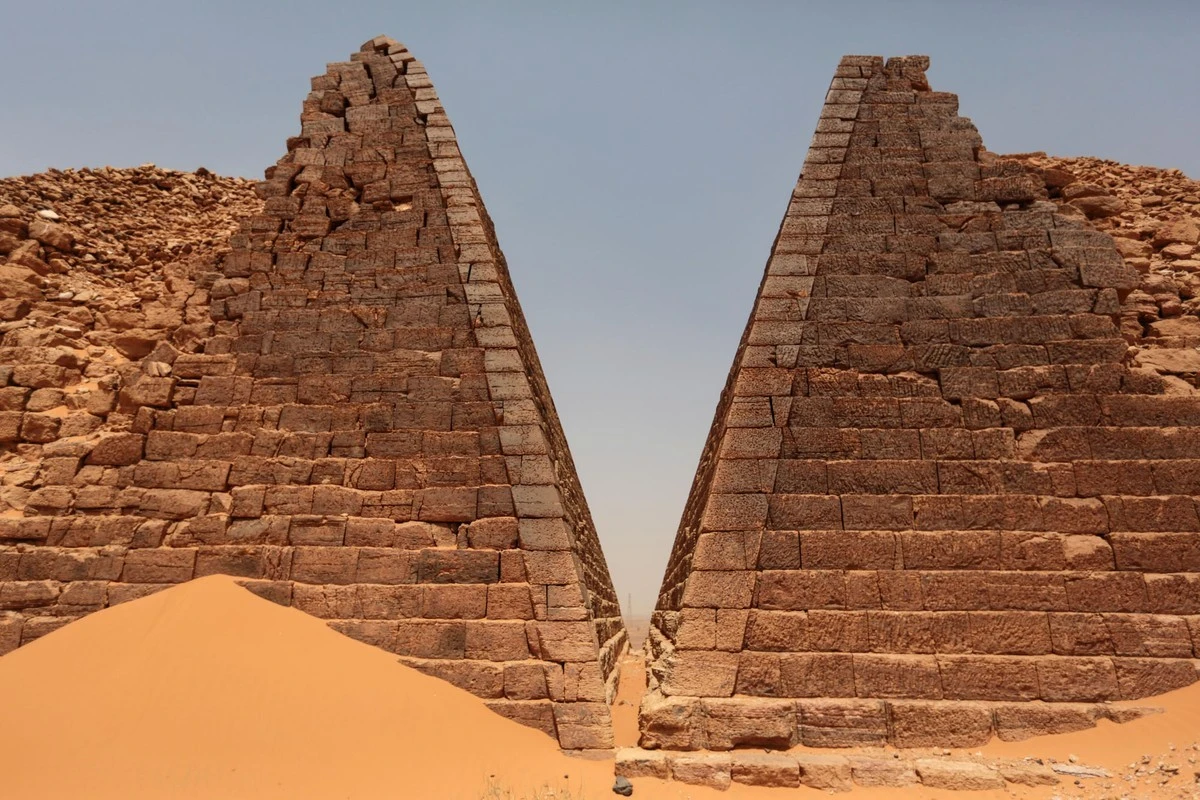
[thumb]https://cn22.nevsedoma.com.ua/p/29/2935/215_files/f191bc3e 32cc1104b7b3475580791cf5.webp[/thumb]