Take a journey back to last-century Europe! This collection features rare black-and-white photographs, given new life through modern colorization. Each photograph becomes a veritable time machine, allowing you to see firsthand how people lived and enjoyed themselves across the continent. 
Amsterdam, 1957. 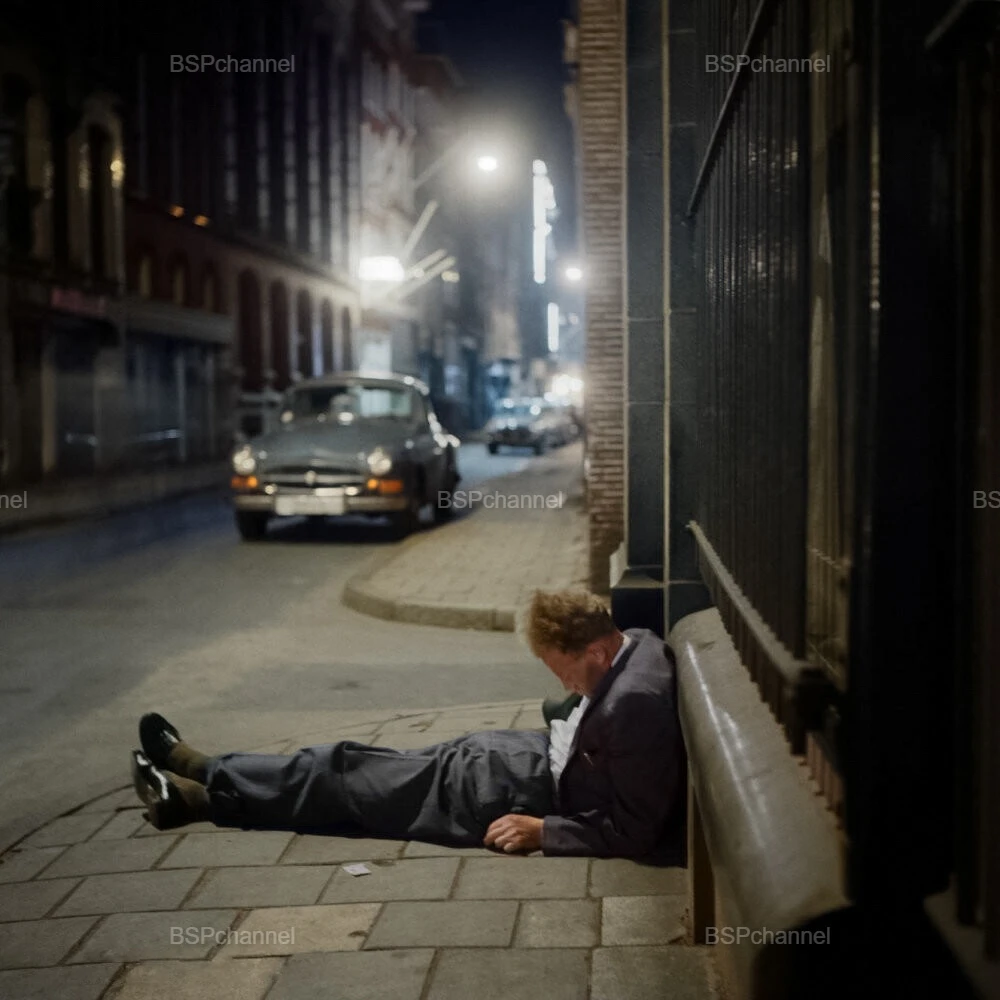
Photographer: Dolph Kruger
Agrigento, Sicily, 1955. 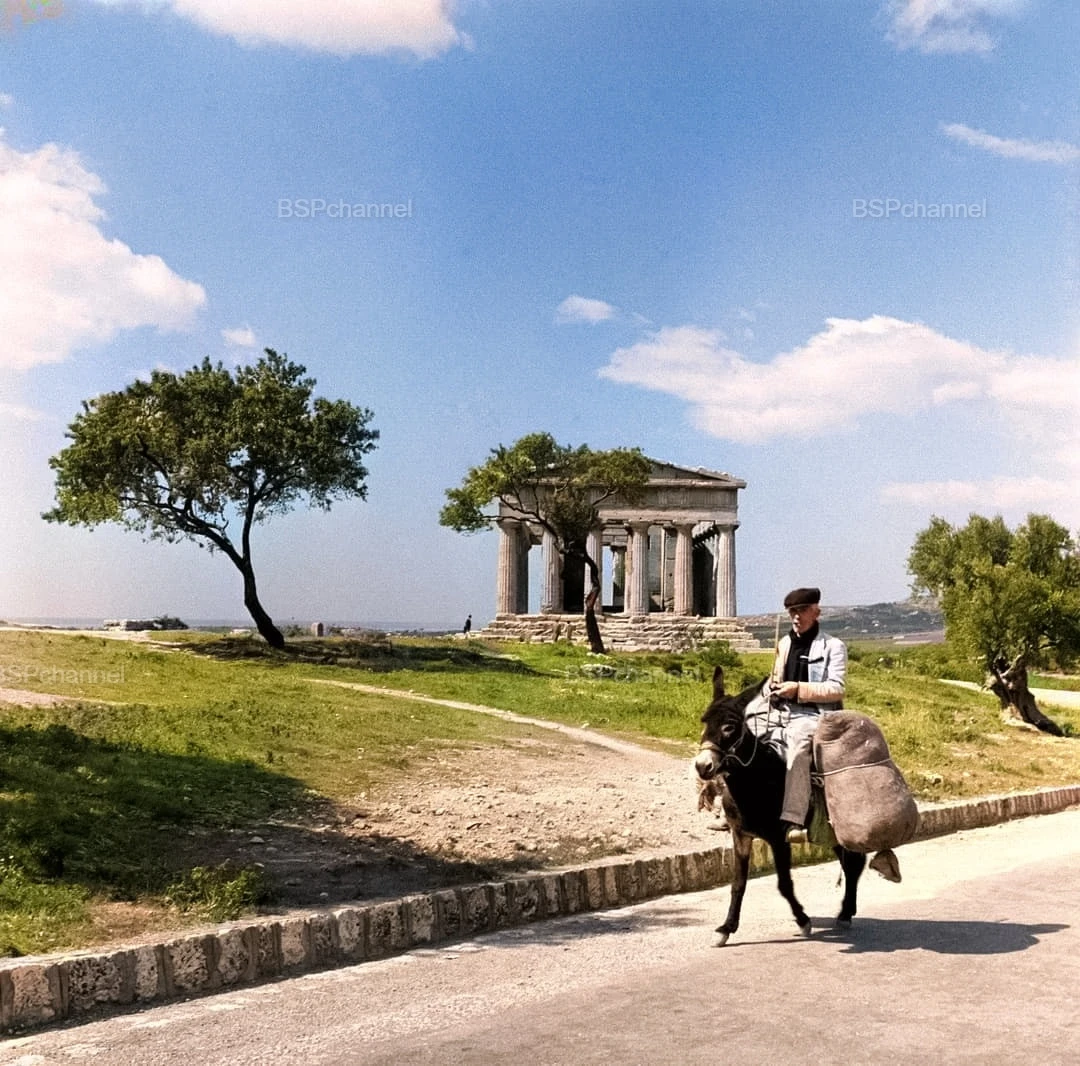
Photographer: Mario De Biasi
The Valley of the Temples in Agrigento. The Temple of Concord is considered one of the best-preserved examples of ancient Greek Doric architecture in the world.
Paris, 1956. 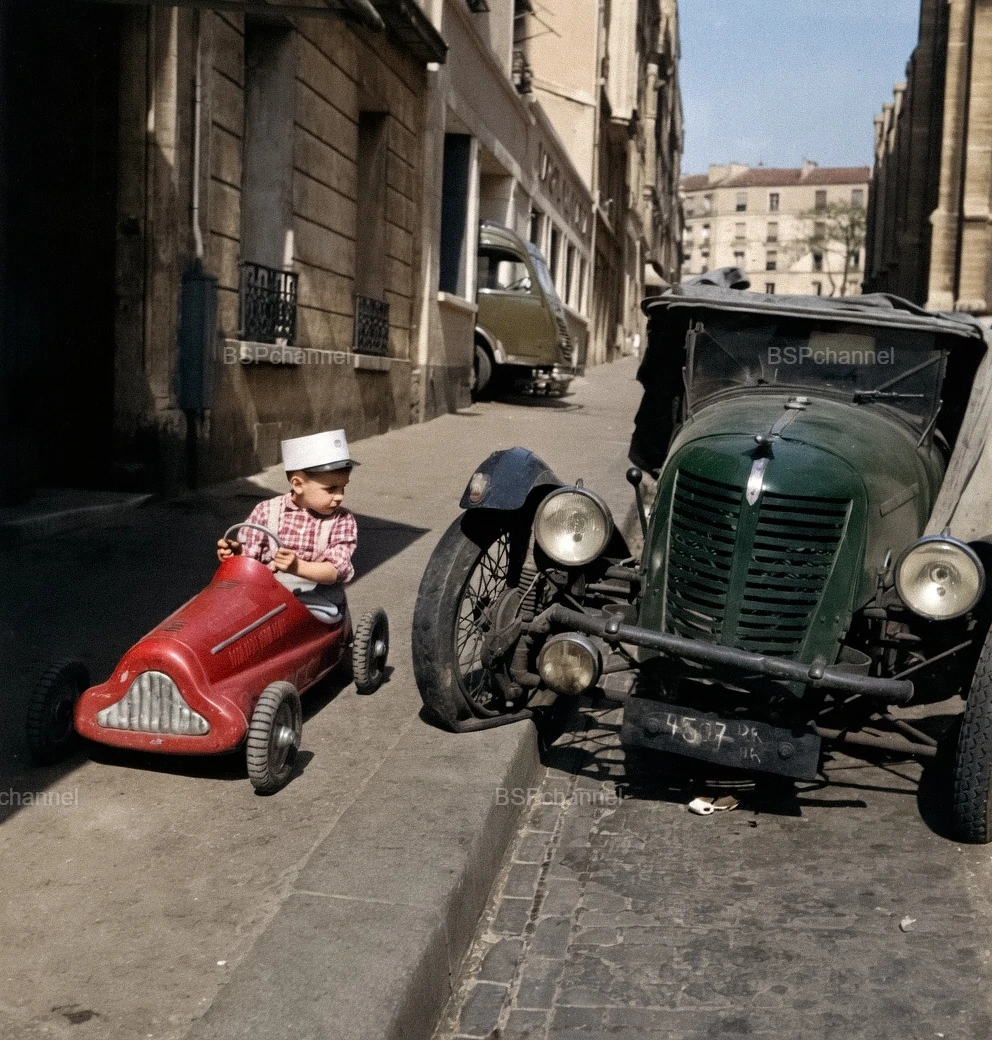
Photograph: Robert Doisneau
Pictured is a cyclocar from the French company Darmont. During World War I, Robert Darmont began his business importing Morgan three-wheelers from England. After the war, he and his brother André founded a car manufacturing company, working in a workshop in Courbevoie, western Paris. In 1921, the brothers obtained a license to produce Morgan three-wheelers in France, resulting in an exact replica, the Darmont-Morgan. The manufacturer remained true to its three-wheeled vehicle formula until 1935, when it released the V-Junior. With the outbreak of World War II, Darmont was forced to declare bankruptcy.
Overcrowded train, Germany, 1948. 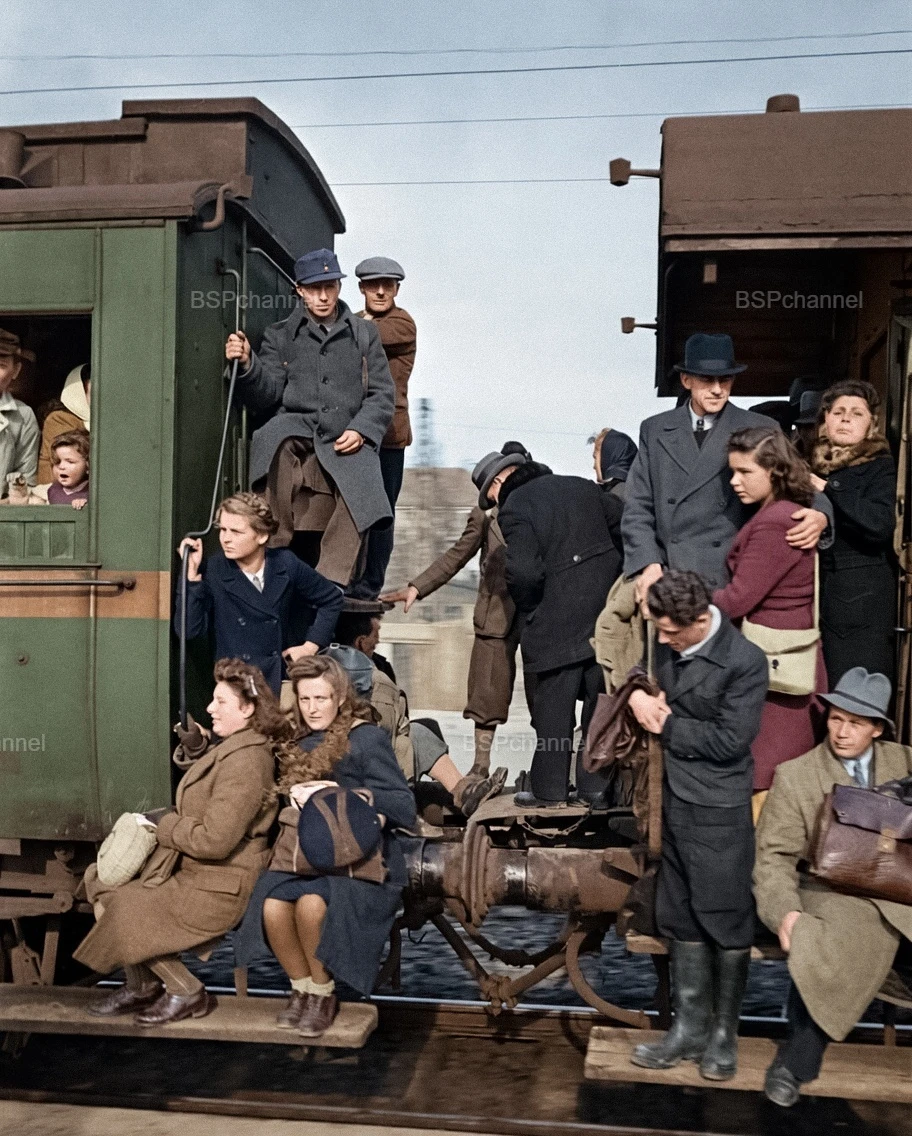
Photographer: Tony Vaccaro
Overcrowded train to Austria. People are forced to ride outside the carriages—on footboards, buffers, and couplings—due to the catastrophic transport shortage in post-war Europe.
A German man and a married couple. Germany, 1904. 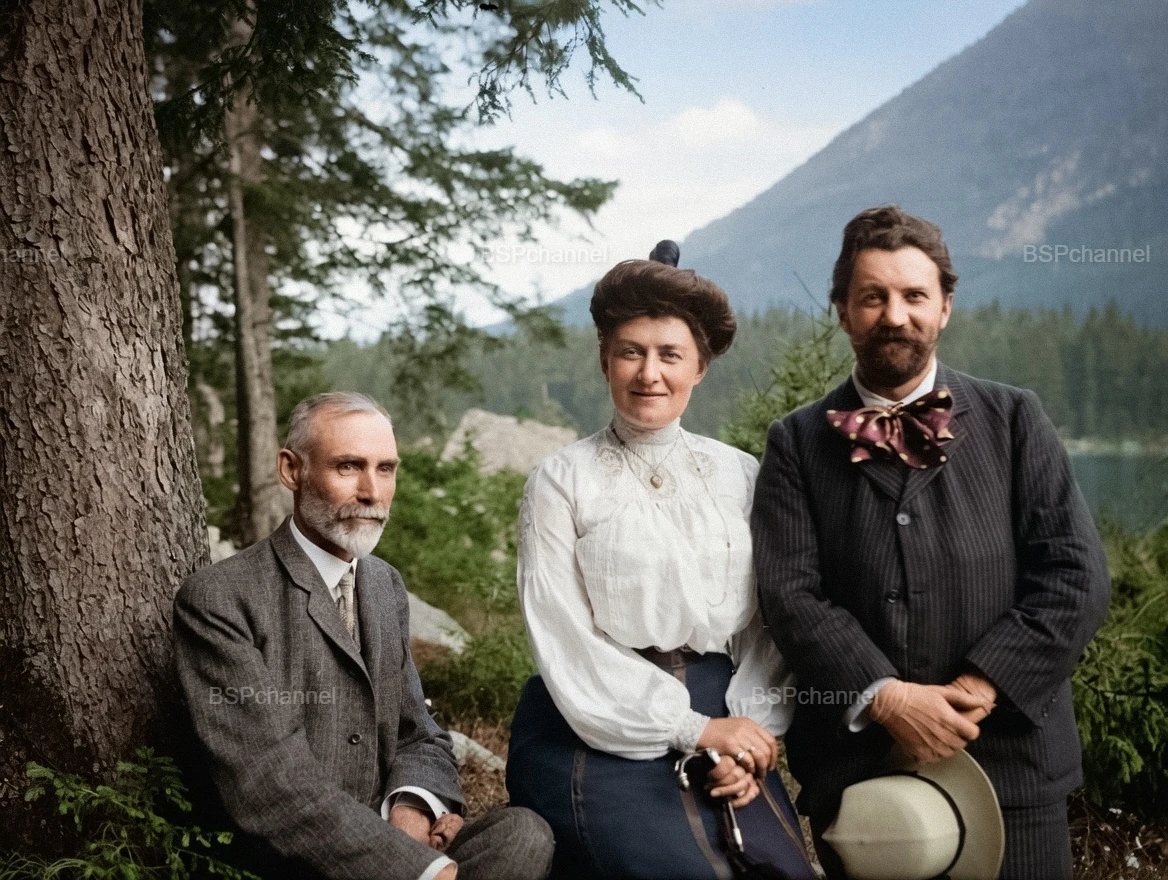
This photograph was part of a collection of negatives discovered by vintage photography enthusiast Bill Nelson. The photograph is notable for capturing members of the German cultural elite of the time in an informal setting while on vacation.
A model poses on the roof of Notre Dame de Paris, 1952. 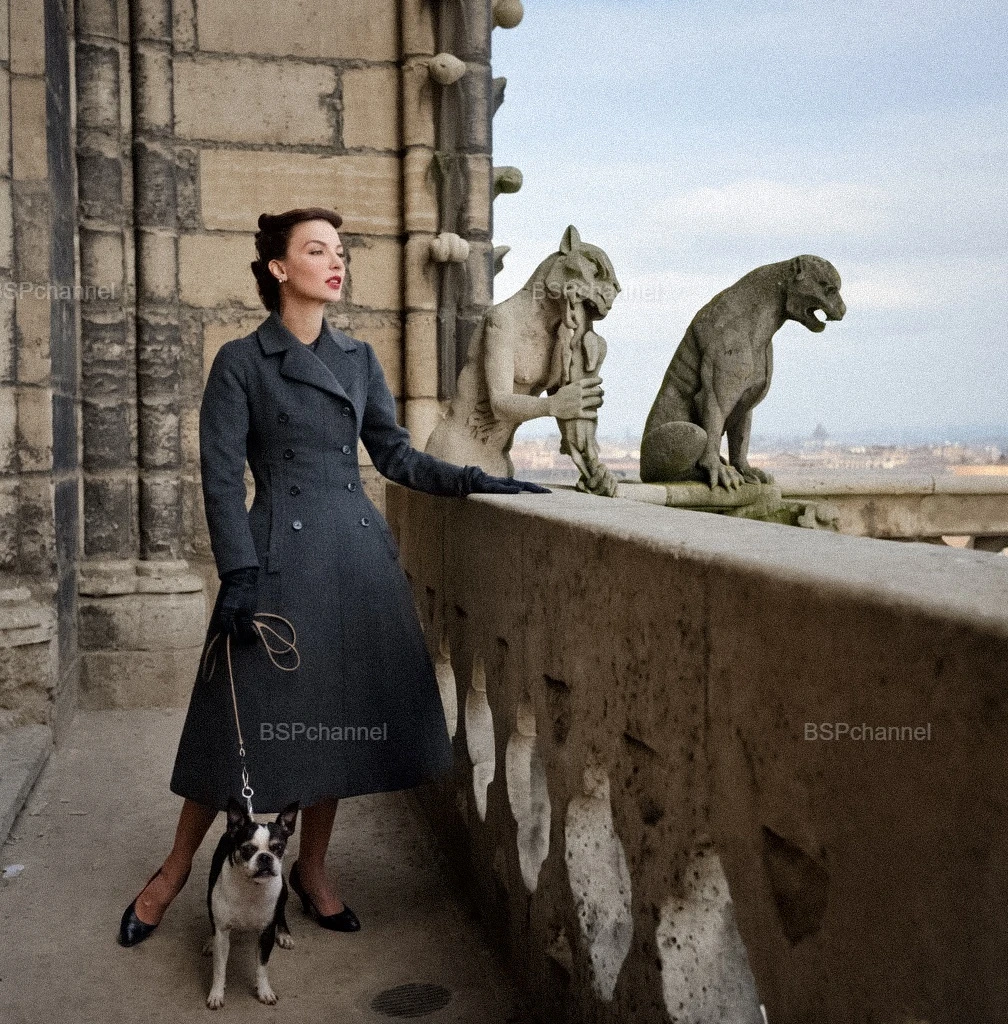
Photographer: Jean-Philippe Charbonnier
The main mystical symbols of Notre Dame are the stone gargoyles and chimeras. Behind the intricate gutters lies a profound meaning: these eerie figures are meant to guard the cathedral and ward off evil. Although gargoyles are found in many Gothic churches, it is the Parisian ones that have achieved worldwide fame. Their origin is shrouded in legend. In the 7th century, Saint Roman, Bishop of Rouen, defeated a fire-breathing dragon, Gargoyle, who was terrorizing the surrounding area. The monster was burned, but its head and neck remained untouched. As a warning to the dark forces, the townspeople hung them on the church so that no evil spirit would dare approach the city. Since then, stone gargoyles have adorned many cathedrals. It is believed that in times of great danger, the statues of Notre Dame come to life and engage in battle against evil. The 2019 fire divided the faithful: some blamed the gargoyles for not saving the cathedral from the flames, while others, on the contrary, thanked them for the building's survival and preservation.
Subotica railway station. Yugoslavia, 1937. 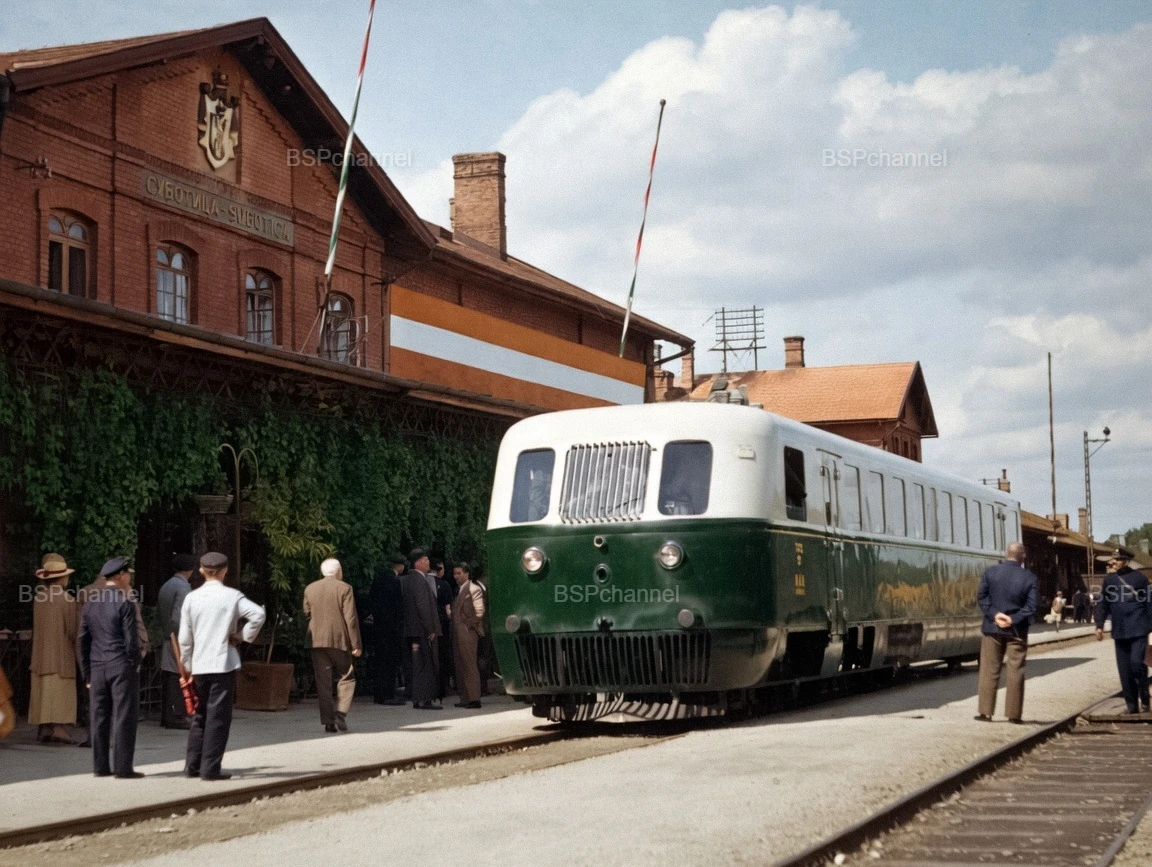
The photo shows the famous Hungarian high-speed railbus (railcar) of the Árpád series (model TAS), produced at the Ganz plant in Budapest. These innovative diesel-mechanical trains were designed by engineer György Jendrassik. They could reach speeds of 110–120 km/h, significantly reducing travel times between European cities.
At a cattle show. Oberdorf, Switzerland, 1942. 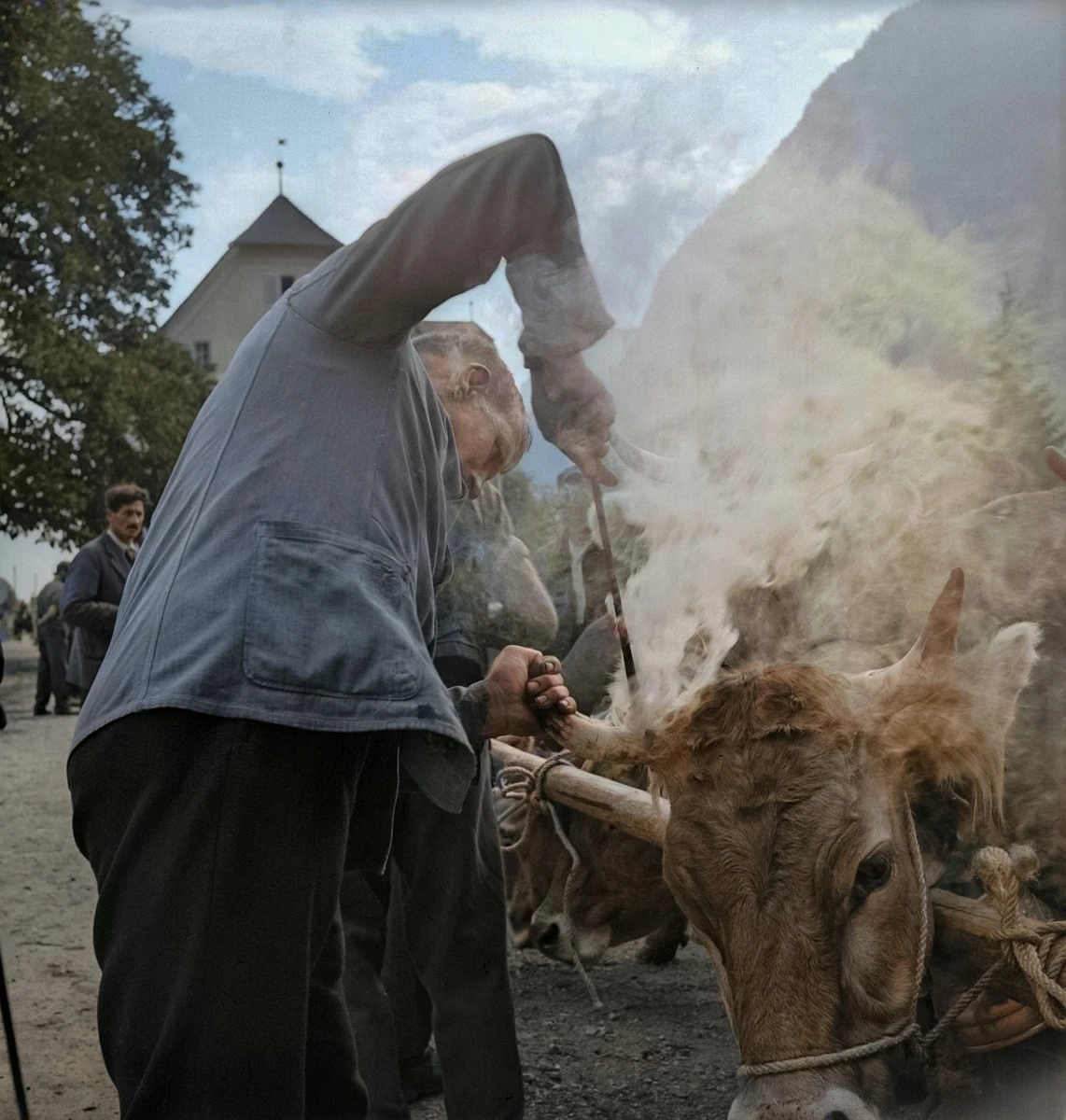
Photographer: Leonard von Matt
This photo captures the process of preparing a cow for a show. A farmer brands the animal with a special tool.
A farmer with a mule. Switzerland, 1942. 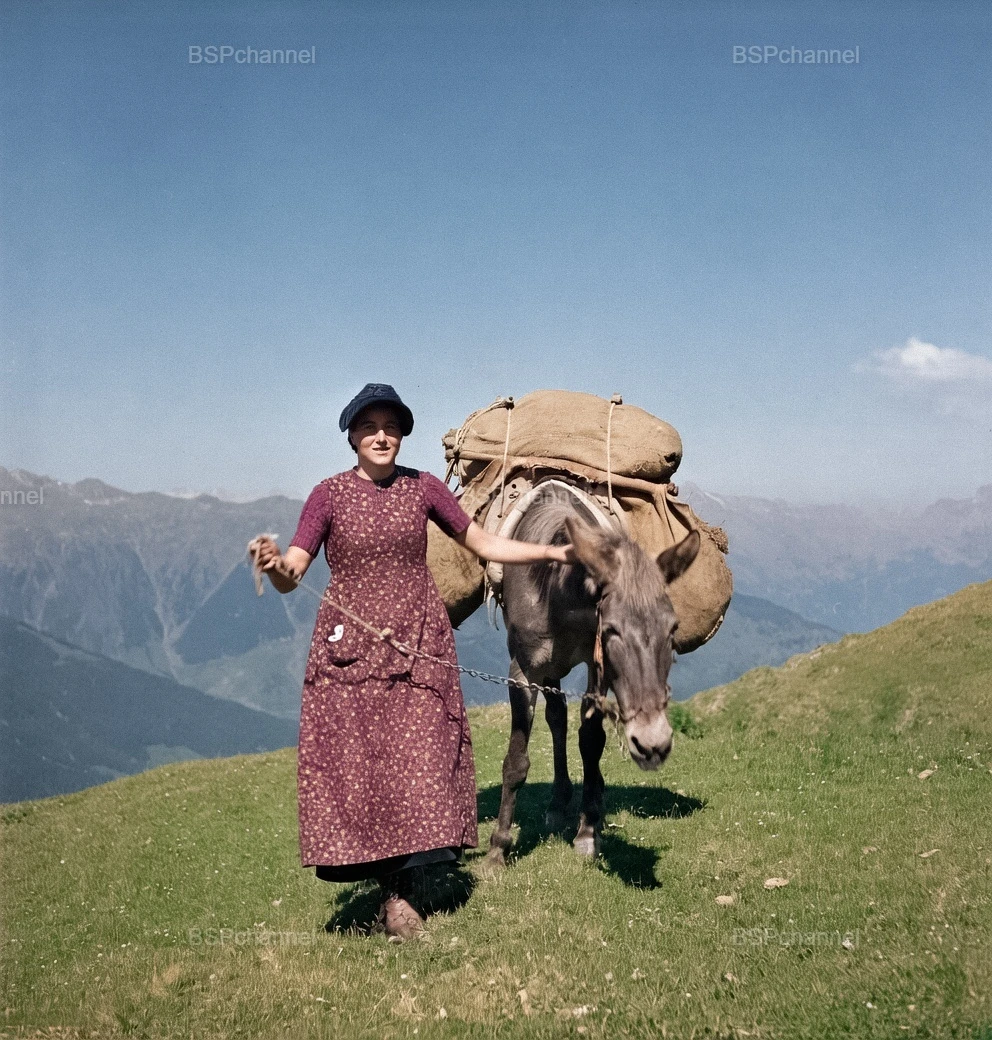
Kecskemét, Hungary, 1935. 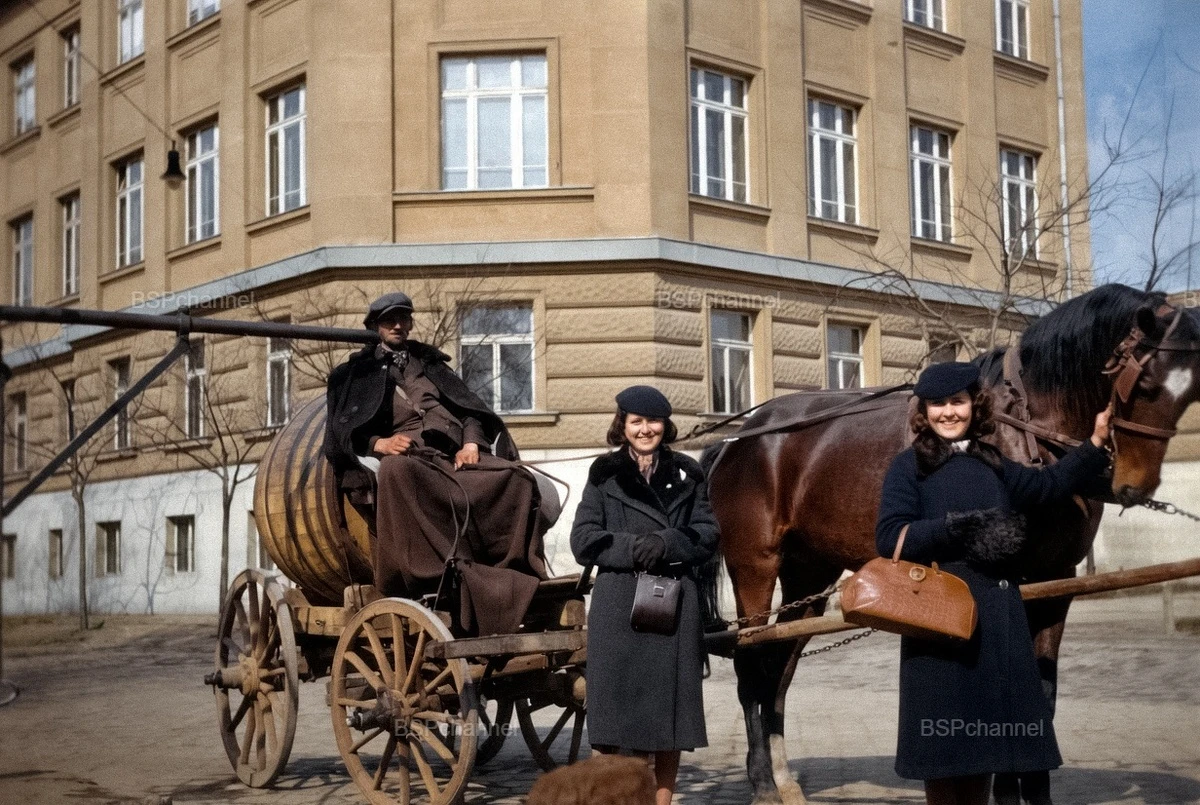
The White Cuirassiers dance troupe, Scala de Lyon, France, 1908. 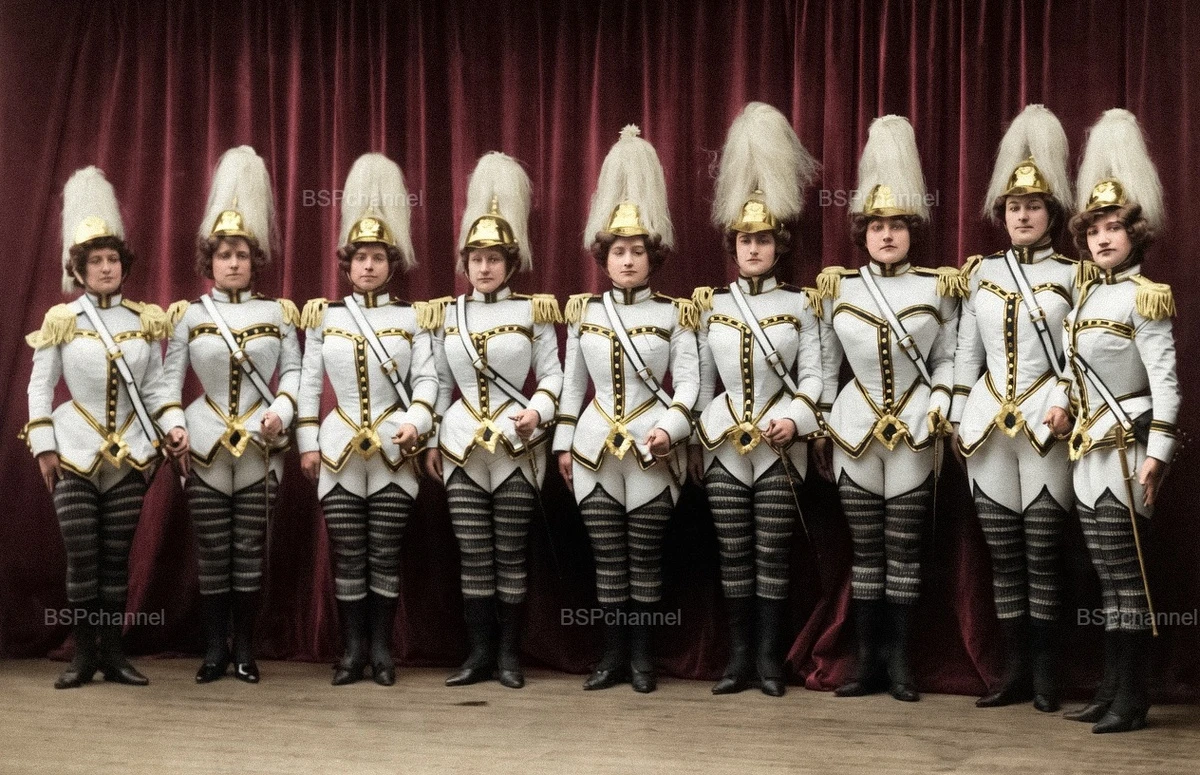
Such productions were popular during the variety and cabaret era of the early 20th century. At that time, female troupes often used military themes for their marching and dance routines.
Waterlooplein, Amsterdam, circa 1953. 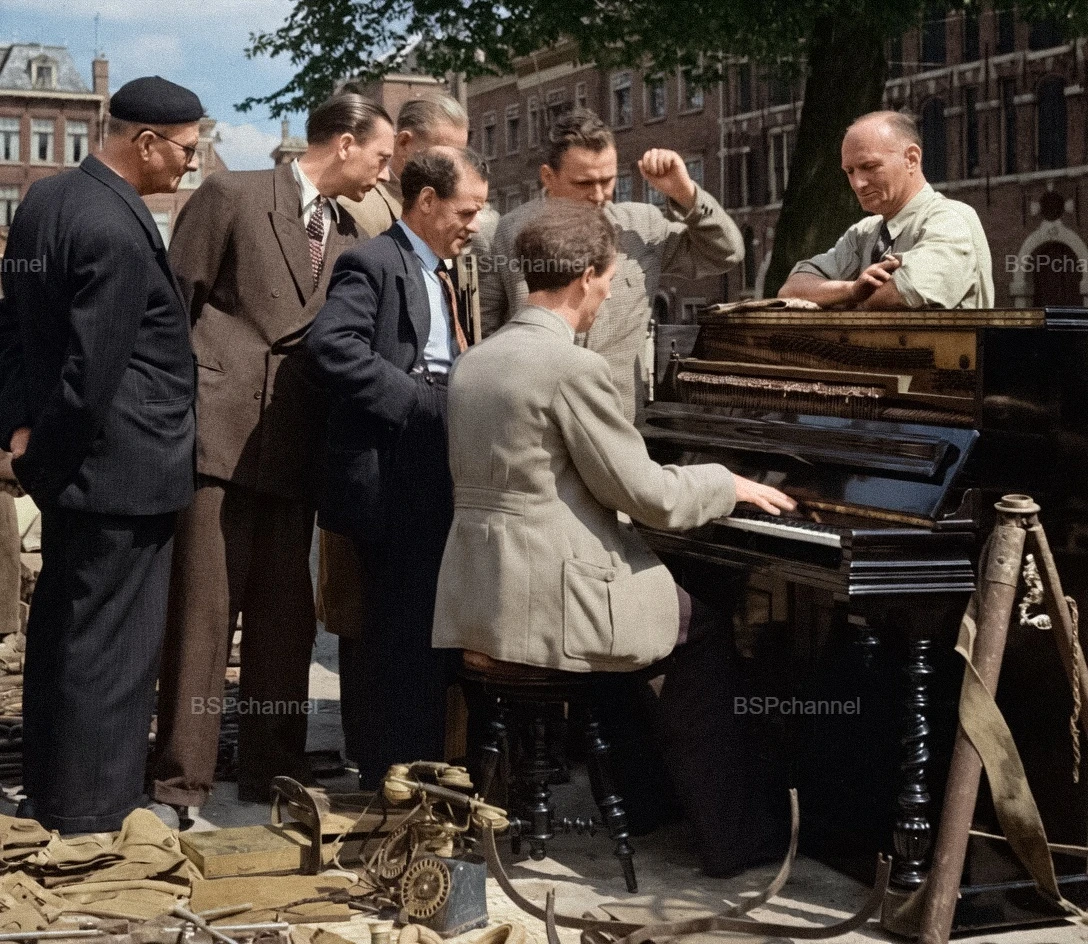
Photographer: Cas Oorthuis
This legendary market, located in the heart of Amsterdam on Waterlooplein, is a true landmark of the city with over a century of history. Founded in 1885, it was originally a center of Jewish trade and, after World War II, transformed into a famous flea market. Today, there are around 300 retail outlets here, offering everything from vintage clothing and military uniforms to vinyl records and rare posters.
Gas station, Sardinia, 1970s. 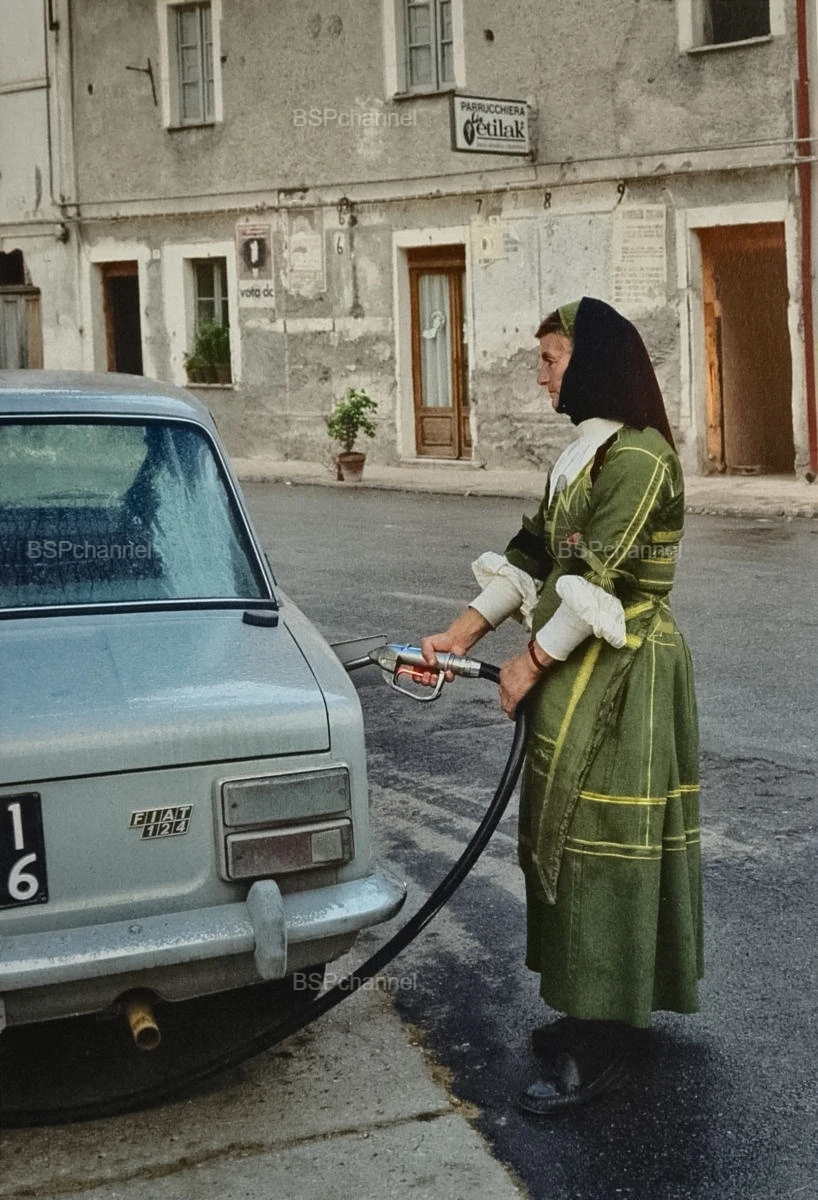
Photographer: Mario De Biasi
The photo shows a Fiat 124. It's not just an Italian car produced from 1966 to 1974. It's one of the most significant models in the history of the global automotive industry, a platform that has been sold around the world in dozens of variations and was named "European Car of the Year" in 1967. Countries that produced the 124 under license: USSR — VAZ-2101 Zhiguli (since 1970, over 2.7 million of the first models alone, and almost 18 million of the entire family) Spain — SEAT 124 (1968-1980, about 900,000) Turkey — Tofaş Murat/ Serçe (1971-1995) India — Premier 118NE (1985-2000) South Korea — Fiat-KIA 124 (1970-1973) Bulgaria — Pirin-Fiat (1967-1971, small-scale production)
Paris, 1960s. 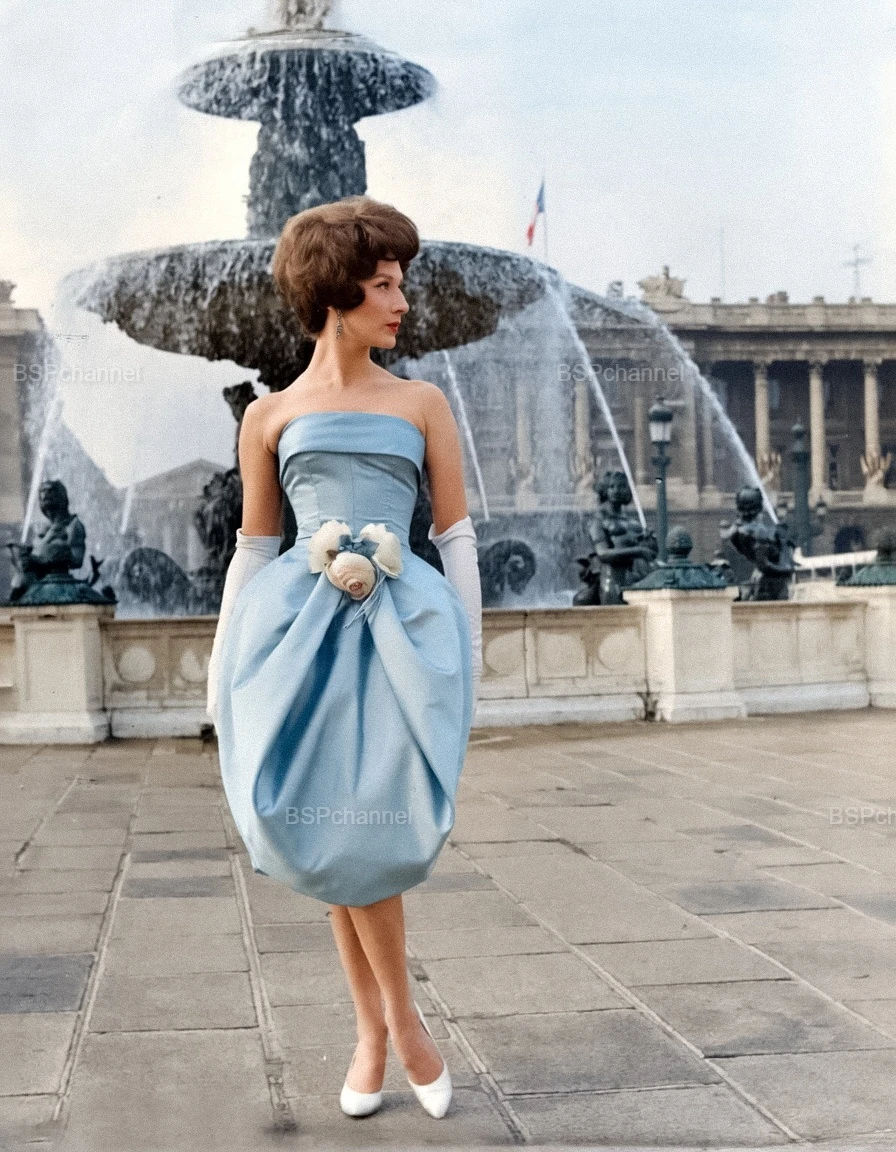
Photographer: Kenneth Heilbron
Parade at the Bislett Sports Stadium in Oslo, Norway, June 3, 1945. 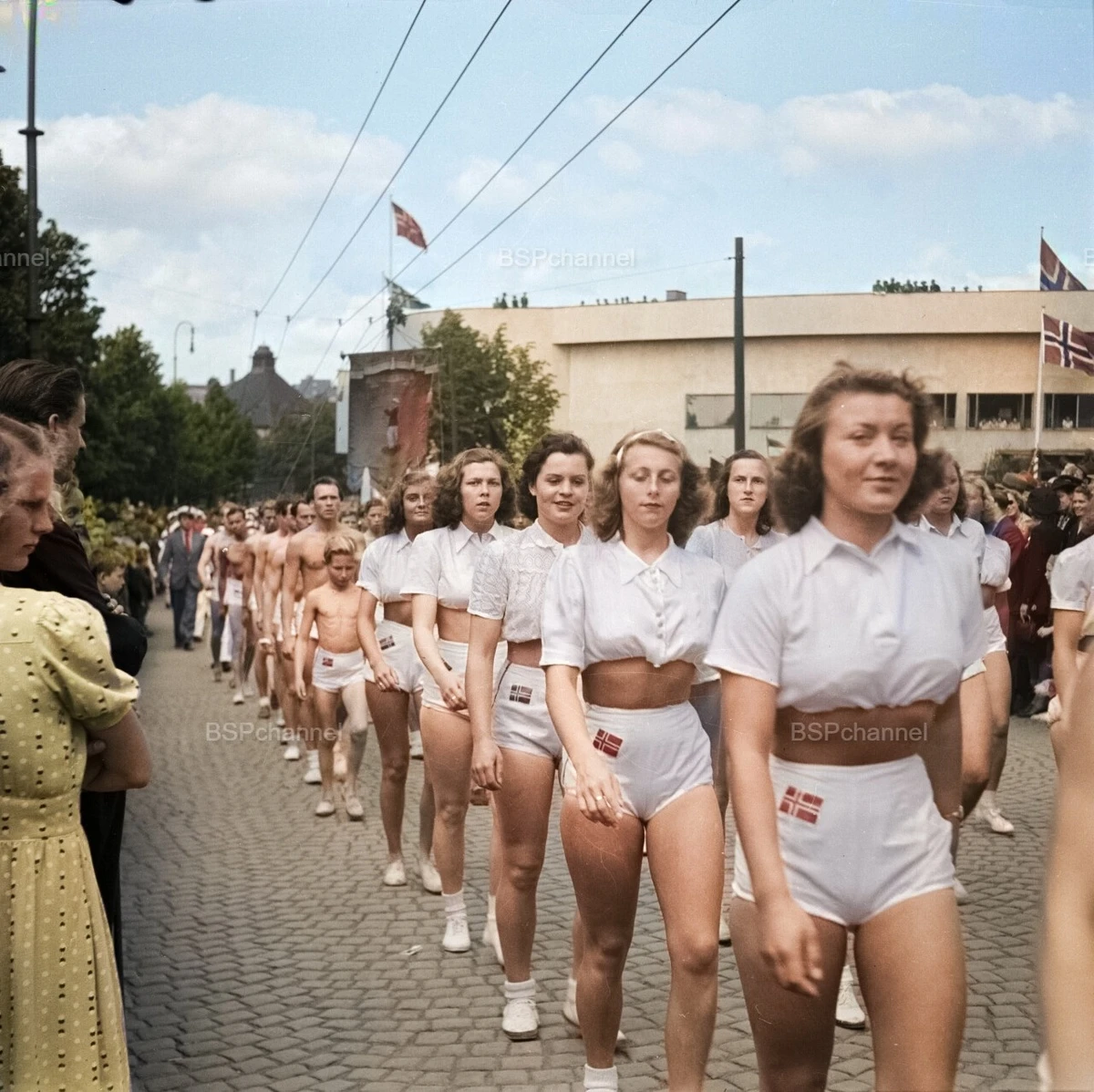
Photographer: Rolf A. Ström
Italy, 1960s. 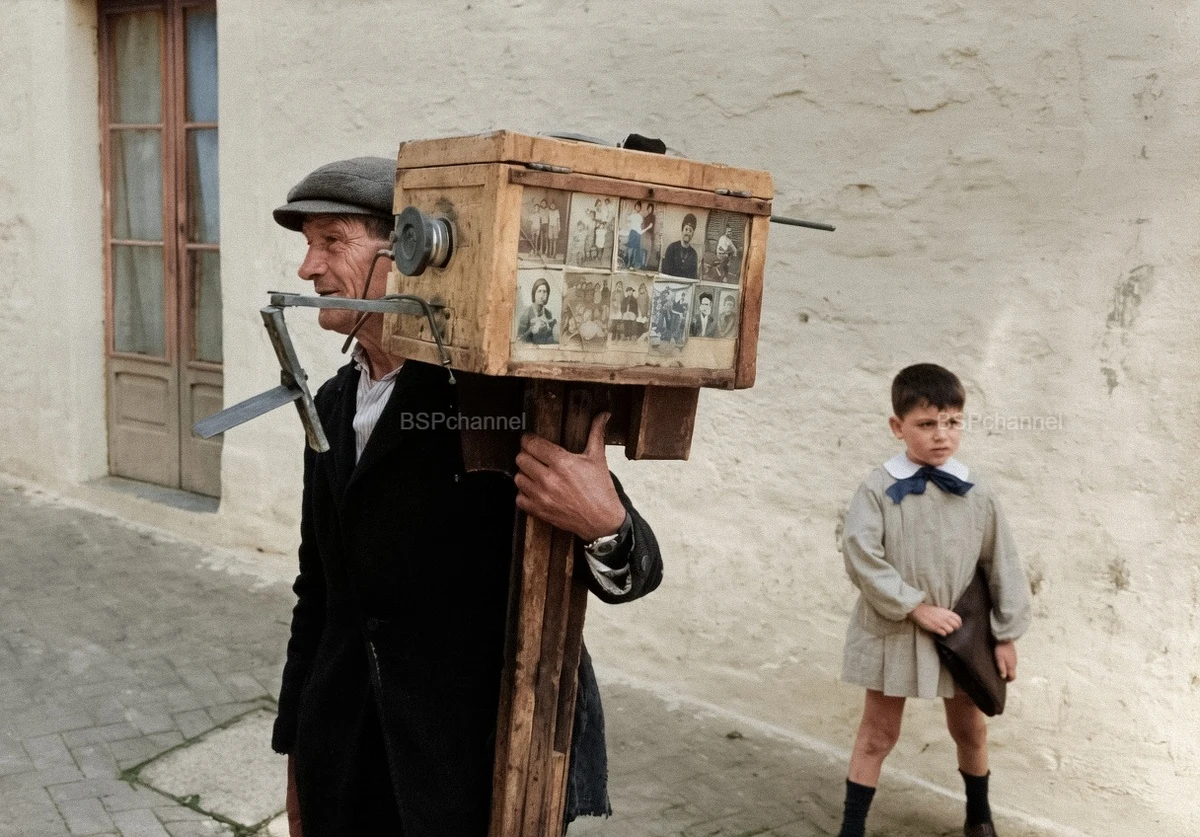
Photographer: Gianni Berengo Gardin
The photograph depicts a "minutchik"—a street photographer who used a homemade wooden camera obscura. This camera served as both a camera and a portable darkroom: the process of developing and printing the photograph took place right inside the box in just a few minutes. On the side of the camera, you can see examples of the artist's work—small portraits of local residents that served as advertisements for his services.
Children take part in the national final of the French Cross-Country Cup, organized by the "Prévention Routière" program to familiarize young people with traffic rules, on June 11, 1959, on the Champ de Mars in Paris under close police surveillance. 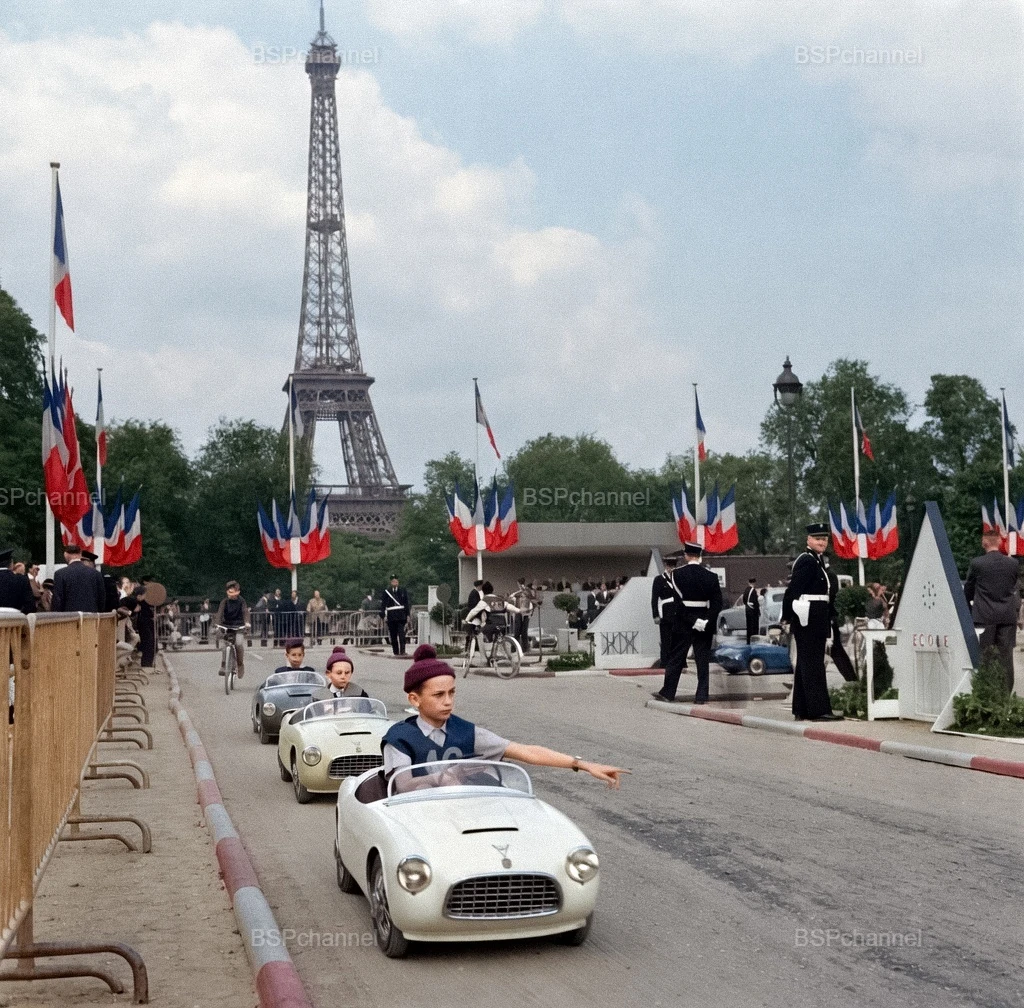
Globalization. La Mancha, Spain, 1961. 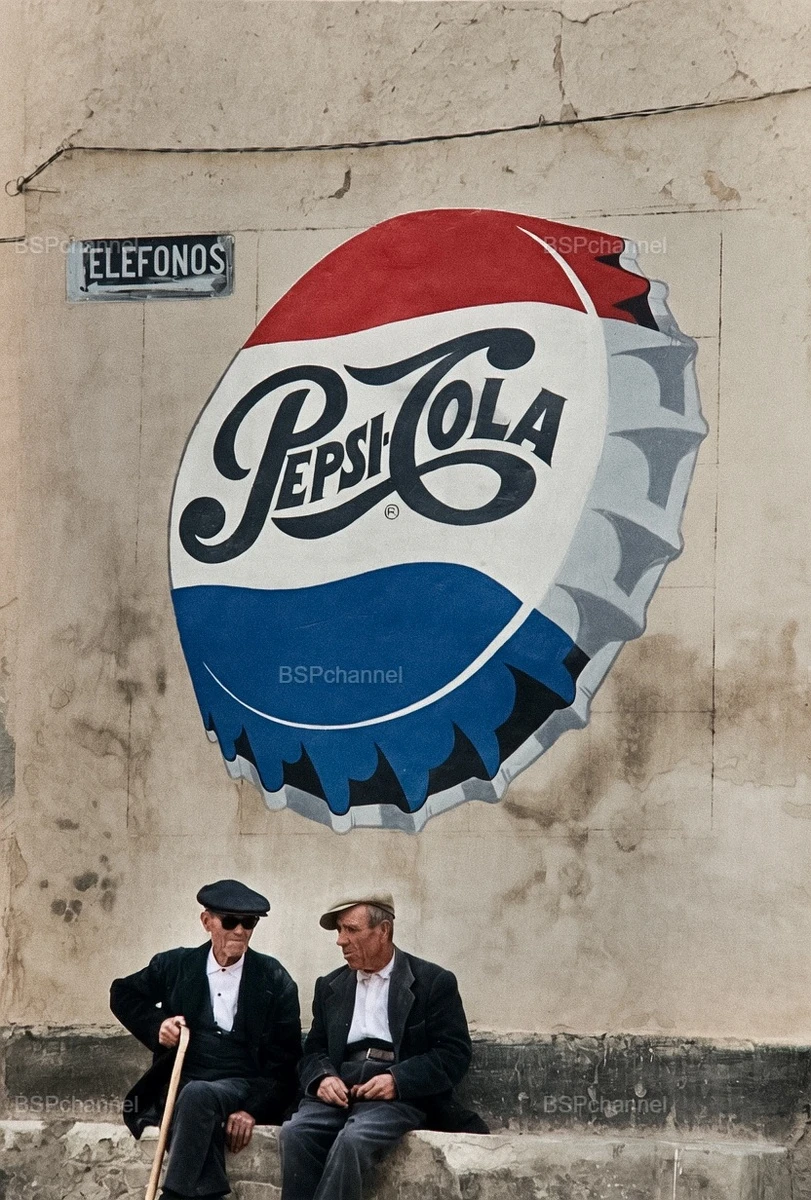
Photographer: Oriol Maspons
France, 1932. 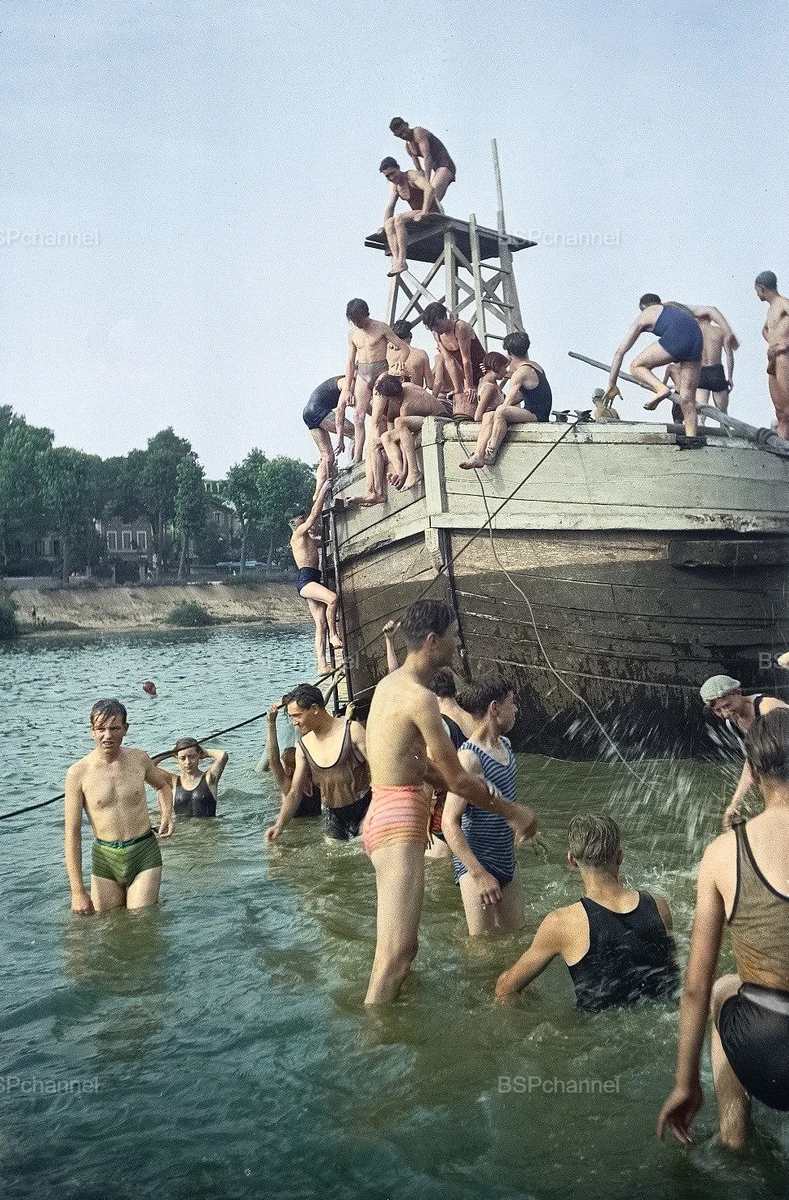
Saint-Tropez, France, 1959. 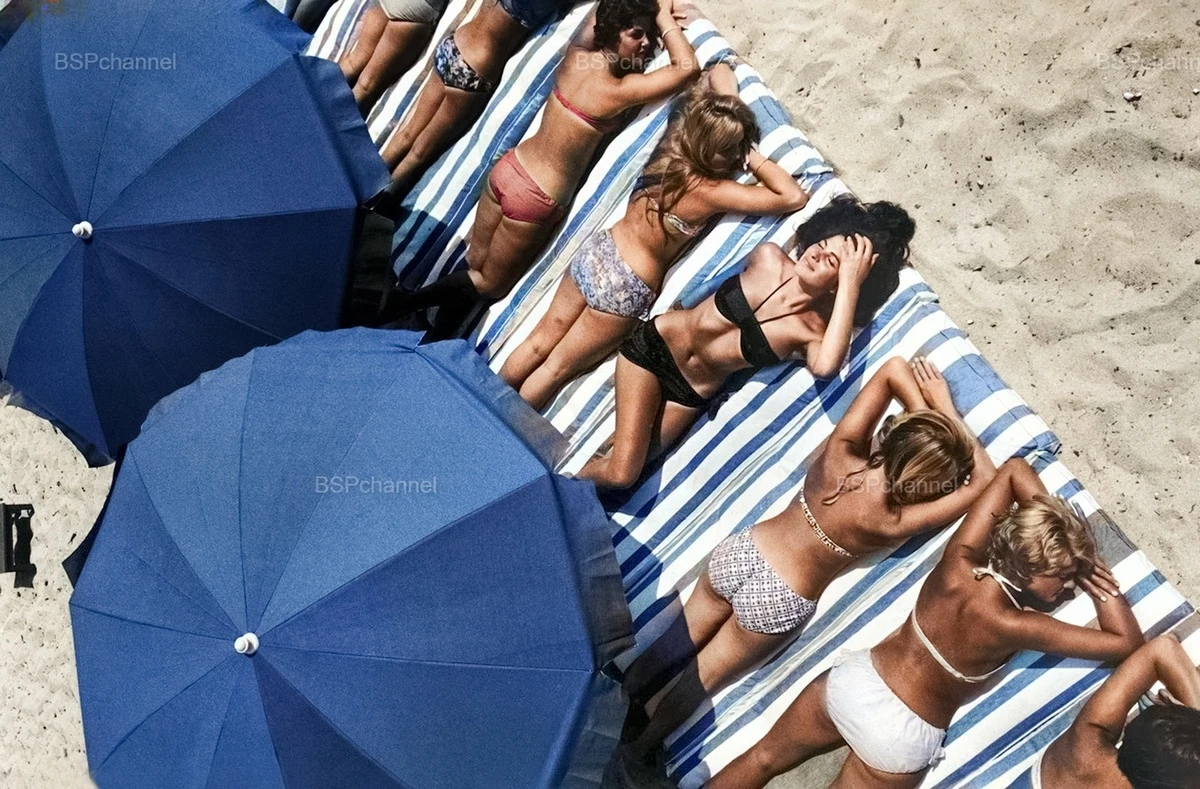
Photographer: Elliott Erwitt
Add your comment
You might be interested in:












Rare or Well done

Europe - The Final Countdown performed by 220 musicians

The head of Bugatti explained why he sees no point in
Scientists repainted cows as zebras and got an unexpected

Morgan Plus Four 2025 presented with retro design (39
Toyota Updated the Luxury Century Sedan for the First Time

Trailer for the film "Joker 2: Madness for Two"
Pre-war Bentley Blower 1929 received an all-electric

What the largest airport in the world will look like (5

How to start a 102-liter engine

Protective film Removing it with a power screwdriver

How metal buckets are made in Pakistan

When a child plays hide-and-seek at a professional level

Man sets up bedroom camera and discovers the reason for his

Super dads who swoop in to save the day

Athlete in Bavarian dress flies over a lake on a hydrofoil

Precision carpentry

Looks like it's time to buy WinRAR
