Imagine a dog that doesn't chew your slippers, doesn't require long walks, doesn't play endlessly, and yet somehow manages to be there exactly when needed. Sound like a lazy owner's fantasy? 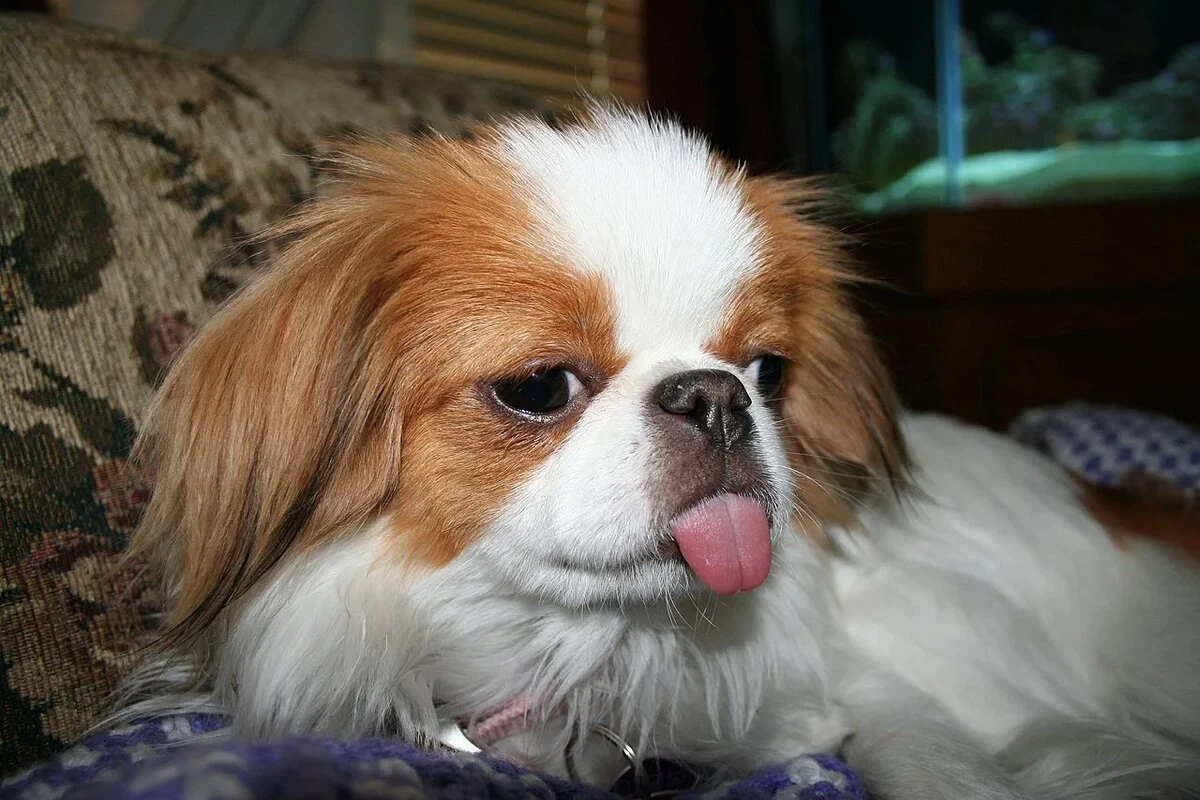
You're certainly a dreamer...
But the Japanese decided not to fantasize – they simply bred this breed. And the funniest thing is, they didn't do it yesterday, but many centuries ago. These tiny fluffy creatures were adored by emperors and kept at court as precious treasures. Meet the Japanese Chin. And yes, he really does have every chance of being that "perfect dog." 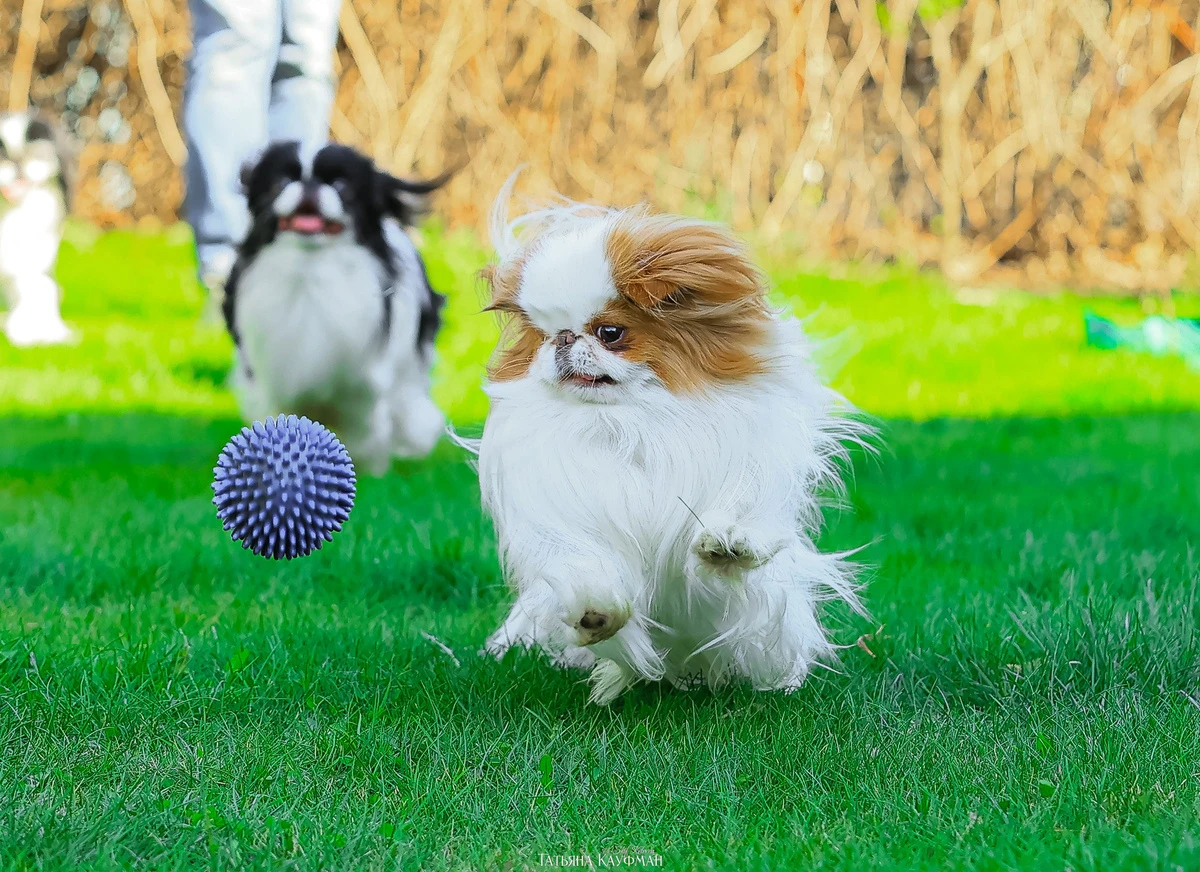
The ideal dog strives for a perfect shape. A spherical shape.
Surprisingly, the history of the Japanese Chin begins in China. Yes, it was from there that the ancestors of the modern breed—Pekingese and Tibetan Spaniels—came to Japan. This happened, according to various accounts, between the 5th and 7th centuries AD. At that time, there were no samurai, geisha, or anime fans; Japan was a nascent state. Everything was murky and very harsh. And the dogs were a match – large and rugged, strong, and independent. They were used for guarding and hunting various game, from squirrels to boars and bears. No cuddly behavior, just a working relationship. 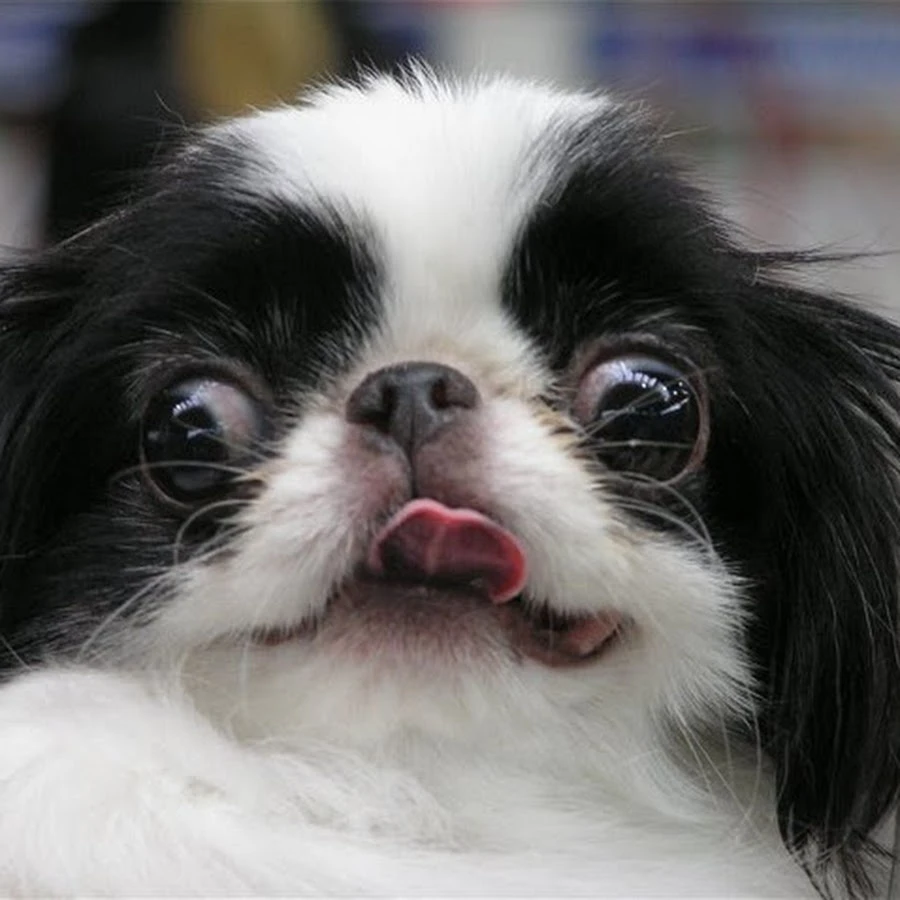
And then something went wrong...
And just imagine, in such difficult times, tiny, adorable dogs appear in Japan. The Chinese brought them with them without any particular intention, but against the backdrop of the entire local pack of toothy, vicious dogs, the fluffy snub-nosed dogs seemed like divine messengers to the emperors. And of course, the ruling dynasty immediately took this curiosity into their palace. 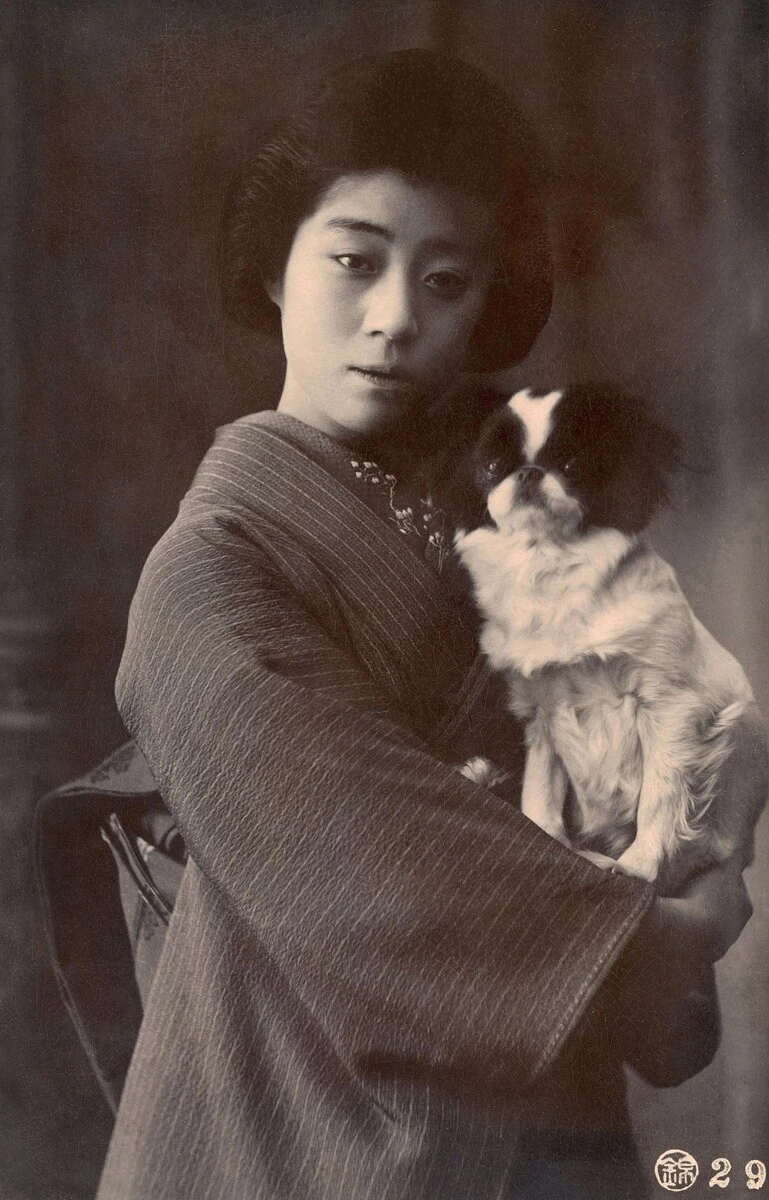
Well, how could I resist!
The subsequent selection of these wonder babies was a closely guarded secret. Palace dog handlers worked tirelessly, striving to make the dog as small and adorable as possible. The ideal was considered one that could be tucked into the sleeve of a kimono and kept without any fuss. In fact, the size criterion still applies today: adult dogs grow smaller than cats. The maximum height is 25 centimeters at the withers and weighs 3 kilograms; the minimum is one that can easily fit in a pocket. Chins were expected to simply be beautiful, follow their master everywhere, lift their spirits, and not disturb them when they were busy. For this, the imperial dogs were assigned personal servants and guards—the furry ones lived like royalty. The animals weren't even considered dogs; they were little more than living decorations and comforts. 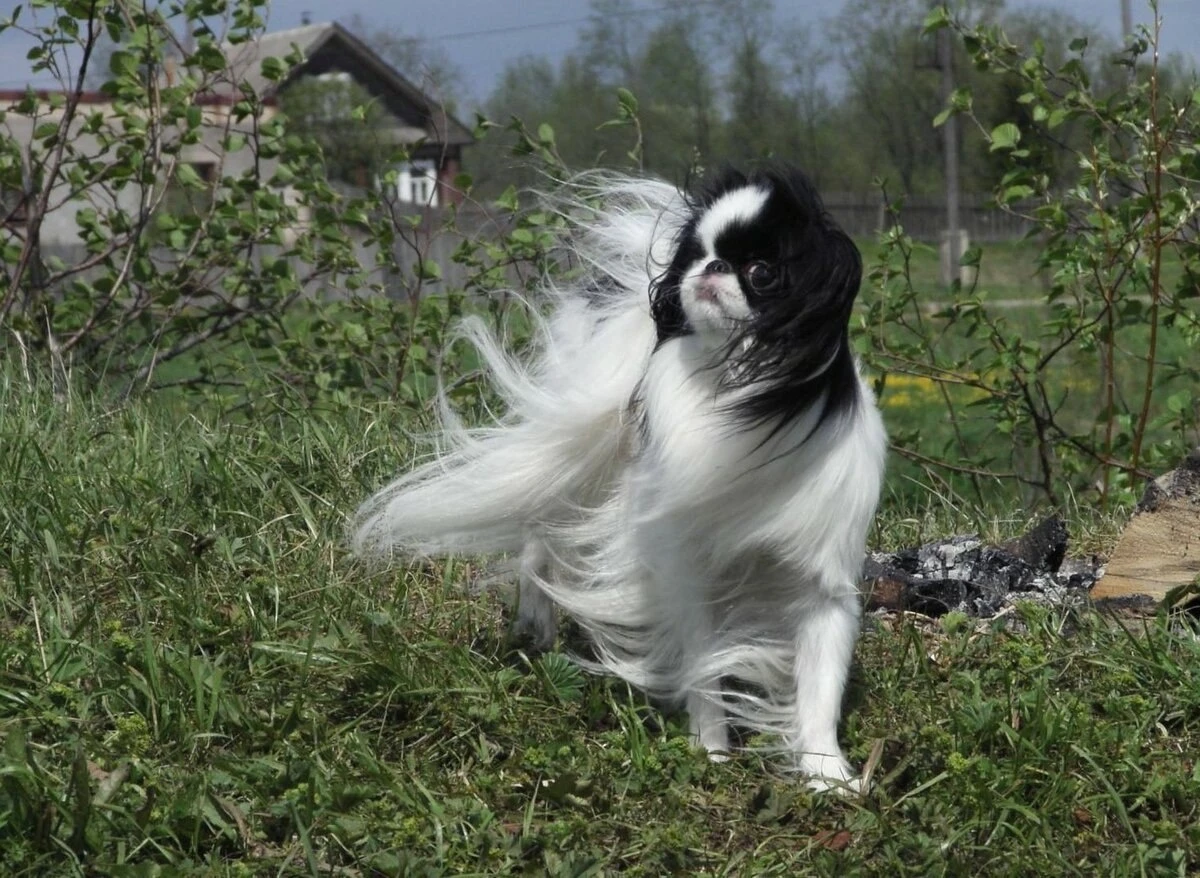
This could be an ad for your shampoo.
When Japan began to interact with other countries, foreign ministers and presidents took notice of the imperial furry companions. However, Chins didn't experience the "popularity boom" that usually happens when a breed is featured in the eyes of top officials. Although dogs have spread throughout the world, they remain niche, exclusive pets, kept by very few people today. 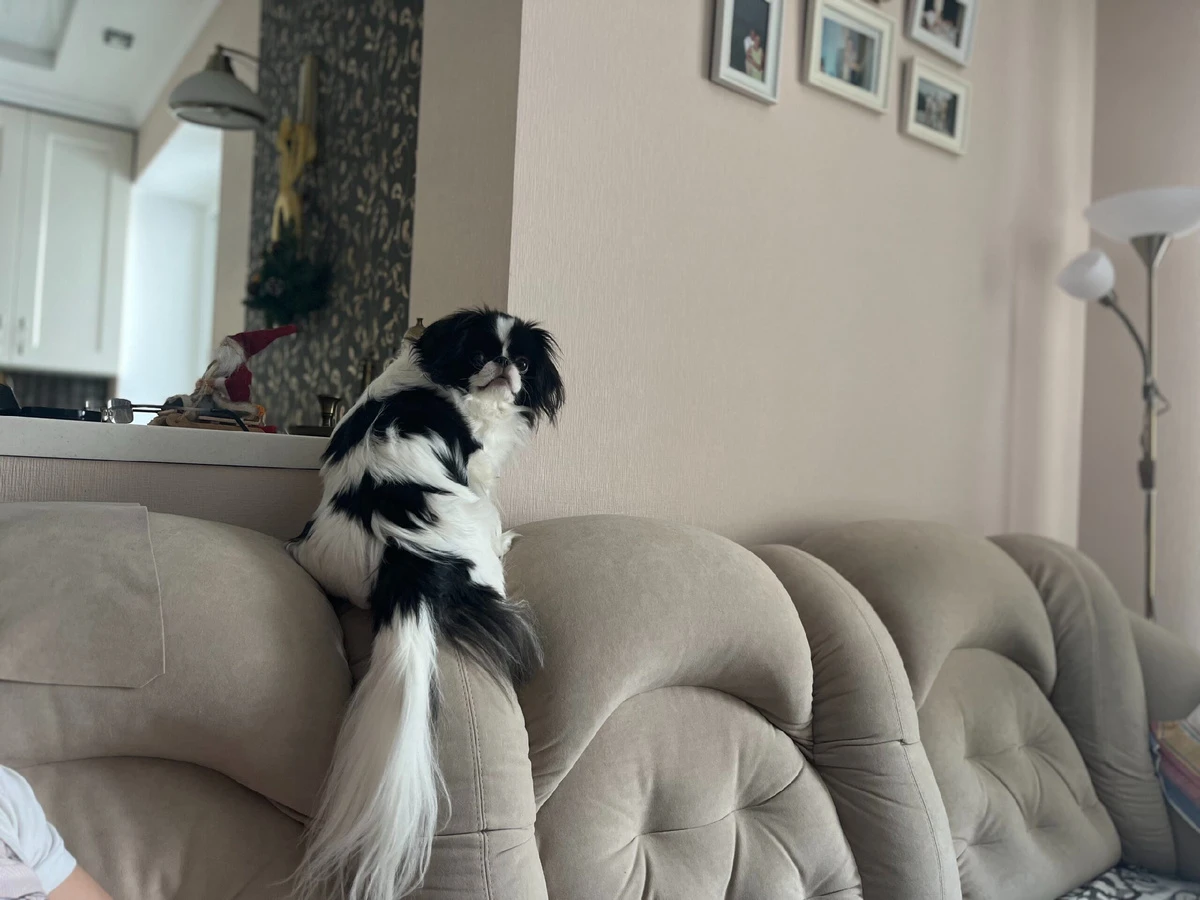
Well, let's say it's a meow.
On the one hand, it's a shame! After all, these animals have been bred as companions since time immemorial. They are literally created to give love, affection, and not cause unnecessary problems. Chins are not intrusive and don't demand constant attention, but they are sensitive to their owner's mood and appear at their side precisely when needed. They approach quietly and cautiously, and may simply nuzzle or lie down nearby without disturbing the harmony around them. Chins are not prone to rough play or fussiness. Their movements are precise, almost silent; they can spend hours watching the birds singing outside the window or you trying to complete another deadline. Many Chins also wash themselves with their paws and love to climb high places, just like cats. 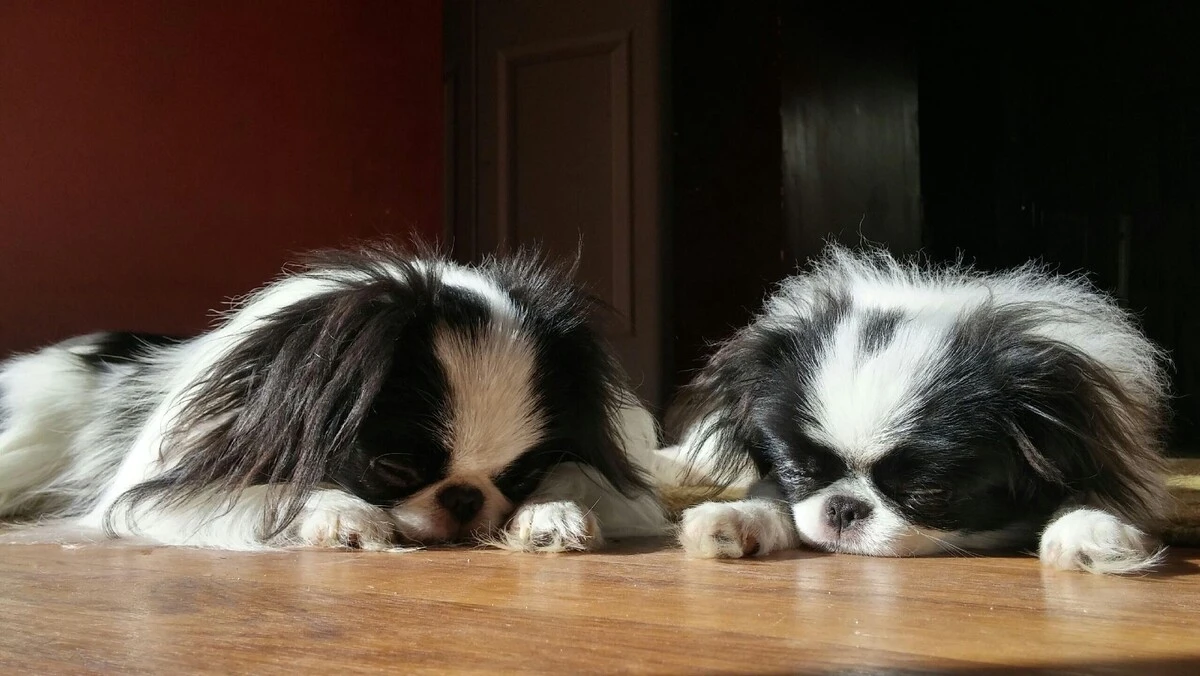
They also have excellent resting skills.
Yes, these dogs can be stubborn when it comes to learning commands – their royal past is a sign of their importance. Chins understand perfectly well that they are needed for beauty and adoration; slippers and fetch are beneath them. But they also don't need long walks; after all, it's not a royal thing to get their paws dirty. So, these dogs are ideal for people with a leisurely pace or very busy people. Chinies will appreciate it if you don't drag them on hikes or into the woods; a leisurely hour in the park is perfect for them. 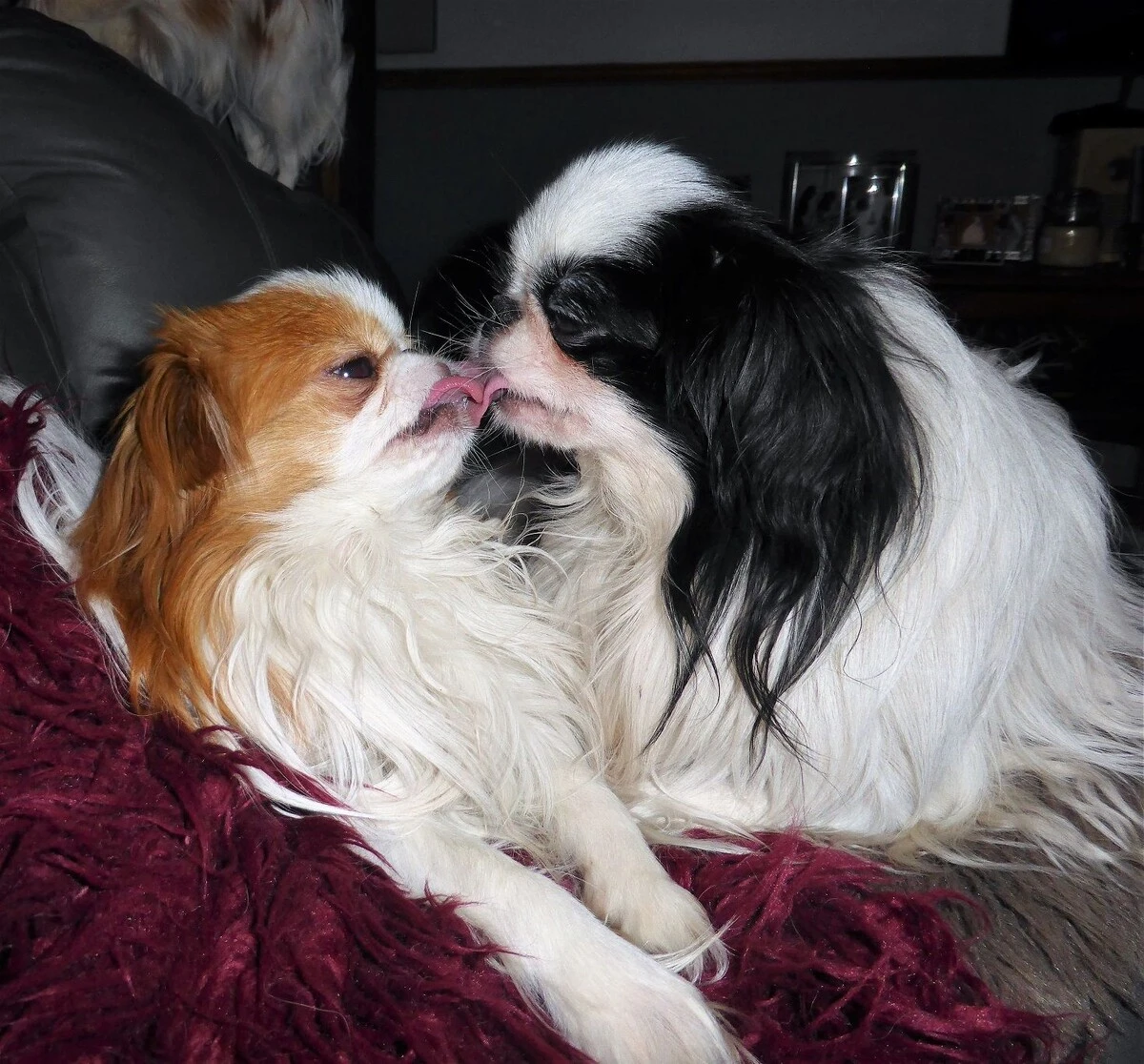
A little unexpected love :DD
On the other hand, it's a good thing that Japanese Chins haven't become a super-popular breed. This means they haven't been touched by unscrupulous breeders: most dogs today are healthy and have stable temperaments. Yes, finding a puppy may be difficult, but believe me, you won't regret bringing this wonderful dog into your home! Their wonderful character is complemented by relatively easy care. Chins have a light and silky coat that doesn't require complicated grooming or five-step bathing. Simply wash as needed or once or twice a month, then dry thoroughly and brush a couple more times a week. 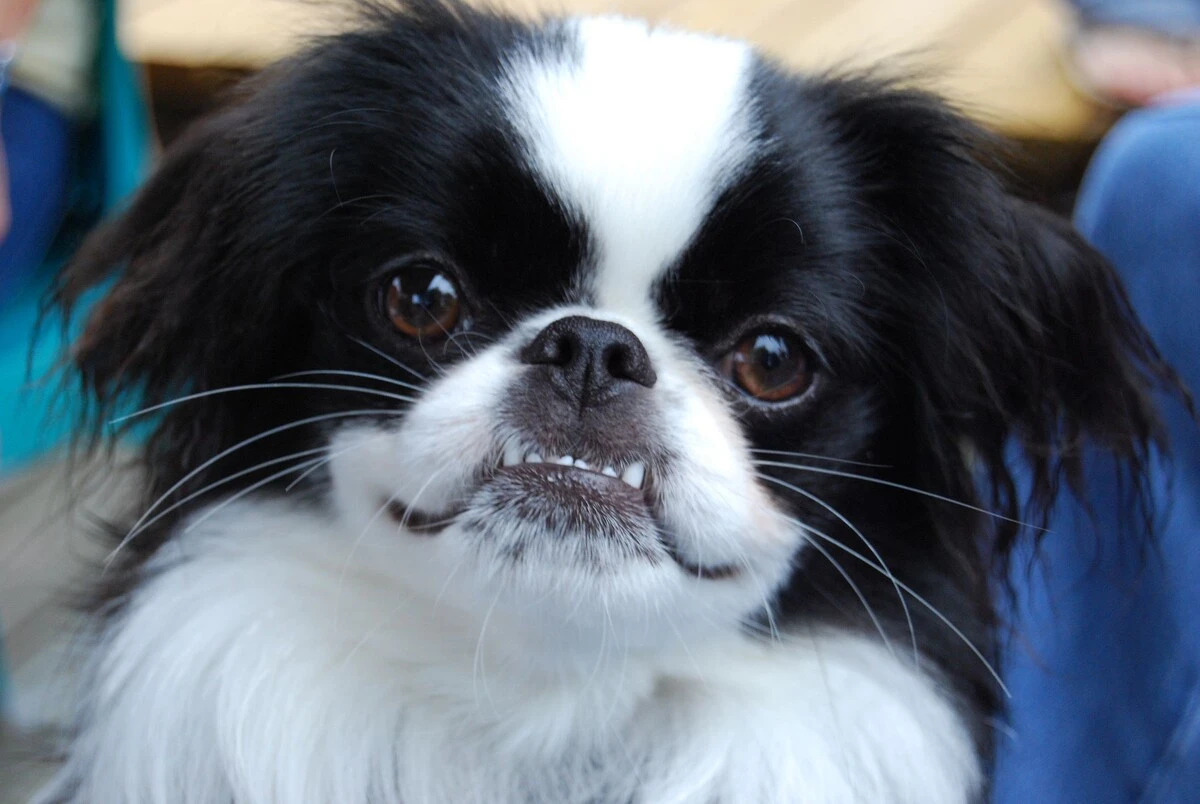
When someone repeats the same thing to you five times, but you still don't understand, so you just say "yes."
So, know about the existence of this wonderful breed. Maybe someday, someone will want to own this miracle. Japanese quality!
Add your comment
You might be interested in:












A car transporter with very rare Mercedes was spotted in

A young Ukrainian itishnik became the owner of the McLaren

The neural network generated a photo of a spectacular

The owner cried when she saw her dog in an “ice trap” (6
Slippers of an unhealthy person (15 photos)

Our smaller brothers. This is why dogs are the most

A dog with a 21-pound tumor was dumped on the beach. Look

A cat constantly attacks a good-natured dog
30 photos with the main cat weapon - claws (31 photos)

How to start a 102-liter engine

Protective film Removing it with a power screwdriver

When a child plays hide-and-seek at a professional level

Man sets up bedroom camera and discovers the reason for his

Super dads who swoop in to save the day

Precision carpentry

Looks like it's time to buy WinRAR

How to hang wallpaper neatly

How metal buckets are made in Pakistan
