Curious photographs from the past of Great Britain (21 photos)
Immerse yourself in the atmosphere of Britain in the last century. This collection brings to life photographs taken in the early and mid-20th century: colorized, they sparkle with incredible detail and depth, blurring the lines between history and modernity. 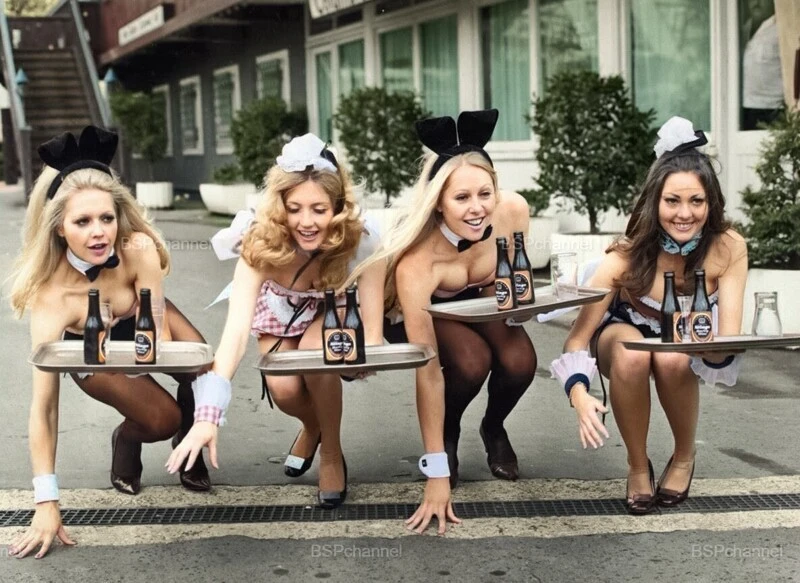
Tilt Test. England, 1933. 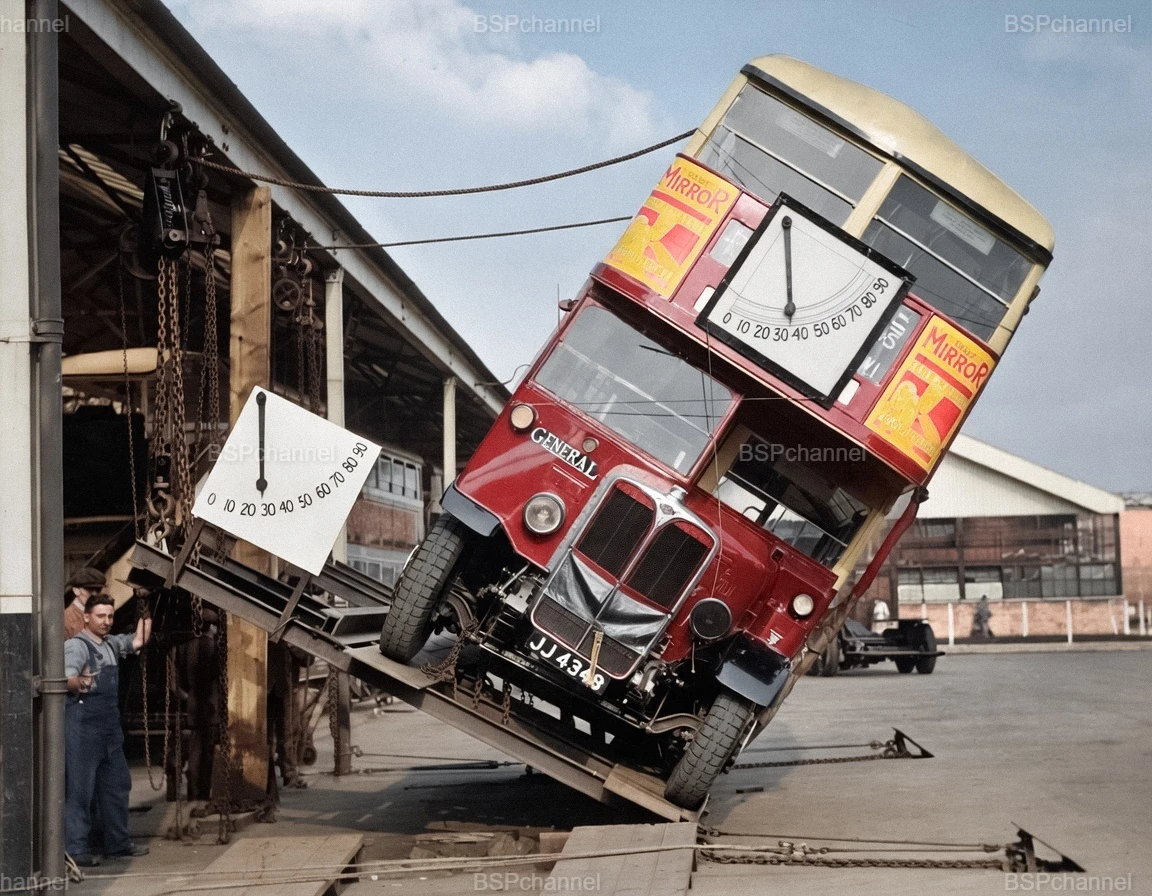
Double-decker buses appeared in the mid-19th century, but their height posed a serious problem—the high center of gravity made the vehicles unstable. In Paris, after several accidents in 1910-1911, the use of "imperials" (as the upper decks were called) was completely abandoned. London took a different approach: instead of banning them, they decided to emphasize engineering safety. A key factor was the introduction of pneumatic tires in the 1920s, which improved road traction. But the most important innovation was regular tilt tests, which became a mandatory requirement for obtaining a license. Buses were placed on a special inclined platform. Engineers gradually began raising one side of the vehicle. The bus was tilted to an angle of 28 degrees, the safety standard at the time. Despite the alarming angle, the bus did not tip over.
Mr. A. Berwin of Walthamstow stops to admire the picturesque countryside at Carrolls Farm in Chingford, East London, 1956. 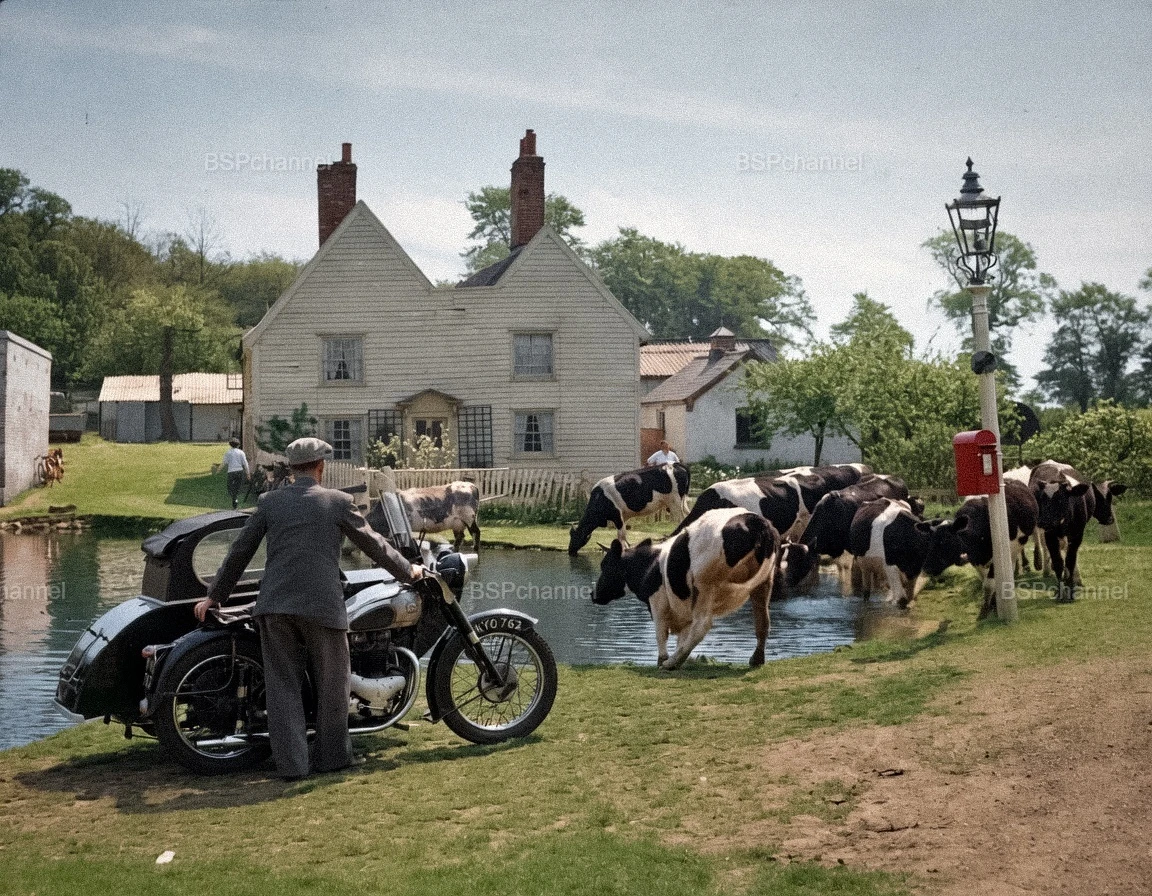
Photographer: Derek Berwin
An unusual detail can be seen in the photo: the motorcycle is equipped with a closed-top passenger sidecar.
Boat repair, Skinningrove, North Yorkshire, 1983. 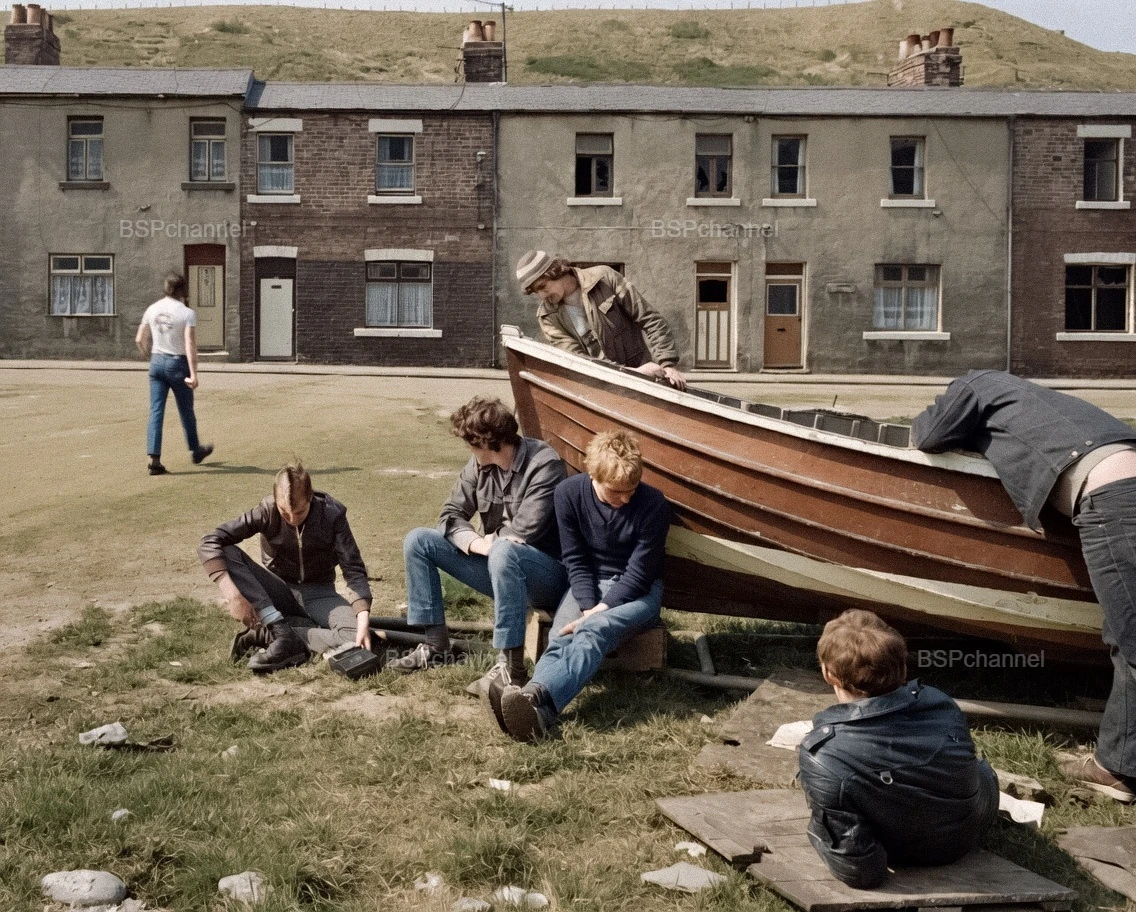
Photographer Chris Killip
A London bus conductor, 1970. 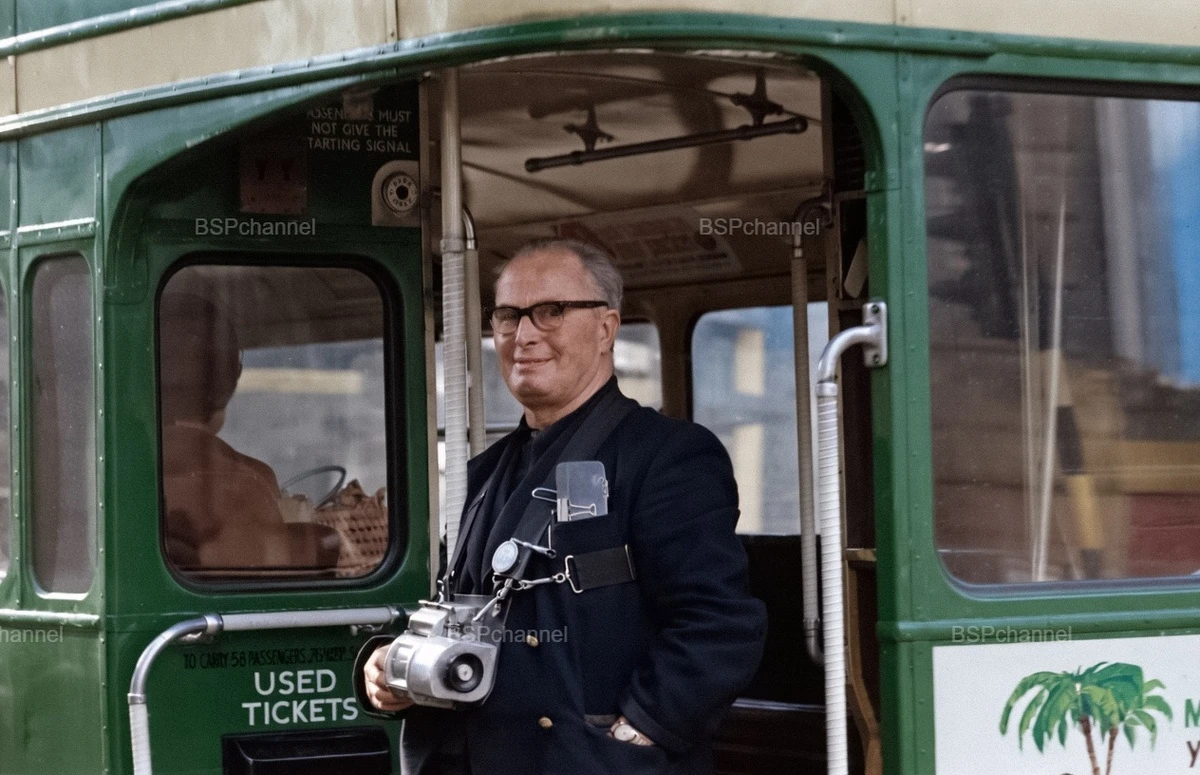
Photographer: Vasily Malyshev
In addition to the famous red buses, London also has green ones. Green Line Coaches is one of the most recognizable suburban bus brands in England, with a history spanning nearly 100 years. The Green Line's history dates back to the 1920s, when the London General Omnibus Company (LGOC) began developing a network of suburban routes linking London with towns within a 30-mile radius. Competition from smaller independent operators prompted LGOC to create a unified brand. On July 9, 1930, Green Line Coaches Limited was officially registered. The routes adopted a distinctive green livery, distinguishing them from the red LGOC city buses. By October 1931, the network included 27 routes and 275 buses.
The East End, a district in eastern London with a concentration of working-class and slum areas. England, 1967. 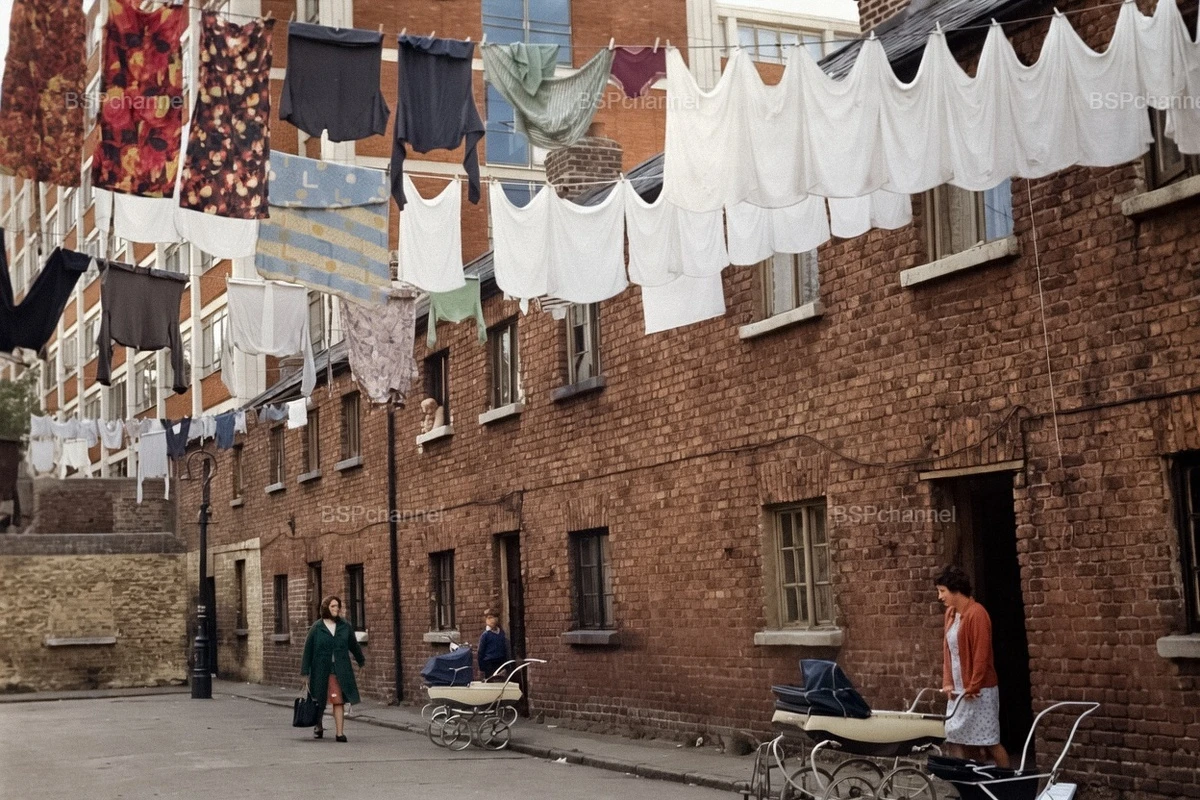
Photographer: Lev Nosov
By the early 1960s, there were approximately 600,000 slums remaining in England. In 1961, 18% of households in Greater London shared a toilet with other families. Many families lived in overcrowded, unsanitary conditions without basic amenities. Living conditions were appalling: families slept with the lights on to repel rats, mothers cooked over open fires, and there was no central heating or hot water.
Slums on the Thames. A yacht mooring along London's canals has been converted into houseboats for workers and their families, 1968. 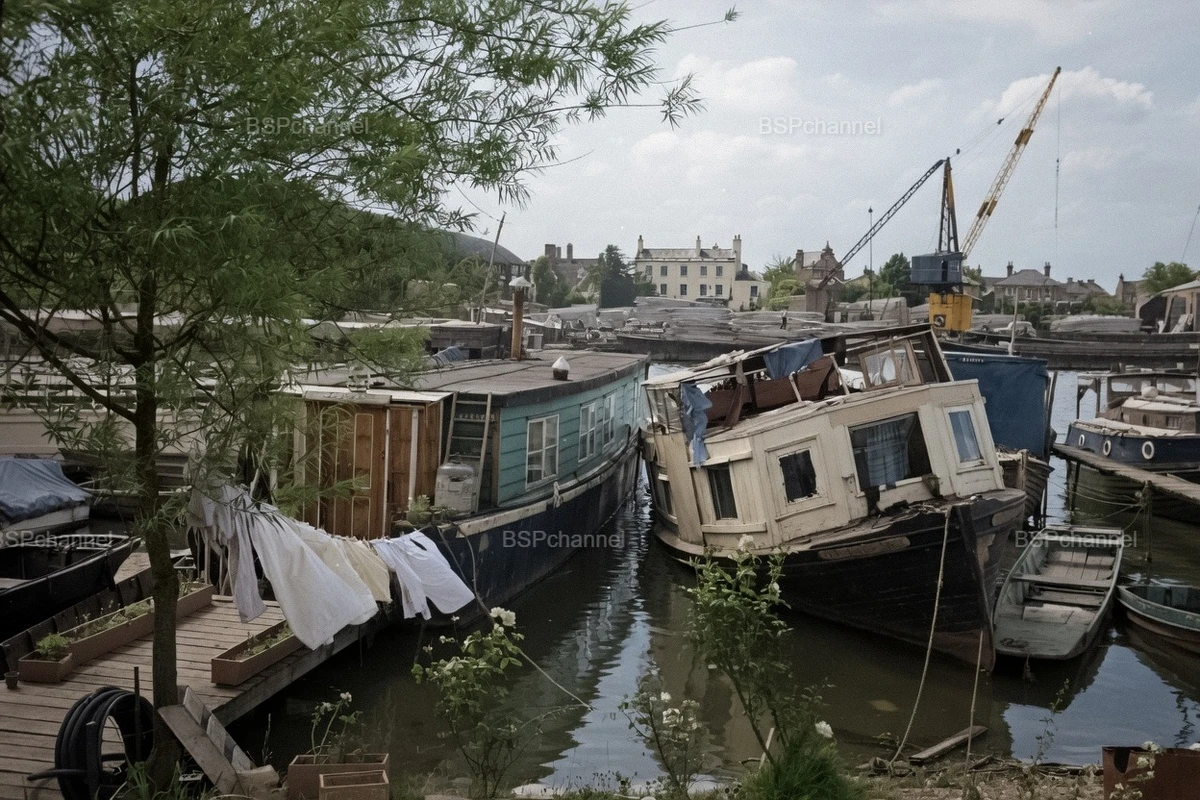
Photographer: Lev Nosov
Also in the 1960s, a special type of housing existed on the canal embankments and the River Thames that remained unnoticed by most Londoners: yacht and barge moorings converted into houseboats for workers and their families. This was a kind of "shadow" housing sector, home to those who could not afford even slum-like rooms in Notting Hill or other overcrowded areas of the capital. Houseboats were typically converted barges, tugboats, and pleasure yachts. Their condition varied greatly, but most were in disrepair.
Teenagers in Northern England, 1970-1980s. 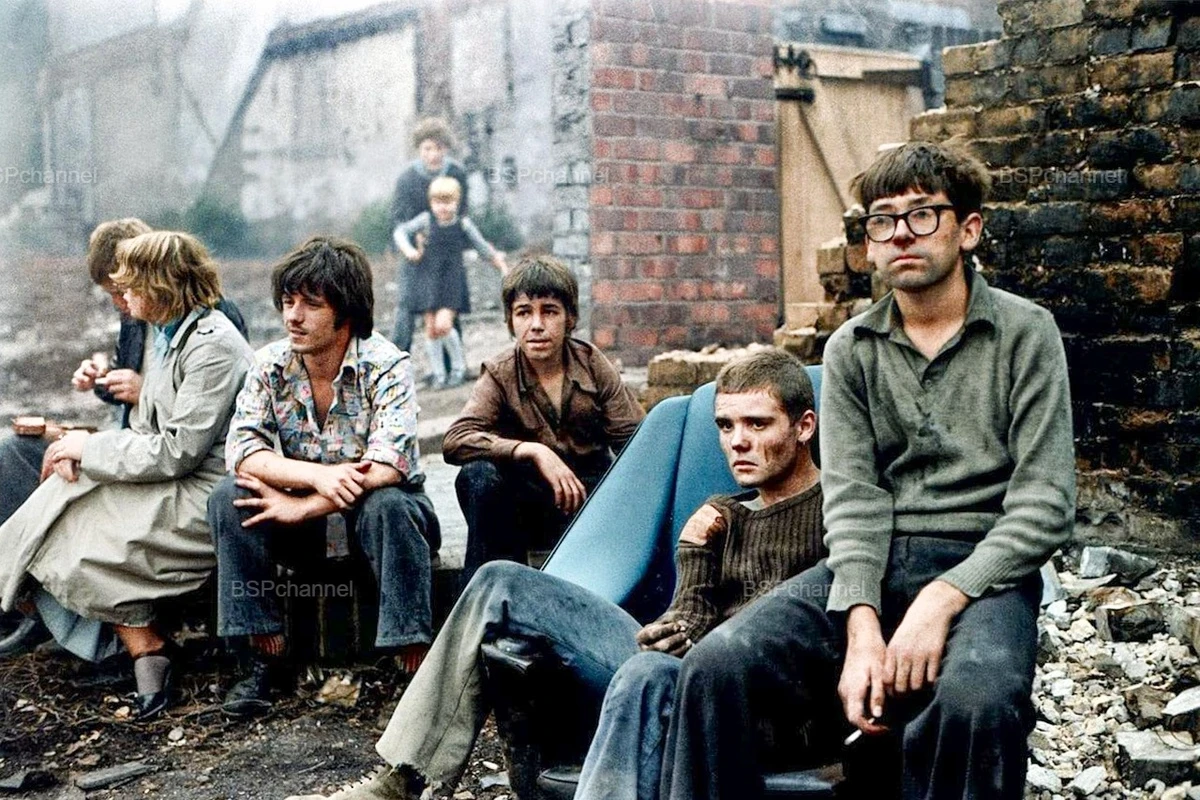
Photographer: Tish Murtagh
By the late 1970s, the industrial north of England, once the heart of British engineering and shipbuilding, entered a period of protracted crisis. The cities of Newcastle, Leeds, Manchester, Sheffield, and other industrial centers faced mass plant closures, leading to soaring unemployment.
Hover scooter. England, 1960. 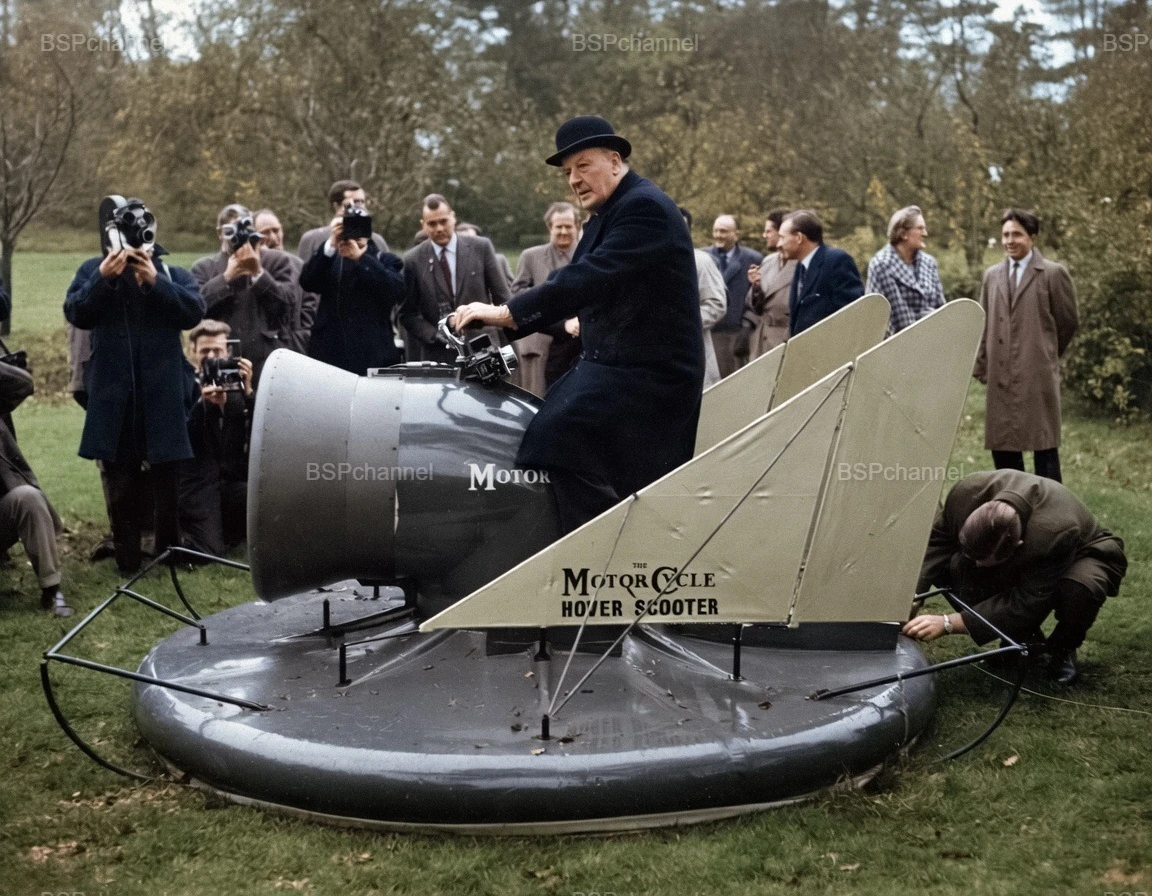
Lord Brabazon, a British aviation pioneer, demonstrates a hovercraft in Long Ditton, Surrey. Designed by American engineer Charles Rhodes, the hovercraft is a hybrid of a hovercraft and a scooter. It is powered by a 250cc, twin-cylinder motorcycle engine.
Dismantled buses and trolleybuses converted into living quarters on Talacre Beach, two miles from Prestatyn. UK, 1959. 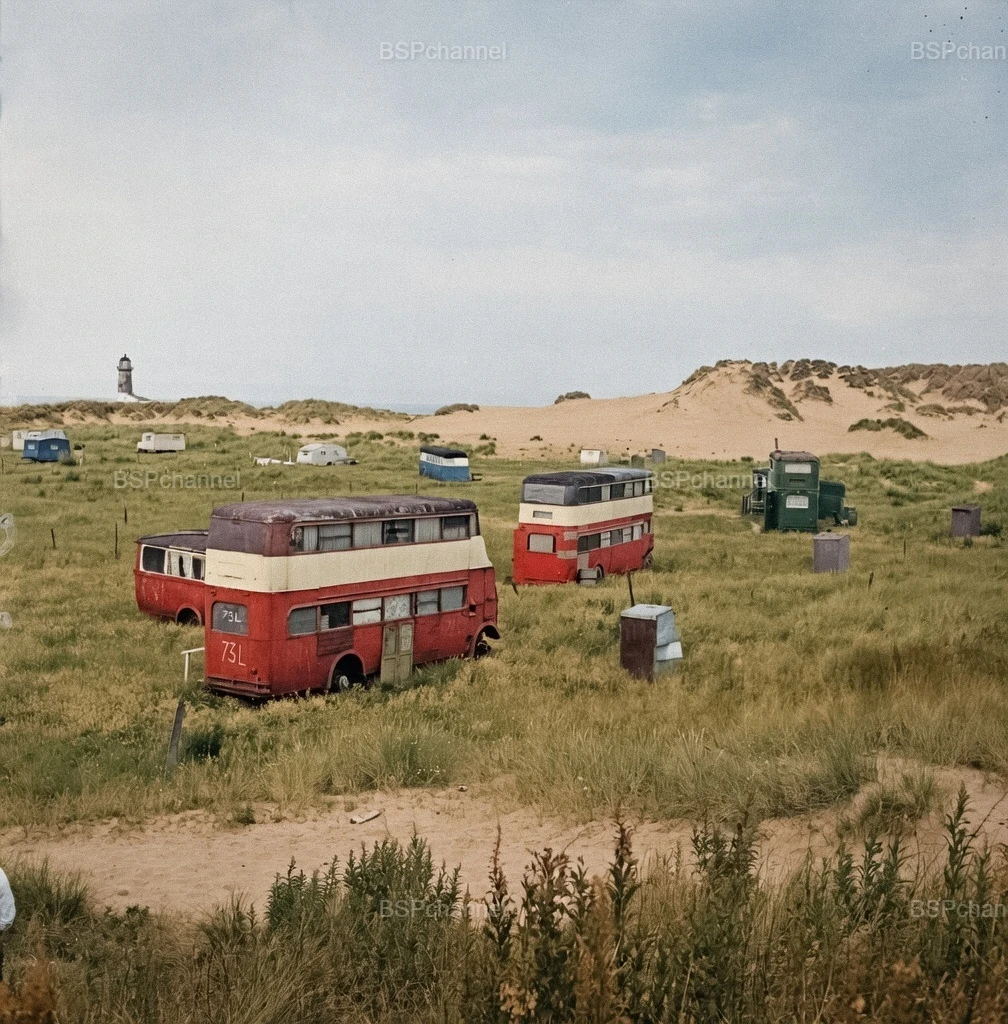
On the coast of North Wales, two miles from the resort town of Prestatyn, there existed an unusual settlement. Lined along the sandy beach of Talacre were decommissioned buses and trolleybuses, which their owners had converted into summer cottages and year-round homes. This quaint "park" of former public transport vehicles became one of the most striking examples of post-war British DIY culture. In the 1940s and 1950s, the country experienced a severe housing crisis. Wartime bombings destroyed hundreds of thousands of homes, and post-war reconstruction was slow. Under these circumstances, people sought any available means to find a roof over their heads.
A car abandoned on a beach, 1982. 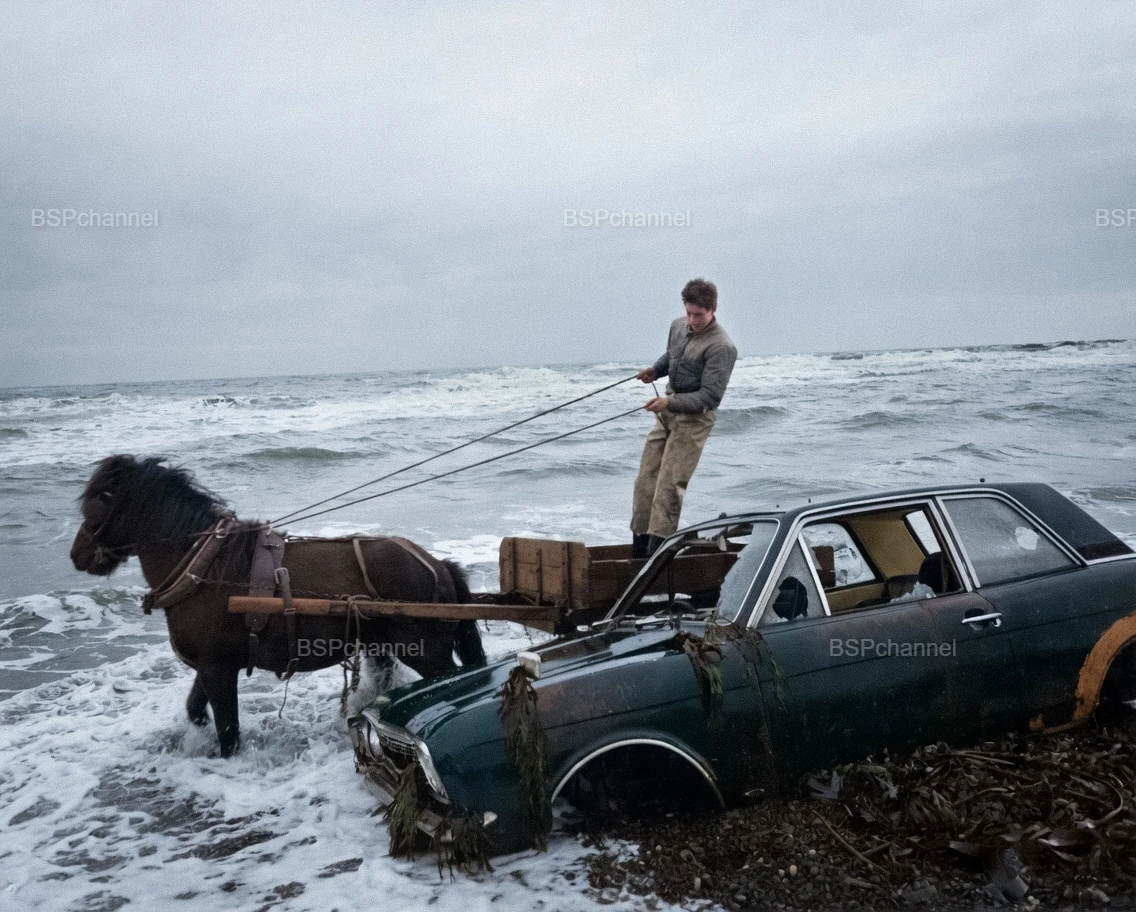
Photographer Chris Killip
Housing in working-class areas of Britain, 1969-1972. 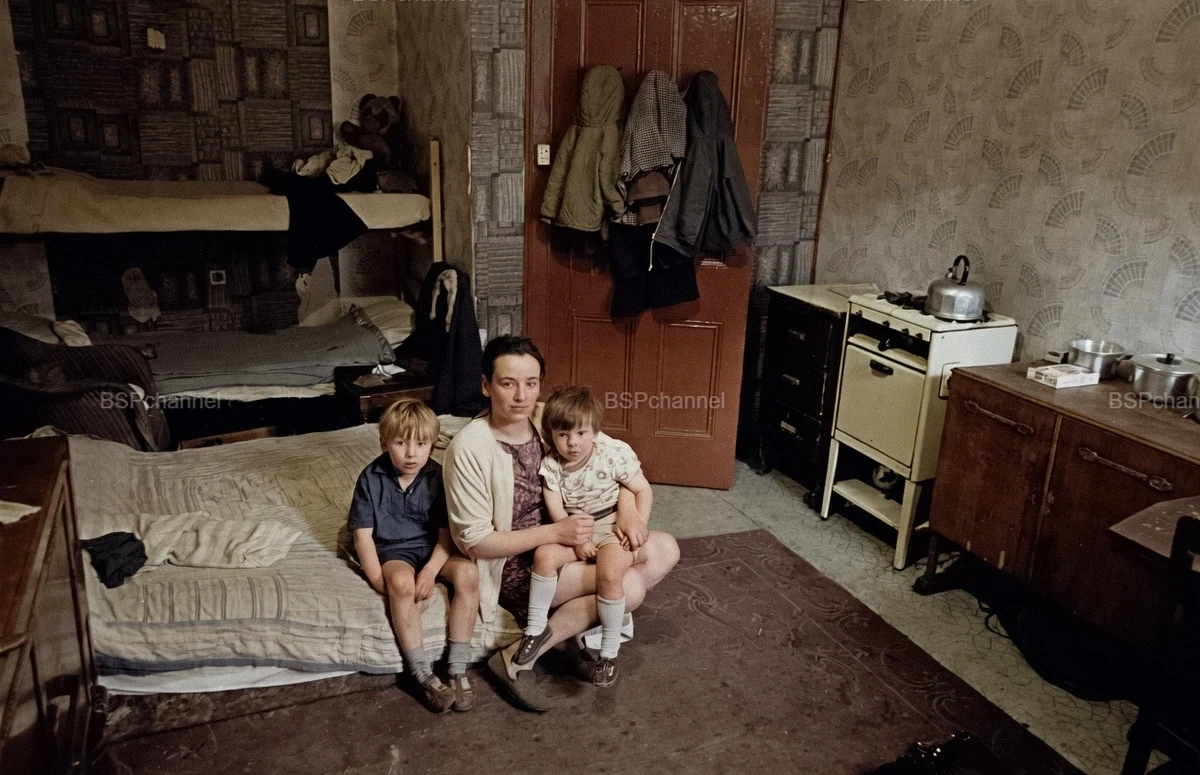
Photographer: Nick Hedges
Bags of rubbish in central London, not being collected due to a utility strike. London, 1970. 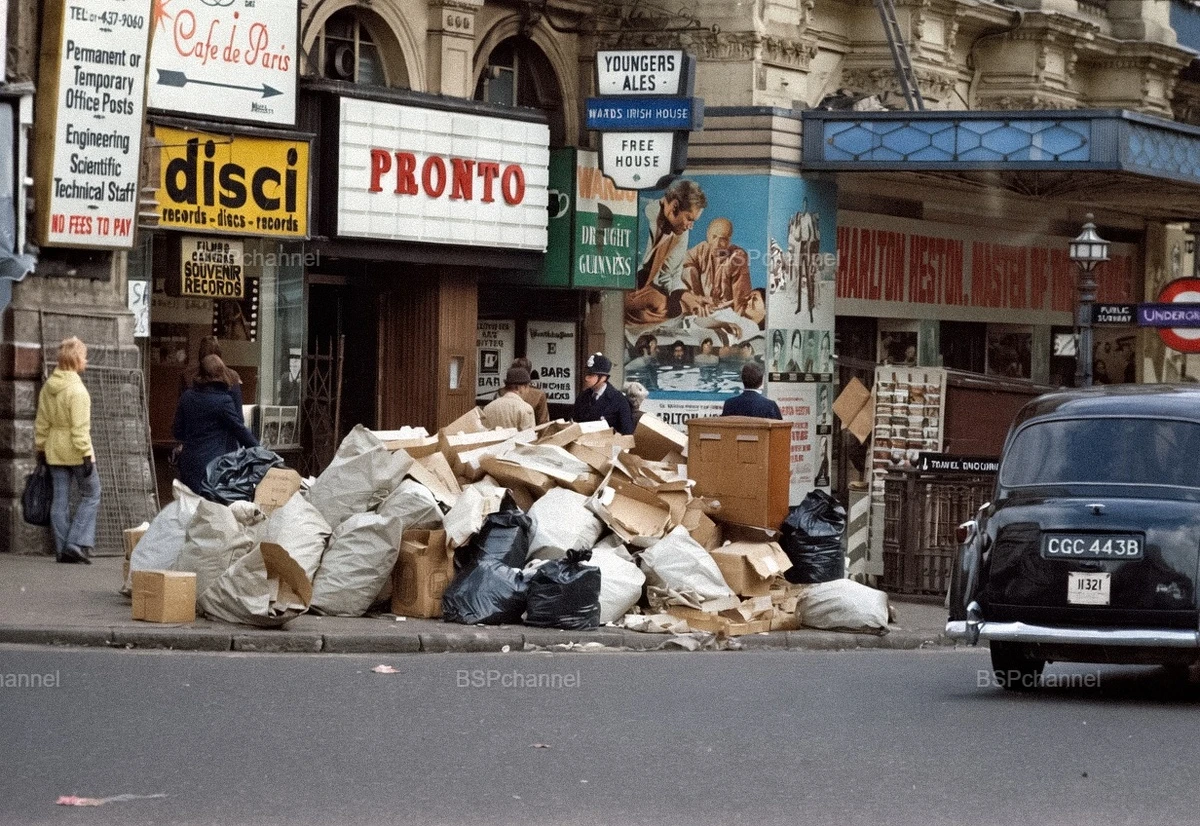
Photographer: Vasily Malyshev
On a London street, 1971. 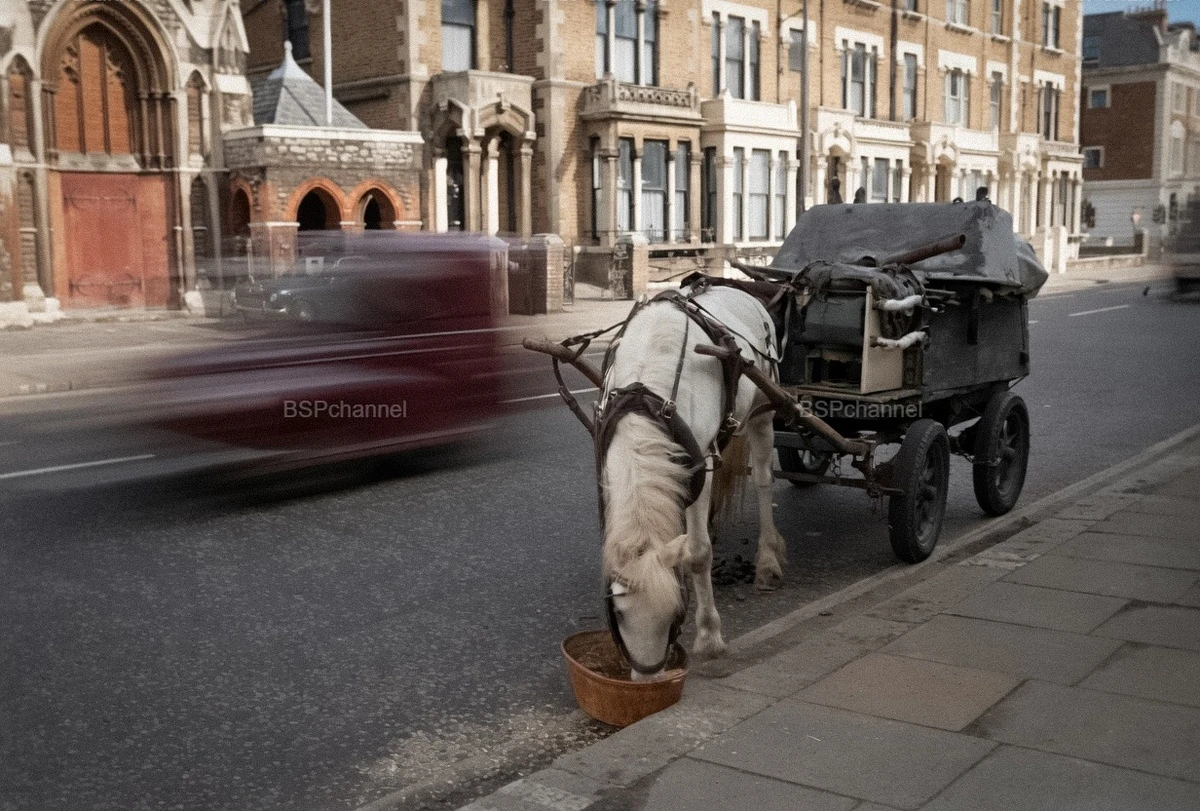
Photographer: Valery Shustov
Women assembling telephones in a London factory, 1924. 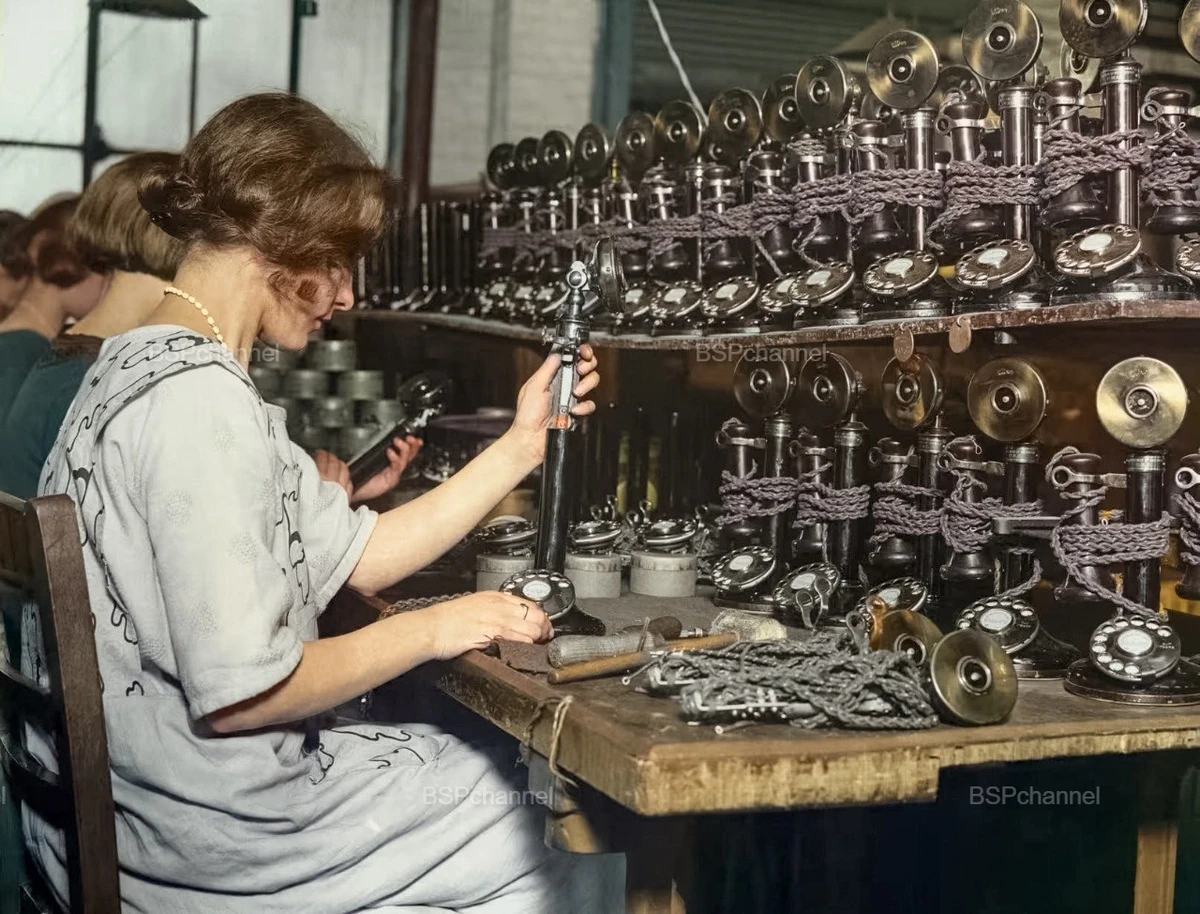
The 1920s was the decade following the end of World War I, which radically changed the role of women in the British economy. During the war, women entered factories en masse, replacing men who had gone to the front. They worked in munitions factories, mechanical engineering, and transport companies, proving their ability to handle work previously considered exclusively male. After the war, many women left the factories under pressure from demobilized men demanding their jobs back. However, women were not completely eliminated from industry. In industries such as electronics and precision instrument assembly, women's labor remained in demand—they were considered more suitable for painstaking, meticulous work.
General view of the village of Downe, located in Greater London, 1950. 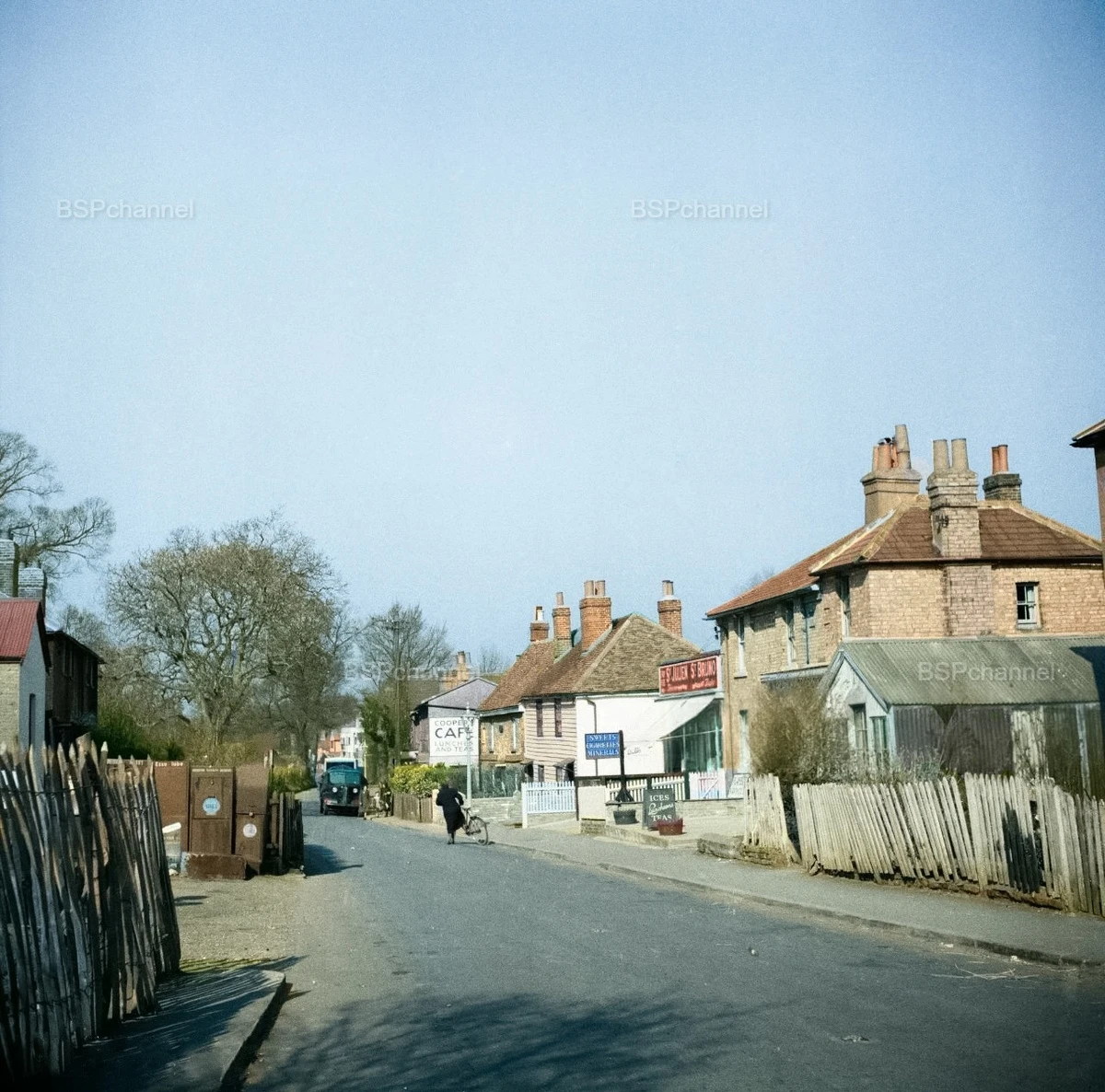
London, 1955. 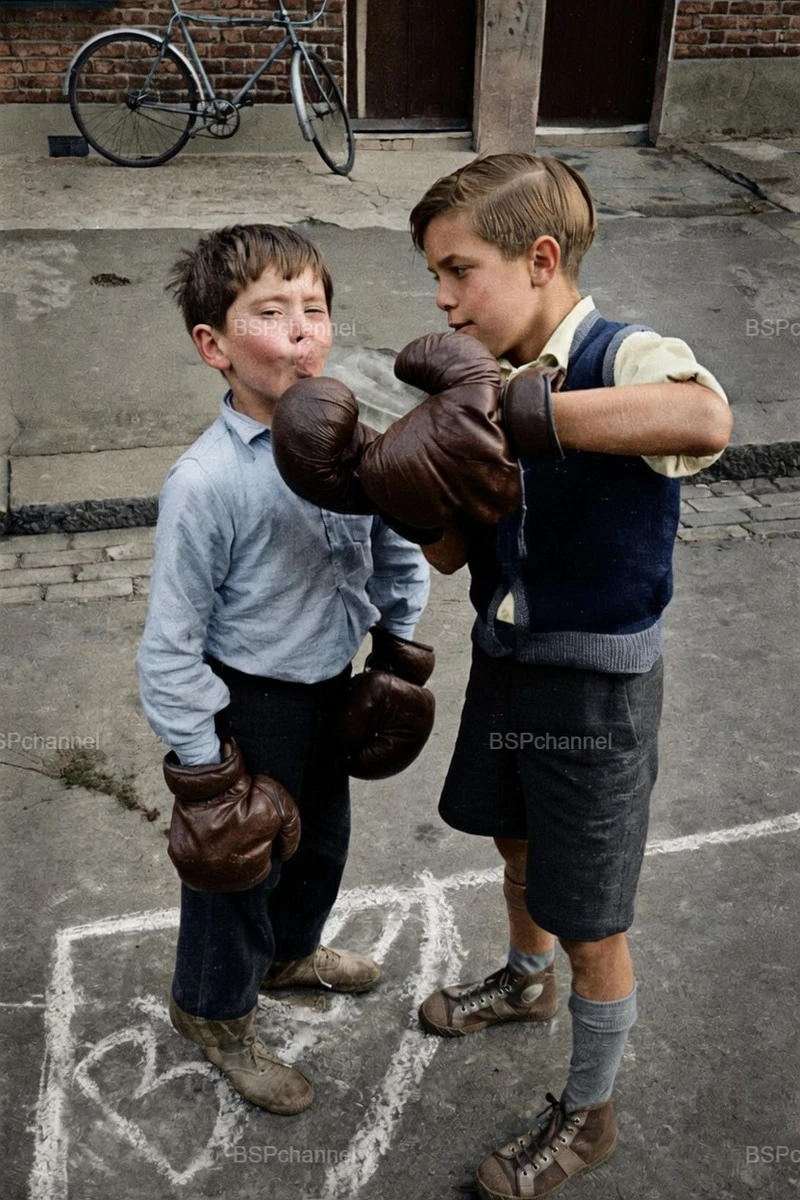
United Kingdom, 1962. 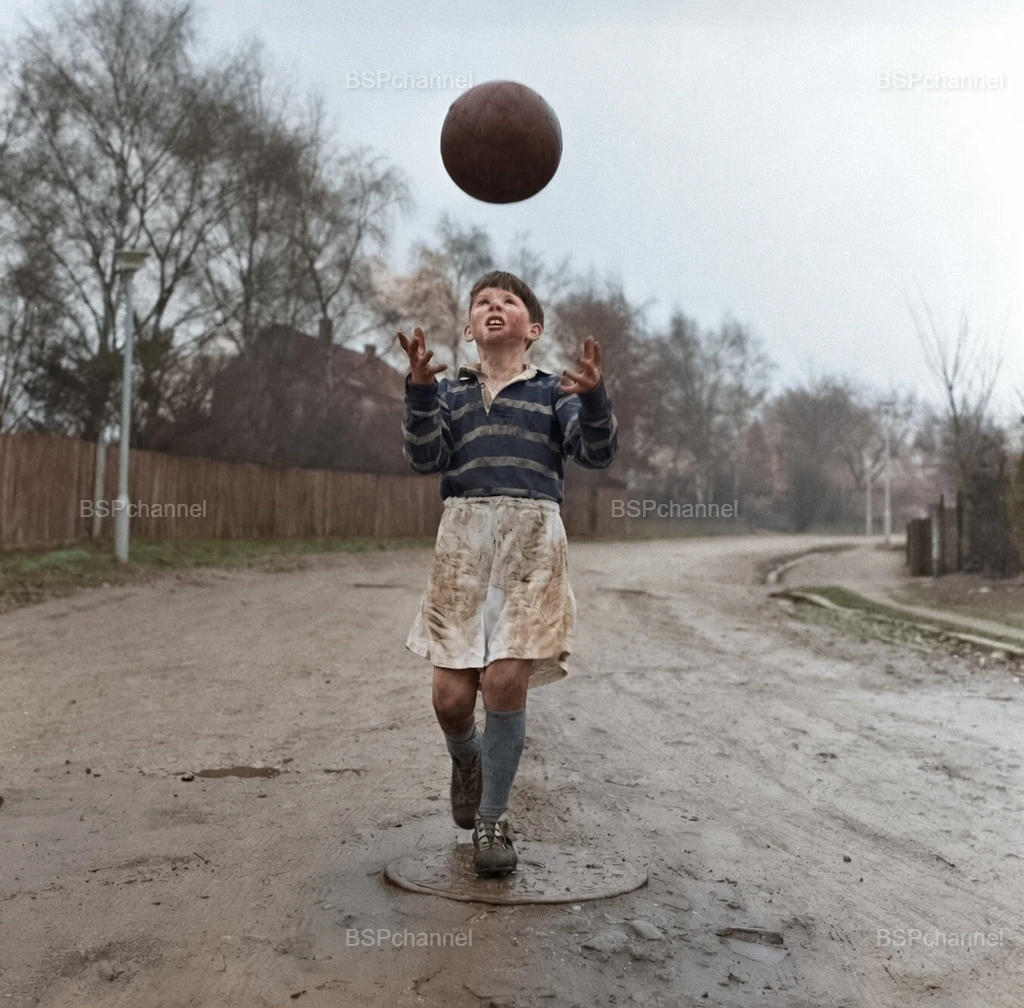
Photographer: Bert Hardy
A Gypsy family in the back of their horse-drawn wagon in Epsom, Surrey, England, 1926. 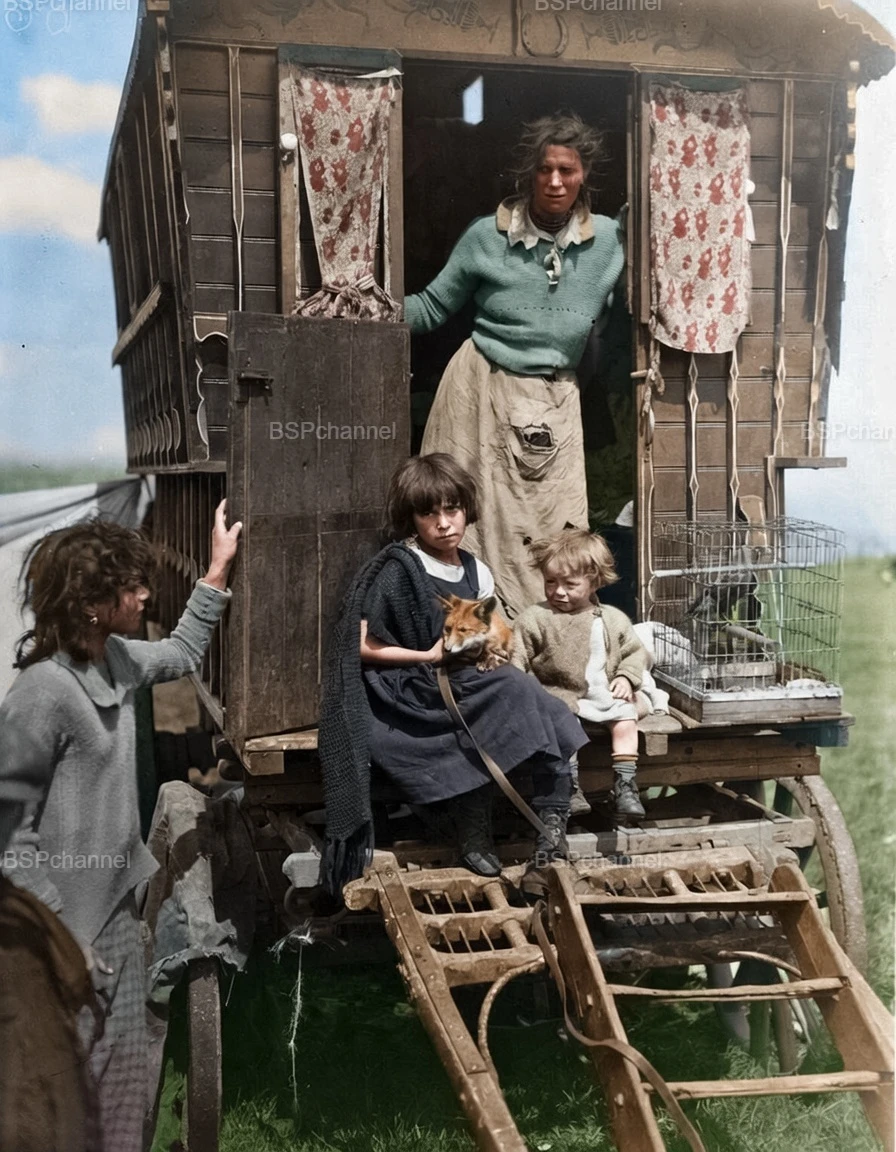
Two Playboy Playmates and two Penthouse models prepare to compete in the annual Good Friday Waiter and Waitress Competition in Battersea Gardens, London, March 28, 1972. 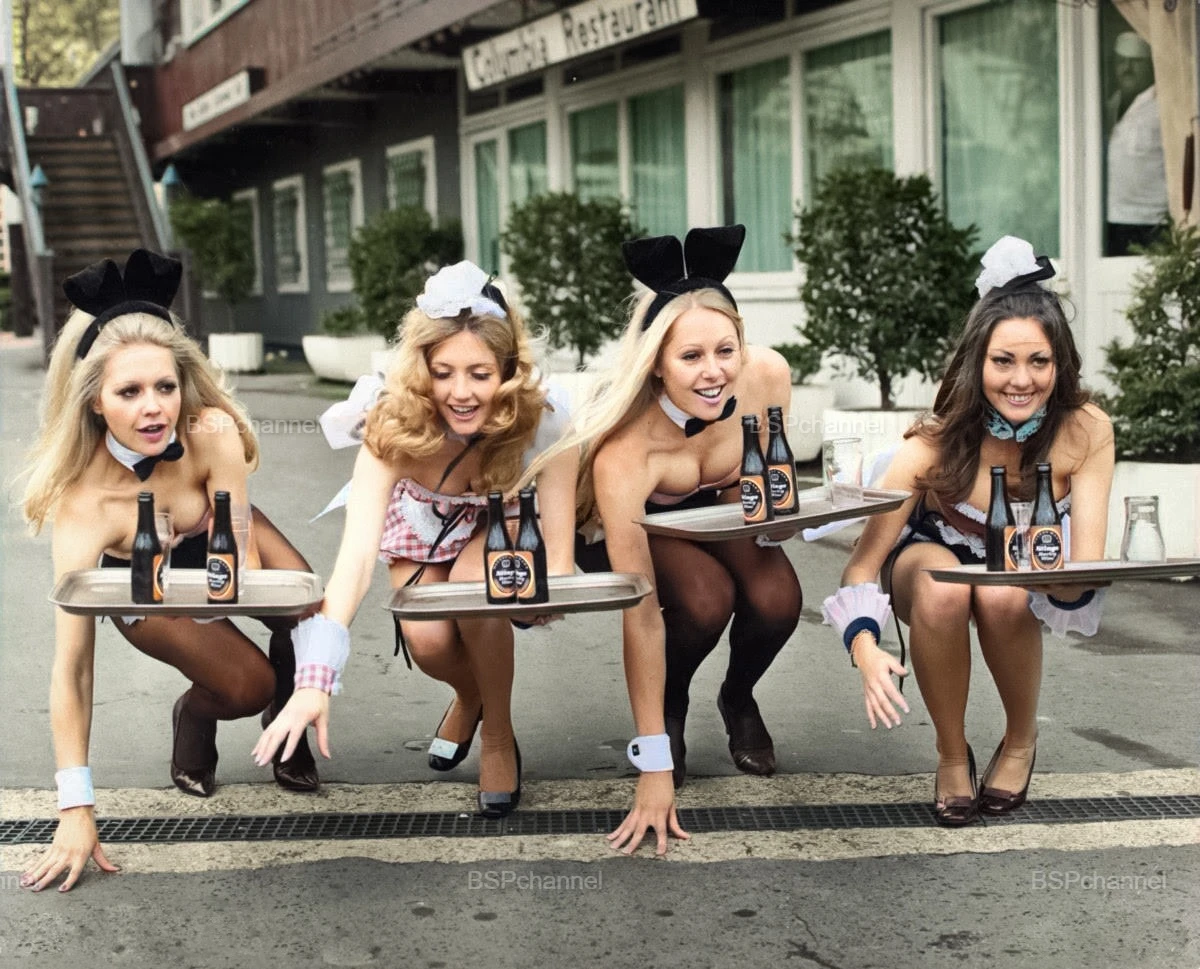
Photographer: Ian Showell
Many have heard of the first models and the magazine itself, but the second deserves a closer look. Penthouse is Playboy's British counterpart, a publication of the same genre.
Working class areas of Great Britain, 1969-1972. 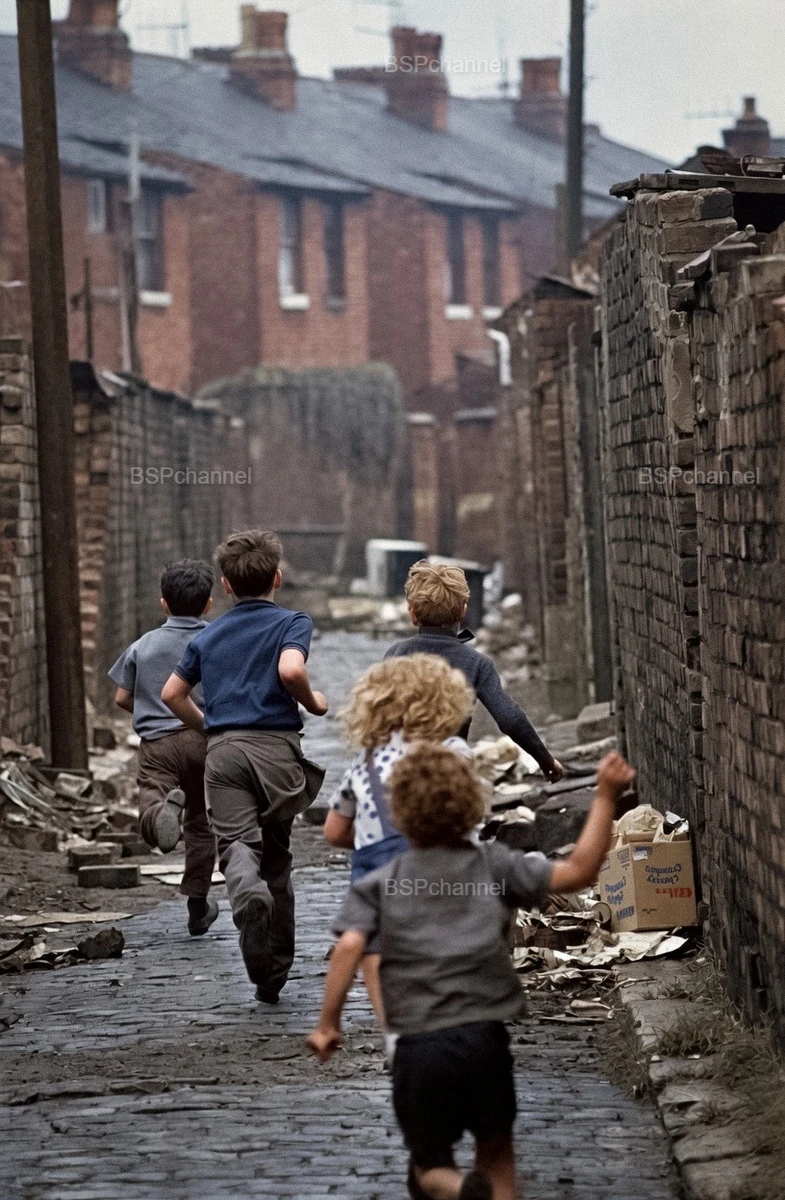
Photographer: Nick Hedges