The Unfinished Obelisk of Aswan – A Magnificent Creation That Almost Raised to the Sky (18 photos + 1 video)
Granite quarries along the Nile near Aswan supplied ancient Egyptian builders with the finest stone for constructing temples, statues, and monuments. 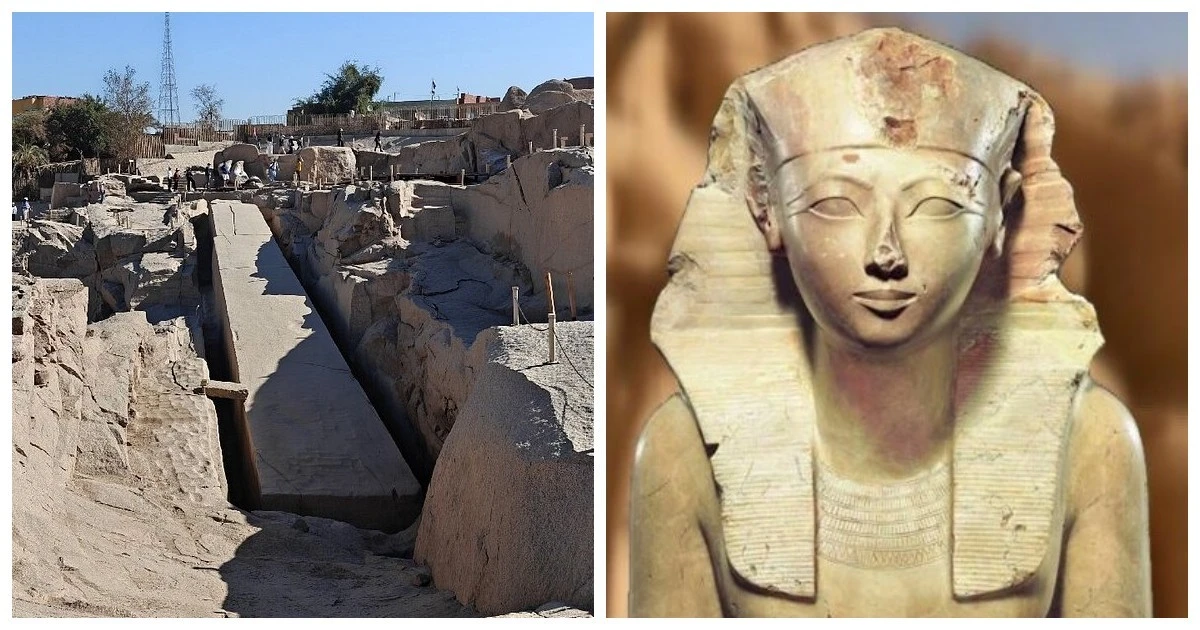
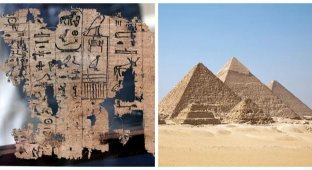
The famous Cleopatra's Needle, now adorning the London Embankment, as well as elements of the Khufu and Khafre pyramids and the Giza complex, were created from Aswan boulders. 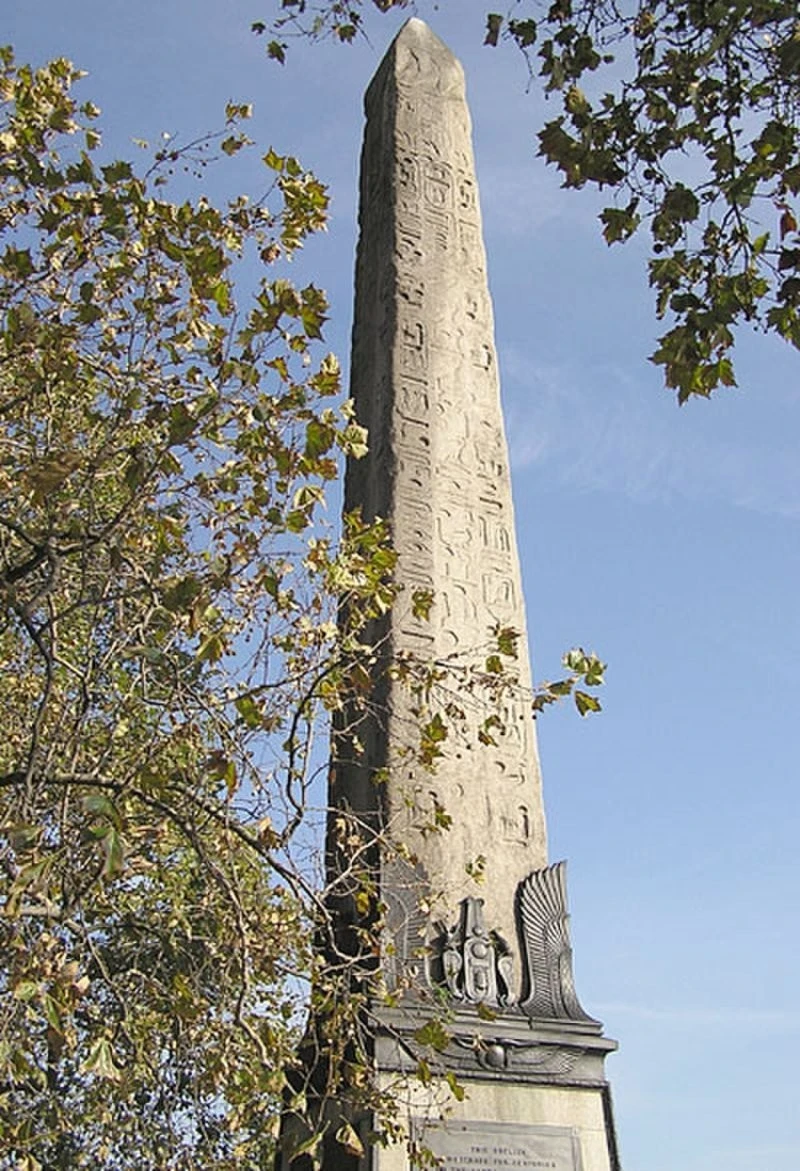
Cleopatra's Needle in London
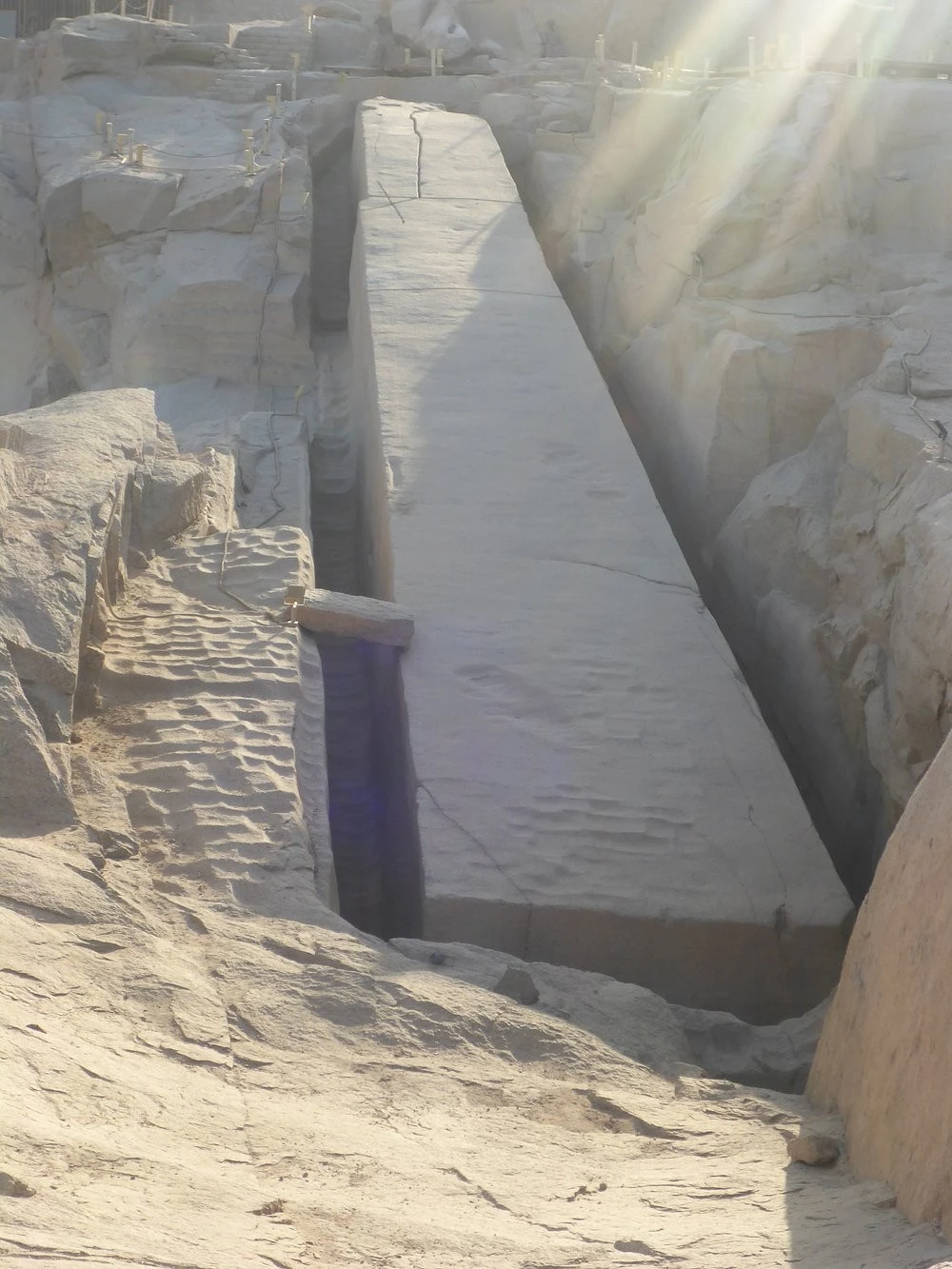
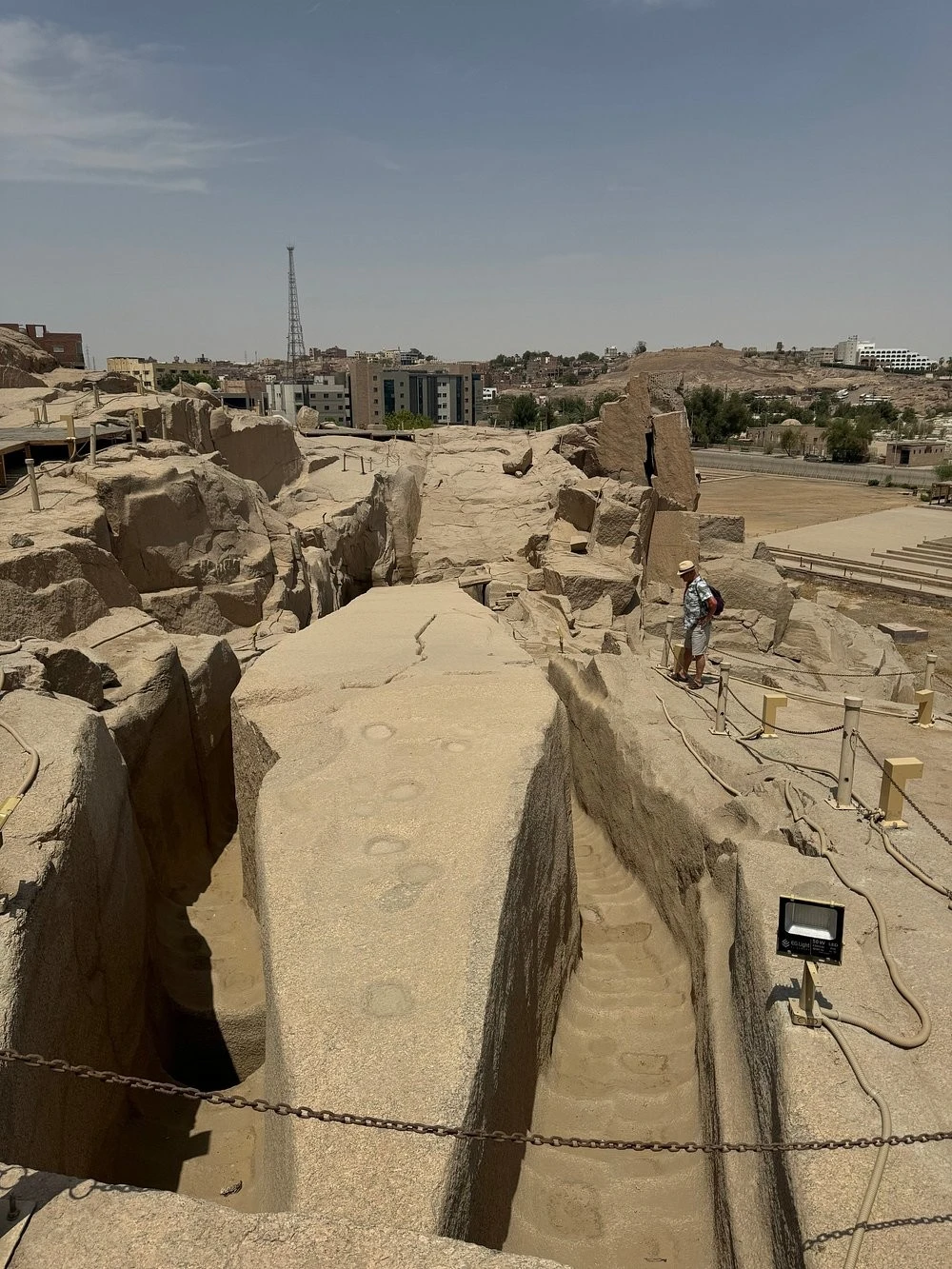
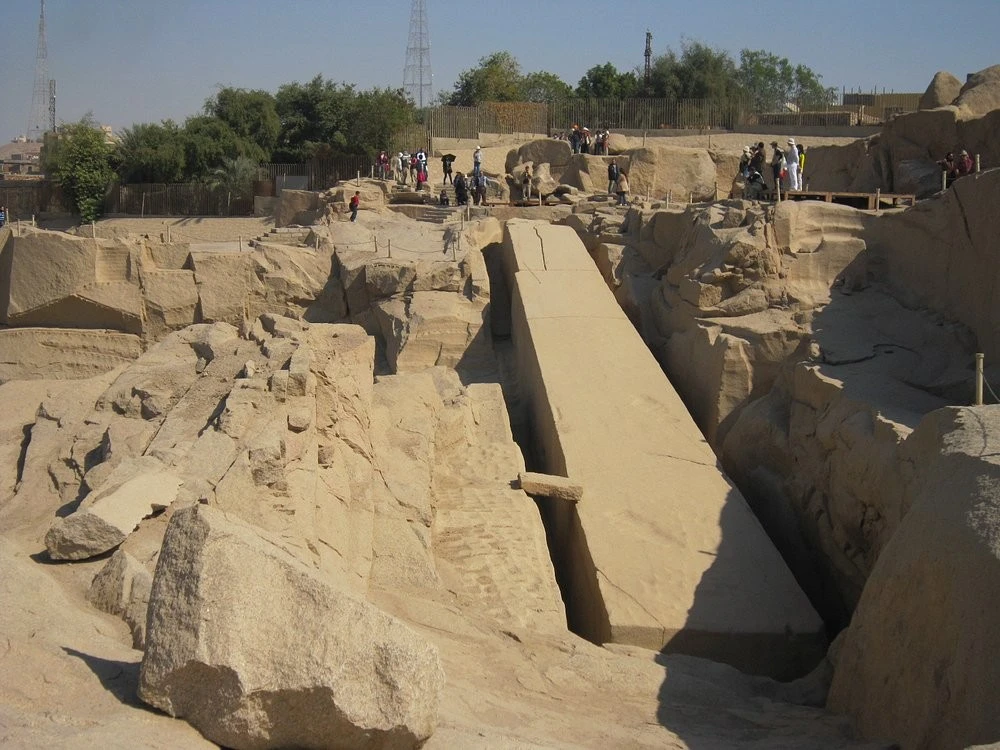
In the northern part of these quarries, an unfinished obelisk rests on its side—a giant, left in its stone cradle. It was intended to be the greatest and tallest obelisk in Ancient Egypt, but fate decreed otherwise. While the craftsmen were carving it from the rock, cracks appeared in the granite, and the project was forever mothballed. Because the obelisk was carved directly from the bedrock, for three and a half millennia it has rested exactly where its irate builders left it, its base still attached to the rock. 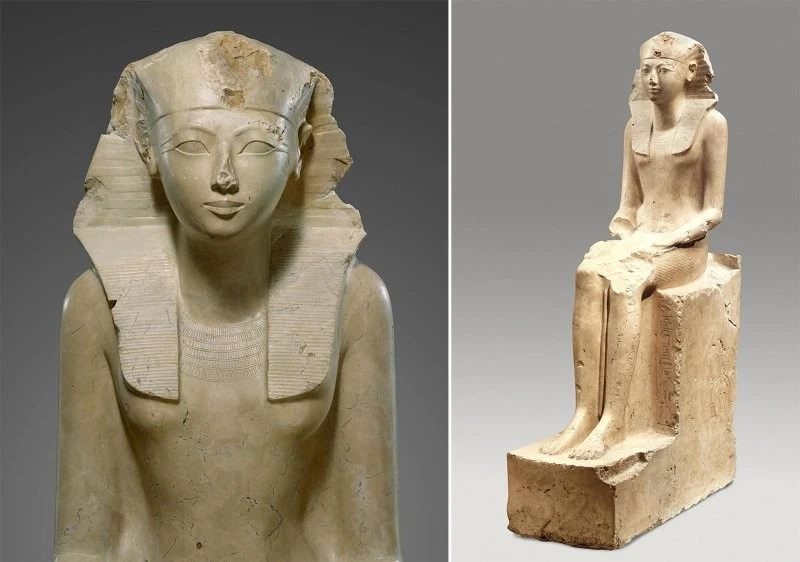
Hatshepsut
Scholars believe that the obelisk's construction began and ended during the reign of the female pharaoh Hatshepsut in the 15th century BC. It was perhaps intended to be a companion to the Lateran Obelisk, which originally stood at Karnak Temple but was later taken to Rome. Had the work been completed, the colossus would have soared almost 42 meters, becoming the most majestic obelisk in the history of the Land of the Pyramids. 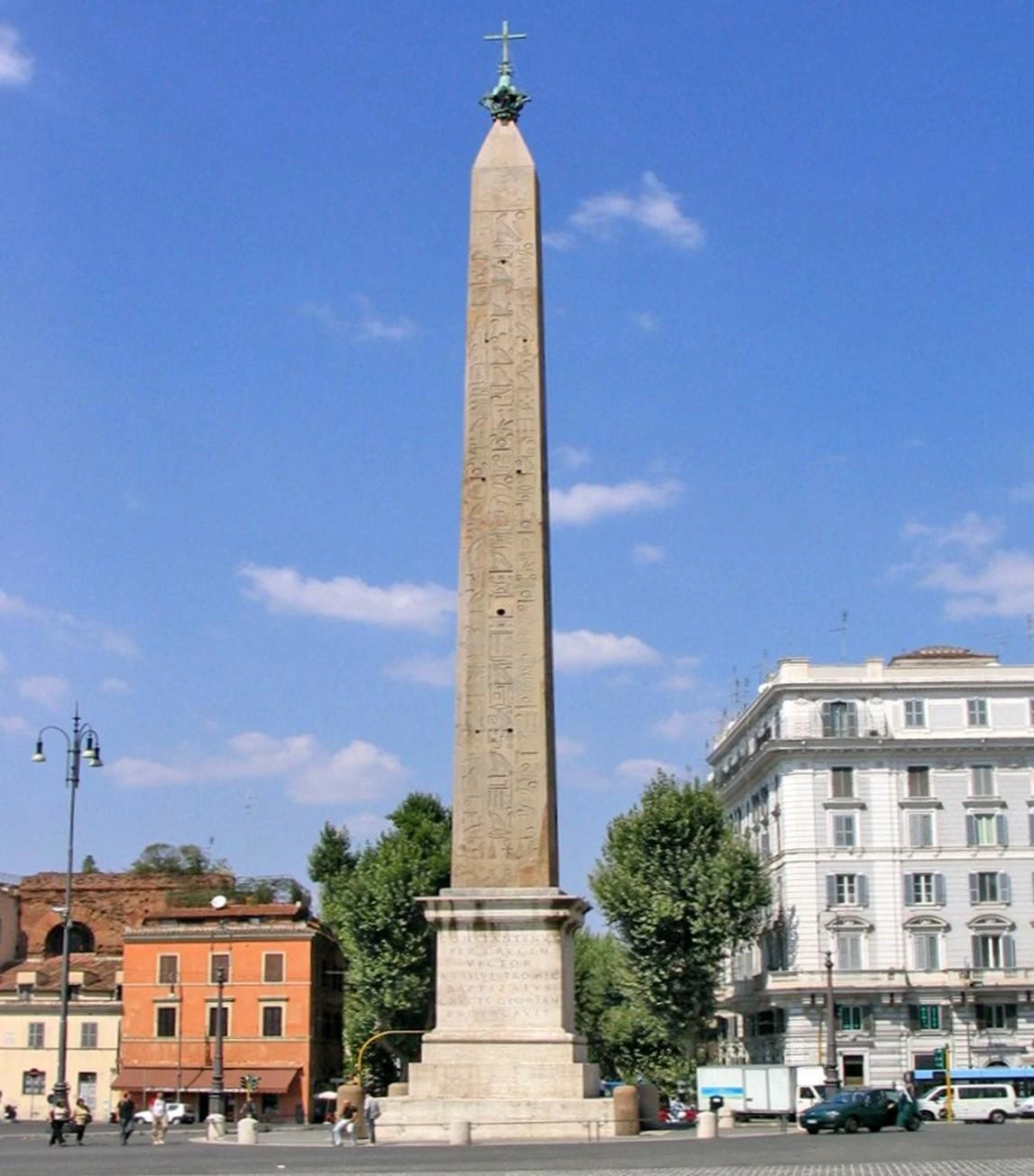
The Lateran Obelisk
The unfinished obelisk is a window into the world of ancient craftsmanship. Scratches left by the workers' tools and markings indicating where the granite should have been chiseled are still clearly visible on its surface. 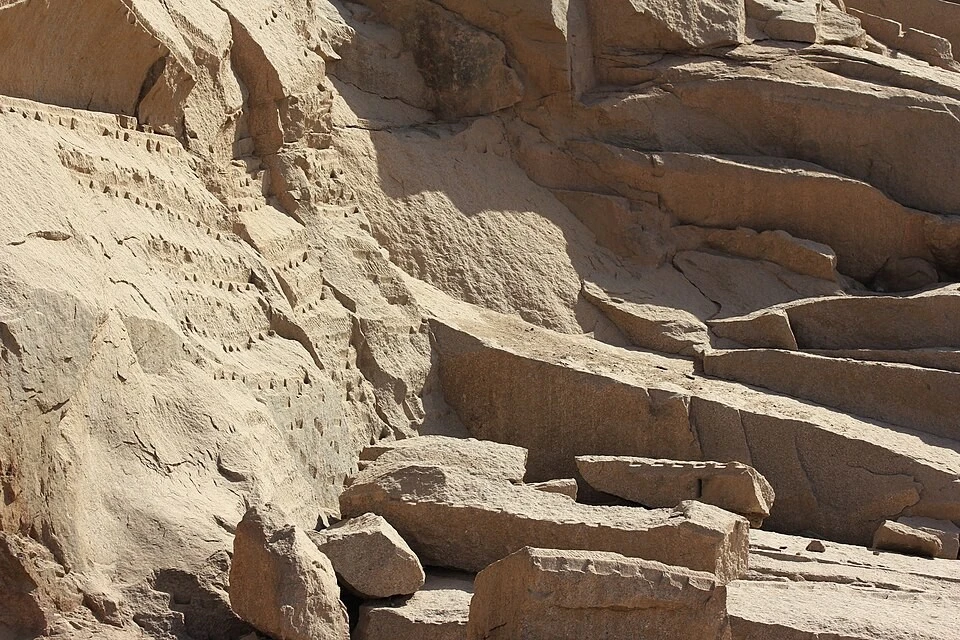
Quarry
Archaeologists believe the Egyptians used balls of dolerite—a rock harder than granite—to carve the monolith. Once the obelisk's sides were deeply cut, the task arose of separating it from its bed. To do this, narrow cavities were chiseled along the marked line and filled with wooden wedges, which were then generously watered. The wood swelled, creating tremendous pressure, and the rock split precisely along the marked path. 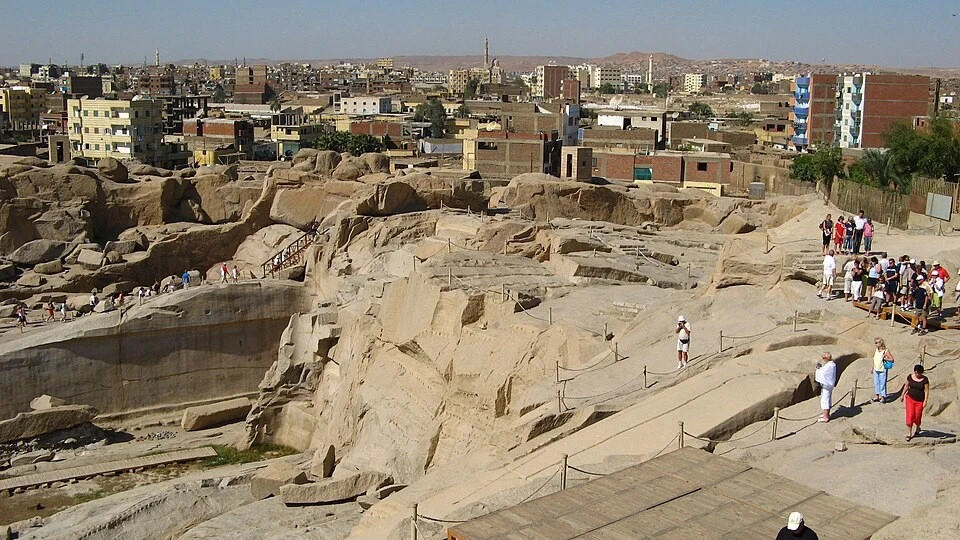
General view of the obelisk quarry
Today, the ancient quarries have been converted into an open-air museum, where this marvel of engineering is carefully preserved as a priceless archaeological treasure of Egypt. 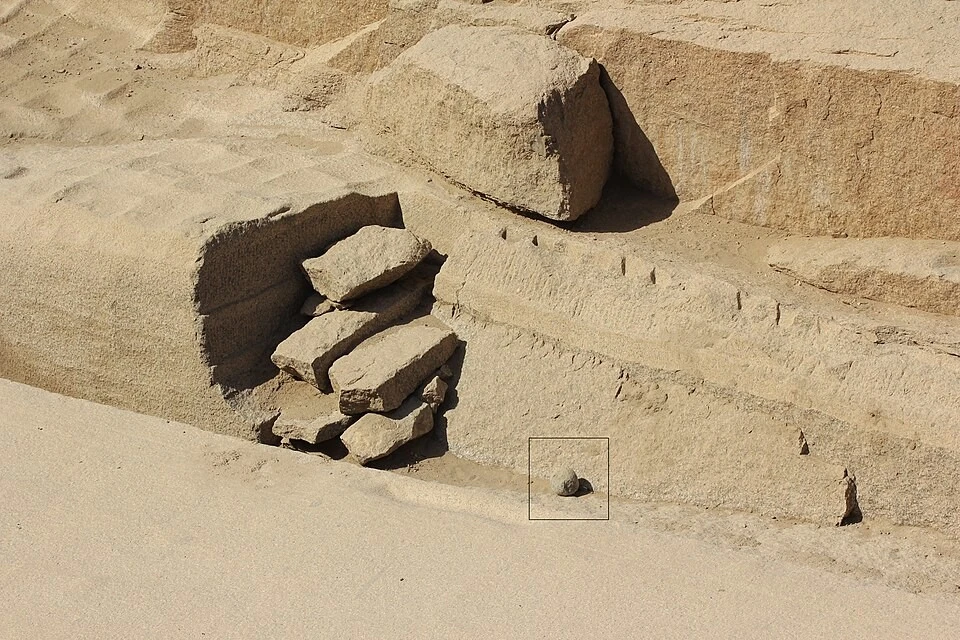
A dolerite ball, which could have been used to carve obelisks 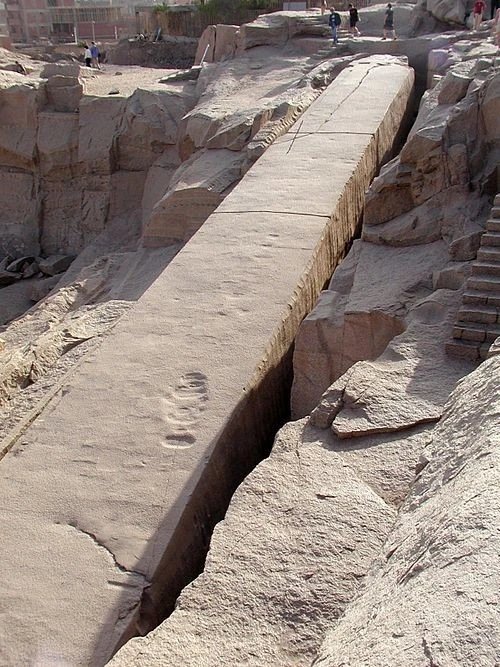
Unfinished obelisk. 2010 year 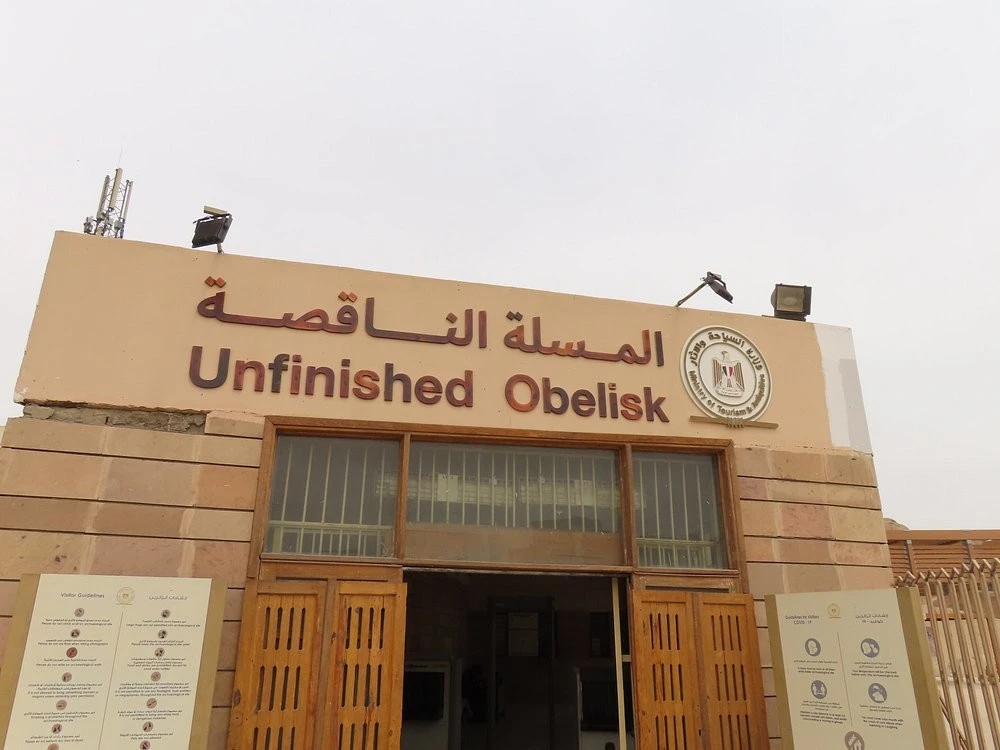
[thumb]https://cn22.nevsedoma.com.ua/p/29/2935/217_files/d1958 bad40fe74bfe8f9082945e56b52.webp[/thumb] 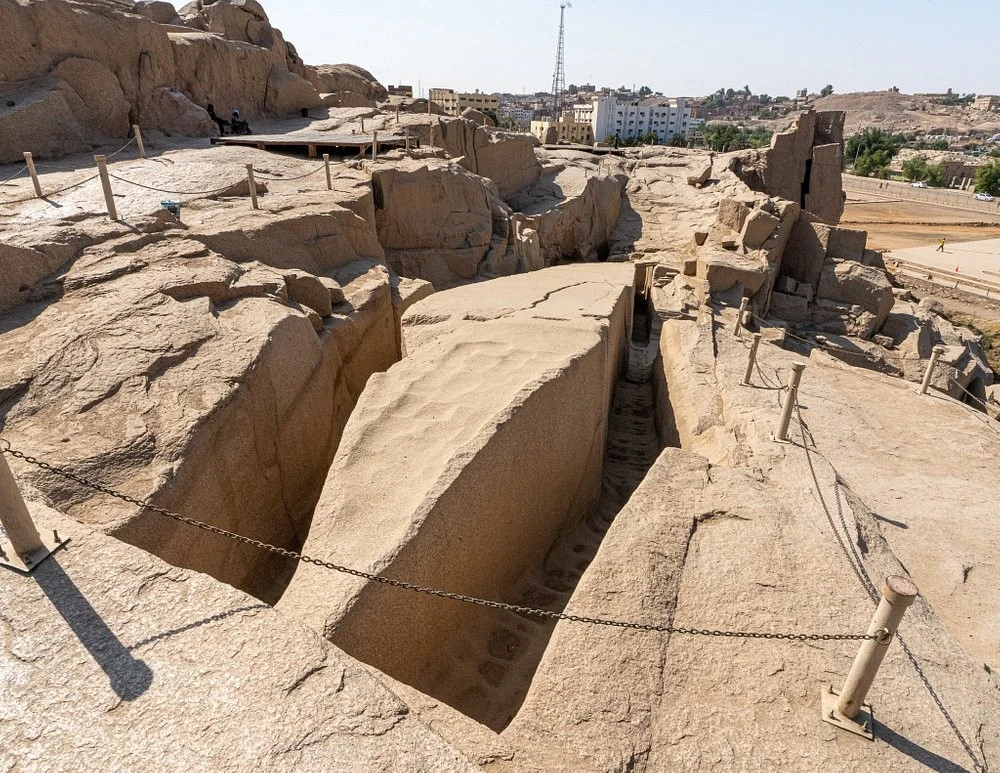
[thumb]https://cn22.nevsedoma.com.ua/p/29/2935/217_files/7a6d0ff13be86482b8cf611f707f65d7.webp[/thum b]
[thumb]https://cn22.nevsedoma.com.ua/p/29/2935/217_files/4371c889615d6469467809f18f32ae61.webp[/thumb] 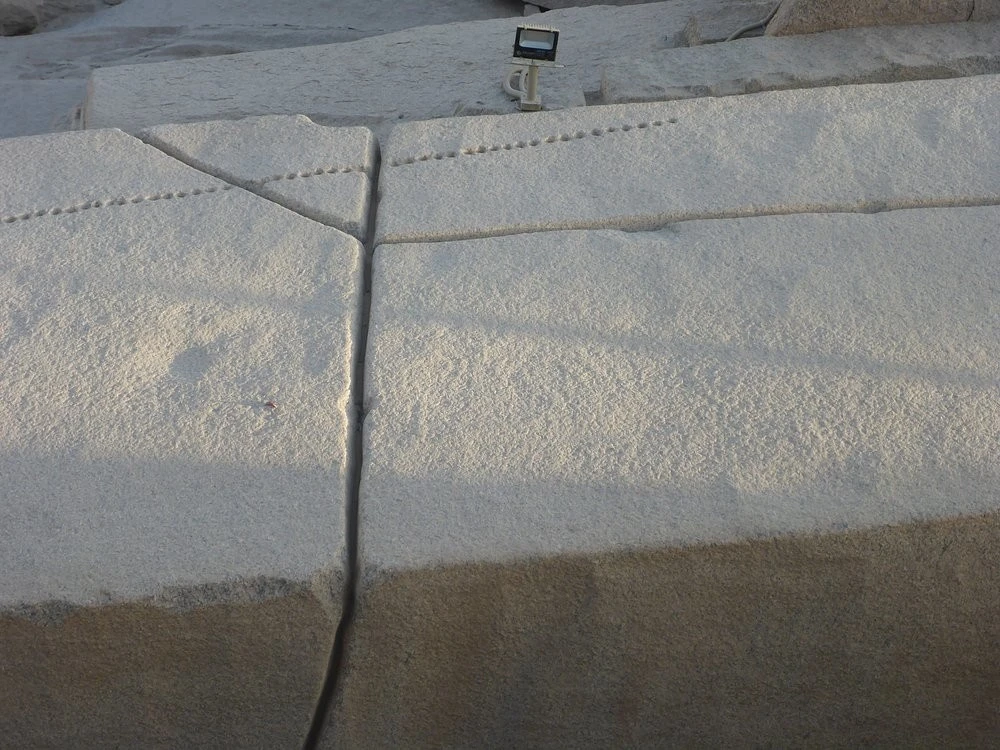
[thumb]https://cn22.nevsedoma.com.ua/p/29/2935/217_files/77815ce 226ba8718eda83daaa4410f27.webp[/thumb]