The White Wildman: How a Scottish Convict Spent 13 Years Living with Aboriginal Tribes and Forgot His Native Tongue (7 Photos)
James Davis escaped from one of Australia's most feared penal settlements, became the reincarnated spirit of a deceased Aboriginal man, learned to survive in the bush, and returned to civilization nearly wild—only to later become a respected merchant and philanthropist. 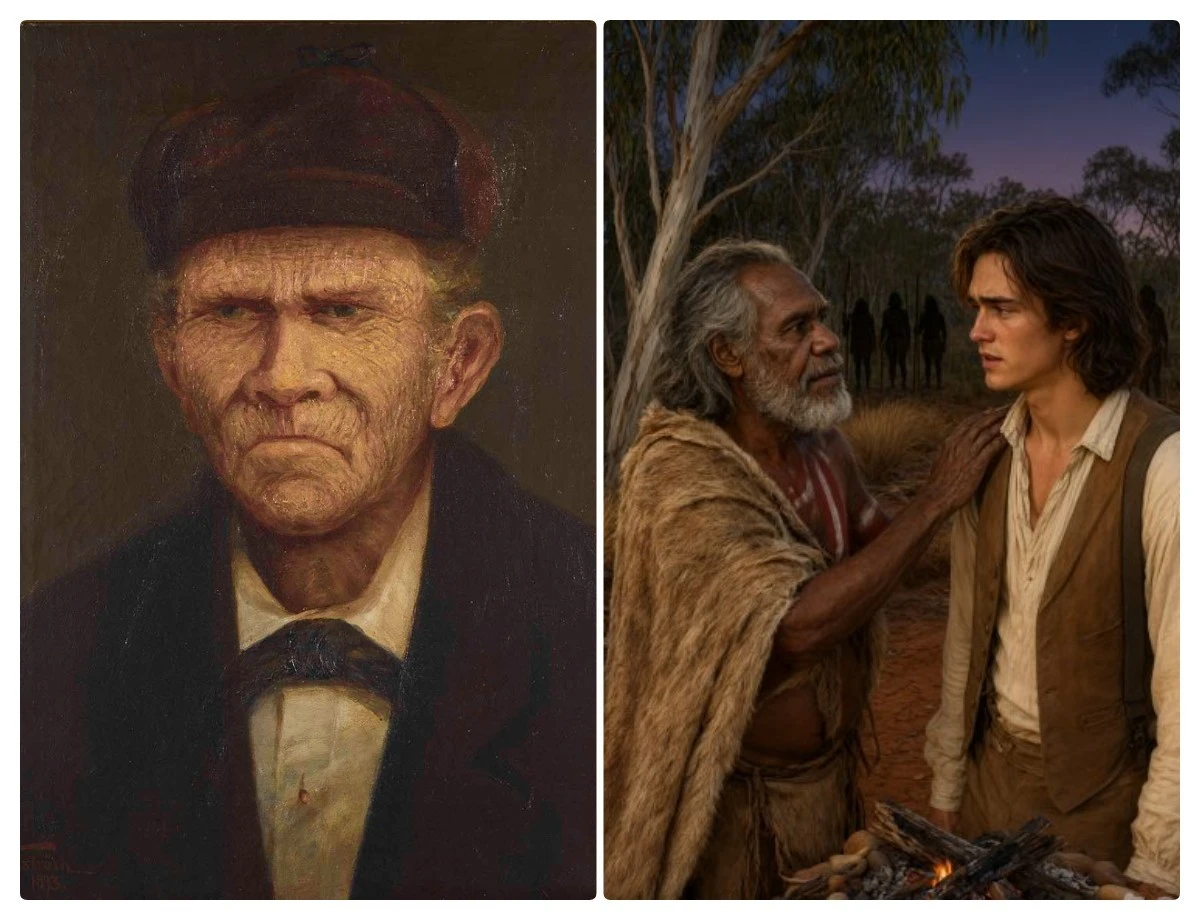
Imagine a man so deeply integrated into an alien world that his own native language became foreign to him. In 1842, explorer Andrew Petrie came across a naked white man covered in ritual scars deep in the Queensland wilderness. The man couldn't string together two words of English. His name was James Davis. Behind him lay thirteen years living alongside Indigenous tribes, a daring escape from a penal colony, and a new life under the name Duramboi.
The Boy Who Fled the Anvil 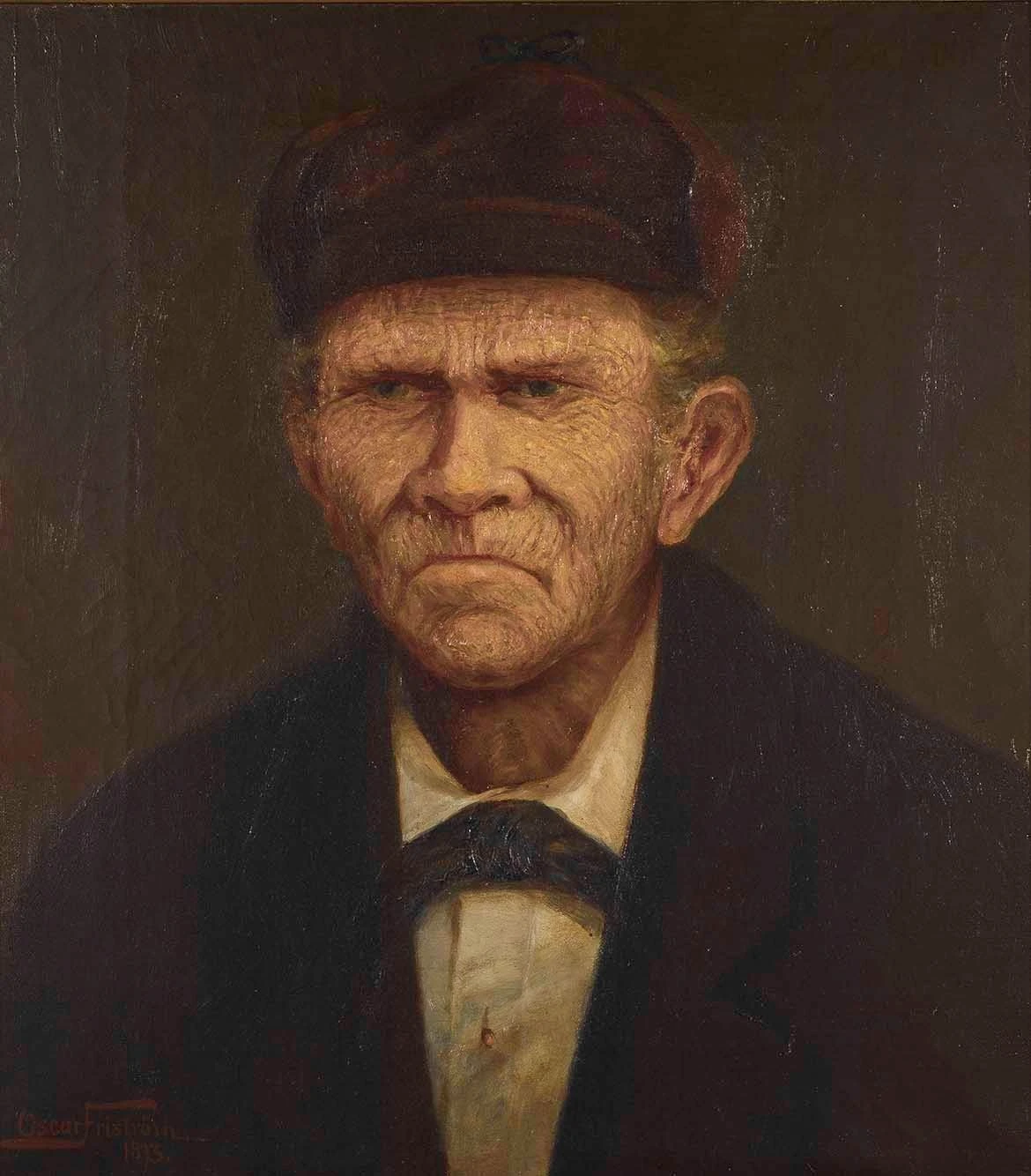
James Davis
Born in Glasgow in 1807 to a blacksmith, Davis was apprenticed to his father as a teenager, but the trade failed to capture his interest. Restless by nature, he soon left home for England, where his life quickly spiraled out of control.
In 1824, he was convicted in Surrey of stealing money from a church poor box and sentenced to transportation to New South Wales. Barely coming of age, he boarded a convict ship and arrived in Sydney in August 1825. Three years later, a second conviction for robbery brought a new sentence: three years at the Moreton Bay penal settlement—a place feared above all others by convicts.
Moreton Bay: Between the Lash and Flight 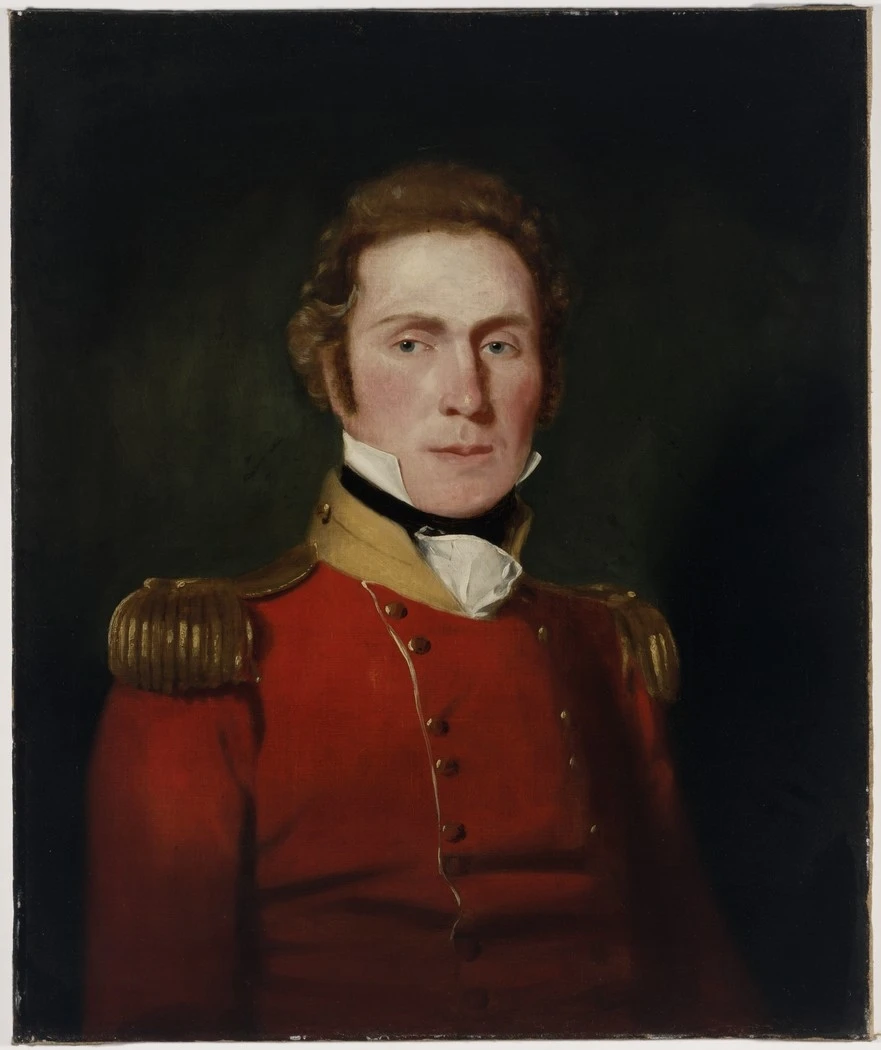
Commandant Patrick Logan
Moreton Bay, located where Brisbane stands today, was established for re-offenders within the colonies. Its commandant, Patrick Logan, was infamous for his brutality and relentless use of the lash. Rumor had it that some convicts committed murder just to be hanged and escape the flogging. Davis chose a different way out.
On March 30, 1829, roughly six weeks after his arrival, he escaped alongside another prisoner. Striking out north, they soon encountered a group of Aboriginal people who, contrary to the convicts' fears, welcomed rather than harmed them.
Duramboi: The Reincarnated Son 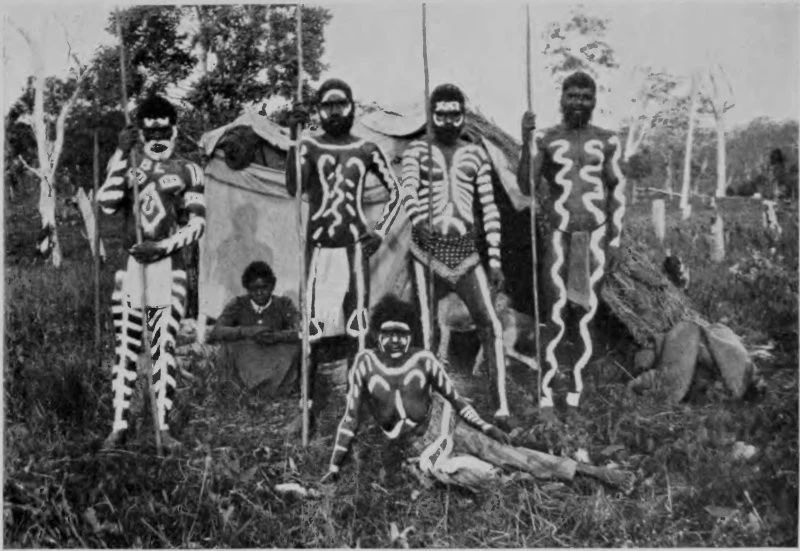
Members of the Kabi Kabi tribe
A chief named Pambie-Pambie recognized in Davis the spirit of his deceased son, returned to life in the body of a white man. The late son's name was Duramboi, and the name was passed on to Davis. Pambie-Pambie and his wife took the outsider under their protection. The belief that he was a resurrected relative granted him what no ordinary stranger could expect: safety and a place in the community.
Yet this peaceful life proved fragile. When Davis accidentally killed his adoptive mother's beloved dog, Pambie-Pambie flew into a rage and threatened to kill his "son." Davis's response was direct and forcefully persuasive: he beat his adoptive father within an inch of his life. As accounts later noted, he gave Pambie-Pambie "such a severe thrashing with his fists that it not only quelled his bloodthirsty intent, but also compelled him to forgive the death of his favorite dog."
Davis's companion was less fortunate. Unaware of local customs, he found the bodily remains of a deceased Aboriginal person resting in a bark container in a tree and took it to collect oysters. Seen as a desecration of a grave, the act led to his death.
Thirteen Years in the Bush 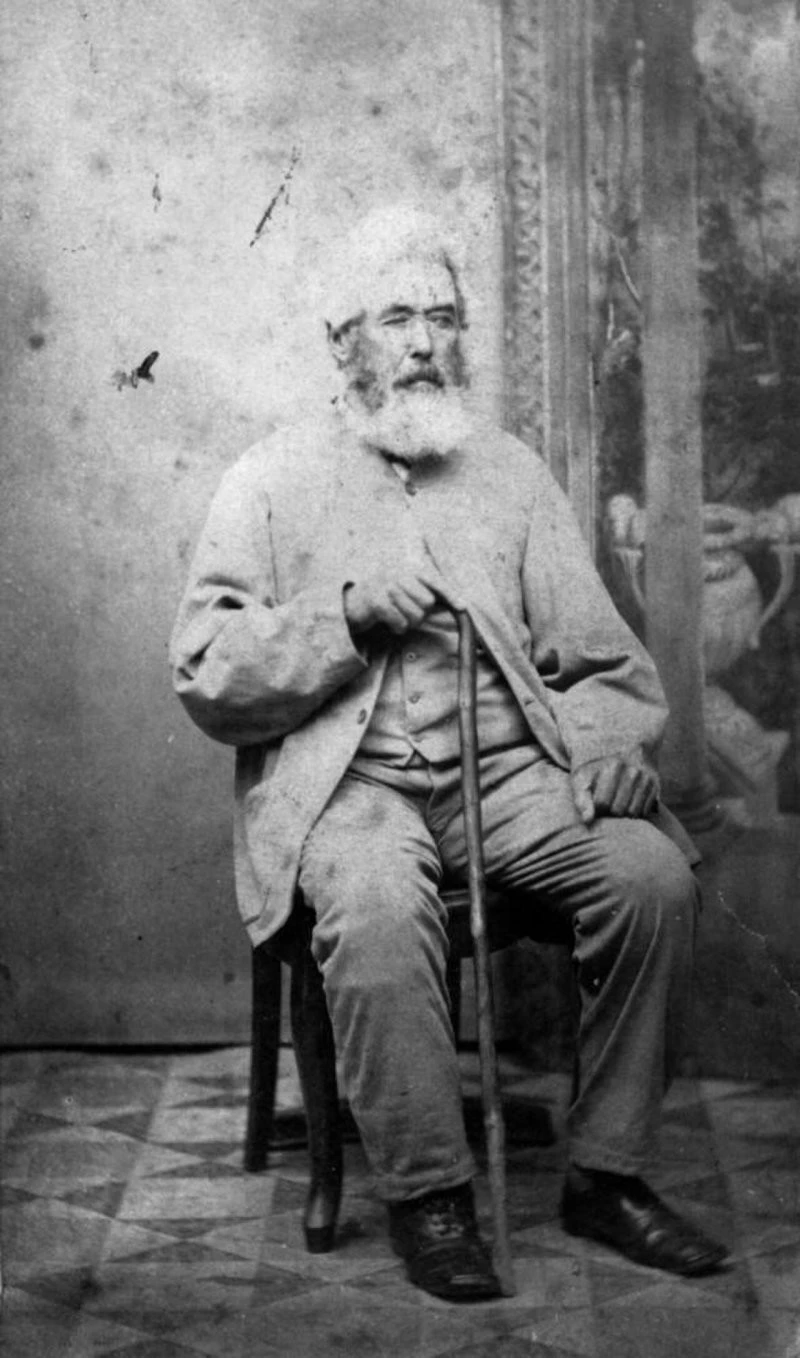
Explorer and trader Andrew Petrie discovered Davis in 1842
Davis stayed. Stripping away his European clothes, he fully adopted the Indigenous way of life, learning to hunt, forage, climb trees, and navigate the wilderness. He mastered the languages and customs of the communities he lived with.
He didn't stay with just one group. Moving between different tribes, Davis employed a clever ruse, claiming to be a recently deceased member of whatever clan he encountered. Over time, maintaining this fiction grew difficult. When people failed to "recognize" him, he claimed to have forgotten his name after "dying." Eventually, he returned to Pambie-Pambie, becoming what contemporary sources described as a "most dutiful son."
By 1842, his assimilation was complete. He wore virtually no clothing, his body marked with ritual scars—parallel cuts across his chest, alongside older wounds on his back and legs. While effortlessly at home in the bush, he had all but forgotten the English language.
Encounter with Civilization 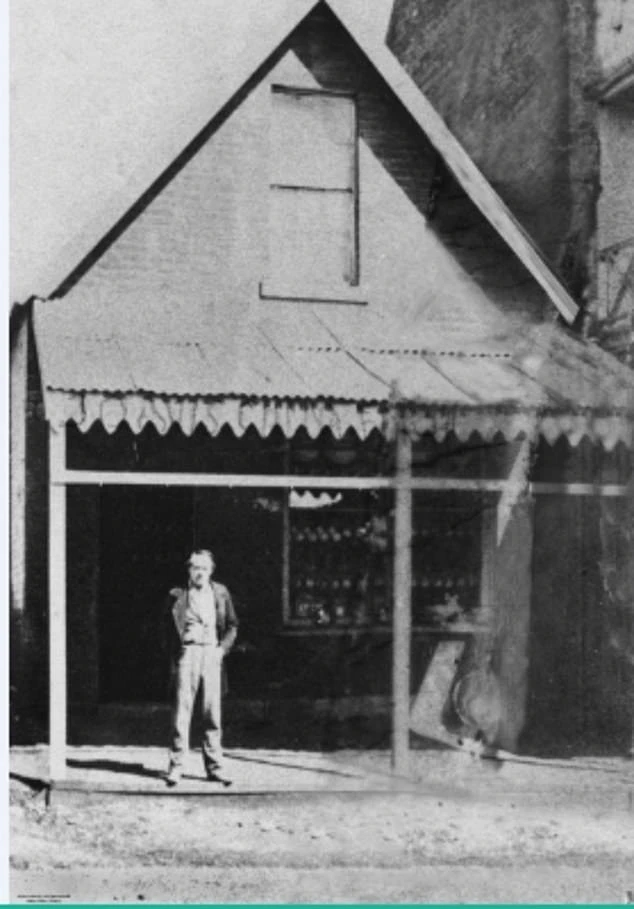
Davis outside his crockery shop on George Street, c. 1872
In May 1842, while exploring the Mary River region, Andrew Petrie learned from Fraser Island locals that a white man was living in the bush. Petrie had already rescued another runaway convict, David Bracewell, who had lived among the Aboriginal people for seven years. He set out to locate Davis as well.
The expedition was fraught with danger. Shortly prior, over fifty Kabi Kabi people had died in a mass poisoning incident at Kilcoy, leaving local tribes deeply hostile toward Europeans. Bracewell, accompanied by an Aboriginal guide from Moreton Bay, managed to slip into the camp. Upon being found, Davis initially mistook them for enemies. Petrie had to convince him that the penal settlement had been disbanded and that it was safe to return.
An eyewitness described his morning departure:
Hundreds of Indigenous people followed along the riverbank, climbing onto overhanging trees and rocks to shout their farewells to Davis. Standing in the boat—an agitated, naked white wildman—he answered nervously, speaking of the profound sorrow he felt at parting, the joyful days spent in their company, his undying love for his father and mother, and all the other grand exaggerations called for by the delicate diplomacy of the moment.
When Petrie spoke to him, Davis could recall only his name and place of birth. His English was completely gone.
Return to the World 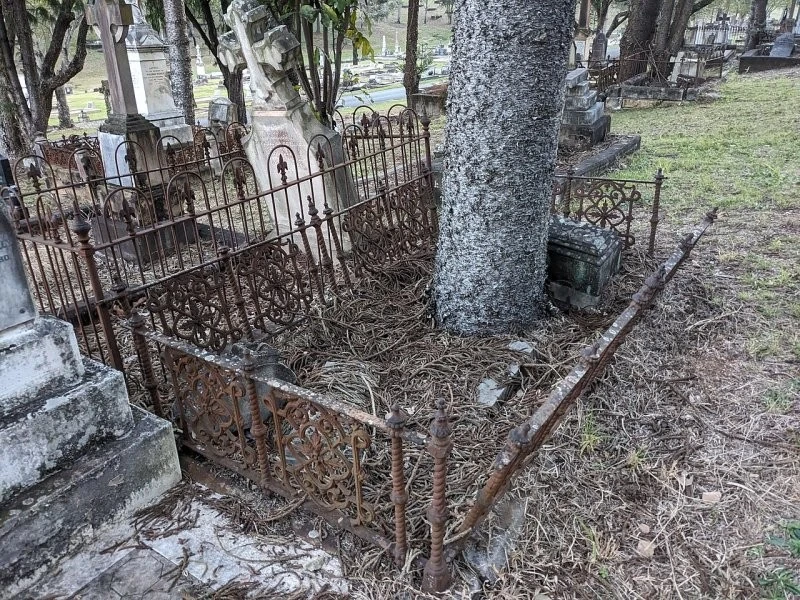
Davis's grave at Toowong Cemetery
At first, Davis was terrified of returning, having spent years fleeing authorities. But the penal settlement had ceased operation. He was forced to relearn his mother tongue and adapt once more to wearing clothes and holding a job. He initially worked for Dr. Stephen Simpson, the Crown Land Commissioner, and later took up blacksmithing at Kangaroo Point.
His unique knowledge quickly proved invaluable. Davis guided expeditions through uncharted territory, assisted in land surveys, and helped lay out roads. He also served as a court interpreter when Aboriginal individuals appeared before the bench. In 1866, he petitioned the governor for a raise to match the wages paid to Chinese and German interpreters, though his request was denied.
In 1846, Davis married Anne Shea. In 1864, he opened a crockery shop on George Street in Brisbane. The business thrived, and the former convict and "white wildman" became a respectable, reasonably prosperous member of colonial society.
He passed away on May 7, 1889, leaving part of his estate to the Brisbane Hospital and St. Stephen's Cathedral. According to his obituary, his life was marked by "adventures as extraordinary, perhaps, as ever fell to the lot of any man in this colony, and scarcely inferior to those of the famed Crusoe of old." A man who had once fled civilization and all but forgotten its tongue returned to leave his mark—and his fortune—with a life story that remains remarkable to this day.