Where Ancient Peru’s Wari Artisans Got Their Blue and Yellow Feathers (2 Photos)
In 1943, ceramic vessels containing rolled-up textile panels were discovered in southern Peru. The arid soil preserved the fabric alongside thousands of tiny feathers. According to researchers at The Metropolitan Museum of Art, the cache contained roughly 96 panels. 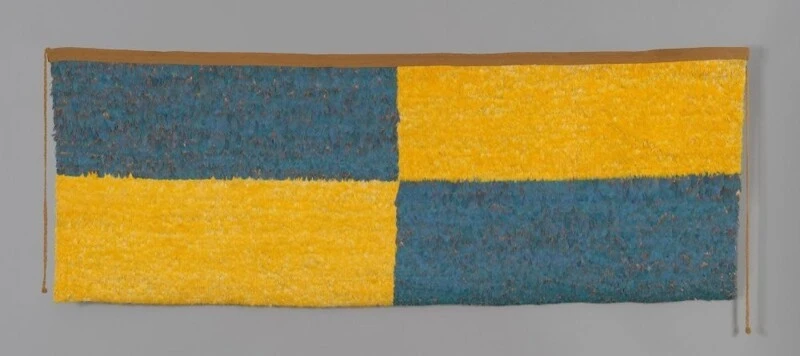
Wari panel from the Churunga Valley, ca. 600–900 CE. The Metropolitan Museum of Art, 1979.206.468.
The blue feathers were taken from the backs of blue-and-yellow macaws, while the yellow ones came from their chests and bellies. Artisans attached them to threads and arranged them in neat rows across the cloth. Although the discovery site lies along the western foothills of the Andes, these birds are native to the Amazonian rainforests far to the east. 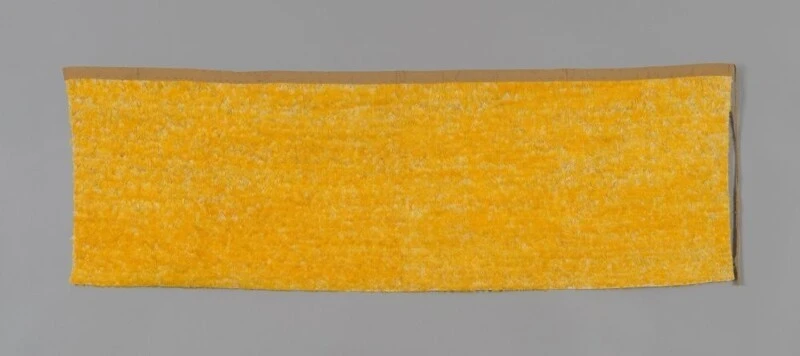
Monochrome Wari feather panel, 7th–9th century. The Metropolitan Museum of Art, 1979.206.475.
Braided cords remain attached to the edges of most panels, likely used to tie the hangings to a supporting framework. Where they were mounted and how they were originally used remains a mystery to museum experts.