Small Detail, Big Purpose: Why Jean Pockets Have Rivets (3 photos)
Jeans are a versatile wardrobe staple for both men and women. They are perfect for everyday wear and can easily be dressed up with a stylish top and accessories for a night out. At first glance, they seem simple enough—just another pair of pants. But jeans hold a few little secrets. For instance, have you ever wondered why those small metal studs sit on the pockets? Here is the story behind them. 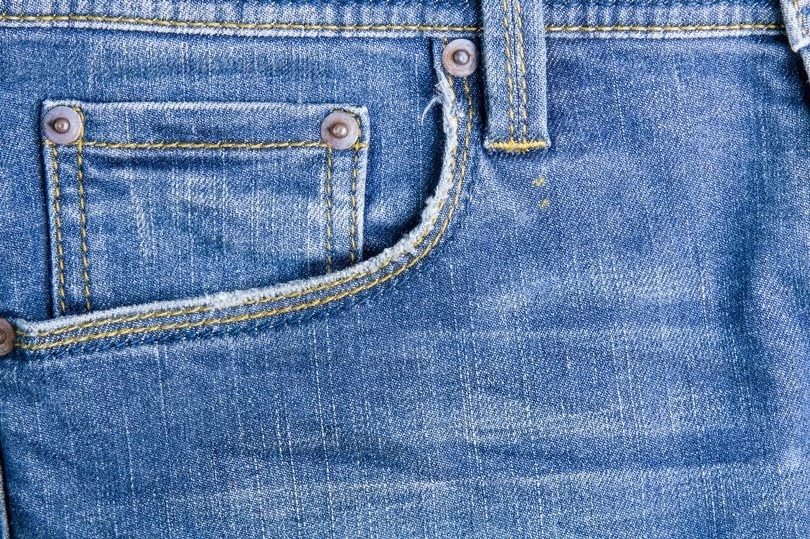
Jeans never go out of style, blending practical durability with timeless fashion. Everyone wears them, from everyday workers to A-list celebrities. Yet despite being a closet staple worldwide, few people ever stop to think about the true purpose of those tiny metal studs on the pockets. 
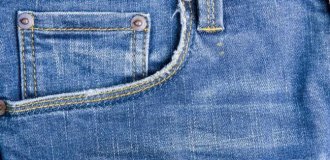
As it turns out, those metal rivets aren't just decorative—they're functional. They were a key innovation introduced back in 1873 by Jacob Davis and Levi Strauss, founders of the iconic denim brand Levi Strauss & Co. 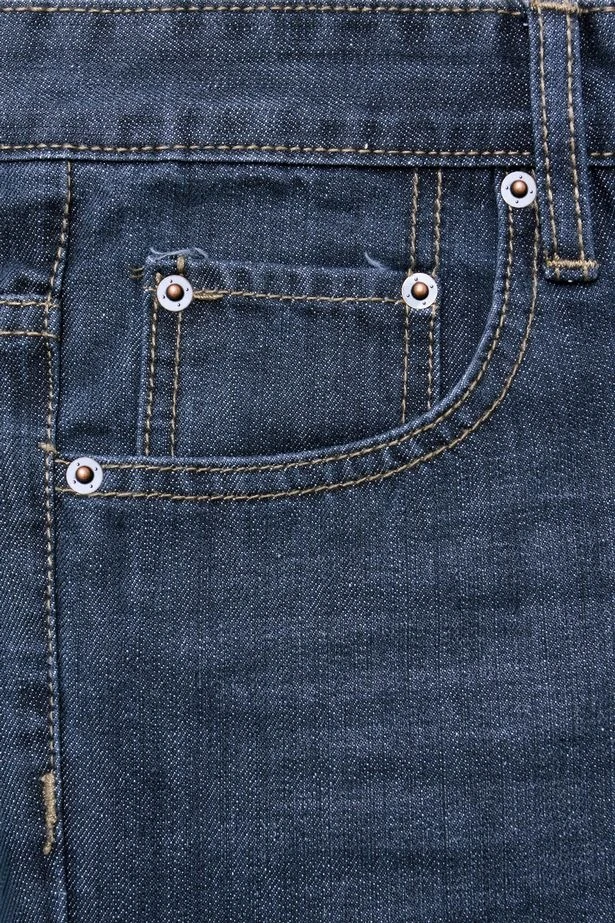
The rivets were added to reinforce the areas most prone to tearing under stress, particularly around the pockets. Levi Strauss & Co. even secured a dedicated patent for the design. This simple tweak allowed denim, originally created as tough workwear, to last much longer without ripping at the seams.
The tradition of riveting pocket seams lives on today. Just as they did over a century ago, these tiny fasteners strengthen the seams and help your favorite pair of jeans last for years.
Over the past century, jeans have undergone quite an evolution. Transforming from heavy-duty work pants into a global fashion essential, they remain one of the most beloved garments on the planet.