How Many Human Species Have Existed on Earth? (5 Photos)
Modern humans—Homo sapiens—are the sole surviving species of the genus Homo today. For most of our genus's history, however, multiple human species coexisted on the planet at any given time. Recent scientific discoveries reveal that these groups didn't just share territories or cross paths; they interacted intimately and interbred, leaving behind a shared lineage. 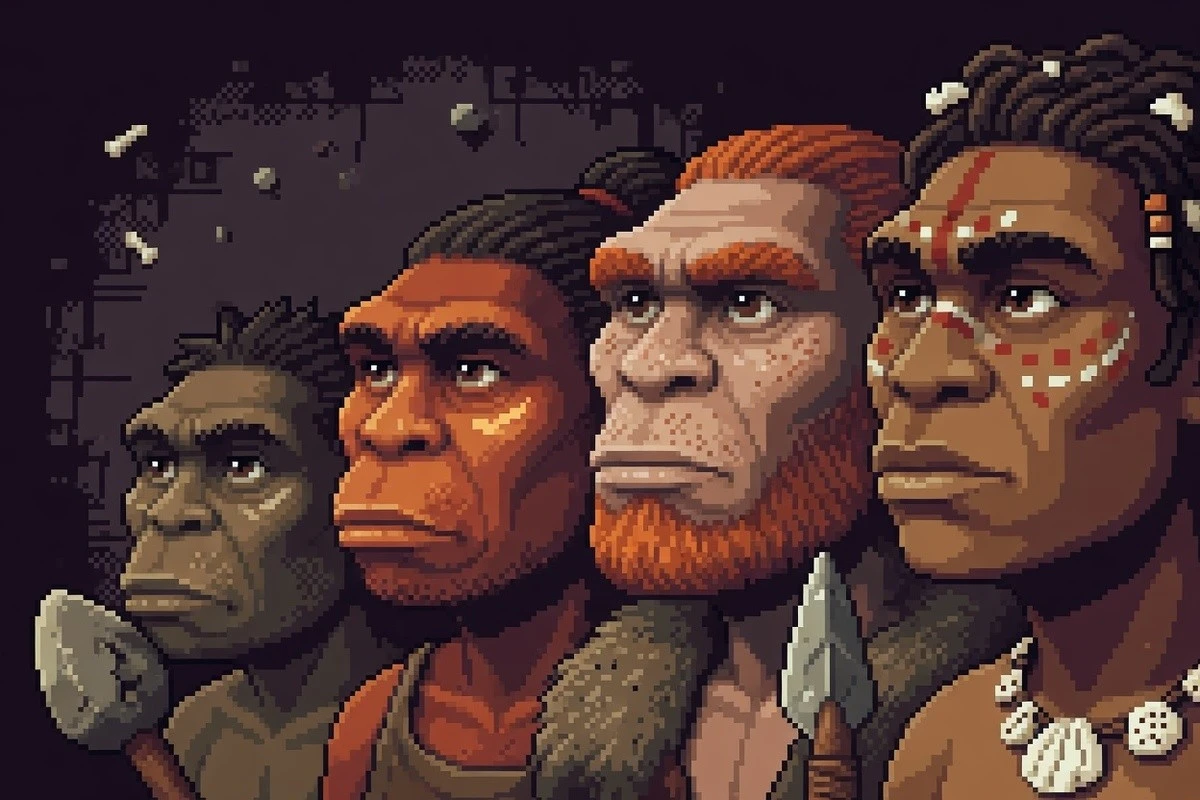
It is worth noting at the outset that scientists don't fully agree on the exact number of Homo species that ever walked the Earth. Drawing the line between a distinct species and a variation within a species remains a subject of fierce debate in human paleontology, and new discoveries regularly force researchers to rethink classifications. That said, there are currently eight widely recognized, well-documented species, along with several others that are more controversial or recently proposed.
Early Representatives of the Genus Homo
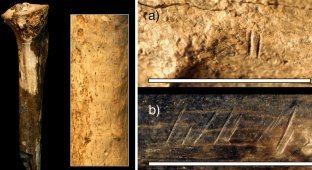
The earliest species classified within the genus Homo—rather than among the older australopithecines—is Homo habilis, or "handy man," who lived roughly 2.4 to 1.4 million years ago in Eastern and Southern Africa. The species earned its name after primitive stone tools were discovered alongside its remains, marking a pivotal step toward the systematic creation and use of technology. 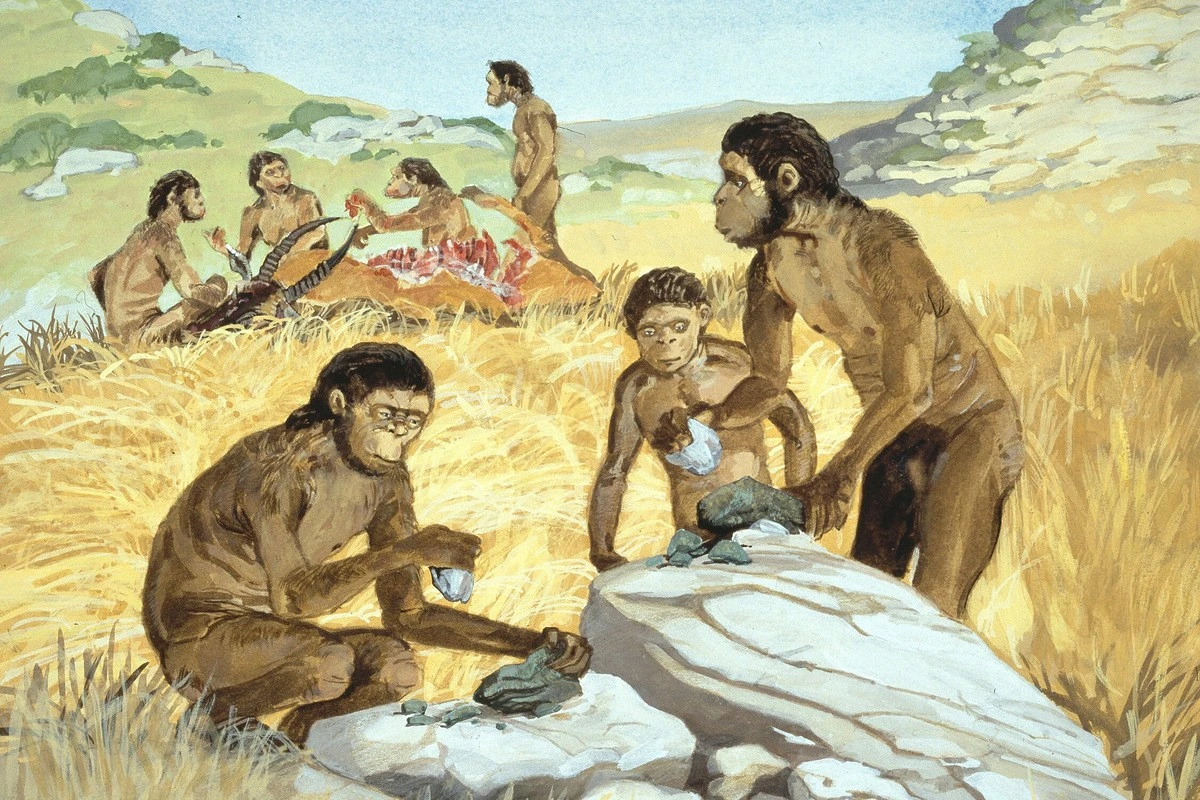
Around 1.9 million years ago, Homo erectus ("upright man") emerged, becoming one of the most successful and long-lived species in the history of our genus before disappearing roughly 110,000 years ago. Some researchers suspect Homo erectus may have survived even longer, with future discoveries potentially uncovering evidence of later persistence in isolated pockets.
Homo erectus was also the first ancient human to venture beyond Africa, spreading across vast stretches of Asia.
Species That Lived Alongside Our Ancestors
Homo heidelbergensis (Heidelberg man), who inhabited Africa and Europe between roughly 700,000 and 200,000 years ago, is widely considered a common ancestor of both modern humans and Neanderthals—serving as a key evolutionary fork that gave rise to two distinct lineages.
Neanderthals (Homo neanderthalensis) are by far the most famous archaic human species, roaming Europe and parts of Western Asia from roughly 400,000 to 40,000 years ago. Long depicted as crude and primitive, Neanderthals have been recast by modern archaeology—thanks to burial sites and long-term settlements—as creatures capable of remarkably complex social and cognitive behavior. For instance, researchers have shown that Neanderthals used pigments, crafted jewelry, cared for sick and injured group members (even those with no hope of recovery*), and practiced elaborate burial rites.
*I was particularly struck by the documented case of Neanderthals caring for a child who likely had Down syndrome. The child lived to be about six or seven, and throughout that time, the group stayed in place and provided constant care. Truly primitive creatures simply aren't capable of that level of empathy. 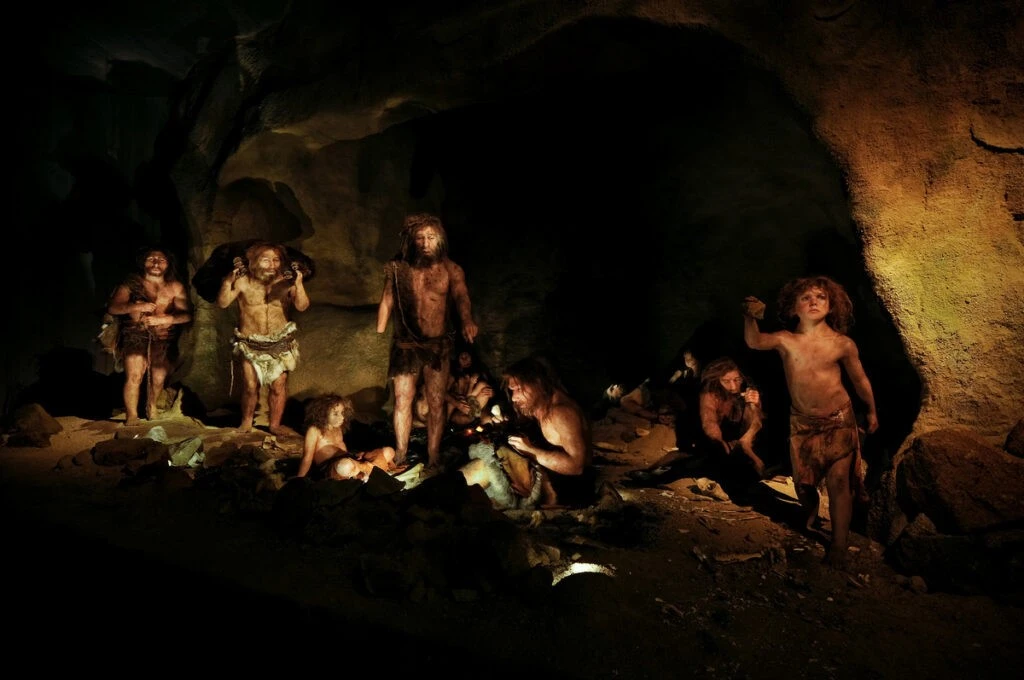
The Denisovans (Denisova hominins) deserve special mention. Science knows them only through tantalizing fragments: a few teeth and bone slivers found in Denisova Cave in the Altai Mountains. Because so little is known about their physical appearance, scientists still debate whether to classify Denisovans as a distinct species or a specialized population within a broader group. Nevertheless, their discovery revolutionized our understanding of early human migration.
Island Dwarfs
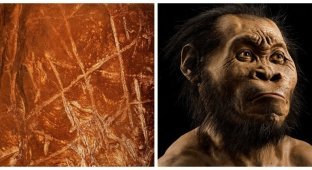
One of the 21st century's most extraordinary discoveries came in 2003 with the find of Homo floresiensis on the Indonesian island of Flores—a tiny human species standing just about three feet tall, which the media quickly dubbed the "Hobbit." They died out relatively recently, around 50,000 years ago. Scientists attribute their diminutive stature to insular dwarfism, an evolutionary phenomenon where species stranded on isolated islands shrink over generations due to severely limited resources. 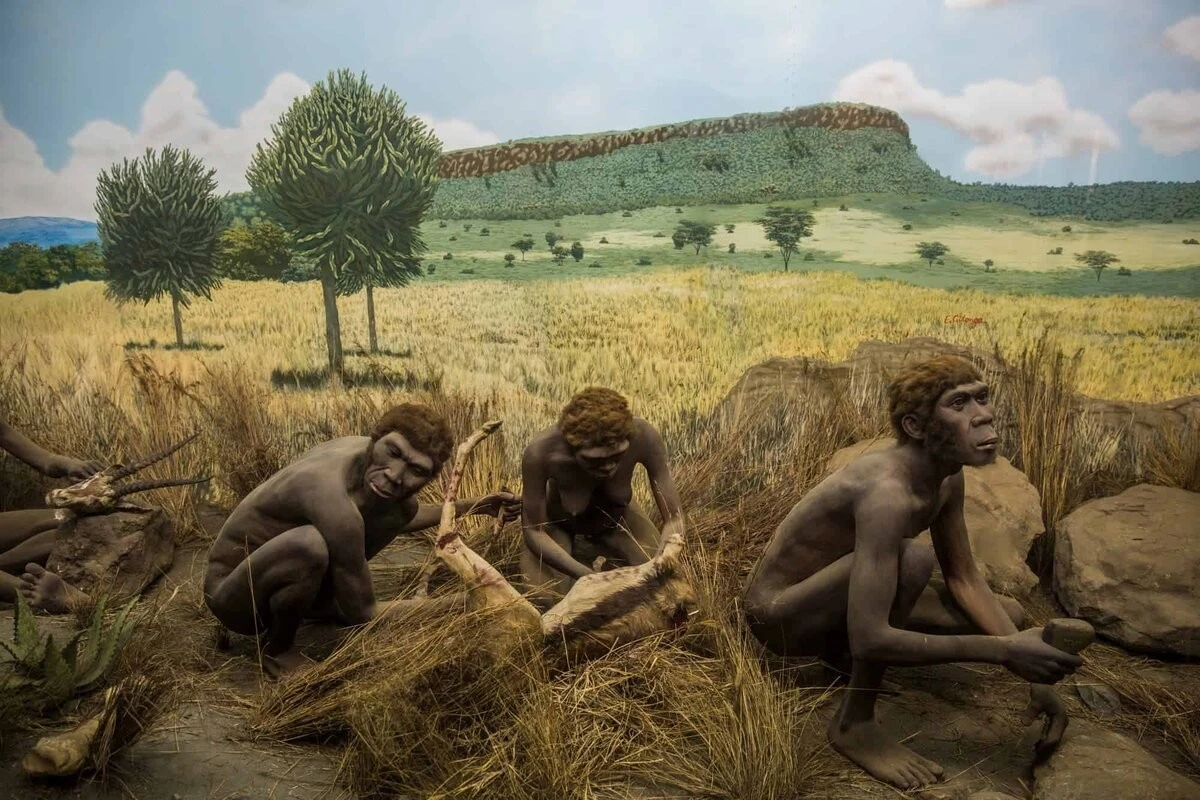
A similar story unfolded with Homo luzonensis, whose remains—dated to roughly 134,000 (± 14,000) years ago—were discovered in 2010 on Luzon, an island in the Philippine archipelago. Members of this species stood only about four feet (120 cm) tall.
How Many Species Coexisted With Us?
Modern Homo sapiens, who emerged roughly 300,000 years ago, shared the planet with other human species for much of their history. As recently as 50,000 to 40,000 years ago, at least five human species coexisted on Earth at the exact same time: Homo sapiens, Neanderthals, Denisovans, Homo floresiensis, and Homo luzonensis.
Genetic studies have conclusively proven that interactions between these species went far beyond sharing geographic boundaries. Modern non-African populations carry a notable percentage of Neanderthal DNA, while certain indigenous groups in Southeast Asia and Oceania possess significant amounts of Denisovan ancestry. This is definitive proof of interbreeding, not just passive coexistence.
Why Only One Species Remains
The exact reasons why every other species of Homo vanished remain up for debate. Leading theories point to climate shifts, as well as fierce competition for resources with Homo sapiens, who were more numerous and potentially more technologically and socially sophisticated. 
Yet the real answer might mirror the fate of the Etruscans or the Maya: gradual assimilation through interbreeding simply dissolved these distinct species into our collective gene pool. To be sure, interbreeding wasn't always seamless—genetic data suggests some hybrid offspring were infertile or inviable. Assimilation occurred, but not without evolutionary bottlenecks.
Further Reading:
Does evolution have a goal? How natural selection and speciation work.
Did Homo sapiens emerge thanks to a global catastrophe?
Why does all life on Earth share the exact same genetic code?